Sustainable Infrastructure Trends Shaping 2026 Project Planning
As 2026 project planning accelerates, sustainable infrastructure is moving from a policy theme to a hard investment filter. It now shapes feasibility, financing, permitting, insurance, and long-term asset performance.
Across construction, transport, utilities, mining, and urban systems, sustainable infrastructure is redefining what counts as a future-ready project. Carbon intensity, resilience, digital visibility, and lifecycle efficiency matter as much as upfront cost.
This shift is especially relevant in integrated sectors where physical assets, data systems, and public expectations intersect. Projects that ignore these trends risk delays, stranded capital, and declining operational value.
Why sustainable infrastructure is becoming the default planning lens for 2026
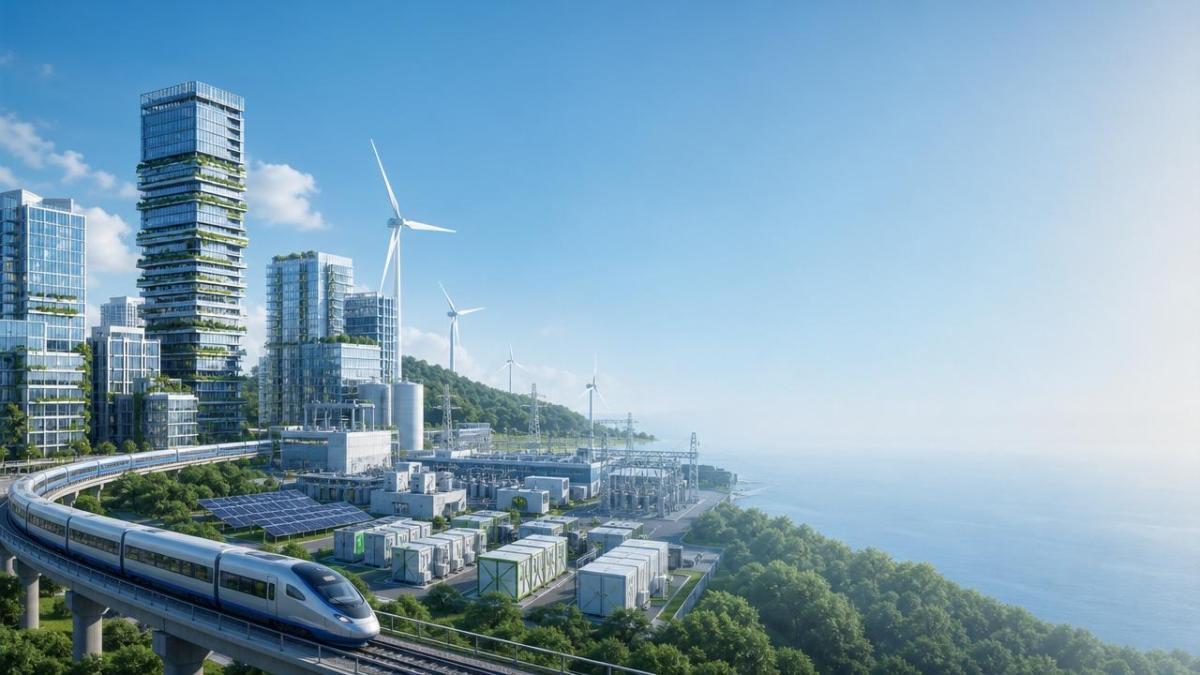
The strongest signal is simple: infrastructure planning is no longer judged only by delivery speed. It is judged by emissions profile, resilience under stress, and adaptability to digital operations.
Governments are tightening standards for energy use, waste reduction, water management, and asset transparency. Lenders are also embedding ESG screens into capital approval and portfolio risk models.
At the same time, cities and operators face heatwaves, floods, supply volatility, and aging networks. Sustainable infrastructure offers a practical response by improving durability, efficiency, and system-wide coordination.
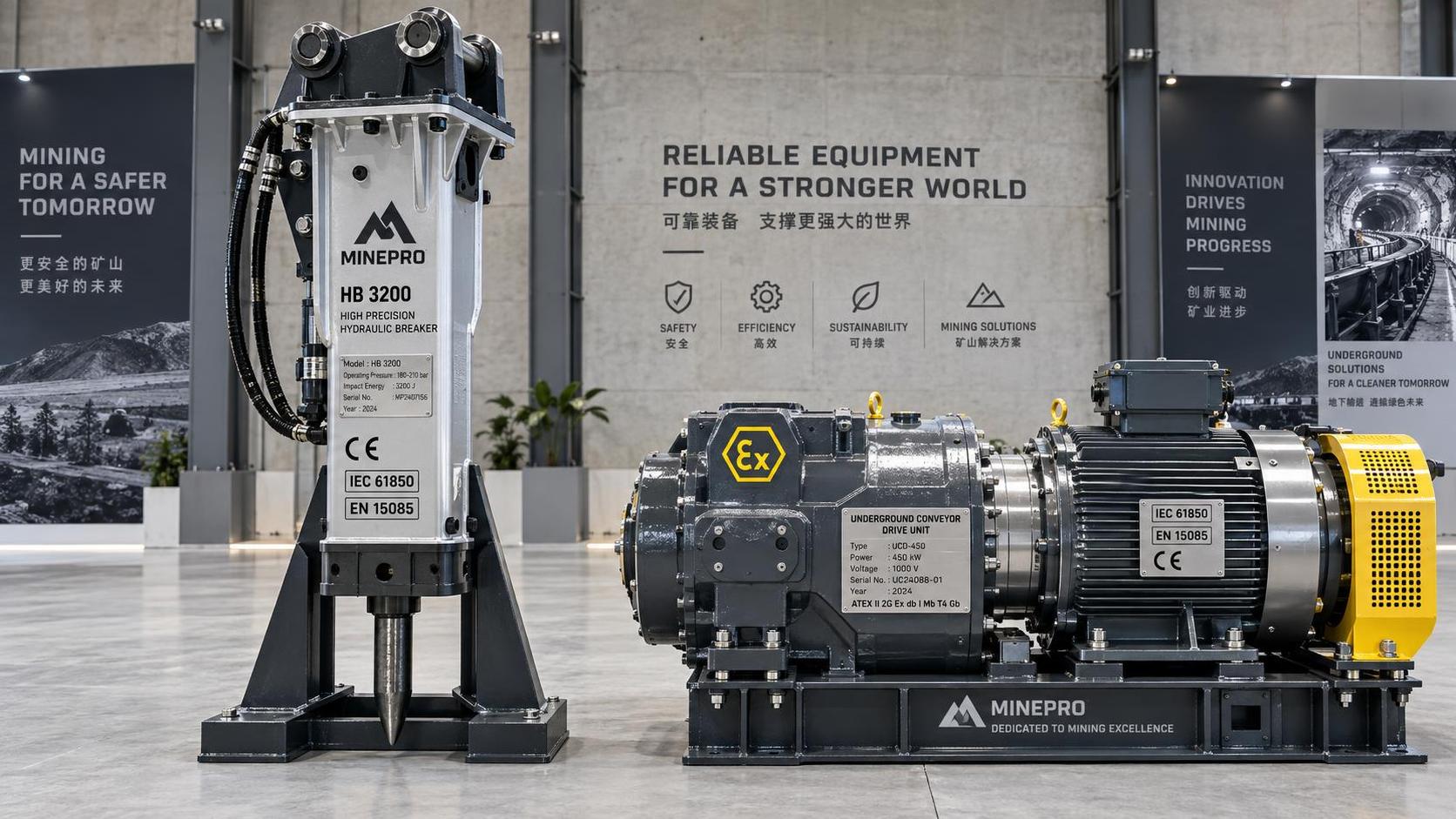
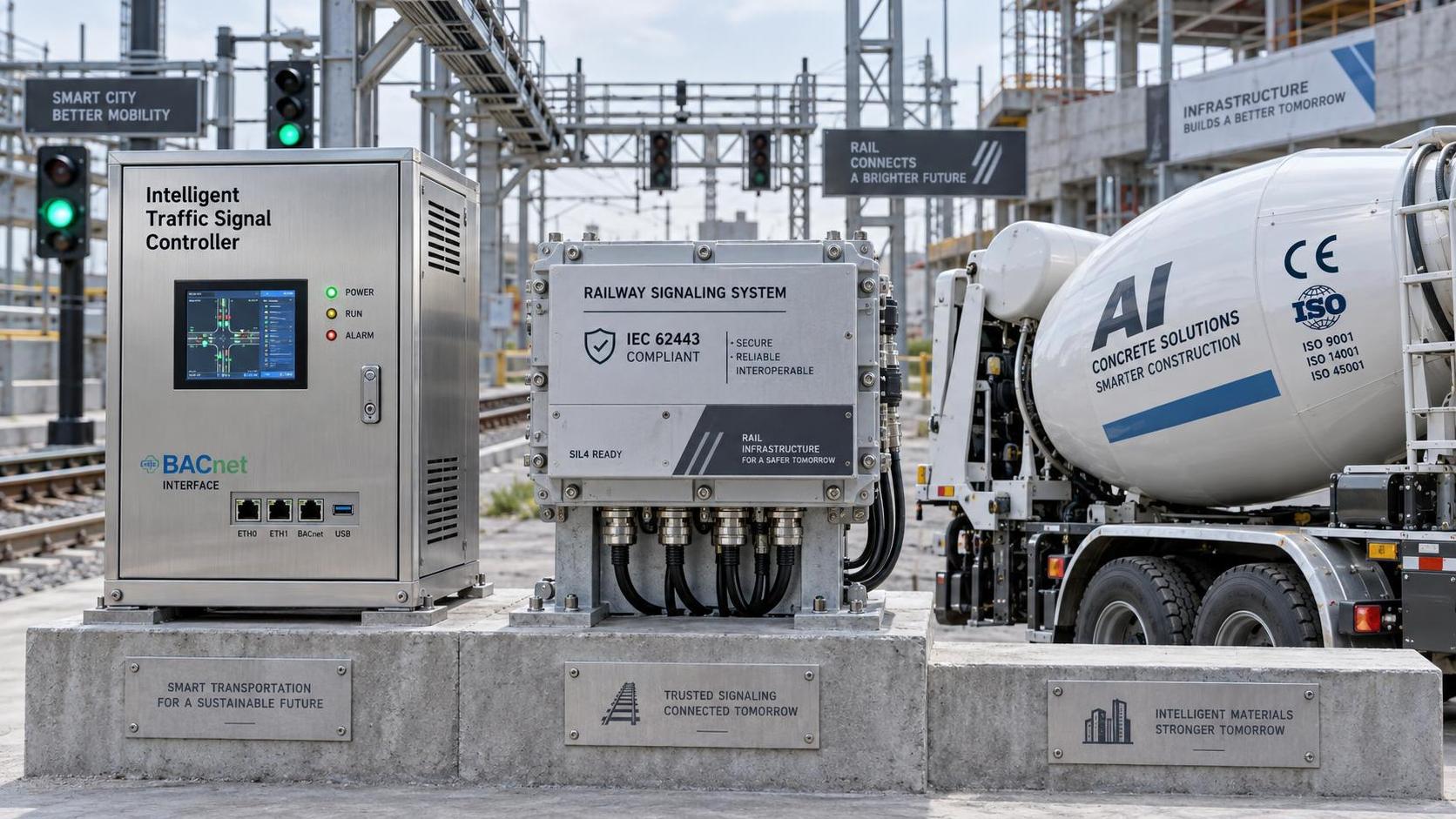
For GIUT’s core sectors, this means a broad transition. Smart buildings, rail corridors, heavy equipment fleets, and resource projects are increasingly planned as interconnected, measurable, low-carbon assets.
The trend signals already influencing project selection
Several visible signals show how sustainable infrastructure is reshaping early-stage decisions. These signals appear across public works, industrial estates, mobility networks, and urban technology platforms.
- Lifecycle carbon is entering design briefs and bid evaluations.
- Digital twins are used to model energy, maintenance, and resilience outcomes.
- Modular and prefabricated methods are replacing high-waste site practices.
- Rail, transit, and freight links are prioritized for decarbonized mobility.
- Water reuse and circular materials are becoming baseline design elements.
- Equipment electrification and smart fleet monitoring are gaining budget priority.
These are not isolated upgrades. Together, they show that sustainable infrastructure is evolving into a portfolio strategy, not a single technology decision.
What is driving these sustainable infrastructure trends
The drivers are structural rather than temporary. They combine regulation, economics, engineering maturity, and public expectations around reliability and environmental performance.
Taken together, these drivers increase the strategic value of sustainable infrastructure. They also raise the cost of relying on outdated design assumptions.
Where the biggest shifts are happening across infrastructure segments
Construction and smart building
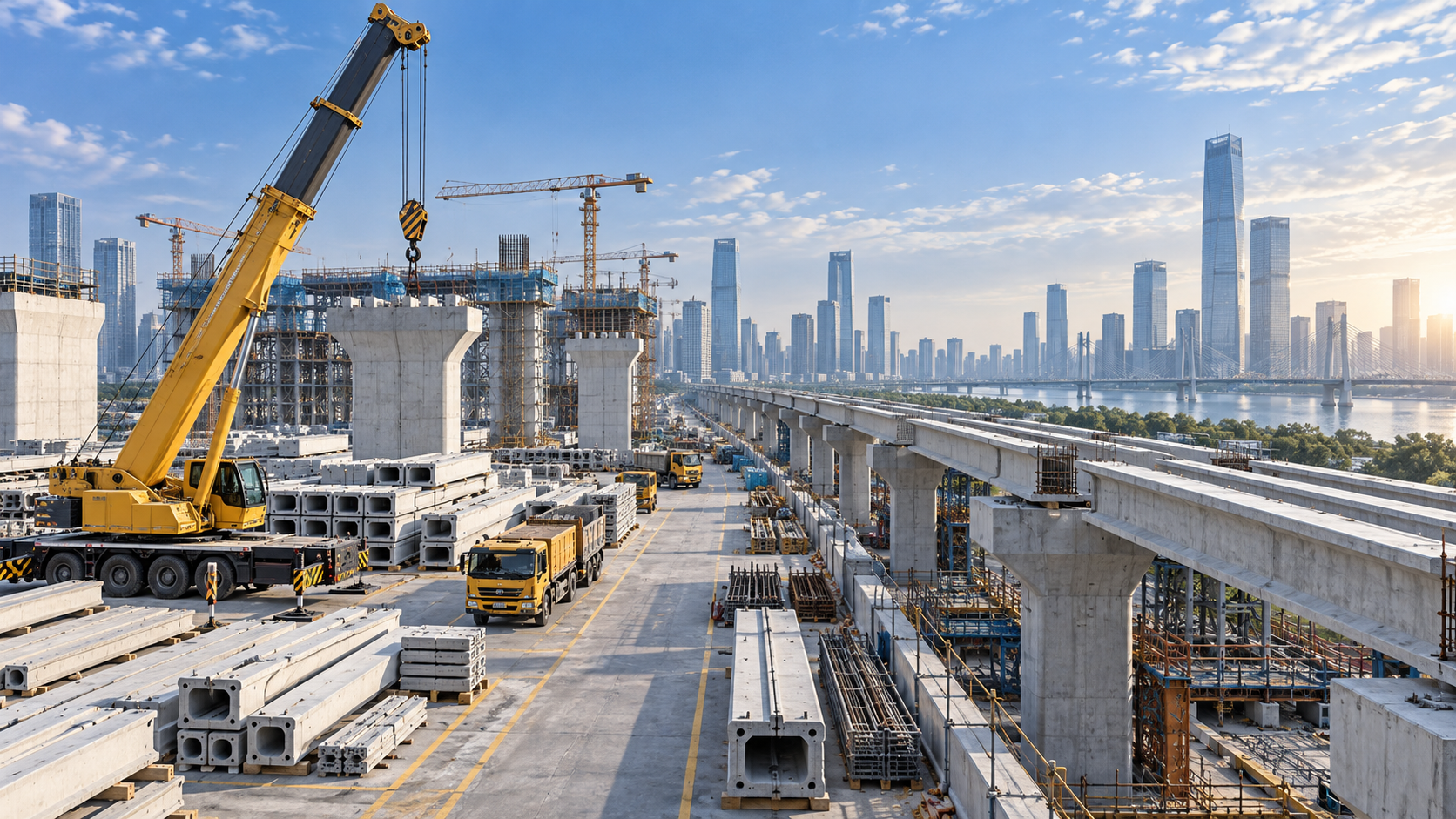
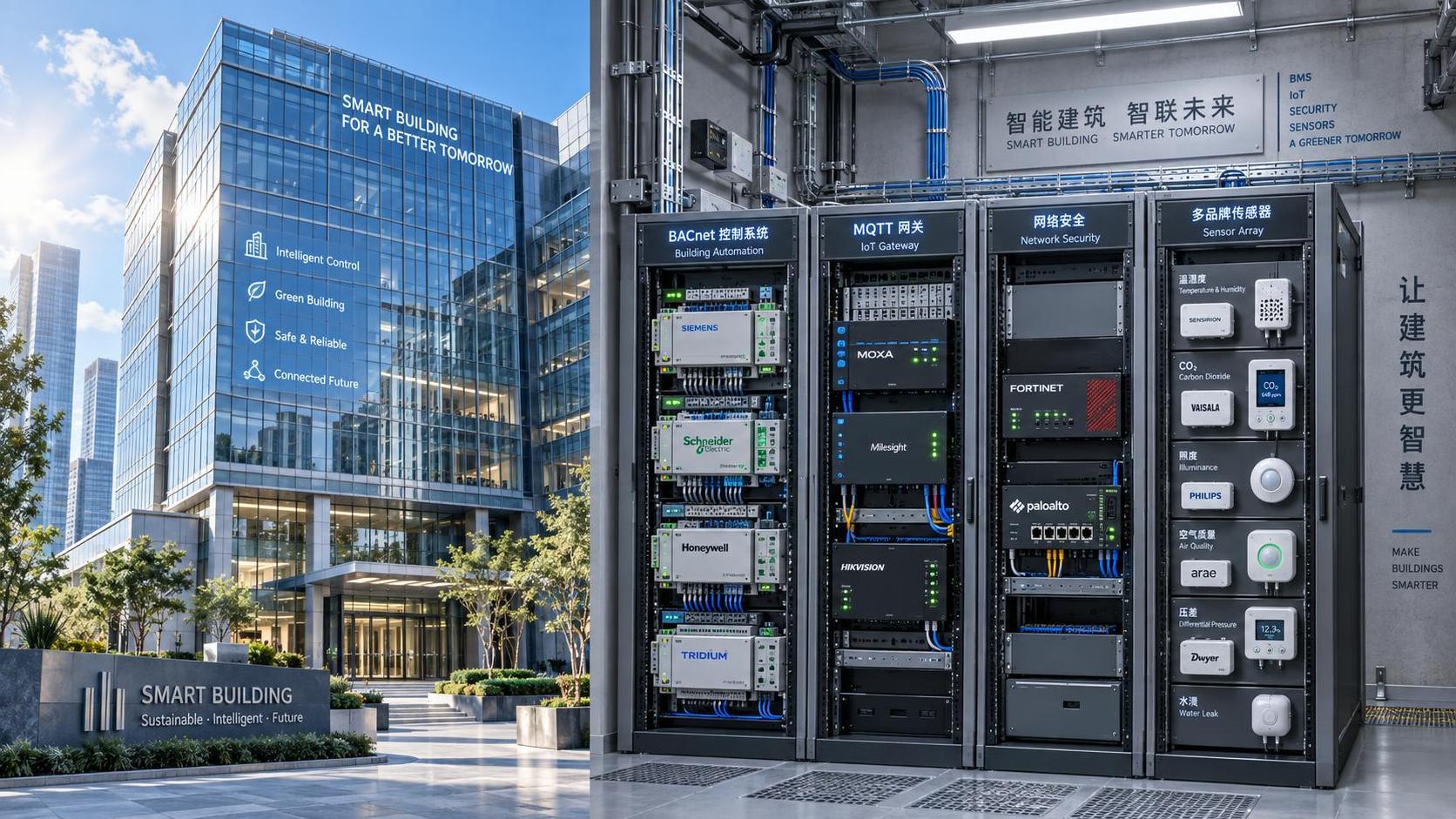
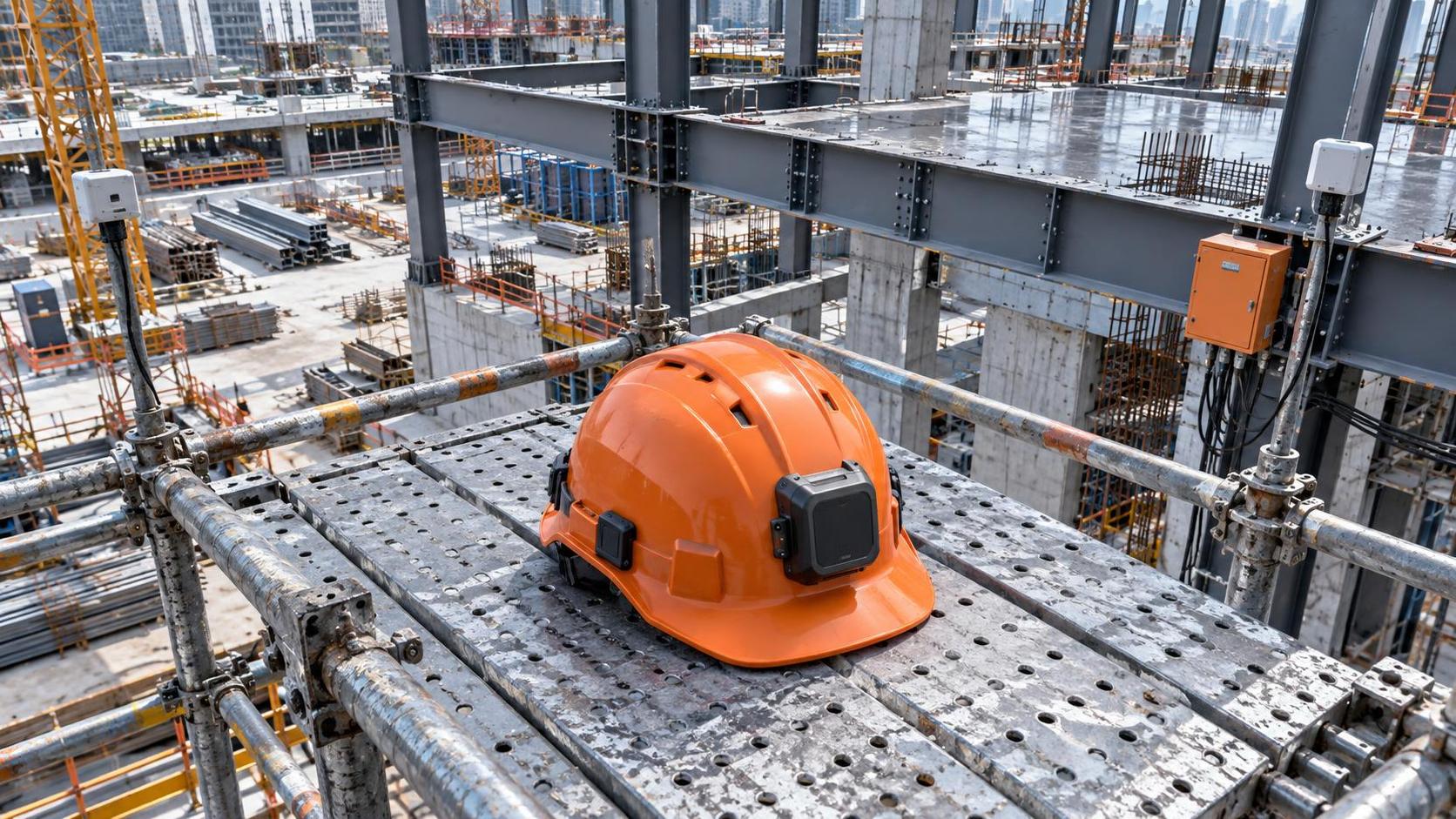
Low-carbon cement, recycled steel, and prefabricated systems are reducing waste and improving schedule certainty. Smart jobsites also cut fuel use through connected logistics and real-time equipment management.
Urban tech and governance
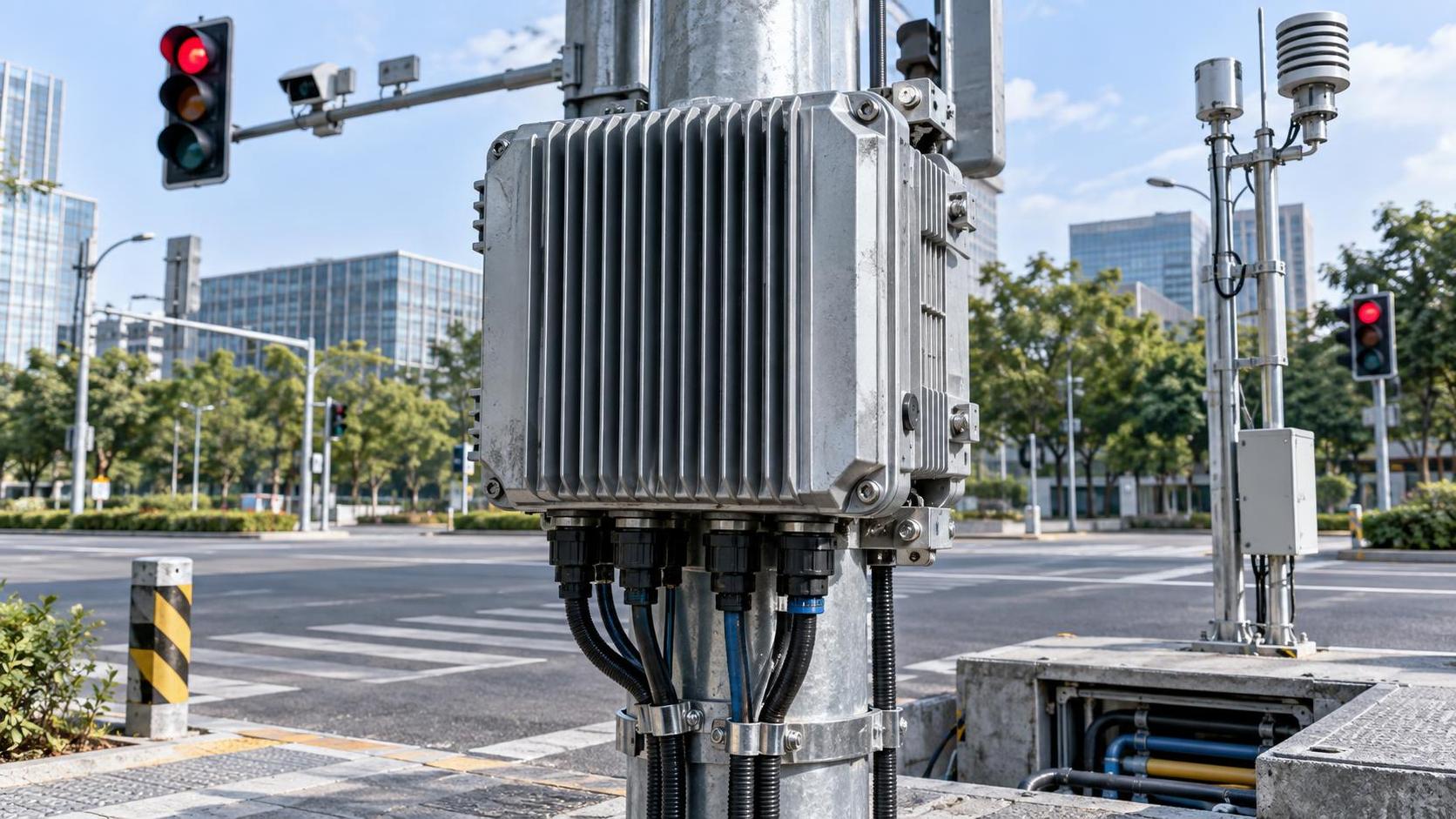
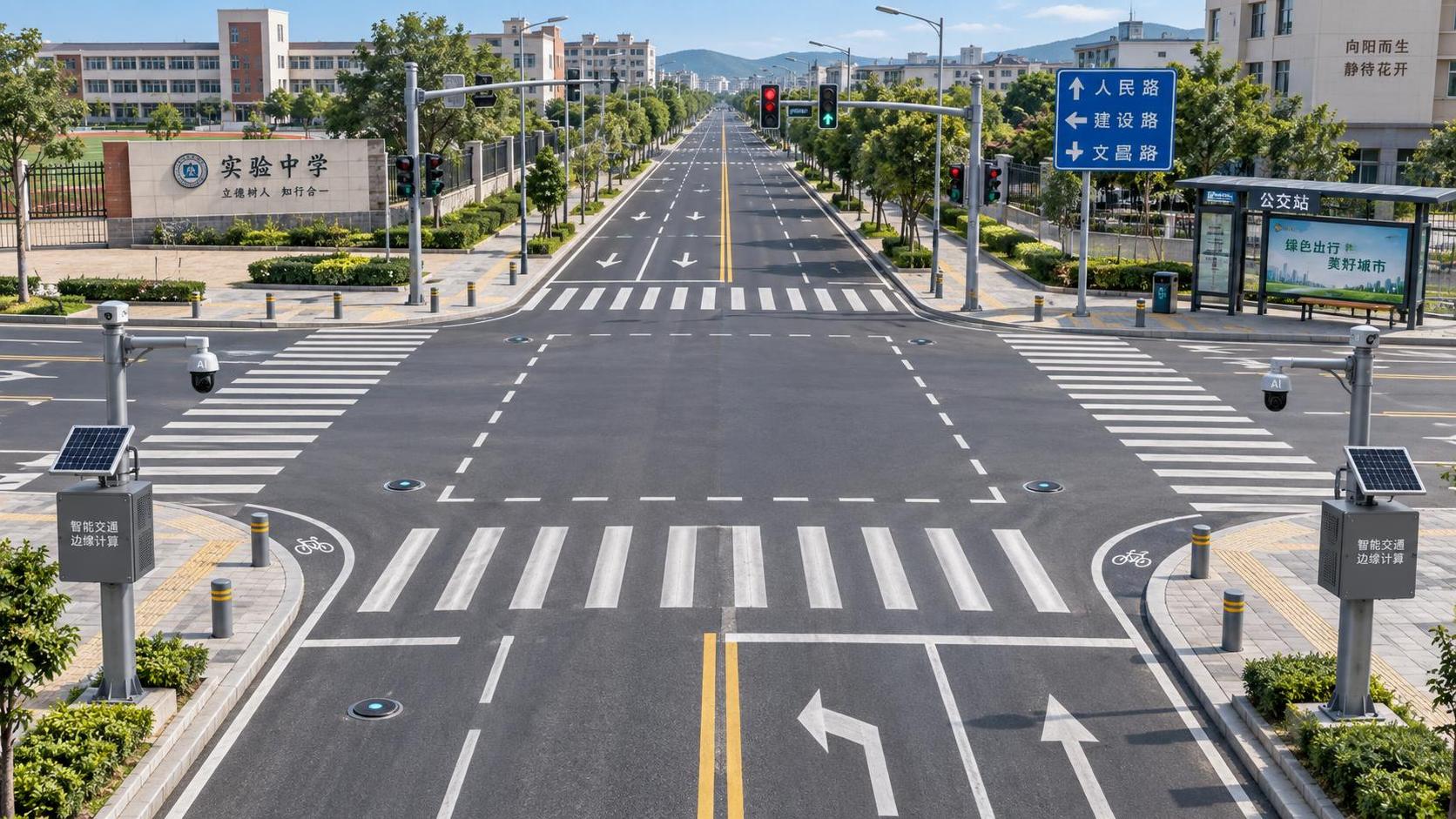
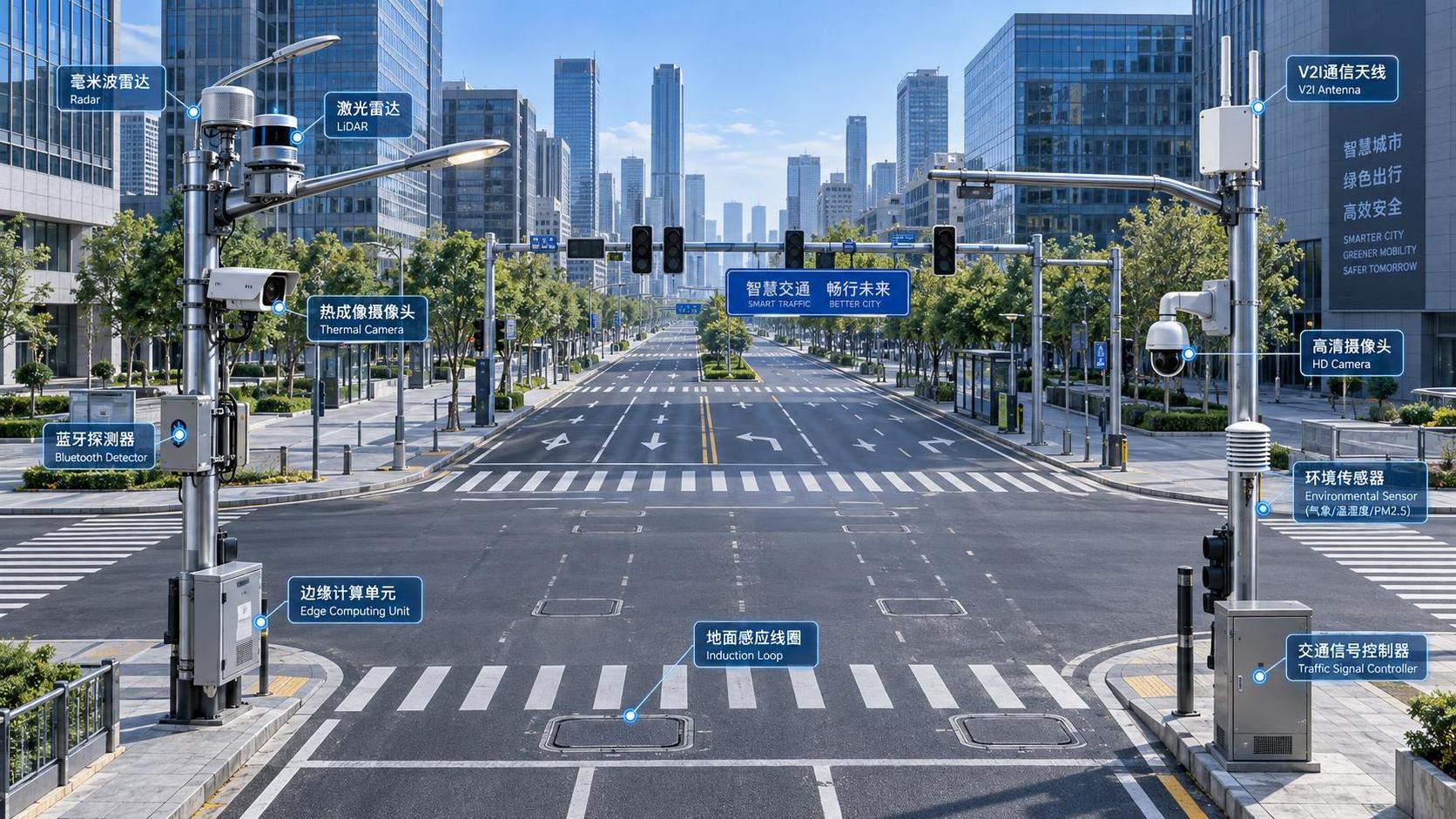
Cities are pairing sustainable infrastructure with digital control layers. Smart grids, adaptive traffic systems, and automated waste networks help reduce resource losses at scale.
Railway and logistics corridors
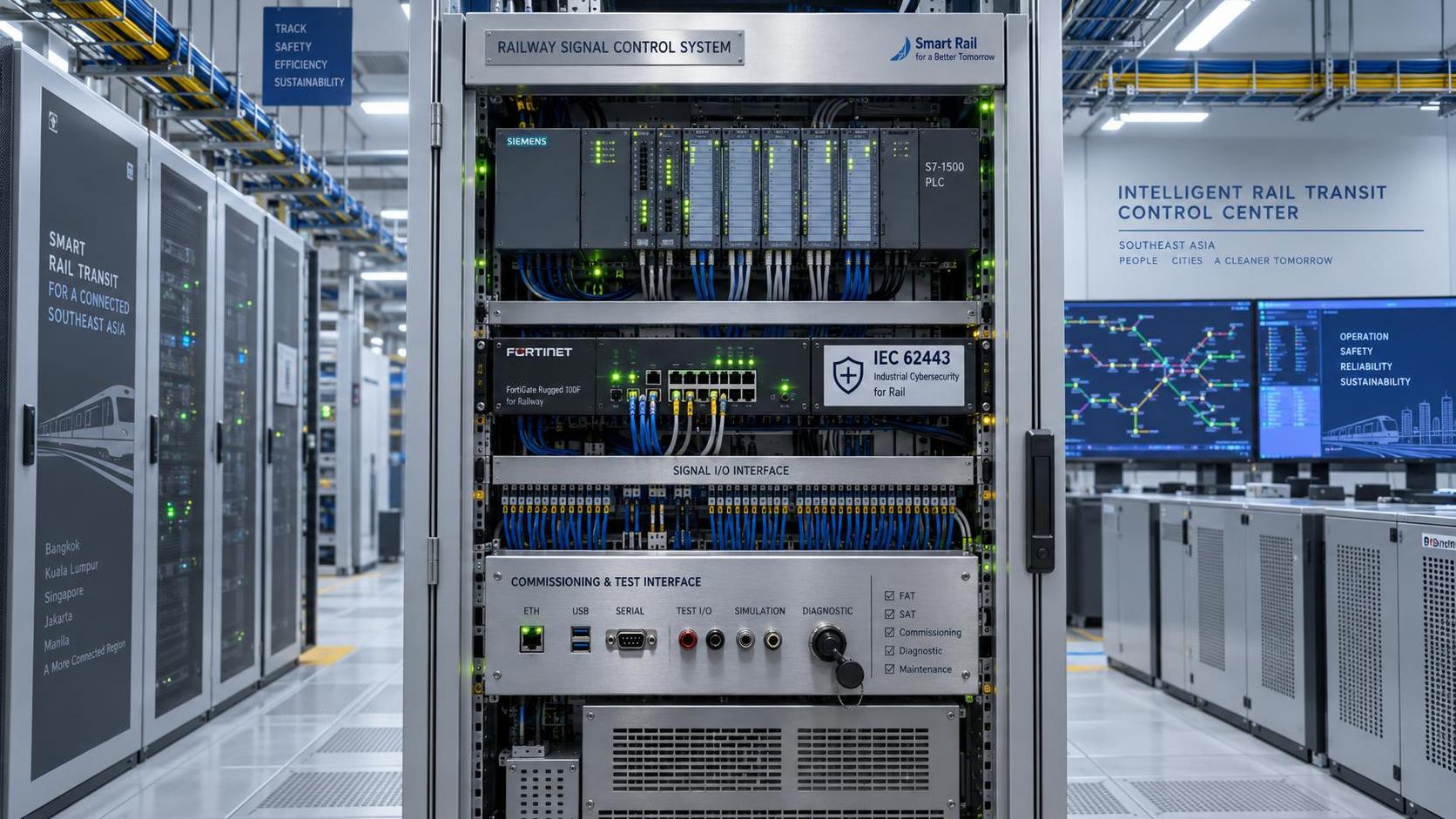
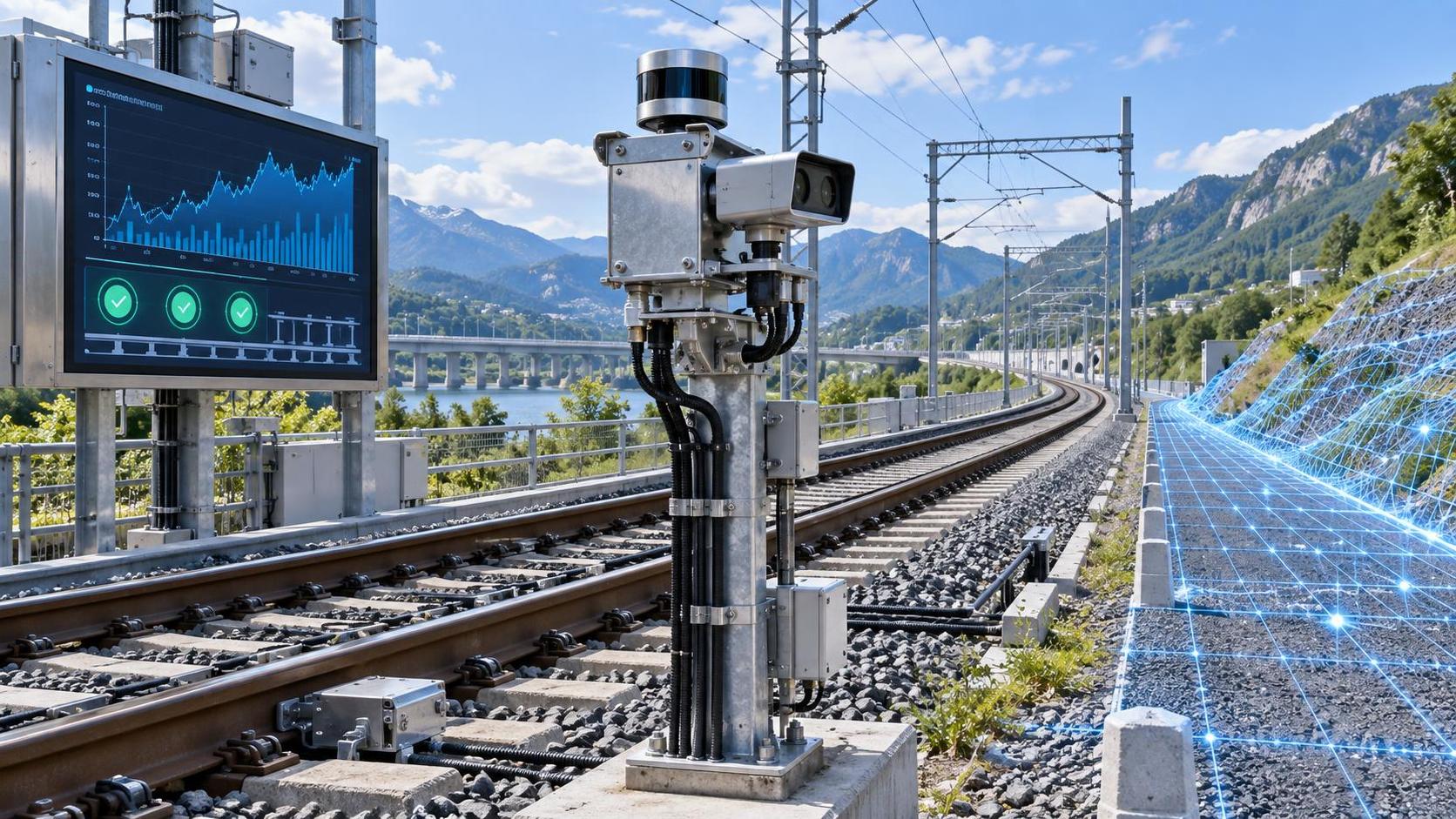
Rail modernization supports decarbonization while improving throughput. Electrified routes, predictive maintenance, and efficient signaling create stronger network resilience with lower lifecycle emissions.
Mining and resource technology
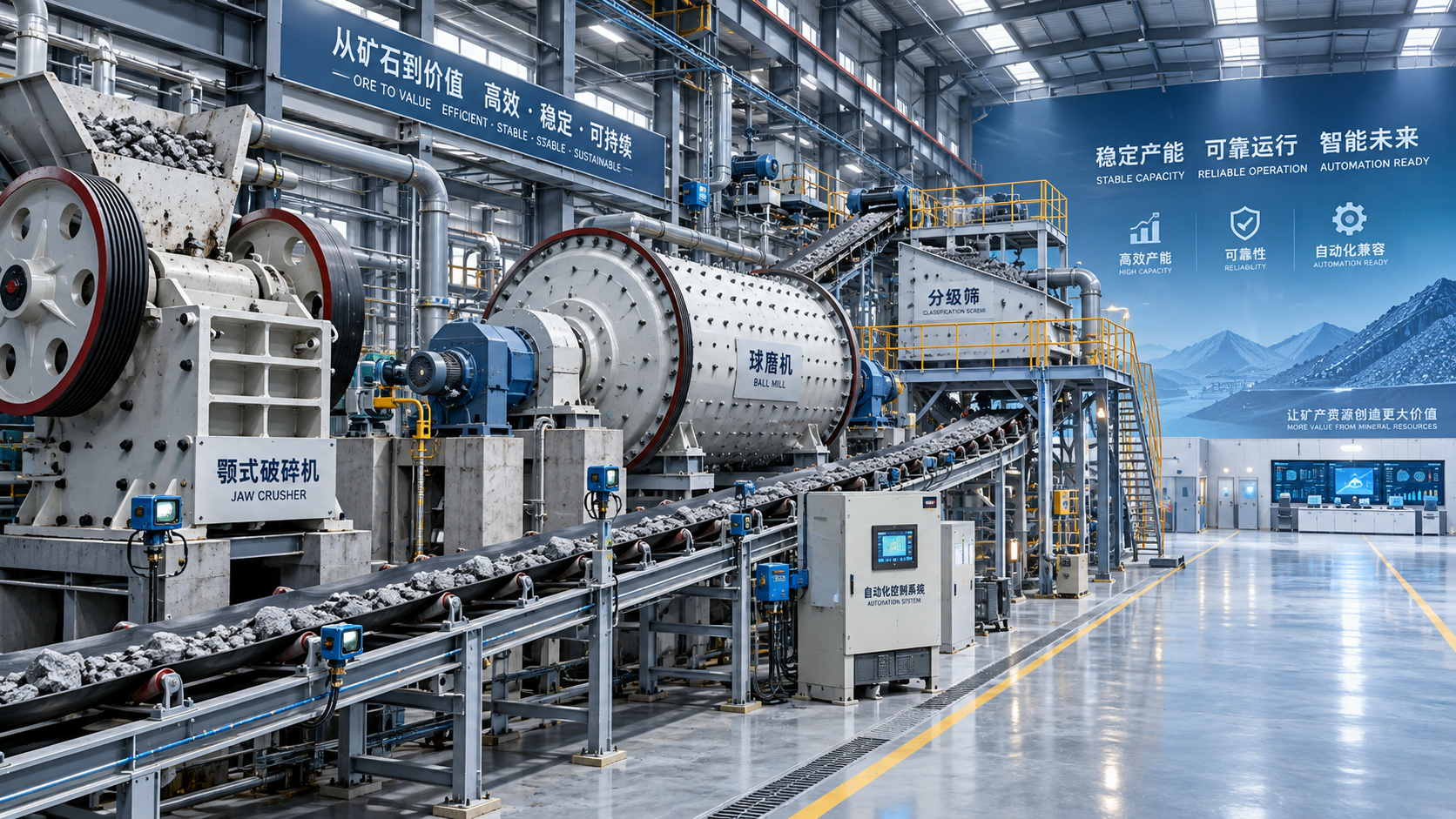
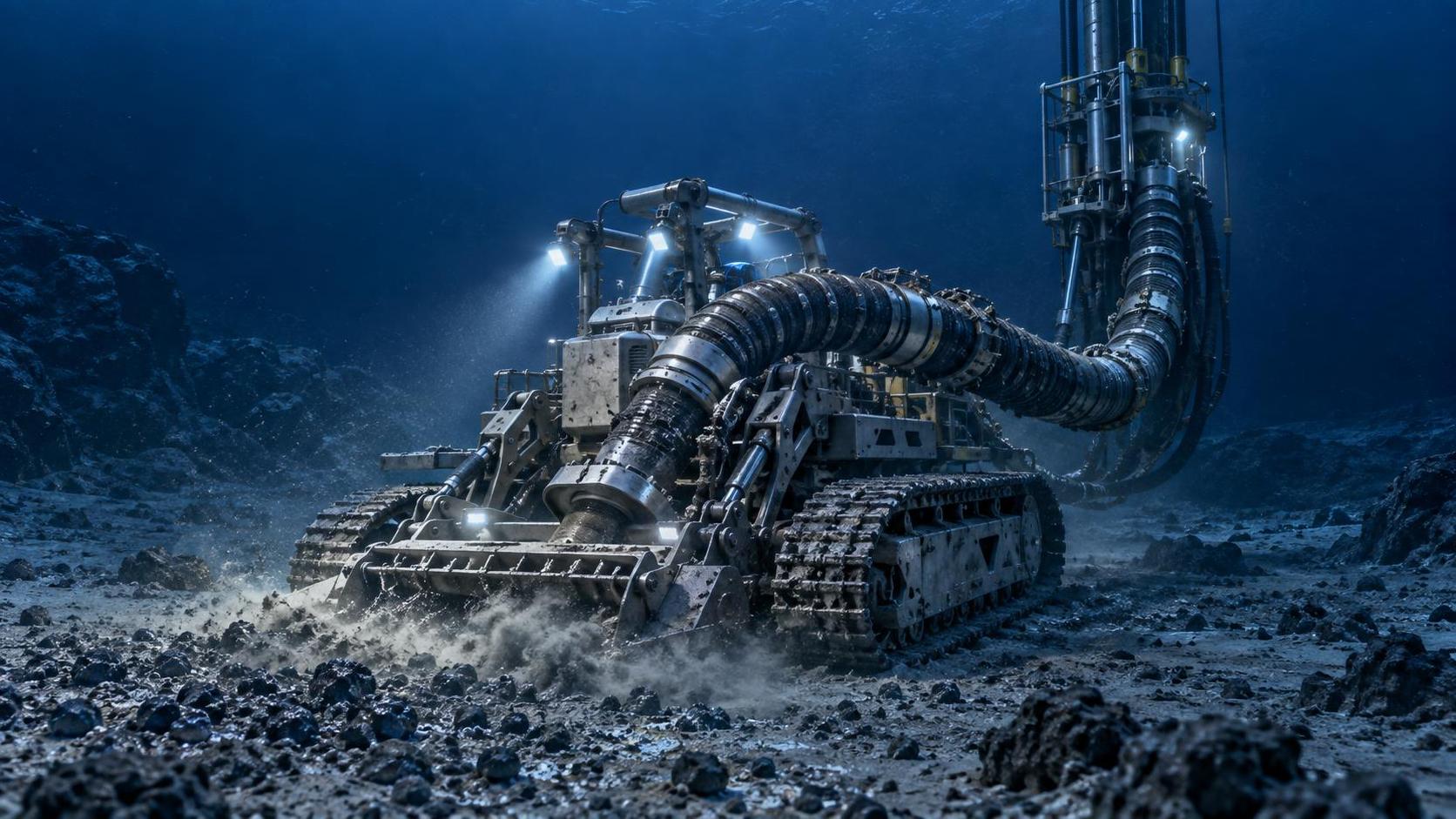
Resource projects face heavier scrutiny on water, energy, land impact, and safety. Sustainable infrastructure in this segment depends on cleaner processing, monitoring systems, and lower-impact site design.
Special purpose vehicles and heavy equipment
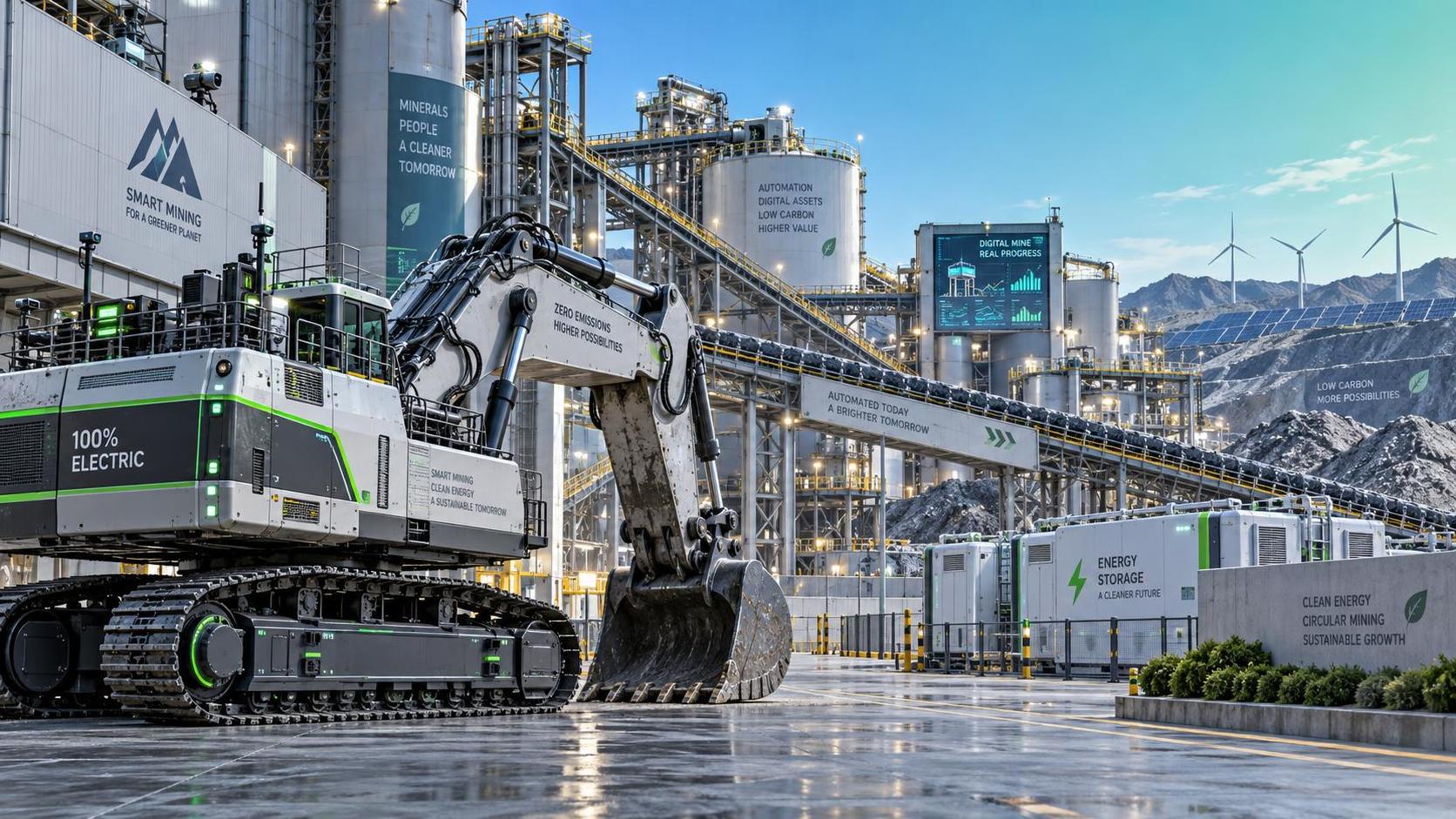
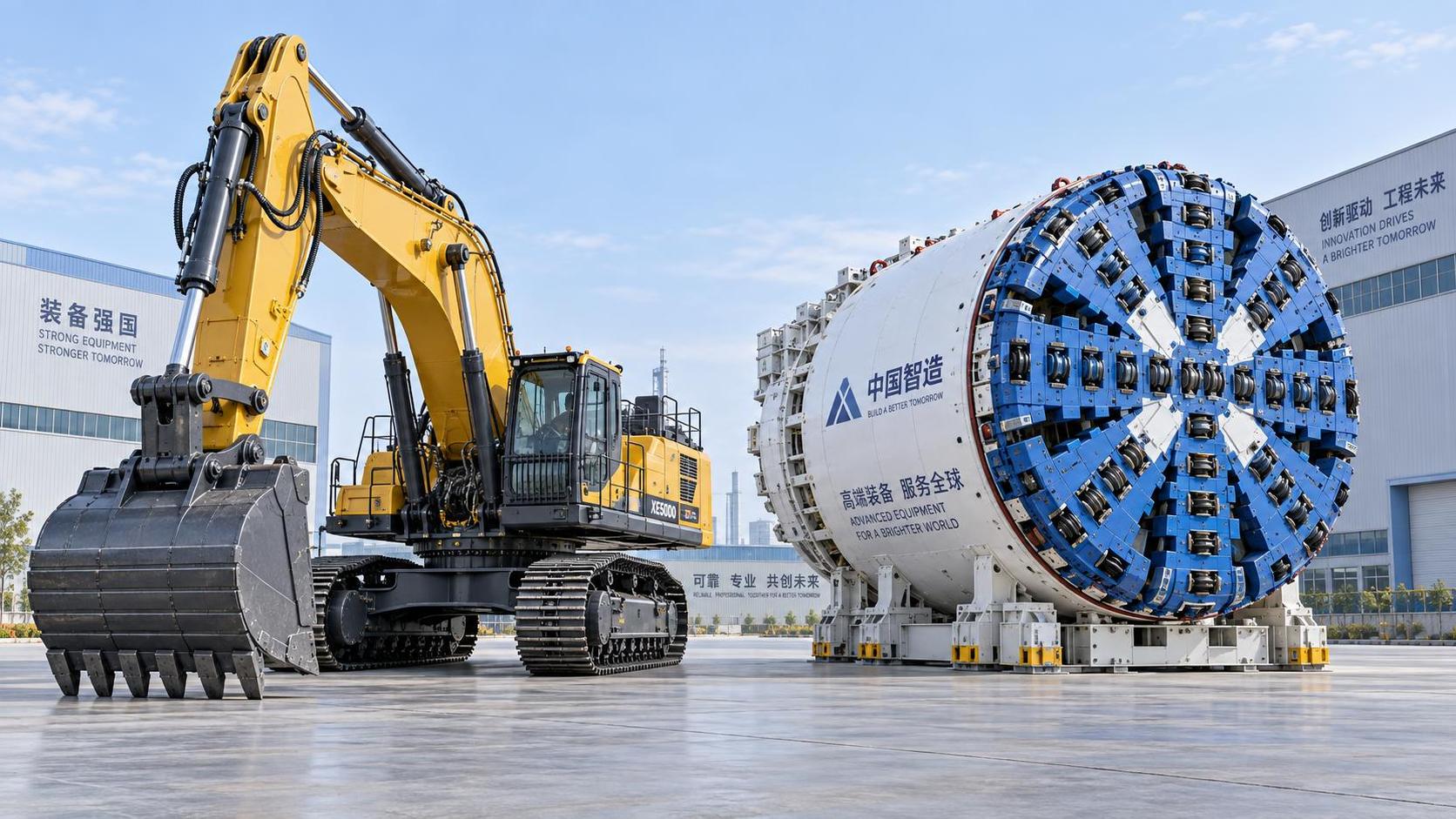
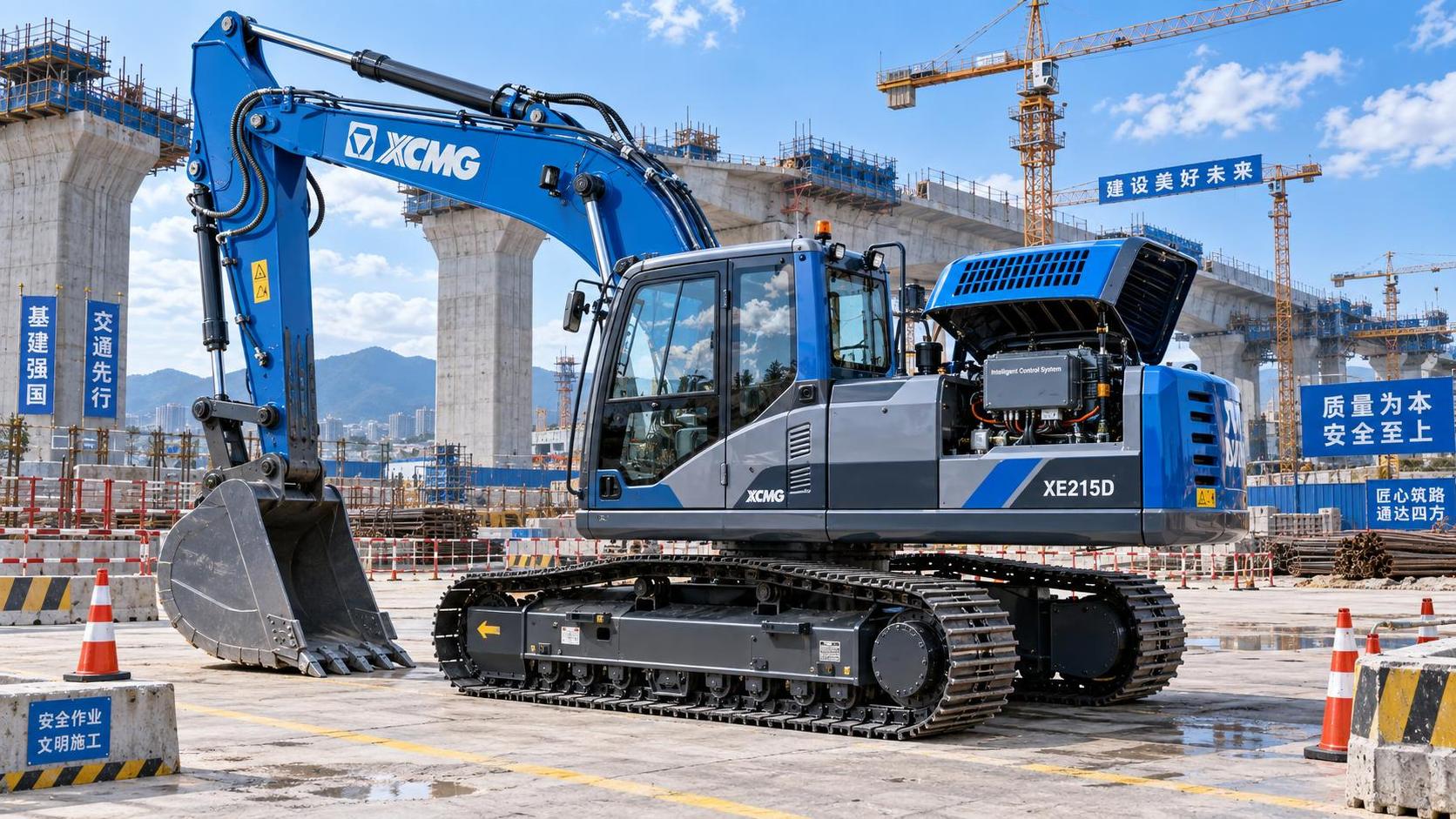
Fleet electrification, hybrid drivetrains, and telematics are influencing procurement. Buyers increasingly compare machines by productivity per emission unit, not just peak output.
How sustainable infrastructure changes project evaluation and business risk
The impact is broad because planning assumptions now extend beyond construction. Sustainable infrastructure changes business cases, contract structures, and performance benchmarks after commissioning.
Projects with weak resilience or opaque data may face higher financing costs. They may also encounter slower approvals, stricter insurance terms, or reduced eligibility for public-private funding models.
By contrast, projects designed around sustainable infrastructure often gain stronger lifecycle economics. They can lower maintenance volatility, support compliance reporting, and improve long-term tenant or user confidence.
- Design teams must quantify carbon, resilience, and operational efficiency earlier.
- Procurement models must compare total value, not cheapest initial supply.
- Operators need data-ready assets for monitoring, maintenance, and reporting.
- Capital partners need traceable sustainability evidence linked to asset performance.
What deserves the closest attention in 2026 planning cycles
Not every green claim creates value. The priority is to focus on measurable factors that improve project durability, compliance, and operational efficiency.
- Embodied carbon baselines for concrete, steel, asphalt, and structural systems.
- Energy flexibility, including onsite generation, storage, and smart demand response.
- Water security through reuse, leak detection, and climate-adapted drainage design.
- Material circularity, including recycled inputs and end-of-life recovery potential.
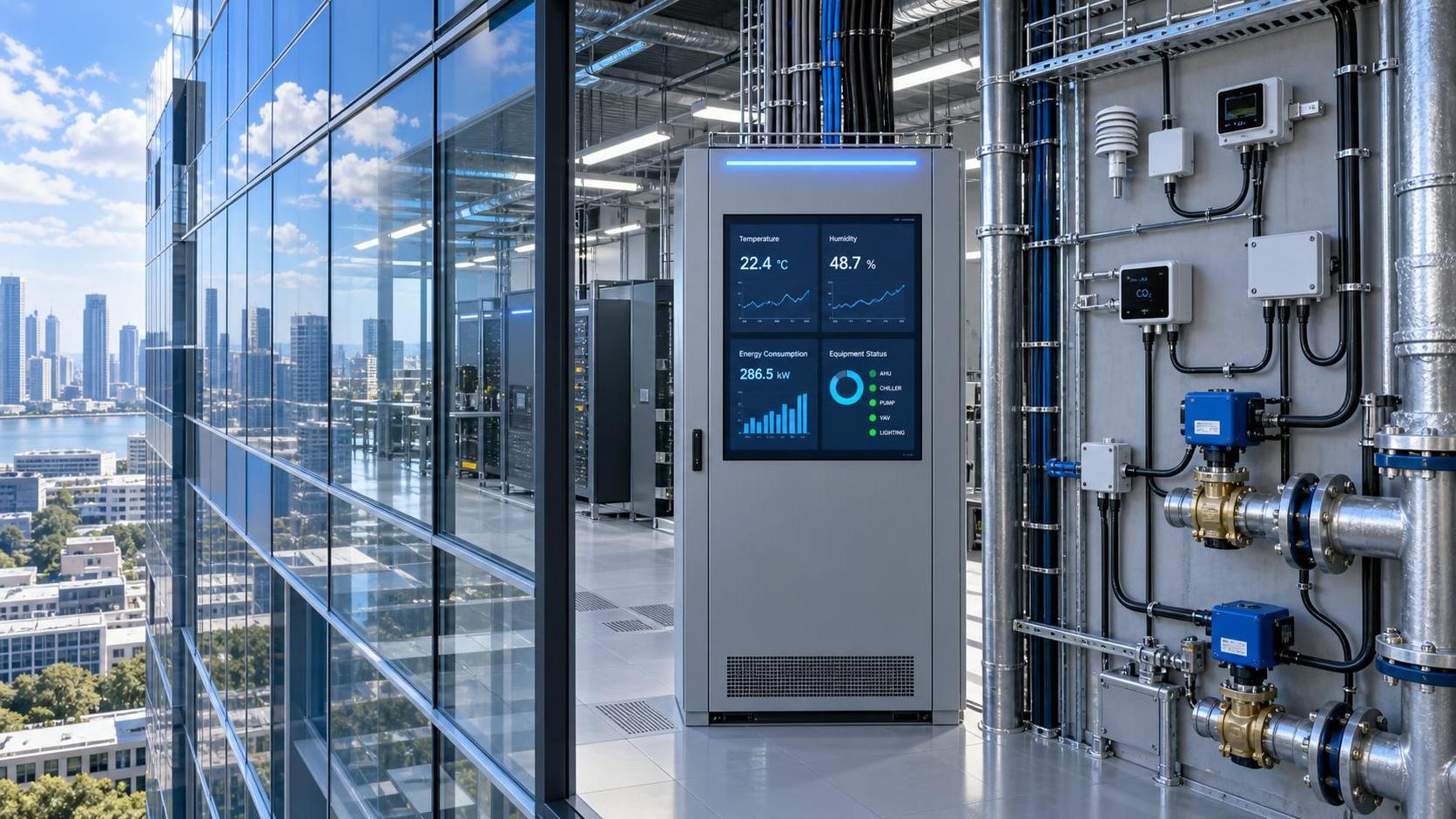
- Asset intelligence through sensors, telemetry, and digital twin integration.
- Resilience standards for extreme weather, service continuity, and repair speed.
- Supplier transparency on environmental data and technology roadmap credibility.
These checkpoints help separate cosmetic sustainability from durable sustainable infrastructure performance. They also improve comparability across bids and project phases.
Practical ways to respond before plans are locked in
A useful response begins with structured evaluation, not late-stage redesign. Sustainable infrastructure works best when objectives are set before scope, technology, and financing are finalized.
This approach reduces rework and improves strategic clarity. It also strengthens the case for sustainable infrastructure when trade-offs emerge between cost, speed, and long-term performance.
The outlook: sustainable infrastructure will define competitive asset quality
By 2026, sustainable infrastructure will not be a specialist option. It will increasingly define how quality, resilience, and bankability are measured across the physical economy.
The most valuable projects will combine engineering strength with digital visibility and environmental discipline. That combination supports both immediate execution and long-horizon asset value.
For organizations tracking infrastructure, urban technology, logistics, resource systems, and heavy equipment, the next step is clear: review project pipelines through a sustainable infrastructure lens before assumptions harden.
Use current planning cycles to test carbon exposure, resilience gaps, and data readiness. The earlier these factors are addressed, the stronger the project position will be in 2026 and beyond.
Get weekly intelligence in your inbox.
No noise. No sponsored content. Pure intelligence.
News Recommendations
 Sep 19, 2026How an electronics application guide helps prevent component mismatchHow an electronics application guide helps prevent component mismatch
 Sep 18, 2026When a resource allocation platform improves project deliveryWhen a resource allocation platform improves project delivery
 Sep 17, 2026What to compare when evaluating mineral processing equipment manufacturersWhat to compare when evaluating mineral processing equipment manufacturers
 Sep 16, 2026How mineral separation optimization can reduce concentrate lossesHow mineral separation optimization can reduce concentrate losses
 Sep 15, 2026How to assess lifecycle costs in urban tech procurementHow to assess lifecycle costs in urban tech procurement
 Sep 14, 2026Heavy industry technology trends reshaping capital investment prioritiesHeavy industry technology trends reshaping capital investment priorities
 Sep 14, 2026Global Industrial Equipment Procurement: How Top OEMs Qualify Suppliers for Mining & Infrastructure ProjectsGlobal Industrial Equipment Procurement: How Top OEMs Qualify Suppliers for Mining & Infrastructure Projects
 Sep 14, 2026Industrial & Mining Equipment Procurement: Balancing Local Sourcing, Lead Time, and Certification RequirementsIndustrial & Mining Equipment Procurement: Balancing Local Sourcing, Lead Time, and Certification Requirements
 Sep 14, 2026Infrastructure & Equipment Upgrades: What Procurement Teams Must Verify Before Signing Off on New ContractsInfrastructure & Equipment Upgrades: What Procurement Teams Must Verify Before Signing Off on New Contracts
 Sep 14, 2026Why Infrastructure Equipment Buyers Are Shifting from Catalog-Based to Capability-Based Supplier SelectionWhy Infrastructure Equipment Buyers Are Shifting from Catalog-Based to Capability-Based Supplier Selection
 Sep 14, 2026Process Automation Project Execution: How to Align Supplier Capabilities with PLC Integration, Cybersecurity & Commissioning MilestonesProcess Automation Project Execution: How to Align Supplier Capabilities with PLC Integration, Cybersecurity & Commissioning Milestones
 Sep 14, 2026Are intelligent traffic systems worth the investment for small cities?Are intelligent traffic systems worth the investment for small cities?
 Sep 14, 2026How do intelligent traffic systems handle sensor failures?How do intelligent traffic systems handle sensor failures?
 Sep 14, 2026What should I check before accepting a smart building system?What should I check before accepting a smart building system?
 Sep 14, 2026Is a smart building system worth the maintenance cost?Is a smart building system worth the maintenance cost?
 Sep 14, 2026What data is needed for reliable resource allocation planning?What data is needed for reliable resource allocation planning?
 Sep 14, 2026How can resource allocation software reduce equipment idle time?How can resource allocation software reduce equipment idle time?
 Sep 14, 2026How should smart devices be maintained in harsh outdoor conditions?How should smart devices be maintained in harsh outdoor conditions?
 Sep 14, 2026Do smart devices improve worker safety on construction sites?Do smart devices improve worker safety on construction sites?
 Sep 14, 2026What environmental risks must be assessed before deep-sea mining?What environmental risks must be assessed before deep-sea mining?
 Sep 14, 2026Is deep-sea mining equipment commercially viable in 2026?Is deep-sea mining equipment commercially viable in 2026?
 Sep 14, 2026What Inspection Checks Should Procurement Teams Perform Before Ordering Dredging Equipment in 2026?What Inspection Checks Should Procurement Teams Perform Before Ordering Dredging Equipment in 2026?
 Sep 13, 2026How to verify an industrial product information source before specifying equipmentHow to verify an industrial product information source before specifying equipment
 Sep 12, 2026Which intelligent traffic systems hardware fits an urban intersection?Which intelligent traffic systems hardware fits an urban intersection?
 Sep 11, 2026How pump capacity affects response coverage for municipal fire fighting vehiclesHow pump capacity affects response coverage for municipal fire fighting vehicles
 Sep 10, 2026What to verify before choosing a heavy industry equipment supplierWhat to verify before choosing a heavy industry equipment supplier
 Sep 09, 2026When do adaptive urban traffic control systems reduce corridor delays?When do adaptive urban traffic control systems reduce corridor delays?