Urban Governance Metrics That Actually Matter
In a world of rapid urban expansion and rising sustainability demands, urban governance can no longer rely on vanity indicators or fragmented data. What actually matters are the metrics that reveal how cities allocate resources, manage mobility, improve resilience, and deliver better public services. This article explores the urban governance benchmarks that offer real strategic value for researchers, planners, and decision-makers.
For information researchers working across infrastructure, smart city systems, transport networks, utilities, and public service delivery, the challenge is not a lack of data. The challenge is choosing the 10 to 15 indicators that genuinely explain whether a city is becoming more efficient, more resilient, and more livable over a 3- to 10-year horizon.
In practice, strong urban governance is measurable when policy, engineering, operations, and public outcomes are linked. A city may install sensors, launch a digital platform, or expand public transit, but those moves only matter if they reduce service delays, improve asset utilization, cut emissions, and increase trust in public systems.
Why Output Metrics Alone Fail in Urban Governance

Many urban dashboards still focus on output counts: kilometers of roads built, number of cameras installed, or total budget spent. These are useful for project tracking, but weak for evaluating urban governance quality. A city can complete 50 projects in 24 months and still underperform if congestion, outage frequency, or response times remain unchanged.
Researchers should separate three layers of measurement: inputs, outputs, and outcomes. Inputs include labor, budget, and equipment. Outputs include completed stations, smart meters, or waste bins deployed. Outcomes show whether those investments improve public value, such as cutting average commute times by 8% to 15% or reducing non-revenue water losses by 5 to 12 percentage points.
The difference between activity and performance
A city that installs 20,000 IoT devices may appear advanced, yet urban governance remains weak if agencies cannot share data within 5 to 30 minutes, or if maintenance teams still rely on manual dispatching. The meaningful question is not how much technology was purchased, but how fast and how reliably city systems react to changing conditions.
A practical filter for useful indicators
- Does the metric connect to service quality within 1 to 4 quarters?
- Can the metric be tracked consistently across districts or agencies?
- Does it influence budget allocation, procurement, or operational planning?
- Can it identify risk before failure becomes visible to the public?
If the answer is no to 2 or more of these questions, the metric is often decorative rather than strategic. That distinction matters in urban governance because city leaders increasingly need cross-sector visibility, not isolated departmental reporting.
The Core Urban Governance Metrics That Actually Matter
The most useful urban governance framework combines operational efficiency, infrastructure reliability, public access, environmental performance, and institutional responsiveness. For B2B decision support, these metrics help compare technology pathways, investment timing, and implementation priorities across different city contexts.
1. Service delivery speed and reliability
This category measures how long public systems take to respond and how often they fail. Relevant indicators include average emergency response time, permit processing cycle, public transport headway stability, and utility outage duration. In mature operations, agencies often target 10% to 20% annual improvement in high-friction workflows during the first 2 years of modernization.
2. Asset utilization and maintenance efficiency
Urban governance depends on how well roads, substations, drainage systems, rolling stock, depots, and waste facilities are used and maintained. A city should monitor preventive-to-reactive maintenance ratio, mean time to repair, downtime per asset class, and inspection frequency. For critical infrastructure, a preventive maintenance share above 60% is often healthier than a reactive model dominated by emergency interventions.
3. Mobility performance
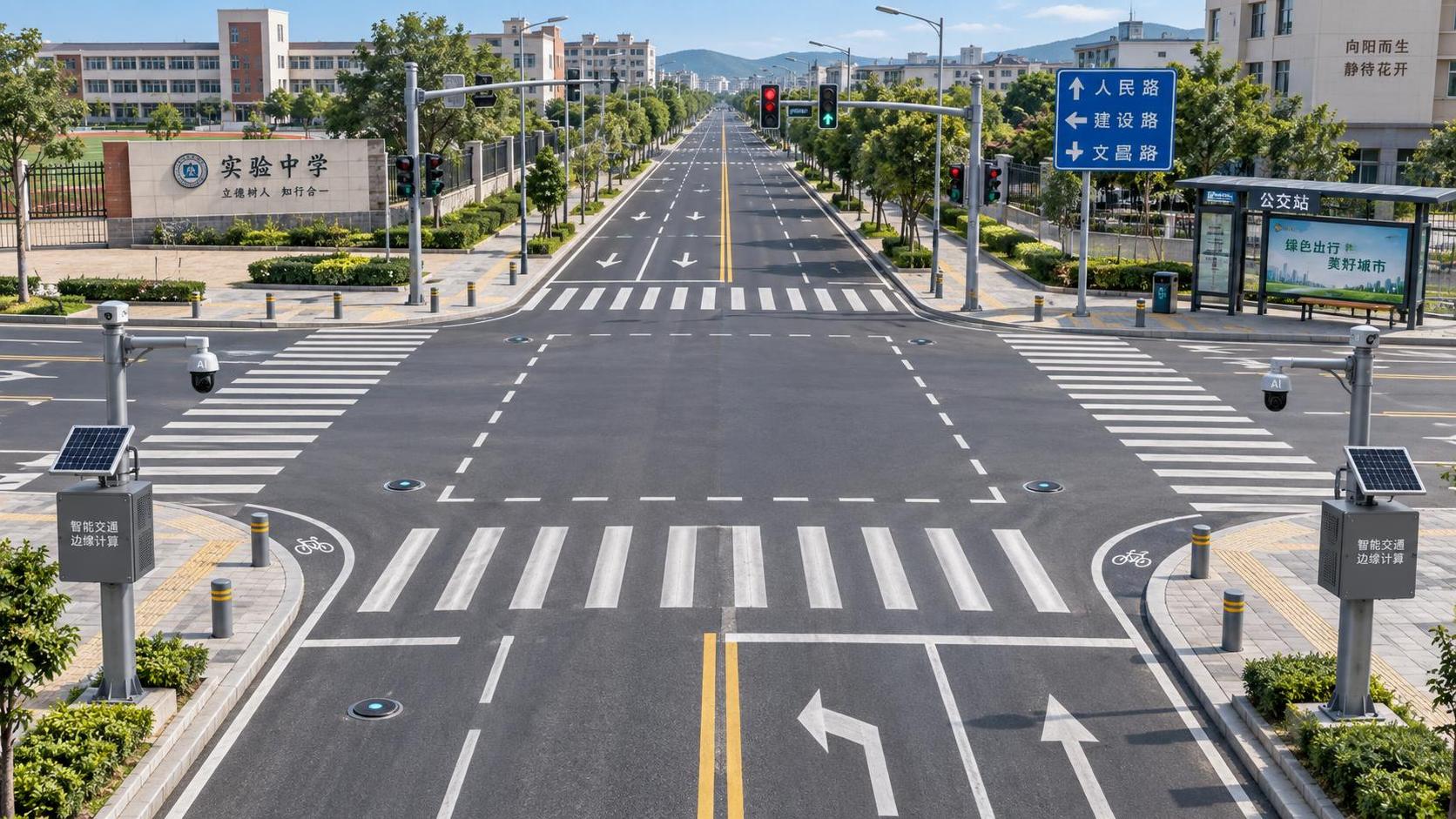
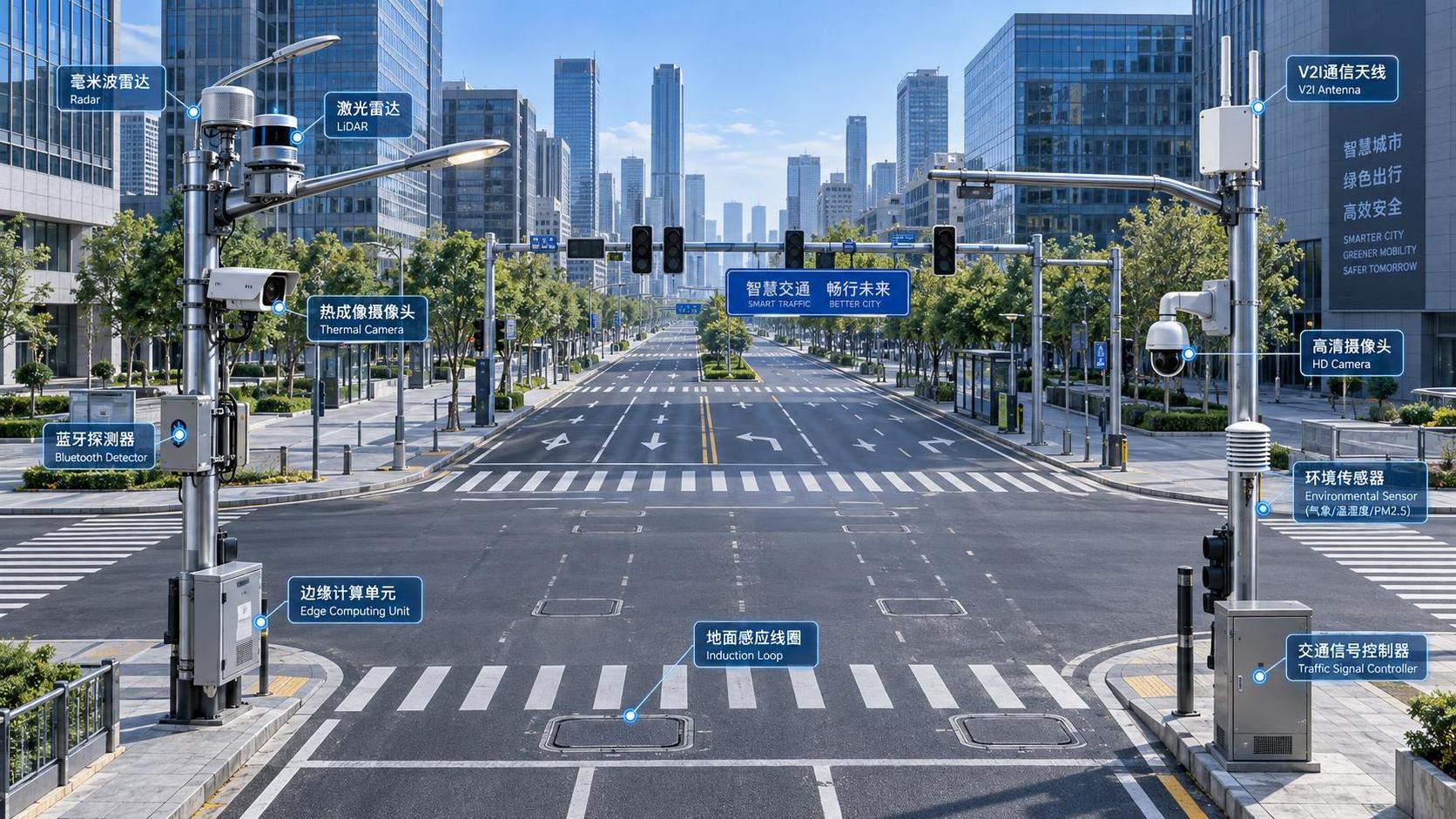
Traffic flow metrics are central to urban governance because mobility affects labor productivity, emissions, logistics, and public satisfaction. The most practical measures include average corridor travel time, bus punctuality, freight dwell time, intersection delay, and multimodal transfer time. A 5-minute reduction in peak transfer time can be more valuable than a highly publicized but low-impact digital pilot.
4. Resource efficiency and resilience
Cities under pressure from climate risk and resource constraints should track water leakage, energy intensity per public facility, waste diversion rate, drainage overflow incidents, and backup recovery time. These indicators reveal whether infrastructure can absorb shocks over 24-hour, 72-hour, and 7-day disruption scenarios.
The table below summarizes a practical metric stack that researchers can use when assessing urban governance maturity across infrastructure-heavy environments.
The key lesson is that urban governance metrics should connect daily operations to long-term planning. A good indicator is not only measurable; it should also influence procurement design, maintenance contracts, staffing plans, or digital platform architecture.
How to Build a Governance Dashboard That Supports Real Decisions
A useful urban governance dashboard is selective rather than exhaustive. In most city programs, 12 to 20 indicators are enough for executive oversight, while technical teams may need 30 to 50 operational sub-metrics. Once dashboards exceed that level without prioritization, signal quality drops and reporting fatigue rises.
Start with cross-agency questions
The best dashboards begin with questions that matter across departments. For example: Which districts face the highest infrastructure failure risk? Which transit corridors lose the most time each week? Which service requests remain unresolved after 48 hours? These questions make urban governance measurable in operational terms.
Use tiered indicators
- Strategic indicators for mayors, city managers, and infrastructure boards.
- Tactical indicators for transport, utility, and public works departments.
- Execution indicators for contractors, operators, and maintenance teams.
This 3-tier structure prevents a common failure in urban governance: one dashboard trying to satisfy everyone. Senior leaders may need monthly trend views, while operators need hourly or daily visibility for incident response and resource deployment.
Avoid four dashboard design mistakes
- Mixing capital project outputs with service outcomes without clear separation.
- Reporting averages only, instead of peak-hour or district-level variation.
- Ignoring data latency, especially when updates arrive 7 to 30 days late.
- Tracking compliance metrics without linking them to operational improvement.
The following table shows how cities can align dashboard layers with governance responsibilities and implementation cycles.
This structure is especially valuable in smart governance projects, where digital systems, field hardware, and service contracts must work together. Urban governance improves faster when every metric has a named owner, a review cycle, and a corrective action pathway.
Metrics by Urban System: Transport, Utilities, Waste, and Safety
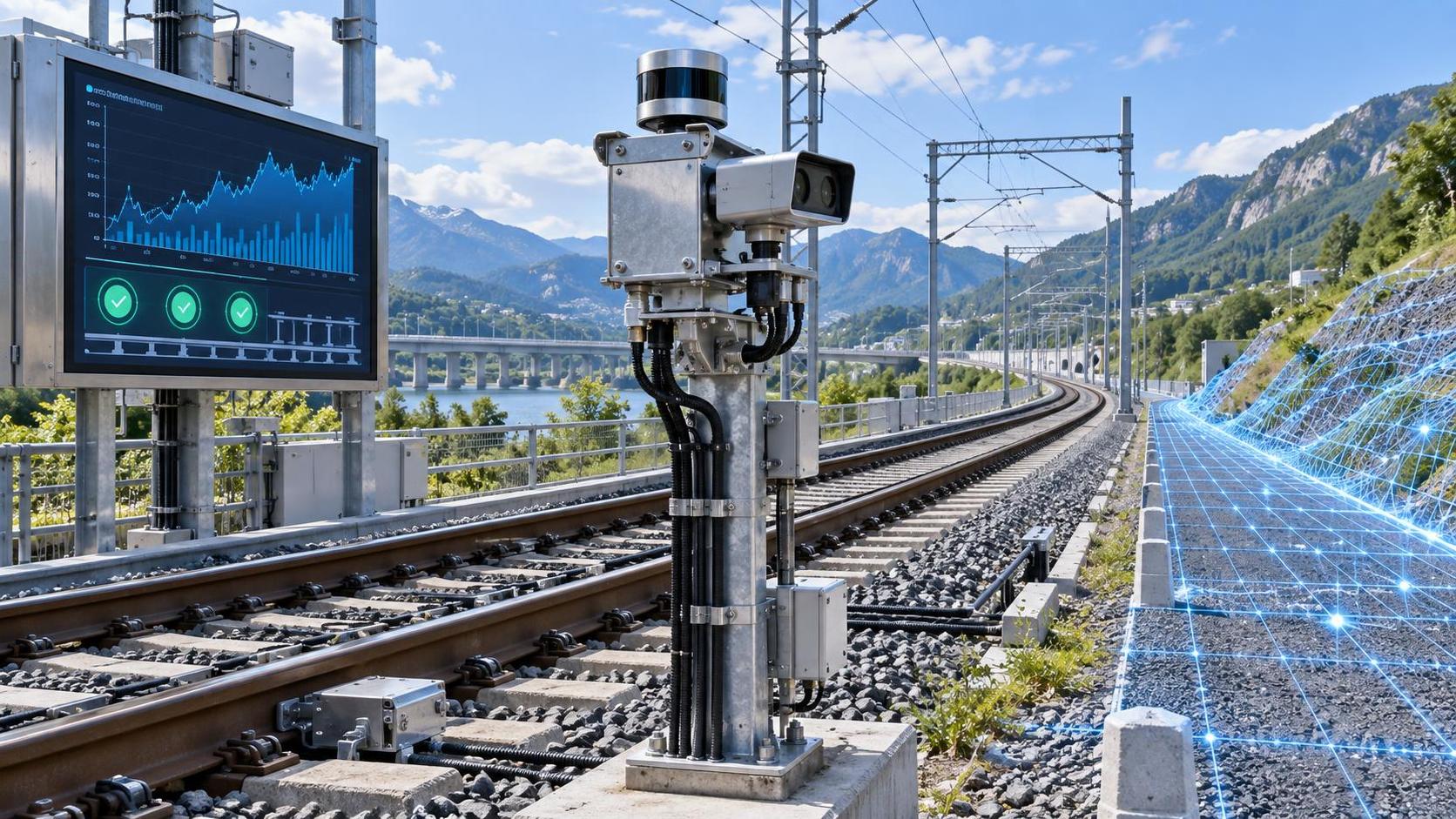
Different systems require different urban governance benchmarks. A rail corridor, a smart grid, and an automated waste network cannot be judged by the same thresholds. However, each system should still be measured through reliability, efficiency, resilience, and user impact.
Transport and traffic control
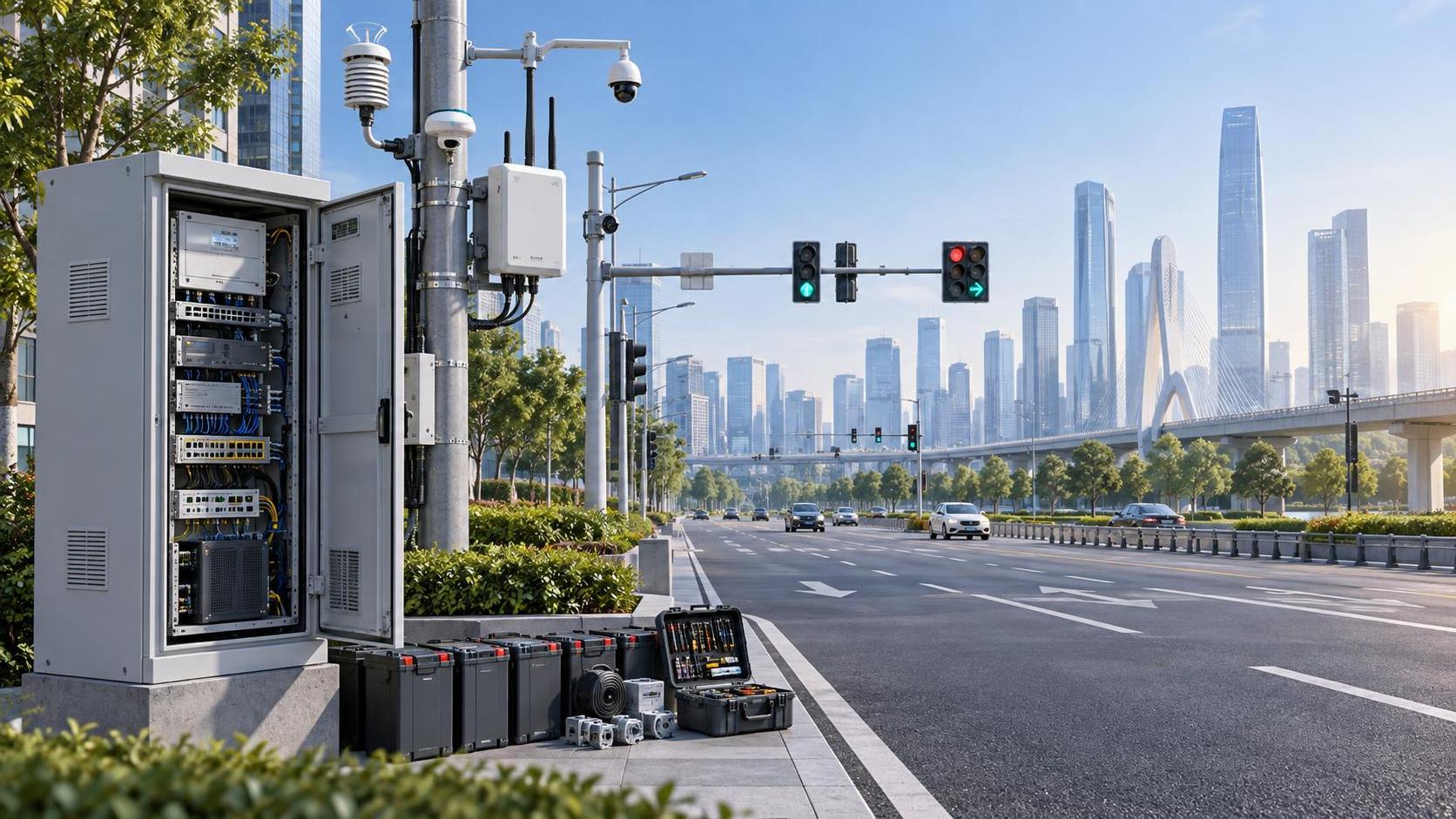
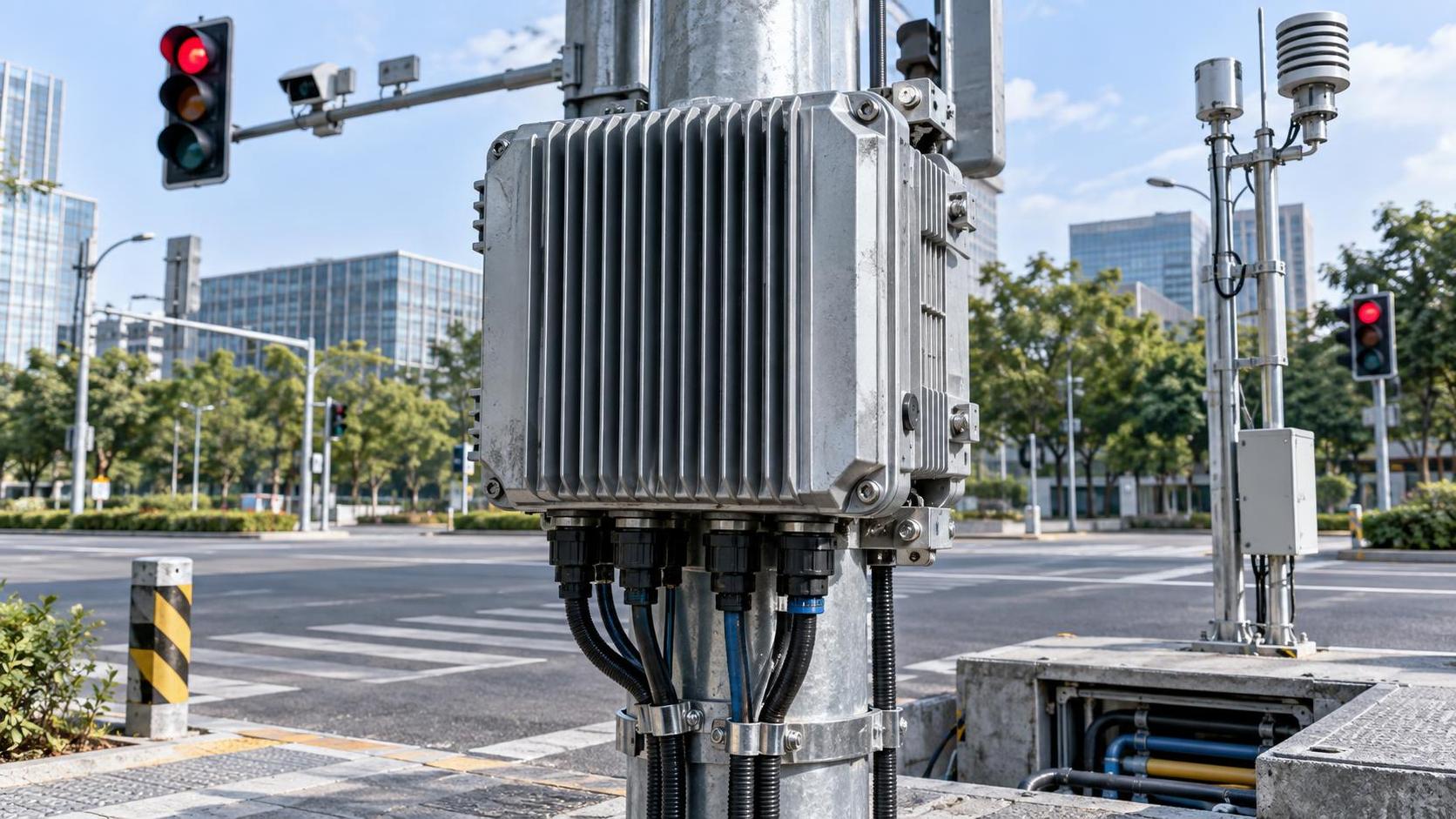
For transport governance, focus on average delay per corridor, signal coordination effectiveness, fleet punctuality, and incident clearance time. In dense urban zones, even a 3% to 7% gain in junction efficiency can produce meaningful network benefits during peak periods. Freight corridors should also track loading and unloading dwell windows, often targeted at under 30 to 45 minutes.
Water, energy, and utility systems
Utility-oriented urban governance should measure continuity, loss, and recovery. Useful indicators include pressure stability, outage frequency, feeder utilization, and restoration time after faults. For water networks, leak prioritization should consider both volume loss and time-to-detection; a leak unresolved for 72 hours may carry much higher downstream cost than a larger leak fixed within 8 hours.
Waste systems and environmental services
Waste collection performance is more than route completion. Urban governance in this domain should include bin overflow rate, missed pickup ratio, contamination rate in separated streams, and route deviation levels. Smart waste programs typically create value only when sensor alerts reduce redundant collection trips by a measurable margin, often 10% to 25%.
Emergency and public safety systems
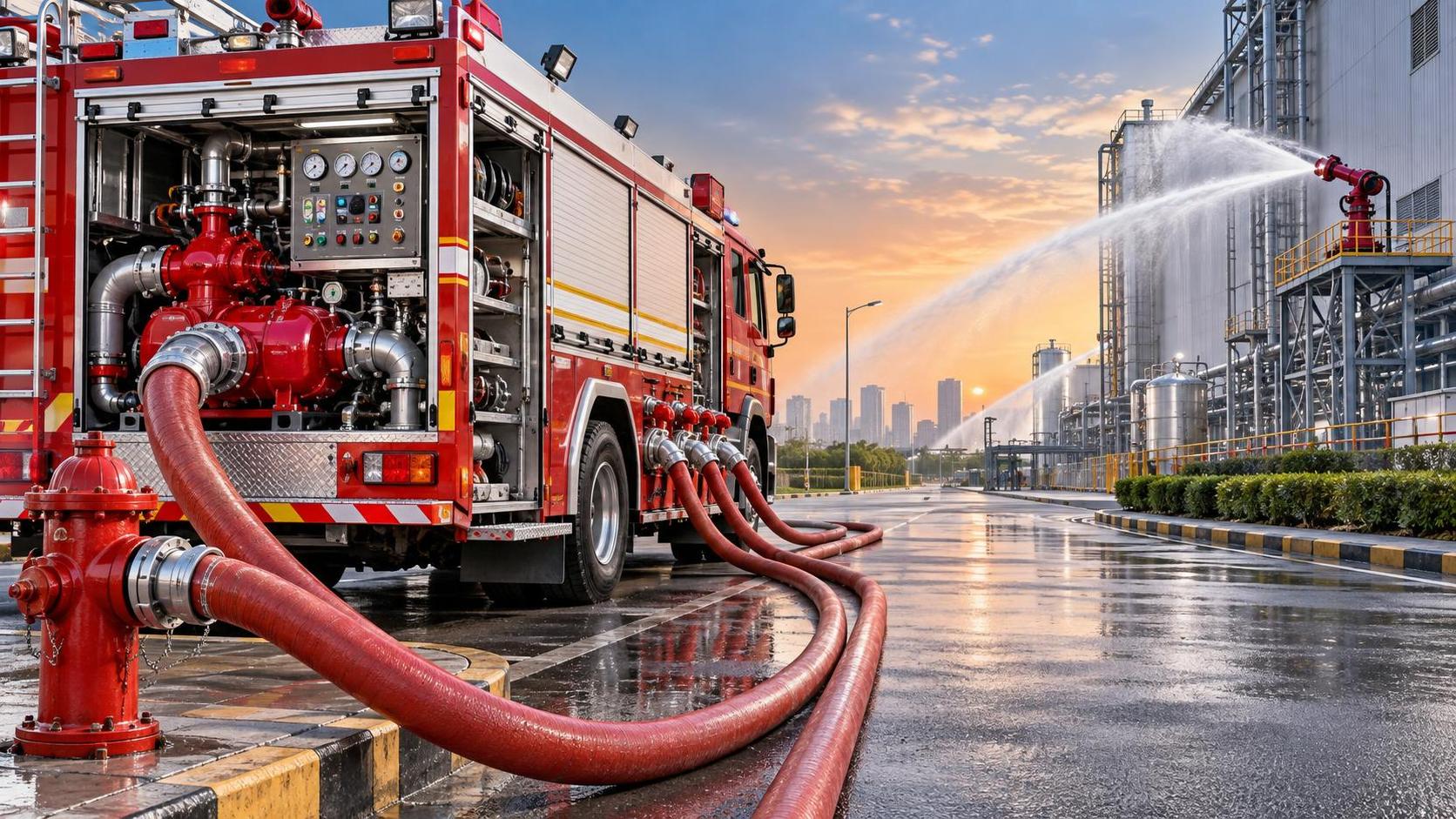
Safety metrics should cover dispatch speed, on-scene arrival, communications uptime, and post-incident restoration. For special purpose vehicles such as fire trucks or rescue units, readiness indicators should include maintenance compliance, equipment availability, and mobilization time bands such as under 5 minutes, 5 to 10 minutes, and above 10 minutes.
How Researchers and Decision-Makers Should Use These Metrics
For information researchers, urban governance metrics are most valuable when used comparatively and contextually. A city with aging heavy infrastructure may prioritize maintenance backlog and network resilience. A rapidly expanding metropolitan region may focus first on mobility throughput, permit efficiency, and utility capacity stress.
Three practical evaluation lenses
- Trend lens: measure 12-month and 36-month performance change.
- Spatial lens: compare central districts, growth corridors, and peri-urban zones.
- System lens: check whether one improvement causes another system to weaken.
This matters because urban governance is interconnected. Faster permitting may accelerate construction, but if transport staging, drainage capacity, or grid loading are not tracked in parallel, a city can shift pressure rather than solve it.
What to ask vendors, operators, and solution providers
- Which 5 to 8 metrics will improve first within 6 months of deployment?
- What baseline data quality is required for useful benchmarking?
- How are alerts translated into field action, not just dashboard visibility?
- What review cycle supports corrective action: daily, weekly, or monthly?
These questions are especially important in infrastructure and smart city procurement. Buying platforms without metric logic often leads to underused control centers, low integration value, and fragmented reporting across agencies.
Urban governance becomes more credible when cities measure what residents and operators actually experience: delays, outages, access gaps, maintenance failures, and recovery performance. The strongest metric systems do not chase volume for its own sake. They support better allocation of labor, equipment, capital, and digital intelligence across transport, utilities, buildings, and public services.
For organizations assessing infrastructure strategy, smart governance architecture, or cross-sector urban technology adoption, GIUT provides a research-driven perspective grounded in engineering realities and operational value. To explore tailored benchmarking frameworks, compare solution pathways, or discuss specific urban governance use cases, contact us today to get a customized solution and learn more about practical infrastructure intelligence.
Get weekly intelligence in your inbox.
No noise. No sponsored content. Pure intelligence.
News Recommendations
 Sep 19, 2026How an electronics application guide helps prevent component mismatchHow an electronics application guide helps prevent component mismatch
 Sep 18, 2026When a resource allocation platform improves project deliveryWhen a resource allocation platform improves project delivery
 Sep 17, 2026What to compare when evaluating mineral processing equipment manufacturersWhat to compare when evaluating mineral processing equipment manufacturers
 Sep 16, 2026How mineral separation optimization can reduce concentrate lossesHow mineral separation optimization can reduce concentrate losses
 Sep 15, 2026How to assess lifecycle costs in urban tech procurementHow to assess lifecycle costs in urban tech procurement
 Sep 14, 2026Heavy industry technology trends reshaping capital investment prioritiesHeavy industry technology trends reshaping capital investment priorities
 Sep 14, 2026Global Industrial Equipment Procurement: How Top OEMs Qualify Suppliers for Mining & Infrastructure ProjectsGlobal Industrial Equipment Procurement: How Top OEMs Qualify Suppliers for Mining & Infrastructure Projects
 Sep 14, 2026Industrial & Mining Equipment Procurement: Balancing Local Sourcing, Lead Time, and Certification RequirementsIndustrial & Mining Equipment Procurement: Balancing Local Sourcing, Lead Time, and Certification Requirements
 Sep 14, 2026Infrastructure & Equipment Upgrades: What Procurement Teams Must Verify Before Signing Off on New ContractsInfrastructure & Equipment Upgrades: What Procurement Teams Must Verify Before Signing Off on New Contracts
 Sep 14, 2026Why Infrastructure Equipment Buyers Are Shifting from Catalog-Based to Capability-Based Supplier SelectionWhy Infrastructure Equipment Buyers Are Shifting from Catalog-Based to Capability-Based Supplier Selection
 Sep 14, 2026Process Automation Project Execution: How to Align Supplier Capabilities with PLC Integration, Cybersecurity & Commissioning MilestonesProcess Automation Project Execution: How to Align Supplier Capabilities with PLC Integration, Cybersecurity & Commissioning Milestones
 Sep 14, 2026Are intelligent traffic systems worth the investment for small cities?Are intelligent traffic systems worth the investment for small cities?
 Sep 14, 2026How do intelligent traffic systems handle sensor failures?How do intelligent traffic systems handle sensor failures?
 Sep 14, 2026What should I check before accepting a smart building system?What should I check before accepting a smart building system?
 Sep 14, 2026Is a smart building system worth the maintenance cost?Is a smart building system worth the maintenance cost?
 Sep 14, 2026What data is needed for reliable resource allocation planning?What data is needed for reliable resource allocation planning?
 Sep 14, 2026How can resource allocation software reduce equipment idle time?How can resource allocation software reduce equipment idle time?
 Sep 14, 2026How should smart devices be maintained in harsh outdoor conditions?How should smart devices be maintained in harsh outdoor conditions?
 Sep 14, 2026Do smart devices improve worker safety on construction sites?Do smart devices improve worker safety on construction sites?
 Sep 14, 2026What environmental risks must be assessed before deep-sea mining?What environmental risks must be assessed before deep-sea mining?
 Sep 14, 2026Is deep-sea mining equipment commercially viable in 2026?Is deep-sea mining equipment commercially viable in 2026?
 Sep 14, 2026What Inspection Checks Should Procurement Teams Perform Before Ordering Dredging Equipment in 2026?What Inspection Checks Should Procurement Teams Perform Before Ordering Dredging Equipment in 2026?
 Sep 13, 2026How to verify an industrial product information source before specifying equipmentHow to verify an industrial product information source before specifying equipment
 Sep 12, 2026Which intelligent traffic systems hardware fits an urban intersection?Which intelligent traffic systems hardware fits an urban intersection?
 Sep 11, 2026How pump capacity affects response coverage for municipal fire fighting vehiclesHow pump capacity affects response coverage for municipal fire fighting vehicles
 Sep 10, 2026What to verify before choosing a heavy industry equipment supplierWhat to verify before choosing a heavy industry equipment supplier
 Sep 09, 2026When do adaptive urban traffic control systems reduce corridor delays?When do adaptive urban traffic control systems reduce corridor delays?