Green Engineering Standards That Affect Bid Competitiveness
Green engineering standards are now a practical scoring factor in infrastructure bidding, equipment sourcing, and project prequalification across global markets.
They influence technical compliance, lifecycle cost assumptions, financing access, and the credibility of every delivery partner in a tender chain.
In comprehensive industry ecosystems, green engineering is no longer limited to design teams or sustainability reports.
It shapes how bids are evaluated for construction, urban tech, rail systems, resource projects, and special-purpose equipment programs.
A clear understanding of green engineering standards can strengthen bid positioning, reduce compliance gaps, and improve long-term project bankability.
Green Engineering Standards and Their Core Meaning

Green engineering refers to design, construction, operation, and maintenance practices that reduce environmental impact while preserving performance, safety, and economic value.
In bidding, green engineering standards convert that principle into measurable requirements, evidence files, and weighted evaluation items.
These standards may include carbon accounting, energy efficiency, water conservation, recycled materials, emissions control, waste minimization, and lifecycle assessment.
They also cover management systems such as ISO 14001, low-carbon procurement policies, environmental product declarations, and traceable reporting procedures.
Across integrated infrastructure markets, green engineering requirements appear in both mandatory clauses and value-added scoring sections.
That distinction matters.
Mandatory items affect eligibility.
Scored items affect competitiveness.
A bid may be technically acceptable yet still lose because its green engineering documentation is weaker than competing submissions.
Why Green Engineering Now Carries More Weight in Tenders
Several structural shifts explain why green engineering now affects public and private procurement decisions more directly than before.
- National carbon targets are being translated into project-level specifications.
- Multilateral lenders increasingly request environmental safeguards and performance reporting.
- Owners want lower operating costs, not only lower upfront pricing.
- Urban infrastructure programs now prioritize resilience, efficiency, and resource recovery.
- Supply chain transparency has become a due diligence requirement.
This trend is visible in construction packages, rail modernization, mining support facilities, smart grids, waste systems, and heavy equipment procurement.
In many cases, green engineering is evaluated alongside safety, digitalization, localization, and delivery reliability.
Common Bid Signals Linked to Green Engineering
How Green Engineering Changes Bid Competitiveness
Green engineering affects competitiveness in three connected layers: qualification, scoring, and risk perception.
First, it can determine whether a submission passes administrative and technical review.
If environmental plans, certificates, or material declarations are missing, bids may be downgraded or rejected.
Second, green engineering creates extra scoring leverage.
Tenders often award points for energy-saving features, lower emissions, efficient construction methods, or environmental management commitments.
Third, it changes how decision-makers perceive execution risk.
A partner with strong green engineering evidence appears more prepared for audits, stakeholder scrutiny, and future regulatory tightening.
That perception can matter even when price differences are small.
Business Effects Seen Across the Bid Cycle
- Higher probability of making shortlists and approved vendor rosters.
- Better alignment with lead contractors and project consultants.
- Reduced need for late-stage document corrections.
- Stronger justification for value-based pricing.
- Improved fit for internationally financed infrastructure projects.
Typical Green Engineering Standards That Influence Evaluation
The exact standard varies by region and project type, but several categories appear repeatedly in tender documents.
Green engineering evaluation rarely depends on one certificate alone.
It usually depends on how technical performance, process discipline, and verifiable documentation work together.
Representative Scenarios Across the Comprehensive Industry Chain
Green engineering expectations differ by asset type, but the competitive logic is consistent: lower impact, stronger proof, better long-term value.
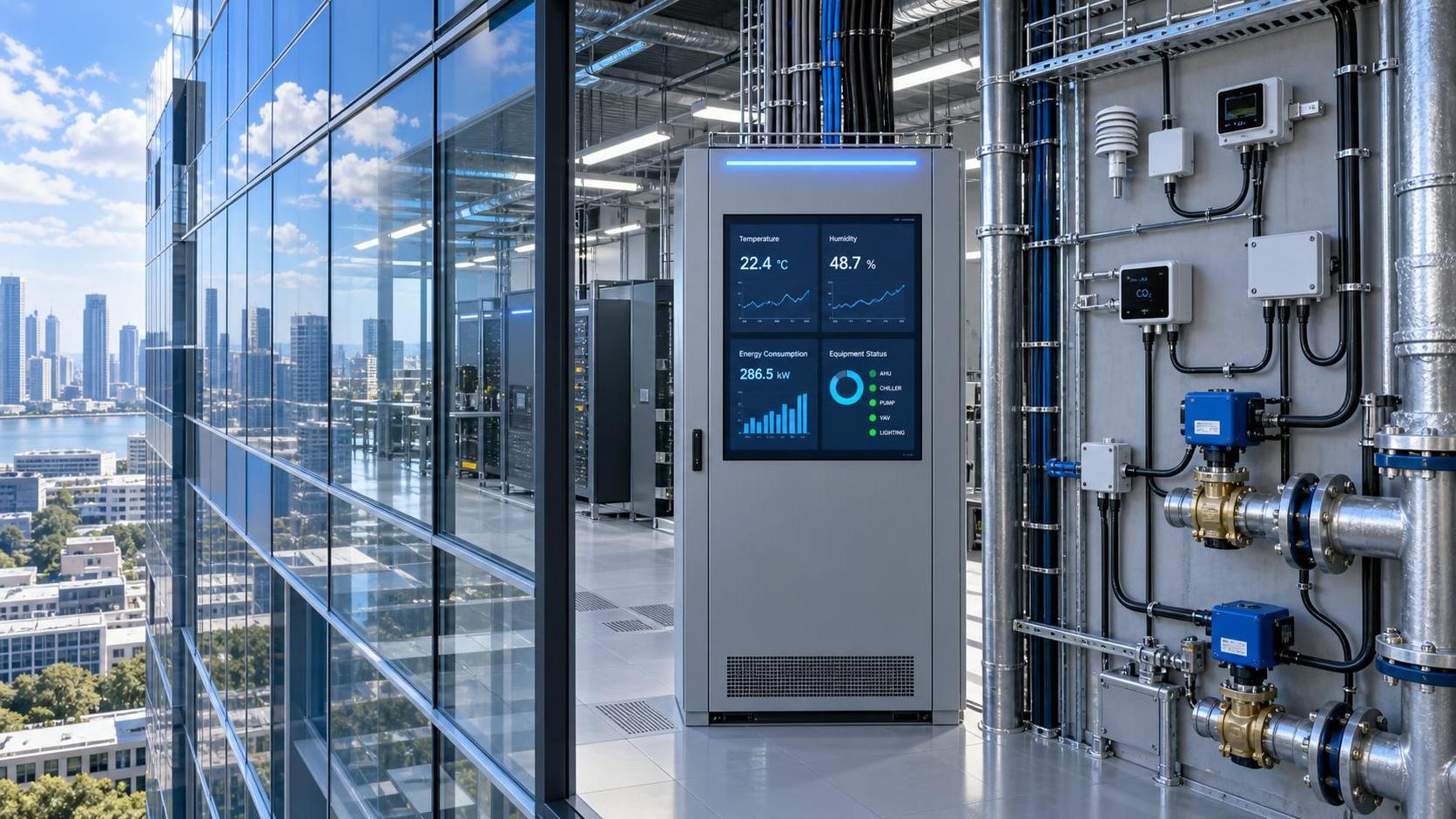
- Construction and smart buildings: low-carbon materials, prefabrication, energy modeling, and waste reduction plans.
- Urban tech systems: efficient lighting, water reuse, smart controls, and low-loss grid components.
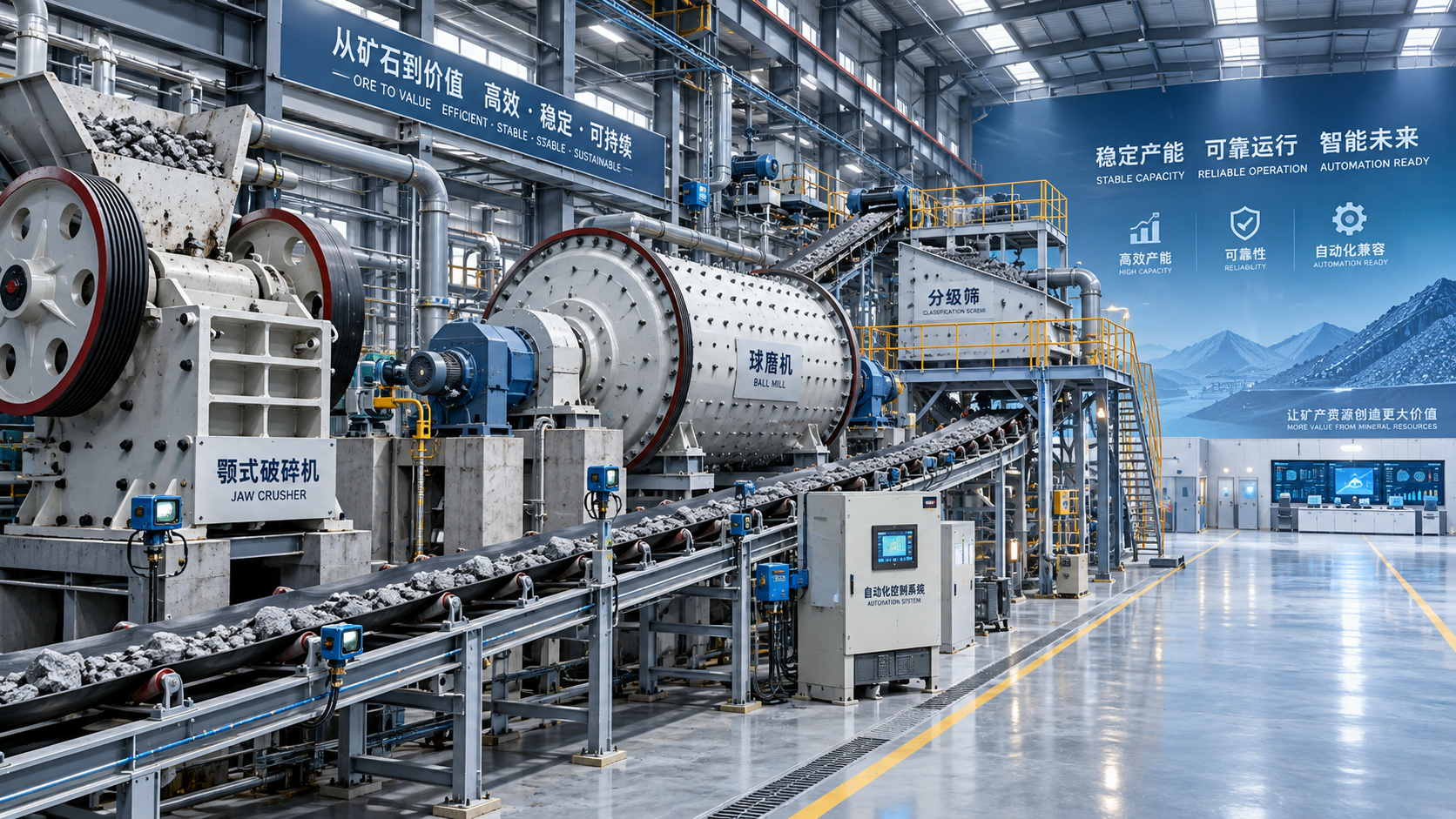
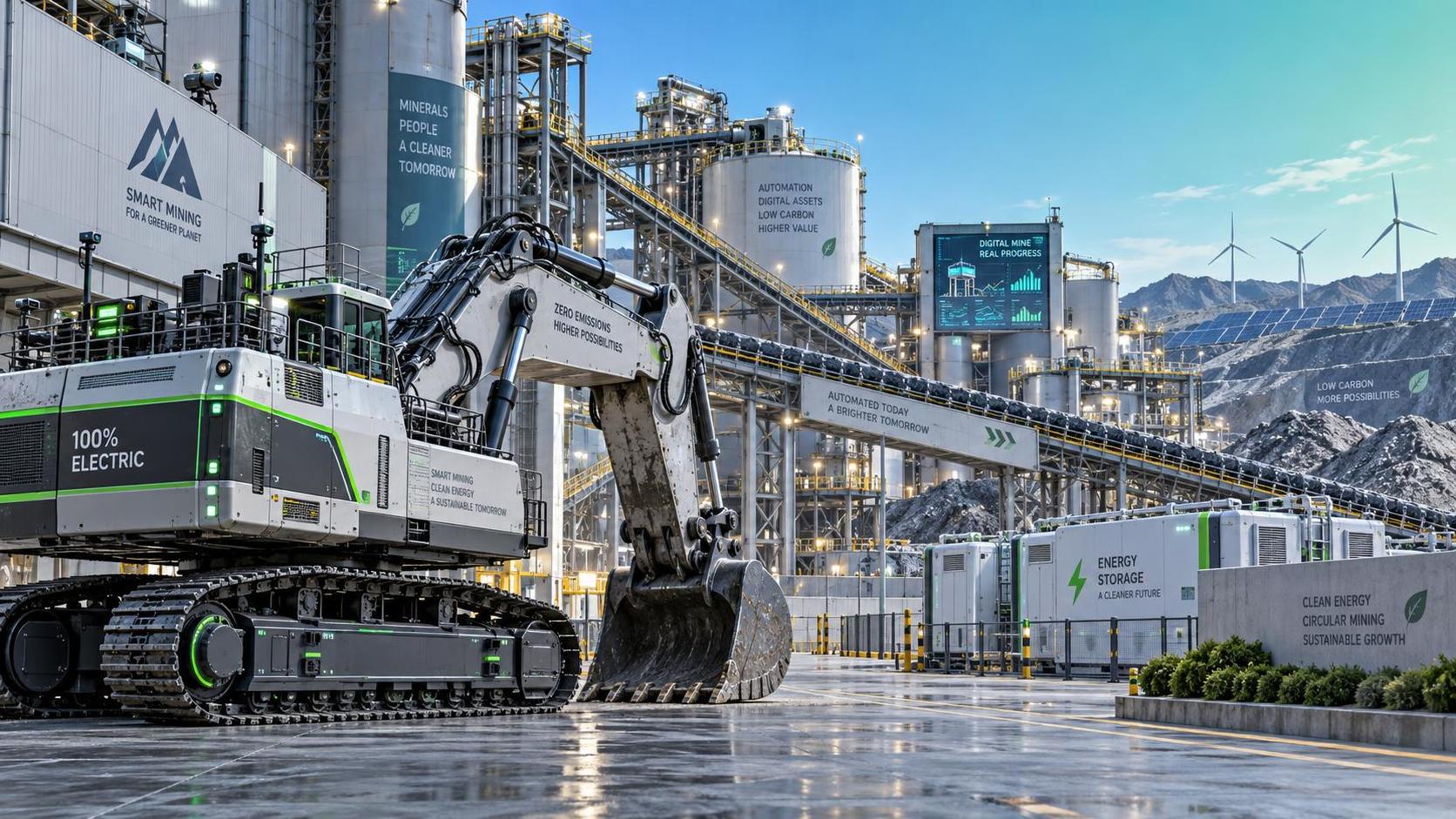
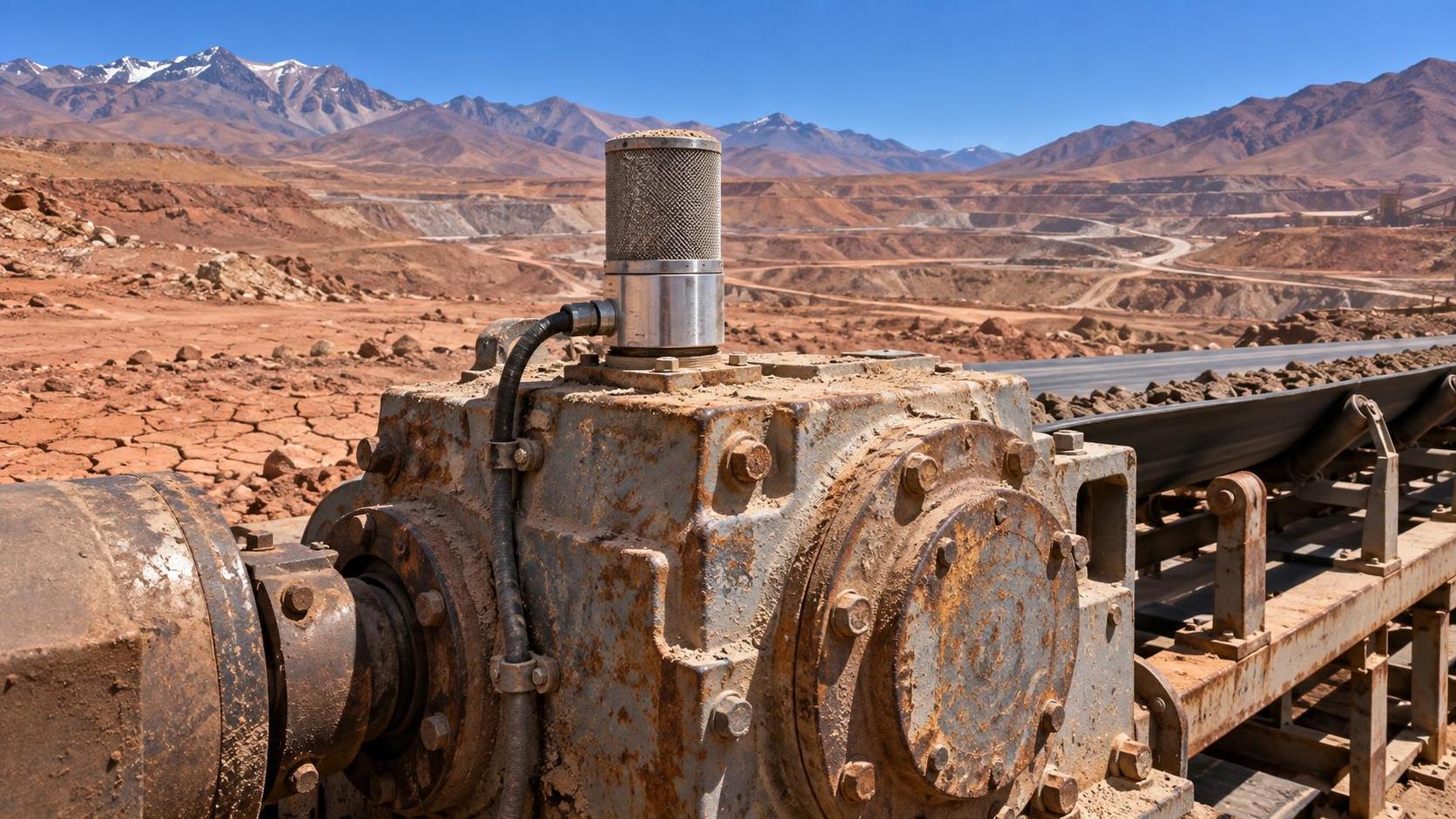
- Mining and resource facilities: dust control, water treatment, fuel efficiency, and rehabilitation planning.
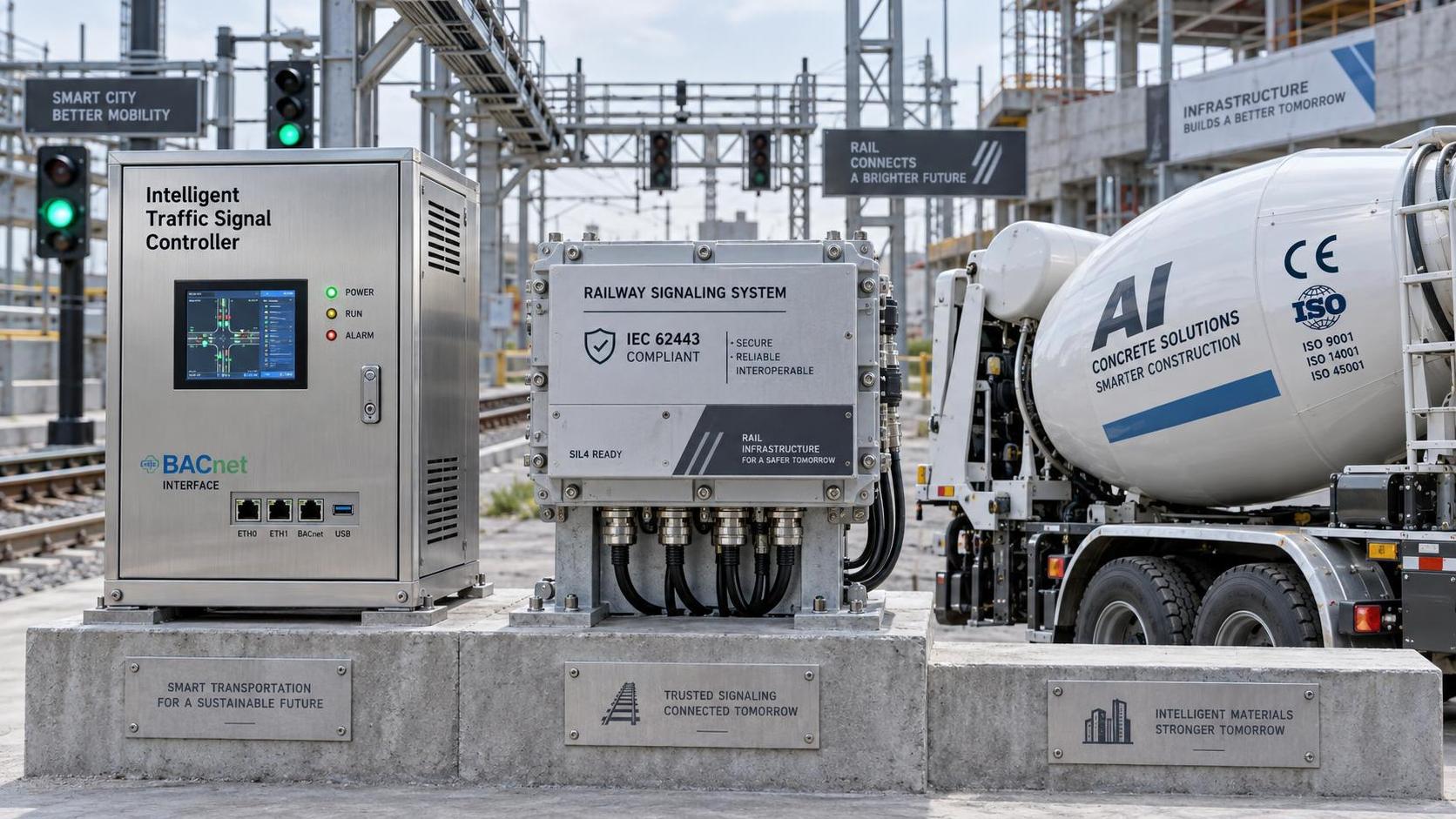
- Railway and logistics projects: regenerative systems, durable track materials, and maintenance-efficient components.
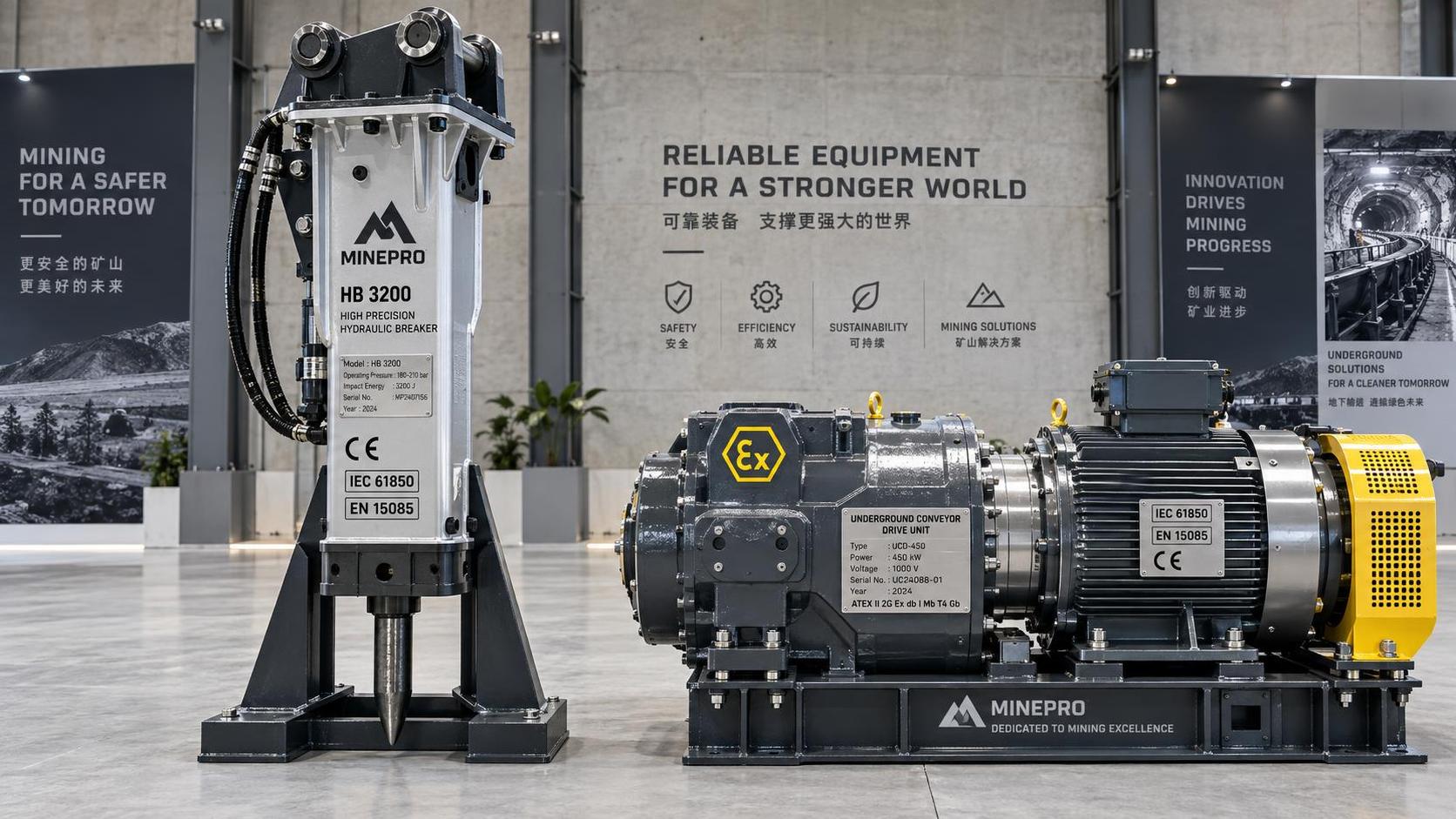
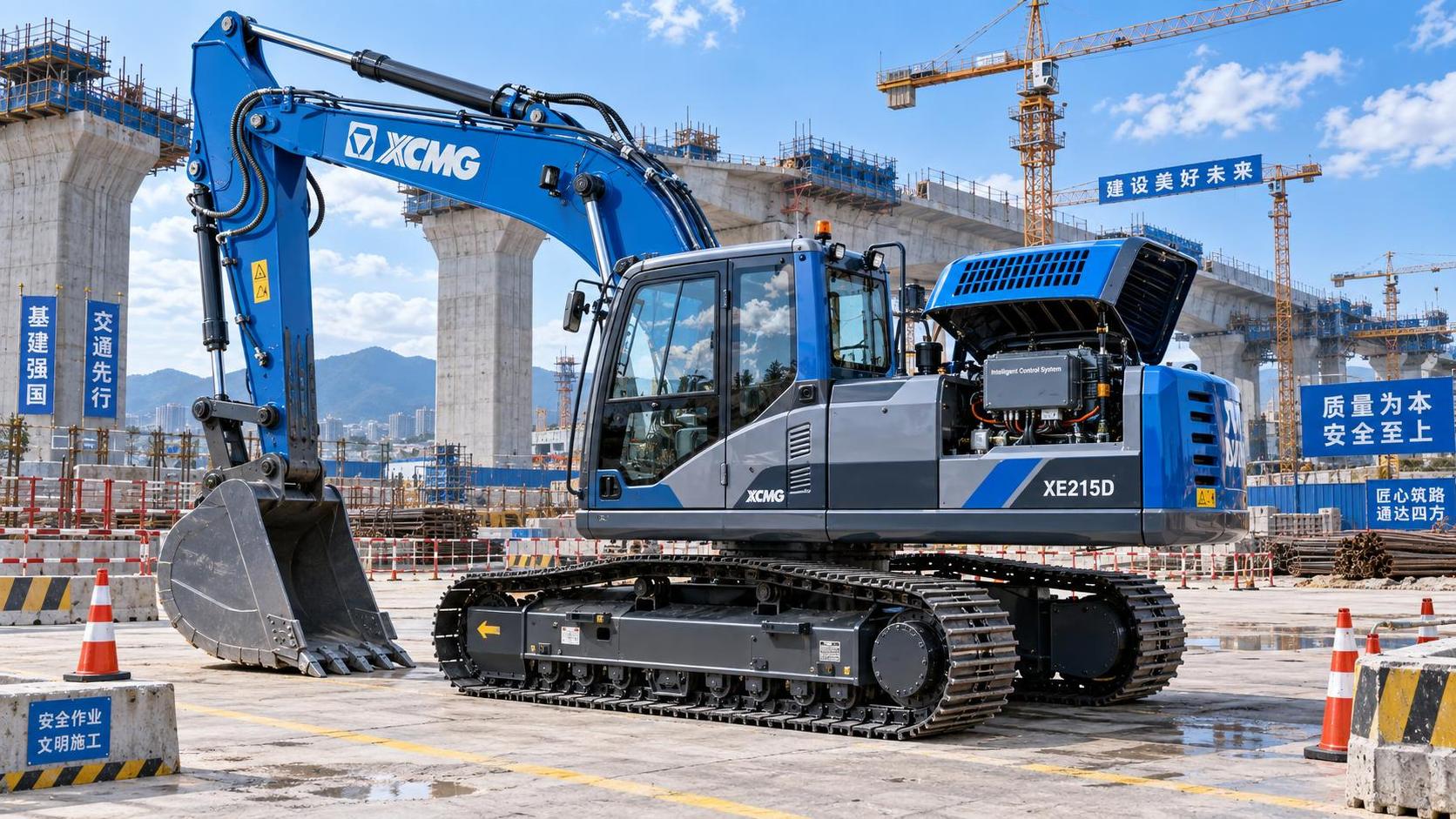
- Special-purpose vehicles and equipment: emissions compliance, quieter operation, and energy-saving hydraulic or electric systems.
In each scenario, green engineering becomes easier to score when claims are linked to measurable project outcomes.
Examples include lower fuel consumption, reduced waste hauling, longer service intervals, or smaller water demand.
Practical Steps to Improve Green Engineering Positioning in Bids
Better competitiveness starts long before submission day.
Green engineering readiness should be built into documents, partner screening, and value messaging.
- Map recurring standards across target markets and project types.
- Prepare a reusable evidence library with certifications, test reports, EPDs, and case references.
- Translate technical features into lifecycle and compliance benefits.
- Check subcontractors and upstream sources for environmental traceability gaps.
- Align bid wording with tender language instead of generic sustainability claims.
- Quantify carbon, energy, water, and waste performance whenever possible.
Common Mistakes That Reduce Competitiveness
- Using broad green engineering statements without project-specific evidence.
- Submitting certificates that are outdated, irrelevant, or geographically mismatched.
- Focusing only on product claims while ignoring installation and operational impacts.
- Treating environmental compliance as separate from commercial strategy.
From Compliance to Strategic Advantage
Green engineering has moved from a supporting narrative to a competitive decision factor in modern infrastructure procurement.
Its influence reaches qualification, technical scoring, partner confidence, and long-term project economics.
Organizations that treat green engineering as structured bid intelligence, rather than a final checklist, usually gain stronger tender resilience.
A practical next step is to review recent bid documents, identify recurring green engineering criteria, and build a response matrix for future submissions.
That approach turns sustainability language into clearer evidence, lower risk, and more credible competitiveness across the full industry chain.
Get weekly intelligence in your inbox.
No noise. No sponsored content. Pure intelligence.
News Recommendations
 Sep 19, 2026How an electronics application guide helps prevent component mismatchHow an electronics application guide helps prevent component mismatch
 Sep 18, 2026When a resource allocation platform improves project deliveryWhen a resource allocation platform improves project delivery
 Sep 17, 2026What to compare when evaluating mineral processing equipment manufacturersWhat to compare when evaluating mineral processing equipment manufacturers
 Sep 16, 2026How mineral separation optimization can reduce concentrate lossesHow mineral separation optimization can reduce concentrate losses
 Sep 15, 2026How to assess lifecycle costs in urban tech procurementHow to assess lifecycle costs in urban tech procurement
 Sep 14, 2026Heavy industry technology trends reshaping capital investment prioritiesHeavy industry technology trends reshaping capital investment priorities
 Sep 14, 2026Global Industrial Equipment Procurement: How Top OEMs Qualify Suppliers for Mining & Infrastructure ProjectsGlobal Industrial Equipment Procurement: How Top OEMs Qualify Suppliers for Mining & Infrastructure Projects
 Sep 14, 2026Industrial & Mining Equipment Procurement: Balancing Local Sourcing, Lead Time, and Certification RequirementsIndustrial & Mining Equipment Procurement: Balancing Local Sourcing, Lead Time, and Certification Requirements
 Sep 14, 2026Infrastructure & Equipment Upgrades: What Procurement Teams Must Verify Before Signing Off on New ContractsInfrastructure & Equipment Upgrades: What Procurement Teams Must Verify Before Signing Off on New Contracts
 Sep 14, 2026Why Infrastructure Equipment Buyers Are Shifting from Catalog-Based to Capability-Based Supplier SelectionWhy Infrastructure Equipment Buyers Are Shifting from Catalog-Based to Capability-Based Supplier Selection
 Sep 14, 2026Process Automation Project Execution: How to Align Supplier Capabilities with PLC Integration, Cybersecurity & Commissioning MilestonesProcess Automation Project Execution: How to Align Supplier Capabilities with PLC Integration, Cybersecurity & Commissioning Milestones
 Sep 14, 2026Are intelligent traffic systems worth the investment for small cities?Are intelligent traffic systems worth the investment for small cities?
 Sep 14, 2026How do intelligent traffic systems handle sensor failures?How do intelligent traffic systems handle sensor failures?
 Sep 14, 2026What should I check before accepting a smart building system?What should I check before accepting a smart building system?
 Sep 14, 2026Is a smart building system worth the maintenance cost?Is a smart building system worth the maintenance cost?
 Sep 14, 2026What data is needed for reliable resource allocation planning?What data is needed for reliable resource allocation planning?
 Sep 14, 2026How can resource allocation software reduce equipment idle time?How can resource allocation software reduce equipment idle time?
 Sep 14, 2026How should smart devices be maintained in harsh outdoor conditions?How should smart devices be maintained in harsh outdoor conditions?
 Sep 14, 2026Do smart devices improve worker safety on construction sites?Do smart devices improve worker safety on construction sites?
 Sep 14, 2026What environmental risks must be assessed before deep-sea mining?What environmental risks must be assessed before deep-sea mining?
 Sep 14, 2026Is deep-sea mining equipment commercially viable in 2026?Is deep-sea mining equipment commercially viable in 2026?
 Sep 14, 2026What Inspection Checks Should Procurement Teams Perform Before Ordering Dredging Equipment in 2026?What Inspection Checks Should Procurement Teams Perform Before Ordering Dredging Equipment in 2026?
 Sep 13, 2026How to verify an industrial product information source before specifying equipmentHow to verify an industrial product information source before specifying equipment
 Sep 12, 2026Which intelligent traffic systems hardware fits an urban intersection?Which intelligent traffic systems hardware fits an urban intersection?
 Sep 11, 2026How pump capacity affects response coverage for municipal fire fighting vehiclesHow pump capacity affects response coverage for municipal fire fighting vehicles
 Sep 10, 2026What to verify before choosing a heavy industry equipment supplierWhat to verify before choosing a heavy industry equipment supplier
 Sep 09, 2026When do adaptive urban traffic control systems reduce corridor delays?When do adaptive urban traffic control systems reduce corridor delays?