Heavy Industry Safety Risks Rising This Year
Safety risks in heavy industry are rising this year, increasing pressure on operations, compliance, and long-term resilience. Across construction, mining, logistics, utilities, and equipment-intensive sectors, risk is becoming more interconnected.
The challenge is no longer limited to preventing visible accidents. It now includes managing aging assets, digital vulnerabilities, workforce fatigue, climate disruption, and stricter regulatory expectations.
For organizations linked to infrastructure and urban systems, heavy industry safety has become a strategic capability. Stronger safety performance supports uptime, protects capital, and improves sustainable industrial growth.
Heavy Industry Safety Risks: Core Definition and Scope

In heavy industry, safety risk refers to any condition that can cause injury, equipment damage, production loss, environmental harm, or legal exposure during high-load operations.
This includes traditional hazards such as moving machinery, confined spaces, explosives, lifting operations, electrical systems, and chemical exposure. It also includes newer risks from automation, software dependency, and remote coordination.
Because heavy industry sits at the center of construction, mining, transport, resource development, and urban infrastructure, one failure can spread across multiple assets and public systems.
A useful way to understand heavy industry risk is through five layers:
- People risk: fatigue, training gaps, contractor inconsistency, human error.
- Asset risk: aging fleets, poor maintenance, sensor failure, hidden defects.
- Process risk: weak permits, unsafe sequencing, poor lockout procedures.
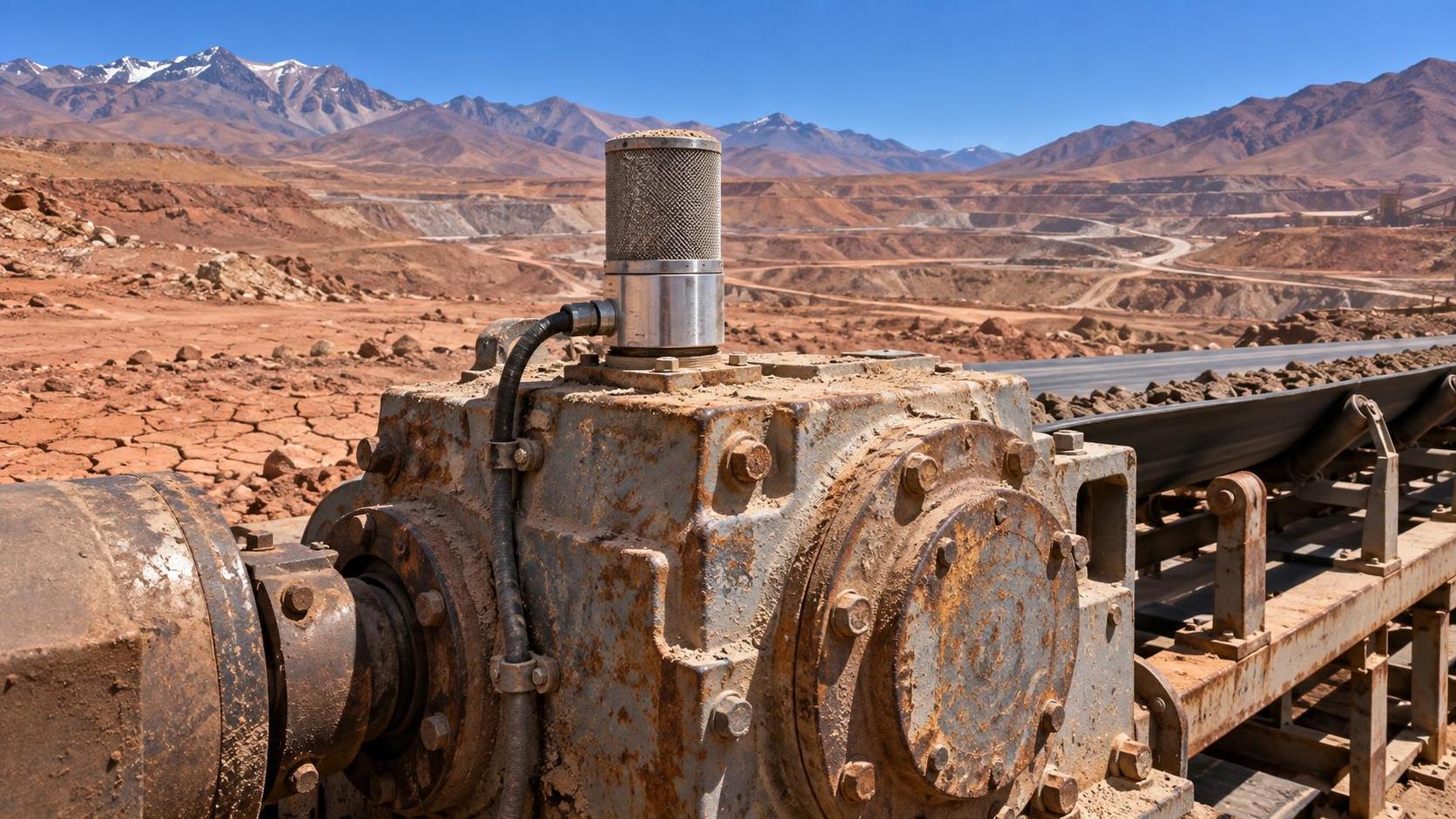
- Environmental risk: heat, flooding, dust, unstable ground, extreme weather.
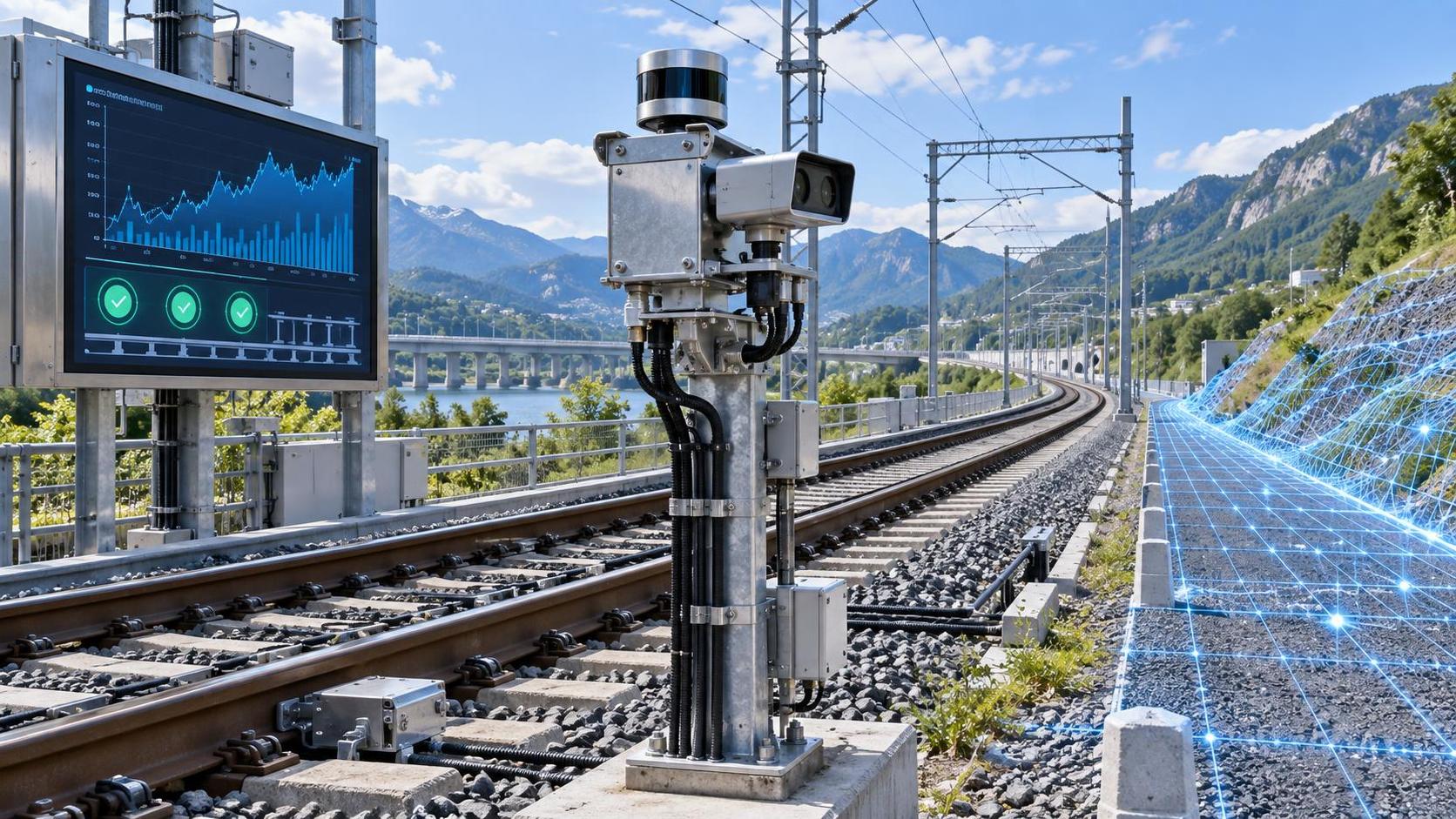
- Digital risk: cyber intrusion, system downtime, false monitoring data.
This broader definition matters because heavy industry safety outcomes are now shaped by both physical and digital control systems. Risk management must therefore become more integrated and predictive.
Current Industry Signals Behind Rising Safety Pressure
Several signals explain why heavy industry is facing greater safety pressure this year. These factors are appearing across industrial markets, even where production demand remains strong.
In heavy industry, incidents rarely come from one isolated cause. A maintenance delay can combine with operator fatigue, poor weather, and weak data visibility to create a major event.
This pattern is especially visible in sectors connected to GIUT’s coverage areas, where physical infrastructure and intelligent systems increasingly depend on each other.
Why interconnected risk matters
Heavy industry used to treat safety, maintenance, and production as separate functions. Today, equipment uptime, environmental compliance, and workforce protection share the same operational data.
That shift creates an opportunity for better control, but it also raises the cost of poor coordination. A blind spot in one system can weaken the whole industrial chain.
Business Value of Stronger Safety Systems in Heavy Industry
Investing in heavy industry safety is not only a compliance matter. It directly influences productivity, financing confidence, project continuity, insurance costs, and corporate reputation.
Safer operations reduce unplanned downtime and preserve asset life. They also support better scheduling accuracy in construction, mining output stability, and more reliable logistics performance.
- Operational value: fewer disruptions, stronger throughput, lower rework.
- Financial value: reduced incident costs, claims, penalties, and idle time.
- Strategic value: greater resilience during market shocks and weather events.
- ESG value: improved environmental control and social responsibility performance.
For infrastructure-linked businesses, heavy industry safety also protects public trust. Failures in rail, utility, mining, or urban construction can quickly affect communities and supply networks.
This is why many organizations are moving from reactive reporting toward predictive safety management, using data to identify unstable patterns before they become incidents.
Typical Heavy Industry Risk Scenarios Across Key Sectors
Although heavy industry hazards vary by setting, several recurring scenarios stand out across major industrial environments.
These examples show that heavy industry safety must match the operating context. Controls should reflect terrain, load conditions, automation level, weather exposure, and contractor complexity.
From site-specific hazards to system-wide oversight
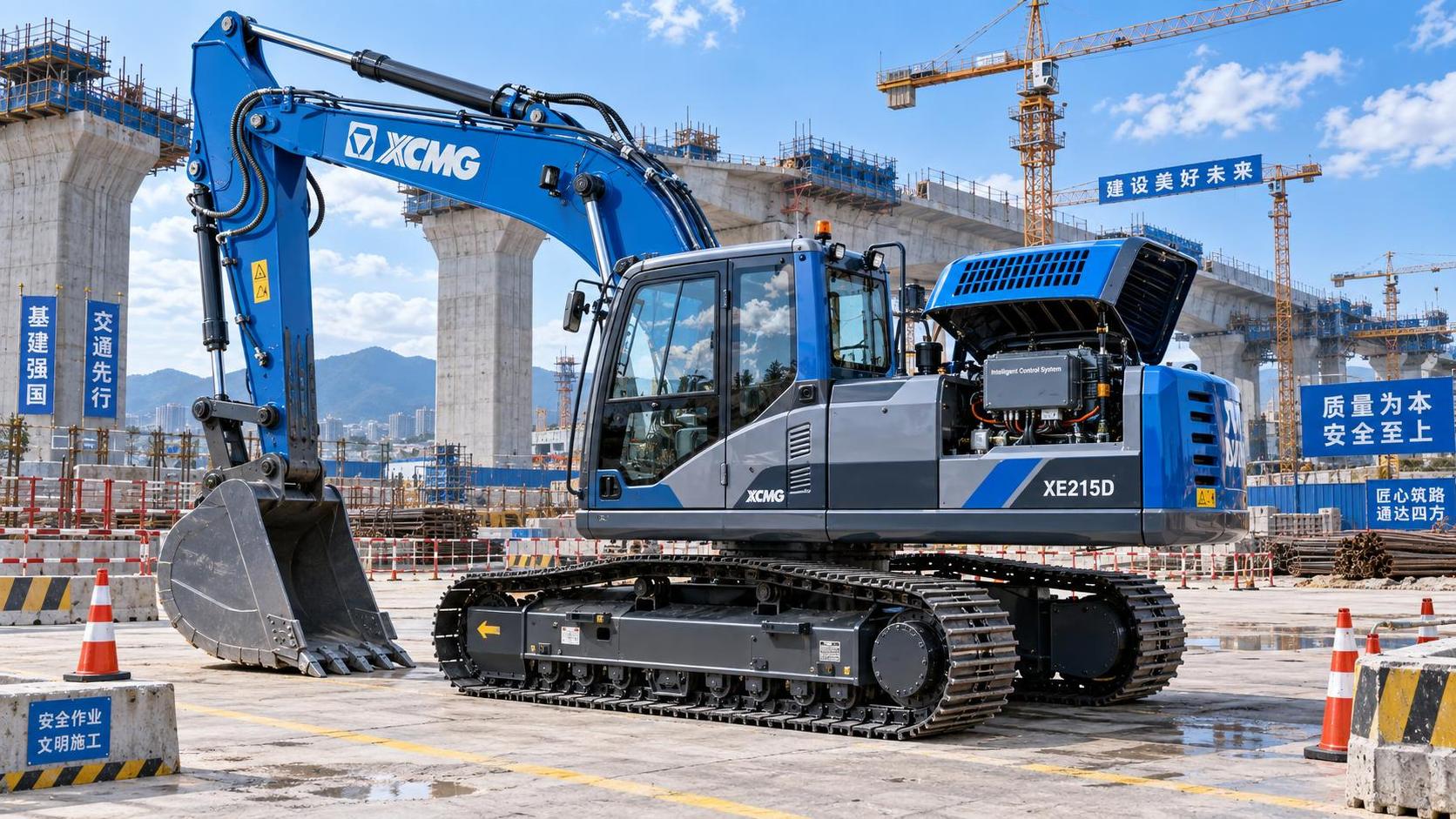
A crane risk on a construction site differs from a haul truck risk in mining, yet both depend on visibility, maintenance quality, operator readiness, and reliable communication.
This shared structure allows heavy industry leaders to build common safety frameworks while adapting controls to each environment.
Practical Measures to Reduce Heavy Industry Safety Risks
Reducing heavy industry risk requires disciplined execution. Policies alone are not enough. Effective programs connect engineering controls, digital monitoring, workforce routines, and governance review.
- Prioritize critical assets with risk-based maintenance.
- Use leading indicators, not only incident counts.
- Strengthen contractor onboarding and permit discipline.
- Integrate environmental alerts into operational planning.
- Audit connected equipment for cyber and data integrity risks.
- Review fatigue exposure in shift design and travel patterns.
Leading indicators are especially important in heavy industry. Near misses, overdue inspections, vibration trends, unsafe access reports, and alarm frequency often reveal risk before injury occurs.
Digital tools can support this effort, but only when field conditions are accurately captured. Poor data quality creates false confidence, which is dangerous in high-consequence operations.
Key points to watch during implementation
- Do not separate safety data from maintenance and production data.
- Do not rely on lagging metrics as the main decision basis.
- Do not deploy automation without revising emergency procedures.
- Do not ignore smaller recurring failures in heavy industry assets.
When these gaps are addressed, heavy industry operations become more transparent, more stable, and better prepared for growth under tighter safety expectations.
Next-Step Focus for Safer and More Resilient Operations
This year’s rise in heavy industry safety risk is a warning, but also a turning point. It shows the need to connect infrastructure intelligence with frontline operating discipline.
A practical next step is to map the top ten operational risks by asset, process, and environment, then align them with maintenance records, workforce exposure, and digital control points.
That approach creates a clearer investment path for inspections, retrofits, training, monitoring systems, and emergency readiness. In heavy industry, clarity is often the first layer of prevention.
As infrastructure and urban systems become more intelligent, safety must evolve with them. Better heavy industry performance will come from combining engineering depth, operational visibility, and disciplined risk governance.
Organizations that act early can improve compliance, protect essential assets, and strengthen sustainable industrial resilience across the physical systems that support modern civilization.
Get weekly intelligence in your inbox.
No noise. No sponsored content. Pure intelligence.
News Recommendations
 Sep 19, 2026How an electronics application guide helps prevent component mismatchHow an electronics application guide helps prevent component mismatch
 Sep 18, 2026When a resource allocation platform improves project deliveryWhen a resource allocation platform improves project delivery
 Sep 17, 2026What to compare when evaluating mineral processing equipment manufacturersWhat to compare when evaluating mineral processing equipment manufacturers
 Sep 16, 2026How mineral separation optimization can reduce concentrate lossesHow mineral separation optimization can reduce concentrate losses
 Sep 15, 2026How to assess lifecycle costs in urban tech procurementHow to assess lifecycle costs in urban tech procurement
 Sep 14, 2026Heavy industry technology trends reshaping capital investment prioritiesHeavy industry technology trends reshaping capital investment priorities
 Sep 14, 2026Global Industrial Equipment Procurement: How Top OEMs Qualify Suppliers for Mining & Infrastructure ProjectsGlobal Industrial Equipment Procurement: How Top OEMs Qualify Suppliers for Mining & Infrastructure Projects
 Sep 14, 2026Industrial & Mining Equipment Procurement: Balancing Local Sourcing, Lead Time, and Certification RequirementsIndustrial & Mining Equipment Procurement: Balancing Local Sourcing, Lead Time, and Certification Requirements
 Sep 14, 2026Infrastructure & Equipment Upgrades: What Procurement Teams Must Verify Before Signing Off on New ContractsInfrastructure & Equipment Upgrades: What Procurement Teams Must Verify Before Signing Off on New Contracts
 Sep 14, 2026Why Infrastructure Equipment Buyers Are Shifting from Catalog-Based to Capability-Based Supplier SelectionWhy Infrastructure Equipment Buyers Are Shifting from Catalog-Based to Capability-Based Supplier Selection
 Sep 14, 2026Process Automation Project Execution: How to Align Supplier Capabilities with PLC Integration, Cybersecurity & Commissioning MilestonesProcess Automation Project Execution: How to Align Supplier Capabilities with PLC Integration, Cybersecurity & Commissioning Milestones
 Sep 14, 2026Are intelligent traffic systems worth the investment for small cities?Are intelligent traffic systems worth the investment for small cities?
 Sep 14, 2026How do intelligent traffic systems handle sensor failures?How do intelligent traffic systems handle sensor failures?
 Sep 14, 2026What should I check before accepting a smart building system?What should I check before accepting a smart building system?
 Sep 14, 2026Is a smart building system worth the maintenance cost?Is a smart building system worth the maintenance cost?
 Sep 14, 2026What data is needed for reliable resource allocation planning?What data is needed for reliable resource allocation planning?
 Sep 14, 2026How can resource allocation software reduce equipment idle time?How can resource allocation software reduce equipment idle time?
 Sep 14, 2026How should smart devices be maintained in harsh outdoor conditions?How should smart devices be maintained in harsh outdoor conditions?
 Sep 14, 2026Do smart devices improve worker safety on construction sites?Do smart devices improve worker safety on construction sites?
 Sep 14, 2026What environmental risks must be assessed before deep-sea mining?What environmental risks must be assessed before deep-sea mining?
 Sep 14, 2026Is deep-sea mining equipment commercially viable in 2026?Is deep-sea mining equipment commercially viable in 2026?
 Sep 14, 2026What Inspection Checks Should Procurement Teams Perform Before Ordering Dredging Equipment in 2026?What Inspection Checks Should Procurement Teams Perform Before Ordering Dredging Equipment in 2026?
 Sep 13, 2026How to verify an industrial product information source before specifying equipmentHow to verify an industrial product information source before specifying equipment
 Sep 12, 2026Which intelligent traffic systems hardware fits an urban intersection?Which intelligent traffic systems hardware fits an urban intersection?
 Sep 11, 2026How pump capacity affects response coverage for municipal fire fighting vehiclesHow pump capacity affects response coverage for municipal fire fighting vehicles
 Sep 10, 2026What to verify before choosing a heavy industry equipment supplierWhat to verify before choosing a heavy industry equipment supplier
 Sep 09, 2026When do adaptive urban traffic control systems reduce corridor delays?When do adaptive urban traffic control systems reduce corridor delays?