Digital Twin Use Cases in Urban Governance
As cities face rising demands, digital twin systems are becoming essential for modern urban governance.
They connect physical assets, live data, simulation, and policy workflows into one operational intelligence layer.
For infrastructure, mobility, utilities, safety, and land use, digital twin use cases now support faster, more evidence-based decisions.
This matters across the broader industrial ecosystem, where construction, transport, energy, and civic technology increasingly converge.
In that context, GIUT tracks how digital twin methods help cities evolve from fragmented management to adaptive governance.
Digital twin foundations in urban governance

A digital twin is a dynamic virtual representation of physical systems, processes, and environments.
In urban governance, the model links streets, buildings, utilities, vehicles, sensors, and human activity.
Unlike static GIS layers, a digital twin updates continuously and supports analysis, prediction, and scenario testing.
It often combines IoT feeds, BIM data, satellite imagery, SCADA inputs, and historical operational records.
This structure allows officials to understand not only what is happening, but also what may happen next.
Digital twin use cases therefore move governance beyond dashboards toward coordinated, model-driven intervention.
Core building blocks
- Data layer: sensors, cameras, meters, drones, and public records.
- Model layer: 3D city models, infrastructure networks, and behavioral simulations.
- Analytics layer: forecasting, anomaly detection, optimization, and risk scoring.
- Decision layer: alerts, planning tools, command interfaces, and policy testing.
Why cities are prioritizing digital twin use cases
Urban systems are more interconnected than ever, yet many governance structures remain siloed.
A road incident can affect freight timing, air quality, emergency response, and energy demand.
Climate stress adds more complexity through heatwaves, flooding, grid volatility, and water scarcity.
At the same time, public budgets require stronger accountability and measurable operational outcomes.
These pressures explain why digital twin use cases are gaining attention across integrated city management.
Operational value across the physical city
The practical strength of digital twin use cases lies in cross-domain visibility and coordinated action.
This is especially relevant for infrastructure-heavy sectors tracked by GIUT, where assets are capital intensive.
A digital twin can reduce blind spots in design, construction, operation, and renewal cycles.
It also improves communication between engineers, planners, operators, and governance institutions.
Business and governance benefits
- Faster incident response through real-time situational awareness.
- Better capital planning through predictive asset insights.
- Lower operating waste through demand-aware resource allocation.
- Stronger resilience through tested emergency scenarios.
- Improved transparency through traceable decisions and performance indicators.
Representative digital twin use cases in urban governance
The most mature digital twin use cases usually begin with critical systems that generate continuous data.
Over time, cities connect these systems into a broader digital twin operating environment.
1. Traffic orchestration and multimodal mobility
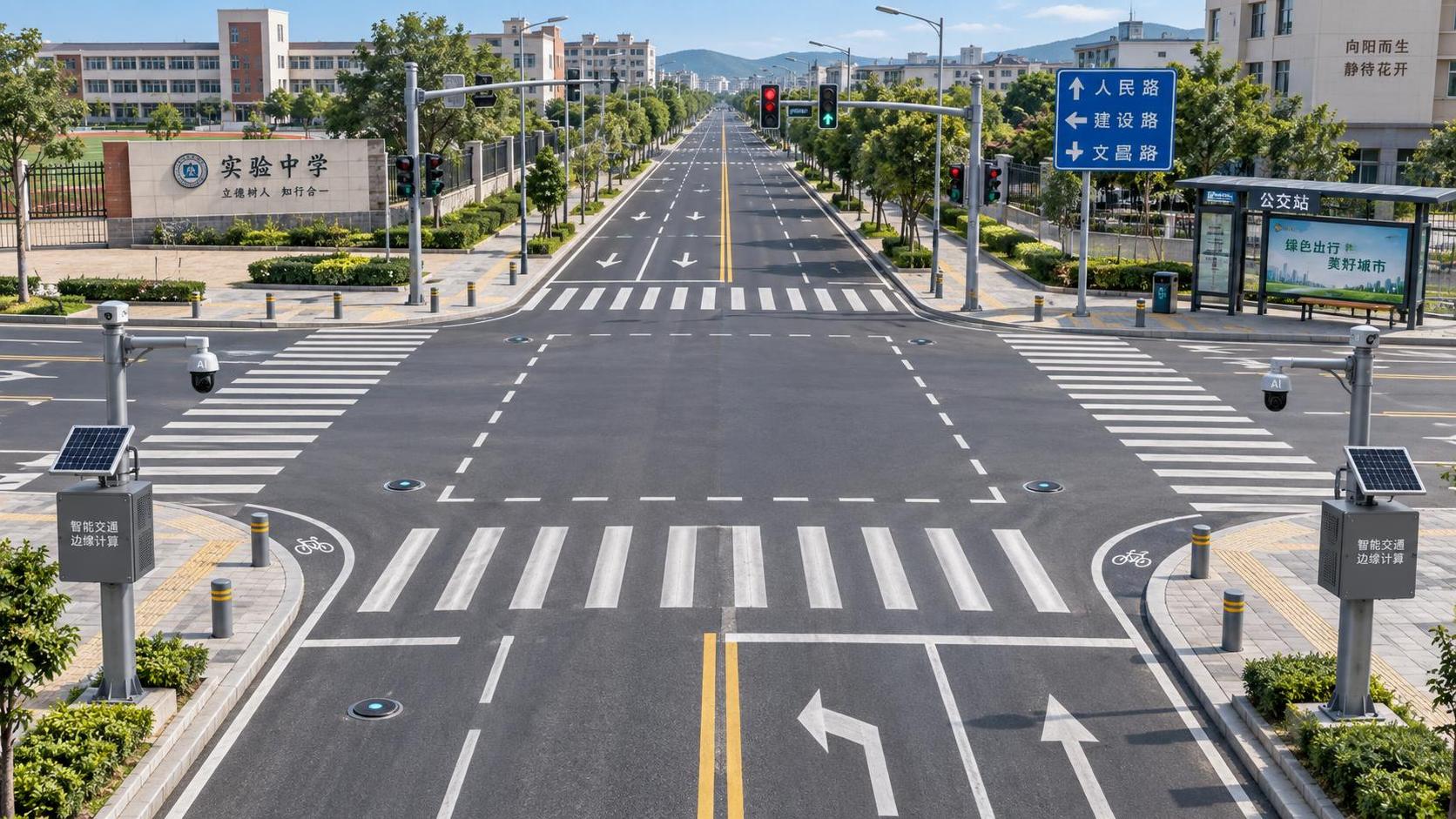
Traffic is one of the clearest digital twin use cases because it changes rapidly and affects many services.
A mobility twin can combine road sensors, signal systems, transit feeds, parking data, and freight flows.
City teams can test lane changes, signal timing, detours, or event plans before real implementation.
This reduces congestion, shortens emergency travel times, and supports low-emission transport strategies.
2. Water, drainage, and flood resilience
Stormwater and flood management are increasingly important digital twin use cases for climate adaptation.
By modeling terrain, pipes, pump stations, rainfall, and river levels, cities can predict pressure points.
Operators can then deploy barriers, adjust pumping schedules, or protect vulnerable infrastructure corridors.
3. Energy networks and smart grid coordination
Power demand is becoming less predictable as buildings electrify and distributed generation expands.
Digital twin use cases in energy help model load patterns, outage risks, storage behavior, and peak events.
That supports maintenance scheduling, demand response, and more resilient urban energy governance.
4. Public asset maintenance and infrastructure lifecycle management
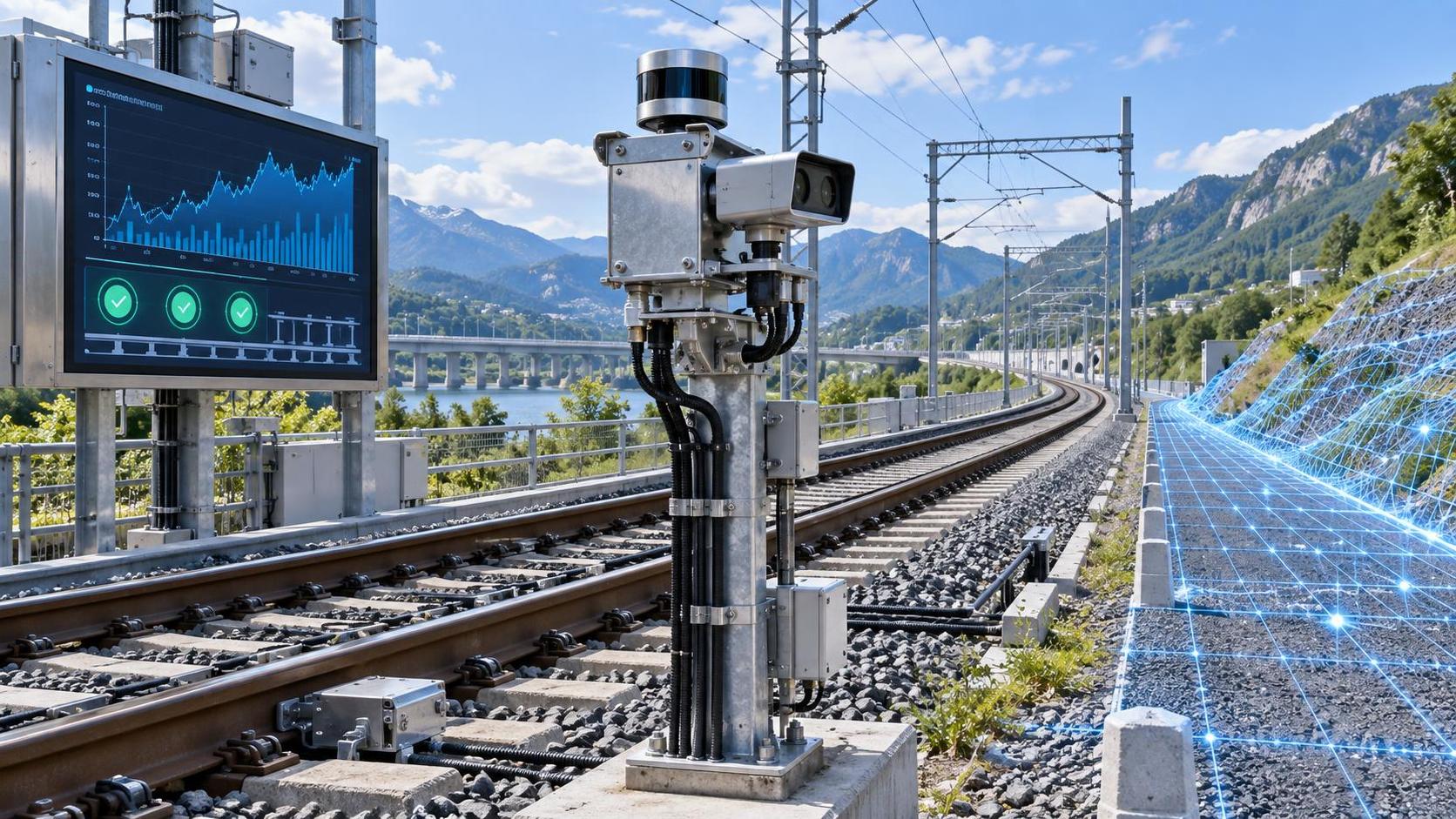
Bridges, tunnels, stations, and civic buildings require continuous monitoring and long-term investment planning.
A digital twin can integrate inspection records, vibration data, corrosion signals, and repair histories.
This helps prioritize interventions before failures become costly or dangerous.
5. Waste, sanitation, and route optimization
Waste systems are often overlooked, yet they are practical digital twin use cases with quick returns.
Bin fill levels, fleet movement, fuel use, and disposal capacity can be modeled together.
That enables cleaner operations, lower costs, and more reliable service coverage.
6. Emergency management and command coordination
Emergency services benefit when incident data, road status, crowd density, and weather are viewed together.
Digital twin use cases here support evacuation planning, staging decisions, and multi-agency coordination.
Use case mapping by governance objective
Implementation priorities and practical constraints
Despite strong potential, digital twin use cases succeed only when governance design matches technical ambition.
Many projects struggle because they start with visualization, not decision value.
A useful twin should answer operational questions, trigger action, and improve measurable outcomes.
Practical recommendations
- Start with one high-value domain, such as mobility, water, or critical infrastructure.
- Define decision scenarios early, including thresholds, alerts, and response workflows.
- Use interoperable standards for BIM, GIS, sensor data, and asset identifiers.
- Build data governance rules for quality, security, ownership, and update frequency.
- Measure outcomes through service reliability, downtime reduction, and maintenance efficiency.
It is also important to avoid over-modeling low-impact assets while neglecting operational bottlenecks.
The strongest digital twin use cases balance engineering detail with governance usability.
A practical next step for city intelligence programs
Digital twin adoption is no longer limited to visionary pilot projects.
It is becoming a working method for managing complex urban systems with greater clarity and speed.
For organizations shaping infrastructure and smart governance, the best path is to map priority assets first.
Then align data sources, operational targets, and simulation needs around a few urgent city outcomes.
When designed well, digital twin use cases help transform cities into more resilient, efficient, and sustainable living systems.
That shift reflects GIUT’s broader mission: linking the physical and the intelligent to sustain the future.
Get weekly intelligence in your inbox.
No noise. No sponsored content. Pure intelligence.
News Recommendations
 Sep 19, 2026How an electronics application guide helps prevent component mismatchHow an electronics application guide helps prevent component mismatch
 Sep 18, 2026When a resource allocation platform improves project deliveryWhen a resource allocation platform improves project delivery
 Sep 17, 2026What to compare when evaluating mineral processing equipment manufacturersWhat to compare when evaluating mineral processing equipment manufacturers
 Sep 16, 2026How mineral separation optimization can reduce concentrate lossesHow mineral separation optimization can reduce concentrate losses
 Sep 15, 2026How to assess lifecycle costs in urban tech procurementHow to assess lifecycle costs in urban tech procurement
 Sep 14, 2026Heavy industry technology trends reshaping capital investment prioritiesHeavy industry technology trends reshaping capital investment priorities
 Sep 14, 2026Global Industrial Equipment Procurement: How Top OEMs Qualify Suppliers for Mining & Infrastructure ProjectsGlobal Industrial Equipment Procurement: How Top OEMs Qualify Suppliers for Mining & Infrastructure Projects
 Sep 14, 2026Industrial & Mining Equipment Procurement: Balancing Local Sourcing, Lead Time, and Certification RequirementsIndustrial & Mining Equipment Procurement: Balancing Local Sourcing, Lead Time, and Certification Requirements
 Sep 14, 2026Infrastructure & Equipment Upgrades: What Procurement Teams Must Verify Before Signing Off on New ContractsInfrastructure & Equipment Upgrades: What Procurement Teams Must Verify Before Signing Off on New Contracts
 Sep 14, 2026Why Infrastructure Equipment Buyers Are Shifting from Catalog-Based to Capability-Based Supplier SelectionWhy Infrastructure Equipment Buyers Are Shifting from Catalog-Based to Capability-Based Supplier Selection
 Sep 14, 2026Process Automation Project Execution: How to Align Supplier Capabilities with PLC Integration, Cybersecurity & Commissioning MilestonesProcess Automation Project Execution: How to Align Supplier Capabilities with PLC Integration, Cybersecurity & Commissioning Milestones
 Sep 14, 2026Are intelligent traffic systems worth the investment for small cities?Are intelligent traffic systems worth the investment for small cities?
 Sep 14, 2026How do intelligent traffic systems handle sensor failures?How do intelligent traffic systems handle sensor failures?
 Sep 14, 2026What should I check before accepting a smart building system?What should I check before accepting a smart building system?
 Sep 14, 2026Is a smart building system worth the maintenance cost?Is a smart building system worth the maintenance cost?
 Sep 14, 2026What data is needed for reliable resource allocation planning?What data is needed for reliable resource allocation planning?
 Sep 14, 2026How can resource allocation software reduce equipment idle time?How can resource allocation software reduce equipment idle time?
 Sep 14, 2026How should smart devices be maintained in harsh outdoor conditions?How should smart devices be maintained in harsh outdoor conditions?
 Sep 14, 2026Do smart devices improve worker safety on construction sites?Do smart devices improve worker safety on construction sites?
 Sep 14, 2026What environmental risks must be assessed before deep-sea mining?What environmental risks must be assessed before deep-sea mining?
 Sep 14, 2026Is deep-sea mining equipment commercially viable in 2026?Is deep-sea mining equipment commercially viable in 2026?
 Sep 14, 2026What Inspection Checks Should Procurement Teams Perform Before Ordering Dredging Equipment in 2026?What Inspection Checks Should Procurement Teams Perform Before Ordering Dredging Equipment in 2026?
 Sep 13, 2026How to verify an industrial product information source before specifying equipmentHow to verify an industrial product information source before specifying equipment
 Sep 12, 2026Which intelligent traffic systems hardware fits an urban intersection?Which intelligent traffic systems hardware fits an urban intersection?
 Sep 11, 2026How pump capacity affects response coverage for municipal fire fighting vehiclesHow pump capacity affects response coverage for municipal fire fighting vehicles
 Sep 10, 2026What to verify before choosing a heavy industry equipment supplierWhat to verify before choosing a heavy industry equipment supplier
 Sep 09, 2026When do adaptive urban traffic control systems reduce corridor delays?When do adaptive urban traffic control systems reduce corridor delays?