Infrastructure Construction Cost Risks in 2026
In 2026, infrastructure construction faces mounting cost risks driven by material volatility, labor shortages, regulatory pressure, and shifting financing conditions. For business evaluators, understanding these variables is essential to protect project viability, improve forecasting accuracy, and support smarter investment decisions. This article explores the key cost drivers, emerging market signals, and practical assessment strategies shaping more resilient infrastructure planning.
For organizations evaluating highways, rail links, utilities, logistics corridors, industrial plants, and smart urban systems, the challenge is no longer limited to calculating base CAPEX. The harder task is identifying which cost assumptions may fail within 6 to 24 months, and how those failures affect return thresholds, debt service, procurement strategy, and delivery timing.
In infrastructure construction, even a 3% to 5% pricing deviation on steel, cement, cable, fuel, or mechanical packages can materially alter project feasibility. Business evaluators therefore need a risk-adjusted framework that links market signals, technical scope, contract structure, and execution conditions into one assessment model.
Why cost risk in infrastructure construction is harder to model in 2026
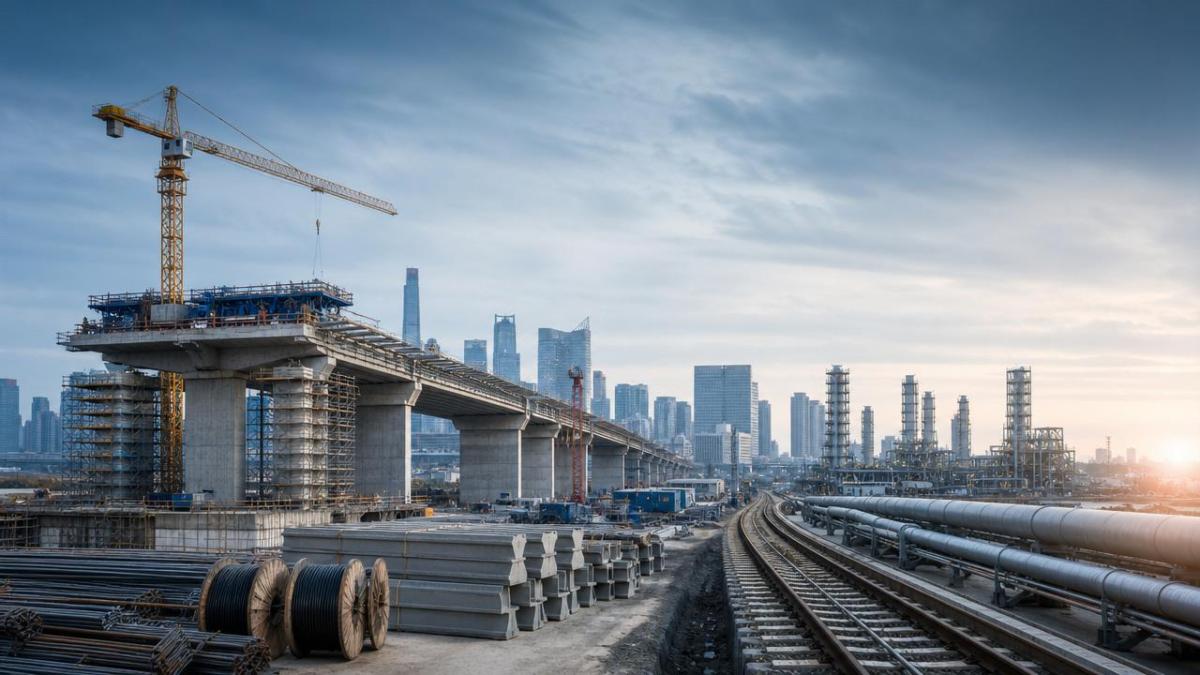
Infrastructure construction in 2026 is exposed to a broader mix of variables than in earlier cycles. Traditional estimating methods still matter, but they are less reliable when projects combine civil works, digital systems, energy integration, prefabrication, and climate compliance in a single delivery package.
For business evaluators, the main issue is compounding risk. A 4-week delay in permit approval can trigger re-sequencing, extend equipment rental, increase labor standby cost, and push procurement into a less favorable pricing window. What appears as one schedule problem can quickly become a 7-line budget variance.
Five primary forces changing budget assumptions
- Material cost swings in steel, cement, aggregates, copper, and bitumen.
- Skilled labor shortages across welding, heavy equipment operation, MEP installation, and digital commissioning.
- Financing pressure from higher borrowing costs, stricter lending covenants, and longer approval cycles.
- Regulatory expansion covering carbon disclosure, environmental mitigation, local sourcing, and safety documentation.
- Technology integration risk where physical assets must connect with sensors, controls, and data platforms.
The shift from isolated cost items to system-level exposure
A bridge, substation, mine access road, smart depot, or water treatment expansion is no longer assessed only by concrete volume or equipment tonnage. Evaluators now need to measure interface risk between contractors, software vendors, utility authorities, logistics providers, and local regulators. In many cases, interface failure adds 2% to 8% to total project cost without changing the visible bill of quantities.
This is especially relevant in mixed-scope infrastructure construction, where civil, electrical, automation, and environmental packages are procured separately. Fragmented procurement may reduce initial bid prices, but it often raises change-order frequency and site coordination expense during months 8 to 18 of execution.
Typical cost risk categories evaluators should track
The table below outlines a practical classification model for cost review. It helps business evaluators separate visible price risk from embedded execution risk before approving budgets or financing assumptions.
The key takeaway is that not all risks start on the cost sheet. Several begin in governance, interface planning, or procurement design. For infrastructure construction, evaluators who review only headline unit prices often miss the more expensive second-order impacts.
The biggest 2026 cost drivers business evaluators should stress-test
A credible assessment in 2026 should not rely on a single estimate. At minimum, business evaluators should test a base case, a constrained case, and a downside case. A 3-scenario method gives decision makers a better view of how infrastructure construction behaves under supply, labor, and financing pressure.
1. Material volatility remains the fastest-moving variable
Steel sections, reinforcement bar, cementitious products, copper cable, insulation, diesel, and asphalt can all shift in short intervals. On large transport, utility, and industrial projects, material inputs may account for 35% to 60% of direct construction cost. That makes purchase timing a strategic decision, not a clerical one.
Evaluators should examine three details: supplier count, quote validity period, and import exposure. If key quotations expire within 14 to 30 days, or more than 40% of core packages rely on imported inputs, the project may need a larger contingency band than comparable domestic projects.
2. Labor scarcity is turning into a productivity risk
Labor cost is not only about wage inflation. In infrastructure construction, the greater problem is reduced productivity when specialized crews are unavailable at the required sequence point. A tunneling, rail signaling, crane erection, or substation package can be delayed by 2 to 6 weeks even when labor rates are budgeted correctly.
This risk is more severe on remote sites, fast-track urban corridors, and projects with strict night-shift windows. Where labor availability is uncertain, evaluators should test output assumptions per crew per shift rather than accept nominal headcount alone.
3. Financing conditions now influence construction cost more directly
In 2026, the cost of capital affects infrastructure construction in at least four ways: higher interest during build, delayed drawdown approvals, stricter reserve requirements, and pressure to shorten the ramp-up period. Even when engineering cost remains stable, financing friction can move a viable project below its target return band.
For projects with 18 to 36 month delivery cycles, a funding delay of 60 to 90 days can trigger remobilization cost, supplier repricing, and lost weather windows. Business evaluators should therefore align financial close assumptions with actual permit, design, and procurement readiness.
4. Compliance cost is expanding beyond permits
Environmental and governance requirements are now embedded deeper into project scope. Carbon accounting, runoff control, waste traceability, noise mitigation, worker safety records, and local-content obligations can all add measurable cost. These are not optional line items; they affect bid comparability and lender acceptance.
On some projects, compliance and reporting packages may equal 1% to 3% of total spend. That may appear modest, but if left out of early models, it often reappears as claims, redesign, or approval delay. Evaluators should verify whether these obligations are included in contractor scope or retained by the owner.
How to build a more reliable infrastructure construction cost assessment
A strong evaluation framework combines technical review, commercial logic, and schedule realism. It should be simple enough for investment committees to understand, yet detailed enough to identify where cost escalation is most likely to originate.
A practical 4-step assessment model
- Validate scope completeness across civil, MEP, digital, environmental, and temporary works.
- Stress-test unit rates using 30-day, 90-day, and 180-day procurement scenarios.
- Review schedule critical paths, especially permits, utility interfaces, and long-lead equipment.
- Assign contingency by risk source rather than applying one flat percentage across the project.
What to examine before approving contingency
Many business evaluators still use blanket contingency levels such as 5% or 10%. That approach is fast but often inaccurate. A more reliable method separates design maturity, market exposure, site uncertainty, and contractual clarity. For example, a project at 30% design completion should not carry the same reserve logic as one at 80% design completion.
The table below provides a decision-oriented structure that can be used during board review, lender review, or internal project screening.
This framework helps evaluators avoid overconfidence in early-stage models. It also improves comparison between bids that appear similar on total price but differ significantly in delivery certainty and exposure to cost overruns.
Use milestone-based reviews instead of one-time approvals
Infrastructure construction estimates should be revalidated at three critical points: pre-tender, post-award, and before major equipment release. Each checkpoint should update at least 6 items: quantities, supplier validity, labor plan, logistics assumptions, permit status, and contingency draw logic.
This staged approach is valuable for transport, mining support, urban utilities, and smart city systems where field conditions and technology scope can evolve quickly. It reduces the chance that outdated assumptions survive into procurement or board-level approval.
Frequent mistakes in business evaluation of infrastructure construction
Many cost overruns are not caused by extreme market events. They result from predictable evaluation errors that were left unchallenged during early review. Identifying these mistakes is one of the fastest ways to improve project screening quality.
Mistake 1: Treating low bid price as low project cost
A low EPC or package bid can hide exclusions, unrealistic productivity assumptions, or weak escalation coverage. If bid analysis focuses only on total award price, business evaluators may underestimate the final delivered cost by several percentage points. Bid normalization should always include scope gaps, provisional sums, and interface ownership.
Mistake 2: Underestimating site logistics and temporary works
Remote access roads, traffic management, water diversion, temporary power, spoil handling, and laydown areas often receive less attention than permanent assets. Yet on complex infrastructure construction sites, temporary works can represent 5% to 12% of field execution cost.
Mistake 3: Ignoring digital and integration costs
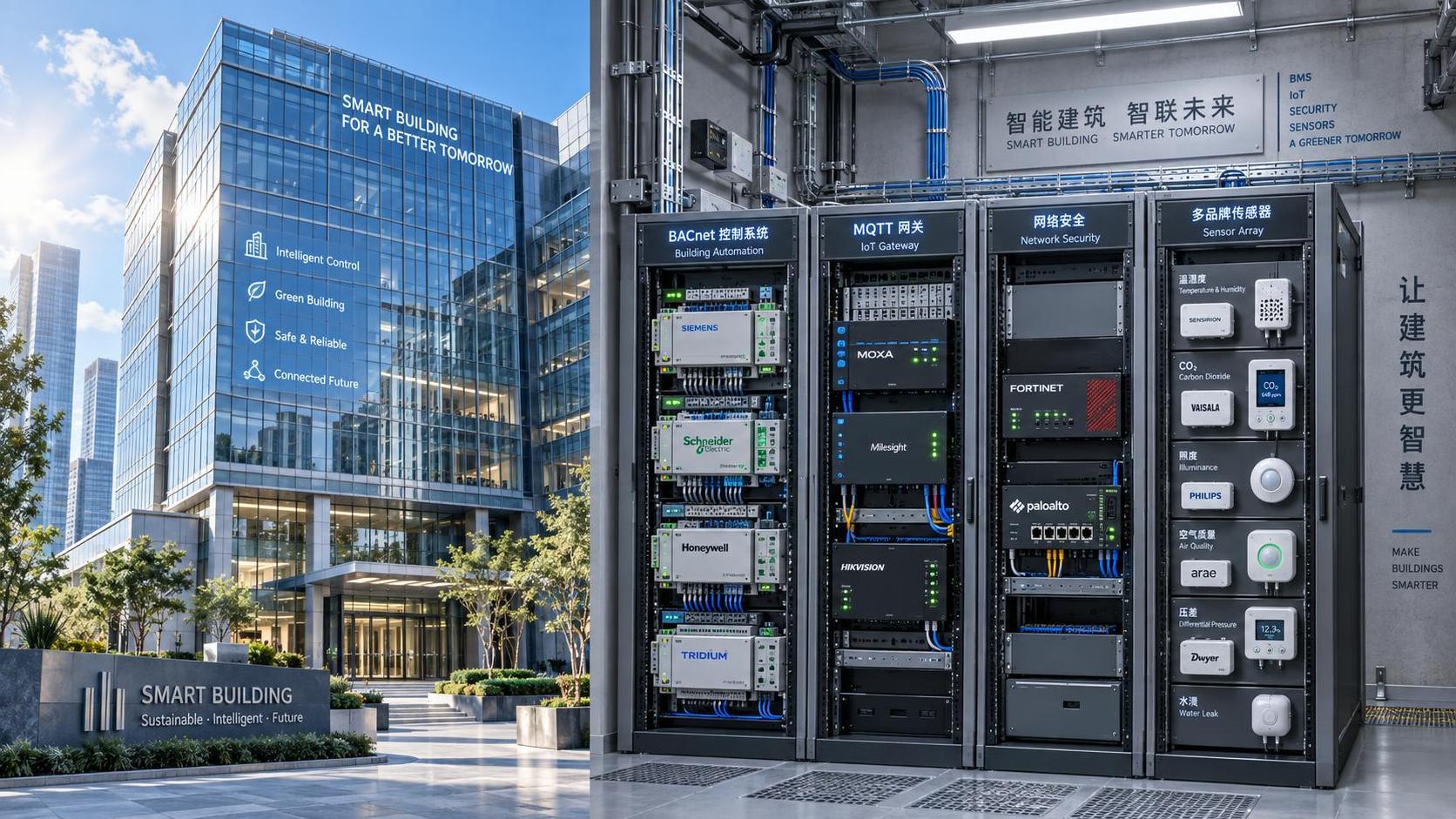
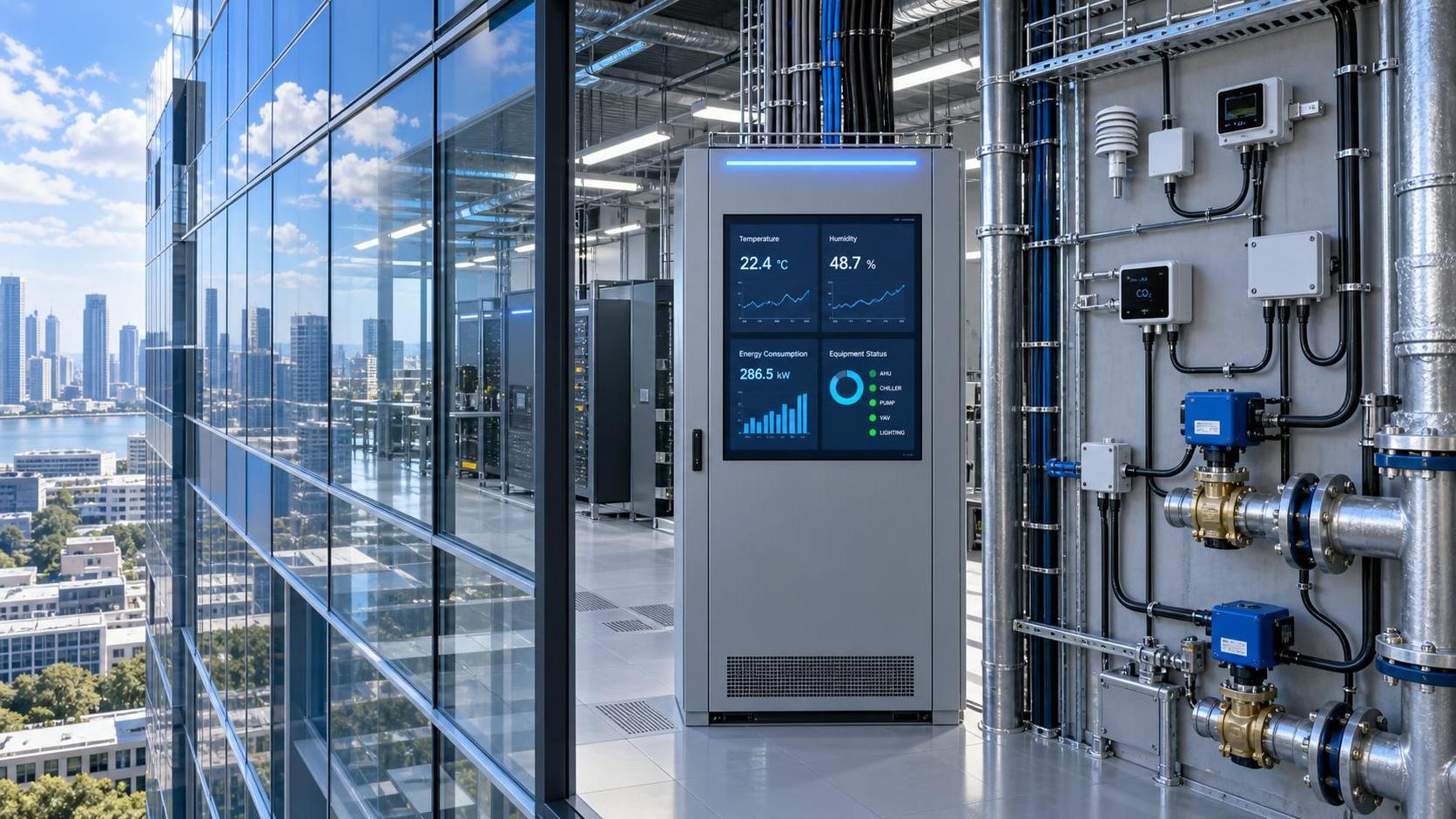
Smart infrastructure requires more than hardware. Sensors, control software, cybersecurity setup, testing, operator training, and data interface commissioning all need budget. In smart buildings, rail systems, utilities, and urban management platforms, these costs are often deferred until late stages, when they become more expensive to correct.
Mistake 4: Using generic contingencies across different asset types
A flood control project, a logistics terminal, and a mine support facility do not carry identical risk profiles. Asset type, ground condition, regulatory exposure, and equipment intensity should all influence reserve logic. Using one standard contingency rate across all projects weakens capital allocation discipline.
Strategic recommendations for 2026 project screening and investment review
For decision makers working across heavy industry, urban systems, transport, and public infrastructure, the goal is not to eliminate uncertainty. The goal is to price it accurately, allocate it clearly, and review it continuously before it turns into avoidable value erosion.
Priority actions for business evaluators
- Require 3-scenario cost modeling for projects above internal materiality thresholds.
- Link procurement strategy to market timing for steel, cable, fuel, and mechanical packages.
- Review labor productivity assumptions by workface, shift pattern, and site location.
- Check whether environmental and digital integration costs are embedded in baseline budgets.
- Use milestone-based estimate refreshes every 60 to 90 days during active pre-construction.
Where GIUT-style intelligence adds value
For organizations operating in complex infrastructure construction environments, integrated market intelligence is increasingly important. Cross-sector analysis covering construction, smart urban systems, rail logistics, mining support, and heavy equipment helps evaluators identify risk transfer points earlier and compare assumptions across asset classes rather than in isolation.
That broader perspective is useful when a project includes civil works, digital controls, fleet equipment, and public interface requirements at the same time. It supports better budgeting, cleaner procurement logic, and stronger investment screening before capital is committed.
In 2026, successful infrastructure construction evaluation depends on disciplined assumptions, live market awareness, and a willingness to challenge incomplete budgets before execution starts. Business evaluators who examine materials, labor, financing, compliance, and integration costs together are better positioned to protect project viability and improve forecast accuracy.
If your team is reviewing transport corridors, utility upgrades, industrial facilities, smart city systems, or other capital-intensive assets, now is the right time to strengthen your assessment model. Contact us to discuss project-specific risk screening, get a tailored evaluation framework, or learn more about practical infrastructure construction intelligence for 2026 planning.
Get weekly intelligence in your inbox.
No noise. No sponsored content. Pure intelligence.
News Recommendations
 Sep 19, 2026How an electronics application guide helps prevent component mismatchHow an electronics application guide helps prevent component mismatch
 Sep 18, 2026When a resource allocation platform improves project deliveryWhen a resource allocation platform improves project delivery
 Sep 17, 2026What to compare when evaluating mineral processing equipment manufacturersWhat to compare when evaluating mineral processing equipment manufacturers
 Sep 16, 2026How mineral separation optimization can reduce concentrate lossesHow mineral separation optimization can reduce concentrate losses
 Sep 15, 2026How to assess lifecycle costs in urban tech procurementHow to assess lifecycle costs in urban tech procurement
 Sep 14, 2026Heavy industry technology trends reshaping capital investment prioritiesHeavy industry technology trends reshaping capital investment priorities
 Sep 14, 2026Global Industrial Equipment Procurement: How Top OEMs Qualify Suppliers for Mining & Infrastructure ProjectsGlobal Industrial Equipment Procurement: How Top OEMs Qualify Suppliers for Mining & Infrastructure Projects
 Sep 14, 2026Industrial & Mining Equipment Procurement: Balancing Local Sourcing, Lead Time, and Certification RequirementsIndustrial & Mining Equipment Procurement: Balancing Local Sourcing, Lead Time, and Certification Requirements
 Sep 14, 2026Infrastructure & Equipment Upgrades: What Procurement Teams Must Verify Before Signing Off on New ContractsInfrastructure & Equipment Upgrades: What Procurement Teams Must Verify Before Signing Off on New Contracts
 Sep 14, 2026Why Infrastructure Equipment Buyers Are Shifting from Catalog-Based to Capability-Based Supplier SelectionWhy Infrastructure Equipment Buyers Are Shifting from Catalog-Based to Capability-Based Supplier Selection
 Sep 14, 2026Process Automation Project Execution: How to Align Supplier Capabilities with PLC Integration, Cybersecurity & Commissioning MilestonesProcess Automation Project Execution: How to Align Supplier Capabilities with PLC Integration, Cybersecurity & Commissioning Milestones
 Sep 14, 2026Are intelligent traffic systems worth the investment for small cities?Are intelligent traffic systems worth the investment for small cities?
 Sep 14, 2026How do intelligent traffic systems handle sensor failures?How do intelligent traffic systems handle sensor failures?
 Sep 14, 2026What should I check before accepting a smart building system?What should I check before accepting a smart building system?
 Sep 14, 2026Is a smart building system worth the maintenance cost?Is a smart building system worth the maintenance cost?
 Sep 14, 2026What data is needed for reliable resource allocation planning?What data is needed for reliable resource allocation planning?
 Sep 14, 2026How can resource allocation software reduce equipment idle time?How can resource allocation software reduce equipment idle time?
 Sep 14, 2026How should smart devices be maintained in harsh outdoor conditions?How should smart devices be maintained in harsh outdoor conditions?
 Sep 14, 2026Do smart devices improve worker safety on construction sites?Do smart devices improve worker safety on construction sites?
 Sep 14, 2026What environmental risks must be assessed before deep-sea mining?What environmental risks must be assessed before deep-sea mining?
 Sep 14, 2026Is deep-sea mining equipment commercially viable in 2026?Is deep-sea mining equipment commercially viable in 2026?
 Sep 14, 2026What Inspection Checks Should Procurement Teams Perform Before Ordering Dredging Equipment in 2026?What Inspection Checks Should Procurement Teams Perform Before Ordering Dredging Equipment in 2026?
 Sep 13, 2026How to verify an industrial product information source before specifying equipmentHow to verify an industrial product information source before specifying equipment
 Sep 12, 2026Which intelligent traffic systems hardware fits an urban intersection?Which intelligent traffic systems hardware fits an urban intersection?
 Sep 11, 2026How pump capacity affects response coverage for municipal fire fighting vehiclesHow pump capacity affects response coverage for municipal fire fighting vehicles
 Sep 10, 2026What to verify before choosing a heavy industry equipment supplierWhat to verify before choosing a heavy industry equipment supplier
 Sep 09, 2026When do adaptive urban traffic control systems reduce corridor delays?When do adaptive urban traffic control systems reduce corridor delays?