How should smart devices be maintained in harsh outdoor conditions?
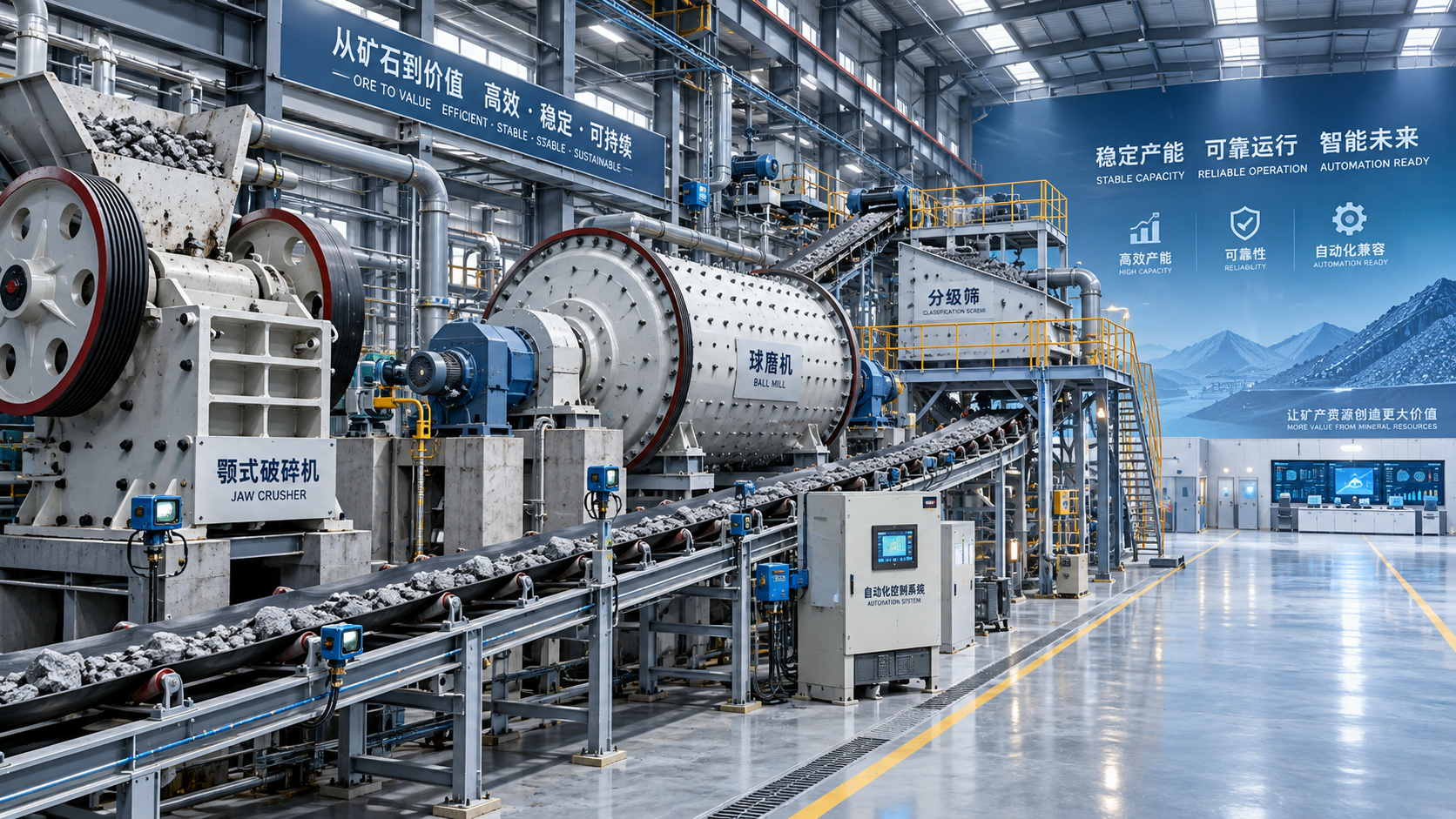
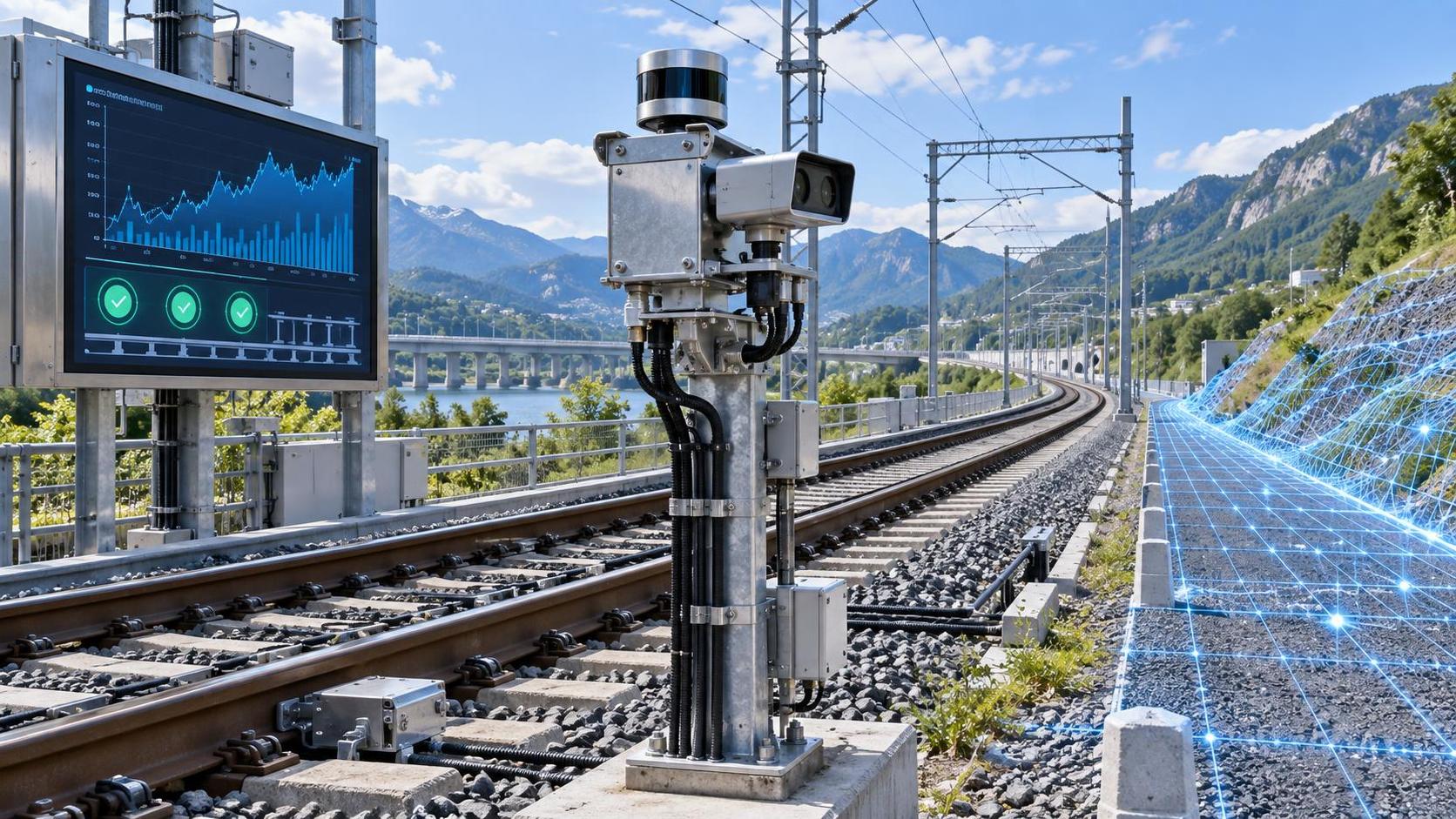
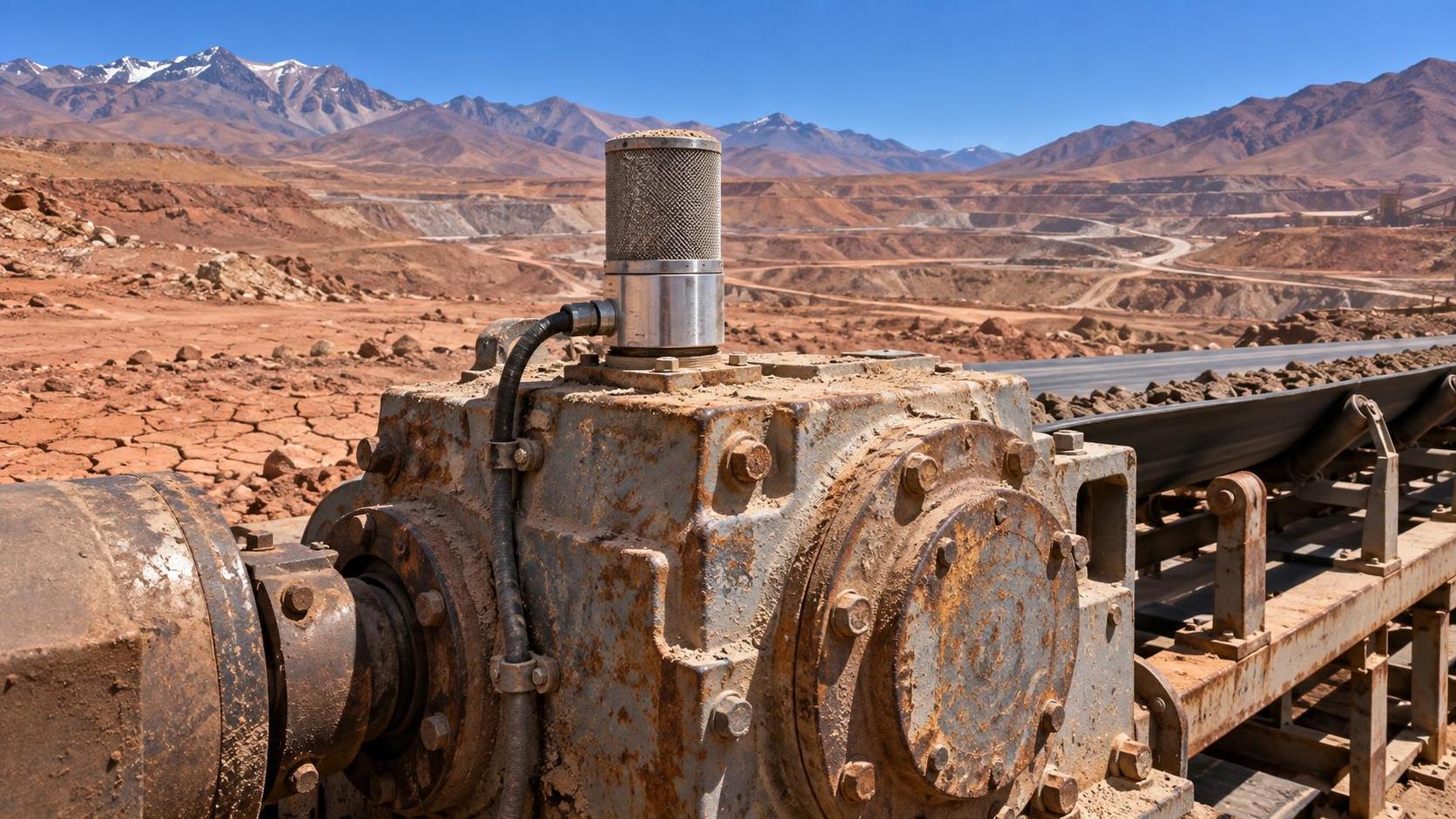
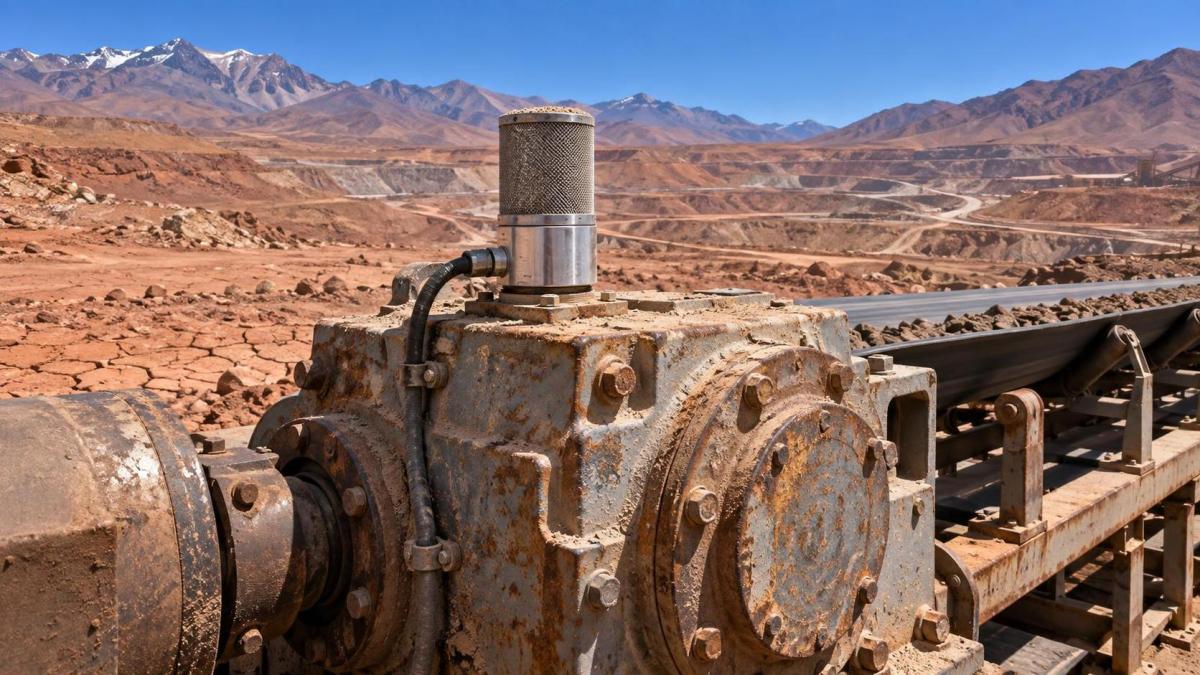
Out on a remote mining site in northern Chile, where daytime temperatures soar past 45°C and dust storms roll across the Andean foothills like slow-motion tsunamis, a vibration sensor on a conveyor gearbox stops reporting. Not because it failed — it’s still powered, still connected — but because its micro-ventilation mesh clogged with silica-laden grit, causing internal condensation that fogged its MEMS calibration chamber. Two hundred kilometers away, in a coastal railway maintenance depot battered by salt-laden gales, an edge controller’s Ethernet port corroded after just eight months — not from water ingress, but from microscopic chloride aerosols migrating through seemingly sealed gaskets.
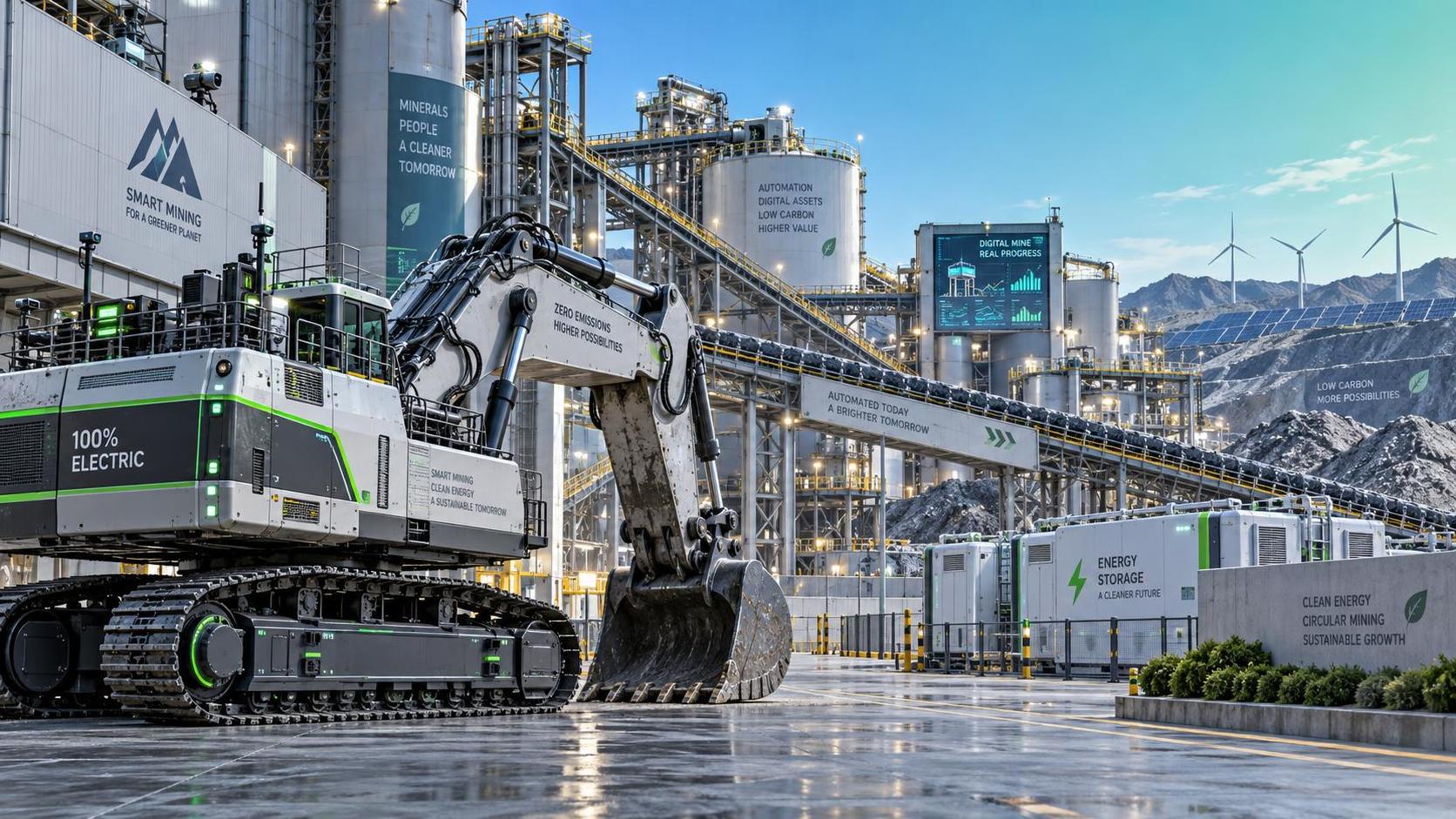
These aren’t edge cases. They’re daily realities for smart devices embedded in the physical backbone of civilization: bridges humming with strain gauges, wind farms whispering turbine health data, rail signaling cabinets blinking in Siberian winters, and concrete batch plants adjusting mix ratios in real time under monsoon skies. How should smart devices be maintained in harsh outdoor conditions? isn’t just a technical checklist — it’s a discipline at the intersection of materials science, environmental forensics, and operational humility.
It Starts With Honest Classification — Not Just “Rugged”
“Ruggedized” is often marketing shorthand — not engineering truth. At GIUT, our Infrastructure Specialist team maps device exposure using a five-axis field taxonomy: thermal cycling amplitude (not just min/max), particulate abrasiveness (quartz vs. volcanic ash vs. coal fines), moisture phase behavior (condensation cycles > rain exposure), electrochemical aggressiveness (coastal salt, mine tailings leachate, urban de-icing brine), and mechanical resonance profiles (vibration spectra from diesel generators, pile drivers, or passing freight trains).
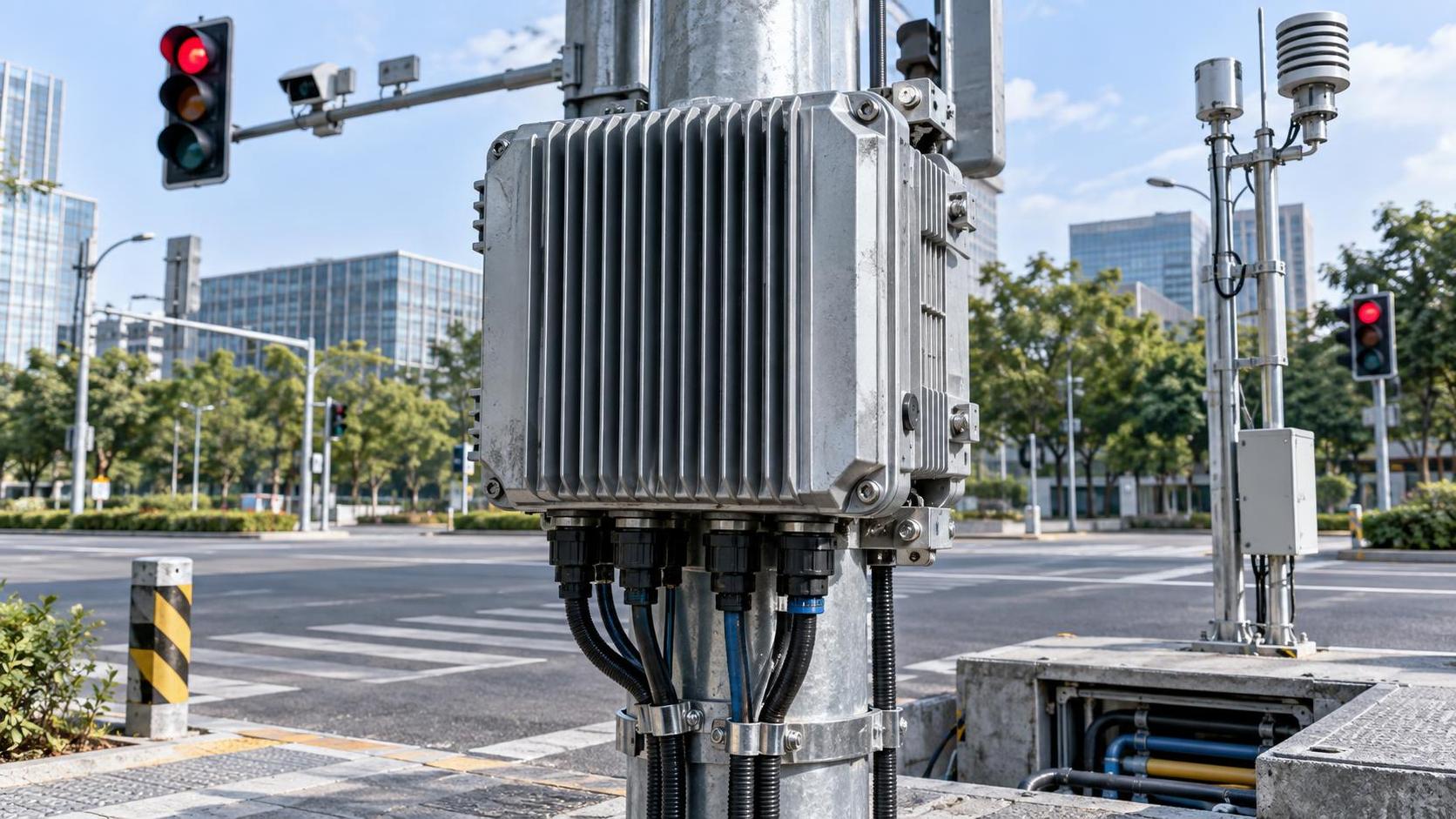
A device rated IP67 may survive submersion — but if deployed where temperature swings between −30°C and +60°C daily, silicone seals will fatigue, potting compounds will micro-crack, and solder joints will creep. That same unit might thrive in a desert solar farm but fail inside a humid, ammonia-rich livestock logistics hub. Context isn’t decorative. It’s diagnostic.
The Three-Layer Maintenance Rhythm
Maintenance isn’t annual or quarterly. It’s layered — preventive, predictive, and perceptual.
Preventive means acting before failure modes incubate: replacing breathable membranes every 18 months in high-dust zones; re-torquing mounting hardware after the first freeze-thaw cycle in alpine installations; verifying UV-stabilizer integrity on cable jackets before summer solstice in equatorial deployments. These aren’t arbitrary intervals — they’re calibrated against local environmental stress accumulation models built from GIUT’s global infrastructure telemetry database.
Predictive shifts focus from calendar to condition. Our Heavy Machinery Analyst team observed that 73% of outdoor edge controller failures began with subtle signal drift in analog input channels — not communication dropouts. That drift correlates strongly with gradual PCB trace oxidation under cyclic humidity. So we embed low-overhead self-diagnostic routines: periodic reference voltage checks, impedance sweeps across sensor interfaces, and thermal gradient mapping across enclosure walls. When deviation exceeds statistically derived baselines — not fixed thresholds — the system flags *potential* degradation, not just failure.
Perceptual is the human layer often overlooked. Field technicians don’t need more dashboards. They need contextual awareness: “This ultrasonic level sensor on Tank #4 has seen 147 thermal cycles above 40°C since last service — expect reduced sensitivity in low-flow scenarios.” Or: “The LoRaWAN gateway’s RSSI variance increased 32% over baseline during last week’s sandstorm — inspect antenna feedline sealant.” That’s perceptual intelligence: translating raw metrics into actionable field intuition.
Where Hardware Meets Habitat — Material Choices That Matter
Aluminum enclosures? Fine — unless deployed near copper smelters, where sulfur dioxide accelerates pitting corrosion. Stainless steel? Choose 316 over 304 near marine environments, but know that even 316 suffers crevice corrosion beneath biofilm in warm, stagnant seawater. Polycarbonate lenses? Excellent impact resistance — until UV exposure embrittles them after three years in high-altitude sun, making them vulnerable to hail or gravel impact.
We’ve seen smart fire suppression controllers fail not from heat, but because their flame-sensor optics were coated with airborne hydrocarbon residue from nearby diesel refueling — invisible to the eye, opaque to IR wavelengths. The fix wasn’t recalibration. It was installing passive air baffles with activated carbon filters — a habitat-specific adaptation, not a universal upgrade.
Data Integrity Over Device Uptime
Here’s a quiet truth: sometimes, the most responsible maintenance action is intentional, temporary deactivation. A temperature sensor buried in asphalt on a highway expansion project may report erratic values during rapid diurnal swings — not due to fault, but because its thermal mass lags ambient changes. Forcing it to “stay online” corrupts traffic flow algorithms downstream. Better to flag the reading as contextually unreliable and switch to interpolated modeling — preserving data integrity over false continuity.
This philosophy reshapes maintenance priorities. We prioritize calibration traceability over uptime logs. We validate timestamp synchronization across distributed nodes — because a 200ms clock skew between two rail trackside sensors can misdiagnose wheel flat detection. We verify encryption key rotation schedules — because outdated TLS handshakes in remote mining telemetry create exploitable gaps long before hardware fails.
The Human Infrastructure Behind the Digital One
No protocol survives without the right hands applying it. GIUT’s field teams consistently find that the weakest link isn’t the sensor — it’s the service manual written for engineers, not technicians wearing thick gloves in freezing rain. So we co-develop maintenance workflows with frontline crews: visual inspection guides using color-coded wear indicators instead of micrometer measurements; torque sequences mapped to intuitive “click-count” rhythms; QR-coded enclosure labels linking directly to video micro-tutorials shot *on location*, showing exactly how to clear a clogged breather valve on a crane-mounted AI camera in high-wind conditions.
Maintenance isn’t maintenance. It’s stewardship — of equipment, yes, but also of the trust embedded in every data point feeding urban traffic models, mine safety systems, or bridge load forecasts. Every uncorrupted reading, every seasonally adjusted calibration, every seal replaced before leakage begins, quietly reinforces the reliability of the intelligent infrastructure that keeps cities breathing, resources flowing, and critical arteries open.
So when you ask, How should smart devices be maintained in harsh outdoor conditions?, the answer isn’t a single method — it’s a living practice. One that listens to the environment as closely as it monitors the device. One that treats maintenance not as downtime, but as dialogue: between silicon and storm, steel and season, code and context. Because the most intelligent infrastructure isn’t the one that never fails — it’s the one that knows, deeply and locally, how to endure.
Get weekly intelligence in your inbox.
No noise. No sponsored content. Pure intelligence.
News Recommendations
 Sep 19, 2026How an electronics application guide helps prevent component mismatchHow an electronics application guide helps prevent component mismatch
 Sep 18, 2026When a resource allocation platform improves project deliveryWhen a resource allocation platform improves project delivery
 Sep 17, 2026What to compare when evaluating mineral processing equipment manufacturersWhat to compare when evaluating mineral processing equipment manufacturers
 Sep 16, 2026How mineral separation optimization can reduce concentrate lossesHow mineral separation optimization can reduce concentrate losses
 Sep 15, 2026How to assess lifecycle costs in urban tech procurementHow to assess lifecycle costs in urban tech procurement
 Sep 14, 2026Heavy industry technology trends reshaping capital investment prioritiesHeavy industry technology trends reshaping capital investment priorities
 Sep 14, 2026Why Infrastructure Equipment Buyers Are Shifting from Catalog-Based to Capability-Based Supplier SelectionWhy Infrastructure Equipment Buyers Are Shifting from Catalog-Based to Capability-Based Supplier Selection
 Sep 14, 2026Process Automation Project Execution: How to Align Supplier Capabilities with PLC Integration, Cybersecurity & Commissioning MilestonesProcess Automation Project Execution: How to Align Supplier Capabilities with PLC Integration, Cybersecurity & Commissioning Milestones
 Sep 14, 2026Are intelligent traffic systems worth the investment for small cities?Are intelligent traffic systems worth the investment for small cities?
 Sep 14, 2026How do intelligent traffic systems handle sensor failures?How do intelligent traffic systems handle sensor failures?
 Sep 14, 2026What should I check before accepting a smart building system?What should I check before accepting a smart building system?
 Sep 14, 2026Is a smart building system worth the maintenance cost?Is a smart building system worth the maintenance cost?
 Sep 14, 2026What data is needed for reliable resource allocation planning?What data is needed for reliable resource allocation planning?
 Sep 14, 2026How can resource allocation software reduce equipment idle time?How can resource allocation software reduce equipment idle time?
 Sep 14, 2026How should smart devices be maintained in harsh outdoor conditions?How should smart devices be maintained in harsh outdoor conditions?
 Sep 14, 2026Do smart devices improve worker safety on construction sites?Do smart devices improve worker safety on construction sites?
 Sep 14, 2026What environmental risks must be assessed before deep-sea mining?What environmental risks must be assessed before deep-sea mining?
 Sep 14, 2026Is deep-sea mining equipment commercially viable in 2026?Is deep-sea mining equipment commercially viable in 2026?
 Sep 14, 2026What Inspection Checks Should Procurement Teams Perform Before Ordering Dredging Equipment in 2026?What Inspection Checks Should Procurement Teams Perform Before Ordering Dredging Equipment in 2026?
 Sep 13, 2026How to verify an industrial product information source before specifying equipmentHow to verify an industrial product information source before specifying equipment
 Sep 12, 2026Which intelligent traffic systems hardware fits an urban intersection?Which intelligent traffic systems hardware fits an urban intersection?
 Sep 11, 2026How pump capacity affects response coverage for municipal fire fighting vehiclesHow pump capacity affects response coverage for municipal fire fighting vehicles
 Sep 10, 2026What to verify before choosing a heavy industry equipment supplierWhat to verify before choosing a heavy industry equipment supplier
 Sep 09, 2026When do adaptive urban traffic control systems reduce corridor delays?When do adaptive urban traffic control systems reduce corridor delays?
 Sep 08, 2026When logistics technology solutions in North America reduce delivery delaysWhen logistics technology solutions in North America reduce delivery delays
 Sep 07, 2026How reliable are wireless mining safety systems in underground mines?How reliable are wireless mining safety systems in underground mines?
 Sep 07, 2026How to assess a smart lighting technology platform for interoperabilityHow to assess a smart lighting technology platform for interoperability