Industrial Accessories Checklist for Reducing Downtime
Unplanned stoppages rarely begin with a major breakdown. More often, they start with a worn seal, a loose connector, a missing fastener, or an overlooked backup part. For operations tied to infrastructure, transport, mining, construction, and smart urban systems, a disciplined industrial accessories checklist is one of the most practical ways to reduce downtime, protect service continuity, and keep maintenance decisions grounded in evidence rather than urgency.
Why accessories matter more than they seem
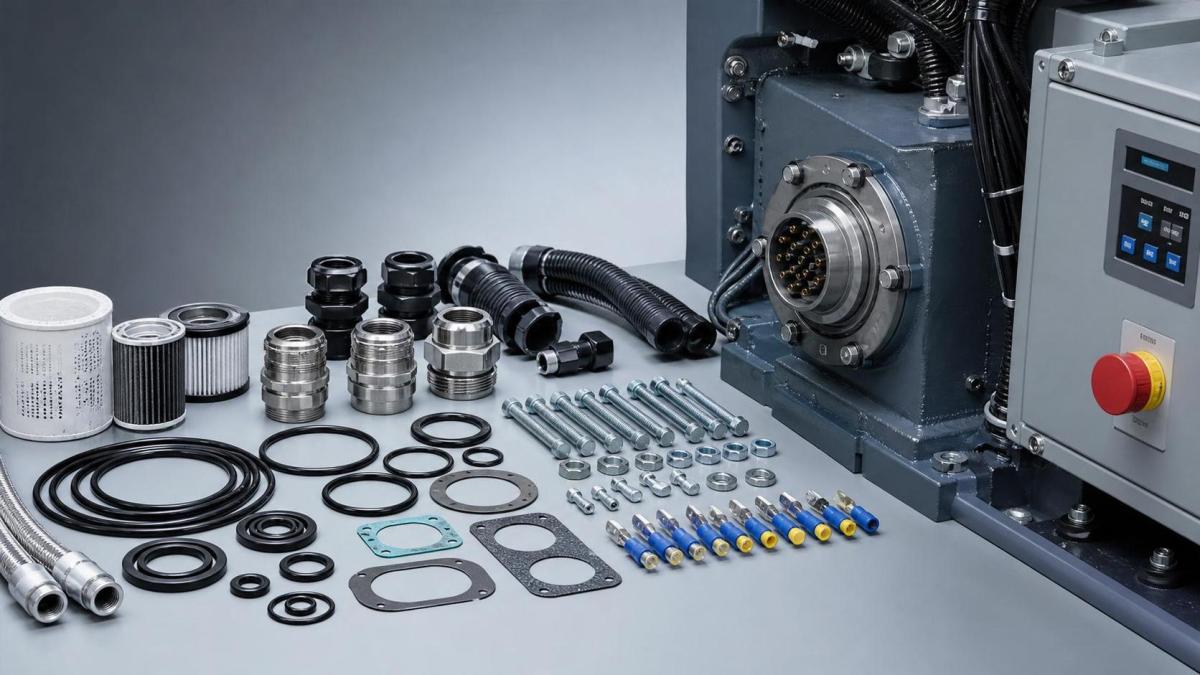
In heavy-duty environments, the smallest components often control the largest risks. Industrial accessories support the interfaces between major systems, where vibration, heat, dust, moisture, and repeated loading create failure points.
That is why downtime reduction is not only about motors, pumps, hydraulics, or control software. It also depends on whether clamps hold, seals stay intact, fittings match pressure ratings, and spare connectors are available when field repairs cannot wait.
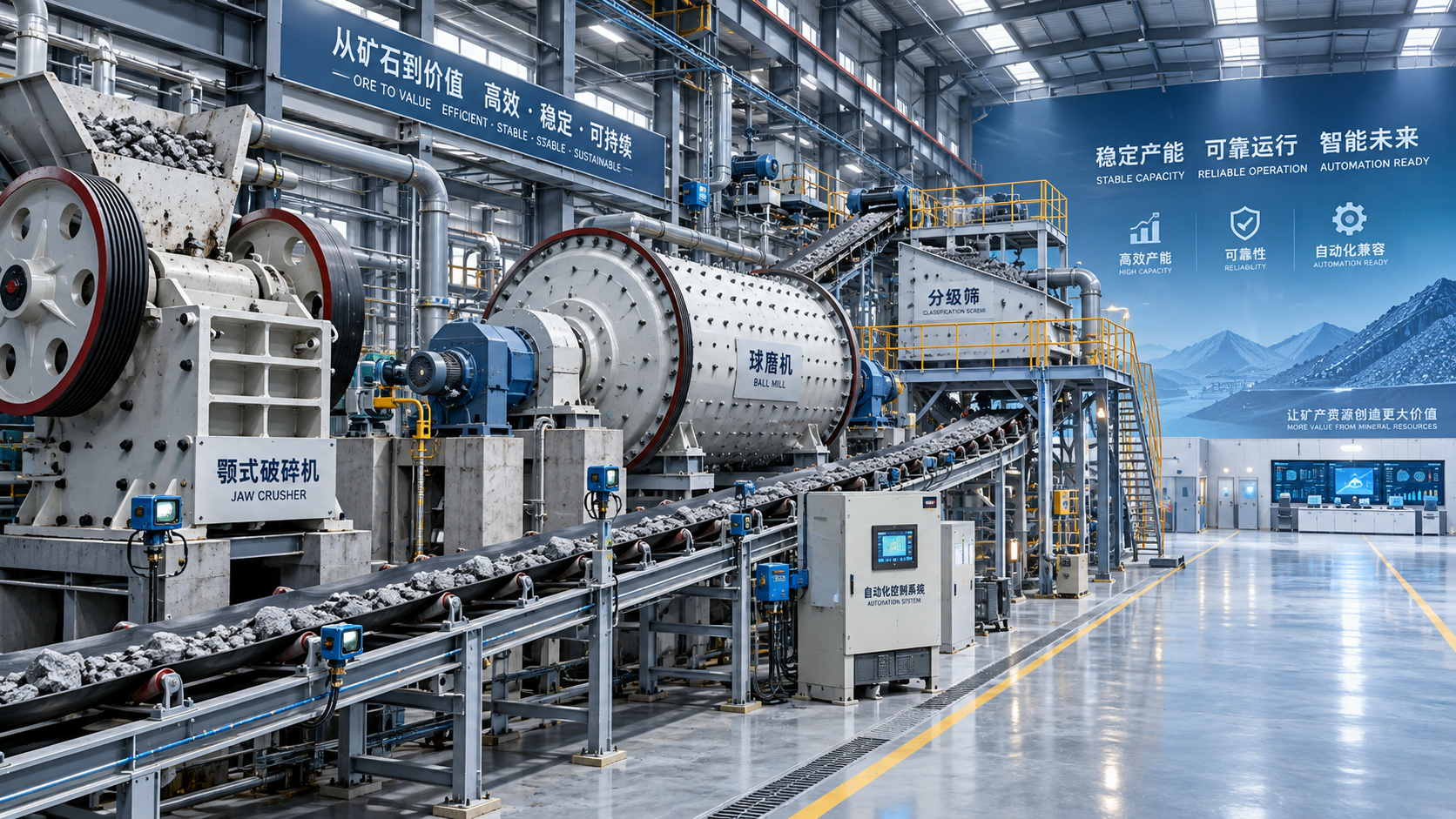
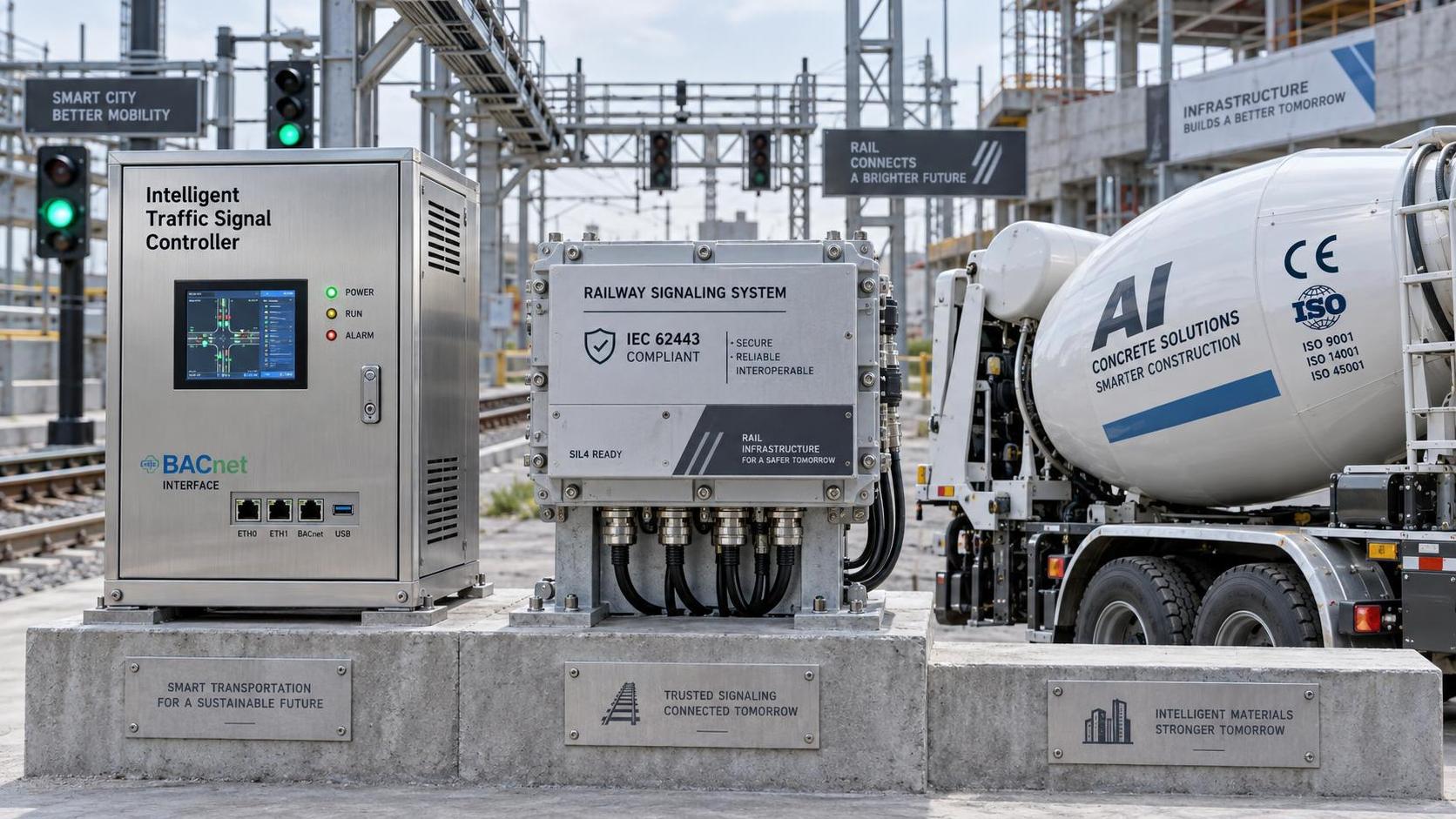
Across GIUT’s coverage areas, this pattern appears repeatedly. Smart building systems rely on cable accessories and junction integrity. Rail networks depend on reliable fastening and signaling hardware. Mining equipment needs abrasion-resistant consumables and contamination control. Special purpose vehicles require rugged fittings that tolerate both movement and shock.
A practical definition of industrial accessories
In maintenance terms, industrial accessories are the supporting parts that enable installation, connection, sealing, adjustment, protection, or replacement within a larger machine or facility system.
They are not secondary in value, even if they are smaller in cost. A failed gasket can stop a pump. A damaged cable gland can interrupt controls. An incorrect bolt grade can shorten the life of a structural assembly.
Typical industrial accessories include:
- Seals, O-rings, gaskets, and packing materials
- Hose fittings, couplings, adapters, and quick connectors
- Fasteners, anchors, washers, and locking devices
- Cable accessories, glands, terminals, conduits, and protective sleeves
- Filters, screens, strainers, and wear liners
- Sensors mounts, brackets, clips, and protective covers
- Lubrication fittings, caps, plugs, and drain accessories
The checklist approach matters because these parts fail differently from core equipment. They are replaced more often, sourced from multiple vendors, and affected by local installation practices.
Where downtime pressure is growing
Industrial operators now face tighter uptime expectations, leaner inventories, and more connected assets. That combination makes overlooked accessories more expensive than before.
A modern jobsite or infrastructure asset no longer functions as an isolated machine. It sits inside a wider service chain involving digital monitoring, delivery schedules, safety compliance, and energy efficiency targets.
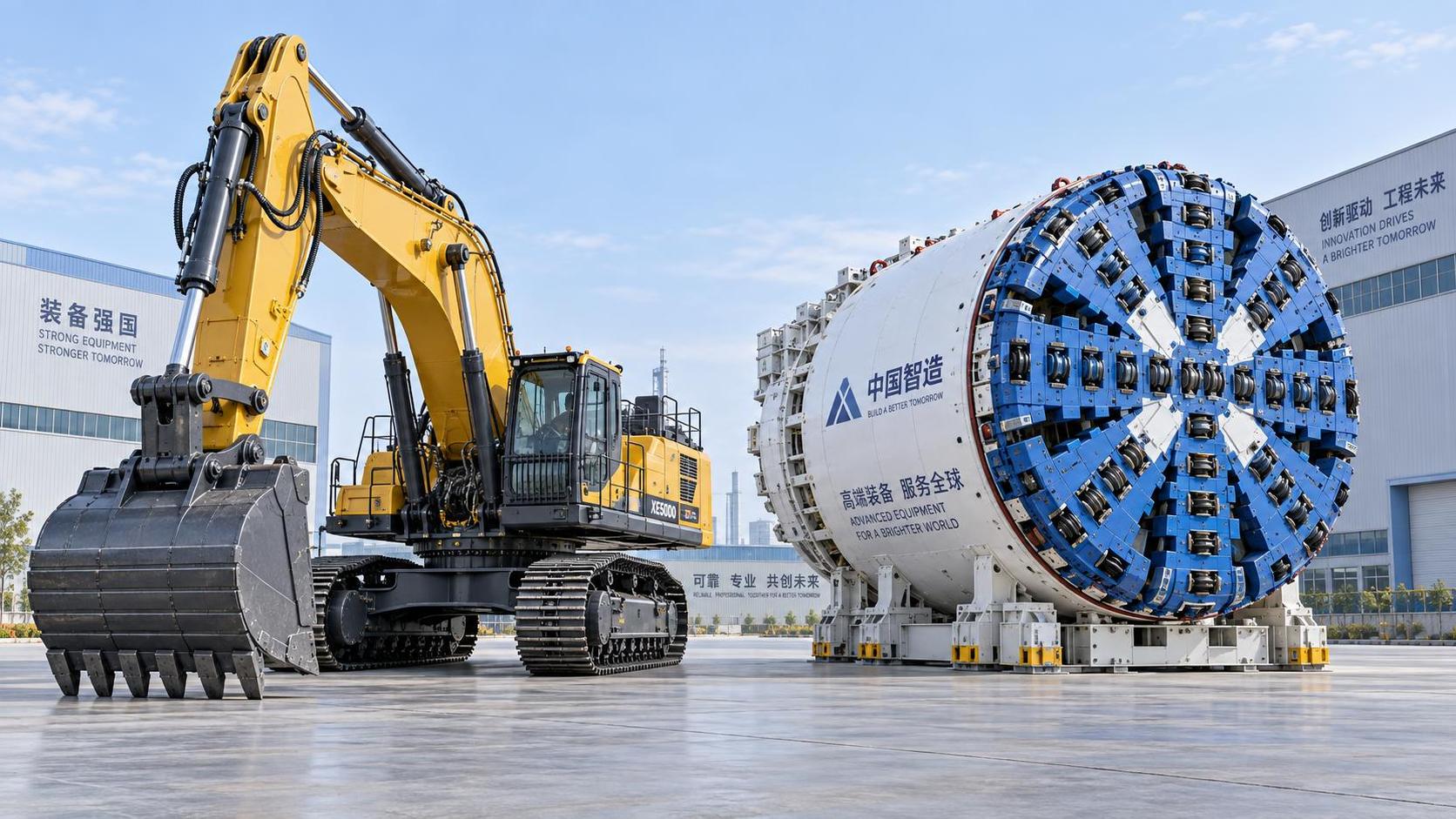
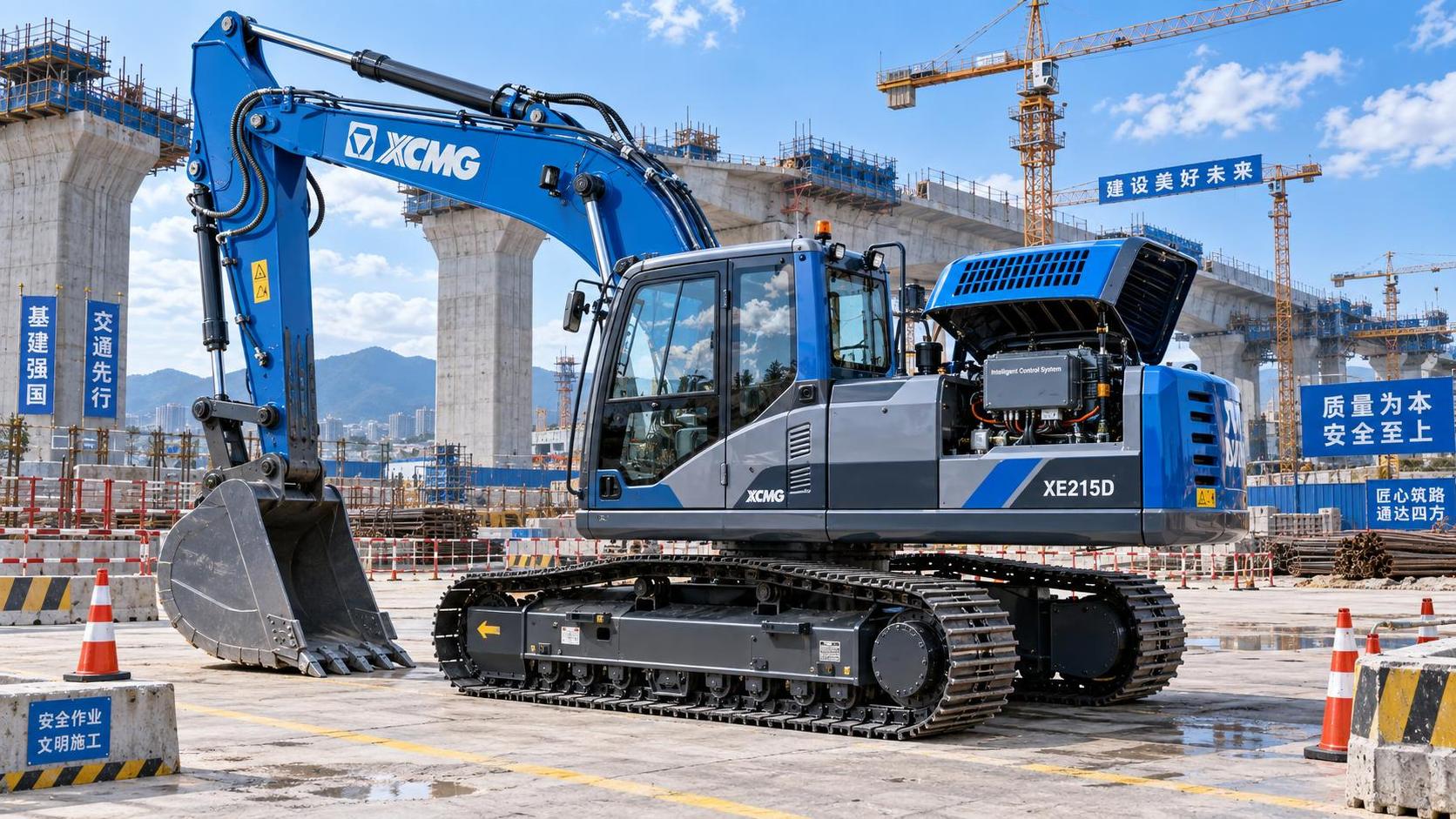
This is especially visible in GIUT’s sectors. Construction equipment must stay available despite site variability. Railway systems depend on predictable maintenance windows. Urban utility systems need uninterrupted control signals. Mining and heavy vehicles operate in punishing conditions where minor component failure escalates quickly.
As a result, industrial accessories are becoming part of reliability strategy, not just purchasing convenience.
What a downtime-focused checklist should cover
A useful checklist does more than list part names. It should connect each accessory to failure risk, replacement frequency, compatibility rules, and stocking priority.
1. High-wear consumables
Start with accessories exposed to friction, pressure cycling, chemical attack, heat, or contamination. These usually include seals, gaskets, filters, bushings, sleeves, and liners.
If they fail, leaks, contamination, or rapid wear often follow. Their condition should be checked during every planned intervention.
2. Connection-critical parts
Review connectors, couplings, terminal blocks, adapters, and cable accessories that support power, fluid, air, or signal transmission.
Connection issues cause intermittent faults that are difficult to diagnose. A checklist should note mating standards, thread types, pressure classes, and ingress protection levels.
3. Fastening and retention hardware
Bolts, locking washers, pins, clips, anchors, and retaining rings are easy to underestimate. Yet looseness under vibration is a common downtime trigger.
The checklist should include torque requirements, material grade, corrosion exposure, and replacement rules after removal.
4. Emergency replacement items
Some industrial accessories may not fail frequently, but they cause long stoppages when unavailable. These belong in backup stock.
Examples include proprietary fittings, unusual seals, sensor brackets, custom harness accessories, and hard-to-source mounting hardware.
How accessory priorities change by operating scenario
Not every site needs the same checklist depth. The right focus depends on exposure, duty cycle, asset criticality, and supply lead time.
This kind of mapping helps standardize inventory while still respecting asset-specific needs.
What to inspect before stocking more parts
Buying more accessories does not automatically improve uptime. The larger gain usually comes from better classification and cleaner decision rules.
Three questions tend to sharpen the checklist:
- Which industrial accessories fail often enough to justify routine stock?
- Which parts create long delays because of sourcing, approvals, or compatibility checks?
- Which accessories should be standardized across fleets, lines, or sites?
It also helps to review failure history. If multiple work orders point to leakage, loosening, corrosion, or poor electrical continuity, the root cause may sit in the accessory layer.
In practice, standardization matters. Fewer thread forms, seal materials, connector families, and fastener grades mean fewer errors during urgent replacement work.
Common mistakes that keep downtime high
Many maintenance delays come from avoidable accessory decisions rather than impossible operating conditions.
- Substituting similar-looking industrial accessories without checking material, pressure, or temperature limits
- Treating all fasteners as interchangeable despite grade and coating differences
- Ignoring installation damage on seals, terminals, and cable accessories
- Holding excess low-risk stock while critical uncommon parts remain unavailable
- Separating spare parts data from maintenance history, making accessory trends invisible
These issues become more serious as assets grow smarter. A connector problem in a digitally monitored system can appear first as a software alarm, even when the real fault is physical.
Turning the checklist into a working standard
The strongest industrial accessories checklist is not a static spreadsheet. It should evolve with failure data, supplier performance, and changing asset conditions.
A workable structure usually includes part description, approved alternatives, compatible equipment, replacement interval, inspection triggers, stock threshold, and lead time risk.
Where possible, align accessory records with digital maintenance systems. That supports the GIUT view of the physical world as a data-linked operating environment, where field reliability and system intelligence reinforce each other.
The goal is simple: fewer emergency searches, faster repairs, and fewer repeat failures caused by accessory mismatch.
A sensible next step
Start with one asset group that suffers repeated stoppages. Review the last ten failures, identify the industrial accessories involved, and sort them by wear rate, replacement urgency, and sourcing difficulty.
From there, refine specifications, remove duplicate variants, and define minimum backup stock for the parts that truly interrupt operations. That approach creates a checklist rooted in real downtime patterns, not assumptions.
For infrastructure-linked operations, that discipline is increasingly valuable. Reliable accessories support reliable systems, and reliable systems support the larger physical networks that cities, industry, and public services depend on.
Get weekly intelligence in your inbox.
No noise. No sponsored content. Pure intelligence.
News Recommendations
 Sep 19, 2026How an electronics application guide helps prevent component mismatchHow an electronics application guide helps prevent component mismatch
 Sep 18, 2026When a resource allocation platform improves project deliveryWhen a resource allocation platform improves project delivery
 Sep 17, 2026What to compare when evaluating mineral processing equipment manufacturersWhat to compare when evaluating mineral processing equipment manufacturers
 Sep 16, 2026How mineral separation optimization can reduce concentrate lossesHow mineral separation optimization can reduce concentrate losses
 Sep 15, 2026How to assess lifecycle costs in urban tech procurementHow to assess lifecycle costs in urban tech procurement
 Sep 14, 2026Heavy industry technology trends reshaping capital investment prioritiesHeavy industry technology trends reshaping capital investment priorities
 Sep 14, 2026Global Industrial Equipment Procurement: How Top OEMs Qualify Suppliers for Mining & Infrastructure ProjectsGlobal Industrial Equipment Procurement: How Top OEMs Qualify Suppliers for Mining & Infrastructure Projects
 Sep 14, 2026Industrial & Mining Equipment Procurement: Balancing Local Sourcing, Lead Time, and Certification RequirementsIndustrial & Mining Equipment Procurement: Balancing Local Sourcing, Lead Time, and Certification Requirements
 Sep 14, 2026Infrastructure & Equipment Upgrades: What Procurement Teams Must Verify Before Signing Off on New ContractsInfrastructure & Equipment Upgrades: What Procurement Teams Must Verify Before Signing Off on New Contracts
 Sep 14, 2026Why Infrastructure Equipment Buyers Are Shifting from Catalog-Based to Capability-Based Supplier SelectionWhy Infrastructure Equipment Buyers Are Shifting from Catalog-Based to Capability-Based Supplier Selection
 Sep 14, 2026Process Automation Project Execution: How to Align Supplier Capabilities with PLC Integration, Cybersecurity & Commissioning MilestonesProcess Automation Project Execution: How to Align Supplier Capabilities with PLC Integration, Cybersecurity & Commissioning Milestones
 Sep 14, 2026Are intelligent traffic systems worth the investment for small cities?Are intelligent traffic systems worth the investment for small cities?
 Sep 14, 2026How do intelligent traffic systems handle sensor failures?How do intelligent traffic systems handle sensor failures?
 Sep 14, 2026What should I check before accepting a smart building system?What should I check before accepting a smart building system?
 Sep 14, 2026Is a smart building system worth the maintenance cost?Is a smart building system worth the maintenance cost?
 Sep 14, 2026What data is needed for reliable resource allocation planning?What data is needed for reliable resource allocation planning?
 Sep 14, 2026How can resource allocation software reduce equipment idle time?How can resource allocation software reduce equipment idle time?
 Sep 14, 2026How should smart devices be maintained in harsh outdoor conditions?How should smart devices be maintained in harsh outdoor conditions?
 Sep 14, 2026Do smart devices improve worker safety on construction sites?Do smart devices improve worker safety on construction sites?
 Sep 14, 2026What environmental risks must be assessed before deep-sea mining?What environmental risks must be assessed before deep-sea mining?
 Sep 14, 2026Is deep-sea mining equipment commercially viable in 2026?Is deep-sea mining equipment commercially viable in 2026?
 Sep 14, 2026What Inspection Checks Should Procurement Teams Perform Before Ordering Dredging Equipment in 2026?What Inspection Checks Should Procurement Teams Perform Before Ordering Dredging Equipment in 2026?
 Sep 13, 2026How to verify an industrial product information source before specifying equipmentHow to verify an industrial product information source before specifying equipment
 Sep 12, 2026Which intelligent traffic systems hardware fits an urban intersection?Which intelligent traffic systems hardware fits an urban intersection?
 Sep 11, 2026How pump capacity affects response coverage for municipal fire fighting vehiclesHow pump capacity affects response coverage for municipal fire fighting vehicles
 Sep 10, 2026What to verify before choosing a heavy industry equipment supplierWhat to verify before choosing a heavy industry equipment supplier
 Sep 09, 2026When do adaptive urban traffic control systems reduce corridor delays?When do adaptive urban traffic control systems reduce corridor delays?