Railway Maintenance Systems Equipment: Key Features That Reduce Downtime
Railway Maintenance Systems Equipment: Key Features That Reduce Downtime
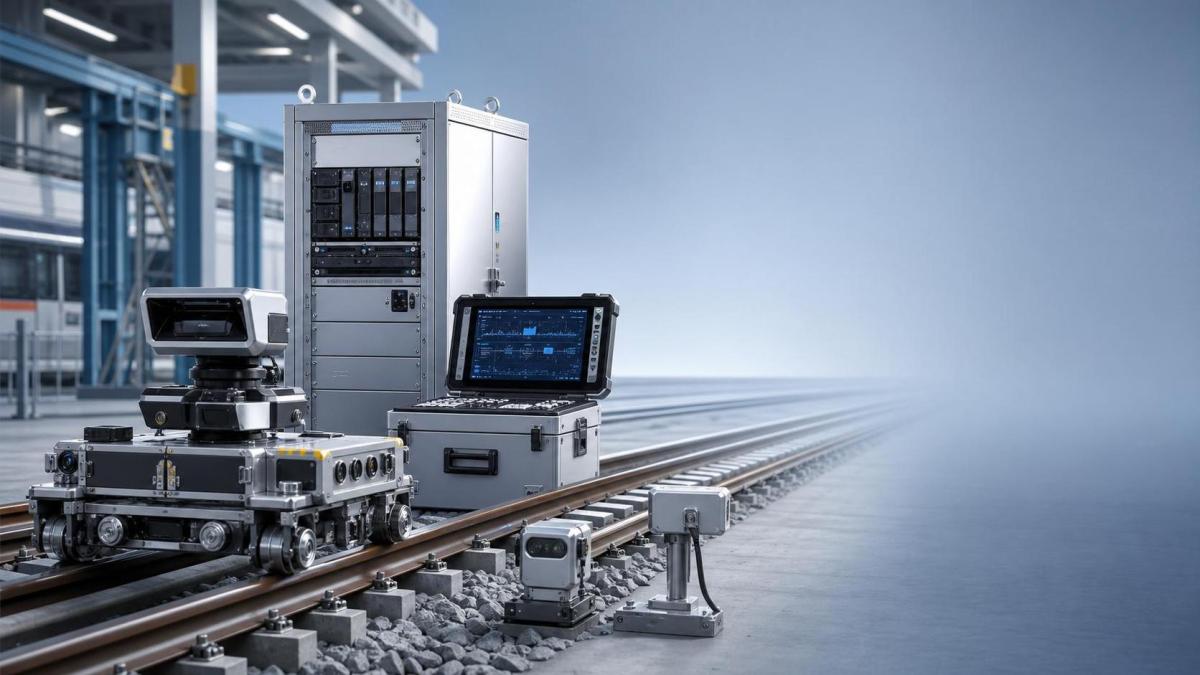
For technical evaluators, selecting the right railway maintenance systems equipment is now a performance decision, not only a procurement task.
Downtime affects timetable reliability, labor efficiency, spare parts use, and passenger or freight confidence across the whole network.
That is why modern railway maintenance systems equipment must do more than support repairs after a fault appears.
It should help operators detect degradation early, plan interventions precisely, and restore service without long possession windows.
From a technical and standards perspective, the strongest solutions share several practical traits that consistently reduce downtime.
These traits matter across track, signaling, power, rolling stock interfaces, and depot workflows.
In real operations, the value of railway maintenance systems equipment becomes clear when fault response shifts from reactive to condition-led.
The sections below focus on the features that most directly improve availability and support measurable maintenance outcomes.
Predictive Diagnostics Turns Data Into Earlier Action
One of the most valuable upgrades in railway maintenance systems equipment is predictive diagnostics based on continuous condition monitoring.
This includes vibration sensing, thermal monitoring, acoustic analysis, current signatures, and trend alarms across critical assets.
Instead of waiting for a visible failure, teams can identify wear patterns before they trigger service disruption.
That is especially useful for turnouts, point machines, axle counters, traction power equipment, and depot machinery.
Good railway maintenance systems equipment does not just collect data. It ranks anomalies by severity and operational consequence.
That distinction matters because false positives create wasted inspections and drain labor during already tight maintenance windows.
When reviewing suppliers, look for:
- Configurable thresholds by asset type, route class, and climate condition
- Historical trend views instead of event-only alarms
- Root-cause suggestions linked to known failure modes
- Integration with work order and maintenance planning systems
The best result is simple: faults are found earlier, interventions are shorter, and emergency callouts become less frequent.
Automated Inspection Improves Speed, Repeatability, and Safety
Another major downtime reducer is automated inspection built into railway maintenance systems equipment.
Manual inspection still matters, but it is slower, more exposed to inconsistency, and harder to scale across large networks.
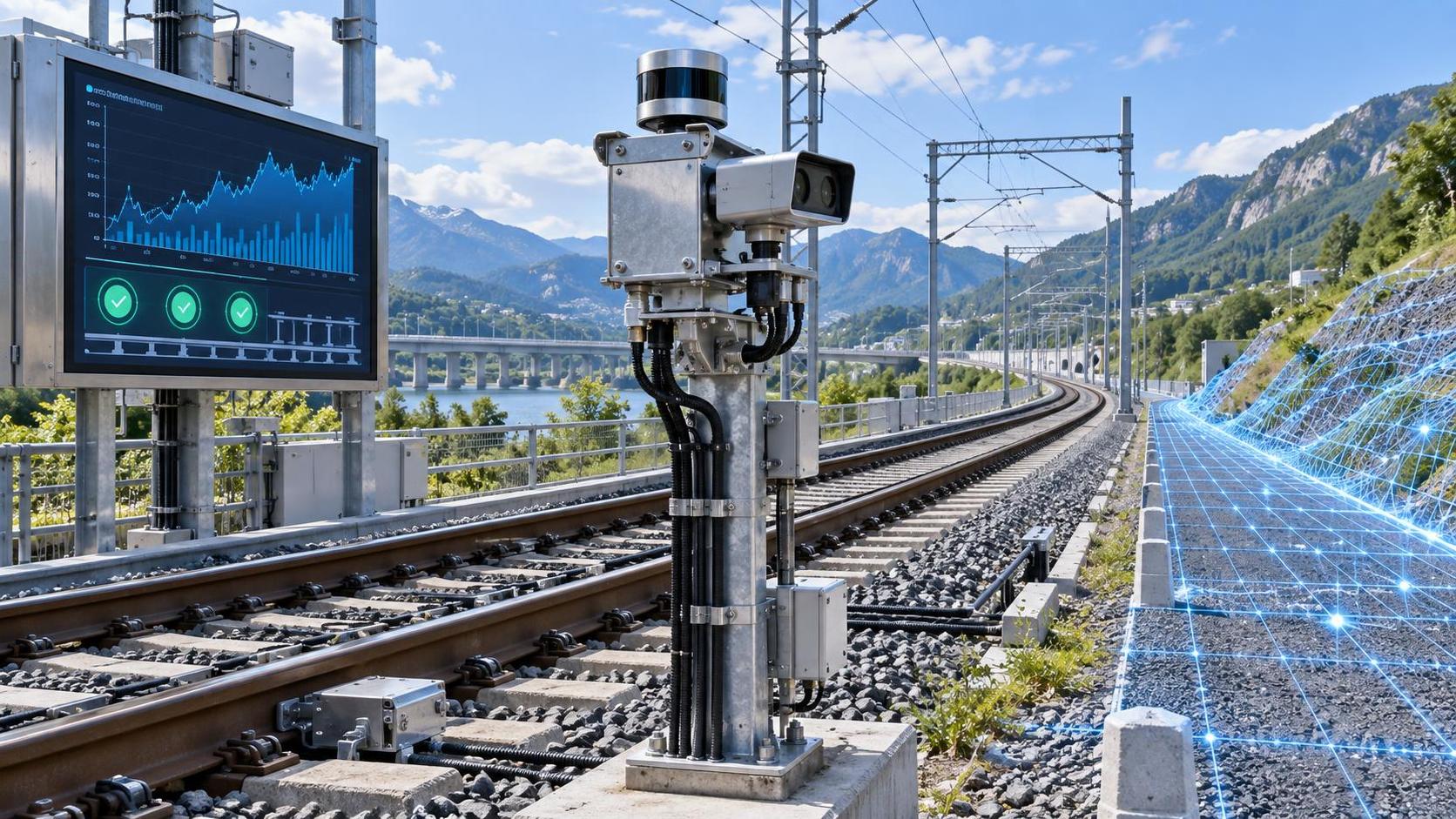
Automated inspection platforms use cameras, laser profiling, ultrasound, eddy current, and machine vision to detect defects quickly.
This helps identify rail surface damage, geometry deviation, fastening issues, overhead line wear, and component overheating.
More importantly, automated railway maintenance systems equipment creates repeatable inspection records that support auditability and standards compliance.
That makes technical evaluation easier because system performance can be compared across routes, seasons, and maintenance teams.
In practice, automated inspection reduces downtime in three ways.
- It shortens inspection time during limited track access periods.
- It improves defect detection consistency before failures escalate.
- It lowers staff exposure in hazardous or hard-to-reach areas.
For evaluators, accuracy under real operating conditions matters more than headline sensor counts or marketing claims.
Modular Design Reduces Repair Time and Lifecycle Disruption
A less visible but highly practical advantage is modular design within railway maintenance systems equipment.
When subsystems are modular, faulty units can be isolated and replaced without dismantling the full assembly.
That saves time on diagnosis, repair, recommissioning, and spare parts handling.
This is especially relevant for control cabinets, sensor arrays, switch actuators, communication nodes, and mobile maintenance tools.
Well-designed railway maintenance systems equipment should support line-replaceable units, standardized connectors, and clear service access points.
It should also allow firmware updates and diagnostics without forcing long equipment shutdowns.
From a lifecycle view, modularity improves maintainability and helps future upgrades fit changing standards or digital platforms.
This also reduces supplier lock-in, which is often underestimated during early-stage technical evaluation.
Useful evaluation questions include:
- Can common failure parts be swapped on site?
- Are service tools proprietary or widely available?
- How long does mean time to repair remain under field conditions?
- Are upgrade paths defined for both hardware and software?
In many cases, modular railway maintenance systems equipment delivers its biggest value after commissioning, when uptime pressure becomes real.
Data Integration Prevents Isolated Decisions
Modern rail operations generate data everywhere, but downtime falls only when that data becomes usable across systems.
Strong railway maintenance systems equipment should connect with asset management platforms, SCADA environments, inspection databases, and scheduling tools.
Without that integration, teams often work from fragmented records and respond too late.
A maintenance alert is far more useful when linked to asset history, spare inventory, route importance, and possession availability.
That connection allows planners to prioritize work based on operational risk instead of isolated equipment alarms.
From a standards standpoint, open interfaces and documented protocols are important selection criteria for railway maintenance systems equipment.
Interoperability supports future scaling, multi-vendor environments, and cleaner data governance.
When assessing integration readiness, focus on:
- API availability and data export formats
- Cybersecurity controls and user access logging
- Event timestamp accuracy across connected systems
- Support for dashboard views tied to maintenance actions
Better integration means better decisions, and better decisions usually show up first as shorter unplanned outages.
Reliability Engineering Features Matter More Than Added Complexity
It is easy to focus on digital features alone, yet the physical reliability of railway maintenance systems equipment remains fundamental.
Equipment operating beside tracks or inside depots must tolerate dust, vibration, moisture, thermal change, and electromagnetic disturbance.
If hardware fails under normal field stress, advanced analytics will not protect availability.
Reliable railway maintenance systems equipment often includes sealed enclosures, redundant power options, fail-safe modes, and self-check routines.
Some of the most useful features are not flashy. They simply make restoration faster when conditions become unstable.
This is where mean time between failures, mean time to repair, and environmental ratings become highly relevant evaluation metrics.
More importantly, technical evaluators should ask how these numbers were validated and under what duty cycle.
In short, railway maintenance systems equipment should simplify maintenance operations, not introduce another source of operational risk.
How to Evaluate Railway Maintenance Systems Equipment for Real Downtime Reduction
A practical assessment framework helps separate useful railway maintenance systems equipment from systems that only look advanced on paper.
Start with operational outcomes. Then work backward to technical features, support requirements, and integration effort.
A solid evaluation usually covers five points.
- Define target downtime categories, including inspection delays, emergency repairs, and asset-related service interruption.
- Check whether the railway maintenance systems equipment addresses those categories directly.
- Request evidence from comparable rail environments, not only controlled demonstrations.
- Review maintainability, training burden, and spare strategy alongside performance data.
- Test integration, alarm quality, and reporting accuracy before full deployment.
This approach keeps the focus on measurable improvement instead of feature accumulation.
It also aligns with how mature infrastructure organizations make capital decisions under reliability and compliance pressure.
For GIUT and similar engineering intelligence platforms, this is the real signal in the market: buyers increasingly want proof of reduced downtime, not just digital branding.
Conclusion
The most effective railway maintenance systems equipment reduces downtime through early detection, automated inspection, modular repair, and connected decision-making.
Those features work best when backed by durable engineering, clear service workflows, and reliable interoperability.
From a technical evaluation standpoint, the right railway maintenance systems equipment should demonstrate operational fit as clearly as technical capability.
That means asking how quickly defects are found, how confidently they are classified, and how efficiently teams can act.
When those answers are backed by field evidence, downtime reduction becomes far more than a vendor promise.
Use that standard in every review, and railway maintenance systems equipment becomes a tool for sustained network resilience rather than a short-term technology purchase.
Get weekly intelligence in your inbox.
No noise. No sponsored content. Pure intelligence.
News Recommendations
 Sep 19, 2026How an electronics application guide helps prevent component mismatchHow an electronics application guide helps prevent component mismatch
 Sep 18, 2026When a resource allocation platform improves project deliveryWhen a resource allocation platform improves project delivery
 Sep 17, 2026What to compare when evaluating mineral processing equipment manufacturersWhat to compare when evaluating mineral processing equipment manufacturers
 Sep 16, 2026How mineral separation optimization can reduce concentrate lossesHow mineral separation optimization can reduce concentrate losses
 Sep 15, 2026How to assess lifecycle costs in urban tech procurementHow to assess lifecycle costs in urban tech procurement
 Sep 14, 2026Heavy industry technology trends reshaping capital investment prioritiesHeavy industry technology trends reshaping capital investment priorities
 Sep 14, 2026Global Industrial Equipment Procurement: How Top OEMs Qualify Suppliers for Mining & Infrastructure ProjectsGlobal Industrial Equipment Procurement: How Top OEMs Qualify Suppliers for Mining & Infrastructure Projects
 Sep 14, 2026Industrial & Mining Equipment Procurement: Balancing Local Sourcing, Lead Time, and Certification RequirementsIndustrial & Mining Equipment Procurement: Balancing Local Sourcing, Lead Time, and Certification Requirements
 Sep 14, 2026Infrastructure & Equipment Upgrades: What Procurement Teams Must Verify Before Signing Off on New ContractsInfrastructure & Equipment Upgrades: What Procurement Teams Must Verify Before Signing Off on New Contracts
 Sep 14, 2026Why Infrastructure Equipment Buyers Are Shifting from Catalog-Based to Capability-Based Supplier SelectionWhy Infrastructure Equipment Buyers Are Shifting from Catalog-Based to Capability-Based Supplier Selection
 Sep 14, 2026Process Automation Project Execution: How to Align Supplier Capabilities with PLC Integration, Cybersecurity & Commissioning MilestonesProcess Automation Project Execution: How to Align Supplier Capabilities with PLC Integration, Cybersecurity & Commissioning Milestones
 Sep 14, 2026Are intelligent traffic systems worth the investment for small cities?Are intelligent traffic systems worth the investment for small cities?
 Sep 14, 2026How do intelligent traffic systems handle sensor failures?How do intelligent traffic systems handle sensor failures?
 Sep 14, 2026What should I check before accepting a smart building system?What should I check before accepting a smart building system?
 Sep 14, 2026Is a smart building system worth the maintenance cost?Is a smart building system worth the maintenance cost?
 Sep 14, 2026What data is needed for reliable resource allocation planning?What data is needed for reliable resource allocation planning?
 Sep 14, 2026How can resource allocation software reduce equipment idle time?How can resource allocation software reduce equipment idle time?
 Sep 14, 2026How should smart devices be maintained in harsh outdoor conditions?How should smart devices be maintained in harsh outdoor conditions?
 Sep 14, 2026Do smart devices improve worker safety on construction sites?Do smart devices improve worker safety on construction sites?
 Sep 14, 2026What environmental risks must be assessed before deep-sea mining?What environmental risks must be assessed before deep-sea mining?
 Sep 14, 2026Is deep-sea mining equipment commercially viable in 2026?Is deep-sea mining equipment commercially viable in 2026?
 Sep 14, 2026What Inspection Checks Should Procurement Teams Perform Before Ordering Dredging Equipment in 2026?What Inspection Checks Should Procurement Teams Perform Before Ordering Dredging Equipment in 2026?
 Sep 13, 2026How to verify an industrial product information source before specifying equipmentHow to verify an industrial product information source before specifying equipment
 Sep 12, 2026Which intelligent traffic systems hardware fits an urban intersection?Which intelligent traffic systems hardware fits an urban intersection?
 Sep 11, 2026How pump capacity affects response coverage for municipal fire fighting vehiclesHow pump capacity affects response coverage for municipal fire fighting vehicles
 Sep 10, 2026What to verify before choosing a heavy industry equipment supplierWhat to verify before choosing a heavy industry equipment supplier
 Sep 09, 2026When do adaptive urban traffic control systems reduce corridor delays?When do adaptive urban traffic control systems reduce corridor delays?