Maintenance Technologies for Heavy Equipment That Cut Downtime in 2026
Maintenance Technologies for Heavy Equipment That Cut Downtime in 2026

For aftersales service operations, every idle excavator, crane, loader, or mixer represents lost productivity and rising service pressure.
In 2026, maintenance technologies for heavy equipment are moving beyond scheduled inspections toward predictive diagnostics, connected sensors, digital twins, and data-driven repair workflows.
This guide explains how modern tools detect failures earlier, plan parts and labor smarter, and reduce unplanned downtime across construction, mining, logistics, and urban infrastructure.
Why Heavy Equipment Maintenance Needs a Checklist in 2026
Heavy equipment now works under tighter schedules, harsher duty cycles, and stronger sustainability pressure.
A checklist makes maintenance technologies for heavy equipment easier to evaluate, deploy, and improve across mixed fleets.
It also prevents isolated tools from becoming disconnected dashboards with little field value.
The goal is not more software. The goal is faster diagnosis, fewer repeat failures, and better asset availability.
Core Checklist for Maintenance Technologies for Heavy Equipment
Use this checklist before upgrading platforms, sensors, service workflows, or fleet maintenance standards.
- Map critical assets first, ranking machines by utilization, downtime cost, safety risk, and repair complexity before selecting digital maintenance tools.
- Install connected sensors on failure-prone systems, including hydraulics, engines, drivetrains, batteries, brakes, cooling circuits, and structural load points.
- Capture operating context, not only fault codes, by linking load cycles, ambient temperature, operator behavior, terrain, and shift duration.
- Use predictive analytics to identify abnormal vibration, pressure fluctuation, fuel deviation, overheating trends, and early component degradation.
- Connect telematics data with work orders, so alerts become assigned tasks rather than ignored notifications in separate systems.
- Build digital twin models for high-value equipment, especially cranes, tunneling machines, mining trucks, and automated logistics vehicles.
- Standardize inspection templates, including photos, torque values, fluid readings, sensor snapshots, and technician notes from every service event.
- Integrate parts forecasting with failure prediction, ensuring filters, seals, hoses, control modules, and wear parts arrive before shutdowns.
- Deploy remote diagnostics for distributed fleets, allowing experts to review machine health before traveling to remote sites.
- Review cybersecurity settings regularly, because connected maintenance technologies for heavy equipment expand the digital attack surface.
Technology Areas That Deliver the Fastest Downtime Reduction
Predictive Diagnostics
Predictive diagnostics is the most practical starting point for many fleets.
It compares real-time signals with historical patterns to detect failure probability before visible symptoms appear.
For example, hydraulic pressure drift may reveal pump wear long before output loss interrupts a lifting operation.
Telematics and Condition Monitoring
Telematics converts scattered machine signals into fleet-level intelligence.
Location, fuel use, idle time, engine load, temperature, and fault codes help prioritize maintenance by actual operating severity.
When combined with condition monitoring, maintenance technologies for heavy equipment support targeted inspections instead of routine guesswork.
Digital Twins
A digital twin mirrors the physical machine using engineering models, operating data, and maintenance records.
It helps forecast component life, simulate load stress, and compare expected performance with actual field behavior.
This approach is valuable for infrastructure machinery where downtime affects multiple dependent schedules.
AI-Assisted Workflows
AI-assisted workflows reduce decision delays after an alert appears.
They recommend likely causes, required tools, estimated labor time, and relevant repair history.
The best systems explain the reason behind each recommendation, improving trust and technician adoption.
Application Notes by Operating Scenario
Construction and Smart Jobsites
Construction fleets often face fragmented schedules and rapidly changing site conditions.
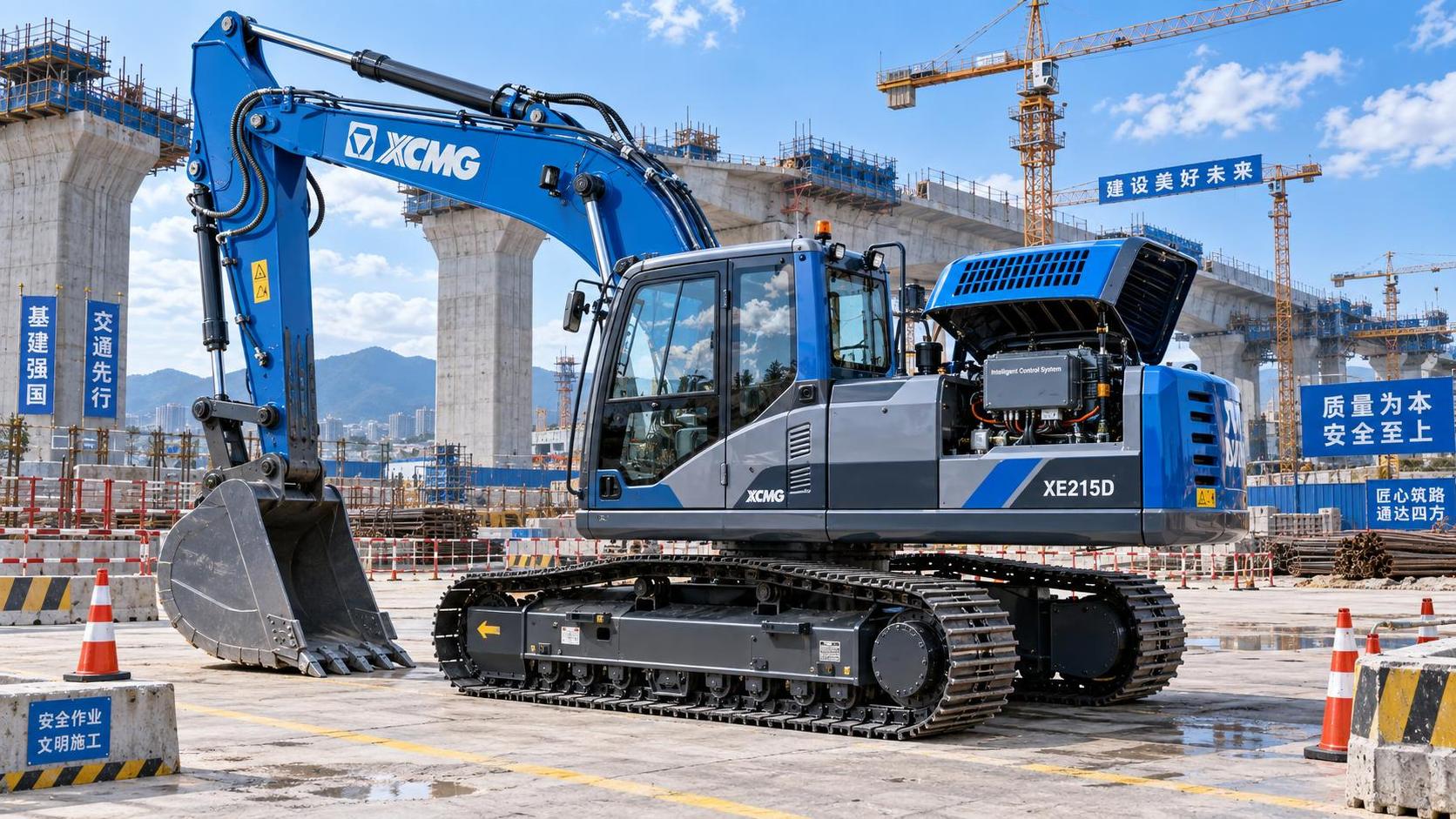
Maintenance technologies for heavy equipment should link machine health with project planning, lift schedules, and site access constraints.
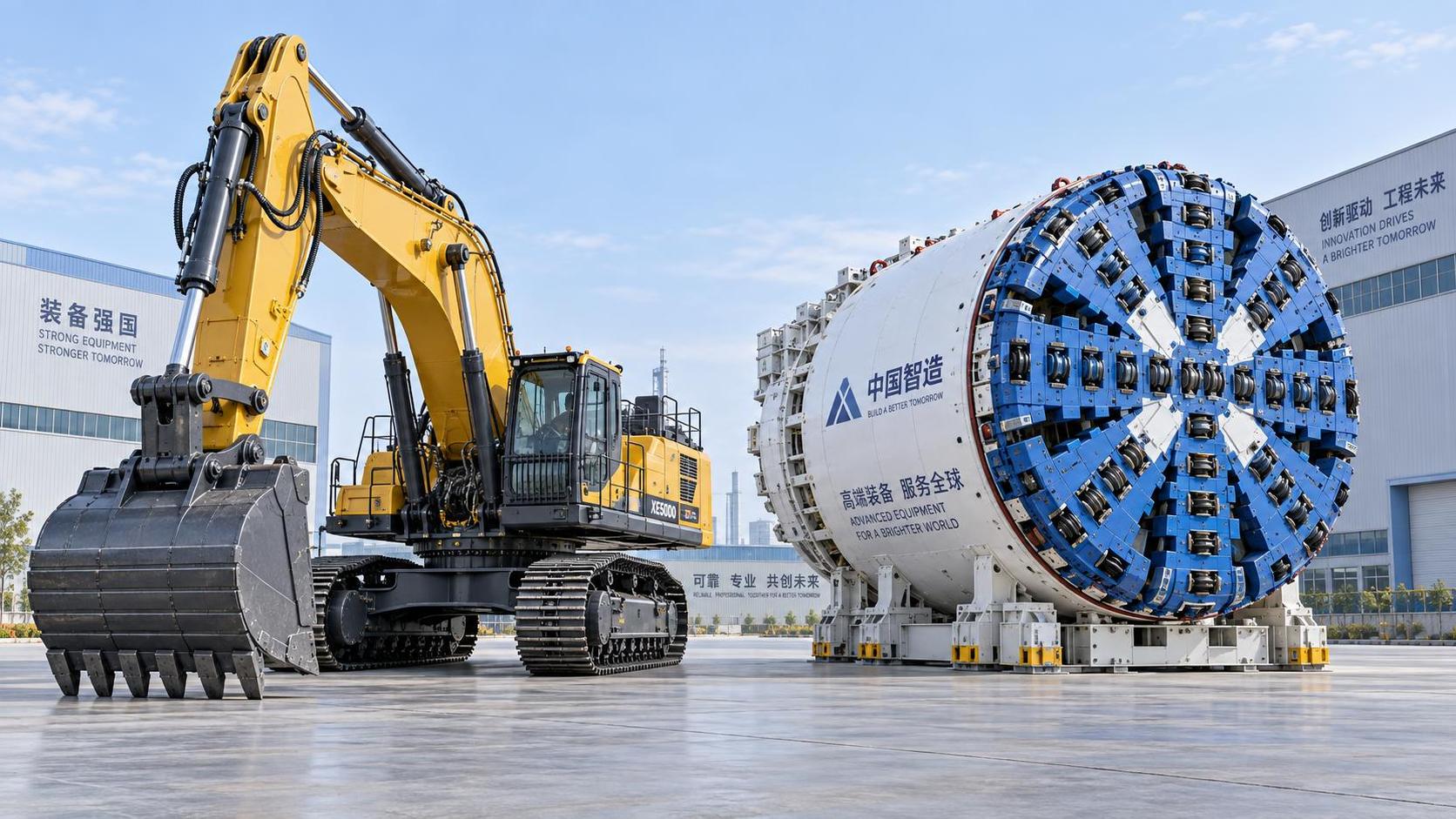
Mobile inspection apps are especially useful when excavators, concrete pumps, loaders, and cranes move between projects.
Mining and Resource Operations
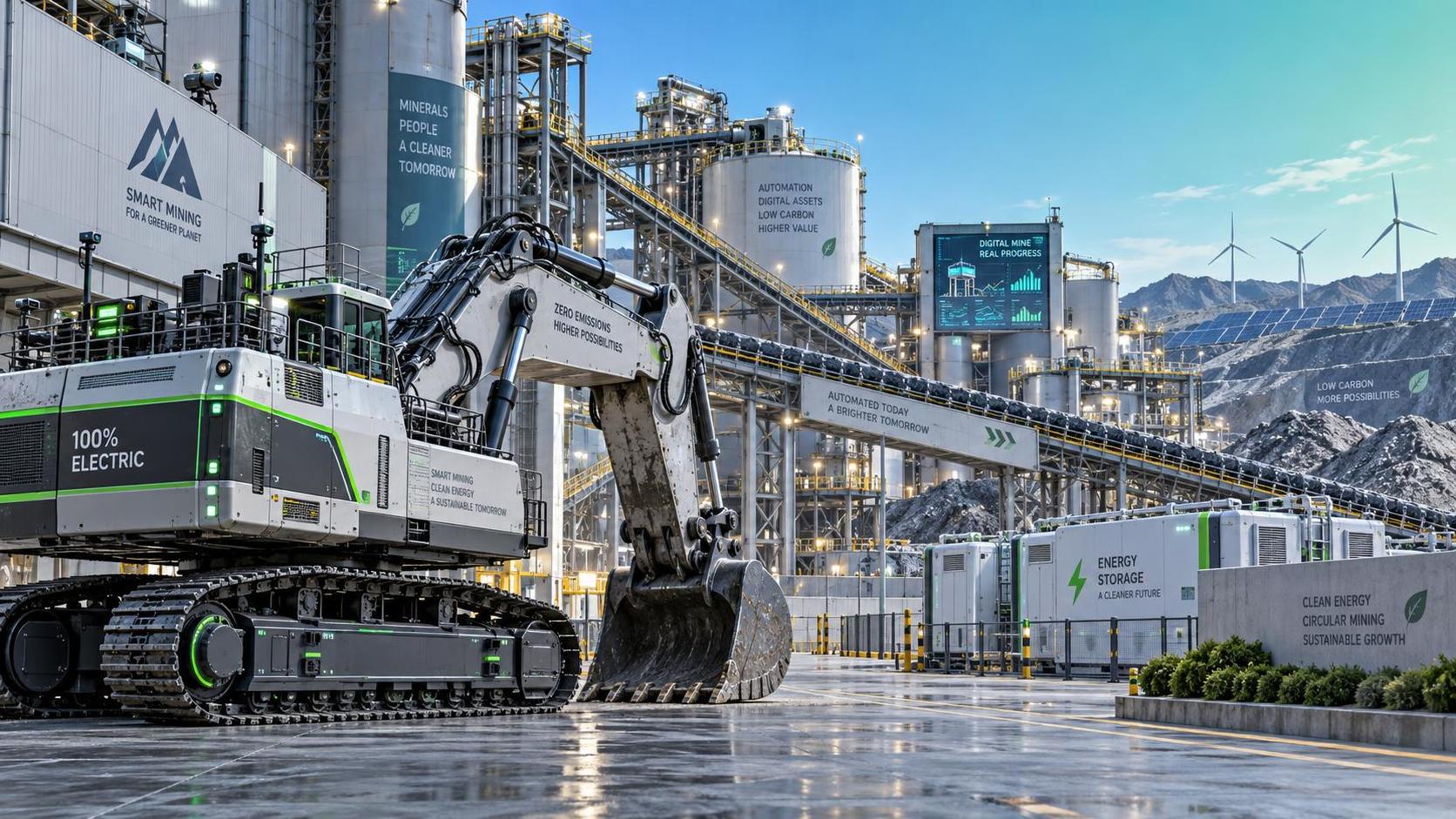
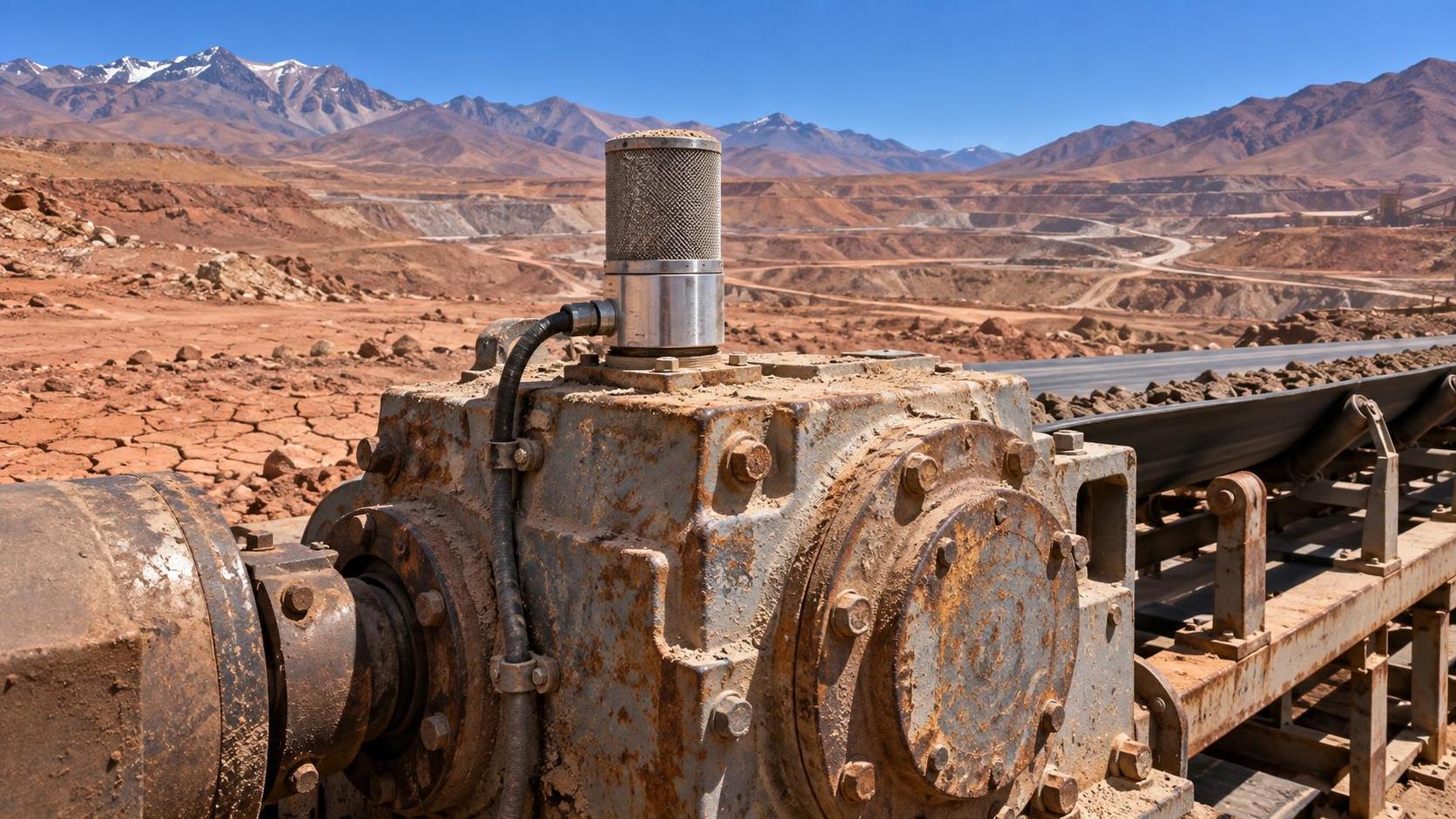
Mining machines operate under extreme loads, dust, vibration, and temperature variation.
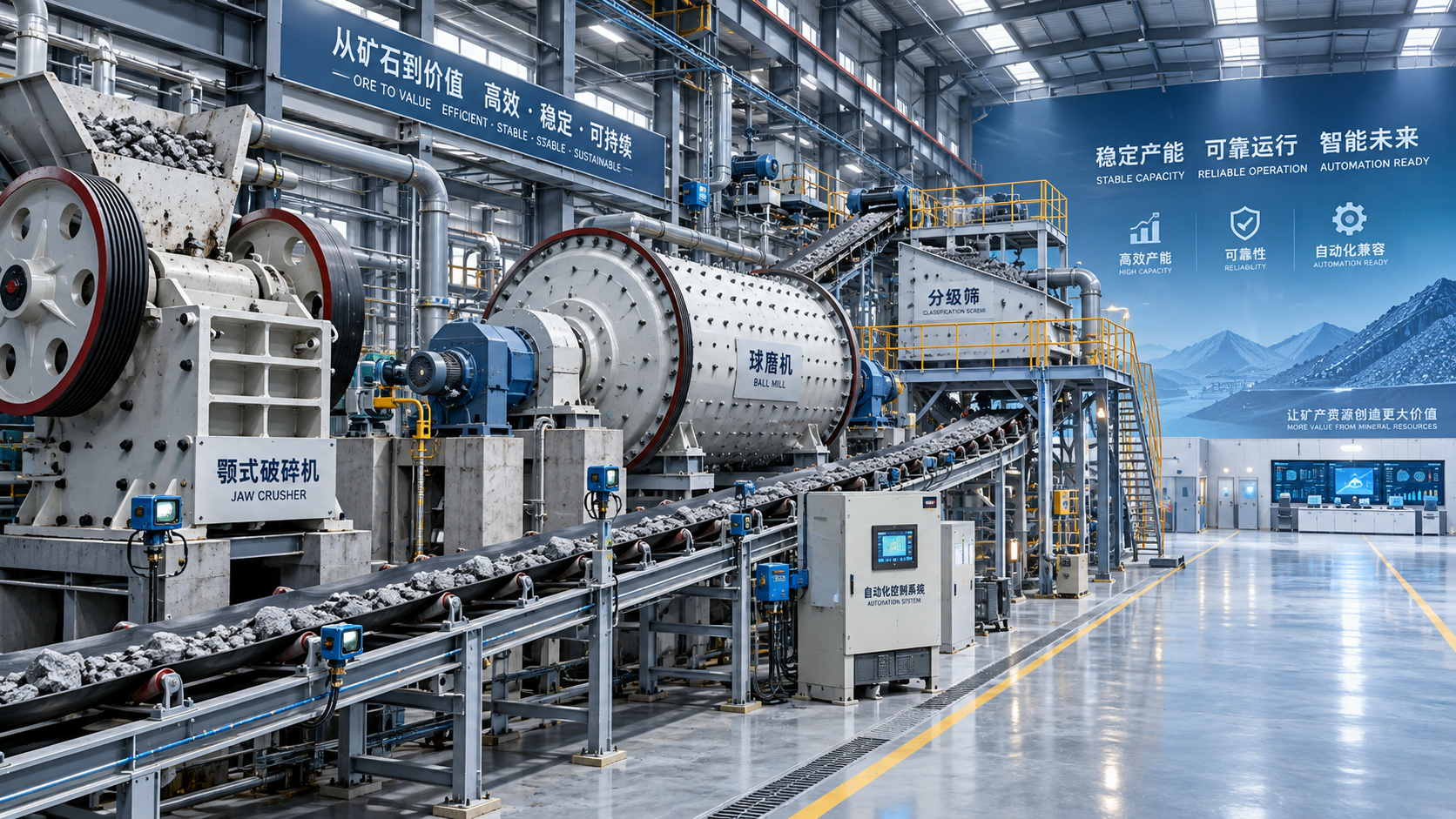
Condition monitoring should emphasize engines, tires, suspension, braking systems, haul cycles, and critical hydraulic components.
Remote diagnostics also reduces unnecessary site visits and improves safety in distant or hazardous areas.
Railway and Logistics Arteries
Railway and logistics assets require high reliability because one breakdown can disrupt wide operating networks.
Sensor-based inspection supports maintenance of track machines, terminal equipment, container handlers, and support vehicles.
Maintenance technologies for heavy equipment help align service windows with operational timetables.
Urban Infrastructure and Special Purpose Vehicles
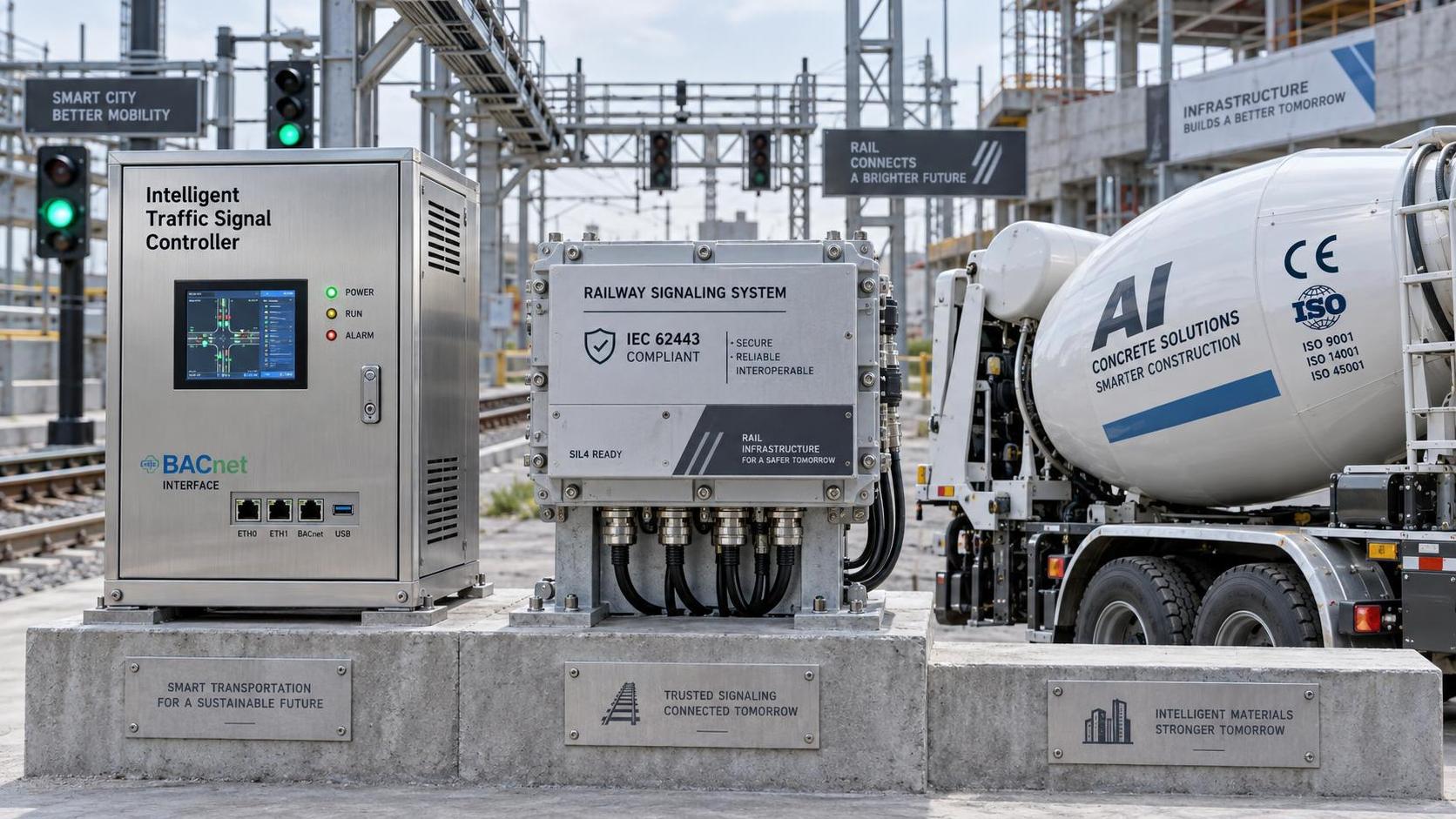
Urban fleets include fire trucks, sanitation vehicles, concrete mixers, aerial platforms, and emergency support equipment.
Their maintenance systems should prioritize readiness, compliance records, battery health, pump performance, and mission-critical subsystems.
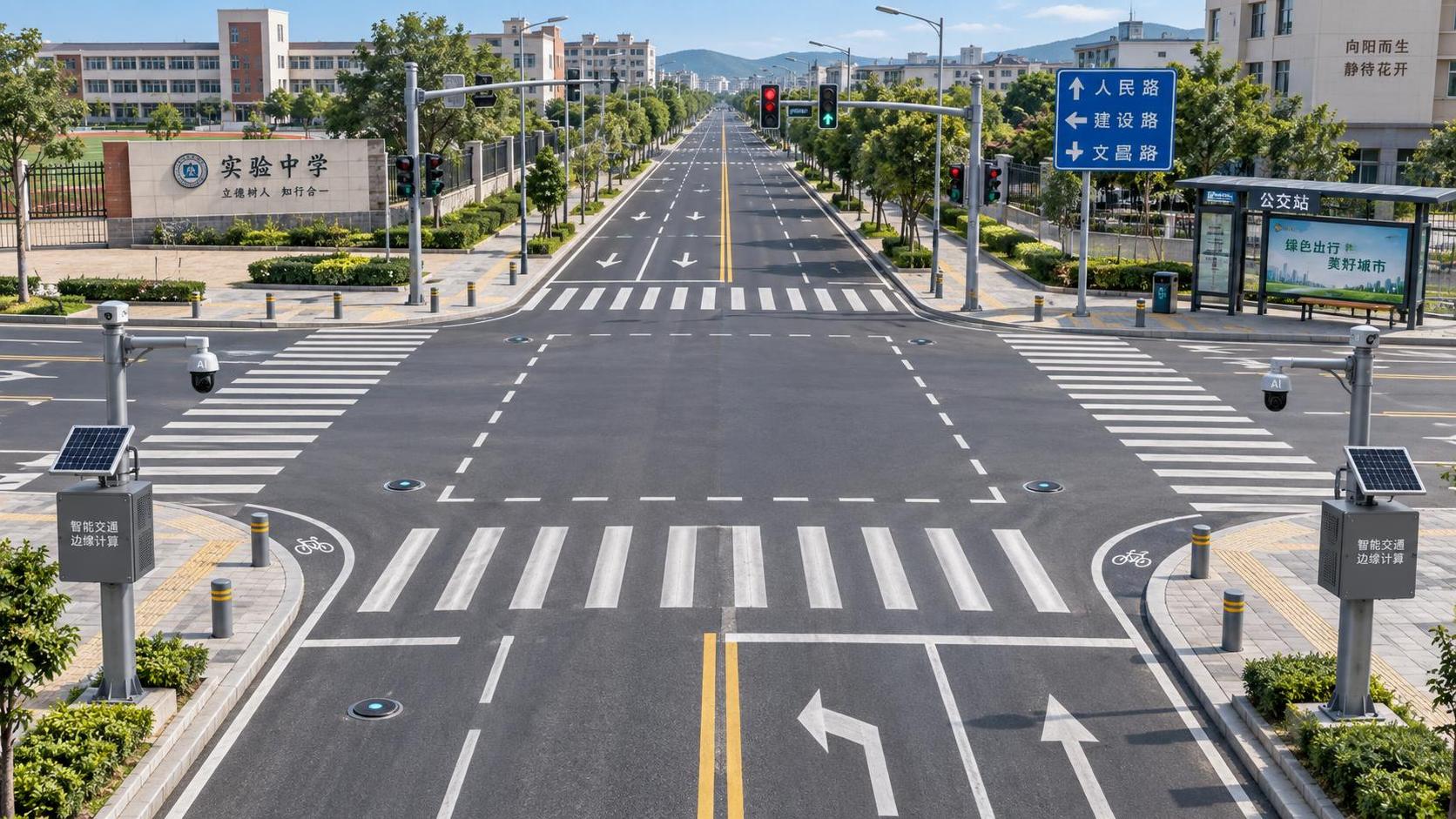
For smart cities, connected maintenance also supports cleaner operations and more accountable public asset management.
Commonly Overlooked Risks
Ignoring Data Quality
Poor data quality weakens every predictive model.
Missing meter readings, inconsistent fault descriptions, and unverified sensor values create false alarms or missed warnings.
Set rules for data validation, naming conventions, and service record completion.
Over-Automating Decisions
Automation should support judgment, not replace technical review.
A low-risk alert on a highly critical crane may still require immediate action.
Blend algorithmic scoring with safety rules, operating priorities, and engineering experience.
Forgetting Change Management
Even advanced maintenance technologies for heavy equipment fail when workflows remain unchanged.
Alerts need ownership, escalation paths, response targets, and feedback loops after each repair.
Without these steps, digital systems become passive reporting tools.
Neglecting Integration
Fleet platforms, enterprise asset management systems, and parts systems must exchange information smoothly.
Disconnected tools create duplicate entries and slow repair authorization.
Choose open interfaces, clean reporting structures, and clear ownership for master data.
Practical Execution Plan for 2026
Start with a focused pilot rather than a full-fleet transformation.
Select machines with high downtime impact, frequent service history, and measurable operating data.
- Define baseline metrics, including downtime hours, mean time to repair, repeat failure rate, service response time, and parts availability.
- Select two or three technologies, such as telematics, predictive diagnostics, and mobile work orders, before adding digital twins.
- Assign alert severity rules that separate safety risks, production risks, comfort issues, and planned maintenance opportunities.
- Create a weekly review routine that compares predicted failures, completed repairs, avoided downtime, and false-positive alerts.
- Use pilot results to refine inspection intervals, spare parts stocking, technician training, and equipment replacement planning.
Measure success through operational outcomes, not dashboard volume.
The strongest maintenance technologies for heavy equipment reduce emergency repairs, extend component life, and improve fleet readiness.
Conclusion and Next Steps
In 2026, maintenance is becoming a connected engineering discipline rather than a calendar-based routine.
Predictive diagnostics, telematics, digital twins, AI workflows, and integrated work orders can cut downtime when deployed with discipline.
The next step is to audit current service data, identify the highest downtime machines, and test targeted maintenance technologies for heavy equipment.
A clear checklist turns complex innovation into daily reliability gains across infrastructure, mining, logistics, construction, and smart urban operations.
Get weekly intelligence in your inbox.
No noise. No sponsored content. Pure intelligence.
News Recommendations
 Sep 19, 2026How an electronics application guide helps prevent component mismatchHow an electronics application guide helps prevent component mismatch
 Sep 18, 2026When a resource allocation platform improves project deliveryWhen a resource allocation platform improves project delivery
 Sep 17, 2026What to compare when evaluating mineral processing equipment manufacturersWhat to compare when evaluating mineral processing equipment manufacturers
 Sep 16, 2026How mineral separation optimization can reduce concentrate lossesHow mineral separation optimization can reduce concentrate losses
 Sep 15, 2026How to assess lifecycle costs in urban tech procurementHow to assess lifecycle costs in urban tech procurement
 Sep 14, 2026Heavy industry technology trends reshaping capital investment prioritiesHeavy industry technology trends reshaping capital investment priorities
 Sep 14, 2026Global Industrial Equipment Procurement: How Top OEMs Qualify Suppliers for Mining & Infrastructure ProjectsGlobal Industrial Equipment Procurement: How Top OEMs Qualify Suppliers for Mining & Infrastructure Projects
 Sep 14, 2026Industrial & Mining Equipment Procurement: Balancing Local Sourcing, Lead Time, and Certification RequirementsIndustrial & Mining Equipment Procurement: Balancing Local Sourcing, Lead Time, and Certification Requirements
 Sep 14, 2026Infrastructure & Equipment Upgrades: What Procurement Teams Must Verify Before Signing Off on New ContractsInfrastructure & Equipment Upgrades: What Procurement Teams Must Verify Before Signing Off on New Contracts
 Sep 14, 2026Why Infrastructure Equipment Buyers Are Shifting from Catalog-Based to Capability-Based Supplier SelectionWhy Infrastructure Equipment Buyers Are Shifting from Catalog-Based to Capability-Based Supplier Selection
 Sep 14, 2026Process Automation Project Execution: How to Align Supplier Capabilities with PLC Integration, Cybersecurity & Commissioning MilestonesProcess Automation Project Execution: How to Align Supplier Capabilities with PLC Integration, Cybersecurity & Commissioning Milestones
 Sep 14, 2026Are intelligent traffic systems worth the investment for small cities?Are intelligent traffic systems worth the investment for small cities?
 Sep 14, 2026How do intelligent traffic systems handle sensor failures?How do intelligent traffic systems handle sensor failures?
 Sep 14, 2026What should I check before accepting a smart building system?What should I check before accepting a smart building system?
 Sep 14, 2026Is a smart building system worth the maintenance cost?Is a smart building system worth the maintenance cost?
 Sep 14, 2026What data is needed for reliable resource allocation planning?What data is needed for reliable resource allocation planning?
 Sep 14, 2026How can resource allocation software reduce equipment idle time?How can resource allocation software reduce equipment idle time?
 Sep 14, 2026How should smart devices be maintained in harsh outdoor conditions?How should smart devices be maintained in harsh outdoor conditions?
 Sep 14, 2026Do smart devices improve worker safety on construction sites?Do smart devices improve worker safety on construction sites?
 Sep 14, 2026What environmental risks must be assessed before deep-sea mining?What environmental risks must be assessed before deep-sea mining?
 Sep 14, 2026Is deep-sea mining equipment commercially viable in 2026?Is deep-sea mining equipment commercially viable in 2026?
 Sep 14, 2026What Inspection Checks Should Procurement Teams Perform Before Ordering Dredging Equipment in 2026?What Inspection Checks Should Procurement Teams Perform Before Ordering Dredging Equipment in 2026?
 Sep 13, 2026How to verify an industrial product information source before specifying equipmentHow to verify an industrial product information source before specifying equipment
 Sep 12, 2026Which intelligent traffic systems hardware fits an urban intersection?Which intelligent traffic systems hardware fits an urban intersection?
 Sep 11, 2026How pump capacity affects response coverage for municipal fire fighting vehiclesHow pump capacity affects response coverage for municipal fire fighting vehicles
 Sep 10, 2026What to verify before choosing a heavy industry equipment supplierWhat to verify before choosing a heavy industry equipment supplier
 Sep 09, 2026When do adaptive urban traffic control systems reduce corridor delays?When do adaptive urban traffic control systems reduce corridor delays?