2026 Maintenance Technologies: Which Upgrades Cut Downtime Fastest?
In 2026, maintenance technologies are no longer just support tools—they are frontline upgrades for cutting downtime, stabilizing operations, and extending asset life. For after-sales maintenance teams working across infrastructure, rail, equipment, and smart city systems, the key question is clear: which technologies deliver the fastest measurable impact? This article explores the upgrades that reduce failures sooner, improve response efficiency, and help maintenance teams move from reactive repair to smarter, data-driven intervention.
Which maintenance technologies reduce downtime fastest in 2026?
For after-sales maintenance personnel, speed matters more than novelty. The most effective maintenance technologies are the ones that detect faults early, shorten diagnosis time, reduce unnecessary site visits, and make spare-parts planning more accurate.
Across construction assets, railway systems, mining equipment, smart city infrastructure, and special-purpose vehicles, the fastest downtime reduction usually comes from a combination of sensing, remote visibility, workflow digitization, and targeted automation rather than a single standalone tool.
In GIUT-covered sectors, maintenance teams face similar constraints: distributed assets, harsh environments, mixed equipment generations, short repair windows, and rising pressure to document service quality. That is why maintenance technologies must be judged by operational impact, not only by feature lists.
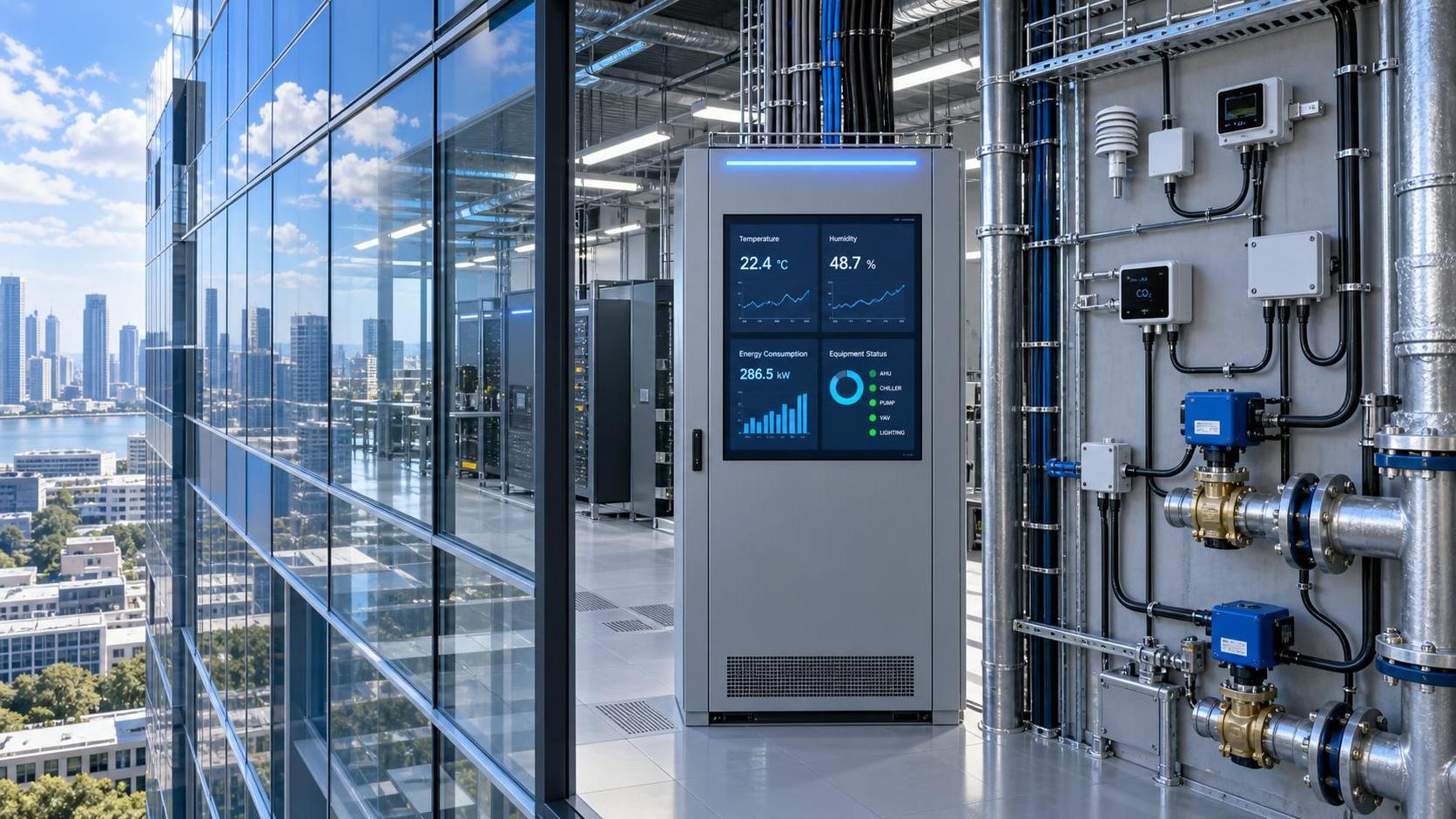
- Condition monitoring sensors help identify abnormal vibration, temperature, pressure, current, or lubrication changes before failures stop operations.
- Remote diagnostics platforms allow experts to review alarms, controller logs, and device status without waiting for field dispatch.
- Computerized maintenance management systems improve work-order routing, spare-parts visibility, and service traceability.
- AI-assisted fault detection can prioritize likely causes, helping technicians focus on the highest-probability failure points first.
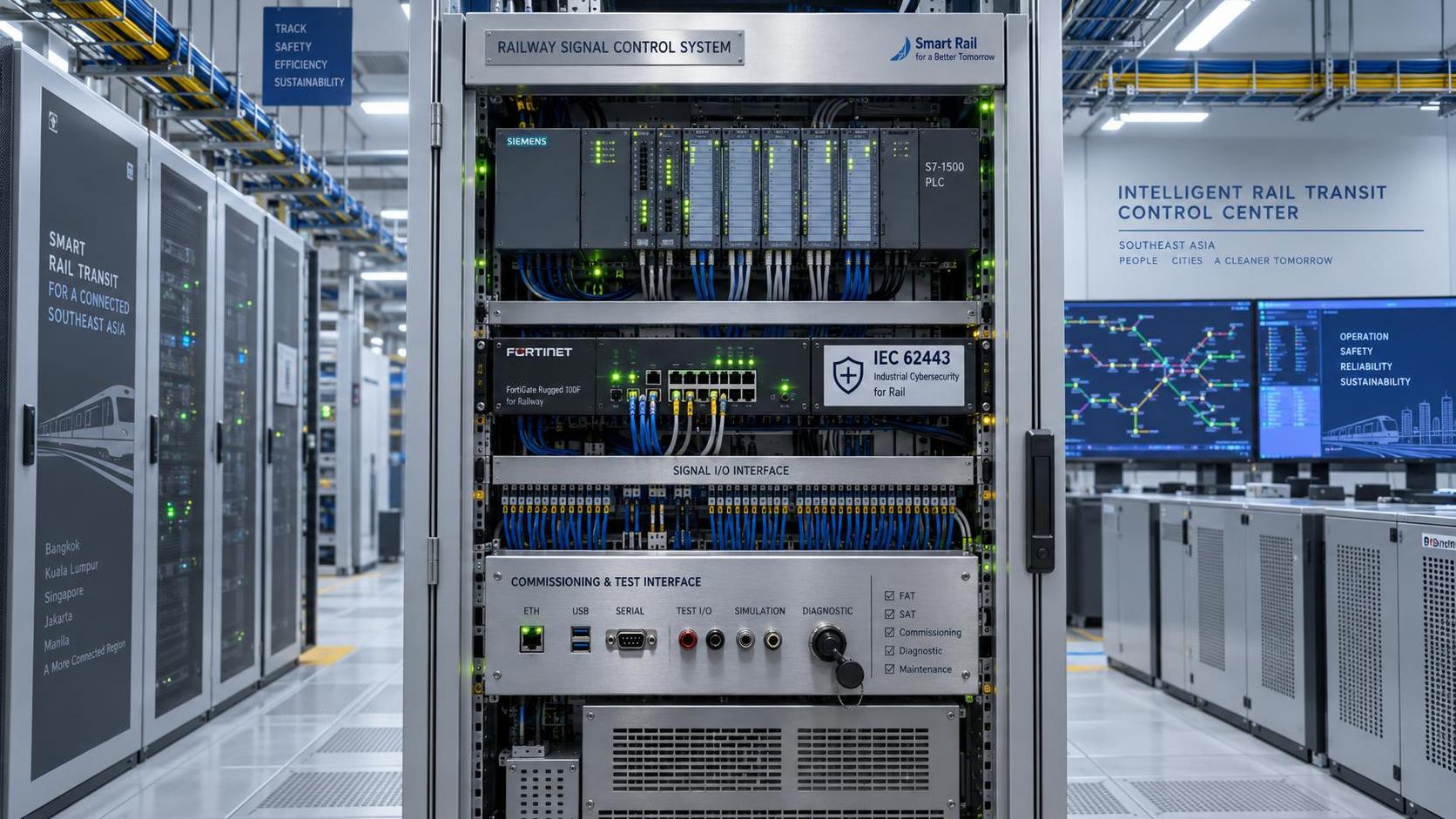
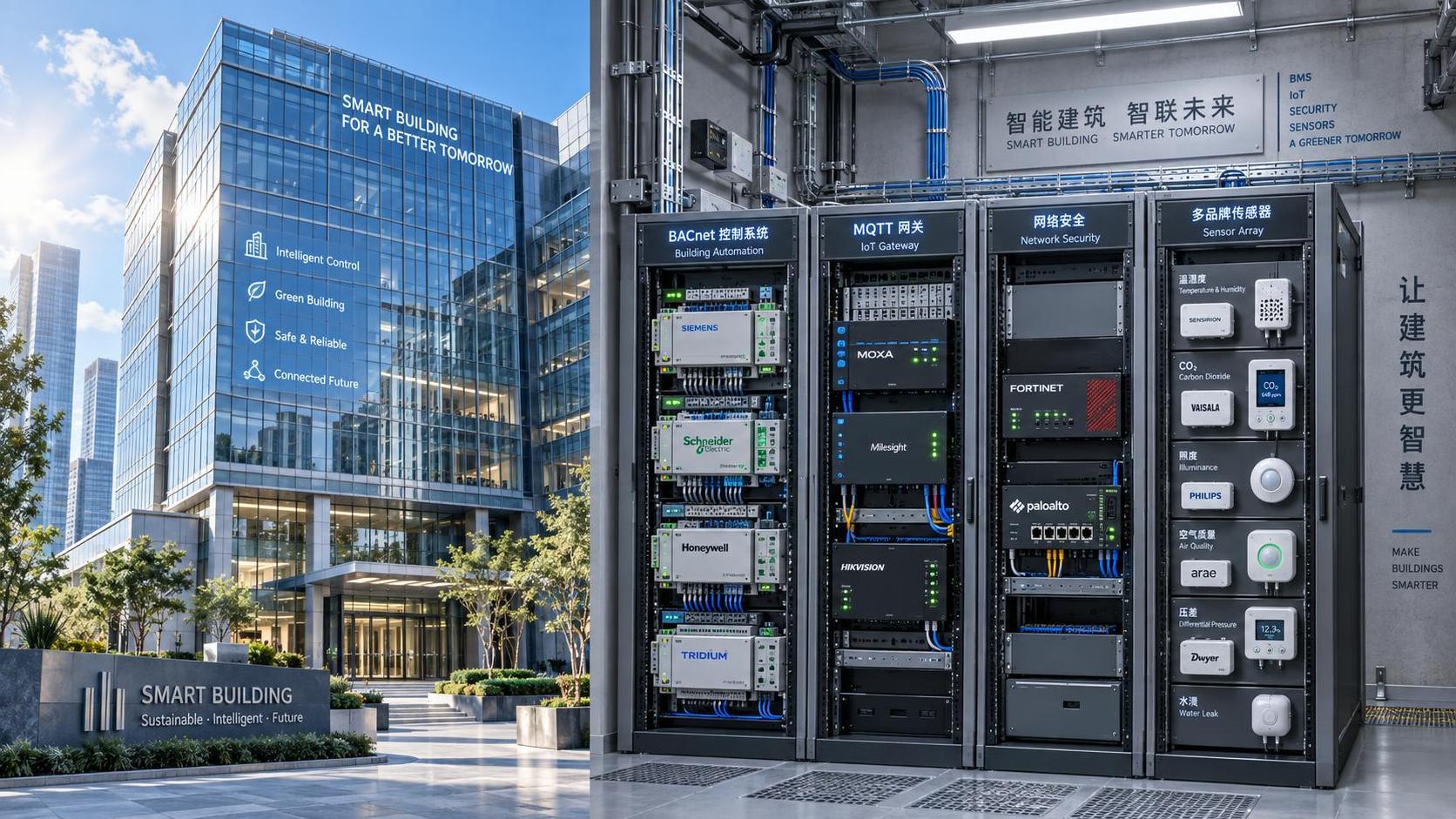
- Digital twin and asset model tools are especially useful where systems are interconnected, such as signaling, substations, pumping stations, and smart building controls.
The upgrades that usually show the earliest measurable gains
If your goal is to cut downtime within one or two maintenance cycles, start with technologies that improve visibility and response. Predictive analytics is valuable, but it works best after data capture, alarm quality, and service processes are already reliable.
The table below compares common maintenance technologies by speed of deployment impact, typical use cases, and the main reason they reduce downtime.
For most organizations, wireless sensing, remote diagnostics, and CMMS upgrades deliver the fastest practical return because they improve both detection and execution. AI-driven tools can accelerate results further, but only when the data foundation is stable.
Why do some maintenance technologies outperform others in field service?
Not every upgrade cuts downtime at the same rate. After-sales teams often buy tools with strong dashboards but weak field impact. The decisive factor is whether the technology removes one of the main bottlenecks in the service chain.
The four bottlenecks behind preventable downtime
- Late fault discovery: the issue becomes visible only after performance drops or a shutdown occurs.
- Slow diagnosis: technicians need multiple visits, manual tests, or head-office support to identify the root cause.
- Poor parts readiness: spare components are not in stock, not correctly coded, or not linked to failure history.
- Weak service coordination: work orders, asset records, and compliance documentation are fragmented.
The best maintenance technologies address at least two of these bottlenecks at once. For example, telematics plus mobile work orders can reduce diagnosis delays and dispatch waste at the same time.
Where each technology fits across GIUT sectors
GIUT’s cross-sector perspective is useful because downtime does not look the same in every environment. A rail maintenance team values high fault traceability and safe possession windows. A mining service team prioritizes rugged connectivity and component health under dust and vibration.
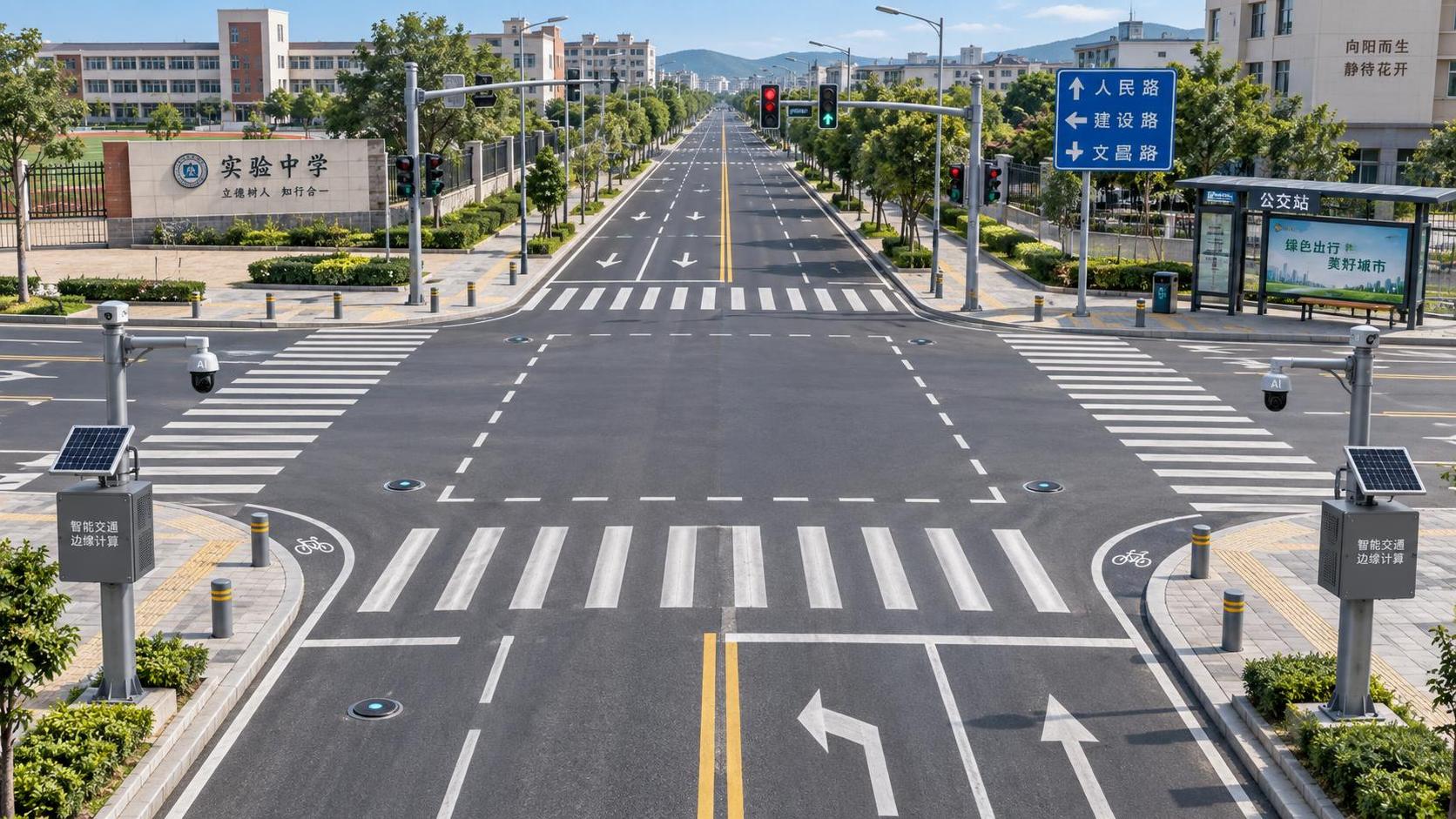
In smart buildings and urban utility systems, alarm overload is a major issue. In heavy vehicles and cranes, mobile equipment diagnostics and parts forecasting usually matter more. Matching maintenance technologies to the operating context prevents overbuying and shortens payback time.
Which maintenance technologies work best by application scenario?
Scenario-based selection is more reliable than broad product comparison. The same upgrade may be essential in one asset class and low priority in another. After-sales maintenance teams should map failure mode, accessibility, asset criticality, and response-window requirements before procurement.
The following table helps compare maintenance technologies by common GIUT application scenarios, likely failure patterns, and preferred upgrade path.
This comparison shows a clear pattern: maintenance technologies work fastest when they are aligned with the dominant failure mechanism. Teams that skip this mapping often invest in reporting layers without fixing the root cause of downtime.
How should after-sales teams choose maintenance technologies under budget pressure?
Budget limits are normal, especially when the service department must support both legacy assets and newer digital systems. A practical selection process should focus on downtime cost, repair frequency, service travel burden, and the operational value of earlier fault detection.
A pragmatic procurement checklist
- Rank assets by downtime consequence, not by asset price alone. A low-cost component can still stop a high-value operation.
- Measure mean time to detect and mean time to repair. The right maintenance technologies should improve one or both within the first stage.
- Check integration effort with PLCs, SCADA, BMS, telematics devices, and existing work-order systems.
- Confirm data ownership, user access rules, and cybersecurity responsibilities before rollout.
- Ask whether the supplier can support parameter confirmation, deployment phasing, and technician training, not only software licensing.
What to prioritize first when funds are limited
If capital is tight, begin with the assets causing the highest repeat callouts. For many after-sales teams, the first step is not a full predictive platform. It is a narrower package: remote access, alarm capture, and digital work-order control.
The next stage can add targeted sensors to known weak points such as bearings, gearboxes, hydraulic circuits, cooling loops, or traction-related subsystems. This staged approach often reduces downtime faster than launching a large but underused digital program.
What technical and compliance factors should not be overlooked?
Maintenance technologies fail in practice when procurement focuses only on analytics features. Field reliability, interoperability, data integrity, and compliance discipline are equally important, especially in infrastructure and public-service environments.
- Environmental resilience matters for rail corridors, mining operations, and outdoor utility sites where moisture, dust, vibration, and temperature swings can distort readings.
- Communication compatibility matters because mixed fleets often rely on legacy controllers and multiple industrial protocols.
- Cybersecurity matters when remote diagnostics and connected service tools reach critical assets or municipal systems.
- Record traceability matters when maintenance logs are linked to safety audits, warranty decisions, and service-level reporting.
Depending on the asset class, teams may need to align with common frameworks such as IEC-related electrical practices, ISO-oriented asset management methods, or internal municipal and rail operator procedures. The key is not chasing every standard, but verifying that the chosen solution supports safe documentation, secure connectivity, and repeatable maintenance records.
What mistakes slow down maintenance technology results?
Even strong maintenance technologies can disappoint if rollout logic is weak. In cross-sector field service, the biggest failures usually come from process mismatch rather than hardware or software quality alone.
Common misconceptions
- “More data automatically means better maintenance.” In reality, poor alarm design creates noise and delays action.
- “Predictive maintenance should replace all scheduled work.” For safety-critical assets, condition-based and scheduled tasks often need to coexist.
- “A platform can be rolled out before data standards are defined.” Without naming conventions, failure codes, and asset hierarchy, insight quality drops quickly.
- “Field teams will adapt automatically.” Technician adoption rises only when interfaces are simple and the system clearly saves time.
A better method is to pilot maintenance technologies on a limited group of critical assets, confirm detection accuracy, document service workflow gains, and then expand. GIUT’s engineering-first viewpoint supports this phased model because infrastructure systems rarely tolerate uncontrolled experimentation.
FAQ: how do maintenance teams make better upgrade decisions?
How do I know whether predictive maintenance is worth it?
Start by reviewing repeat failures, unplanned stoppages, and assets where manual inspection misses early degradation. Predictive maintenance is most valuable when a failure develops over time and can be detected through measurable condition changes such as vibration, temperature, current draw, or pressure drift.
Which maintenance technologies are easiest to deploy on legacy equipment?
Non-intrusive wireless sensors, gateway-based remote monitoring, and CMMS tools are often the most practical. They usually require less invasive modification than full controller replacement and can still improve fault visibility and service coordination.
What should after-sales teams ask suppliers before purchase?
Ask about sensor durability, data refresh rate, protocol support, alarm logic, offline technician access, cybersecurity approach, training scope, spare-parts mapping, and deployment timeline. Also ask how the solution measures downtime reduction in operational terms, not just dashboard activity.
Can maintenance technologies reduce downtime without increasing technician workload?
Yes, but only if alerts are prioritized, mobile workflows are simple, and unnecessary inspection routes are reduced. A good solution removes low-value manual checking and improves first-time fix rates instead of creating another reporting layer for the field team.
Why GIUT is a practical partner for maintenance technology planning
GIUT brings an unusual advantage to maintenance decision-making: a connected view across heavy industry, infrastructure construction, railway systems, smart city platforms, mining technology, and special-purpose equipment. That matters because many downtime problems are no longer isolated within one machine or one department.
Our engineering-centered perspective helps after-sales teams compare maintenance technologies based on asset criticality, service workflow, digital integration, and long-term operating logic. Instead of treating maintenance as a narrow repair task, GIUT evaluates how maintenance upgrades fit the wider physical and intelligent infrastructure system.
Contact us for focused maintenance technology support
If you are assessing maintenance technologies for rail assets, smart buildings, mining equipment, urban utility systems, or special-purpose vehicles, GIUT can support more targeted decision-making. You can consult us on parameter confirmation, upgrade path comparison, product selection logic, deployment phases, compatibility concerns, service process design, delivery timing, and certification-related considerations.
For teams under budget pressure or tight maintenance windows, we can also help structure a phased plan: which assets to digitize first, which sensing points to prioritize, what data to collect, how to align spare-parts strategy, and how to reduce downtime without overengineering the system. This makes procurement more grounded and implementation more credible for frontline maintenance personnel.
Get weekly intelligence in your inbox.
No noise. No sponsored content. Pure intelligence.
News Recommendations
 Sep 19, 2026How an electronics application guide helps prevent component mismatchHow an electronics application guide helps prevent component mismatch
 Sep 18, 2026When a resource allocation platform improves project deliveryWhen a resource allocation platform improves project delivery
 Sep 17, 2026What to compare when evaluating mineral processing equipment manufacturersWhat to compare when evaluating mineral processing equipment manufacturers
 Sep 16, 2026How mineral separation optimization can reduce concentrate lossesHow mineral separation optimization can reduce concentrate losses
 Sep 15, 2026How to assess lifecycle costs in urban tech procurementHow to assess lifecycle costs in urban tech procurement
 Sep 14, 2026Heavy industry technology trends reshaping capital investment prioritiesHeavy industry technology trends reshaping capital investment priorities
 Sep 14, 2026Global Industrial Equipment Procurement: How Top OEMs Qualify Suppliers for Mining & Infrastructure ProjectsGlobal Industrial Equipment Procurement: How Top OEMs Qualify Suppliers for Mining & Infrastructure Projects
 Sep 14, 2026Industrial & Mining Equipment Procurement: Balancing Local Sourcing, Lead Time, and Certification RequirementsIndustrial & Mining Equipment Procurement: Balancing Local Sourcing, Lead Time, and Certification Requirements
 Sep 14, 2026Infrastructure & Equipment Upgrades: What Procurement Teams Must Verify Before Signing Off on New ContractsInfrastructure & Equipment Upgrades: What Procurement Teams Must Verify Before Signing Off on New Contracts
 Sep 14, 2026Why Infrastructure Equipment Buyers Are Shifting from Catalog-Based to Capability-Based Supplier SelectionWhy Infrastructure Equipment Buyers Are Shifting from Catalog-Based to Capability-Based Supplier Selection
 Sep 14, 2026Process Automation Project Execution: How to Align Supplier Capabilities with PLC Integration, Cybersecurity & Commissioning MilestonesProcess Automation Project Execution: How to Align Supplier Capabilities with PLC Integration, Cybersecurity & Commissioning Milestones
 Sep 14, 2026Are intelligent traffic systems worth the investment for small cities?Are intelligent traffic systems worth the investment for small cities?
 Sep 14, 2026How do intelligent traffic systems handle sensor failures?How do intelligent traffic systems handle sensor failures?
 Sep 14, 2026What should I check before accepting a smart building system?What should I check before accepting a smart building system?
 Sep 14, 2026Is a smart building system worth the maintenance cost?Is a smart building system worth the maintenance cost?
 Sep 14, 2026What data is needed for reliable resource allocation planning?What data is needed for reliable resource allocation planning?
 Sep 14, 2026How can resource allocation software reduce equipment idle time?How can resource allocation software reduce equipment idle time?
 Sep 14, 2026How should smart devices be maintained in harsh outdoor conditions?How should smart devices be maintained in harsh outdoor conditions?
 Sep 14, 2026Do smart devices improve worker safety on construction sites?Do smart devices improve worker safety on construction sites?
 Sep 14, 2026What environmental risks must be assessed before deep-sea mining?What environmental risks must be assessed before deep-sea mining?
 Sep 14, 2026Is deep-sea mining equipment commercially viable in 2026?Is deep-sea mining equipment commercially viable in 2026?
 Sep 14, 2026What Inspection Checks Should Procurement Teams Perform Before Ordering Dredging Equipment in 2026?What Inspection Checks Should Procurement Teams Perform Before Ordering Dredging Equipment in 2026?
 Sep 13, 2026How to verify an industrial product information source before specifying equipmentHow to verify an industrial product information source before specifying equipment
 Sep 12, 2026Which intelligent traffic systems hardware fits an urban intersection?Which intelligent traffic systems hardware fits an urban intersection?
 Sep 11, 2026How pump capacity affects response coverage for municipal fire fighting vehiclesHow pump capacity affects response coverage for municipal fire fighting vehicles
 Sep 10, 2026What to verify before choosing a heavy industry equipment supplierWhat to verify before choosing a heavy industry equipment supplier
 Sep 09, 2026When do adaptive urban traffic control systems reduce corridor delays?When do adaptive urban traffic control systems reduce corridor delays?