Rail Maintenance Asset Monitoring: Key Failure Signals
Rail Maintenance Asset Monitoring: Key Failure Signals
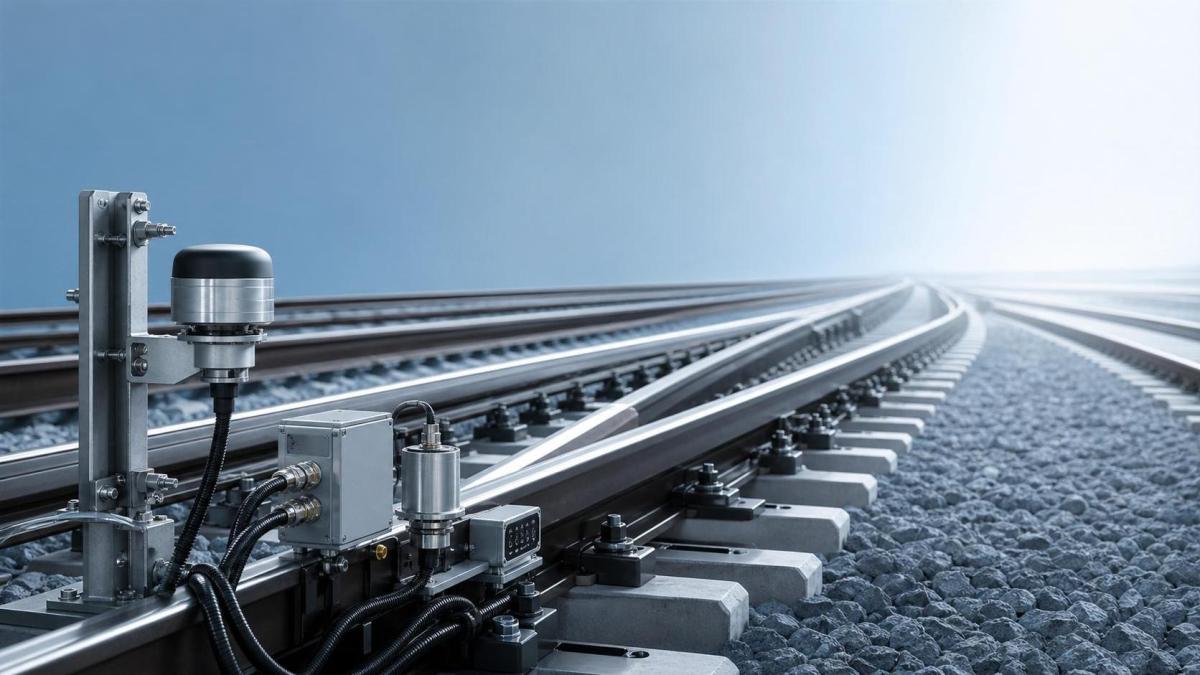
For rail operators, service reliability often depends on what gets noticed before a fault becomes visible. That is why rail maintenance asset monitoring now sits at the center of modern maintenance planning.
It is no longer limited to scheduled checks. It combines field inspection, sensor data, historical trends, and fault logic to identify signals that point to failure.
In practice, the value is simple. Earlier detection means fewer emergency repairs, lower downtime, safer operations, and better use of maintenance labor and spare parts.
The challenge is that failures rarely arrive as a single alarm. They usually begin with weak signals that look harmless until several indicators start moving together.
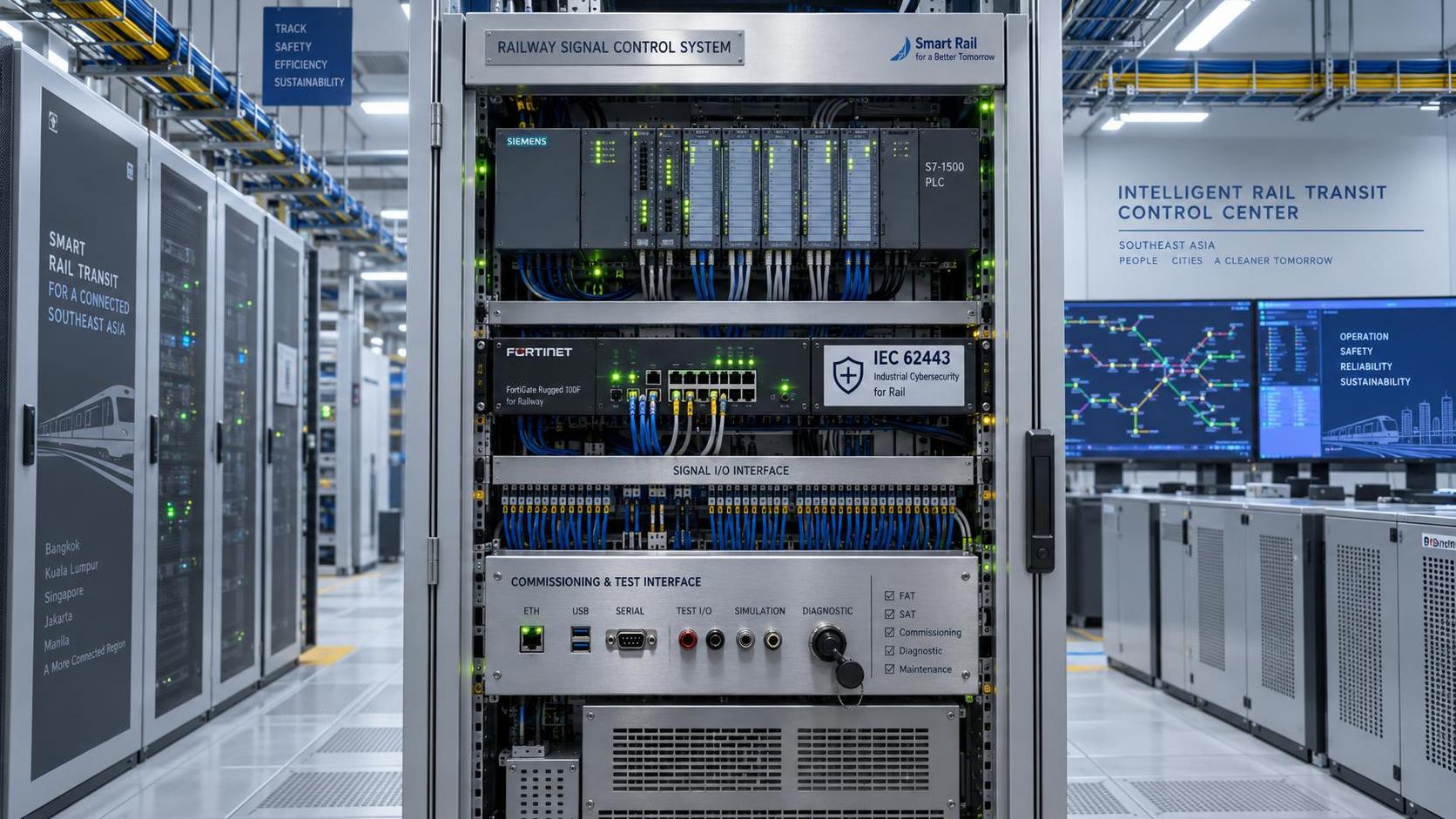
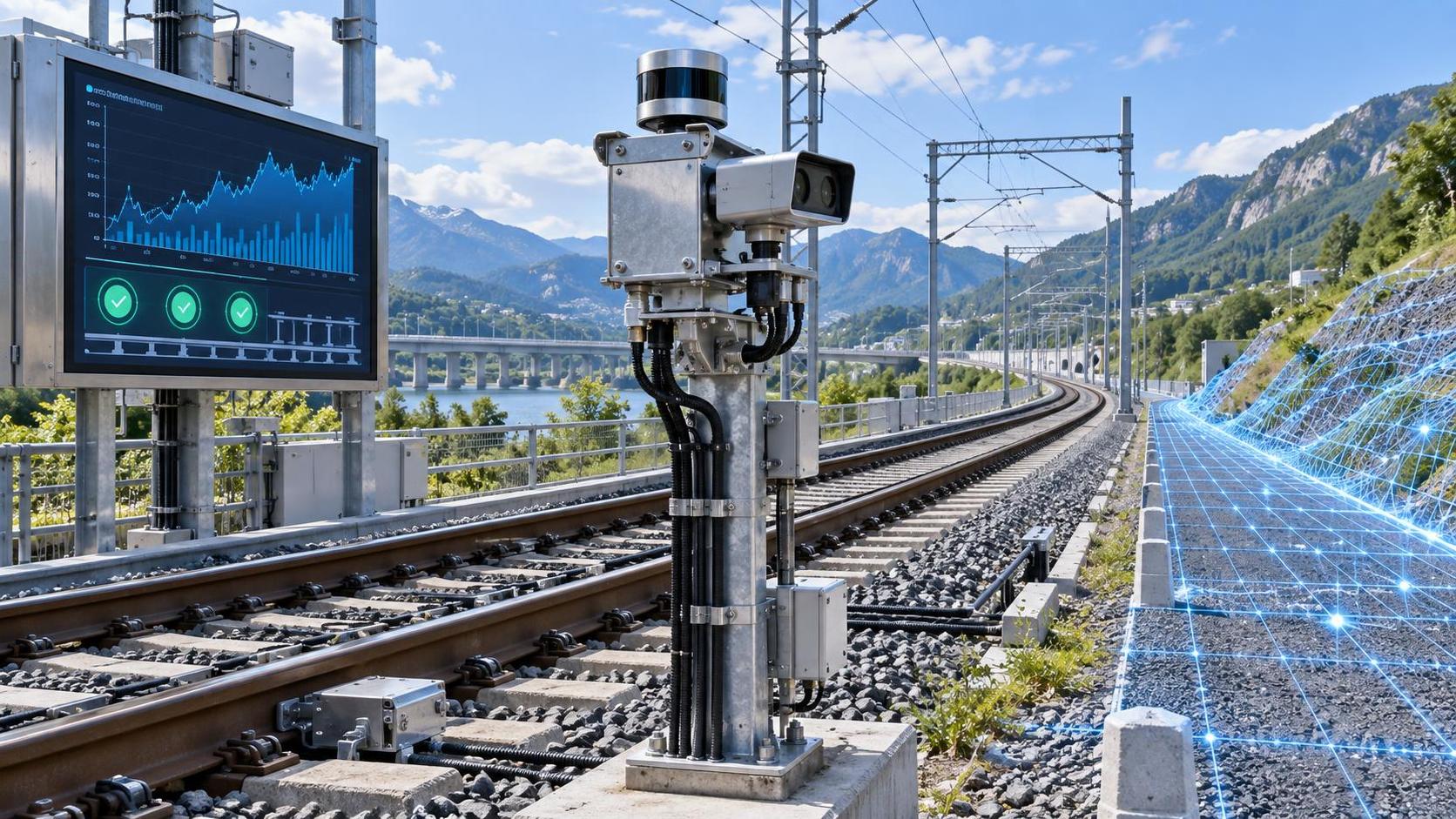
This makes rail maintenance asset monitoring especially important across track, rolling stock interfaces, signaling assets, power equipment, and wayside systems.
From recent operating patterns, the most useful approach is not collecting more data. It is knowing which failure signals deserve faster action and which ones can be trended.
Why failure signals matter more than isolated alarms
A single high reading may not mean much. A small vibration rise after grinding, for example, can be normal for a short period.
But when vibration increases with heat, noise, and wear debris, the story changes. Rail maintenance asset monitoring works best when it connects those patterns early.
This also matters for compliance and technical standards. Many maintenance frameworks now expect condition evidence, not only time-based work orders.
A stronger monitoring process helps teams answer practical questions: Is this defect growing quickly? Is it affecting safety margins? Should intervention happen now or later?
When rail maintenance asset monitoring is tied to threshold logic, inspection routes become more focused. That reduces unnecessary site visits and highlights assets that truly need attention.
The key failure signals to track first
The most reliable signals usually come from physical change. Assets fail because something shifts in motion, friction, temperature, geometry, insulation, or electrical behavior.
1. Abnormal vibration
Vibration is often the earliest warning sign. It can indicate bearing degradation, wheel defects, loose fasteners, rail corrugation, gearbox issues, or misalignment.
The more useful signal is not the peak alone. Trend direction, frequency band, and change rate usually tell more than one isolated measurement.
2. Temperature spikes
Heat usually means resistance or friction. Hot axle bearings, overheated switch machines, power connection points, and traction components deserve immediate review.
In rail maintenance asset monitoring, temperature becomes far more meaningful when compared with load, weather, operating cycle, and nearby asset conditions.
3. Wear acceleration
Wear is expected in rail systems. The real concern is when normal wear turns into accelerated wear.
This appears in rail head profile loss, wheel flange changes, contact wire thinning, brake component consumption, and turnout part degradation.
4. Electrical irregularities
Current imbalance, voltage drop, insulation weakness, and intermittent faults often show up before a hard failure. These signals are especially important in signaling and power systems.
5. Geometry drift and alignment change
Track geometry rarely fails overnight. More often, gauge, cross-level, twist, or alignment slowly drift until ride quality and safety margins begin to narrow.
Rail maintenance asset monitoring should connect these trends with drainage, ballast condition, traffic load, and local ground movement.
How to read signals by asset type
Not every asset fails in the same way. A useful monitoring strategy separates critical assets by failure mode, not only by department.
Track and turnout assets
Look for rail surface defects, fastening looseness, turnout actuator delays, switch blade seating problems, and geometry drift around high-load sections.
A repeated fault at the same location usually points to root conditions, not just part wear. Drainage and support quality often sit behind recurring alarms.
Rolling interface components
Wheel-rail contact produces some of the richest failure data. Noise growth, impact signatures, and uneven wear patterns can reveal defect development early.
This is where rail maintenance asset monitoring often prevents secondary damage. One unresolved contact issue can quickly affect both infrastructure and vehicle components.
Signaling and control assets
Intermittent communication loss, delayed switching response, repeated reset events, and unstable power quality are major warning signs.
These failures may appear minor at first. In actual operations, they often become the source of service delay and dispatch complexity.
Power and auxiliary systems
Transformers, cable joints, switchgear, and backup systems need close attention to heat rise, insulation condition, and load instability.
A common mistake is reviewing these assets only after a trip event. Good rail maintenance asset monitoring catches slow deterioration well before that point.
A practical monitoring workflow that improves decisions
The most effective programs do not start with dashboards. They start with a clear decision path for what happens after a signal appears.
- Define critical assets by operational impact, safety exposure, and replacement difficulty.
- Match each asset to its likely failure modes and measurable indicators.
- Set alert levels for trend watch, planned intervention, and immediate response.
- Validate sensor data with field observation to avoid false confidence.
- Review repeat failures monthly to identify patterns across sites and asset families.
This kind of workflow makes rail maintenance asset monitoring easier to act on. Teams stop reacting to noise and start prioritizing according to consequence and degradation speed.
It also supports standardization. Once thresholds and response logic are documented, handovers become cleaner and decisions become easier to defend.
Common mistakes that weaken rail maintenance asset monitoring
Several issues reduce the value of monitoring even when good tools are available.
- Treating every alarm as equally urgent.
- Using static thresholds without seasonal or load context.
- Separating inspection records from sensor history.
- Ignoring repeated minor faults because service still runs.
- Focusing on component replacement instead of root-cause correction.
The more obvious signal is often not the first one. By the time a visible defect appears, the asset may already be deep into its failure path.
That is why rail maintenance asset monitoring should always combine condition data, work history, environment, and local operating stress.
Recommended signal review table
Where this is heading next
Rail systems are moving toward more predictive and data-linked maintenance. But prediction only works when failure signals are reliable, relevant, and tied to action.
That means better condition baselines, cleaner event tagging, and stronger alignment between field teams and engineering analysis.
For organizations building stronger technical standards, rail maintenance asset monitoring should focus first on the signals with the highest operational consequence.
Start with vibration, temperature, wear, electrical behavior, and geometry drift. Then refine thresholds using real service history.
That approach is practical, scalable, and easier to sustain. More importantly, it turns maintenance from reactive repair into controlled risk management across the full rail asset base.
Get weekly intelligence in your inbox.
No noise. No sponsored content. Pure intelligence.
News Recommendations
 Sep 19, 2026How an electronics application guide helps prevent component mismatchHow an electronics application guide helps prevent component mismatch
 Sep 18, 2026When a resource allocation platform improves project deliveryWhen a resource allocation platform improves project delivery
 Sep 17, 2026What to compare when evaluating mineral processing equipment manufacturersWhat to compare when evaluating mineral processing equipment manufacturers
 Sep 16, 2026How mineral separation optimization can reduce concentrate lossesHow mineral separation optimization can reduce concentrate losses
 Sep 15, 2026How to assess lifecycle costs in urban tech procurementHow to assess lifecycle costs in urban tech procurement
 Sep 14, 2026Heavy industry technology trends reshaping capital investment prioritiesHeavy industry technology trends reshaping capital investment priorities
 Sep 14, 2026Global Industrial Equipment Procurement: How Top OEMs Qualify Suppliers for Mining & Infrastructure ProjectsGlobal Industrial Equipment Procurement: How Top OEMs Qualify Suppliers for Mining & Infrastructure Projects
 Sep 14, 2026Industrial & Mining Equipment Procurement: Balancing Local Sourcing, Lead Time, and Certification RequirementsIndustrial & Mining Equipment Procurement: Balancing Local Sourcing, Lead Time, and Certification Requirements
 Sep 14, 2026Infrastructure & Equipment Upgrades: What Procurement Teams Must Verify Before Signing Off on New ContractsInfrastructure & Equipment Upgrades: What Procurement Teams Must Verify Before Signing Off on New Contracts
 Sep 14, 2026Why Infrastructure Equipment Buyers Are Shifting from Catalog-Based to Capability-Based Supplier SelectionWhy Infrastructure Equipment Buyers Are Shifting from Catalog-Based to Capability-Based Supplier Selection
 Sep 14, 2026Process Automation Project Execution: How to Align Supplier Capabilities with PLC Integration, Cybersecurity & Commissioning MilestonesProcess Automation Project Execution: How to Align Supplier Capabilities with PLC Integration, Cybersecurity & Commissioning Milestones
 Sep 14, 2026Are intelligent traffic systems worth the investment for small cities?Are intelligent traffic systems worth the investment for small cities?
 Sep 14, 2026How do intelligent traffic systems handle sensor failures?How do intelligent traffic systems handle sensor failures?
 Sep 14, 2026What should I check before accepting a smart building system?What should I check before accepting a smart building system?
 Sep 14, 2026Is a smart building system worth the maintenance cost?Is a smart building system worth the maintenance cost?
 Sep 14, 2026What data is needed for reliable resource allocation planning?What data is needed for reliable resource allocation planning?
 Sep 14, 2026How can resource allocation software reduce equipment idle time?How can resource allocation software reduce equipment idle time?
 Sep 14, 2026How should smart devices be maintained in harsh outdoor conditions?How should smart devices be maintained in harsh outdoor conditions?
 Sep 14, 2026Do smart devices improve worker safety on construction sites?Do smart devices improve worker safety on construction sites?
 Sep 14, 2026What environmental risks must be assessed before deep-sea mining?What environmental risks must be assessed before deep-sea mining?
 Sep 14, 2026Is deep-sea mining equipment commercially viable in 2026?Is deep-sea mining equipment commercially viable in 2026?
 Sep 14, 2026What Inspection Checks Should Procurement Teams Perform Before Ordering Dredging Equipment in 2026?What Inspection Checks Should Procurement Teams Perform Before Ordering Dredging Equipment in 2026?
 Sep 13, 2026How to verify an industrial product information source before specifying equipmentHow to verify an industrial product information source before specifying equipment
 Sep 12, 2026Which intelligent traffic systems hardware fits an urban intersection?Which intelligent traffic systems hardware fits an urban intersection?
 Sep 11, 2026How pump capacity affects response coverage for municipal fire fighting vehiclesHow pump capacity affects response coverage for municipal fire fighting vehicles
 Sep 10, 2026What to verify before choosing a heavy industry equipment supplierWhat to verify before choosing a heavy industry equipment supplier
 Sep 09, 2026When do adaptive urban traffic control systems reduce corridor delays?When do adaptive urban traffic control systems reduce corridor delays?