Railway Maintenance Costs: Key Factors That Impact Lifecycle Budgets
Why does railway maintenance shape lifecycle budgets so strongly?
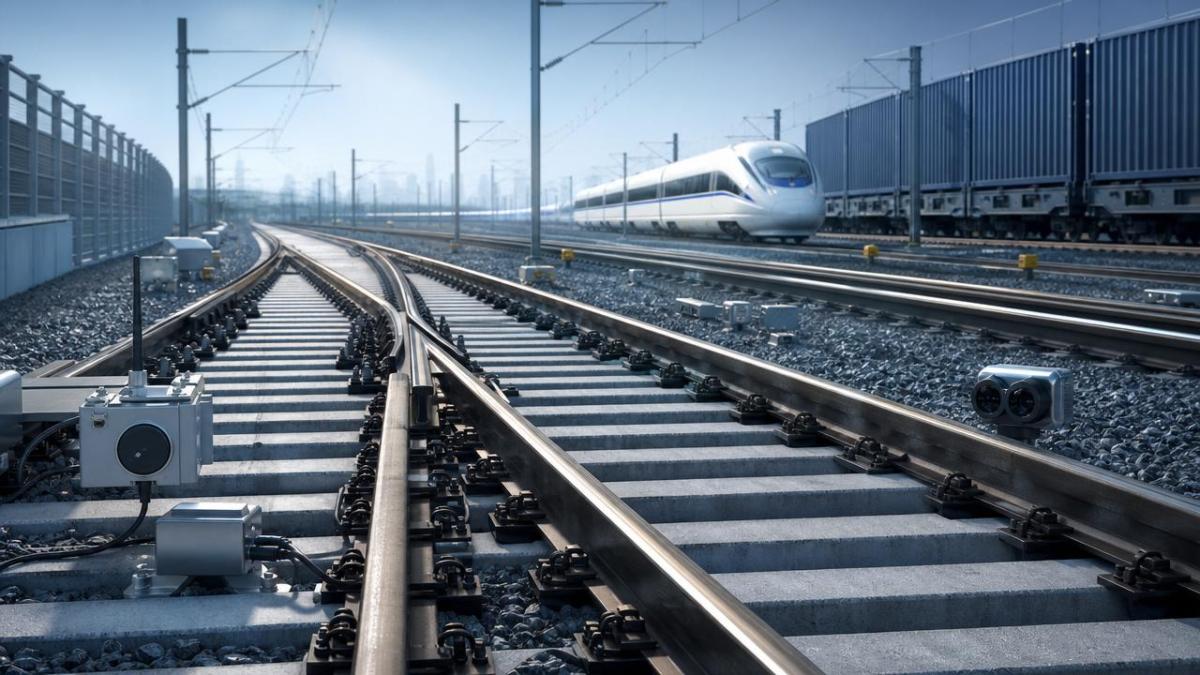
Railway maintenance affects far more than yearly operating spend.
It influences service reliability, safety exposure, asset life, and the timing of future capital works.
That is why railway maintenance often becomes a defining factor in lifecycle budgeting.
A track system may look stable on paper, yet hidden wear can accelerate costs quickly.
Small defects in rail, ballast, drainage, or signaling interfaces rarely stay small for long.
In practice, the cheapest year is not always the most efficient year.
Deferred work can reduce immediate spend, but it often raises total ownership cost later.
This is especially true on mixed networks serving freight, passenger traffic, and urban mobility links.
GIUT often examines infrastructure through a wider systems lens.
That means railway maintenance is not isolated from construction strategy, smart governance, and equipment modernization.
A maintenance budget, simply put, is also a resilience budget.
Which cost drivers usually have the biggest impact?
The biggest railway maintenance cost drivers are usually physical load, asset condition, labor intensity, and access constraints.
Traffic intensity matters first because tonnage and speed directly influence wear rates.
Heavy freight corridors usually consume rail, sleepers, fastening systems, and ballast faster than light-duty lines.
High-speed routes create a different pressure.
Their tolerances are tighter, so inspection frequency and intervention quality become more expensive.
Asset age also changes the budget profile.
Older networks often need more corrective work, emergency callouts, and component substitution.
Newer networks may spend less on repairs, but more on monitoring, software, and compliance assurance.
Labor is another decisive variable.
Night possessions, safety protocols, specialist crews, and outage coordination can push unit costs sharply upward.
More common than many expect is the cost of access itself.
If work windows are short, crews and machines become less productive per shift.
That drives up the cost of each maintenance event, even before materials are counted.
- Track geometry deterioration increases tamping, grinding, and renewal frequency.
- Drainage weakness often causes repeated ballast fouling and subgrade instability.
- Turnouts add concentrated cost because failure risk and precision demands are higher.
- Bridges, tunnels, and level crossings raise inspection and access complexity.
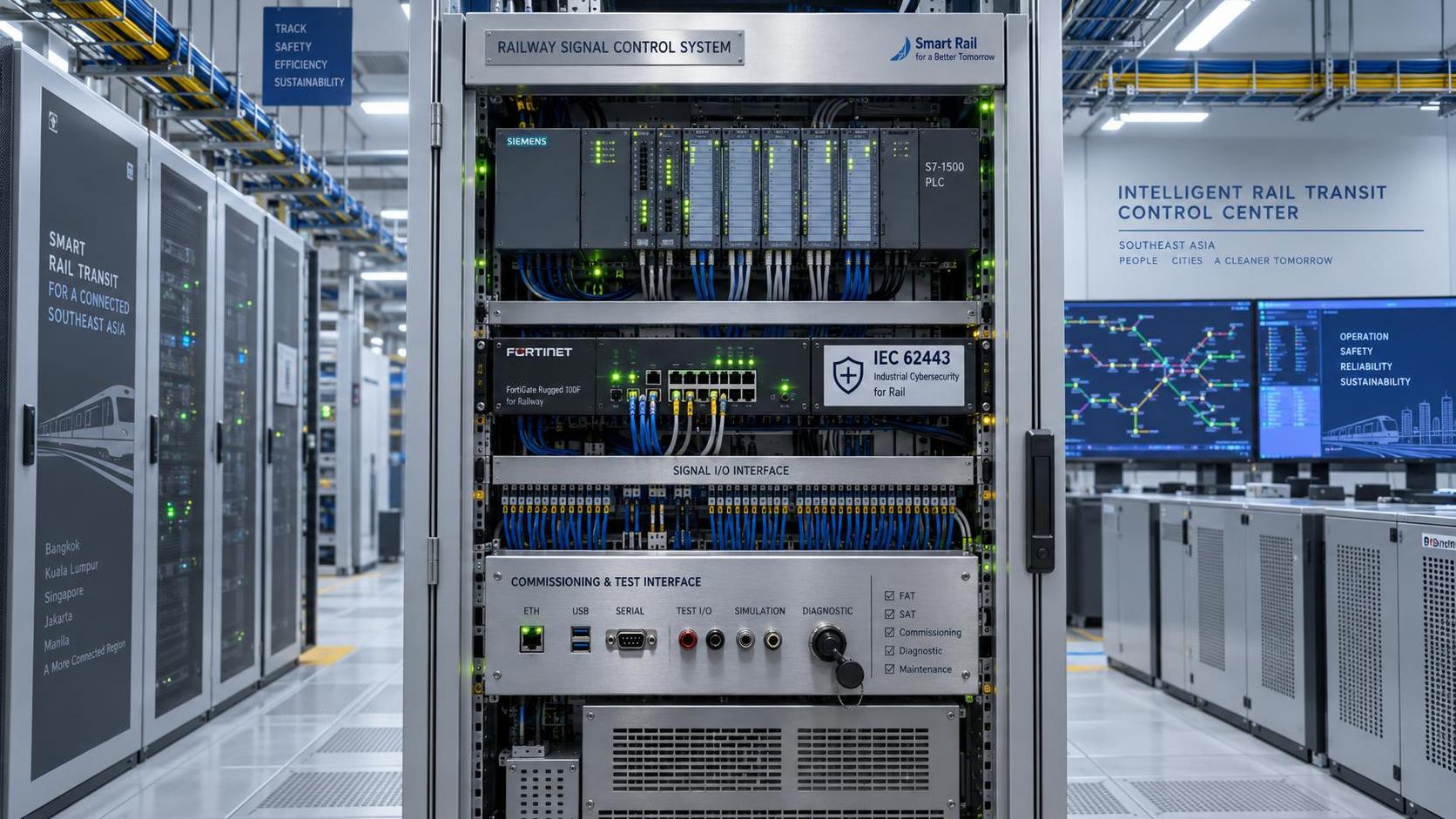
- Signaling coordination can extend shutdown planning and contractor hours.
Is preventive railway maintenance really cheaper than corrective work?
Usually yes, but the answer depends on timing and asset criticality.
Preventive railway maintenance spreads spending more predictably across the asset lifecycle.
Corrective work looks cheaper only when viewed one incident at a time.
Once disruption, speed restrictions, service penalties, and emergency mobilization are included, the picture changes.
A useful way to judge this is to compare failure consequence, not just repair price.
If a turnout failure blocks a major corridor, the financial impact spreads well beyond maintenance teams.
It can affect logistics chains, station operations, fleet rotation, and public confidence.
That is why mature infrastructure owners increasingly combine scheduled inspections with condition-based interventions.
The table below helps clarify where each approach tends to fit.
The practical lesson is not to choose one method for everything.
The stronger approach blends methods by risk, usage, and failure consequence.
How do technology and compliance change the railway maintenance budget?
Technology can increase upfront cost while lowering long-term uncertainty.
That tradeoff matters when budget approval depends on lifecycle visibility.
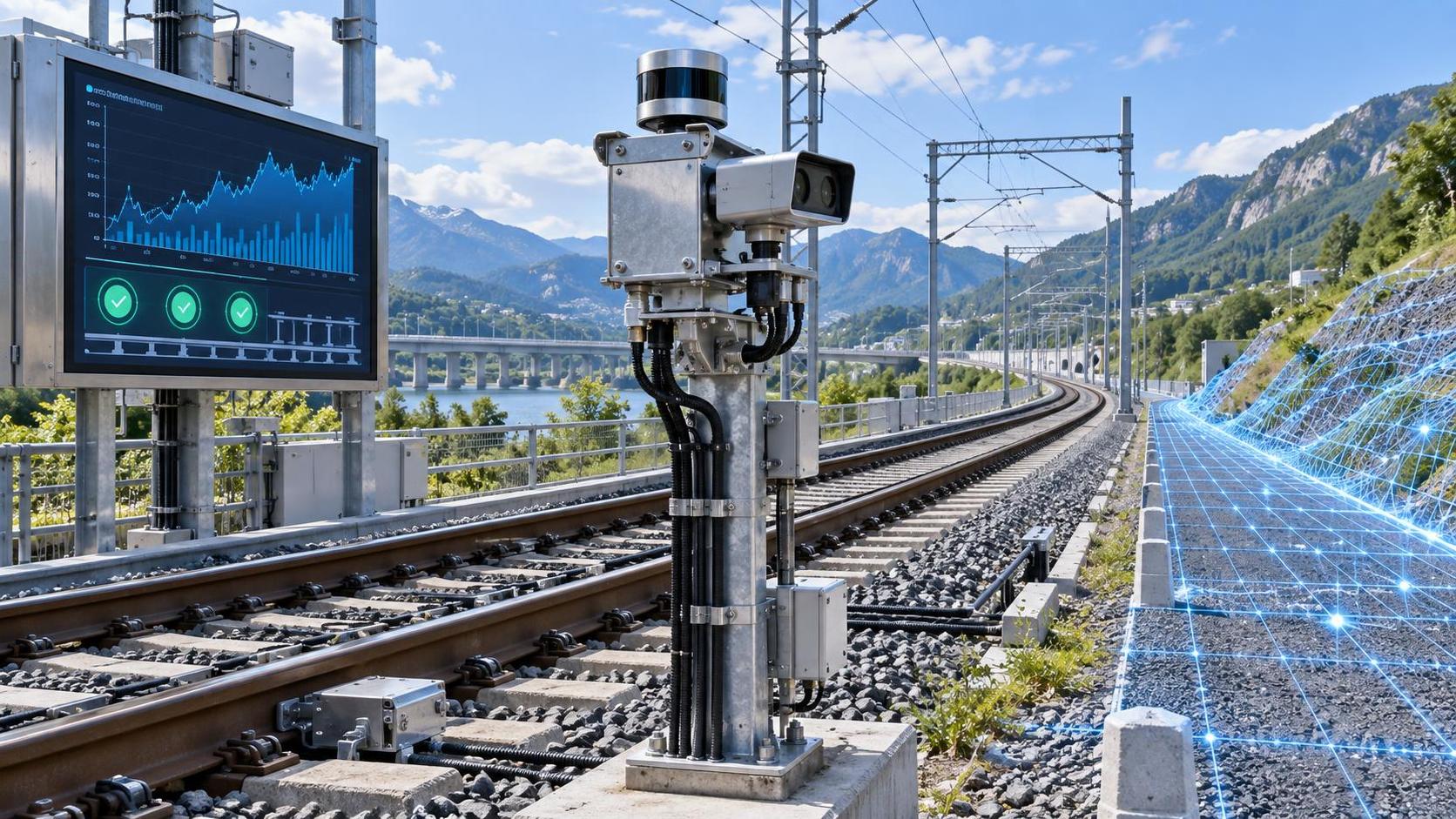
Automated inspection, digital twins, track geometry cars, and sensor-based monitoring can reduce manual inspection exposure.
They can also improve intervention timing.
Still, technology only helps when data quality, integration, and response workflows are mature.
Buying tools without changing maintenance logic often produces weak returns.
Compliance adds another cost layer that should not be treated as optional overhead.
Safety standards, audit trails, environmental rules, and worksite controls all shape actual railway maintenance cost.
For example, vegetation management, waste handling, and noise restrictions can alter shift design and contractor pricing.
In urban corridors, coordination with smart city systems adds both opportunity and complexity.
That broader integration perspective aligns with GIUT’s infrastructure intelligence model.
Rail systems increasingly interact with energy, traffic, and digital governance platforms.
Maintenance decisions therefore benefit from cross-sector visibility, not just line-item review.
What mistakes push railway maintenance costs higher over time?
One common mistake is budgeting by historical averages alone.
Past spend is useful, but it can hide changes in traffic mix, climate stress, or asset condition.
Another mistake is separating maintenance from renewal planning too sharply.
When the two teams use different assumptions, networks pay twice for temporary fixes.
Short-term savings can also become expensive when access windows are wasted.
If tamping, drainage repair, and component replacement are not coordinated, repeated possessions erode efficiency.
A further issue is underestimating supply chain variability.
Special fasteners, signaling parts, rail steel, or heavy equipment availability can shift budget timing significantly.
- Ignoring drainage until track quality falls visibly.
- Using generic unit rates for high-risk assets like switches and crossings.
- Treating emergency response as exceptional when it is structurally recurring.
- Measuring contractor cost without measuring possession productivity.
- Approving technology spend without a clear intervention protocol.
In real-world reviews, the hidden cost is often fragmentation.
Data sits in one system, field teams in another, and capital planning somewhere else.
That weakens decisions even when individual budgets appear controlled.
How can lifecycle budgets be evaluated more confidently before approval?
A stronger review starts with a few grounded questions.
What assets drive disruption risk, where is wear accelerating, and which interventions extend life most effectively?
It also helps to request cost visibility in layers.
Separate routine inspection, planned intervention, emergency response, and renewal-related preparation.
When these items are blended, weak assumptions are hard to detect.
More reliable railway maintenance planning usually includes the following checks.
- Map costs by corridor, asset class, and operational criticality.
- Test whether deferred work raises risk within twelve to thirty-six months.
- Review maintenance productivity per access window, not labor hours alone.
- Check whether monitoring data changes intervention timing in practice.
- Compare recurring repair cost against targeted renewal thresholds.
That final comparison is often decisive.
If repeated corrective railway maintenance approaches the cost of renewal, postponement may no longer be prudent.
The goal is not just lower annual spend.
The goal is a budget path that protects service continuity and preserves infrastructure value.
Seen through GIUT’s wider infrastructure perspective, this is how physical assets become smarter financial assets.
What is the best next step when comparing railway maintenance strategies?
Start by identifying the few cost drivers that matter most on the network in question.
Those are usually traffic load, asset age, access limits, compliance burden, and failure consequence.
Then compare strategies using the same horizon.
A one-year savings view can distort decisions that should be judged across ten to twenty years.
It is also worth checking whether digital monitoring, specialist equipment, or bundled interventions improve possession efficiency.
That is often where meaningful savings emerge without increasing risk.
Railway maintenance works best when budgets reflect the real behavior of assets, not just accounting cycles.
A practical next move is to build a corridor-level review table.
List current condition, expected intervention timing, disruption impact, and renewal trigger points.
That creates a clearer basis for judging cost, timing, and risk together.
When railway maintenance is evaluated this way, lifecycle budgets become easier to defend and more effective to execute.
Get weekly intelligence in your inbox.
No noise. No sponsored content. Pure intelligence.
News Recommendations
 Sep 19, 2026How an electronics application guide helps prevent component mismatchHow an electronics application guide helps prevent component mismatch
 Sep 18, 2026When a resource allocation platform improves project deliveryWhen a resource allocation platform improves project delivery
 Sep 17, 2026What to compare when evaluating mineral processing equipment manufacturersWhat to compare when evaluating mineral processing equipment manufacturers
 Sep 16, 2026How mineral separation optimization can reduce concentrate lossesHow mineral separation optimization can reduce concentrate losses
 Sep 15, 2026How to assess lifecycle costs in urban tech procurementHow to assess lifecycle costs in urban tech procurement
 Sep 14, 2026Heavy industry technology trends reshaping capital investment prioritiesHeavy industry technology trends reshaping capital investment priorities
 Sep 14, 2026Global Industrial Equipment Procurement: How Top OEMs Qualify Suppliers for Mining & Infrastructure ProjectsGlobal Industrial Equipment Procurement: How Top OEMs Qualify Suppliers for Mining & Infrastructure Projects
 Sep 14, 2026Industrial & Mining Equipment Procurement: Balancing Local Sourcing, Lead Time, and Certification RequirementsIndustrial & Mining Equipment Procurement: Balancing Local Sourcing, Lead Time, and Certification Requirements
 Sep 14, 2026Infrastructure & Equipment Upgrades: What Procurement Teams Must Verify Before Signing Off on New ContractsInfrastructure & Equipment Upgrades: What Procurement Teams Must Verify Before Signing Off on New Contracts
 Sep 14, 2026Why Infrastructure Equipment Buyers Are Shifting from Catalog-Based to Capability-Based Supplier SelectionWhy Infrastructure Equipment Buyers Are Shifting from Catalog-Based to Capability-Based Supplier Selection
 Sep 14, 2026Process Automation Project Execution: How to Align Supplier Capabilities with PLC Integration, Cybersecurity & Commissioning MilestonesProcess Automation Project Execution: How to Align Supplier Capabilities with PLC Integration, Cybersecurity & Commissioning Milestones
 Sep 14, 2026Are intelligent traffic systems worth the investment for small cities?Are intelligent traffic systems worth the investment for small cities?
 Sep 14, 2026How do intelligent traffic systems handle sensor failures?How do intelligent traffic systems handle sensor failures?
 Sep 14, 2026What should I check before accepting a smart building system?What should I check before accepting a smart building system?
 Sep 14, 2026Is a smart building system worth the maintenance cost?Is a smart building system worth the maintenance cost?
 Sep 14, 2026What data is needed for reliable resource allocation planning?What data is needed for reliable resource allocation planning?
 Sep 14, 2026How can resource allocation software reduce equipment idle time?How can resource allocation software reduce equipment idle time?
 Sep 14, 2026How should smart devices be maintained in harsh outdoor conditions?How should smart devices be maintained in harsh outdoor conditions?
 Sep 14, 2026Do smart devices improve worker safety on construction sites?Do smart devices improve worker safety on construction sites?
 Sep 14, 2026What environmental risks must be assessed before deep-sea mining?What environmental risks must be assessed before deep-sea mining?
 Sep 14, 2026Is deep-sea mining equipment commercially viable in 2026?Is deep-sea mining equipment commercially viable in 2026?
 Sep 14, 2026What Inspection Checks Should Procurement Teams Perform Before Ordering Dredging Equipment in 2026?What Inspection Checks Should Procurement Teams Perform Before Ordering Dredging Equipment in 2026?
 Sep 13, 2026How to verify an industrial product information source before specifying equipmentHow to verify an industrial product information source before specifying equipment
 Sep 12, 2026Which intelligent traffic systems hardware fits an urban intersection?Which intelligent traffic systems hardware fits an urban intersection?
 Sep 11, 2026How pump capacity affects response coverage for municipal fire fighting vehiclesHow pump capacity affects response coverage for municipal fire fighting vehicles
 Sep 10, 2026What to verify before choosing a heavy industry equipment supplierWhat to verify before choosing a heavy industry equipment supplier
 Sep 09, 2026When do adaptive urban traffic control systems reduce corridor delays?When do adaptive urban traffic control systems reduce corridor delays?