Special Purpose Vehicles and Equipment: Key Maintenance Checks
Keeping special purpose vehicles and equipment reliable is less about isolated repairs and more about disciplined inspection. In municipal fleets, construction support, mining logistics, and rail-adjacent service operations, a missed check can quickly become a safety incident, a lost shift, or an expensive asset failure.
That is why maintenance attention has moved closer to frontline operating conditions. Hydraulic stress, brake response, electrical faults, structural fatigue, and digital control issues now intersect in the same machine. For organizations tracking infrastructure resilience, these checks matter because uptime in the field still depends on physical integrity.
Why maintenance now carries more operational weight
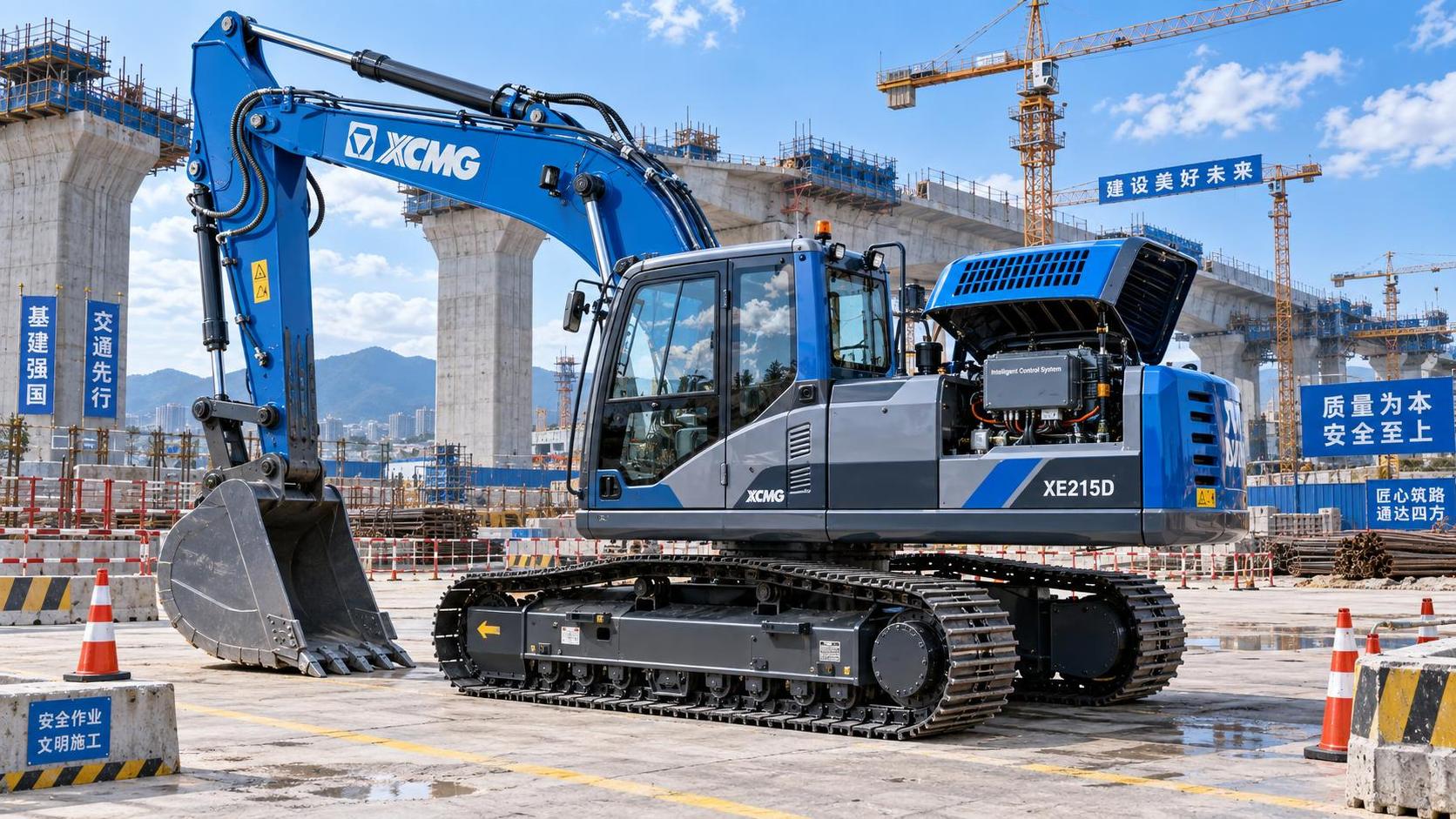
Special purpose vehicles and equipment are built for demanding tasks, not light-duty margins. Fire trucks, cranes, concrete mixers, vacuum trucks, utility service units, and access platforms often run under load, in weather, and on uneven schedules.
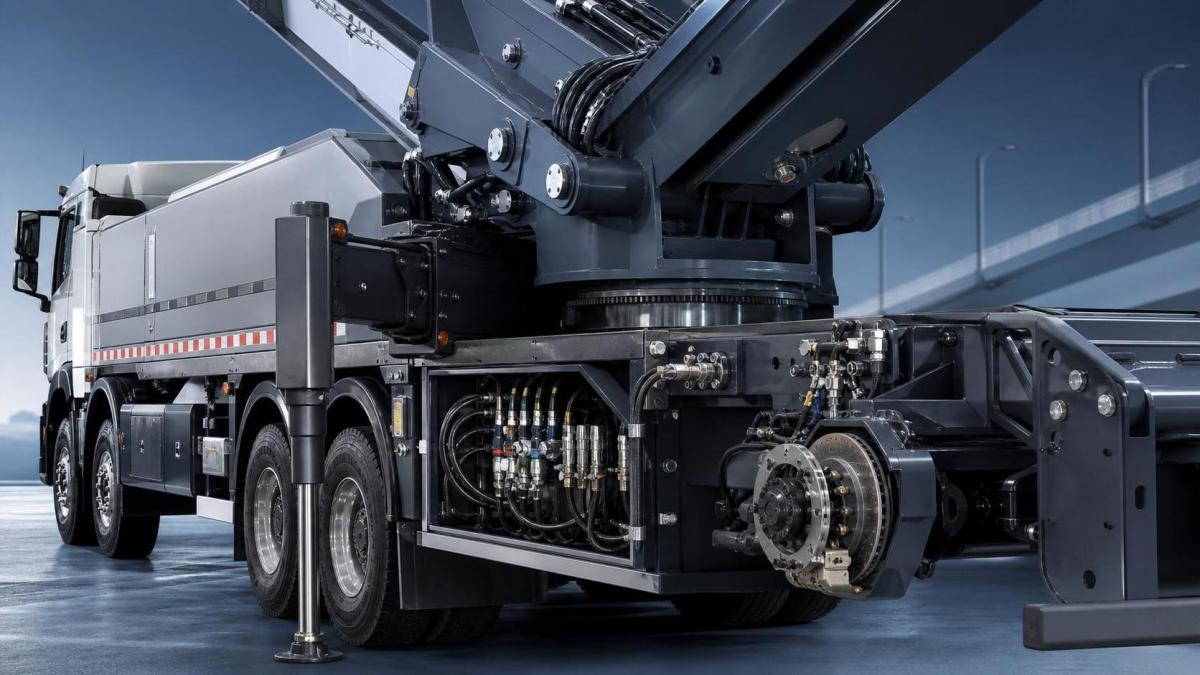
In practice, their maintenance profile differs from standard fleet vehicles. A service van may tolerate delay better than a crane carrier or pump unit. Once heavy hydraulics, PTO systems, booms, mixers, or onboard controls are involved, the inspection logic must become much more specific.
GIUT’s broader infrastructure perspective makes this especially relevant. Smart cities, industrial logistics, and modern construction all rely on specialized assets that connect digital scheduling with physical execution. When maintenance quality slips, the weak point is no longer only the vehicle. It can disrupt a wider operational chain.
What should be included in a serious inspection routine
A useful maintenance program for special purpose vehicles and equipment starts with three layers. The first is roadworthiness. The second is mission equipment condition. The third is the interaction between the two under actual working load.
That distinction matters. A truck can pass a basic vehicle check and still be unfit for service because its stabilizers drift, its boom sensors misread, or its hydraulic circuit overheats during operation.
Core systems that deserve priority
- Hydraulic system condition, including leaks, hose abrasion, pressure stability, and abnormal heat.
- Brake performance, especially on mixed vehicle and equipment platforms carrying heavy or shifting loads.
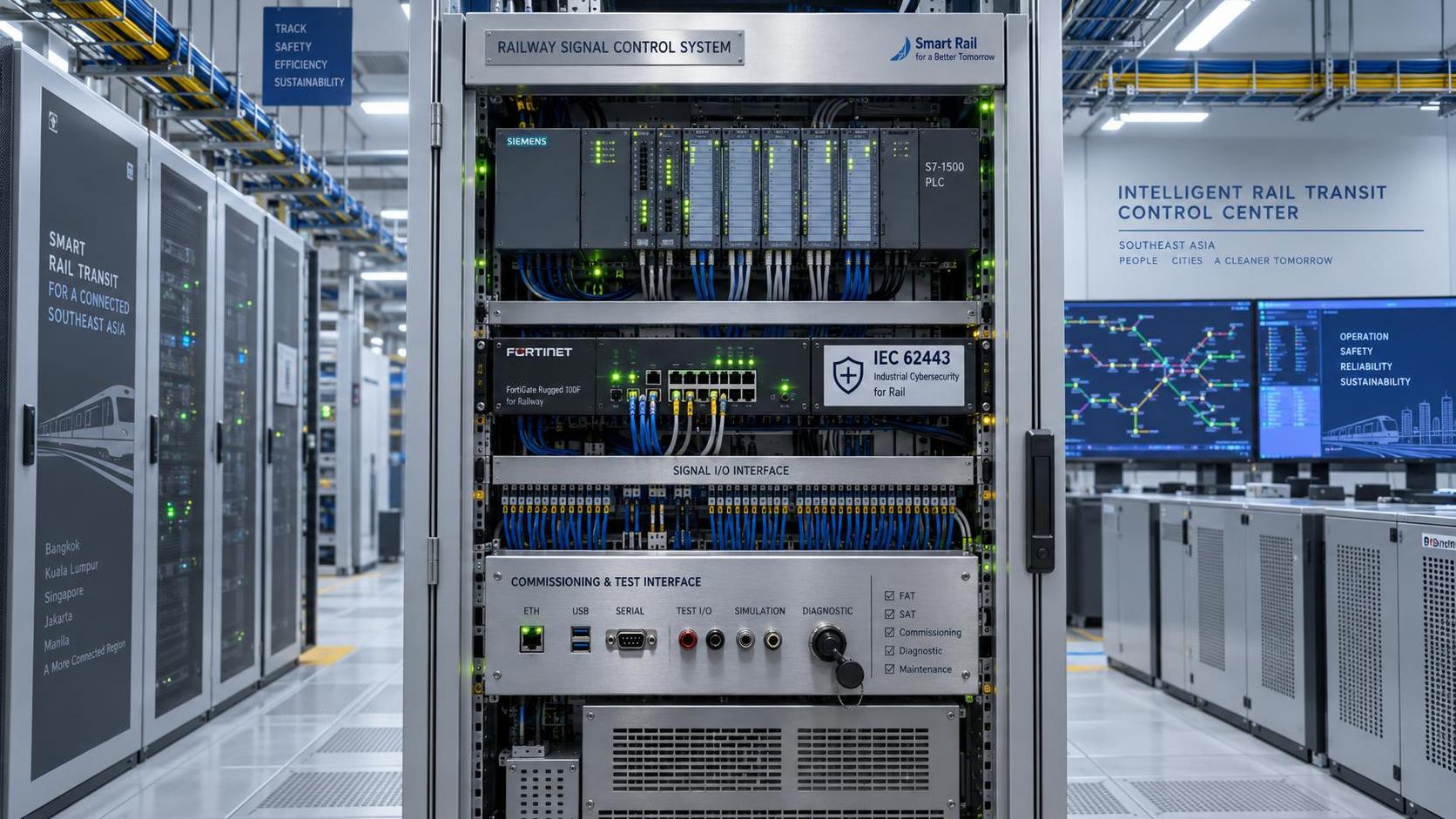
- Electrical health, covering battery output, connectors, control modules, sensors, and fault code trends.
- Structural wear at welds, mounts, outriggers, ladder frames, boom pivots, and load-bearing points.
- Powertrain and PTO integration, where irregular vibration or lag can signal deeper mechanical strain.
- Safety devices such as interlocks, limiters, alarms, lights, and emergency stop functions.
These checks are most effective when tied to operating hours, duty cycles, and equipment type. Calendar-based servicing alone rarely captures real fatigue in high-variation industrial environments.
The checks that prevent the most expensive failures
Some failures are visible early if inspection routines are disciplined enough. Others hide inside routine operation and only appear after performance drops. The goal is to identify indicators before they become service interruptions.
Hydraulics and fluid management
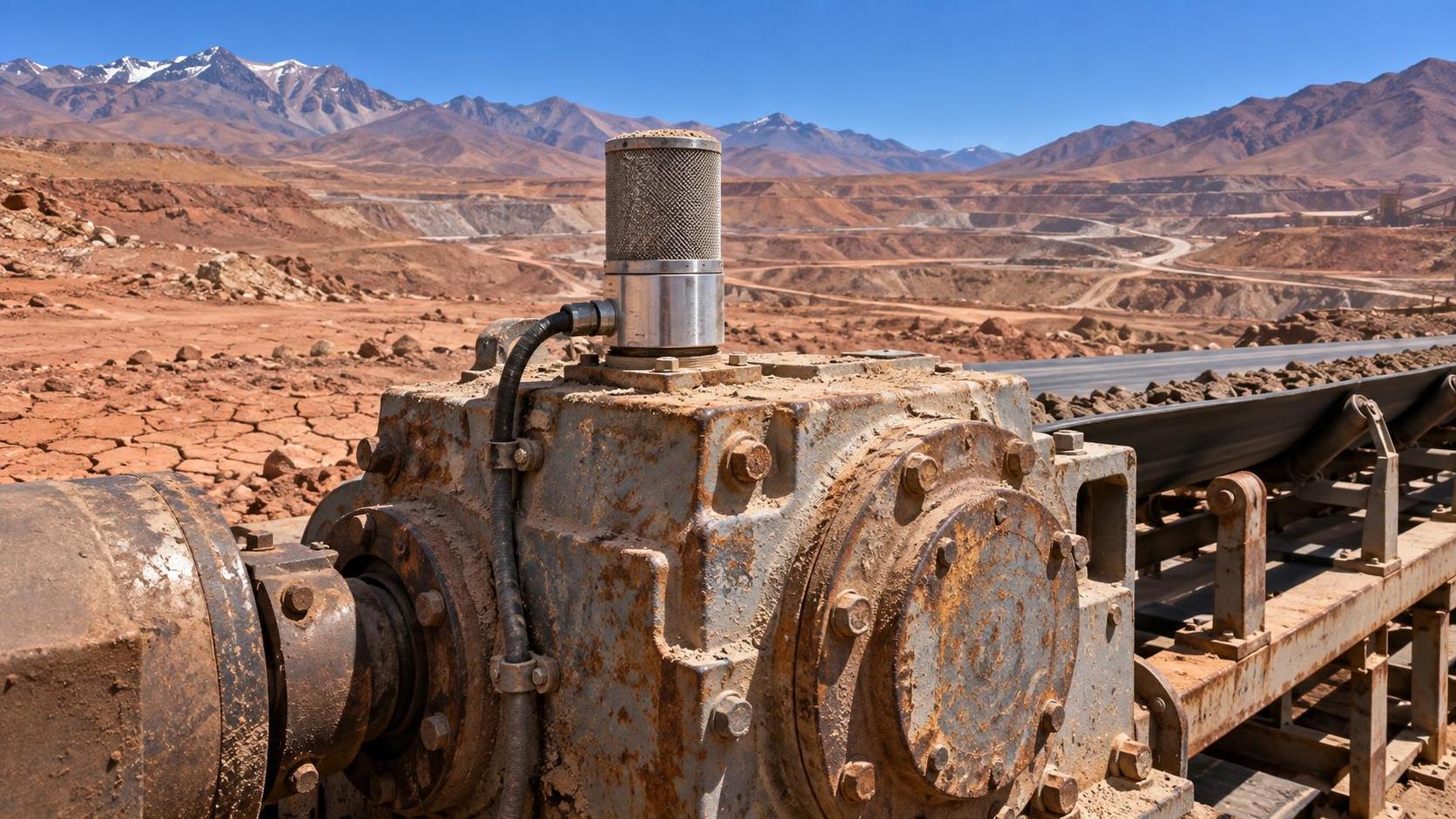
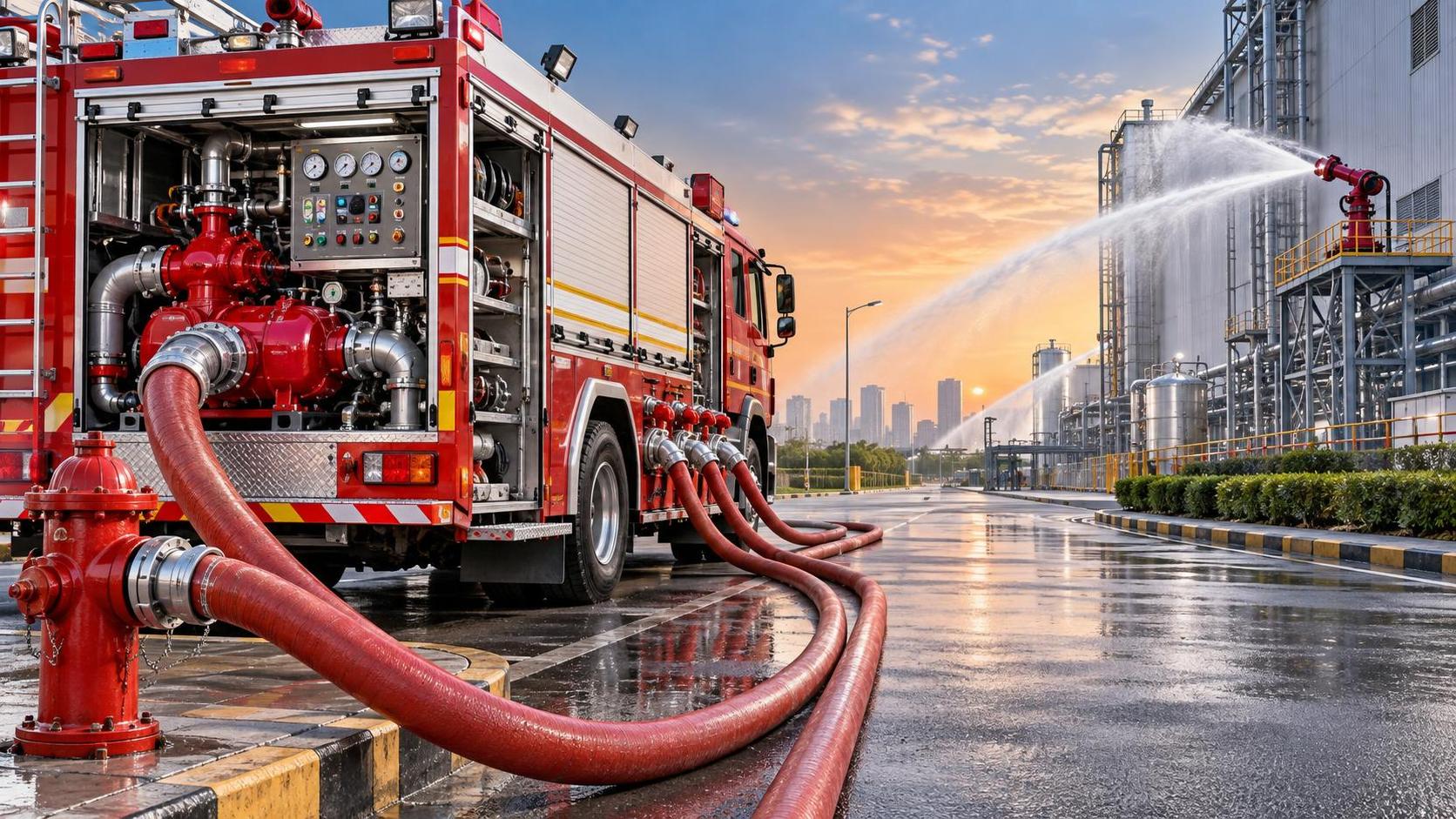
Hydraulic systems remain one of the most failure-prone areas in special purpose vehicles and equipment. Small leaks are often treated as housekeeping issues, but they usually point to seal aging, pressure imbalance, contamination, or hose routing problems.
Fluid analysis is worth more attention than many teams give it. Changes in viscosity, contamination levels, or metal particles can reveal pump wear or internal damage long before a major breakdown appears in the field.
Braking and dynamic stability
Brake checks should go beyond pad thickness and air pressure readings. On vehicles carrying mounted equipment, balance, load transfer, and suspension response can change braking behavior significantly. That becomes critical on slopes, wet surfaces, or stop-start urban routes.
The same principle applies to steering, axles, and tires. Uneven wear can indicate alignment issues, overloading, or repetitive turning stress at worksites. These patterns should be recorded, not just corrected.
Electrical and control diagnostics
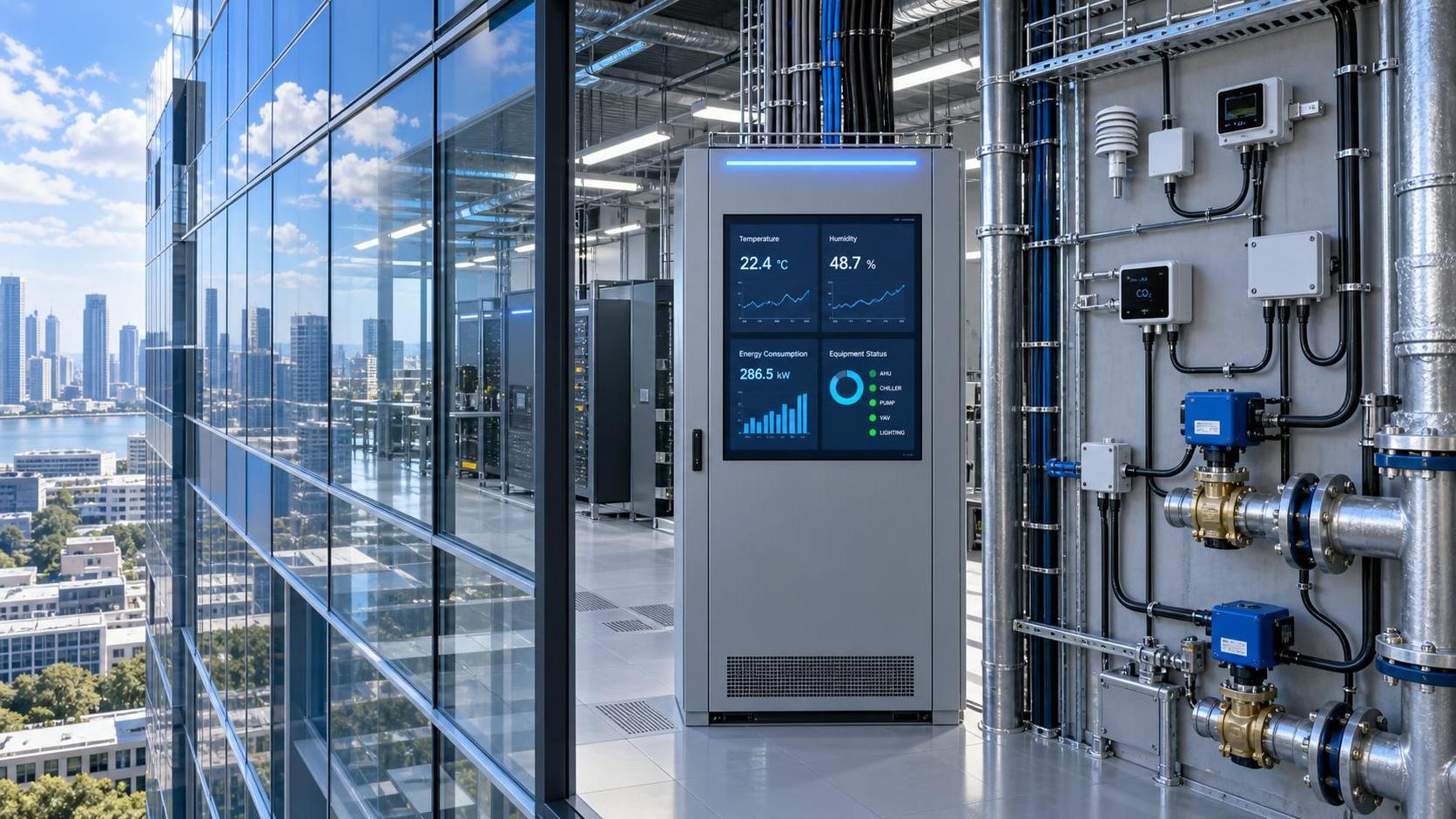
Modern special purpose vehicles and equipment are increasingly software-assisted. Sensor packages, telematics, camera systems, load moment indicators, and remote diagnostics now sit alongside traditional mechanical systems.
This raises the value of trend-based diagnostics. Intermittent faults, repeated code resets, and unstable sensor readings should not be dismissed if the machine still operates. In many cases, they are the earliest warning signs.
Different equipment types create different risk patterns
Not all special purpose vehicles and equipment fail in the same way. Maintenance checks should reflect the work each machine performs, the environment it enters, and the consequences of downtime.
This is where a generic fleet checklist stops being enough. Inspection criteria need to match operating reality, especially where infrastructure service continuity depends on machine availability.
How to make inspections more useful in daily operations
The strongest maintenance routines combine visual checks, functional tests, and data review. Any one of those in isolation leaves blind spots. A clean exterior can hide internal wear. A passing fault code scan can miss structural fatigue.
Useful routines often include short pre-shift checks, deeper weekly reviews, and scheduled load-condition inspections. The point is not more paperwork. The point is catching patterns while corrective action is still small.
Practical judgment points
- Record recurring defects by component, not only by vehicle number.
- Separate cosmetic issues from failure predictors, but never ignore fluid traces or heat discoloration.
- Check equipment while deployed, not only while parked.
- Use diagnostic history to spot repeated resets and temporary overrides.
- Review wear against worksite conditions, route patterns, and seasonal stress.
In heavy industry and smart urban systems, this approach supports a larger shift. Maintenance is no longer only a support function. It is part of operational intelligence, especially when assets are connected to uptime targets and service-level obligations.
Where the industry is heading next
The next phase for special purpose vehicles and equipment is not simply electrification or automation. It is the tighter integration of machine health data with infrastructure planning, service routing, and lifecycle cost decisions.
That aligns with GIUT’s wider focus on linking the physical and the intelligent. A vehicle or machine should be viewed as part of a working system, not just an isolated asset. Better inspection data improves scheduling, procurement timing, repair planning, and long-term fleet resilience.
A sensible next step is to review current checklists against actual failure history. Where repeat faults cluster around hydraulics, brakes, controls, or structure, inspection depth should increase there first. For operations managing varied special purpose vehicles and equipment, that usually delivers faster value than expanding maintenance scope everywhere at once.
From there, the stronger benchmark is simple: checks should reflect task severity, mission equipment complexity, and the operational cost of downtime. Once that standard is in place, maintenance becomes a clearer decision tool, not just a repair routine.
Get weekly intelligence in your inbox.
No noise. No sponsored content. Pure intelligence.
News Recommendations
 Sep 19, 2026How an electronics application guide helps prevent component mismatchHow an electronics application guide helps prevent component mismatch
 Sep 18, 2026When a resource allocation platform improves project deliveryWhen a resource allocation platform improves project delivery
 Sep 17, 2026What to compare when evaluating mineral processing equipment manufacturersWhat to compare when evaluating mineral processing equipment manufacturers
 Sep 16, 2026How mineral separation optimization can reduce concentrate lossesHow mineral separation optimization can reduce concentrate losses
 Sep 15, 2026How to assess lifecycle costs in urban tech procurementHow to assess lifecycle costs in urban tech procurement
 Sep 14, 2026Heavy industry technology trends reshaping capital investment prioritiesHeavy industry technology trends reshaping capital investment priorities
 Sep 14, 2026Global Industrial Equipment Procurement: How Top OEMs Qualify Suppliers for Mining & Infrastructure ProjectsGlobal Industrial Equipment Procurement: How Top OEMs Qualify Suppliers for Mining & Infrastructure Projects
 Sep 14, 2026Industrial & Mining Equipment Procurement: Balancing Local Sourcing, Lead Time, and Certification RequirementsIndustrial & Mining Equipment Procurement: Balancing Local Sourcing, Lead Time, and Certification Requirements
 Sep 14, 2026Infrastructure & Equipment Upgrades: What Procurement Teams Must Verify Before Signing Off on New ContractsInfrastructure & Equipment Upgrades: What Procurement Teams Must Verify Before Signing Off on New Contracts
 Sep 14, 2026Why Infrastructure Equipment Buyers Are Shifting from Catalog-Based to Capability-Based Supplier SelectionWhy Infrastructure Equipment Buyers Are Shifting from Catalog-Based to Capability-Based Supplier Selection
 Sep 14, 2026Process Automation Project Execution: How to Align Supplier Capabilities with PLC Integration, Cybersecurity & Commissioning MilestonesProcess Automation Project Execution: How to Align Supplier Capabilities with PLC Integration, Cybersecurity & Commissioning Milestones
 Sep 14, 2026Are intelligent traffic systems worth the investment for small cities?Are intelligent traffic systems worth the investment for small cities?
 Sep 14, 2026How do intelligent traffic systems handle sensor failures?How do intelligent traffic systems handle sensor failures?
 Sep 14, 2026What should I check before accepting a smart building system?What should I check before accepting a smart building system?
 Sep 14, 2026Is a smart building system worth the maintenance cost?Is a smart building system worth the maintenance cost?
 Sep 14, 2026What data is needed for reliable resource allocation planning?What data is needed for reliable resource allocation planning?
 Sep 14, 2026How can resource allocation software reduce equipment idle time?How can resource allocation software reduce equipment idle time?
 Sep 14, 2026How should smart devices be maintained in harsh outdoor conditions?How should smart devices be maintained in harsh outdoor conditions?
 Sep 14, 2026Do smart devices improve worker safety on construction sites?Do smart devices improve worker safety on construction sites?
 Sep 14, 2026What environmental risks must be assessed before deep-sea mining?What environmental risks must be assessed before deep-sea mining?
 Sep 14, 2026Is deep-sea mining equipment commercially viable in 2026?Is deep-sea mining equipment commercially viable in 2026?
 Sep 14, 2026What Inspection Checks Should Procurement Teams Perform Before Ordering Dredging Equipment in 2026?What Inspection Checks Should Procurement Teams Perform Before Ordering Dredging Equipment in 2026?
 Sep 13, 2026How to verify an industrial product information source before specifying equipmentHow to verify an industrial product information source before specifying equipment
 Sep 12, 2026Which intelligent traffic systems hardware fits an urban intersection?Which intelligent traffic systems hardware fits an urban intersection?
 Sep 11, 2026How pump capacity affects response coverage for municipal fire fighting vehiclesHow pump capacity affects response coverage for municipal fire fighting vehicles
 Sep 10, 2026What to verify before choosing a heavy industry equipment supplierWhat to verify before choosing a heavy industry equipment supplier
 Sep 09, 2026When do adaptive urban traffic control systems reduce corridor delays?When do adaptive urban traffic control systems reduce corridor delays?