Maintenance Technologies for Smart Buildings That Reduce Downtime
Maintenance Technologies for Smart Buildings That Reduce Downtime
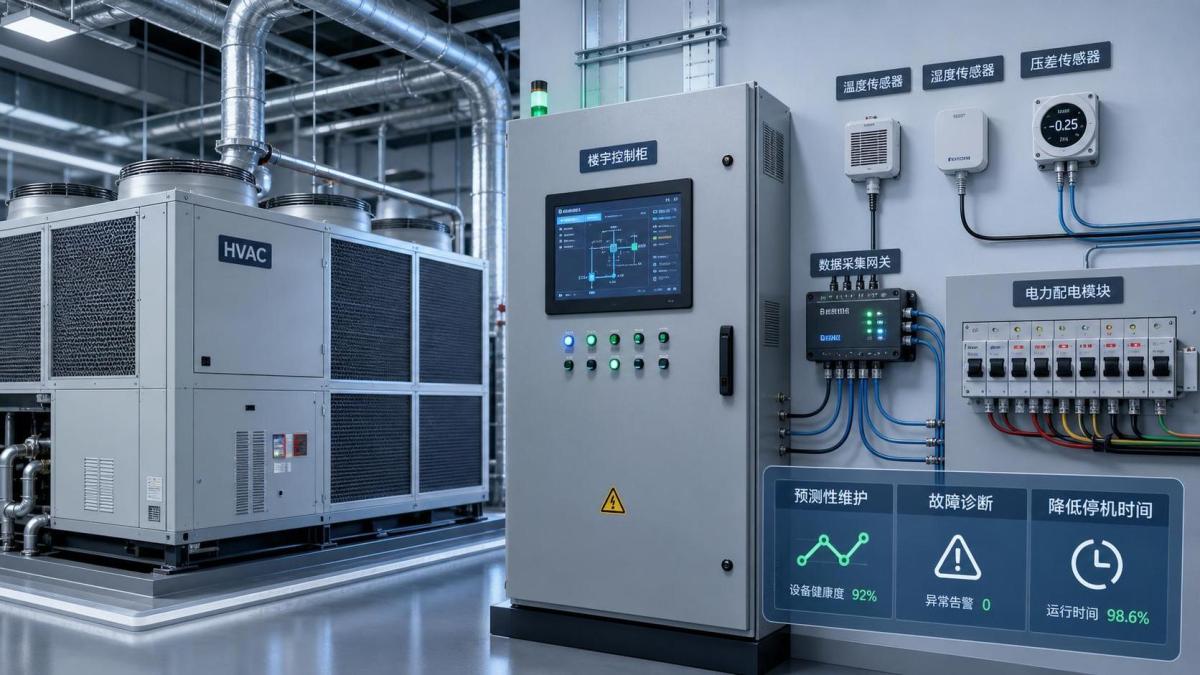
For after-sales maintenance teams, downtime in smart buildings affects safety, comfort, and operating costs at the same time.
That is why maintenance technologies for smart buildings now matter far beyond routine repairs or scheduled inspections.
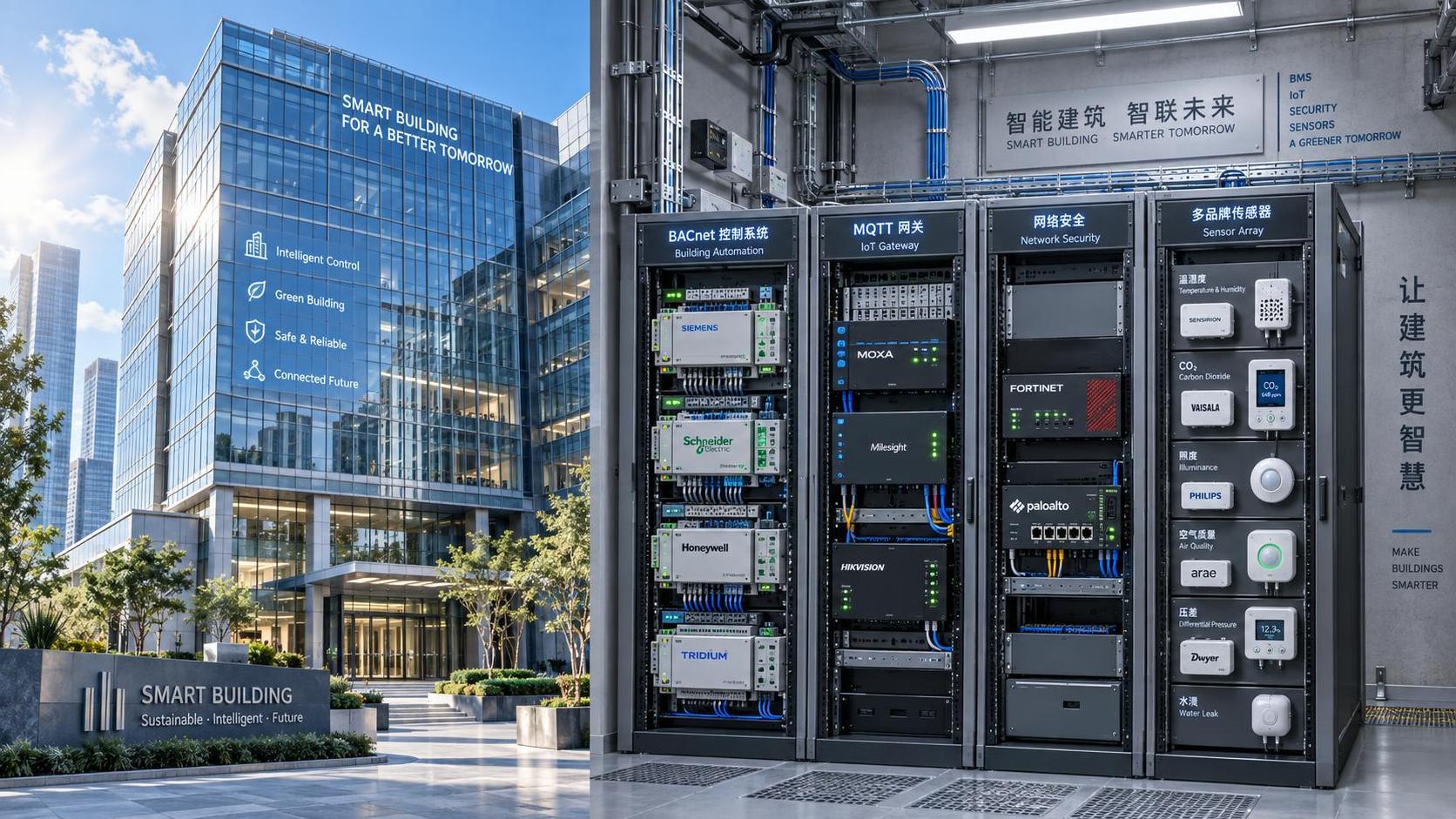
Today, connected facilities rely on HVAC, lighting, access control, elevators, fire systems, and energy platforms working as one environment.
When one layer fails, the problem often spreads across the whole building stack.
From recent changes in building operations, the clearest signal is simple: reactive maintenance is too slow for intelligent assets.
Teams need early warning, faster diagnosis, and better coordination between field work and digital systems.
This is where maintenance technologies for smart buildings create measurable value.
The best results usually come from combining predictive monitoring, connected diagnostics, and clear maintenance standards.
In practical service work, that combination reduces repeat visits, shortens repair windows, and improves confidence in every intervention.
Why Downtime Happens in Smart Buildings
Many failures are not caused by a single broken device.
They come from hidden interactions between software, sensors, controllers, networks, and mechanical equipment.
A faulty sensor can mislead an HVAC controller.
A network delay can trigger false alarms.
An outdated firmware version can disrupt a building management system during normal operation.
That also means maintenance technologies for smart buildings must address both physical assets and digital dependencies.
Common causes of downtime include:
- Sensor drift and calibration errors
- Poor integration between subsystems
- Missed signs of mechanical wear
- Weak alarm filtering and event prioritization
- Incomplete maintenance records
- Delayed spare parts and unclear service workflows
Once these risks stack up, even a small fault can become a full service disruption.
Predictive Monitoring as the First Defense
Predictive monitoring is one of the most effective maintenance technologies for smart buildings.
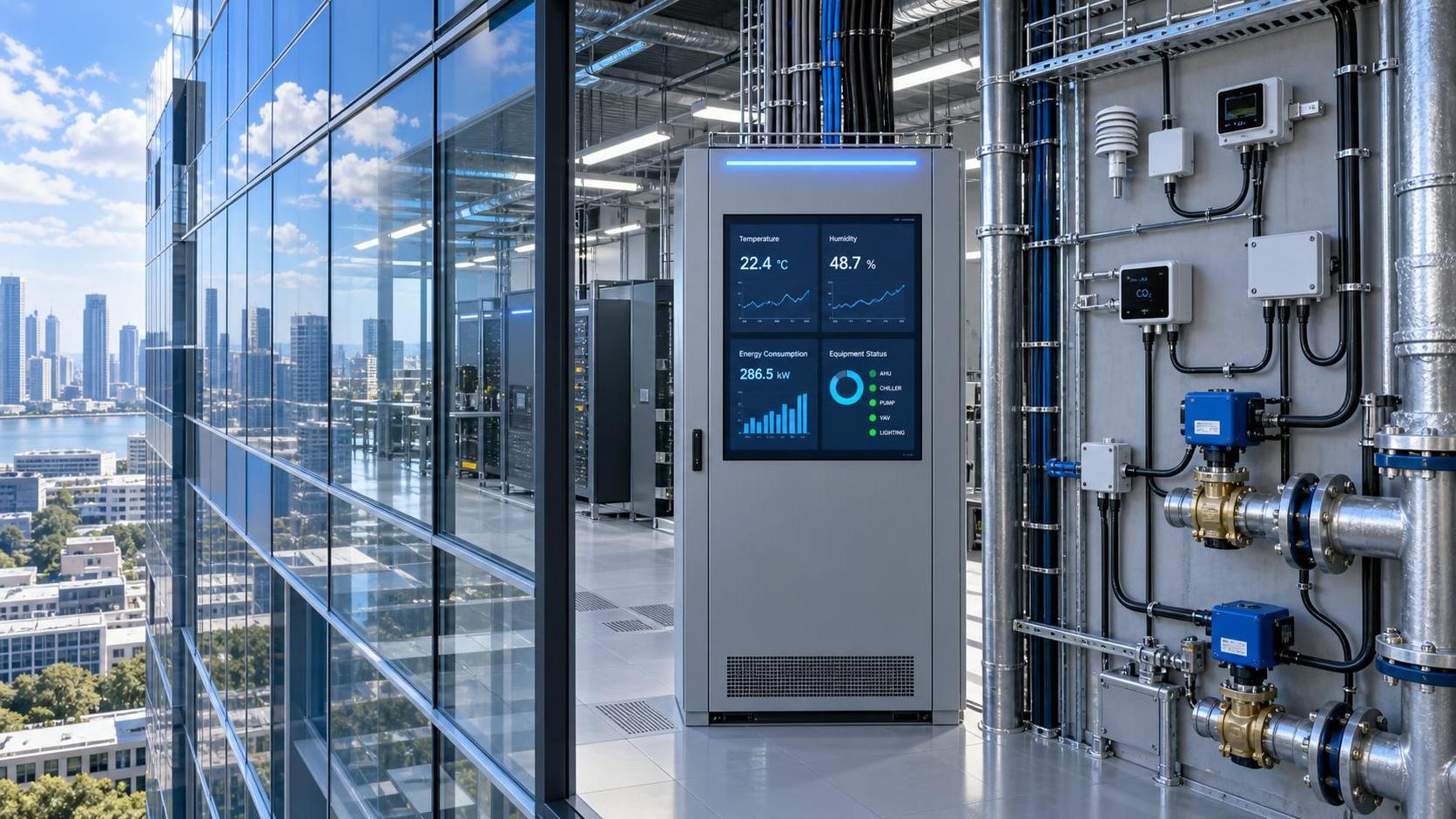
Instead of waiting for failure, teams track changes in vibration, temperature, pressure, current draw, and response time.
Those trends often reveal problems days or weeks earlier.
For HVAC assets, predictive analytics can highlight fan imbalance, filter blockage, valve sticking, or compressor stress.
For electrical systems, it may identify abnormal load patterns before a breaker trip or overheating event.
What makes this useful in the field is not only the alert itself.
It is the context behind the alert:
- Which device is degrading
- How quickly the condition is changing
- What operating mode triggered the issue
- Which maintenance action is most likely needed
With stronger insight, service visits become planned interventions instead of emergency responses.
Integrated Diagnostics and Fault Isolation
Another major shift is integrated diagnostics across building systems.
Modern platforms no longer treat alarms as isolated events.
They connect live data, device history, control logic, and previous incidents into one troubleshooting view.
This approach is central to maintenance technologies for smart buildings because it shortens the search for root cause.
For example, a comfort complaint may begin in air handling equipment.
But integrated diagnostics may show the true issue is a bad occupancy schedule, a failed damper actuator, or a networked sensor conflict.
The most helpful diagnostic functions usually include:
- Cross-system alarm correlation
- Automatic fault trees
- Historical trend overlays
- Device-level health scoring
- Remote access to controller logs
In real maintenance work, this can cut hours from diagnosis and help avoid unnecessary parts replacement.
Digital Twins and Asset Visibility
Digital twins are becoming a practical layer in maintenance technologies for smart buildings.
Used well, they give teams a live visual map of equipment condition, dependencies, and performance behavior.
This is especially useful in large sites where one failure may affect many zones.
A digital twin can show which air handlers feed which floors.
It can also connect work orders, manuals, service records, and spare parts data to the same asset view.
That reduces time lost switching between drawings, dashboards, and maintenance logs.
More importantly, it improves decisions during urgent incidents.
If a shutdown is necessary, teams can isolate the right assets with less risk to connected systems.
Mobile Tools, Remote Support, and Faster Repairs
Downtime often grows because information arrives too late or in the wrong format.
Mobile service apps help solve that by bringing asset history, checklists, and real-time alarms directly to technicians.
This layer supports maintenance technologies for smart buildings by turning insights into action on site.
Remote expert support adds another advantage.
When a local team faces an unfamiliar control issue, remote specialists can review live data and guide safe troubleshooting steps.
The practical gains are easy to see:
- Shorter travel and dispatch delays
- Higher first-time fix rates
- Better documentation after service
- Safer escalation for critical failures
In busy facilities, these small improvements compound quickly and keep system availability much higher.
Cybersecurity and Standards in Maintenance Work
Smart building maintenance now includes cyber risk management.
A poorly controlled remote connection or an unpatched controller can create downtime as serious as a mechanical fault.
That is why maintenance technologies for smart buildings must be aligned with operational and security standards.
In practice, teams should verify access permissions, firmware status, network segmentation, and backup procedures during regular maintenance cycles.
Clear change control also matters.
Before updating software or controller logic, confirm:
- The maintenance window is approved
- Configuration backups are complete
- Rollback procedures are documented
- Affected stakeholders are informed
This reduces avoidable outages and protects the reliability gains created by smarter tools.
How to Choose the Right Maintenance Technologies for Smart Buildings
Not every site needs the same level of technology.
The right choice depends on asset criticality, service complexity, building age, integration depth, and downtime cost.
A useful selection process starts with the systems that fail most often or create the biggest operational impact.
Focus on questions such as:
- Which assets cause the most repeat calls?
- Where is diagnosis taking too long?
- Which alarms are noisy but not useful?
- What data is missing before dispatch?
- Which failures affect occupants or compliance first?
From there, prioritize technologies that improve visibility and response, not just data volume.
That usually means starting with integrated monitoring, fault diagnostics, mobile workflows, and stronger asset records.
If those foundations are weak, more advanced analytics rarely deliver full value.
A Practical Path to Lower Downtime
The most effective maintenance technologies for smart buildings do not replace maintenance judgment.
They strengthen it with faster evidence, clearer priorities, and better coordination across connected systems.
That is the real shift happening across intelligent facilities.
Maintenance is moving from isolated repair activity to a data-informed reliability function.
For teams aiming to reduce disruption, the practical next step is clear.
Audit the most critical systems, map the biggest downtime triggers, and connect service workflows to live operational data.
When maintenance technologies for smart buildings are deployed with that discipline, repairs become faster and failures become less frequent.
Over time, that creates safer buildings, steadier performance, and a far more resilient service model.
Get weekly intelligence in your inbox.
No noise. No sponsored content. Pure intelligence.
News Recommendations
 Sep 19, 2026How an electronics application guide helps prevent component mismatchHow an electronics application guide helps prevent component mismatch
 Sep 18, 2026When a resource allocation platform improves project deliveryWhen a resource allocation platform improves project delivery
 Sep 17, 2026What to compare when evaluating mineral processing equipment manufacturersWhat to compare when evaluating mineral processing equipment manufacturers
 Sep 16, 2026How mineral separation optimization can reduce concentrate lossesHow mineral separation optimization can reduce concentrate losses
 Sep 15, 2026How to assess lifecycle costs in urban tech procurementHow to assess lifecycle costs in urban tech procurement
 Sep 14, 2026Heavy industry technology trends reshaping capital investment prioritiesHeavy industry technology trends reshaping capital investment priorities
 Sep 14, 2026Global Industrial Equipment Procurement: How Top OEMs Qualify Suppliers for Mining & Infrastructure ProjectsGlobal Industrial Equipment Procurement: How Top OEMs Qualify Suppliers for Mining & Infrastructure Projects
 Sep 14, 2026Industrial & Mining Equipment Procurement: Balancing Local Sourcing, Lead Time, and Certification RequirementsIndustrial & Mining Equipment Procurement: Balancing Local Sourcing, Lead Time, and Certification Requirements
 Sep 14, 2026Infrastructure & Equipment Upgrades: What Procurement Teams Must Verify Before Signing Off on New ContractsInfrastructure & Equipment Upgrades: What Procurement Teams Must Verify Before Signing Off on New Contracts
 Sep 14, 2026Why Infrastructure Equipment Buyers Are Shifting from Catalog-Based to Capability-Based Supplier SelectionWhy Infrastructure Equipment Buyers Are Shifting from Catalog-Based to Capability-Based Supplier Selection
 Sep 14, 2026Process Automation Project Execution: How to Align Supplier Capabilities with PLC Integration, Cybersecurity & Commissioning MilestonesProcess Automation Project Execution: How to Align Supplier Capabilities with PLC Integration, Cybersecurity & Commissioning Milestones
 Sep 14, 2026Are intelligent traffic systems worth the investment for small cities?Are intelligent traffic systems worth the investment for small cities?
 Sep 14, 2026How do intelligent traffic systems handle sensor failures?How do intelligent traffic systems handle sensor failures?
 Sep 14, 2026What should I check before accepting a smart building system?What should I check before accepting a smart building system?
 Sep 14, 2026Is a smart building system worth the maintenance cost?Is a smart building system worth the maintenance cost?
 Sep 14, 2026What data is needed for reliable resource allocation planning?What data is needed for reliable resource allocation planning?
 Sep 14, 2026How can resource allocation software reduce equipment idle time?How can resource allocation software reduce equipment idle time?
 Sep 14, 2026How should smart devices be maintained in harsh outdoor conditions?How should smart devices be maintained in harsh outdoor conditions?
 Sep 14, 2026Do smart devices improve worker safety on construction sites?Do smart devices improve worker safety on construction sites?
 Sep 14, 2026What environmental risks must be assessed before deep-sea mining?What environmental risks must be assessed before deep-sea mining?
 Sep 14, 2026Is deep-sea mining equipment commercially viable in 2026?Is deep-sea mining equipment commercially viable in 2026?
 Sep 14, 2026What Inspection Checks Should Procurement Teams Perform Before Ordering Dredging Equipment in 2026?What Inspection Checks Should Procurement Teams Perform Before Ordering Dredging Equipment in 2026?
 Sep 13, 2026How to verify an industrial product information source before specifying equipmentHow to verify an industrial product information source before specifying equipment
 Sep 12, 2026Which intelligent traffic systems hardware fits an urban intersection?Which intelligent traffic systems hardware fits an urban intersection?
 Sep 11, 2026How pump capacity affects response coverage for municipal fire fighting vehiclesHow pump capacity affects response coverage for municipal fire fighting vehicles
 Sep 10, 2026What to verify before choosing a heavy industry equipment supplierWhat to verify before choosing a heavy industry equipment supplier
 Sep 09, 2026When do adaptive urban traffic control systems reduce corridor delays?When do adaptive urban traffic control systems reduce corridor delays?