Can predictive railway maintenance systems reduce unplanned downtime?
Predictive railway maintenance systems can reduce unplanned downtime when they give maintenance teams enough reliable warning to intervene before an asset fails. The strongest opportunities are assets whose condition can be observed, whose failures cause meaningful disruption, and for which an intervention can be scheduled in time.
The result is not guaranteed. A model may detect deterioration accurately yet make little difference to service if alerts arrive too late, spare parts are unavailable, or access to the asset is restricted. For technical evaluators, the decision is therefore about the performance of the complete maintenance process: sensing, diagnosis, planning and intervention.
Where prediction can prevent disruption
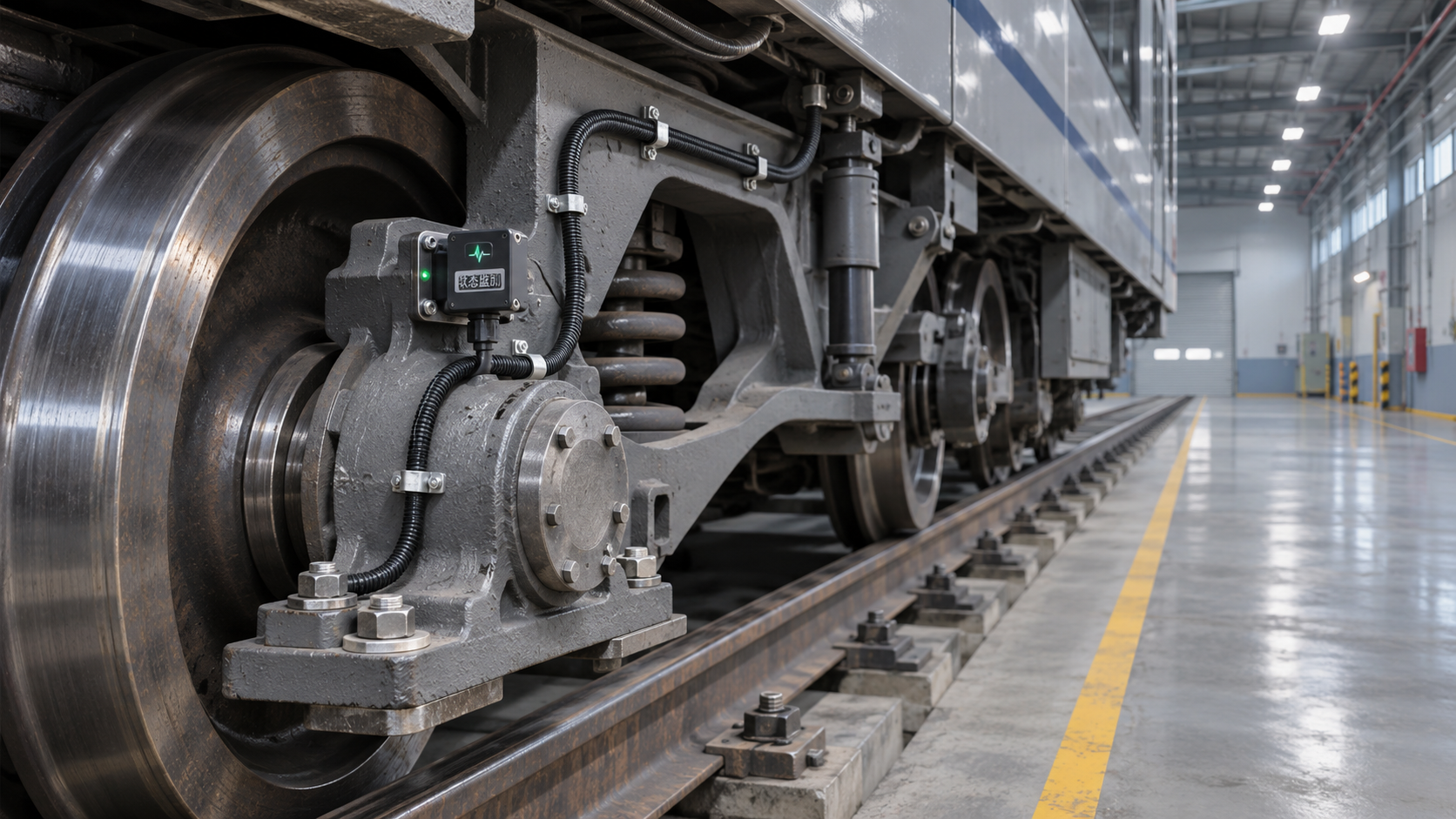
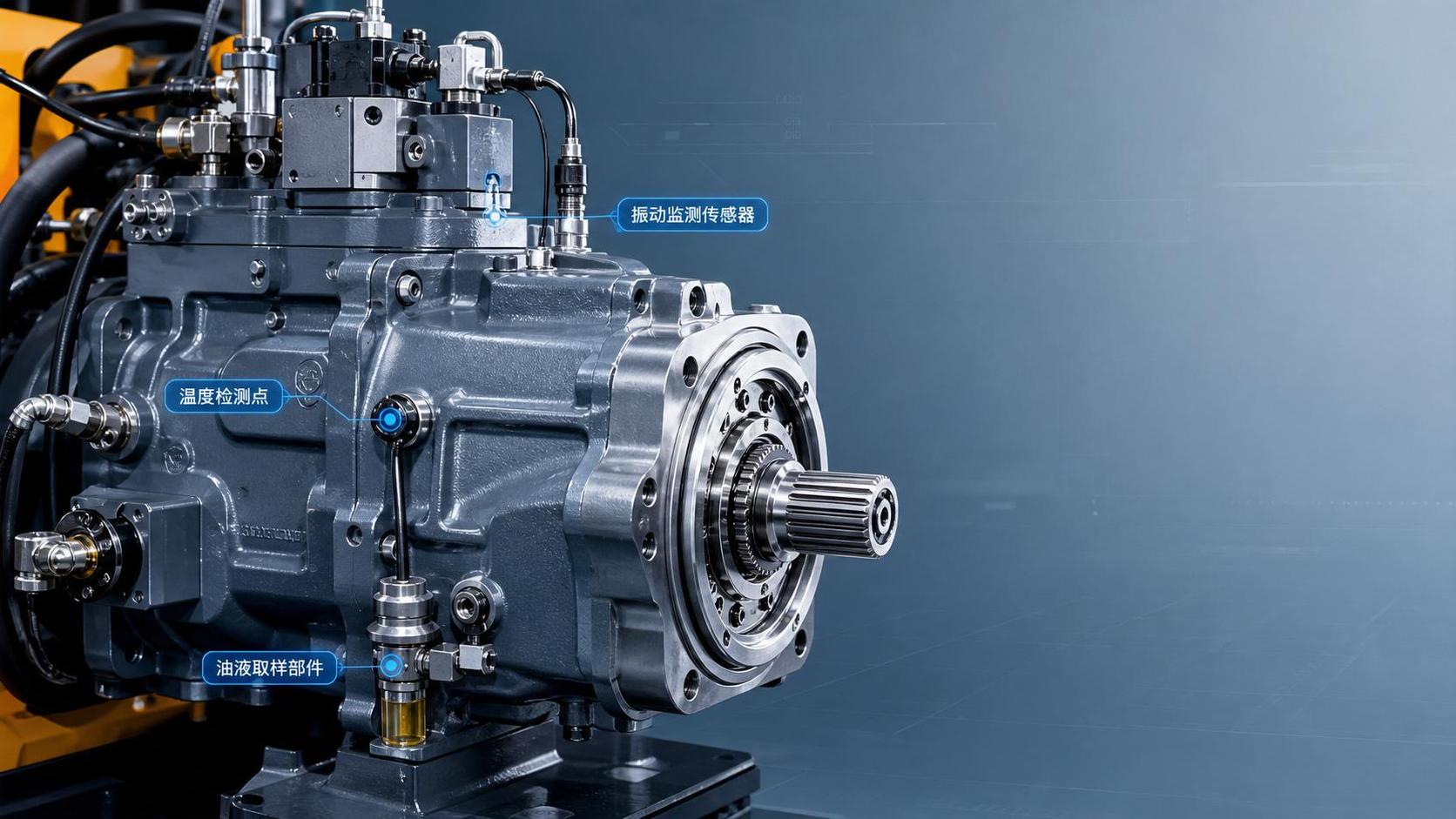
Railway downtime has several causes, and a predictive system can influence only some of them. It is most useful when a failure develops gradually and leaves a detectable signal before it interrupts service. A bearing that deteriorates over time, for example, may produce changes in vibration or temperature that justify inspection before a vehicle is removed from service unexpectedly. A sudden failure caused by an external impact may offer little or no useful warning.
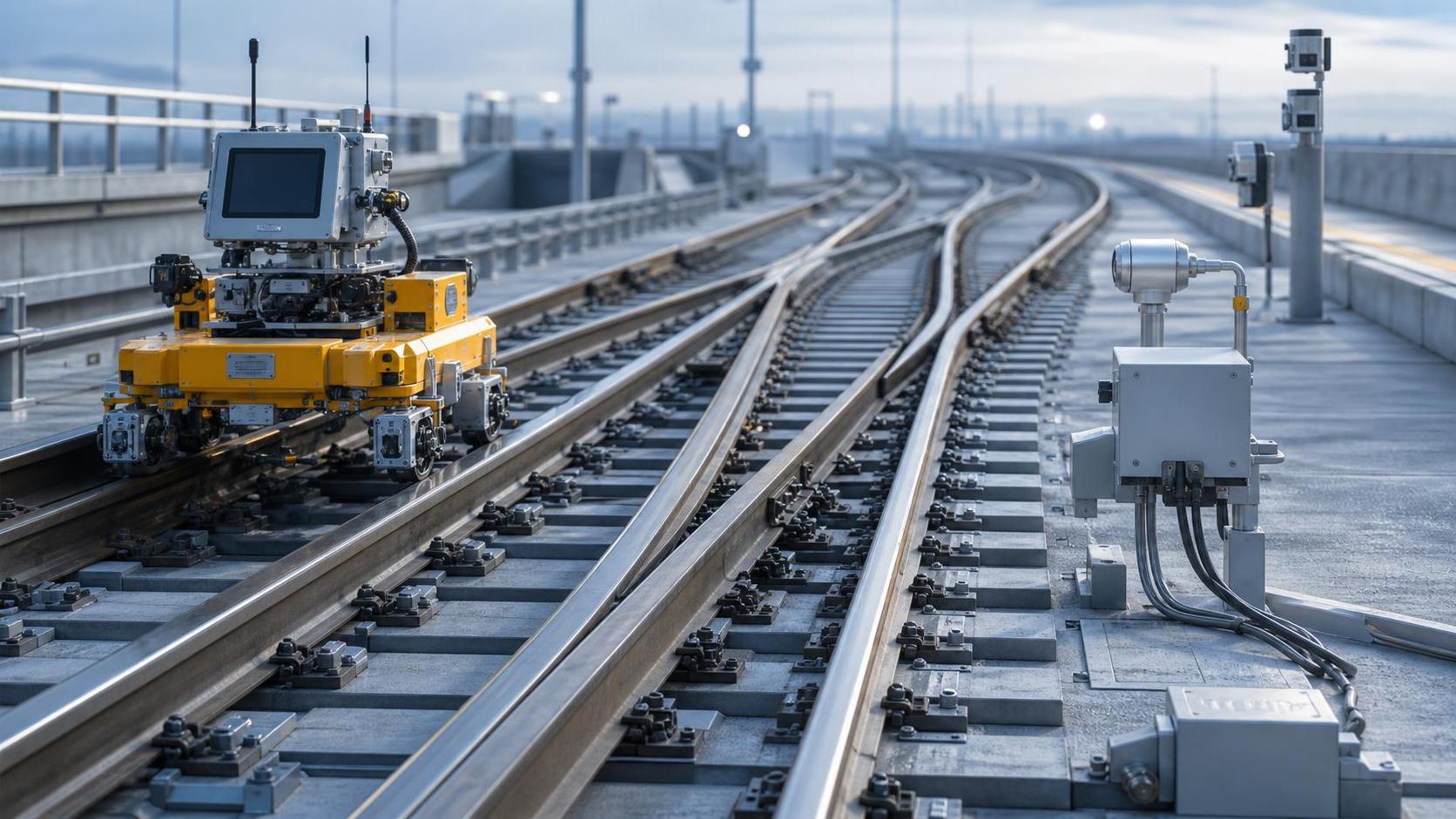
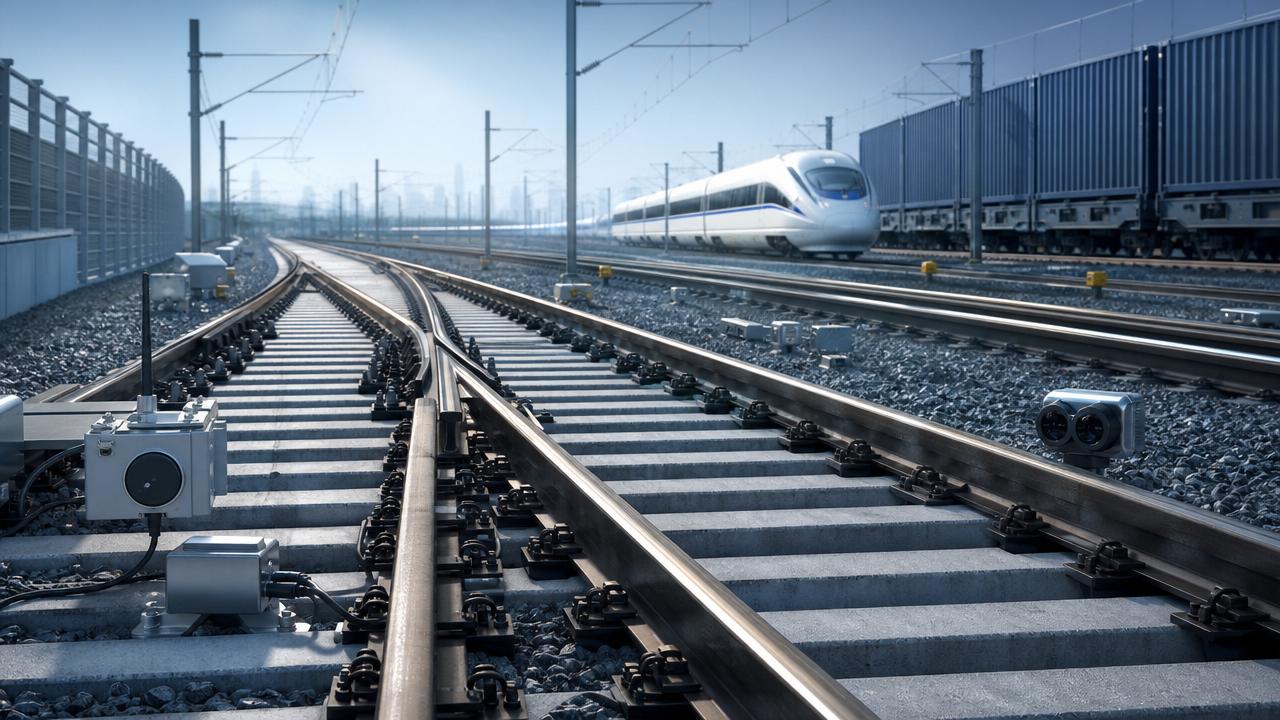
Infrastructure and rolling stock also present different operating conditions. A wayside asset can be monitored at a fixed location, while equipment on a train must contend with changing loads, speeds, routes and environmental conditions. Those variations matter because normal operating changes can resemble early signs of a fault. An assessment should ask whether the proposed system can distinguish the two under the conditions in which the railway actually operates.
A good starting point is to select a small group of assets where three conditions overlap:
- Operational consequence: Failure causes service interruption, delays, loss of fleet availability or a maintenance response that is difficult to arrange at short notice.
- Observable degradation: Available measurements can plausibly reveal a developing fault before the asset stops performing its function.
- Actionable lead time: The interval between warning and failure is long enough to inspect, obtain parts and complete work within an available maintenance window.
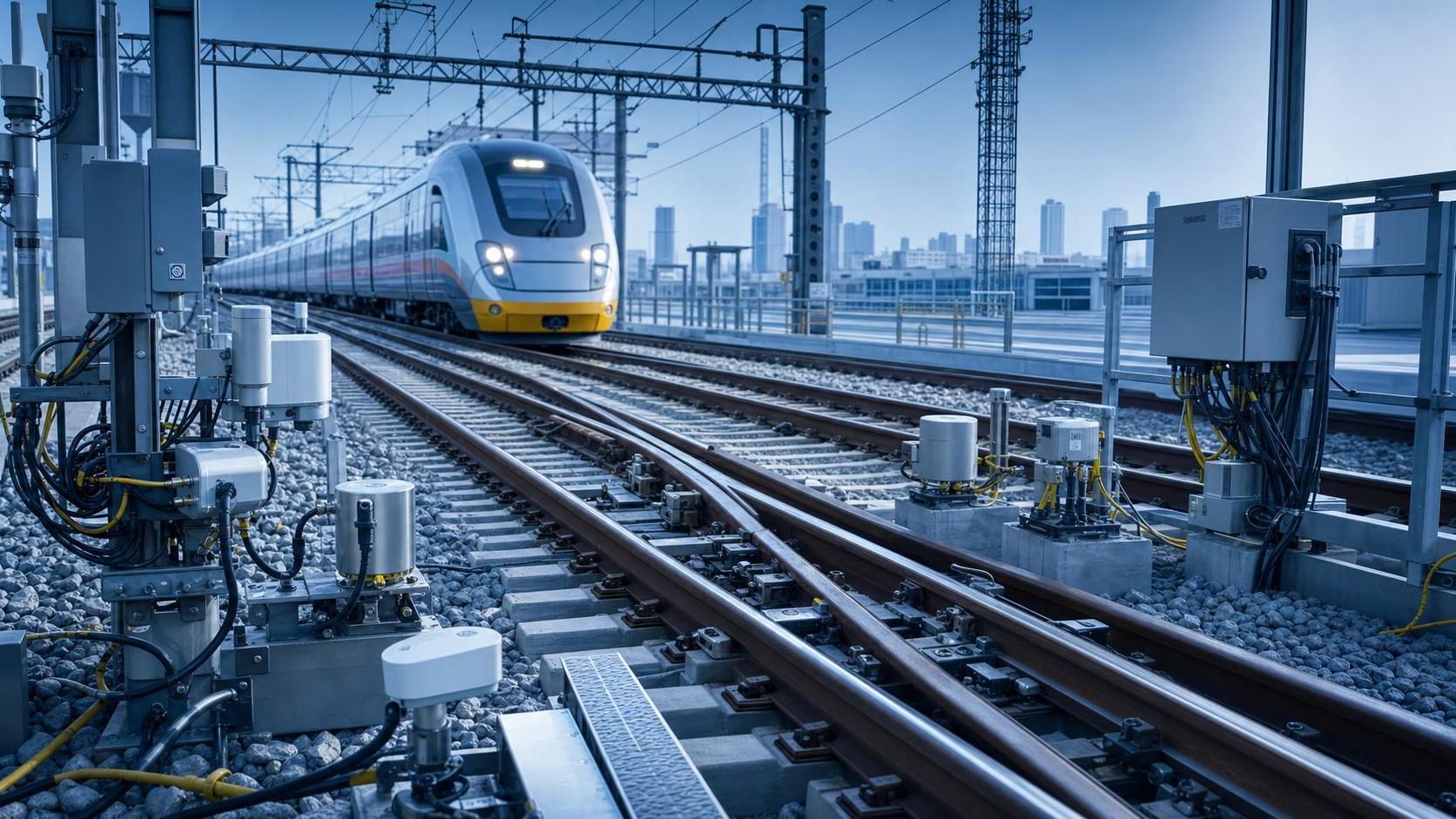
Consider a point machine on a busy route. Its operational importance may make it an attractive candidate for monitoring, but importance alone is not enough. Evaluators should examine whether the available electrical or mechanical signals can reveal the failure modes that matter, and whether access arrangements allow a response before service is affected. If most disruptive failures arise from damage that provides no useful warning, a predictive model may contribute less than better inspection or response arrangements.
Similarly, a component with frequent alerts but little impact on service may not justify a complex monitoring installation. Asset criticality should be assessed alongside failure behavior and maintenance options, rather than used as the sole selection criterion.
From a measurement to an avoided failure
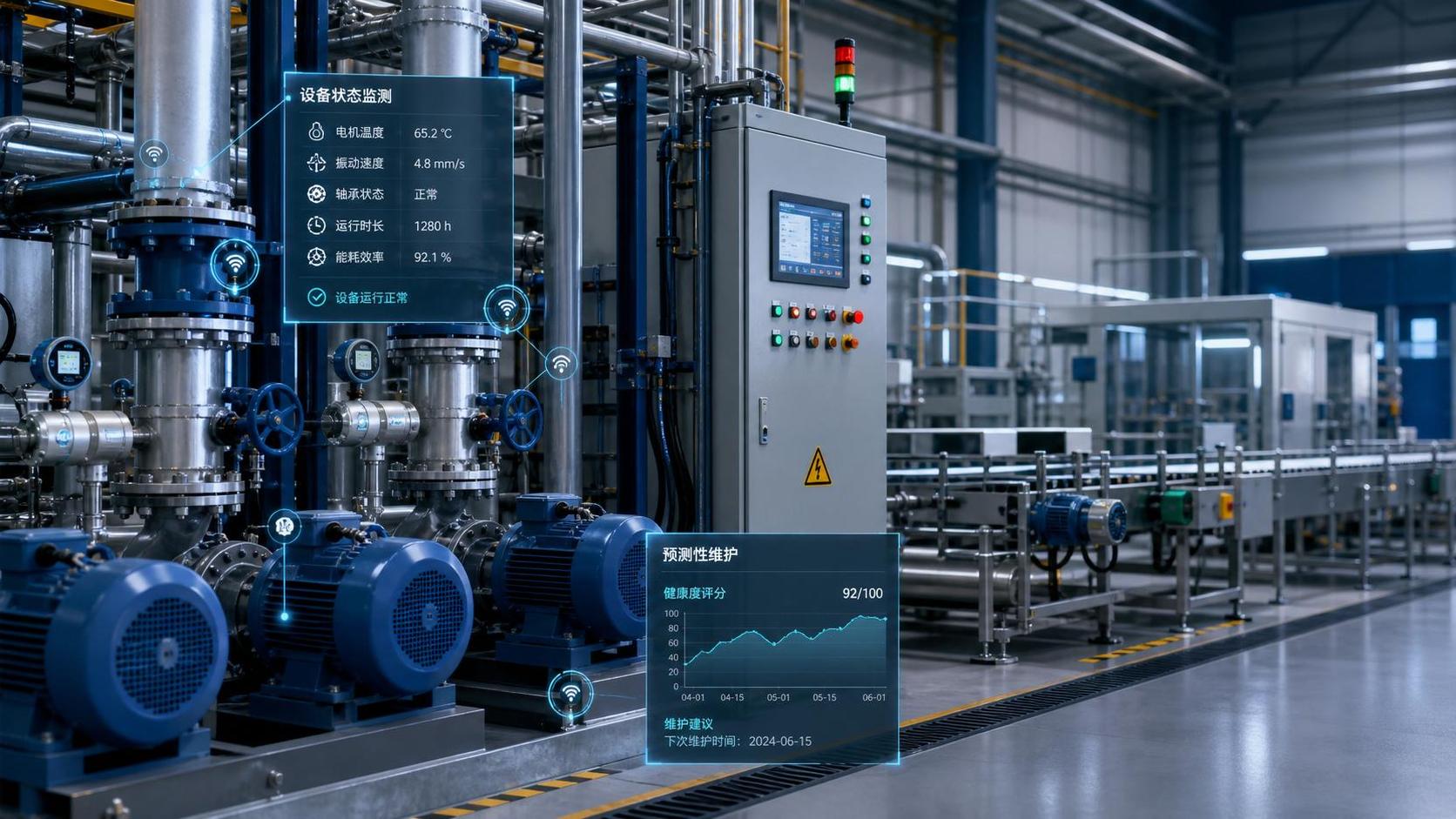
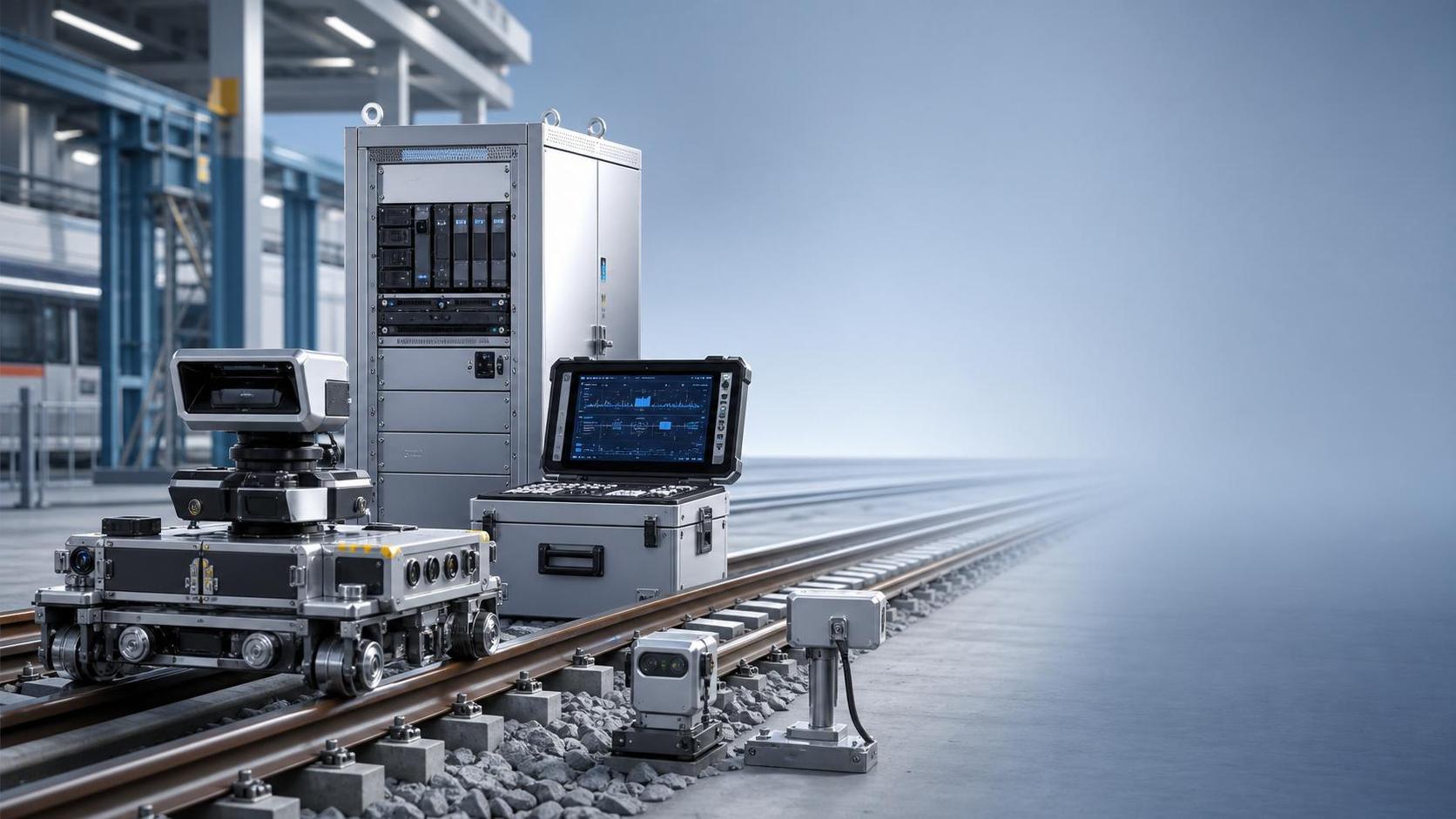
A workable system follows a chain. Sensors or existing control systems collect condition and operating data; software checks the data and identifies a concerning change; a maintenance team reviews the finding and decides what to do; and the work is completed before the fault causes an unplanned outage. Each link affects the outcome.
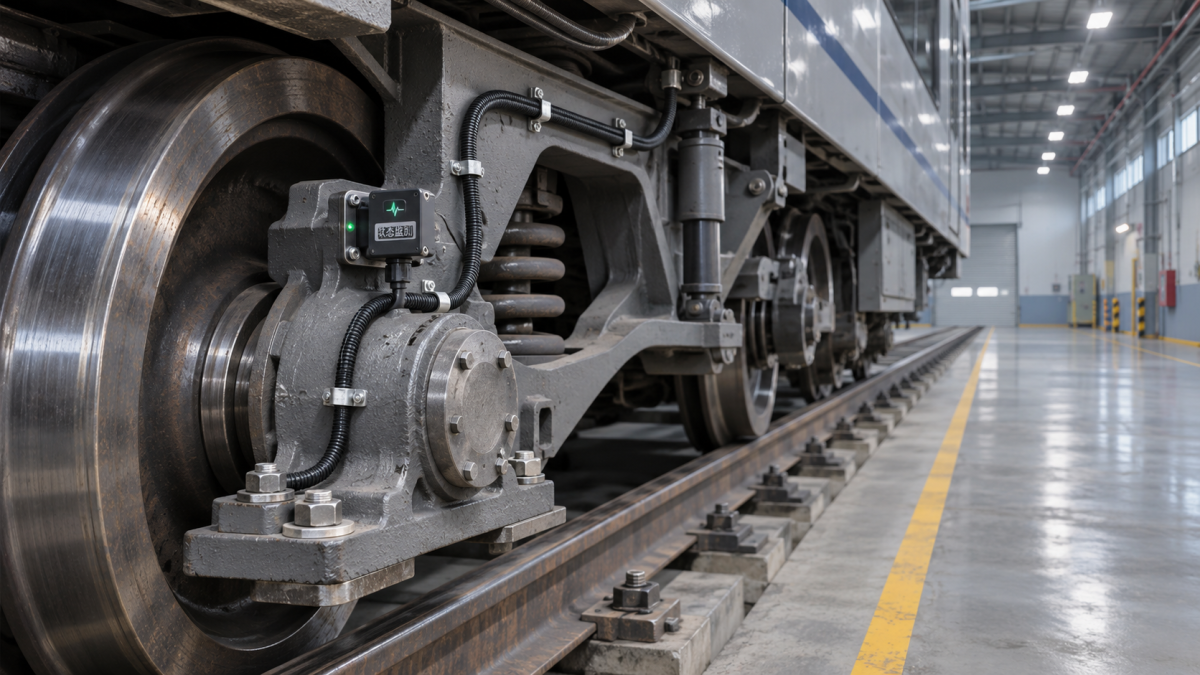
Sensor coverage determines which faults can be observed in the first place. A temperature reading may help identify some forms of overheating, but it cannot be assumed to reveal every mechanical or electrical failure. Ask suppliers to map each proposed measurement to a specific failure mode and explain what evidence would trigger an inspection. The answer should identify blind spots as well as detectable conditions.
Data quality deserves the same scrutiny. Missing readings, sensor drift, inconsistent timestamps and changes in operating conditions can weaken an otherwise capable model. Maintenance records can also be difficult to use: a work order may record that a component was replaced without stating whether it had failed, was suspected of failing or was changed as a precaution. Before treating historical records as training or evaluation data, establish how fault labels were created and how confidently they describe the asset’s actual condition.
Connectivity is another practical constraint. Rolling stock may have intermittent communications, while remote infrastructure can be difficult to reach or maintain. The design should specify what happens when data cannot be transmitted: whether readings are stored locally, how much delay is acceptable and how the operator is alerted to a failed sensor or communications link. A silent monitoring gap can leave an asset apparently healthy simply because no new data has arrived.
Finally, an alert needs a route into maintenance planning. A useful output gives the recipient an asset identity, the observed change, its urgency and enough context to decide on the next action. Integration with an existing maintenance management system can reduce manual handling, but an automatically generated work order is valuable only if someone owns the decision, can verify the condition and can obtain the required access and parts.
How to compare systems during technical evaluation
Supplier demonstrations often emphasize how accurately an algorithm classifies faults. That is useful evidence, but it does not by itself show how much downtime the railway will avoid. A comparison should connect model performance to the operating decisions that follow an alert.
Ask for the evidence behind each performance claim. Results drawn from a controlled test or a different asset population may not transfer directly to a railway with different duty cycles, maintenance practices or sensor placement. Request a clear description of the assets assessed, the fault definitions, the time period and the treatment of incomplete data. Where faults are rare, even a strong-looking accuracy figure may conceal uncertainty about how the system performs on the failures that matter most.
Alert thresholds also deserve attention. A threshold set to catch more potential faults may generate more inspections, including unnecessary ones. A stricter threshold may reduce workload while allowing some deterioration to progress unnoticed. The acceptable balance depends on the consequence of a missed failure and the capacity available to investigate alerts. Evaluators should ask whether thresholds can be adjusted, who can change them and how the effect of changes will be monitored.
Diagnostic output is often more useful when it supports a decision rather than simply assigning a risk score. If the system flags a traction motor, can the engineer see the relevant trend and operating context? Does the alert distinguish an immediate operational concern from a condition that can be inspected at the next planned visit? The level of explanation needed will depend on the asset and the existing maintenance process, but the team must be able to act with confidence.
Design a pilot around service outcomes
A pilot should test the full path from detection to maintenance action on a defined asset group. Before it starts, agree on the failure modes in scope, the baseline period, the data to be collected and the decisions that an alert can trigger. Include operations and maintenance staff as well as data specialists; otherwise, the pilot may establish that a model produces alerts without showing whether those alerts can be used.
Measure unplanned downtime in terms relevant to the operator, such as asset unavailability or service disruption attributable to the selected faults. Record the number of alerts, investigations, confirmed defects, missed faults and interventions as well. These measures help explain the outcome: a reduction in failures may be valuable, but a large increase in unnecessary inspections can absorb capacity and shift work away from other priorities.
Compare results with an appropriate baseline or a comparable asset group where practical, while accounting for differences in usage, age and maintenance activity. A simple before-and-after comparison can be misleading if the assets also received renewed components, changed routes or more frequent inspections. Conversely, a pilot with few failures may provide useful evidence about data quality and alert handling but insufficient evidence to quantify avoided downtime.
Record lead time in operational terms. The useful interval is not merely the time between an algorithm’s first signal and a recorded failure; it is the time available after a trustworthy alert reaches the responsible team. That interval must accommodate review, diagnosis, access, parts and repair. An early warning that cannot be acted on within the maintenance schedule should be treated differently from one that consistently allows planned work.
The pilot should also capture costs and burdens beyond software acquisition: sensors, installation, communications, integration, ongoing data review and changes to work planning. These costs can be weighed against avoided disruption and maintenance effort over an agreed evaluation period. The calculation should state its assumptions, especially when avoided failures cannot be observed directly.
Deciding whether to expand
Expansion is easier to justify when the pilot demonstrates more than plausible condition trends. The evidence should show that the system detects relevant degradation, gives enough warning for the railway’s maintenance process and produces a manageable volume of actionable alerts. It should also show that the required data and communications remain dependable in service.
A mixed result can still guide the next decision. If detection is credible but work cannot be scheduled in time, the constraint may lie in access or parts availability. If alerts arrive promptly but cannot be trusted, sensor placement, fault definitions or data quality may need attention. If the selected failures rarely develop detectable symptoms, another maintenance approach may be better suited to those assets.
The strongest purchasing case is therefore asset-specific. Look for a clear line from a measurable condition to a maintenance decision and, ultimately, to less unplanned disruption. Where that line cannot yet be demonstrated, keep the scope narrow until the operating evidence supports a broader commitment.
Questions about this sector or your project? Contact Sector Deep Dive for expert insights.
We respect your privacy. Your information is strictly confidential.
Get weekly intelligence in your inbox.
No noise. No sponsored content. Pure intelligence.
News Recommendations
 Nov 12, 2026How to diagnose hydraulic faults in special purpose vehicle systemsHow to diagnose hydraulic faults in special purpose vehicle systems
 Nov 09, 2026Can predictive railway maintenance systems reduce unplanned downtime?Can predictive railway maintenance systems reduce unplanned downtime?
 Oct 25, 2026How to prioritize renewals in global infrastructure asset managementHow to prioritize renewals in global infrastructure asset management
 Oct 20, 2026Why do inductors overheat in electronic power supply circuits?Why do inductors overheat in electronic power supply circuits?
 Oct 12, 2026How heavy equipment failure analysis traces recurring pump failuresHow heavy equipment failure analysis traces recurring pump failures
 Oct 12, 2026Using heavy machinery failure analysis to identify fatigue cracksUsing heavy machinery failure analysis to identify fatigue cracks
 Oct 08, 2026Which automated equipment monitoring sensors suit harsh sitesWhich automated equipment monitoring sensors suit harsh sites
 Oct 08, 2026How automation lifecycle planning prevents costly retrofit gapsHow automation lifecycle planning prevents costly retrofit gaps
 Sep 14, 2026When Should You Update Supplier Capability Data? Triggers, Frequency & Audit RequirementsWhen Should You Update Supplier Capability Data? Triggers, Frequency & Audit Requirements
 Sep 14, 2026How should smart devices be maintained in harsh outdoor conditions?How should smart devices be maintained in harsh outdoor conditions?
 Aug 25, 2026Common Wine Tank Cleaning and Corrosion Issues in Fermentation SystemsCommon Wine Tank Cleaning and Corrosion Issues in Fermentation Systems
 Aug 08, 2026How Maintenance Technologies for Railways Reduce Downtime and Track Failure RiskHow Maintenance Technologies for Railways Reduce Downtime and Track Failure Risk
 Jul 14, 2026Predictive Heavy Machinery Analysis: 5 Signals of Early FailurePredictive Heavy Machinery Analysis: 5 Signals of Early Failure
 Jul 10, 2026When Industrial Technology Services Reduce Downtime MostWhen Industrial Technology Services Reduce Downtime Most
 Jul 10, 2026How to Compare Automation Equipment Sensors for Uptime and AccuracyHow to Compare Automation Equipment Sensors for Uptime and Accuracy
 Jul 09, 2026Rail Maintenance Asset Monitoring: Key Failure SignalsRail Maintenance Asset Monitoring: Key Failure Signals
![]() Jul 07, 2026Automation Equipment Supplier Checklist for Stable After-Sales SupportAutomation Equipment Supplier Checklist for Stable After-Sales Support
 Jul 02, 2026Railway Maintenance Systems Equipment: Key Features That Reduce DowntimeRailway Maintenance Systems Equipment: Key Features That Reduce Downtime
 Jun 29, 2026Railway Maintenance Systems: Key Features That Reduce DowntimeRailway Maintenance Systems: Key Features That Reduce Downtime
 Jun 28, 2026Industrial Accessories Checklist for Reducing DowntimeIndustrial Accessories Checklist for Reducing Downtime
 Jun 27, 2026Special Purpose Vehicles and Equipment: Key Maintenance ChecksSpecial Purpose Vehicles and Equipment: Key Maintenance Checks
 Jun 20, 2026Maintenance Technologies for Railways That Reduce Downtime and Repair RiskMaintenance Technologies for Railways That Reduce Downtime and Repair Risk
 Jun 16, 2026Maintenance Technologies for Smart Buildings That Reduce DowntimeMaintenance Technologies for Smart Buildings That Reduce Downtime
 Jun 10, 2026Railway Maintenance Costs: Key Factors That Impact Lifecycle BudgetsRailway Maintenance Costs: Key Factors That Impact Lifecycle Budgets
 Jun 07, 2026Heavy Machinery Maintenance Costs: What Impacts Downtime Most in 2026Heavy Machinery Maintenance Costs: What Impacts Downtime Most in 2026
 Jun 06, 2026Maintenance Technologies for Heavy Equipment That Reduce DowntimeMaintenance Technologies for Heavy Equipment That Reduce Downtime
![]() Jun 04, 20262026 Maintenance Technologies: Which Upgrades Cut Downtime Fastest?2026 Maintenance Technologies: Which Upgrades Cut Downtime Fastest?