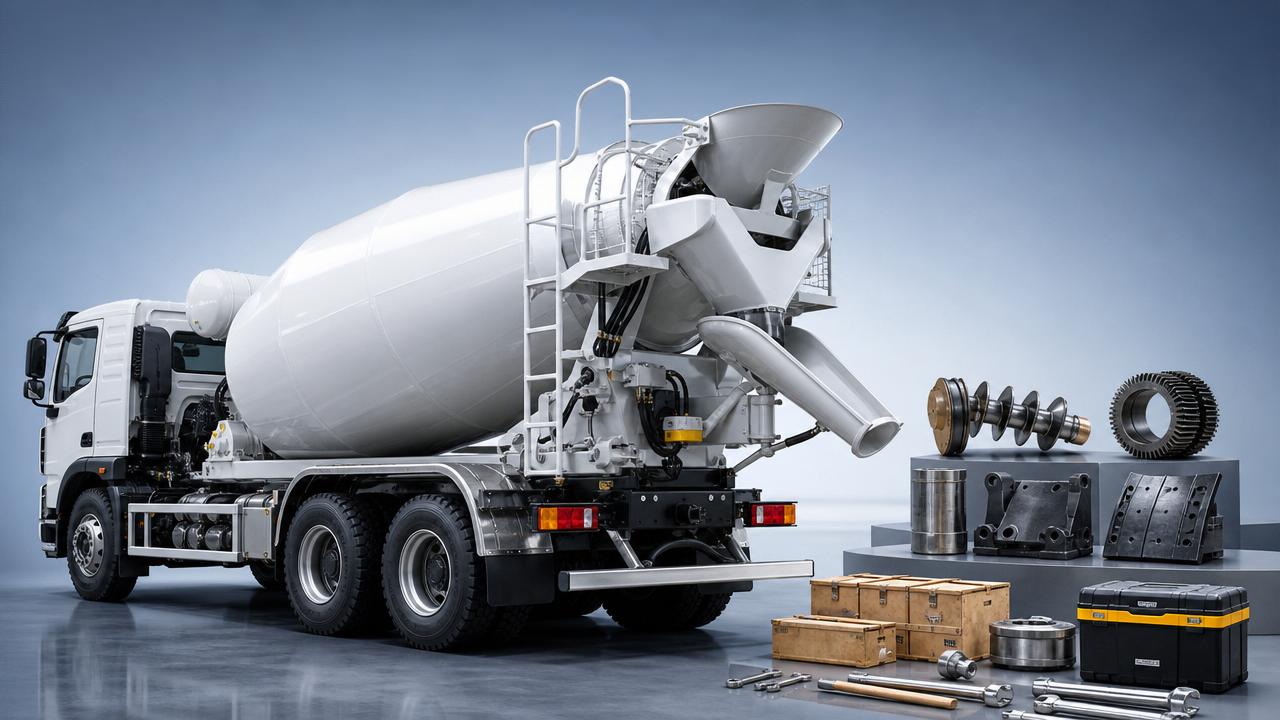
How to Compare a Special Purpose Vehicles Manufacturer in 2026
Choosing the right special purpose vehicles manufacturer in 2026 is no longer a matter of comparing catalog specs and unit prices. Procurement teams need to assess whether a supplier can deliver compliant, customizable, digitally capable vehicles on time and support them across the full service life.
The core search intent behind this topic is practical supplier evaluation. Buyers are not looking for a basic definition of special purpose vehicles. They want a clear framework for comparing manufacturers, reducing sourcing risk, and making defensible procurement decisions in a market shaped by stricter regulations, electrification, connectivity, and higher uptime expectations.
For most procurement professionals, the biggest concerns are straightforward: Can the manufacturer meet technical requirements? Will the vehicle comply with local and export standards? Can the supplier customize reliably without causing delays? What is the true lifecycle cost? And how dependable is after-sales support when the vehicle is mission-critical?
The most useful way to answer those concerns is to compare manufacturers across a few high-impact dimensions: engineering depth, certification, production quality, delivery capability, service network, smart systems integration, and total cost of ownership. Those factors matter far more than choosing the lowest quotation on paper.
Start with procurement intent, not with brochures
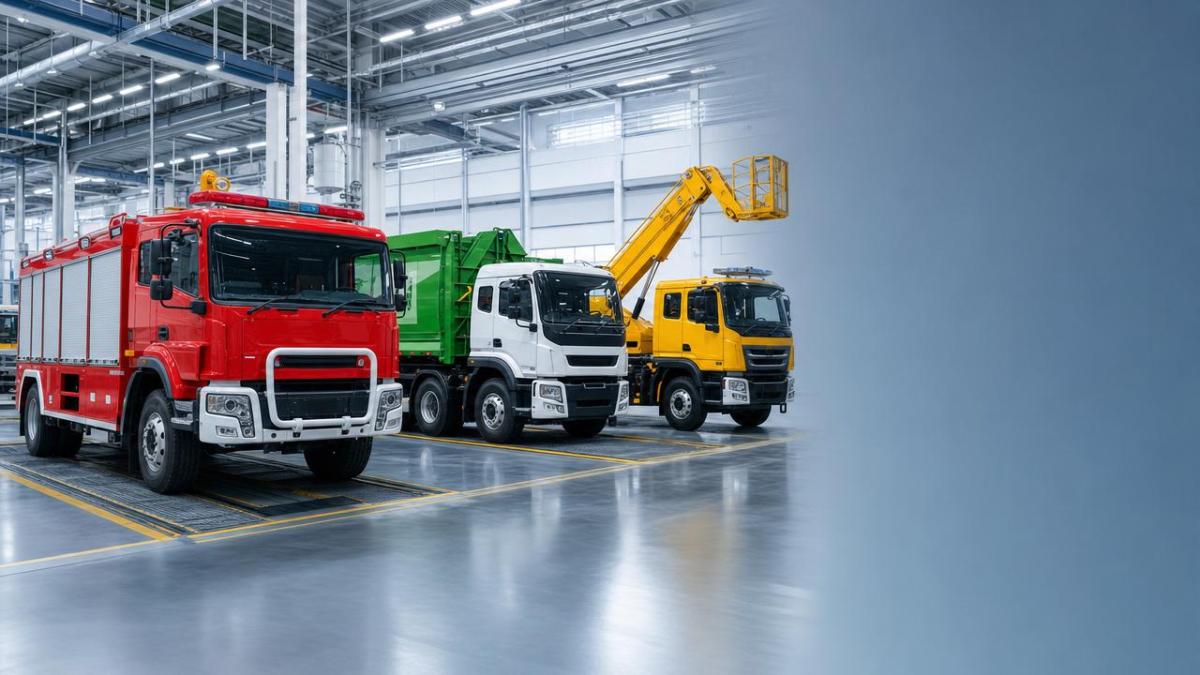
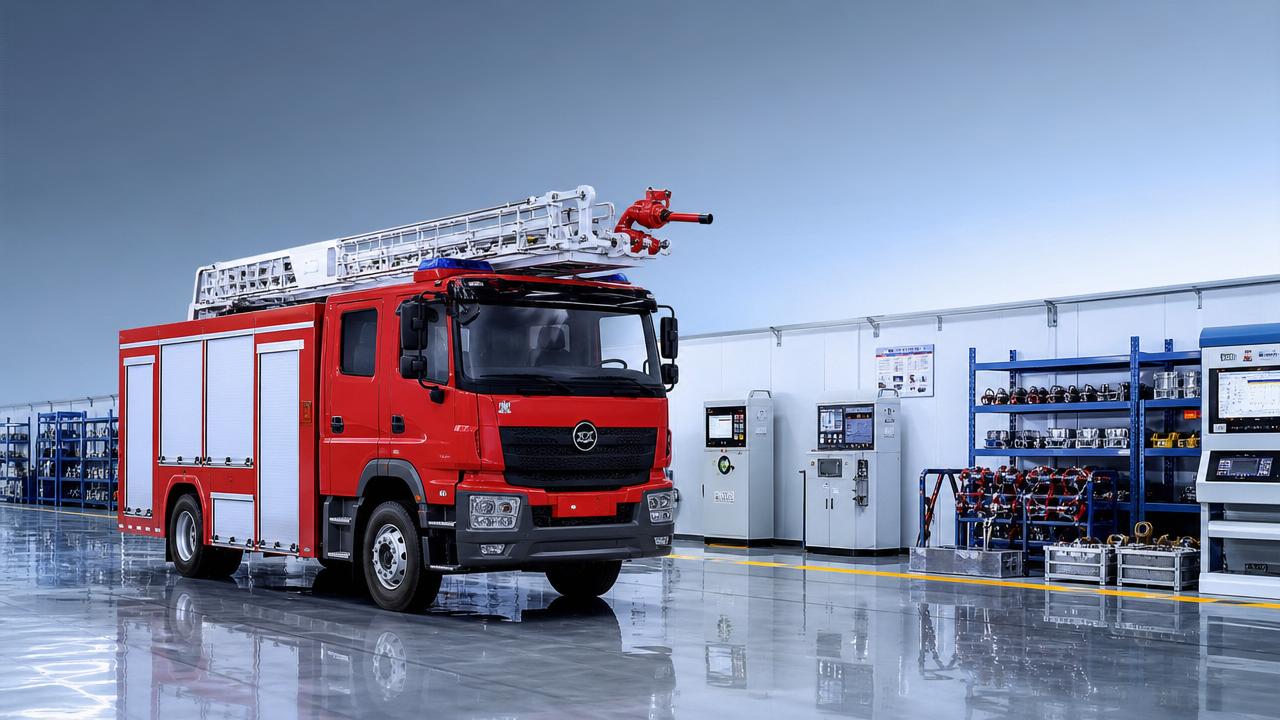
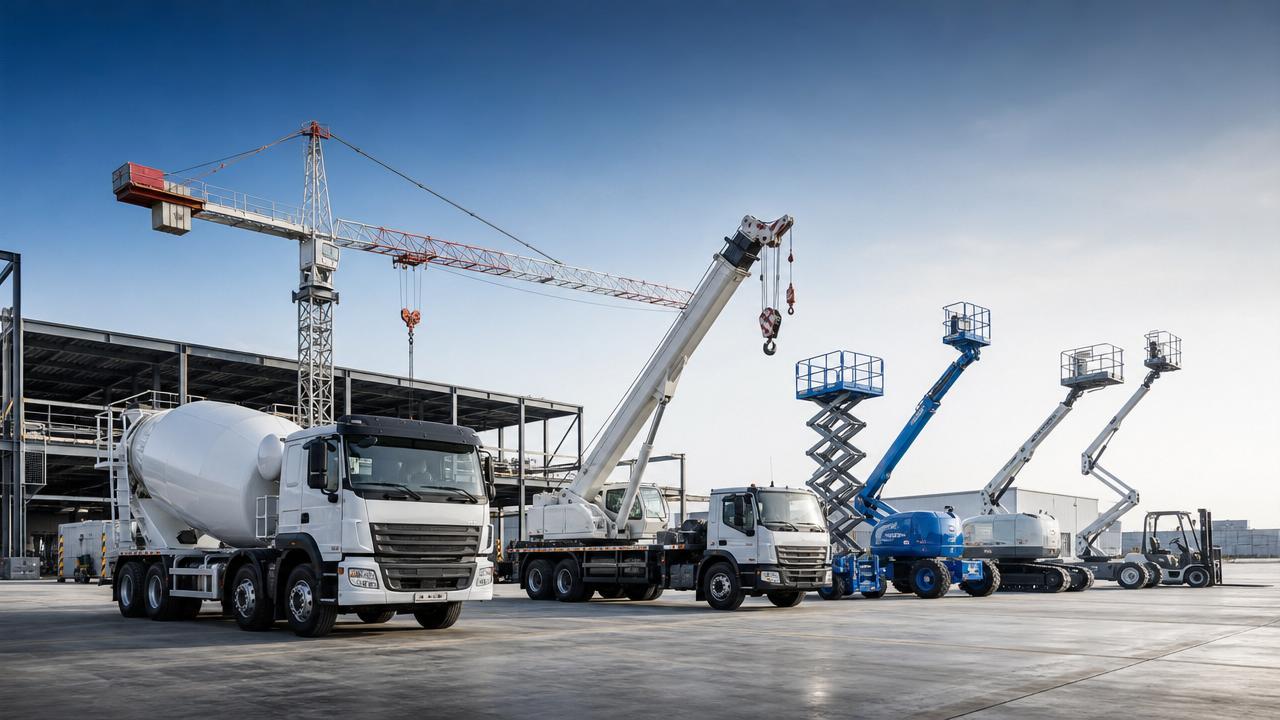
Before comparing any special purpose vehicles manufacturer, define the operational role the vehicle must perform. A fire truck, concrete mixer, aerial platform, refuse vehicle, rescue truck, or mobile maintenance unit may share chassis-based architecture, but their procurement logic differs sharply.
Buyers should first document duty cycle, payload range, terrain conditions, climate exposure, crew requirements, safety features, digital monitoring needs, and expected annual utilization. This prevents a common mistake: comparing suppliers on generic features instead of mission fit.
In 2026, many manufacturers offer similar base configurations. The real difference appears when your specification includes local regulations, specialized body integration, remote diagnostics, battery-electric or hybrid options, or unusual operating conditions. That is where engineering maturity starts to separate strong suppliers from weak ones.
A practical procurement brief should also identify whether the project prioritizes lowest initial cost, fastest deployment, longest service life, or maximum fleet standardization. Without that hierarchy, supplier comparisons become inconsistent and internal approvals become harder.
Compare engineering capability and customization depth
For procurement teams, one of the most important questions is whether the manufacturer can design around your application rather than force you into a standard build. Special purpose vehicles often require body-chassis integration, power take-off optimization, weight balancing, hydraulic systems, control logic, and safety interlocks.
Ask suppliers how much of the vehicle design is handled in-house. A manufacturer with internal engineering, simulation capability, electrical integration expertise, and prototype validation usually offers better control than one relying heavily on fragmented subcontracting.
Customization should not be judged by how many options appear in a brochure. It should be judged by whether the supplier can modify layouts, systems, interfaces, and performance parameters without compromising compliance or maintainability.
Request evidence such as 3D design reviews, finite element analysis where relevant, load distribution calculations, wiring architecture, hydraulic schematics, and case references from similar deployments. These documents reveal whether the company is an assembler or a true engineering-led manufacturer.
Procurement teams should also evaluate change management discipline. During a project, specifications often evolve. Strong manufacturers control revisions formally, communicate engineering impacts clearly, and update lead time and cost implications early. Weak suppliers accept changes casually and create downstream delays.
Verify compliance, certification, and market suitability
In 2026, regulatory complexity is a major differentiator. A reliable special purpose vehicles manufacturer must demonstrate compliance not only with vehicle safety rules, but also with sector-specific standards tied to firefighting, lifting, waste handling, roadworthiness, emissions, or electrical systems.
Procurement teams should ask which certifications apply to the complete vehicle, not just to the base chassis or isolated components. It is common for suppliers to cite compliant parts while the integrated final build still requires further testing or approval.
Check whether the manufacturer has export experience in your destination market. A vehicle designed for one country may require changes to lighting, axle loads, braking, operator controls, documentation, telematics, or emissions systems before it can be legally accepted elsewhere.
Ask for homologation records, factory audit results, quality certificates, testing protocols, and sample compliance documentation packages. If the supplier cannot provide clear documentation quickly, that is usually a warning sign for future approval and handover problems.
For public tenders and institutional buyers, documentation quality matters almost as much as the product itself. Procurement teams need suppliers who can support technical submittals, inspection requirements, FAT or SAT procedures, and traceable quality files.
Look beyond factory size and examine production reliability
Large factories can be impressive, but production reliability matters more than scale alone. Buyers should assess whether the manufacturer has stable sourcing, controlled assembly processes, inspection checkpoints, and realistic scheduling practices.
A capable supplier should explain its production workflow from chassis receipt through fabrication, painting, wiring, system integration, testing, and final delivery. The goal is to understand whether lead times are based on controlled capacity or on optimistic sales assumptions.
Ask what percentage of critical components are dual-sourced, which items have the longest procurement lead times, and how the manufacturer manages supply chain disruptions. In recent years, electronics, hydraulic parts, and specialized control modules have all created delivery bottlenecks.
Procurement professionals should also investigate rework rates, on-time delivery history, and warranty claim patterns. A supplier may quote aggressively, but if poor production control causes delays or post-delivery defects, the apparent savings disappear quickly.
If possible, conduct a factory audit or request a third-party audit. Observe material flow, weld consistency, electrical assembly cleanliness, testing discipline, and finished vehicle inspection. These details often reveal execution quality better than presentations do.
Evaluate service support as part of the purchase decision
For many special purpose fleets, the vehicle is only valuable when it is operational. That makes after-sales support central to procurement, especially for emergency response, municipal services, infrastructure works, and industrial operations where downtime carries direct financial or safety consequences.
Compare manufacturers on spare parts availability, response time commitments, field service coverage, technical training, remote diagnostics capability, and warranty structure. Buyers should not treat support as a secondary negotiation item after the vehicle contract is signed.
A strong service model usually includes digital parts catalogs, service manuals, troubleshooting workflows, technician training, and clear escalation channels. For cross-border procurement, local partner capability is just as important as the manufacturer's headquarters support.
Ask whether the supplier can support preventive maintenance planning, software updates, calibration, and refurbishment over the vehicle lifecycle. As special purpose vehicles become more electronic and connected, service competency increasingly determines fleet uptime.
It is also useful to compare mean time to repair assumptions, parts stocking policies, and warranty exclusions. Some suppliers offer generous headline warranties but limit practical coverage through narrow conditions or slow approval processes.
Use total cost of ownership, not unit price, as the comparison model
One of the most common procurement mistakes is selecting the lowest bid without modeling the full lifecycle cost. In 2026, this is especially risky because vehicles differ significantly in fuel or energy efficiency, maintenance intervals, software dependencies, residual value, and reliability.
Total cost of ownership should include acquisition cost, transport, commissioning, operator training, spare parts, preventive maintenance, downtime risk, energy or fuel consumption, tire and wear items, compliance updates, and expected resale or refurbishment value.
If the vehicle uses advanced telematics, electric drivetrains, or specialized hydraulic systems, procurement teams should also estimate software licensing, diagnostic tools, battery service strategy, and long-term parts availability.
A higher-priced manufacturer may still be the better choice if it delivers lower downtime, better fuel efficiency, easier maintenance access, and stronger residual value. Procurement teams should present these factors clearly to internal stakeholders to avoid short-term price bias.
Build a weighted scorecard with technical fit, compliance, delivery confidence, service support, and lifecycle cost as separate categories. This creates a defensible evaluation process and helps procurement justify supplier selection under audit or management review.
Assess digital capability and smart technology integration
In 2026, buyers increasingly expect special purpose vehicles to function as connected assets rather than standalone machines. Telematics, route optimization, predictive maintenance alerts, equipment usage logs, camera systems, and remote diagnostics all influence operational efficiency.
That means a modern special purpose vehicles manufacturer should be evaluated on software readiness as well as mechanical quality. Ask whether vehicle data can integrate with your fleet platform, ERP, maintenance system, or smart city infrastructure.
For municipal and infrastructure buyers, interoperability is especially important. A waste truck, emergency vehicle, or maintenance unit may need to connect with dispatch systems, GIS tools, or urban operations dashboards. Integration limitations can create hidden long-term costs.
Cybersecurity and data ownership should also be discussed early. Procurement teams need clarity on who owns operating data, how software updates are managed, what cybersecurity protections exist, and whether the vehicle can continue functioning if connectivity is interrupted.
Do not assume digital features automatically create value. The best suppliers can explain exactly how data improves maintenance planning, operator safety, route efficiency, utilization tracking, or compliance reporting in your use case.
Questions procurement teams should ask before shortlisting a manufacturer
A good shortlist is built on evidence, not reputation alone. When evaluating suppliers, ask for comparable project references, technical documentation, compliance records, lead time assumptions, quality control procedures, and support commitments in writing.
Useful questions include: Which systems are engineered in-house? What percentage of builds are customized? What testing is done before shipment? How is operator safety validated? What is the actual parts fill rate? How quickly are warranty cases resolved?
Also ask how the manufacturer handles engineering changes, component obsolescence, and long-term software support. In an environment of rapid technology turnover, these questions are no longer optional.
For strategic procurement, request customer references from fleets with similar duty cycles and climates. Speaking with current users often provides better insight than marketing materials, especially on service responsiveness and real-world reliability.
Finally, compare responsiveness during the bidding stage itself. Manufacturers that answer technical questions clearly, document changes properly, and engage cross-functional experts early are often easier partners during production and after delivery.
What separates a strong manufacturer from a risky one in 2026
The best manufacturers combine engineering control, compliance discipline, production reliability, lifecycle support, and digital readiness. They are transparent about limits, clear about timelines, and able to align technical decisions with the buyer's operating realities.
Risky suppliers usually reveal themselves through vague documentation, inconsistent answers, overpromised lead times, weak service structures, and poor visibility into certification or quality processes. Low price may be the most visible symptom, but it is rarely the only one.
For procurement teams, the right comparison method is not to ask who offers the cheapest vehicle. It is to ask which manufacturer can deliver the required mission performance with the lowest operational risk over the asset's full life.
That approach leads to better purchasing outcomes, fewer post-award disputes, stronger stakeholder confidence, and a fleet that performs as intended in the field.
Conclusion: compare manufacturers by risk-adjusted value
When sourcing from a special purpose vehicles manufacturer in 2026, procurement teams should focus on risk-adjusted value rather than headline pricing. Engineering capability, compliance, delivery control, service support, and digital integration are the factors that determine whether a purchase succeeds after the contract is signed.
If you use a structured scorecard, verify documentation carefully, and test each supplier's ability to support your real operating environment, the comparison becomes much clearer. In a market where vehicle complexity is rising, disciplined procurement is the best protection against costly surprises.
The strongest supplier is not necessarily the one with the largest catalog or the lowest quote. It is the one that can prove fit, performance, and support across the entire lifecycle of the vehicle you are buying.
Get weekly intelligence in your inbox.
No noise. No sponsored content. Pure intelligence.
News Recommendations
 Jun 13, 2026Construction Technology Mistakes That Delay DeliveryConstruction Technology Mistakes That Delay Delivery
 Jun 13, 2026Fire Trucks Supplier Checklist for Safer Fleet SelectionFire Trucks Supplier Checklist for Safer Fleet Selection
 Jun 13, 2026Automated Waste Systems: Cost Factors and PaybackAutomated Waste Systems: Cost Factors and Payback
 Jun 13, 2026How Physical World Digital Twin Reduces Site RiskHow Physical World Digital Twin Reduces Site Risk
 Jun 13, 2026Civil Engineering Technology Trends Shaping 2026 ProjectsCivil Engineering Technology Trends Shaping 2026 Projects
 Jun 12, 2026Deep-Sea Mining Equipment: Key Safety StandardsDeep-Sea Mining Equipment: Key Safety Standards
 Jun 12, 2026How to Evaluate a Heavy Equipment ExporterHow to Evaluate a Heavy Equipment Exporter
 Jun 12, 2026Sustainable Infrastructure or Lower Cost First?Sustainable Infrastructure or Lower Cost First?
 Jun 12, 2026Urban Traffic Control: 7 Setup Mistakes to AvoidUrban Traffic Control: 7 Setup Mistakes to Avoid
 Jun 12, 2026Infrastructure Construction Cost Drivers in 2026Infrastructure Construction Cost Drivers in 2026
 Jun 11, 2026Heavy Equipment Exporter Checklist: Cost, Lead Time, and ComplianceHeavy Equipment Exporter Checklist: Cost, Lead Time, and Compliance
 Jun 11, 2026What Physical World Transformation Means for Industrial InfrastructureWhat Physical World Transformation Means for Industrial Infrastructure
 Jun 11, 2026When Resource Development Consulting Services Reduce Project RiskWhen Resource Development Consulting Services Reduce Project Risk
 Jun 11, 2026Construction Technology Trends Shaping Jobsite Efficiency in 2026Construction Technology Trends Shaping Jobsite Efficiency in 2026
 Jun 11, 2026How to Evaluate Special Purpose Vehicles for Construction ProjectsHow to Evaluate Special Purpose Vehicles for Construction Projects
 Jun 10, 2026Deep-Sea Mining Equipment Trends in 2026: Risks, Standards, and Investment SignalsDeep-Sea Mining Equipment Trends in 2026: Risks, Standards, and Investment Signals
 Jun 10, 2026Mining Technology Equipment: Common Selection Mistakes and How to Avoid ThemMining Technology Equipment: Common Selection Mistakes and How to Avoid Them
 Jun 10, 2026Railway Maintenance Costs: Key Factors That Impact Lifecycle BudgetsRailway Maintenance Costs: Key Factors That Impact Lifecycle Budgets
 Jun 10, 2026Land Minerals Survey Basics: What Data Matters Before Project PlanningLand Minerals Survey Basics: What Data Matters Before Project Planning
 Jun 10, 2026Urban Traffic Control Systems: How to Compare Options for Congested CorridorsUrban Traffic Control Systems: How to Compare Options for Congested Corridors
![]() Jun 09, 2026Smart Grids Technology Trends Shaping 2026 PlanningSmart Grids Technology Trends Shaping 2026 Planning
Jun 09, 2026Smart Grids Technology Trends Shaping 2026 PlanningSmart Grids Technology Trends Shaping 2026 Planning![]() Jun 09, 2026Resource Allocation Methods That Reduce Project DelaysResource Allocation Methods That Reduce Project Delays
Jun 09, 2026Resource Allocation Methods That Reduce Project DelaysResource Allocation Methods That Reduce Project Delays![]() Jun 09, 2026Prefabricated Construction Cost: What Drives the Budget?Prefabricated Construction Cost: What Drives the Budget?
Jun 09, 2026Prefabricated Construction Cost: What Drives the Budget?Prefabricated Construction Cost: What Drives the Budget?![]() Jun 09, 2026How to Evaluate a Special Purpose Vehicles ManufacturerHow to Evaluate a Special Purpose Vehicles Manufacturer
Jun 09, 2026How to Evaluate a Special Purpose Vehicles ManufacturerHow to Evaluate a Special Purpose Vehicles Manufacturer![]() Jun 09, 2026Smart Jobsites: 7 Costly Setup Mistakes to AvoidSmart Jobsites: 7 Costly Setup Mistakes to Avoid
Jun 09, 2026Smart Jobsites: 7 Costly Setup Mistakes to AvoidSmart Jobsites: 7 Costly Setup Mistakes to Avoid Jun 08, 2026Concrete Mixers: Common Buying Mistakes That Raise Maintenance CostsConcrete Mixers: Common Buying Mistakes That Raise Maintenance Costs
 Jun 08, 2026Urban Governance Trends in 2026: What Data-Driven Cities Are PrioritizingUrban Governance Trends in 2026: What Data-Driven Cities Are Prioritizing