Construction Technology Trends Shaping Jobsite Efficiency in 2026
Construction technology is moving from pilot projects to operating discipline
In 2026, construction technology is no longer a side conversation about innovation budgets.
It is becoming a practical lever for faster delivery, tighter cost control, and more stable jobsite performance.
That shift matters across infrastructure, commercial building, transport systems, industrial sites, and urban renewal programs.
The strongest signal is simple: firms are judging technology less by novelty and more by measurable site efficiency.
This changes buying logic, workforce planning, equipment deployment, and even how projects are sequenced from design to handover.
Across the wider physical economy, the same pattern appears.
Smart buildings, rail systems, resource projects, and municipal upgrades now depend on cleaner data and better field coordination.
That is why construction technology increasingly sits at the center of broader infrastructure intelligence.
The conversation is no longer about whether sites should digitize.
It is about which tools remove delays, reduce rework, and create reliable decision visibility every day.
Why the change feels sharper in 2026
Several forces are pushing construction technology into the operational core.
Labor shortages remain persistent, especially for skilled trades, equipment operation, and digital coordination roles.
At the same time, margins are under pressure from financing costs, material volatility, and schedule penalties.
More owners also expect auditable sustainability performance, not broad promises.
In practice, this means jobsite efficiency now depends on better forecasting, tighter asset tracking, and fewer manual handoff gaps.
What once looked like separate tools now works as an operating stack.
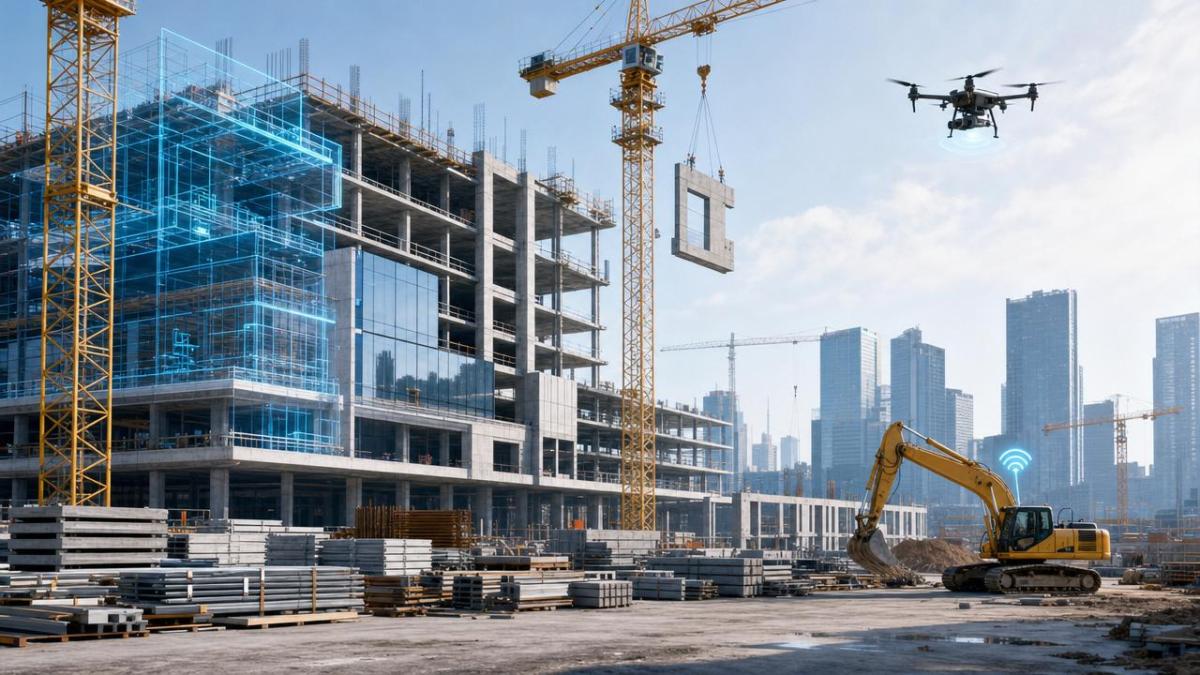
- Digital twins connect design assumptions with live site conditions and progress data.
- Prefabrication shifts labor from unpredictable field environments into repeatable factory workflows.
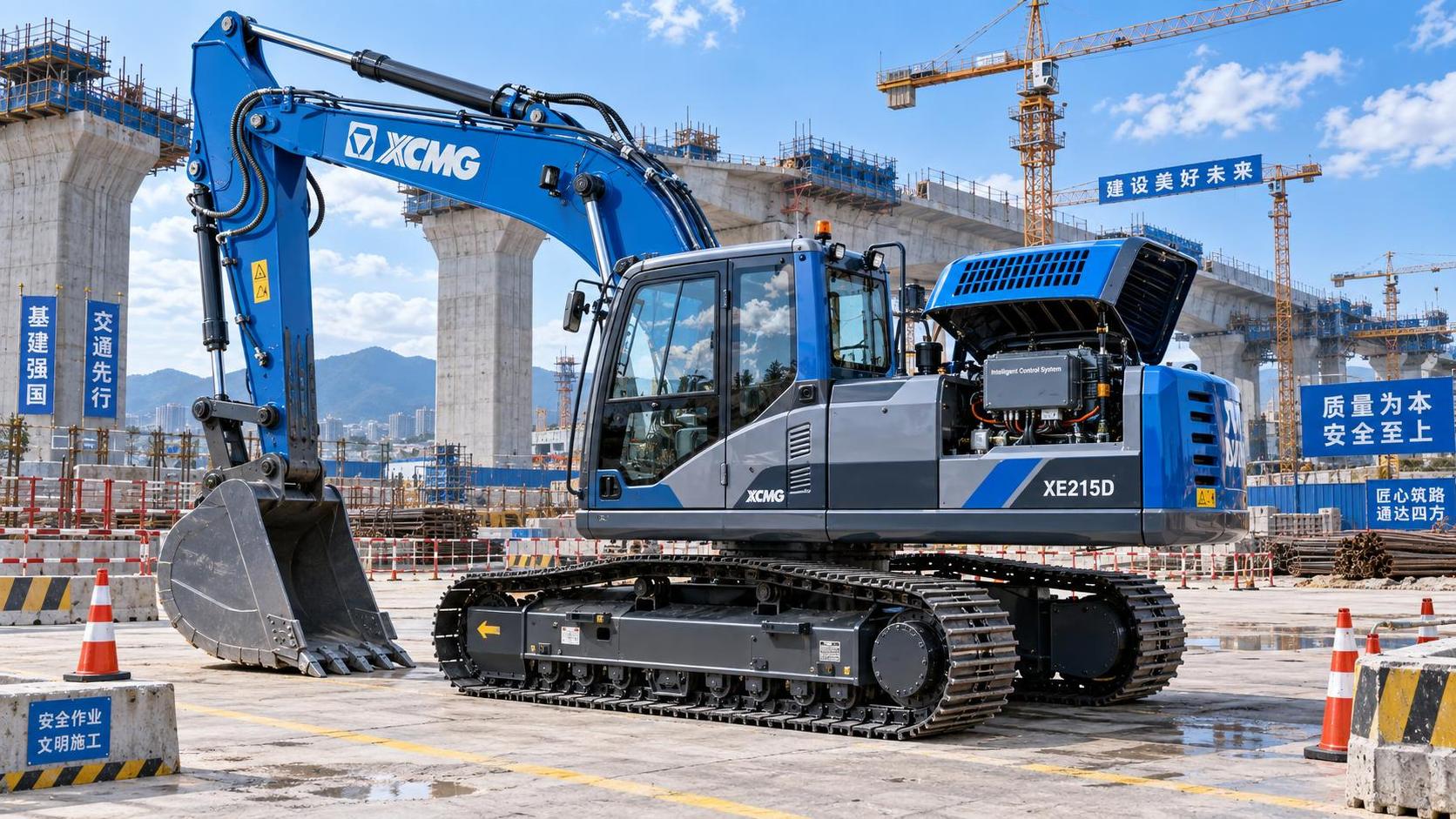
- Connected equipment improves utilization, fuel visibility, maintenance timing, and operator safety.
- AI-assisted planning helps teams detect schedule clashes before they become site disruptions.
- Computer vision and drones shorten inspection cycles and improve reporting consistency.
What is different now is integration.
Construction technology delivers more value when data moves across engineering, procurement, equipment, and field execution without delay.
The most important gains are happening in the flow of work
Jobsite efficiency rarely improves because of one dramatic device.
It improves when friction is removed from routine decisions.
That is where construction technology is having its clearest impact in 2026.
Smart jobsites are reducing blind spots
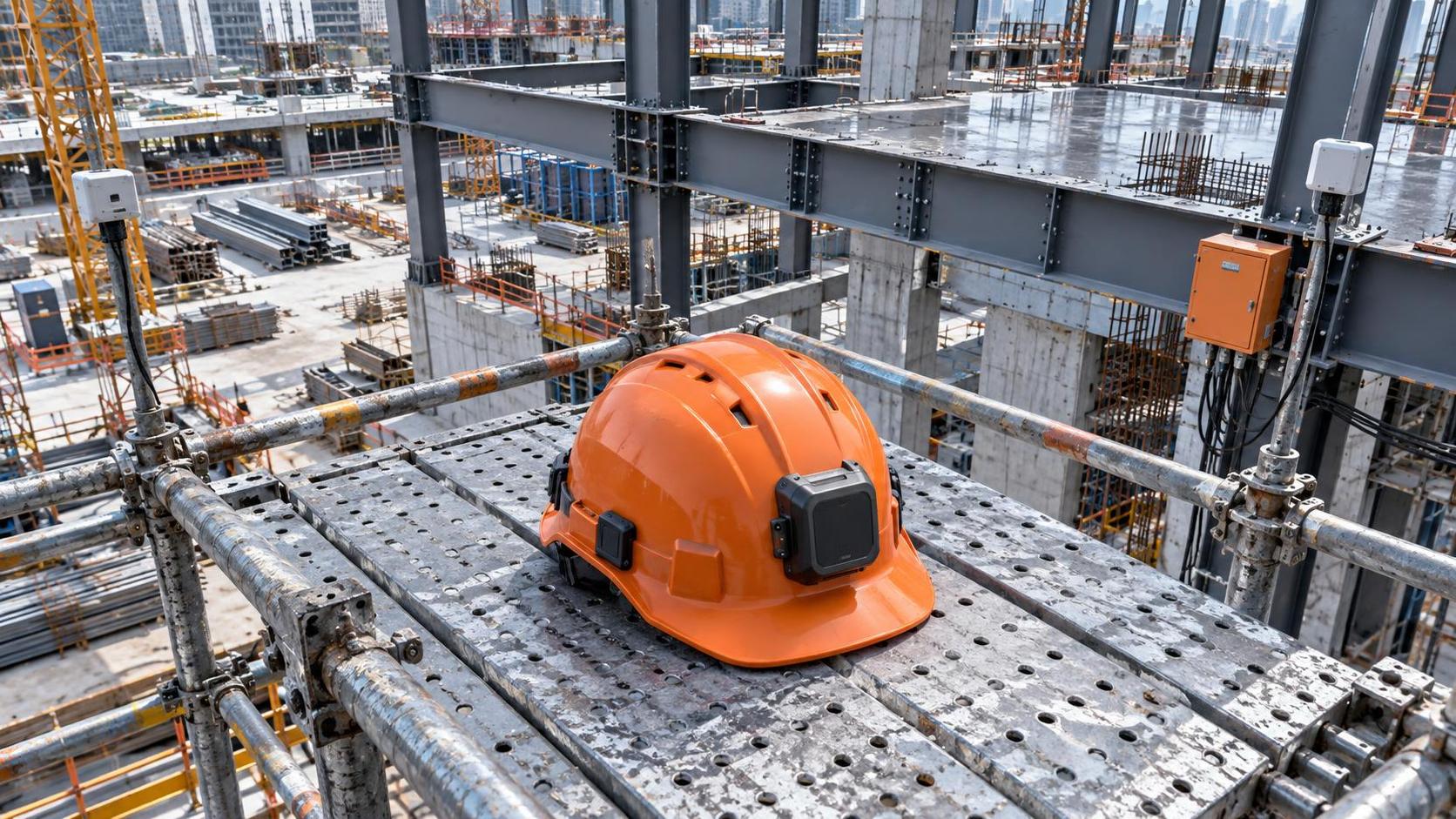
Sensors, cameras, wearables, and mobile reporting platforms now create a denser view of site conditions.
Supervision becomes less dependent on fragmented updates and delayed paper records.
This helps teams react earlier to congestion, unsafe access patterns, idle equipment, and material bottlenecks.
Prefabrication is changing the labor equation
Offsite production is expanding beyond simple modular use cases.
Mechanical assemblies, facade systems, bathroom pods, and structural components are becoming more standardized.
The real gain is not only speed.
It is tighter quality control, fewer weather disruptions, and better labor predictability.
Connected machines are becoming data assets
Heavy equipment used to be monitored mainly through operator experience and maintenance intervals.
Now, telematics and machine analytics are informing routing, utilization, emissions tracking, and downtime prevention.
For sectors like rail, mining, and urban works, that changes fleet strategy as much as site execution.
The bigger story is that construction technology now affects adjacent systems
A useful way to read the market is to look beyond single jobsites.
Construction technology increasingly connects with the operating logic of cities, logistics corridors, utilities, and industrial assets.
That makes efficiency gains more strategic than they first appear.
This is where the market aligns with GIUT’s broader view of the physical world.
Construction technology is not isolated from smart governance, resource development, or equipment intelligence.
It increasingly acts as the field layer of a larger infrastructure data system.
Where decision quality improves, returns usually follow
Not every construction technology investment creates equal value.
The strongest returns tend to appear where decision latency is expensive.
Examples include concrete placement timing, crane coordination, material delivery windows, and rework detection.
From recent deployments, three patterns stand out.
- Data visibility matters more than dashboard volume. Fewer, trusted indicators outperform crowded reporting layers.
- Workflow adoption matters more than software breadth. Teams use what fits daily site routines.
- Cross-functional ownership matters more than isolated innovation teams. Field, engineering, and equipment leaders need shared metrics.
This also explains why some digital programs stall.
They digitize reporting without redesigning response processes.
Construction technology improves jobsite efficiency only when information changes what people do next.
The next competitive gap may come from execution maturity, not access to tools
By 2026, most major contractors and infrastructure programs can access similar categories of construction technology.
The gap is opening elsewhere.
It is showing up in integration discipline, data standards, and the ability to turn field signals into repeatable operating responses.
That means the market is moving from adoption competition to execution competition.
What deserves closer attention now
- Whether digital twin data reflects current site reality, not just design intent.
- Whether prefabrication capacity matches local logistics and installation conditions.
- Whether machine connectivity can support emissions reporting and predictive maintenance together.
- Whether cybersecurity and data ownership rules are clear across partners and public stakeholders.
- Whether workforce training covers exception handling, not only normal workflows.
More mature organizations are also using construction technology to compare project assumptions against real production patterns.
That feedback loop can influence bidding strategy, risk pricing, and future asset design.
A practical reading of what comes next
The next phase of construction technology will likely be quieter than earlier hype cycles.
Less attention will go to standalone gadgets.
More attention will go to systems that make projects easier to predict, document, and improve over time.
That is especially relevant for organizations working across construction, mobility, utilities, heavy equipment, and smart city programs.
A useful next step is to review where delays, rework, or coordination loss occur most often.
Then match those pressure points to the construction technology layers that can generate operational proof.
The strongest 2026 strategies are unlikely to chase every tool category.
They will focus on a smaller set of technologies that improve field certainty, data trust, and sustainable execution.
In a market shaped by infrastructure scale and urban complexity, that kind of disciplined adoption is becoming the real efficiency advantage.
Get weekly intelligence in your inbox.
No noise. No sponsored content. Pure intelligence.
News Recommendations
 Sep 19, 2026How an electronics application guide helps prevent component mismatchHow an electronics application guide helps prevent component mismatch
 Sep 18, 2026When a resource allocation platform improves project deliveryWhen a resource allocation platform improves project delivery
 Sep 17, 2026What to compare when evaluating mineral processing equipment manufacturersWhat to compare when evaluating mineral processing equipment manufacturers
 Sep 16, 2026How mineral separation optimization can reduce concentrate lossesHow mineral separation optimization can reduce concentrate losses
 Sep 15, 2026How to assess lifecycle costs in urban tech procurementHow to assess lifecycle costs in urban tech procurement
 Sep 14, 2026Heavy industry technology trends reshaping capital investment prioritiesHeavy industry technology trends reshaping capital investment priorities
 Sep 14, 2026Global Industrial Equipment Procurement: How Top OEMs Qualify Suppliers for Mining & Infrastructure ProjectsGlobal Industrial Equipment Procurement: How Top OEMs Qualify Suppliers for Mining & Infrastructure Projects
 Sep 14, 2026Industrial & Mining Equipment Procurement: Balancing Local Sourcing, Lead Time, and Certification RequirementsIndustrial & Mining Equipment Procurement: Balancing Local Sourcing, Lead Time, and Certification Requirements
 Sep 14, 2026Infrastructure & Equipment Upgrades: What Procurement Teams Must Verify Before Signing Off on New ContractsInfrastructure & Equipment Upgrades: What Procurement Teams Must Verify Before Signing Off on New Contracts
 Sep 14, 2026Why Infrastructure Equipment Buyers Are Shifting from Catalog-Based to Capability-Based Supplier SelectionWhy Infrastructure Equipment Buyers Are Shifting from Catalog-Based to Capability-Based Supplier Selection
 Sep 14, 2026Process Automation Project Execution: How to Align Supplier Capabilities with PLC Integration, Cybersecurity & Commissioning MilestonesProcess Automation Project Execution: How to Align Supplier Capabilities with PLC Integration, Cybersecurity & Commissioning Milestones
 Sep 14, 2026Are intelligent traffic systems worth the investment for small cities?Are intelligent traffic systems worth the investment for small cities?
 Sep 14, 2026How do intelligent traffic systems handle sensor failures?How do intelligent traffic systems handle sensor failures?
 Sep 14, 2026What should I check before accepting a smart building system?What should I check before accepting a smart building system?
 Sep 14, 2026Is a smart building system worth the maintenance cost?Is a smart building system worth the maintenance cost?
 Sep 14, 2026What data is needed for reliable resource allocation planning?What data is needed for reliable resource allocation planning?
 Sep 14, 2026How can resource allocation software reduce equipment idle time?How can resource allocation software reduce equipment idle time?
 Sep 14, 2026How should smart devices be maintained in harsh outdoor conditions?How should smart devices be maintained in harsh outdoor conditions?
 Sep 14, 2026Do smart devices improve worker safety on construction sites?Do smart devices improve worker safety on construction sites?
 Sep 14, 2026What environmental risks must be assessed before deep-sea mining?What environmental risks must be assessed before deep-sea mining?
 Sep 14, 2026Is deep-sea mining equipment commercially viable in 2026?Is deep-sea mining equipment commercially viable in 2026?
 Sep 14, 2026What Inspection Checks Should Procurement Teams Perform Before Ordering Dredging Equipment in 2026?What Inspection Checks Should Procurement Teams Perform Before Ordering Dredging Equipment in 2026?
 Sep 13, 2026How to verify an industrial product information source before specifying equipmentHow to verify an industrial product information source before specifying equipment
 Sep 12, 2026Which intelligent traffic systems hardware fits an urban intersection?Which intelligent traffic systems hardware fits an urban intersection?
 Sep 11, 2026How pump capacity affects response coverage for municipal fire fighting vehiclesHow pump capacity affects response coverage for municipal fire fighting vehicles
 Sep 10, 2026What to verify before choosing a heavy industry equipment supplierWhat to verify before choosing a heavy industry equipment supplier
 Sep 09, 2026When do adaptive urban traffic control systems reduce corridor delays?When do adaptive urban traffic control systems reduce corridor delays?