How Physical World Digital Twin Reduces Site Risk
Why site risk looks different once the physical world becomes data visible

A physical world digital twin matters because site risk rarely starts as a dramatic event.
It usually begins with small mismatches between design intent, field conditions, equipment status, and work sequencing.
When those signals remain scattered, delays, rework, safety exposure, and cost leakage follow.
A physical world digital twin reduces that blind spot by linking assets, crews, workflows, and environmental data in one operational view.
That is why it is increasingly relevant across heavy industry, infrastructure, smart cities, rail systems, mining sites, and equipment-intensive operations.
Within GIUT’s cross-sector perspective, the value is not limited to visualization.
The stronger benefit is decision quality: seeing where conditions are changing, which dependencies are tightening, and what needs intervention first.
In practice, different environments need different models, because site risk in a tunnel project is not judged like risk in a smart district or a mine.
The first judgment is not technology depth, but operational context
Many teams assume a physical world digital twin should begin with full 3D detail.
That is often the wrong starting point.
A stronger approach is to define where uncertainty creates the most serious consequences.
For construction, that may be sequence clashes, crane paths, or worker access.
For urban systems, it may be traffic load shifts, utility interaction, or emergency response time.
For mining and logistics corridors, equipment health and route reliability often carry more weight.
The physical world digital twin becomes useful when it reflects the logic of the site, not just the geometry of the site.
This is where domain knowledge matters.
Engineering data, field constraints, and operating rules must be modeled together, otherwise the digital twin stays attractive but shallow.
A quick way to compare where risk pressure comes from
This comparison shows why a single deployment template rarely works well across the physical world.
On construction sites, risk often hides in sequence, not structure alone
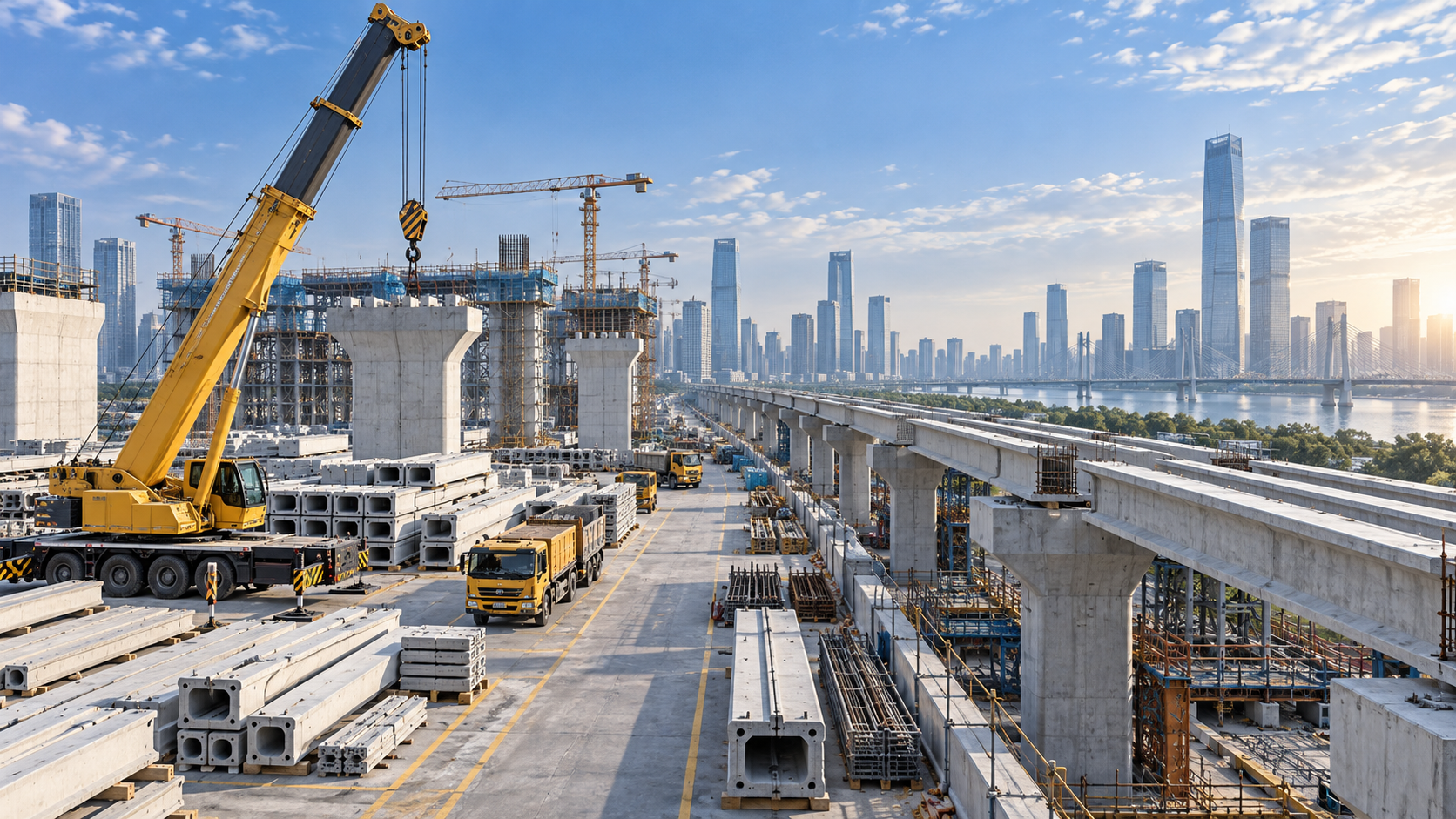
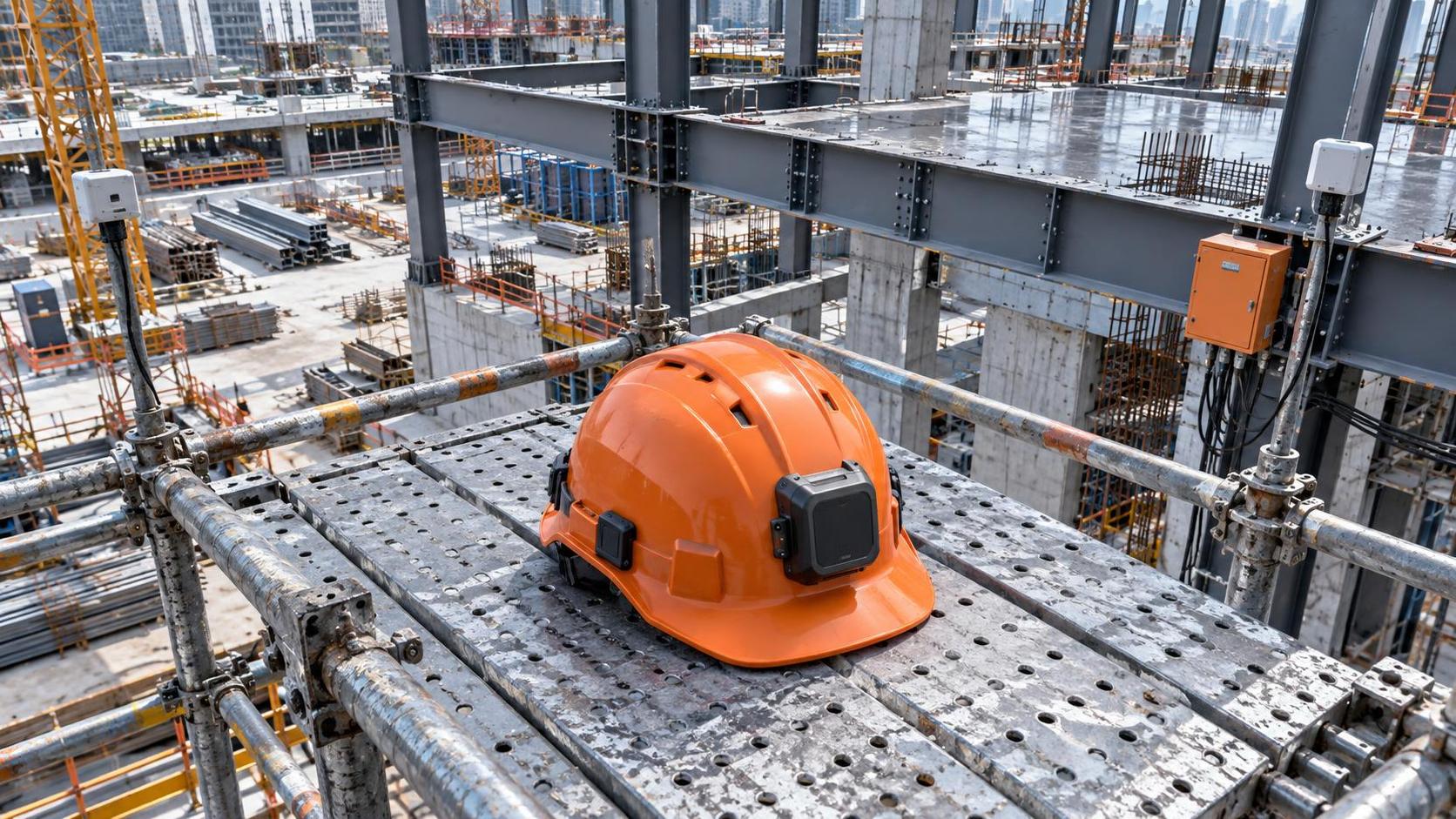
In building and civil projects, the physical world digital twin is most valuable when the schedule is tight and site conditions keep changing.
The issue is not only whether a component fits the model.
The issue is whether people, materials, machines, and temporary works can safely coexist at the planned moment.
Prefabricated construction makes this more visible.
A late delivery, blocked access lane, or crane overlap can turn a well-designed sequence into a high-risk operation.
Here, the physical world digital twin should combine model updates with logistics timing and field verification.
If it only mirrors design data, it may miss the real source of exposure.
A common misjudgment is to treat all large jobsites as similar.
High-rise work, bridge assembly, and underground works share complexity, but the risk logic differs sharply.
The better fit comes from mapping temporary risks, not just permanent assets.
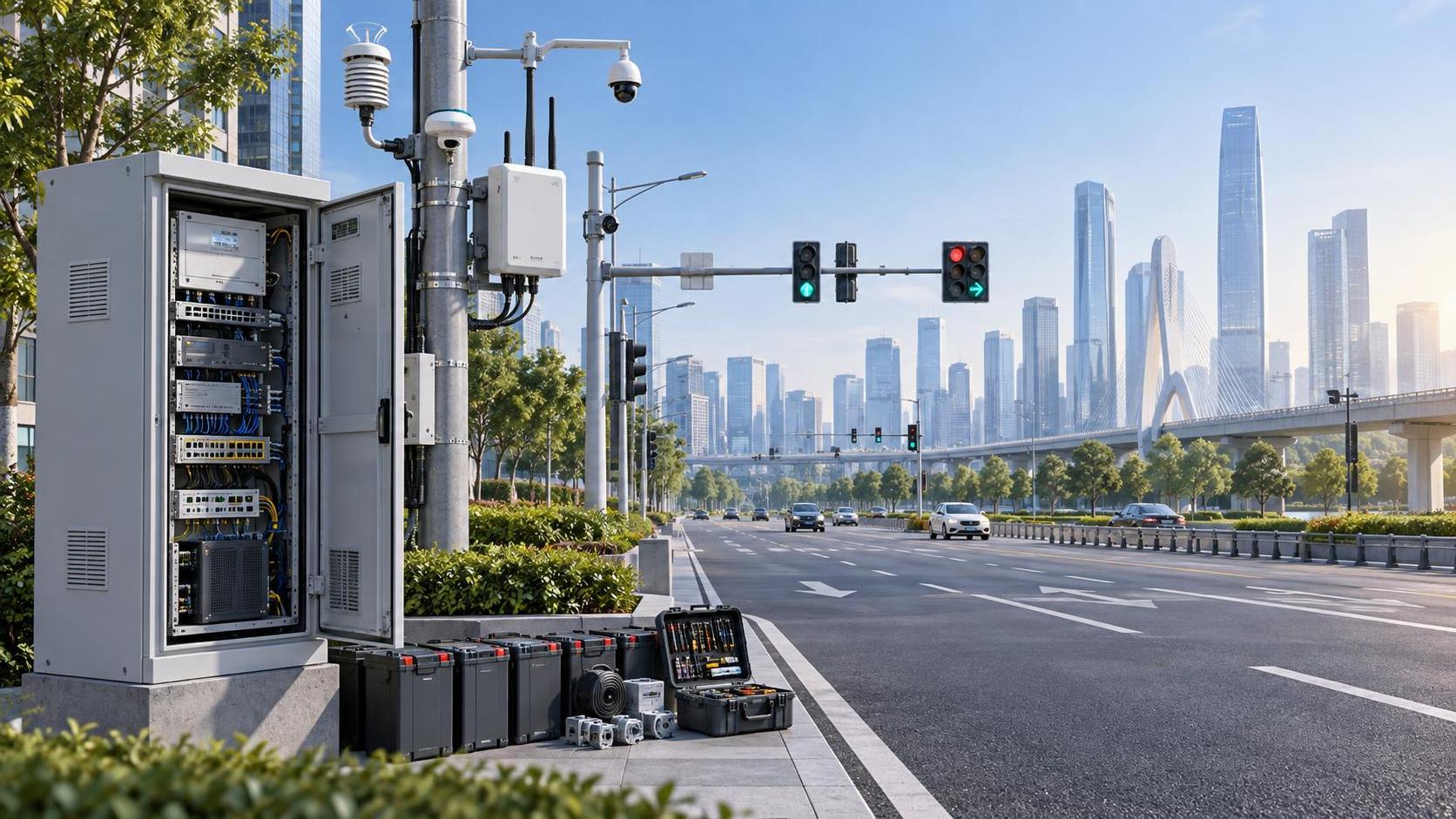
In smart city operations, the bigger issue is system interaction
Urban tech introduces another layer of difficulty.
Risk is rarely isolated inside one asset.
A drainage bottleneck can affect transport flow.
A grid disturbance can disrupt pumping, signaling, and emergency routing.
In this setting, a physical world digital twin should not be judged by visual polish.
It should be judged by whether it exposes interdependency early enough for coordinated action.
That requires reliable data governance, asset naming consistency, and event rules that reflect local operating practice.
GIUT’s broader infrastructure lens is useful here because smart governance depends on engineering detail, not only dashboard design.
Cities moving toward living digital systems need models that connect field maintenance, control logic, and service continuity.
For mining, rail, and heavy equipment, live condition data changes the risk equation
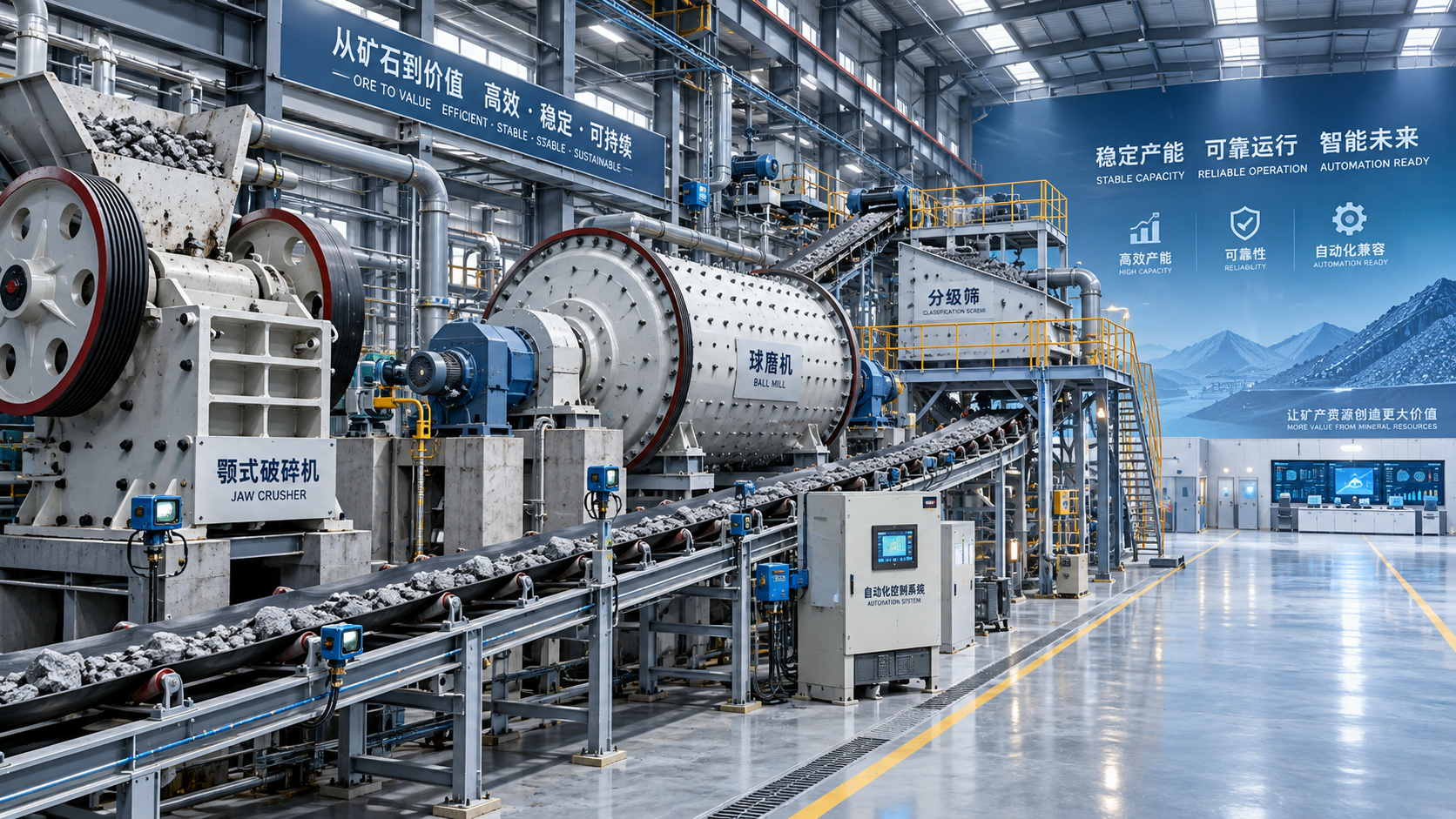
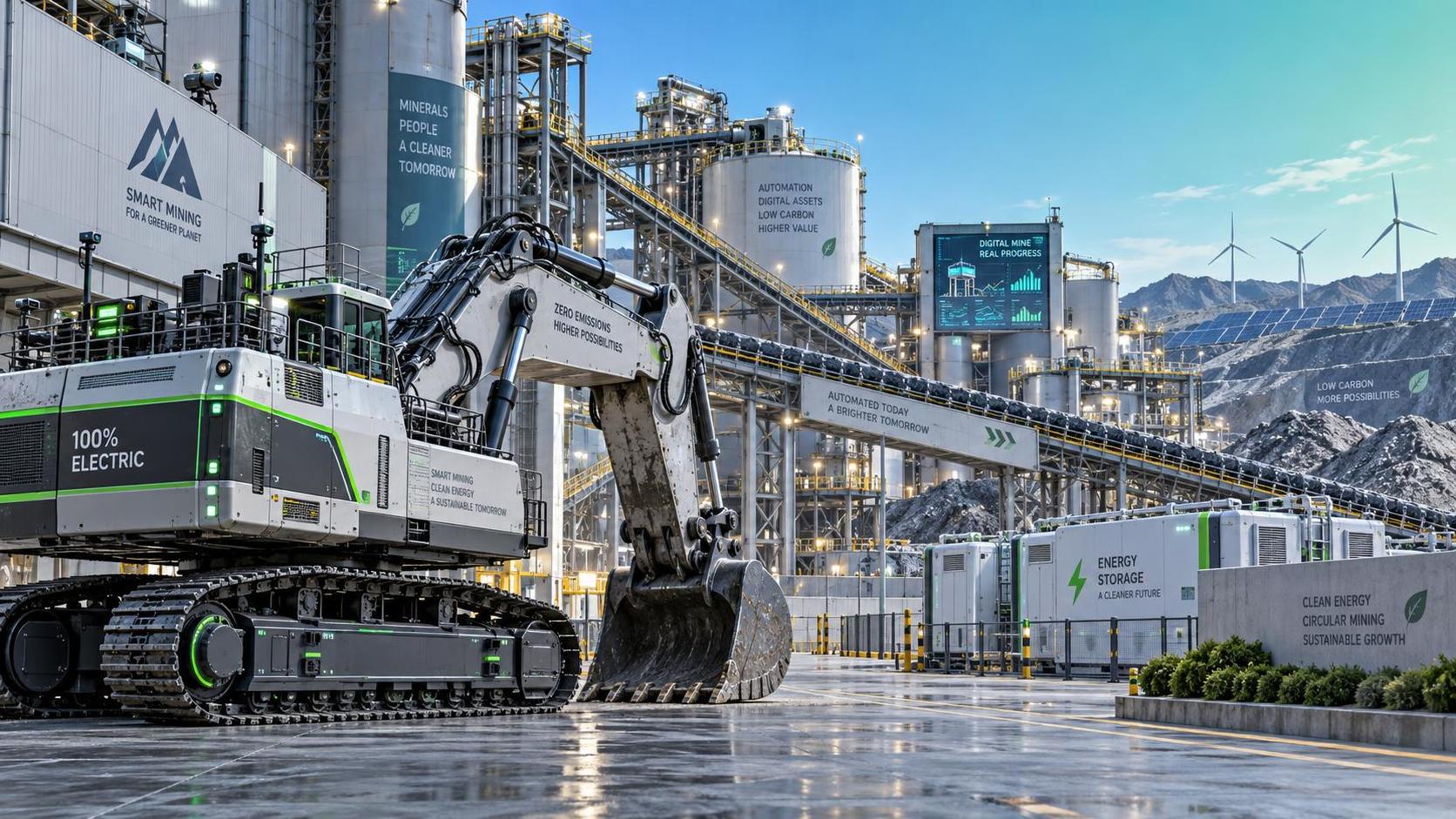
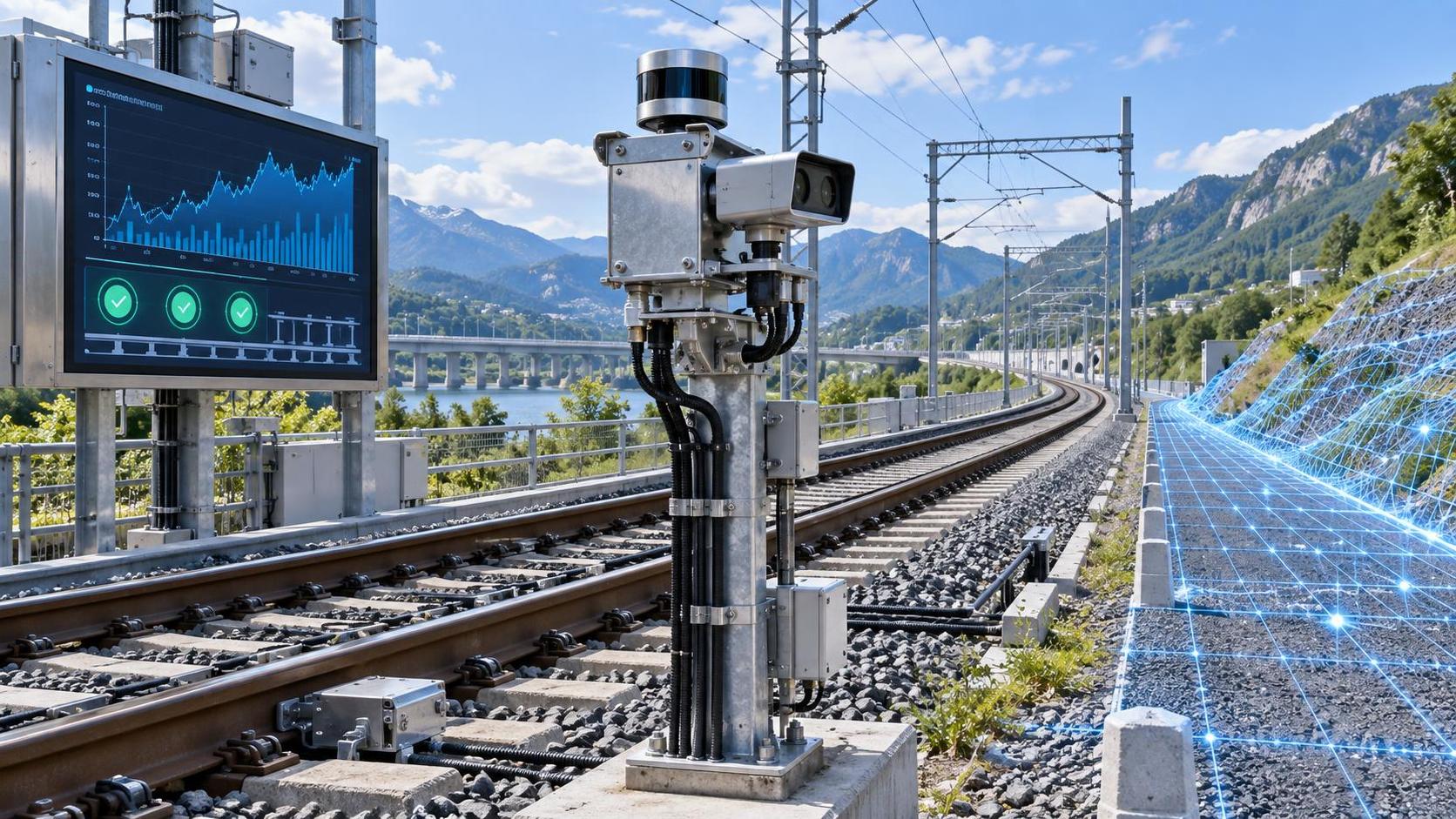
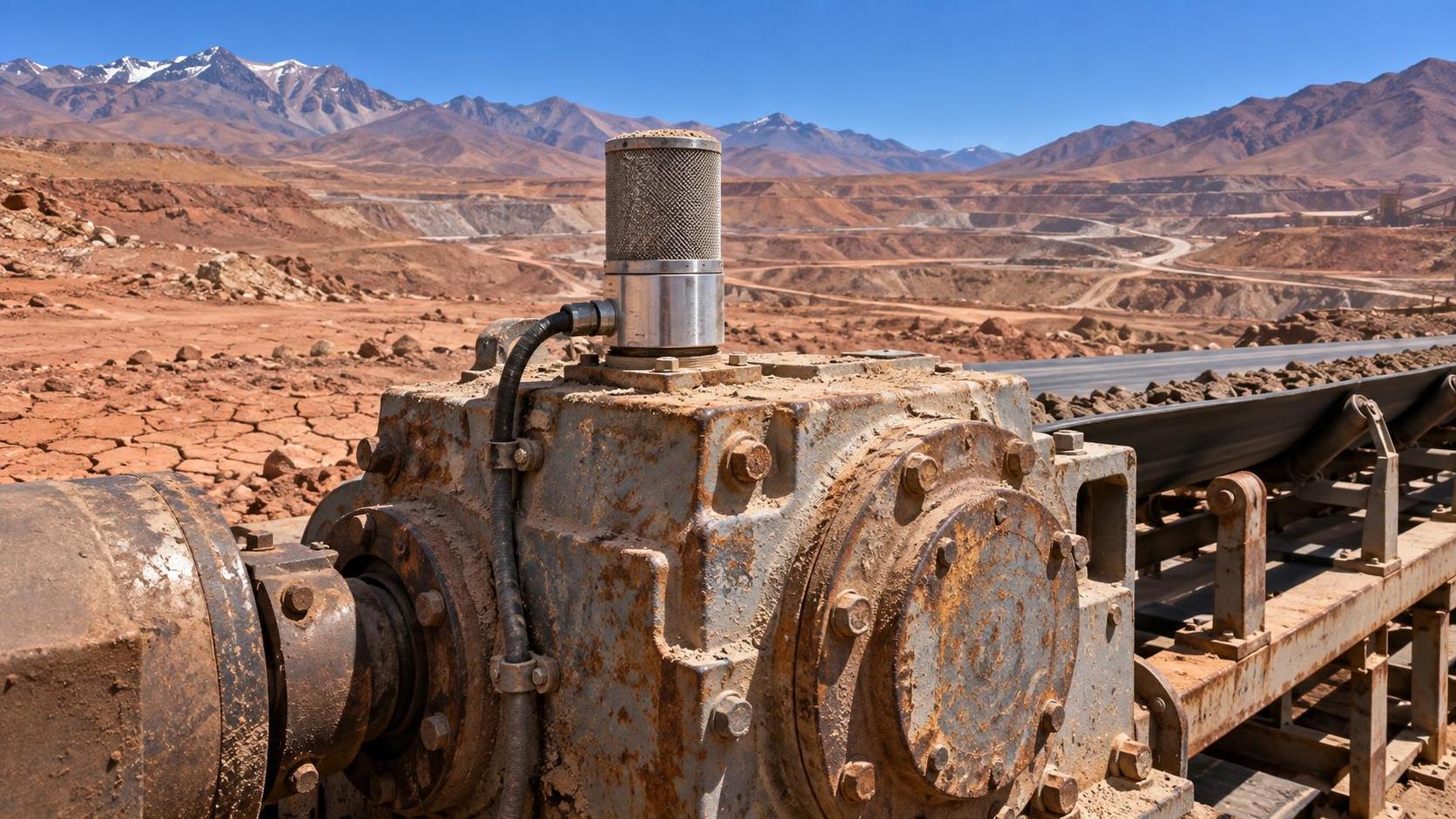
In mines and rail corridors, a physical world digital twin often proves its value through operational resilience.
Ground movement, dust, vibration, drainage, visibility, and machine fatigue can change faster than static reports suggest.
That is why condition-based monitoring matters more than beautiful modeling alone.
For mines, the twin should connect geotechnical observations, vehicle paths, ventilation behavior, and maintenance cycles.
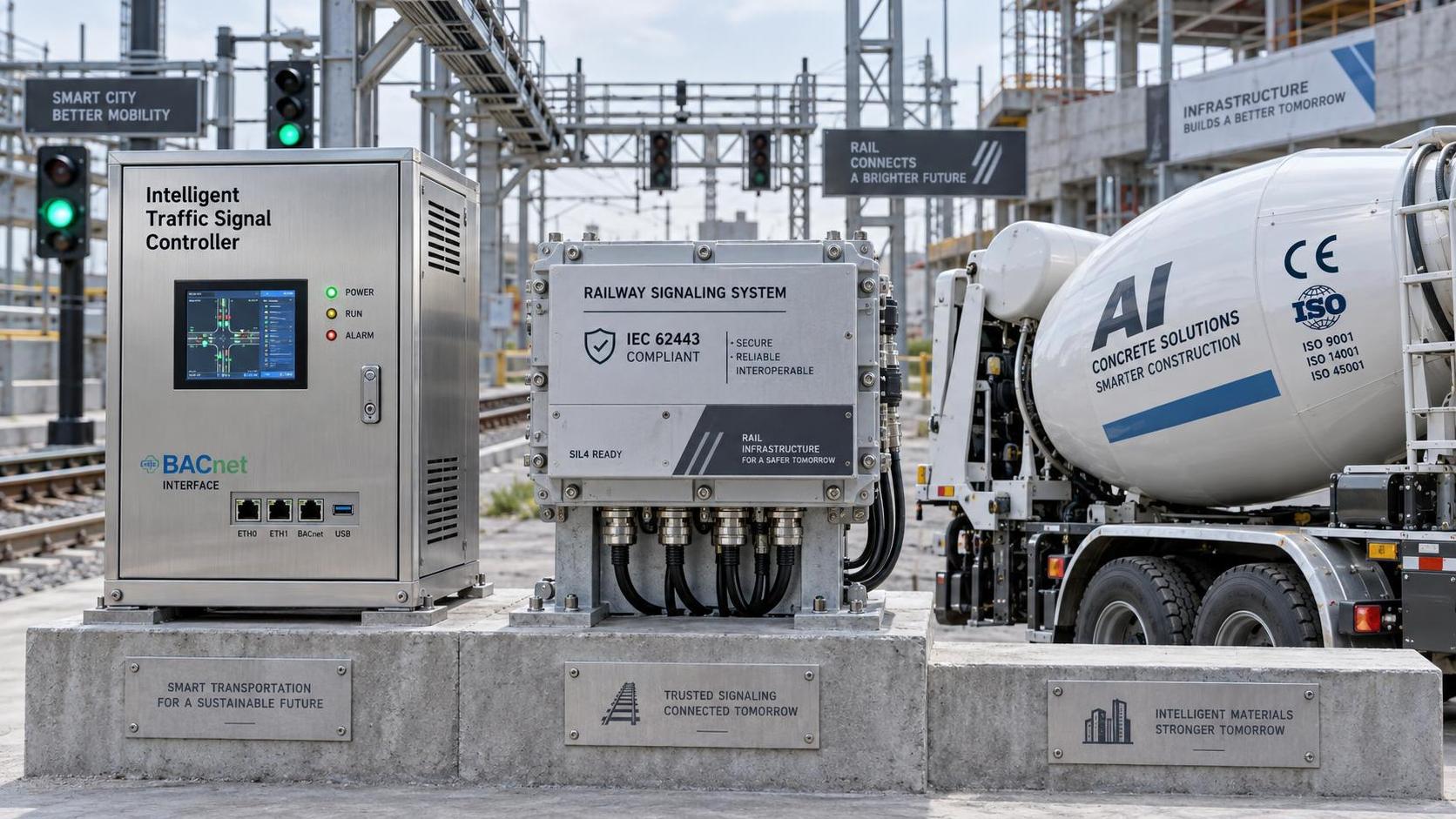
For rail, it should connect track assets, signaling logic, work windows, and route performance.
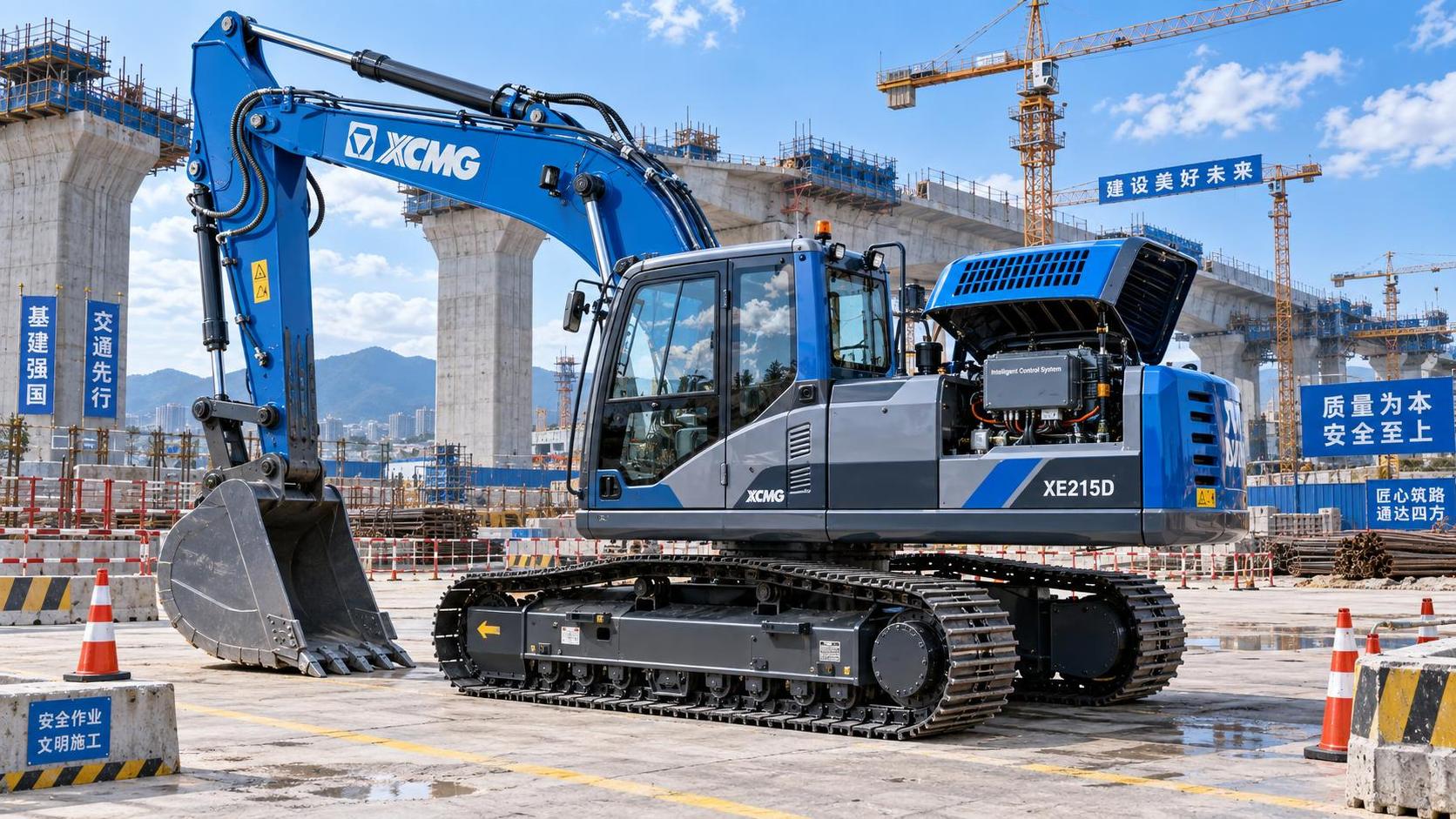
For special purpose vehicles and heavy equipment, the same principle applies.
Risk reduction improves when the digital twin reflects how equipment actually operates under load, weather, and scheduling pressure.
One overlooked point is maintenance context.
A machine can appear healthy by parameter range, yet still create site risk because service windows clash with production demands.
What usually deserves attention before rollout
- Clarify whether the main risk comes from safety exposure, downtime, coordination failure, or compliance gaps.
- Check if sensor coverage matches the actual hazard zone rather than the easiest installation points.
- Confirm whether asset data, work orders, and spatial models use compatible naming and time references.
- Test the physical world digital twin against abnormal scenarios, not only routine operations.
- Review who validates field changes when the real site diverges from the planned model.
Where projects often misread fit and lose value
The most frequent mistake is assuming more data automatically means better control.
Without clear decision rules, extra feeds can bury critical warnings.
Another mistake is copying a physical world digital twin setup from one site to another because both appear operationally similar.
A logistics hub, a metro extension, and a coastal utility corridor may all rely on continuous assets.
Still, their failure chains, access limits, and regulatory pressures differ.
There is also a cost-side misread.
Some evaluations focus on deployment budget while ignoring calibration, model upkeep, and field adoption effort.
In reality, the physical world digital twin only reduces site risk when it stays synchronized with changing conditions.
That makes governance and maintenance just as important as software capability.
A practical way to adapt the physical world digital twin to real operations
A useful rollout usually starts with one high-consequence process rather than an enterprise-wide promise.
That process could be lift planning, corridor maintenance, utility incident response, or mine haul coordination.
Then define three things clearly: what changes fast, what causes loss, and what decision must happen sooner.
From there, select the model depth, live data sources, and alert logic that fit the site rather than impress a procurement checklist.
The strongest results usually come from phased expansion.
Once one workflow proves reliable, adjacent assets and processes can be integrated with less friction.
That is especially relevant for organizations shaping long-term infrastructure intelligence.
A physical world digital twin should support sustainable engineering choices, better resource allocation, and more resilient public systems.
The next step is simple but important: map the specific site risks, compare operational conditions, and set adaptation rules before scaling the model.
That discipline is what turns a physical world digital twin from a concept into a dependable risk reduction tool.
Get weekly intelligence in your inbox.
No noise. No sponsored content. Pure intelligence.
News Recommendations
 Sep 19, 2026How an electronics application guide helps prevent component mismatchHow an electronics application guide helps prevent component mismatch
 Sep 18, 2026When a resource allocation platform improves project deliveryWhen a resource allocation platform improves project delivery
 Sep 17, 2026What to compare when evaluating mineral processing equipment manufacturersWhat to compare when evaluating mineral processing equipment manufacturers
 Sep 16, 2026How mineral separation optimization can reduce concentrate lossesHow mineral separation optimization can reduce concentrate losses
 Sep 15, 2026How to assess lifecycle costs in urban tech procurementHow to assess lifecycle costs in urban tech procurement
 Sep 14, 2026Heavy industry technology trends reshaping capital investment prioritiesHeavy industry technology trends reshaping capital investment priorities
 Sep 14, 2026Global Industrial Equipment Procurement: How Top OEMs Qualify Suppliers for Mining & Infrastructure ProjectsGlobal Industrial Equipment Procurement: How Top OEMs Qualify Suppliers for Mining & Infrastructure Projects
 Sep 14, 2026Industrial & Mining Equipment Procurement: Balancing Local Sourcing, Lead Time, and Certification RequirementsIndustrial & Mining Equipment Procurement: Balancing Local Sourcing, Lead Time, and Certification Requirements
 Sep 14, 2026Infrastructure & Equipment Upgrades: What Procurement Teams Must Verify Before Signing Off on New ContractsInfrastructure & Equipment Upgrades: What Procurement Teams Must Verify Before Signing Off on New Contracts
 Sep 14, 2026Why Infrastructure Equipment Buyers Are Shifting from Catalog-Based to Capability-Based Supplier SelectionWhy Infrastructure Equipment Buyers Are Shifting from Catalog-Based to Capability-Based Supplier Selection
 Sep 14, 2026Process Automation Project Execution: How to Align Supplier Capabilities with PLC Integration, Cybersecurity & Commissioning MilestonesProcess Automation Project Execution: How to Align Supplier Capabilities with PLC Integration, Cybersecurity & Commissioning Milestones
 Sep 14, 2026Are intelligent traffic systems worth the investment for small cities?Are intelligent traffic systems worth the investment for small cities?
 Sep 14, 2026How do intelligent traffic systems handle sensor failures?How do intelligent traffic systems handle sensor failures?
 Sep 14, 2026What should I check before accepting a smart building system?What should I check before accepting a smart building system?
 Sep 14, 2026Is a smart building system worth the maintenance cost?Is a smart building system worth the maintenance cost?
 Sep 14, 2026What data is needed for reliable resource allocation planning?What data is needed for reliable resource allocation planning?
 Sep 14, 2026How can resource allocation software reduce equipment idle time?How can resource allocation software reduce equipment idle time?
 Sep 14, 2026How should smart devices be maintained in harsh outdoor conditions?How should smart devices be maintained in harsh outdoor conditions?
 Sep 14, 2026Do smart devices improve worker safety on construction sites?Do smart devices improve worker safety on construction sites?
 Sep 14, 2026What environmental risks must be assessed before deep-sea mining?What environmental risks must be assessed before deep-sea mining?
 Sep 14, 2026Is deep-sea mining equipment commercially viable in 2026?Is deep-sea mining equipment commercially viable in 2026?
 Sep 14, 2026What Inspection Checks Should Procurement Teams Perform Before Ordering Dredging Equipment in 2026?What Inspection Checks Should Procurement Teams Perform Before Ordering Dredging Equipment in 2026?
 Sep 13, 2026How to verify an industrial product information source before specifying equipmentHow to verify an industrial product information source before specifying equipment
 Sep 12, 2026Which intelligent traffic systems hardware fits an urban intersection?Which intelligent traffic systems hardware fits an urban intersection?
 Sep 11, 2026How pump capacity affects response coverage for municipal fire fighting vehiclesHow pump capacity affects response coverage for municipal fire fighting vehicles
 Sep 10, 2026What to verify before choosing a heavy industry equipment supplierWhat to verify before choosing a heavy industry equipment supplier
 Sep 09, 2026When do adaptive urban traffic control systems reduce corridor delays?When do adaptive urban traffic control systems reduce corridor delays?