Urban Traffic Control: 7 Setup Mistakes to Avoid
Why early urban traffic control decisions shape city performance
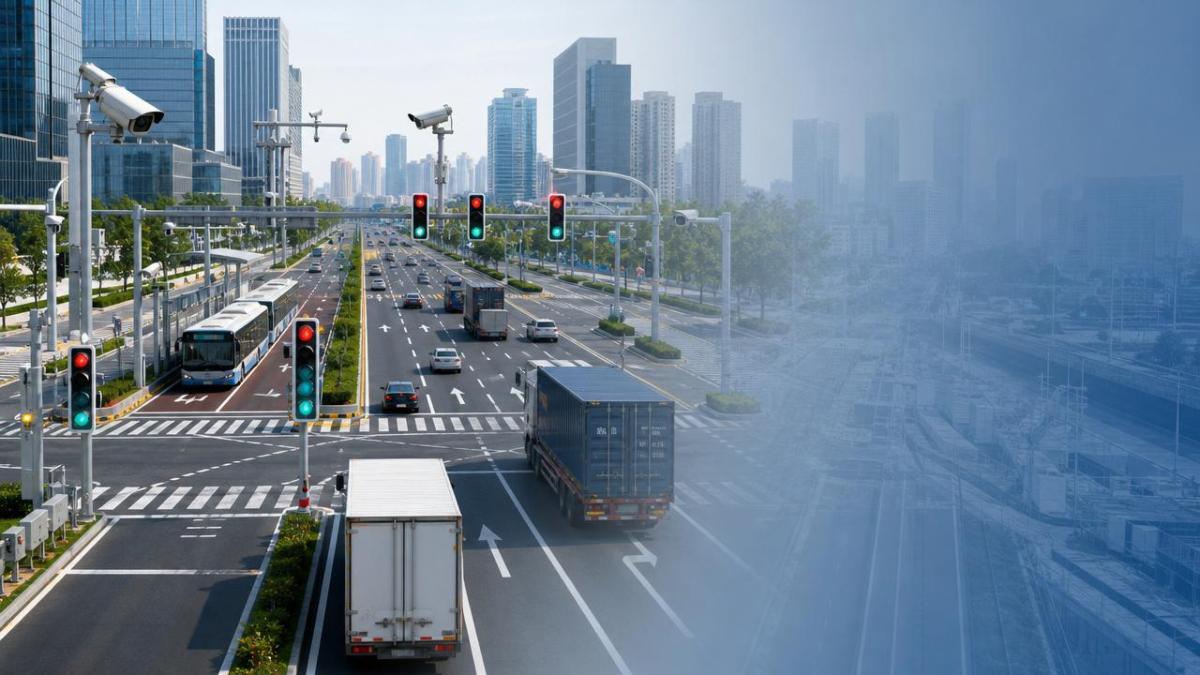
Urban traffic control fails quietly at first. Delays look minor, queue spillback seems local, and signal timing appears acceptable during limited testing.
The real problem emerges when the network begins operating as one system. A weak setup at one junction can distort bus priority, freight access, emergency response, and pedestrian safety.
That is why urban traffic control matters beyond mobility. It connects road engineering, smart governance, logistics continuity, and the wider infrastructure logic of a growing city.
Across smart districts, industrial corridors, rail station areas, and mixed-use centers, demand patterns are never identical. Setup choices must reflect those differences from the beginning.
A digital city platform can only perform as well as the field logic behind it. If detection coverage, timing plans, or interoperability are misjudged, advanced software cannot fully recover the network.
Different operating environments create different setup risks
In practice, urban traffic control is rarely deployed in a neutral environment. Each road context creates its own priority mix, conflict points, and acceptable failure thresholds.
A commercial downtown usually values turnover, pedestrian protection, and transit reliability. An industrial edge zone often values heavy-vehicle progression, durable detection, and safer turning movements.
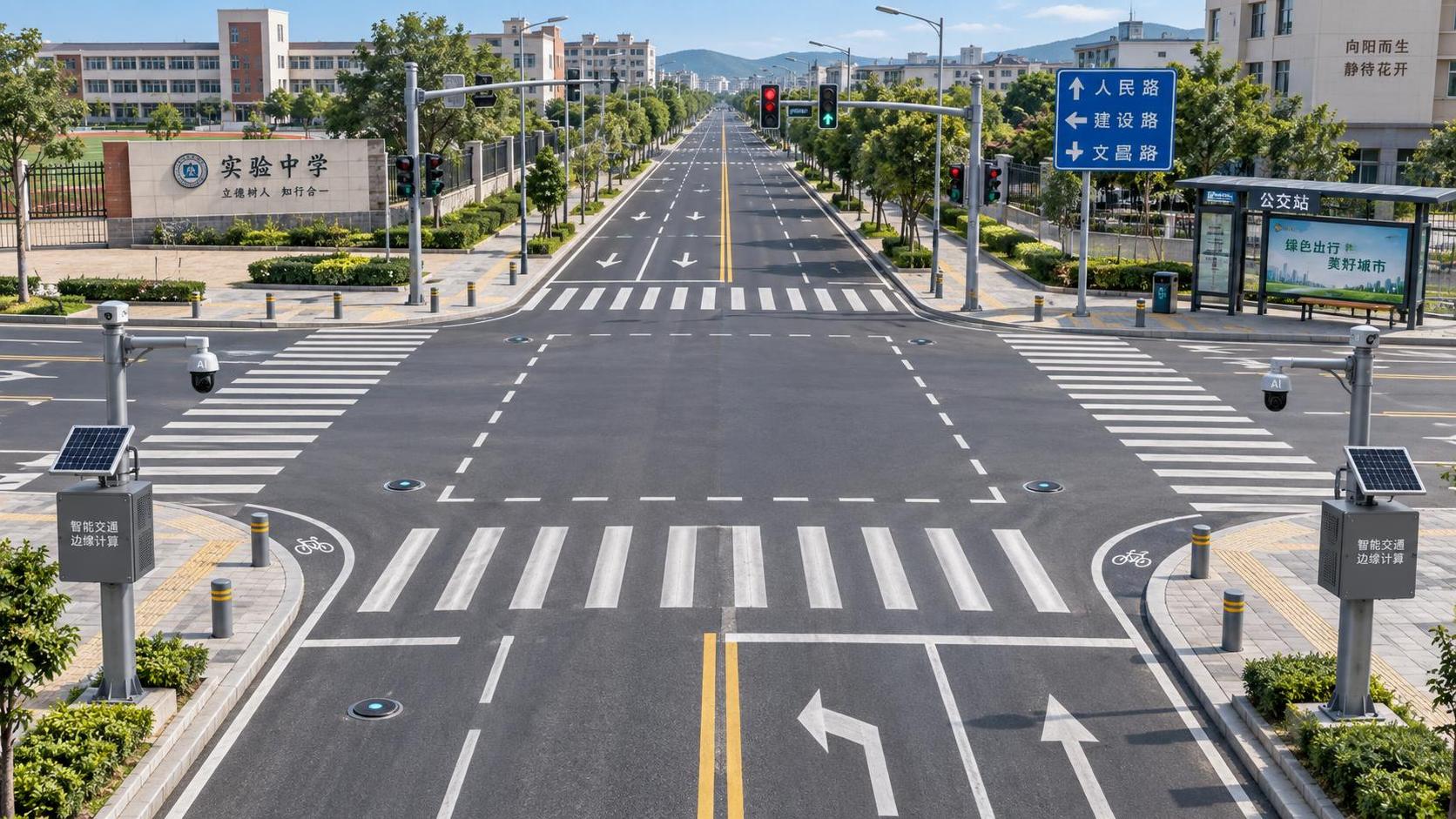
Near hospitals, schools, or fire routes, the same signal strategy may become unsuitable. What looks efficient on paper can become risky when emergency preemption or vulnerable users are involved.
This is where GIUT-style infrastructure analysis becomes useful. Urban systems should be judged as part of a wider physical network, not as isolated smart devices.
The first mistake is treating visibility as a hardware issue only
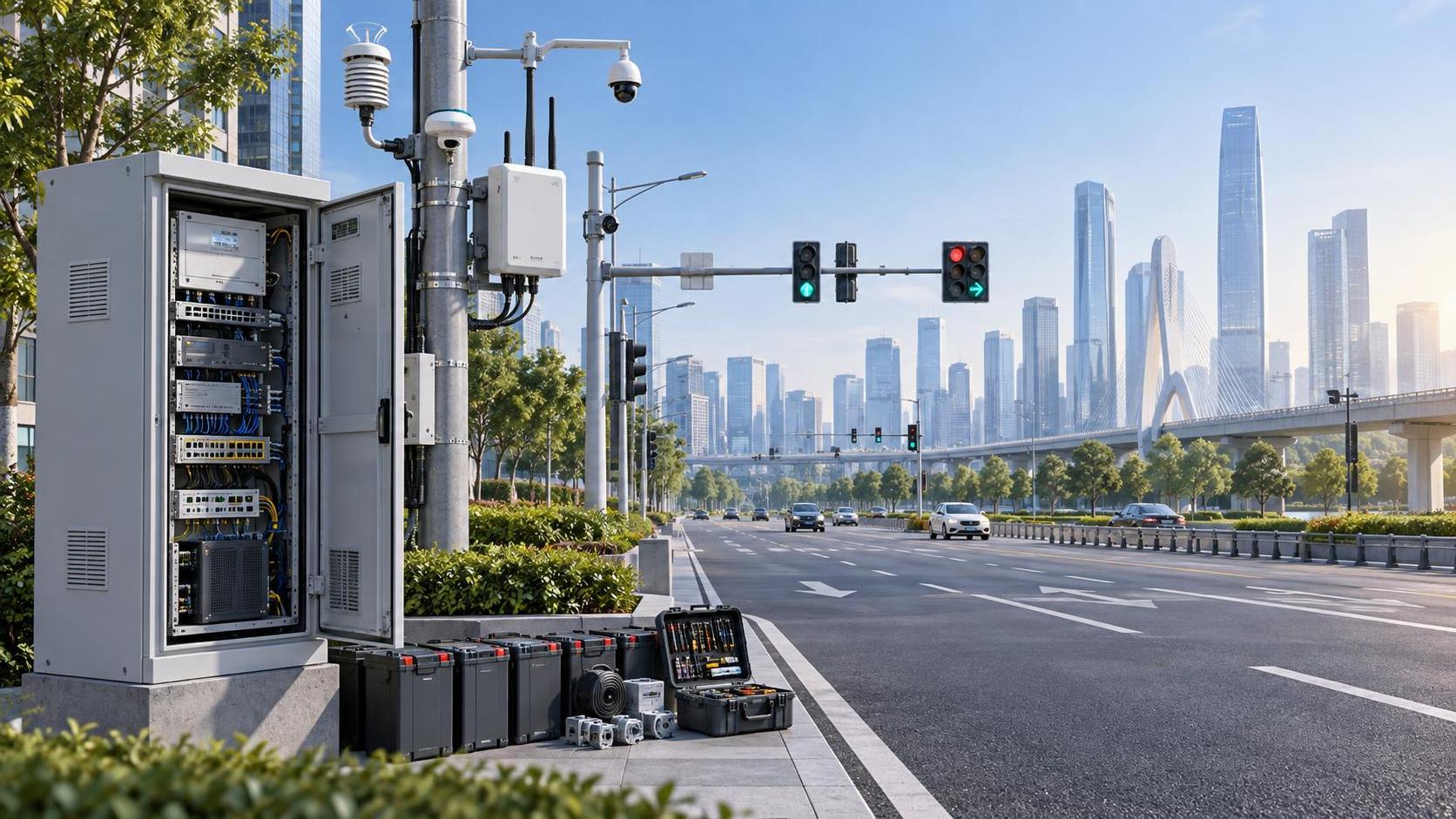
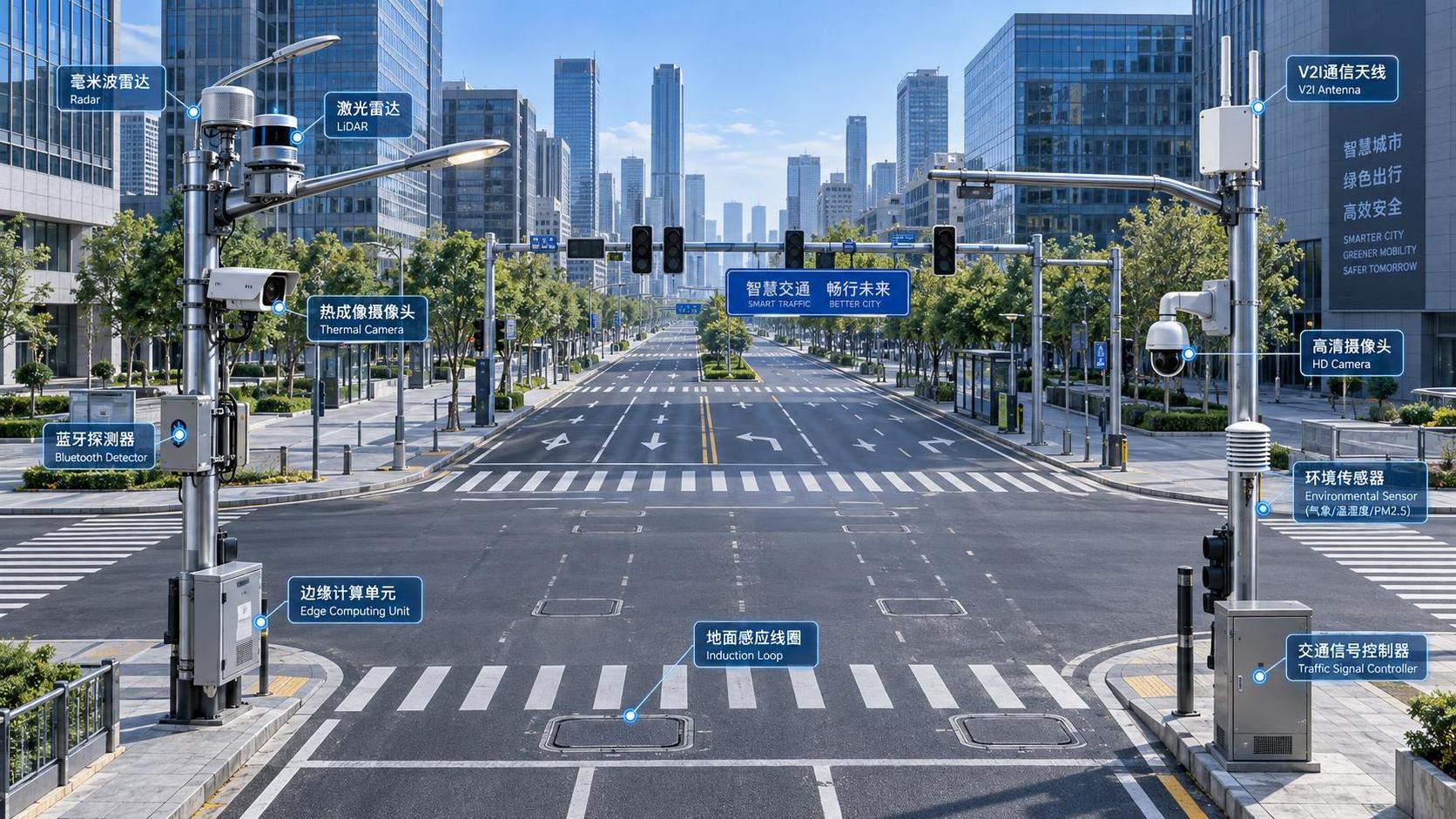
Many urban traffic control projects begin with detector counts and camera placement. That is necessary, but it is not the same as operational visibility.
Visibility means understanding who is moving, when demand shifts, and how lane use changes across the day. A sensor can be active and still be poorly positioned for decision-making.
This mistake appears often at wide intersections, temporary work zones, and corridors with informal stopping behavior. Detection captures movement, but misses queue origin or turning blockage.
A better approach is to map data needs before fixing device locations. Urban traffic control works better when detection supports timing, incident response, and future corridor analytics together.
The second and third mistakes usually appear in timing logic
Using default cycle plans for non-default traffic behavior
Default plans often survive longer than they should. They may perform reasonably in testing, then fail when school release, freight dispatch, or event traffic changes lane pressure.
In urban traffic control, timing should reflect how demand actually arrives. Planners need to confirm platoon quality, queue clearance time, and side-street tolerance under real conditions.
Optimizing one intersection while weakening the corridor
A local green extension may look successful at one node. Yet it can shift congestion downstream and create bus delay, blocked crosswalks, or missed rail feeder connections.
This is a frequent setup error in smart city programs that deploy corridor tools before clarifying network objectives. Urban traffic control must rank corridor performance above isolated signal wins.
Cross-network coordination breaks when standards are assumed, not checked
The fourth mistake is assuming devices, legacy controllers, and central software will integrate smoothly because they meet broad specifications.
In reality, protocol compatibility, timestamp alignment, and event formatting can vary enough to distort urban traffic control decisions. Small mismatches create large operational blind spots.
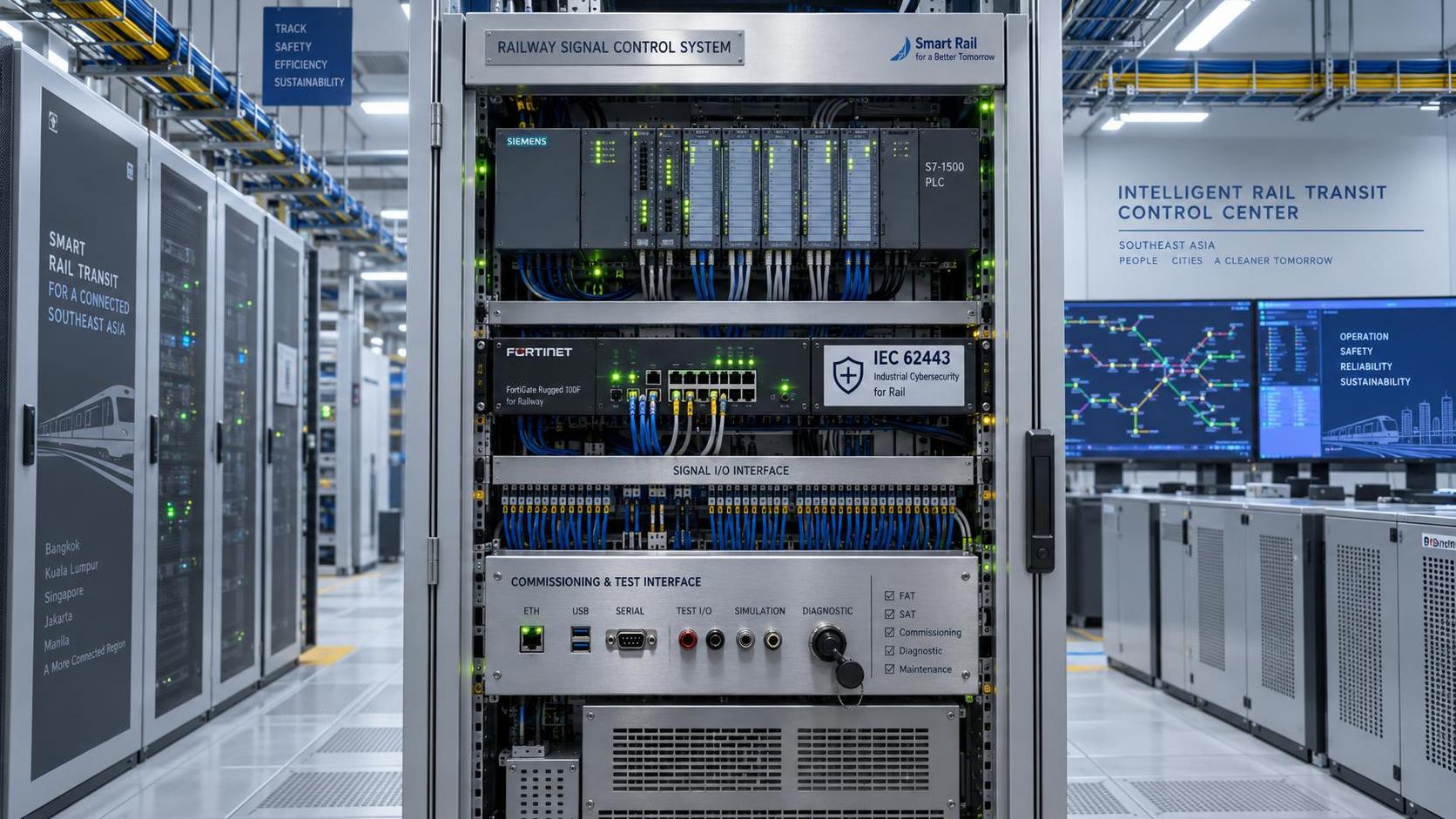
This is especially relevant when road systems connect with rail signaling interfaces, emergency dispatch platforms, or smart grid resilience plans. Integration is not only technical. It is procedural too.
Field acceptance should therefore include interface testing under live scenarios. Simulated interoperability is useful, but it rarely captures the friction of peak-hour operations.
Weather, maintenance, and street change often get underestimated
The fifth mistake is designing urban traffic control for opening day instead of operating year three. Cities change faster than many signal setups expect.
A corridor may gain a bus lane, lose curb parking, add a bike crossing, or face repeated utility works. Detection and timing plans must tolerate that evolution.
The sixth mistake is underestimating maintenance access. Some installations are technically sound but expensive to calibrate, replace, or clean under traffic.
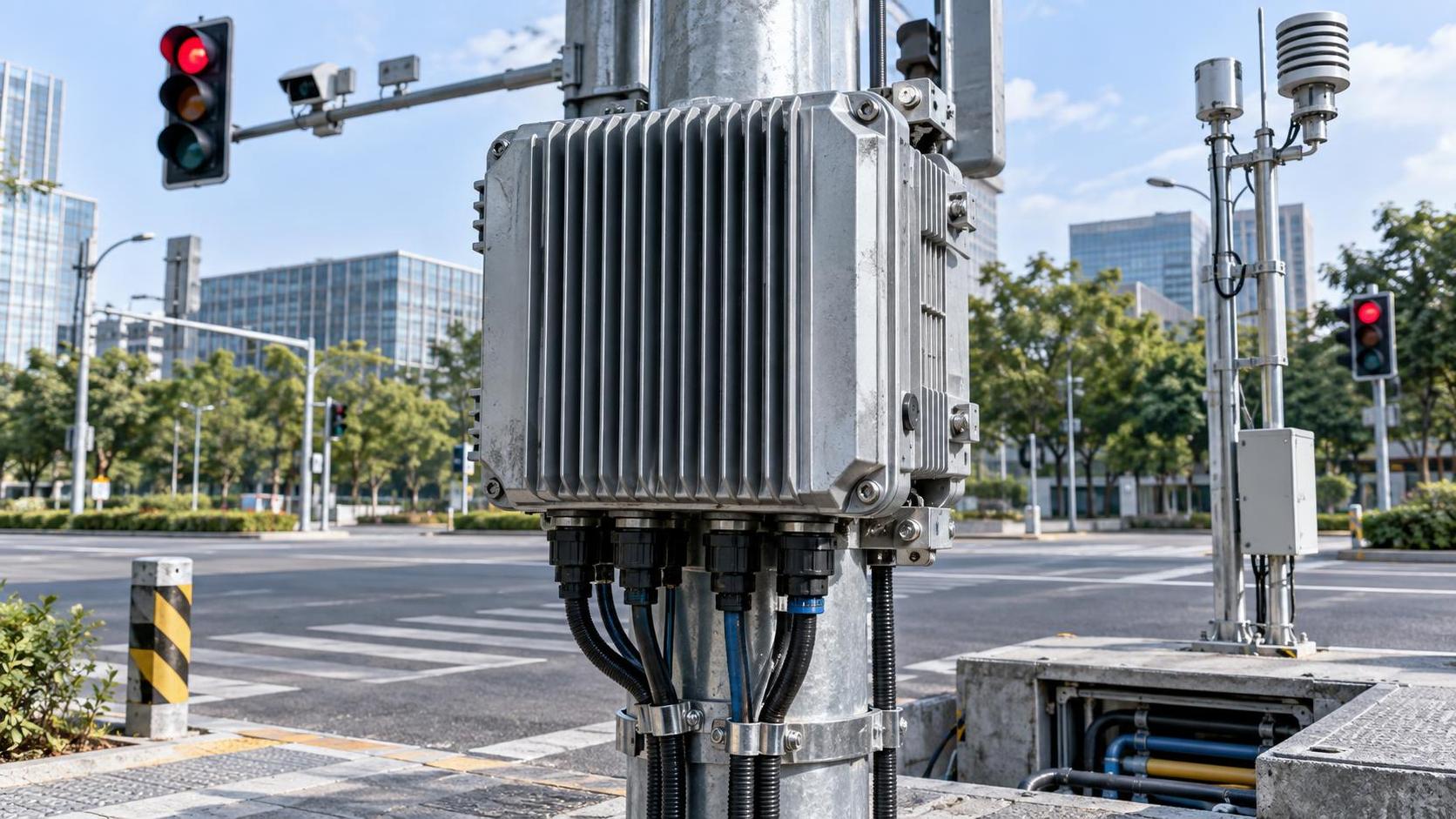
That matters in tunnels, coastal roads, mining-adjacent haul routes, and dust-prone industrial districts. Urban traffic control reliability depends on maintainability as much as on design intent.
- Check whether sensor performance changes under glare, rain, dust, or night freight operations.
- Confirm lane markings, mast angles, and roadside furniture will not reduce detection quality later.
- Review maintenance windows, spare parts access, and safe calibration procedures before commissioning.
The seventh mistake is ignoring how people actually use the street
Urban traffic control can be technically advanced and still misread behavior. Drivers queue differently near markets, schools, stations, and loading zones than models often predict.
Pedestrians also do not distribute evenly. Informal crossings, late-stage turns, and curbside ride-hailing can disrupt perfectly valid timing assumptions.
This is why street observation still matters. Digital twins and analytics platforms become stronger when they are grounded in on-site behavioral patterns.
In dense redevelopment zones, this mistake often appears after road geometry changes. Teams update maps, but not the human routines that shape conflict points.
How to judge setup priorities in real urban traffic control projects
Not every corridor needs the same response. The more reliable method is to establish a few practical judgment layers before procurement, installation, and tuning begin.
These checks help urban traffic control align with broader infrastructure strategy. They also reduce the common mistake of judging performance only by initial installation cost.
What to review before the next rollout or upgrade
The strongest urban traffic control programs do not rely on one perfect device or one perfect model. They rely on disciplined setup logic across field conditions.
Before the next rollout, review the corridor role, peak pattern shifts, interoperability risks, and maintenance limits together. That combined view usually reveals the real setup gap.
It also helps to compare assumptions against street observation, especially where freight access, public transport, and pedestrian flows overlap.
Urban traffic control improves fastest when cities build a repeatable adaptation standard. That means clearer field checks, better timing review cycles, and stronger cross-network validation.
The next useful step is simple: define the operating scenario first, list the hidden constraints second, and only then finalize setup priorities, cost expectations, and performance targets.
Get weekly intelligence in your inbox.
No noise. No sponsored content. Pure intelligence.
News Recommendations
 Sep 19, 2026How an electronics application guide helps prevent component mismatchHow an electronics application guide helps prevent component mismatch
 Sep 18, 2026When a resource allocation platform improves project deliveryWhen a resource allocation platform improves project delivery
 Sep 17, 2026What to compare when evaluating mineral processing equipment manufacturersWhat to compare when evaluating mineral processing equipment manufacturers
 Sep 16, 2026How mineral separation optimization can reduce concentrate lossesHow mineral separation optimization can reduce concentrate losses
 Sep 15, 2026How to assess lifecycle costs in urban tech procurementHow to assess lifecycle costs in urban tech procurement
 Sep 14, 2026Heavy industry technology trends reshaping capital investment prioritiesHeavy industry technology trends reshaping capital investment priorities
 Sep 14, 2026Global Industrial Equipment Procurement: How Top OEMs Qualify Suppliers for Mining & Infrastructure ProjectsGlobal Industrial Equipment Procurement: How Top OEMs Qualify Suppliers for Mining & Infrastructure Projects
 Sep 14, 2026Industrial & Mining Equipment Procurement: Balancing Local Sourcing, Lead Time, and Certification RequirementsIndustrial & Mining Equipment Procurement: Balancing Local Sourcing, Lead Time, and Certification Requirements
 Sep 14, 2026Infrastructure & Equipment Upgrades: What Procurement Teams Must Verify Before Signing Off on New ContractsInfrastructure & Equipment Upgrades: What Procurement Teams Must Verify Before Signing Off on New Contracts
 Sep 14, 2026Why Infrastructure Equipment Buyers Are Shifting from Catalog-Based to Capability-Based Supplier SelectionWhy Infrastructure Equipment Buyers Are Shifting from Catalog-Based to Capability-Based Supplier Selection
 Sep 14, 2026Process Automation Project Execution: How to Align Supplier Capabilities with PLC Integration, Cybersecurity & Commissioning MilestonesProcess Automation Project Execution: How to Align Supplier Capabilities with PLC Integration, Cybersecurity & Commissioning Milestones
 Sep 14, 2026Are intelligent traffic systems worth the investment for small cities?Are intelligent traffic systems worth the investment for small cities?
 Sep 14, 2026How do intelligent traffic systems handle sensor failures?How do intelligent traffic systems handle sensor failures?
 Sep 14, 2026What should I check before accepting a smart building system?What should I check before accepting a smart building system?
 Sep 14, 2026Is a smart building system worth the maintenance cost?Is a smart building system worth the maintenance cost?
 Sep 14, 2026What data is needed for reliable resource allocation planning?What data is needed for reliable resource allocation planning?
 Sep 14, 2026How can resource allocation software reduce equipment idle time?How can resource allocation software reduce equipment idle time?
 Sep 14, 2026How should smart devices be maintained in harsh outdoor conditions?How should smart devices be maintained in harsh outdoor conditions?
 Sep 14, 2026Do smart devices improve worker safety on construction sites?Do smart devices improve worker safety on construction sites?
 Sep 14, 2026What environmental risks must be assessed before deep-sea mining?What environmental risks must be assessed before deep-sea mining?
 Sep 14, 2026Is deep-sea mining equipment commercially viable in 2026?Is deep-sea mining equipment commercially viable in 2026?
 Sep 14, 2026What Inspection Checks Should Procurement Teams Perform Before Ordering Dredging Equipment in 2026?What Inspection Checks Should Procurement Teams Perform Before Ordering Dredging Equipment in 2026?
 Sep 13, 2026How to verify an industrial product information source before specifying equipmentHow to verify an industrial product information source before specifying equipment
 Sep 12, 2026Which intelligent traffic systems hardware fits an urban intersection?Which intelligent traffic systems hardware fits an urban intersection?
 Sep 11, 2026How pump capacity affects response coverage for municipal fire fighting vehiclesHow pump capacity affects response coverage for municipal fire fighting vehicles
 Sep 10, 2026What to verify before choosing a heavy industry equipment supplierWhat to verify before choosing a heavy industry equipment supplier
 Sep 09, 2026When do adaptive urban traffic control systems reduce corridor delays?When do adaptive urban traffic control systems reduce corridor delays?