When Resource Development Consulting Services Reduce Project Risk
Why project conditions change the value of resource development consulting services
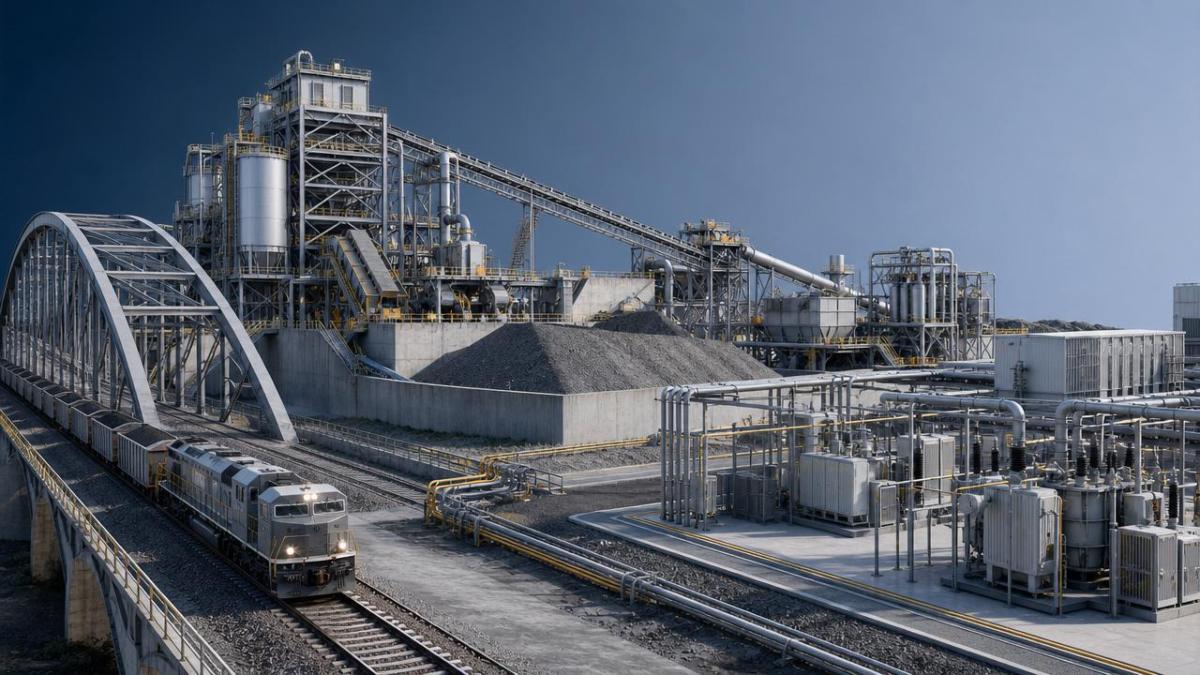
Resource development consulting services matter most when a project carries technical depth, public exposure, and long capital cycles at the same time.
That combination is common across infrastructure, mining, logistics corridors, and urban utility upgrades.
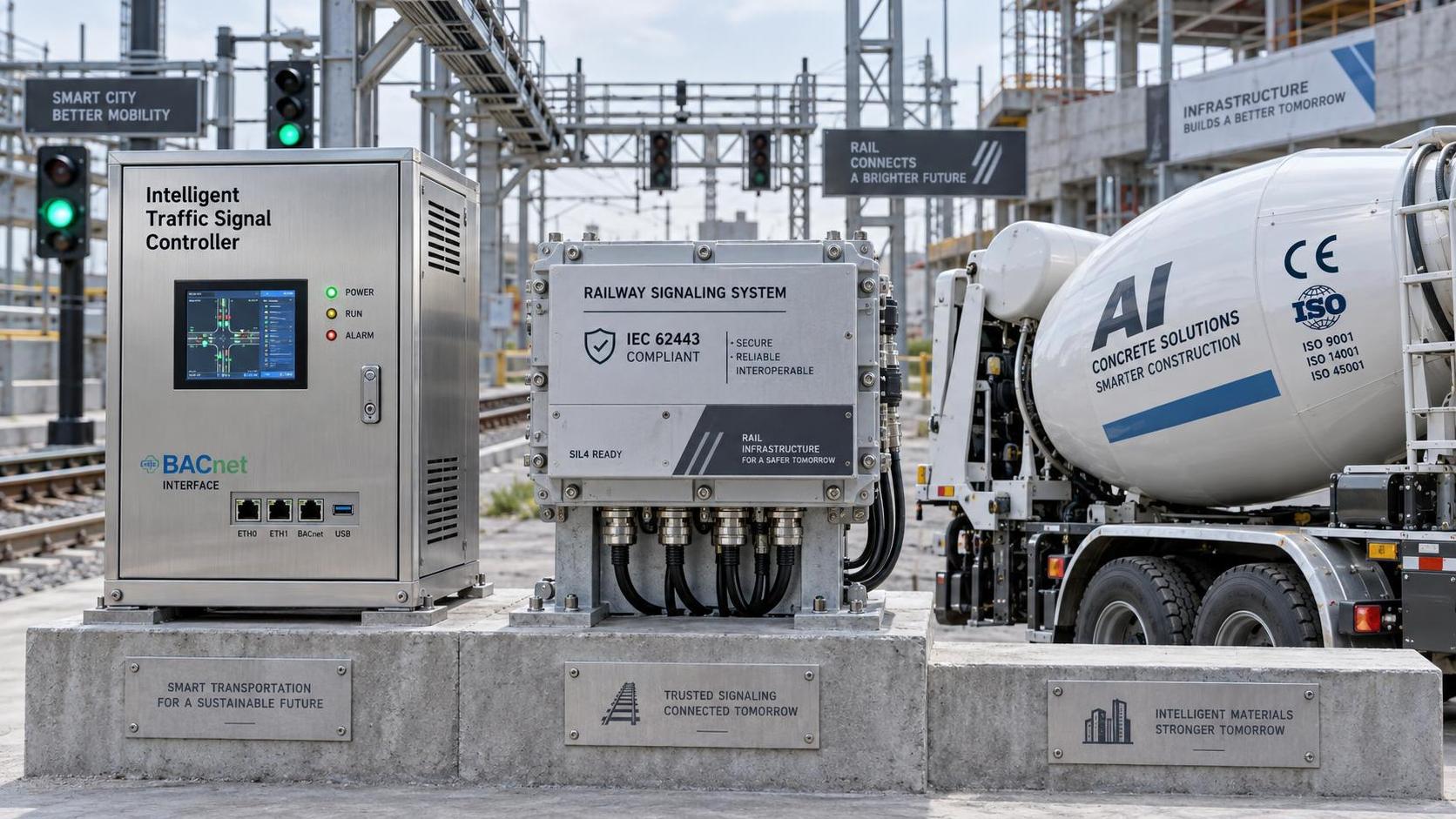
A rail extension, a smart grid node, and a mineral processing site may look unrelated.
In practice, they share one problem.
Early decisions shape permits, sequencing, contractor interfaces, safety assumptions, and long-term operating cost.
When those decisions are made in isolation, risk does not disappear.
It simply moves downstream, where correction becomes slower and more expensive.
This is where resource development consulting services create practical value.
They connect site intelligence, regulatory logic, engineering constraints, and delivery planning before field work locks the project into avoidable commitments.
For a platform like GIUT, which reads the physical world through data, engineering, and governance, that integrated view is essential.
The real question is not whether consulting is useful.
The real question is which project conditions require deeper consulting intervention, and which risks deserve priority first.
In corridor and utility projects, coordination risk often appears before technical risk
Linear projects usually cross more jurisdictions, utilities, and land interests than teams expect at the concept stage.
That is true for railway upgrades, transmission corridors, water pipelines, and smart transport systems.
In these settings, resource development consulting services are less about one design package and more about interface discipline.
A route may be technically feasible but still fail on relocation timing, access rights, or environmental review sequencing.
More often, the critical judgment is whether dependencies are visible early enough to reshape the schedule.
A consulting team should test several issues before engineering detail expands.
- Whether route selection aligns with permit pathways, not only construction convenience.
- Whether utility conflicts are mapped at workable depth, not assumed from outdated records.
- Whether contractor packaging supports interface control across civil, electrical, and digital systems.
- Whether commissioning logic matches how the asset will enter service in phases.
Without that discipline, teams can optimize individual work packages while losing control of the corridor as a whole.
Extraction and processing sites demand a different risk lens
Mining and resource technology projects rarely fail for one single reason.
They struggle when geological uncertainty, infrastructure gaps, safety exposure, and market timing interact.
That makes resource development consulting services especially valuable during front-end studies and staged investment decisions.
A deposit may support extraction on paper, yet transport water, tailings strategy, or energy supply can change the economic picture completely.
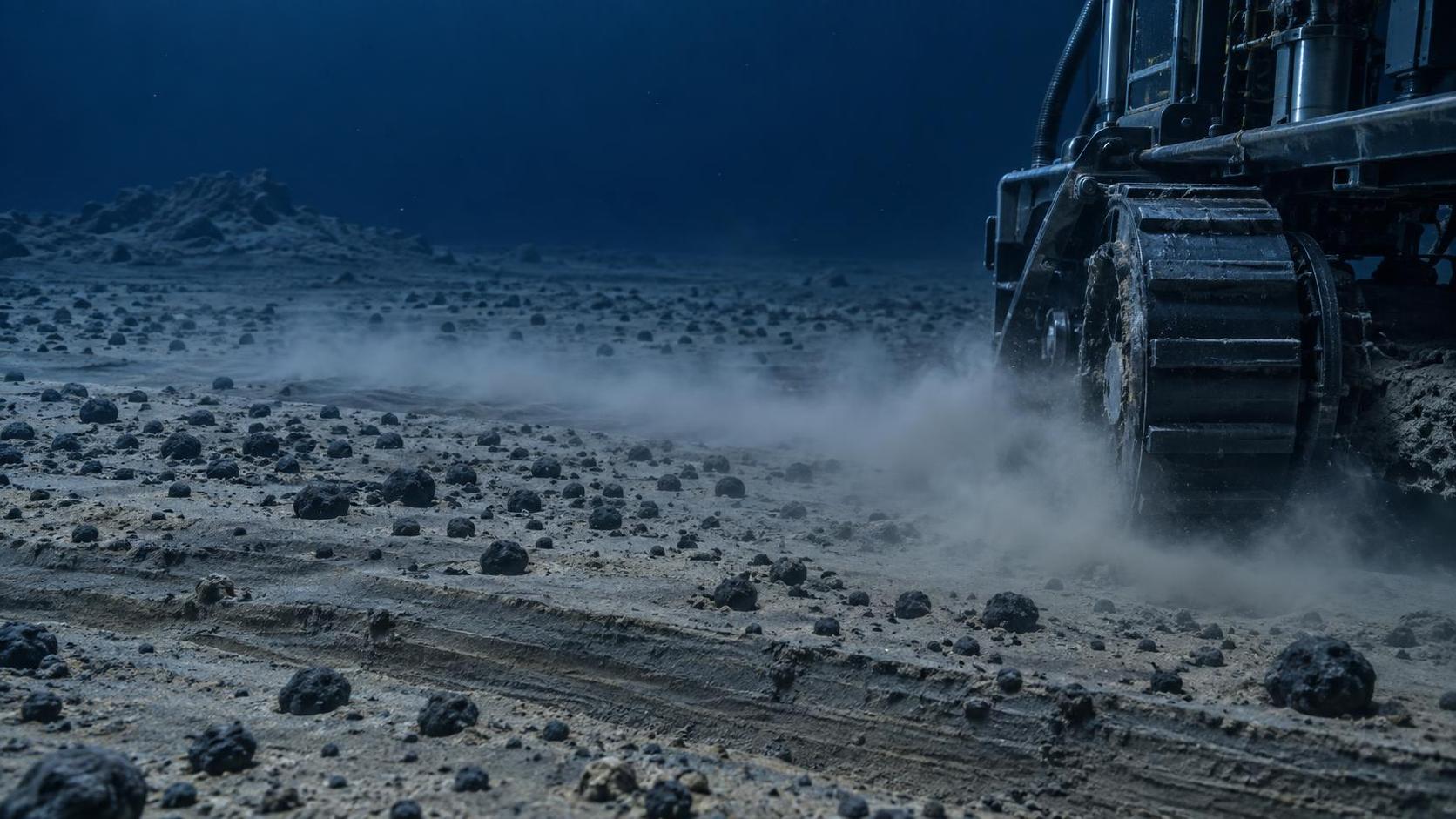
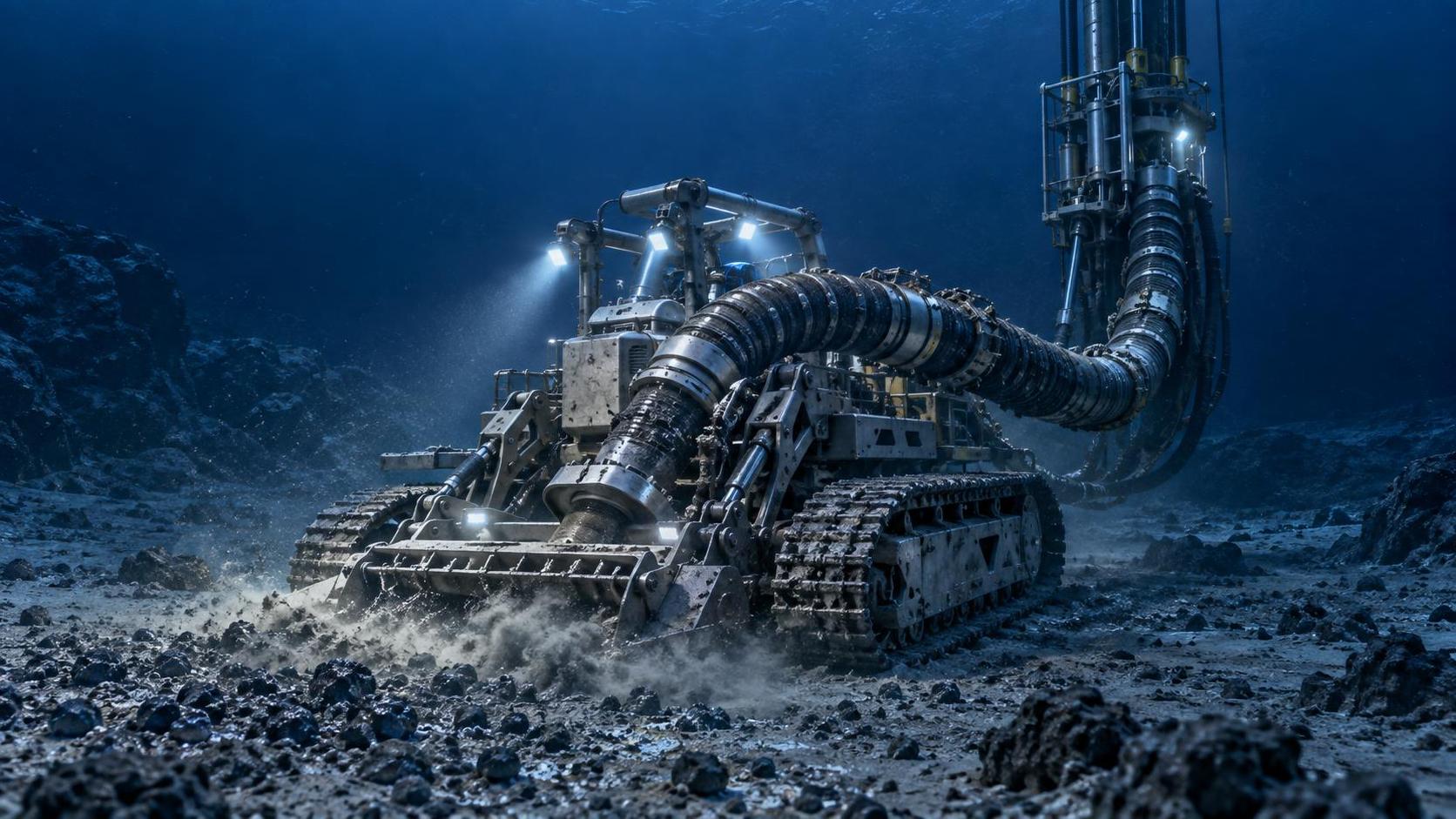
The same applies to deep-sea resources and land-based operations.
The site conditions differ, but the judgment pattern is similar.
Consulting should identify what must be proven now, what can wait, and what assumptions are too fragile for capital approval.
In actual project reviews, one common mistake is overvaluing production targets while underestimating enabling systems.
Ventilation, dewatering, haul road resilience, emergency response, and community logistics often determine whether the extraction plan is buildable.
Strong resource development consulting services do not only ask how to extract more.
They ask whether the full operating system can sustain safe output over time.
Smart city and heavy equipment programs need consulting that connects data with field reality
Urban tech projects introduce another challenge.
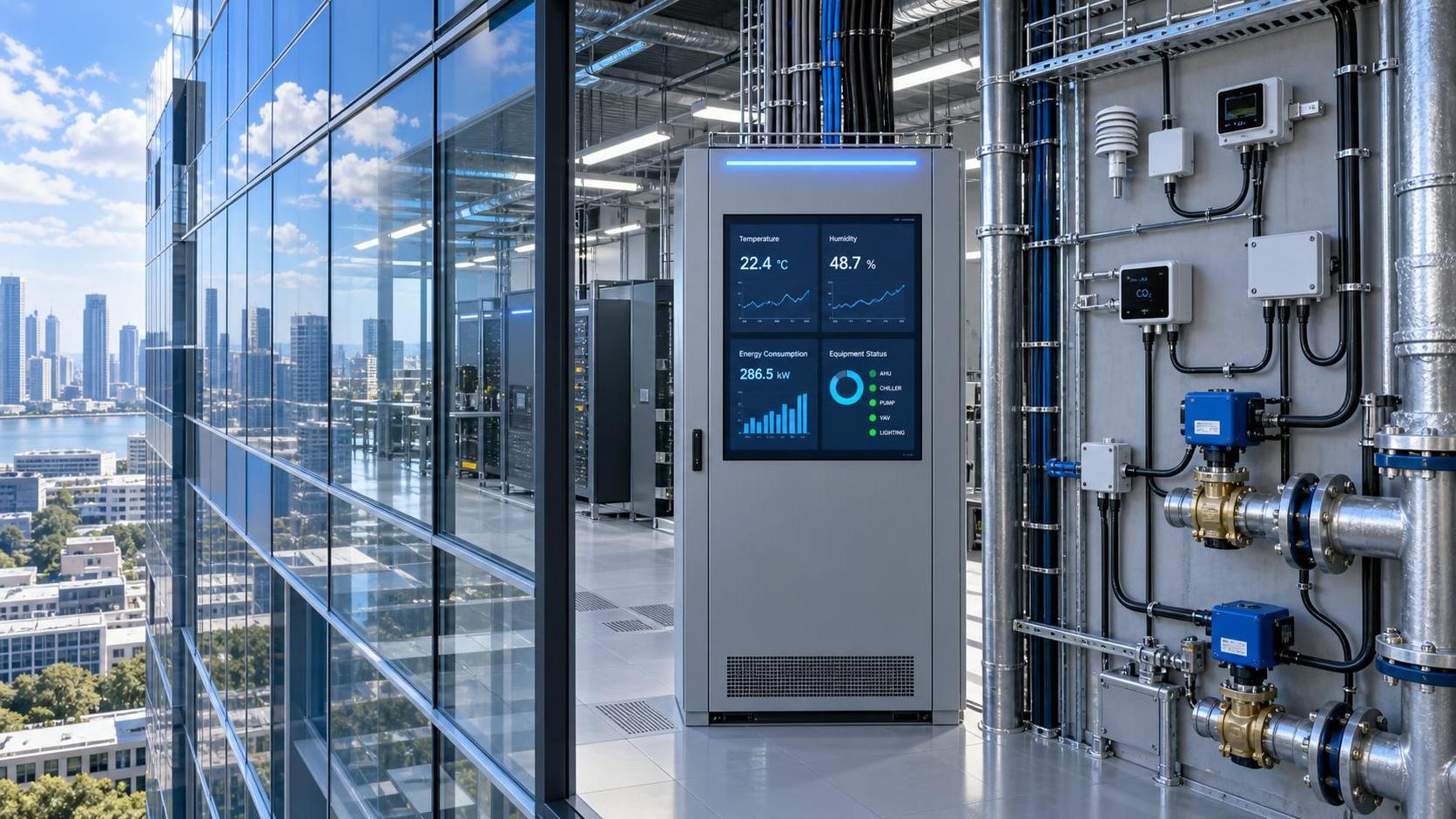
Digital systems promise visibility, automation, and efficiency, but physical assets still control delivery risk.
A smart waste platform depends on collection vehicle routing, maintenance routines, and transfer station capacity.
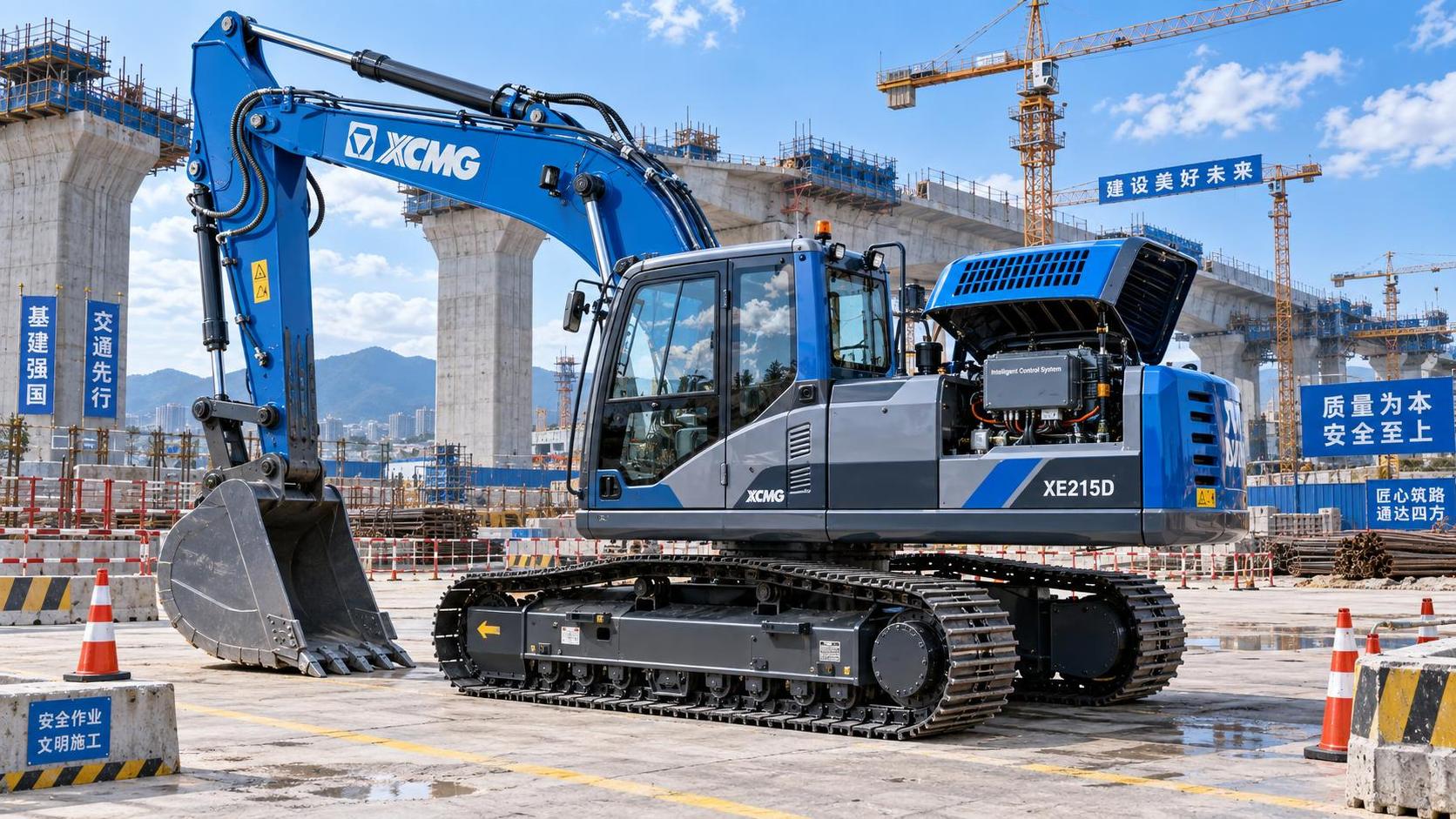
A connected construction site still depends on crane movement, power continuity, and worker access patterns.
In these cases, resource development consulting services should bridge digital ambition with operational constraints.
That is closely aligned with GIUT’s Digital Twin perspective.
The objective is not to add more dashboards.
The objective is to make decisions with better physical-world feedback.
Consulting support is often most useful when technology vendors, civil teams, and operators define success differently.
A system can pass factory testing and still underperform on site because sensors, workflows, and service protocols were never aligned.
That is why implementation readiness matters as much as feature capability.
Different settings change what should be checked first
The table below shows why resource development consulting services cannot be applied with one universal checklist.
This comparison also explains why low-cost consulting scopes sometimes create false confidence.
If the scope ignores the main source of uncertainty, the documents may look complete while the risk remains untouched.
Where projects often misread the need for resource development consulting services
One frequent misjudgment is treating similar assets as identical delivery environments.
Two substations may use related equipment, yet land restrictions, grid dependencies, and local approvals can produce very different risk paths.
Another error is focusing on capital cost while ignoring operational lock-in.
A cheaper design choice may increase maintenance stoppages, specialist labor needs, or spare component exposure.
Projects also underestimate how often stakeholder timing drives engineering change.
Community access, port capacity, emergency planning, and environmental monitoring can all reshape execution logic.
Resource development consulting services reduce this blind spot when they include governance and operations, not only design review.
The best warning sign is simple.
If major assumptions depend on data that has not been verified in the field, the project is not yet ready to rely on fixed downstream commitments.
A practical way to match consulting depth with project exposure
Not every development requires the same level of support.
The more useful approach is to match resource development consulting services to the project’s exposure profile.
- Use targeted consulting when the asset is familiar, but approvals or interfaces are unusual.
- Use integrated consulting when civil, mechanical, digital, and regulatory decisions affect one another.
- Use staged consulting when geology, demand, or logistics assumptions must be proven before scale-up.
- Use operational consulting when long-term reliability matters more than headline construction speed.
Before moving forward, it helps to document a short set of project-specific checks.
Confirm which assumptions are irreversible, which external approvals control the schedule, and which operating conditions could invalidate the design basis.
That process turns resource development consulting services from a general advisory expense into a decision framework.
In large infrastructure and extraction programs, that shift is often what separates manageable complexity from recurring project instability.
A useful next step is to map the project by scenario, compare risk drivers across each setting, and then define the consulting scope around the hardest uncertainties first.
Get weekly intelligence in your inbox.
No noise. No sponsored content. Pure intelligence.
News Recommendations
 Sep 19, 2026How an electronics application guide helps prevent component mismatchHow an electronics application guide helps prevent component mismatch
 Sep 18, 2026When a resource allocation platform improves project deliveryWhen a resource allocation platform improves project delivery
 Sep 17, 2026What to compare when evaluating mineral processing equipment manufacturersWhat to compare when evaluating mineral processing equipment manufacturers
 Sep 16, 2026How mineral separation optimization can reduce concentrate lossesHow mineral separation optimization can reduce concentrate losses
 Sep 15, 2026How to assess lifecycle costs in urban tech procurementHow to assess lifecycle costs in urban tech procurement
 Sep 14, 2026Heavy industry technology trends reshaping capital investment prioritiesHeavy industry technology trends reshaping capital investment priorities
 Sep 14, 2026Global Industrial Equipment Procurement: How Top OEMs Qualify Suppliers for Mining & Infrastructure ProjectsGlobal Industrial Equipment Procurement: How Top OEMs Qualify Suppliers for Mining & Infrastructure Projects
 Sep 14, 2026Industrial & Mining Equipment Procurement: Balancing Local Sourcing, Lead Time, and Certification RequirementsIndustrial & Mining Equipment Procurement: Balancing Local Sourcing, Lead Time, and Certification Requirements
 Sep 14, 2026Infrastructure & Equipment Upgrades: What Procurement Teams Must Verify Before Signing Off on New ContractsInfrastructure & Equipment Upgrades: What Procurement Teams Must Verify Before Signing Off on New Contracts
 Sep 14, 2026Why Infrastructure Equipment Buyers Are Shifting from Catalog-Based to Capability-Based Supplier SelectionWhy Infrastructure Equipment Buyers Are Shifting from Catalog-Based to Capability-Based Supplier Selection
 Sep 14, 2026Process Automation Project Execution: How to Align Supplier Capabilities with PLC Integration, Cybersecurity & Commissioning MilestonesProcess Automation Project Execution: How to Align Supplier Capabilities with PLC Integration, Cybersecurity & Commissioning Milestones
 Sep 14, 2026Are intelligent traffic systems worth the investment for small cities?Are intelligent traffic systems worth the investment for small cities?
 Sep 14, 2026How do intelligent traffic systems handle sensor failures?How do intelligent traffic systems handle sensor failures?
 Sep 14, 2026What should I check before accepting a smart building system?What should I check before accepting a smart building system?
 Sep 14, 2026Is a smart building system worth the maintenance cost?Is a smart building system worth the maintenance cost?
 Sep 14, 2026What data is needed for reliable resource allocation planning?What data is needed for reliable resource allocation planning?
 Sep 14, 2026How can resource allocation software reduce equipment idle time?How can resource allocation software reduce equipment idle time?
 Sep 14, 2026How should smart devices be maintained in harsh outdoor conditions?How should smart devices be maintained in harsh outdoor conditions?
 Sep 14, 2026Do smart devices improve worker safety on construction sites?Do smart devices improve worker safety on construction sites?
 Sep 14, 2026What environmental risks must be assessed before deep-sea mining?What environmental risks must be assessed before deep-sea mining?
 Sep 14, 2026Is deep-sea mining equipment commercially viable in 2026?Is deep-sea mining equipment commercially viable in 2026?
 Sep 14, 2026What Inspection Checks Should Procurement Teams Perform Before Ordering Dredging Equipment in 2026?What Inspection Checks Should Procurement Teams Perform Before Ordering Dredging Equipment in 2026?
 Sep 13, 2026How to verify an industrial product information source before specifying equipmentHow to verify an industrial product information source before specifying equipment
 Sep 12, 2026Which intelligent traffic systems hardware fits an urban intersection?Which intelligent traffic systems hardware fits an urban intersection?
 Sep 11, 2026How pump capacity affects response coverage for municipal fire fighting vehiclesHow pump capacity affects response coverage for municipal fire fighting vehicles
 Sep 10, 2026What to verify before choosing a heavy industry equipment supplierWhat to verify before choosing a heavy industry equipment supplier
 Sep 09, 2026When do adaptive urban traffic control systems reduce corridor delays?When do adaptive urban traffic control systems reduce corridor delays?