Smart Grids Technology Trends Shaping 2026 Planning
Planning for 2026 is pushing energy strategy into a new phase. Smart grids technology is no longer a pilot topic for utilities alone. It now shapes how cities, industrial sites, transport corridors, and public infrastructure prepare for reliability, electrification, and decarbonization at the same time.
That shift matters across the broader infrastructure economy. GIUT’s cross-sector view of smart governance, heavy industry, logistics, and built environments makes one point clear: grid intelligence is becoming part of the operating system behind modern civilization, not a separate technical upgrade.
Why smart grids technology is moving to the center of 2026 planning
Traditional grids were designed for one-way power delivery. Demand was easier to forecast, generation was centralized, and system visibility was limited. That model struggles when renewable generation, storage, electric fleets, and digital assets all expand together.
Smart grids technology changes the logic of planning. It connects sensing, communications, automation, control software, and analytics so operators can see more, respond faster, and balance more volatile conditions with greater precision.
For 2026, the pressure is not only technical. Energy security, carbon reporting, operating cost volatility, and resilience standards are converging. That makes grid modernization a board-level issue in power, transport, construction, mining, and urban systems.
The core idea behind a smarter grid
In practical terms, smart grids technology turns the grid into a responsive network. It gathers data from substations, feeders, meters, distributed assets, and field devices. Then it uses that data to support faster decisions, automated actions, and more accurate planning.
This does not mean every organization needs a fully rebuilt grid. More often, it means layering digital intelligence onto physical infrastructure, then upgrading step by step according to risk, asset condition, and business priorities.
The most valuable smart grid programs usually combine three capabilities: operational visibility, control flexibility, and planning intelligence. When one of these is missing, investment often looks modern on paper but weak in practice.
The trends shaping 2026 decisions
Grid automation is becoming a resilience tool
Automation used to be discussed mainly as an efficiency gain. Now it is a resilience requirement. Fault detection, isolation, and service restoration reduce outage duration and help operators contain local failures before they cascade.
This matters especially in urban districts, rail systems, industrial parks, and mining sites where downtime quickly becomes a safety, logistics, and financial issue.
Distributed energy is changing network design
Solar, battery storage, microgrids, and flexible loads are moving planning away from centralized assumptions. Smart grids technology helps manage two-way power flows, voltage changes, and local balancing needs that older systems were not built to handle.
This is especially relevant for campuses, logistics hubs, smart buildings, and municipal infrastructure that want more local control without sacrificing grid coordination.
Data quality is becoming more important than data volume
Many organizations already collect large volumes of operational data. The challenge is trust, integration, and decision value. Poor tagging, fragmented systems, and delayed telemetry weaken forecasting and asset management.
In 2026 planning, the stronger question is whether data supports action. GIUT’s digital-twin perspective is useful here: data must reflect physical reality closely enough to guide maintenance, load planning, and emergency response.
Cybersecurity is now part of grid architecture
As connectivity expands, the attack surface expands too. Smart grids technology cannot be evaluated only by control features or analytics dashboards. Security design, network segmentation, identity management, and incident recovery now sit inside the investment case.
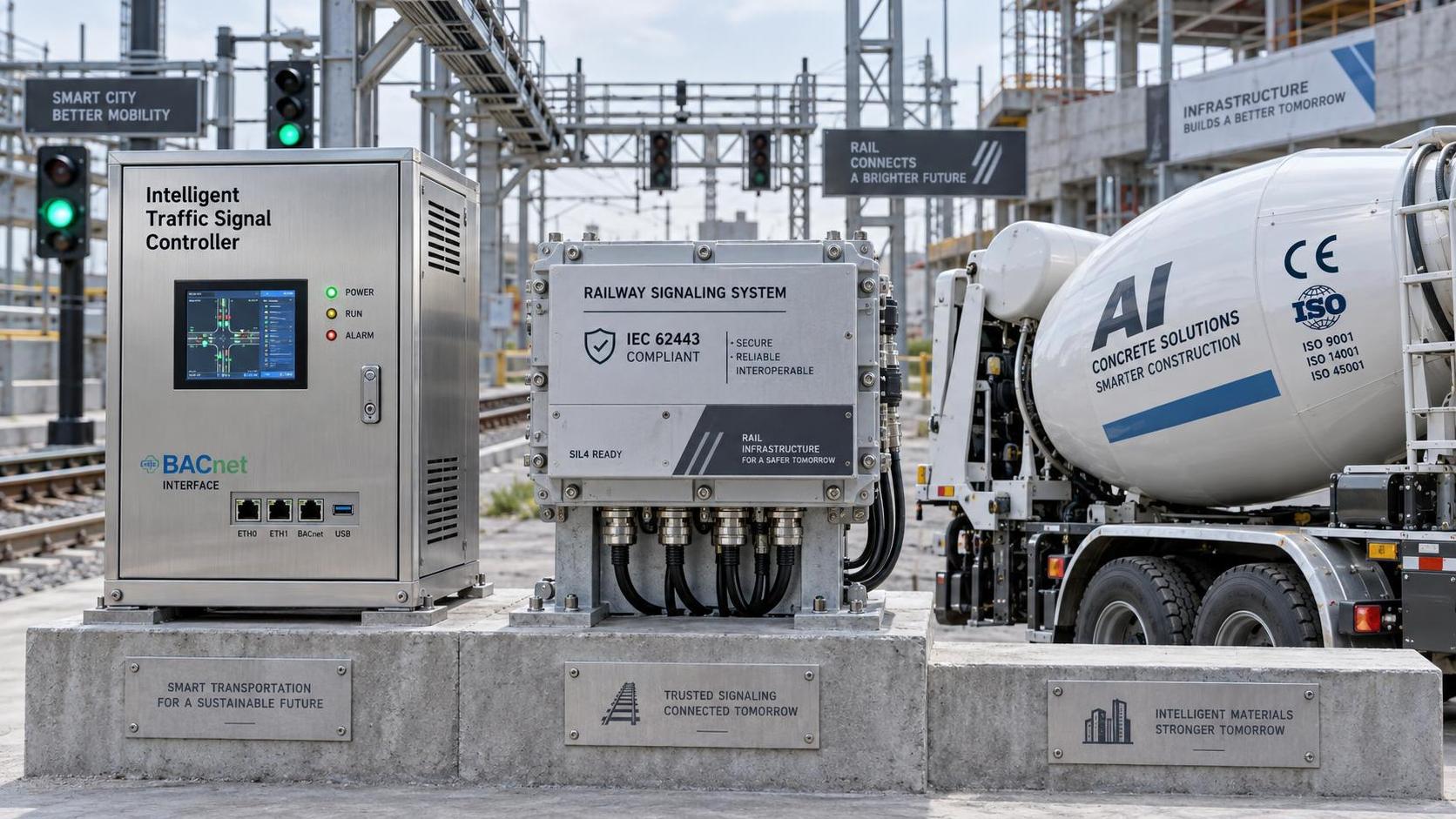
That is particularly important where power systems intersect with public services, transport signaling, or heavy industrial operations.
Where business value is actually being created
The value of smart grids technology is often described too broadly. In reality, benefits appear in a few concrete areas that are easier to measure and easier to govern.
For many infrastructure operators, the strongest return does not come from one dramatic capability. It comes from combining fewer outages, better asset use, and more confident expansion planning across several years.
How different sectors are using the same smart grid logic
A useful feature of smart grids technology is that the same planning principles can be applied across very different physical environments.
Urban districts and public infrastructure
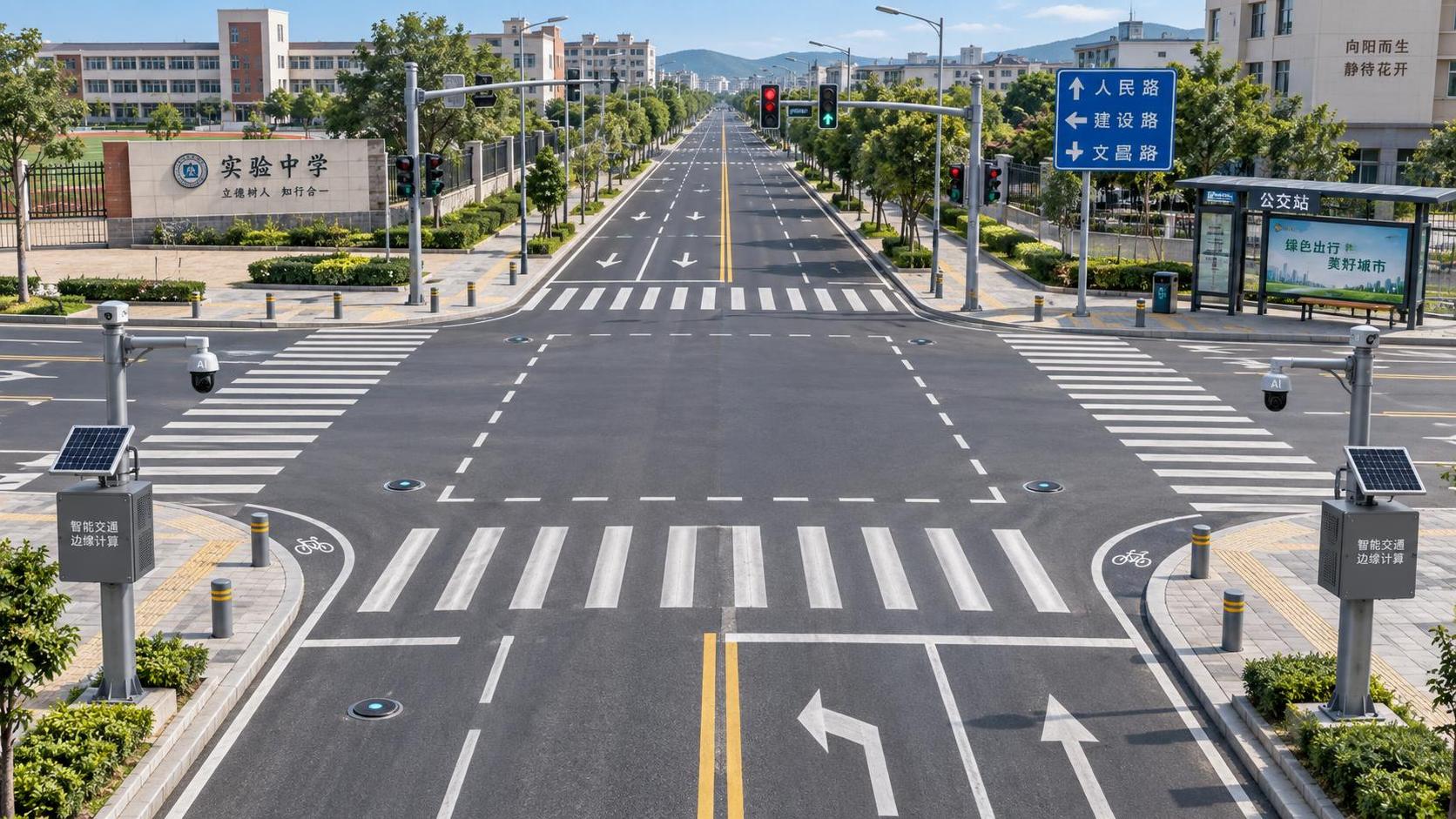
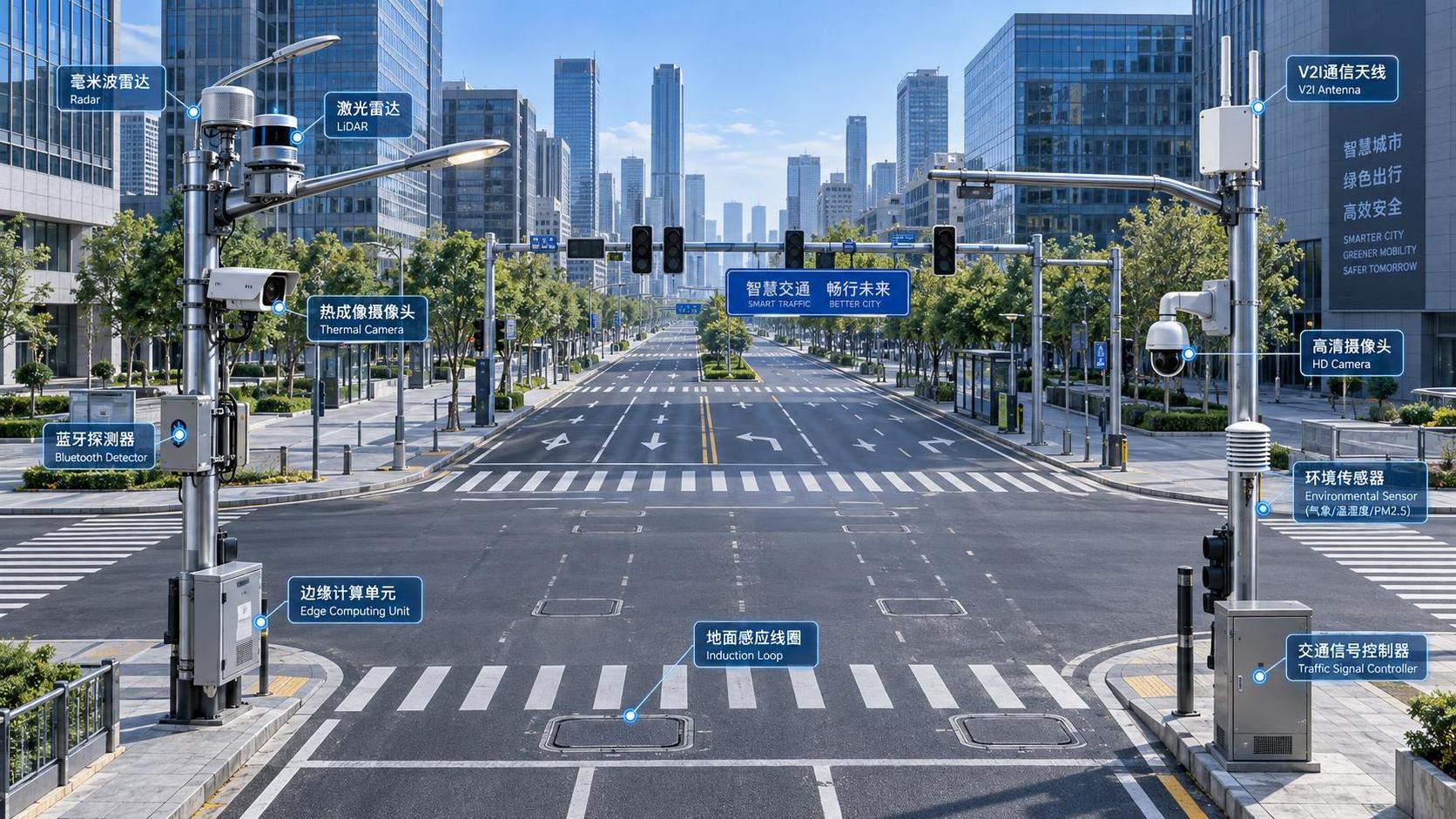
Cities are connecting street systems, transit nodes, waste operations, water services, and public buildings to digital management platforms. A smarter grid becomes the backbone that supports this coordination.
Construction and smart buildings
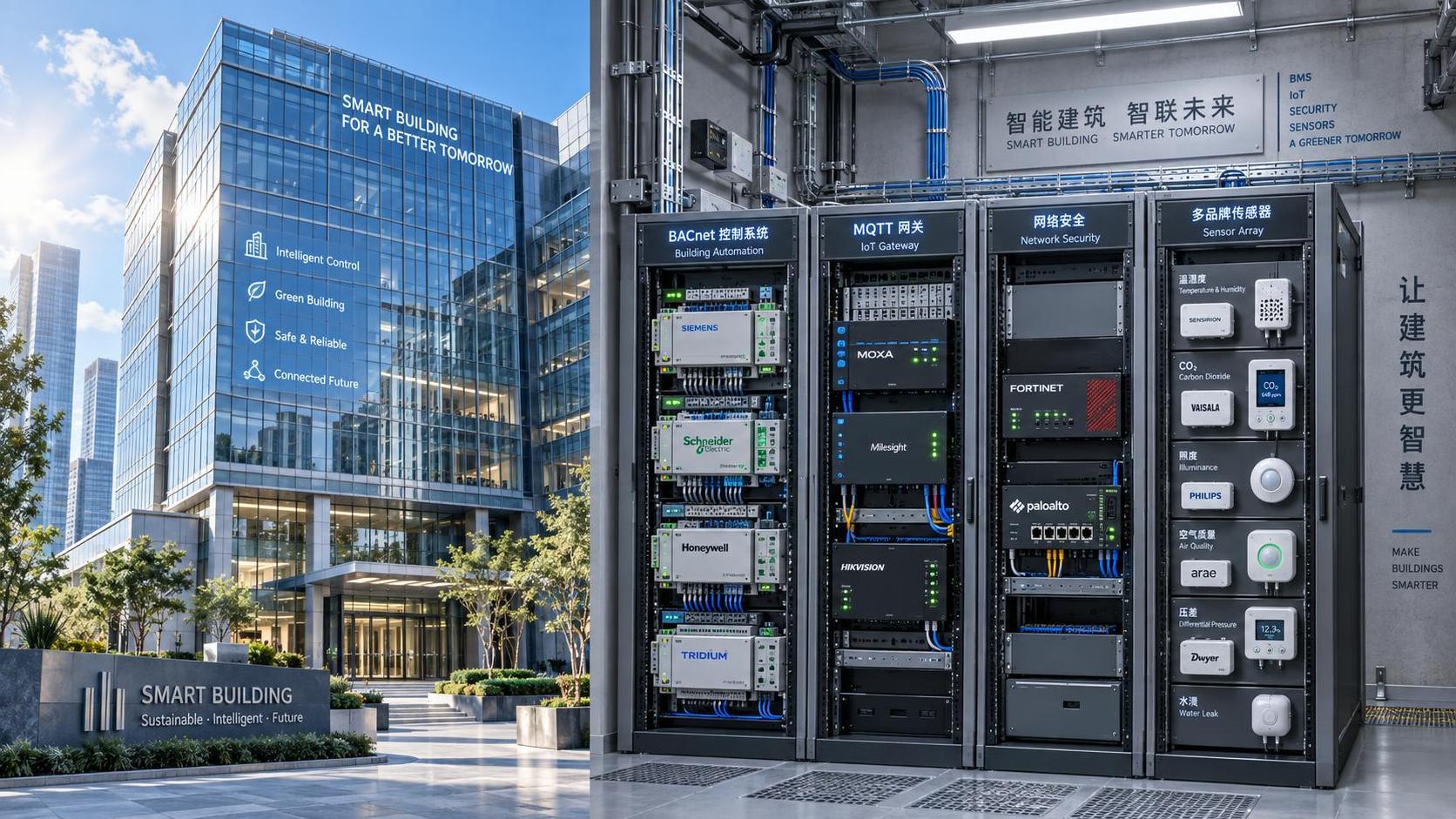
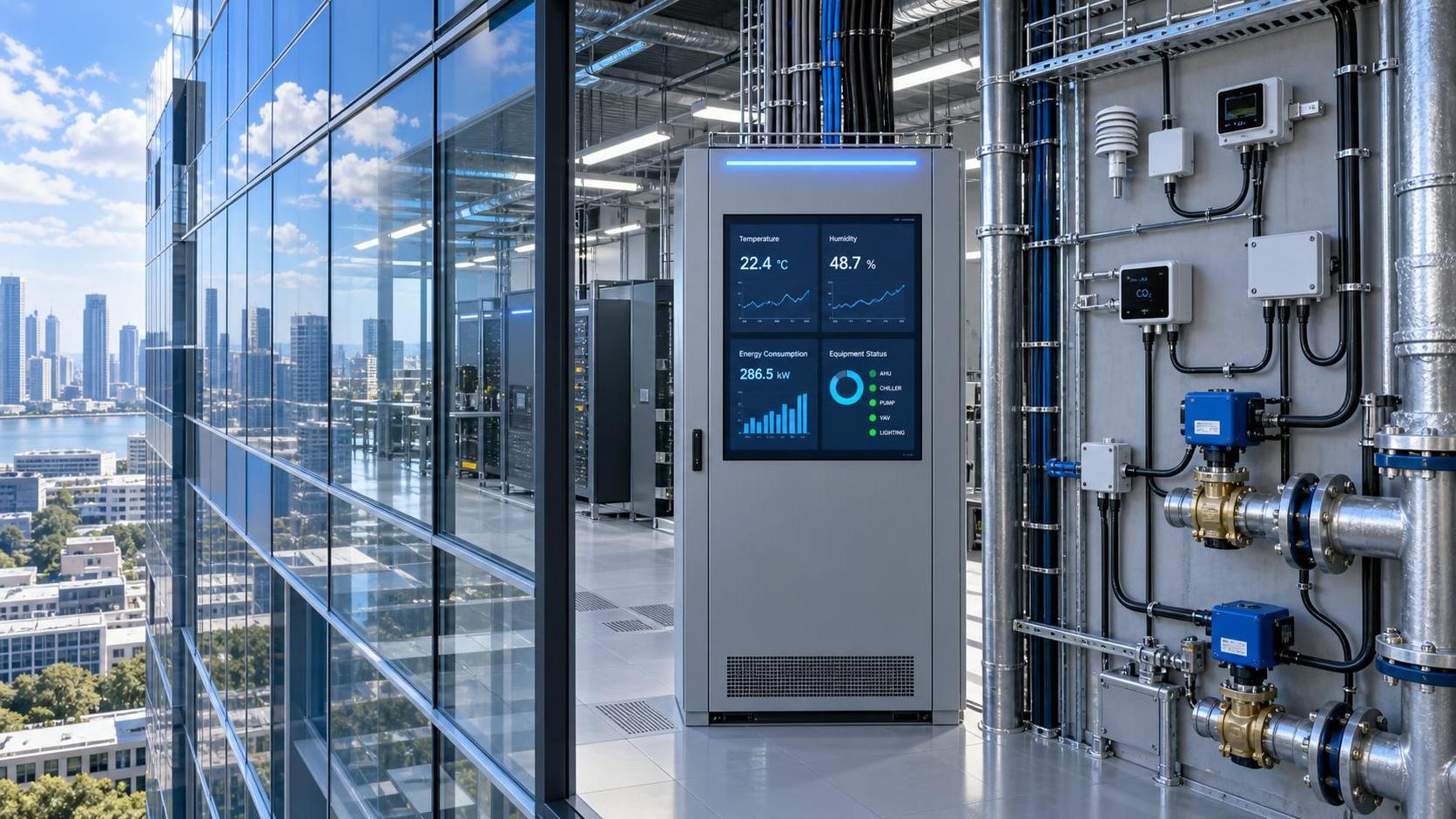
Electrified construction sites, prefabrication facilities, and intelligent buildings require more dynamic load management. Smart grids technology helps align local generation, storage, and building systems with broader network constraints.
Mining and resource operations
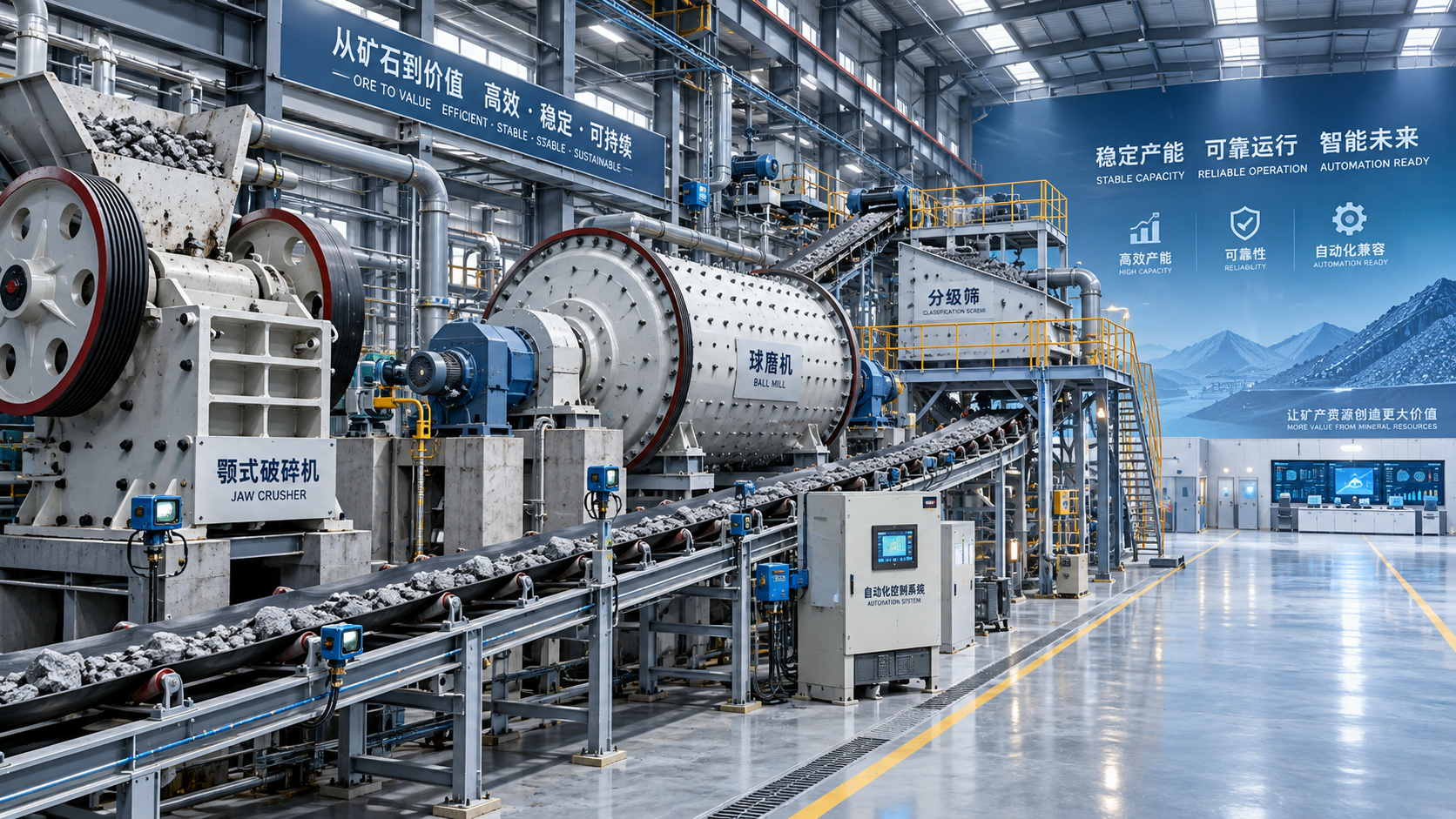
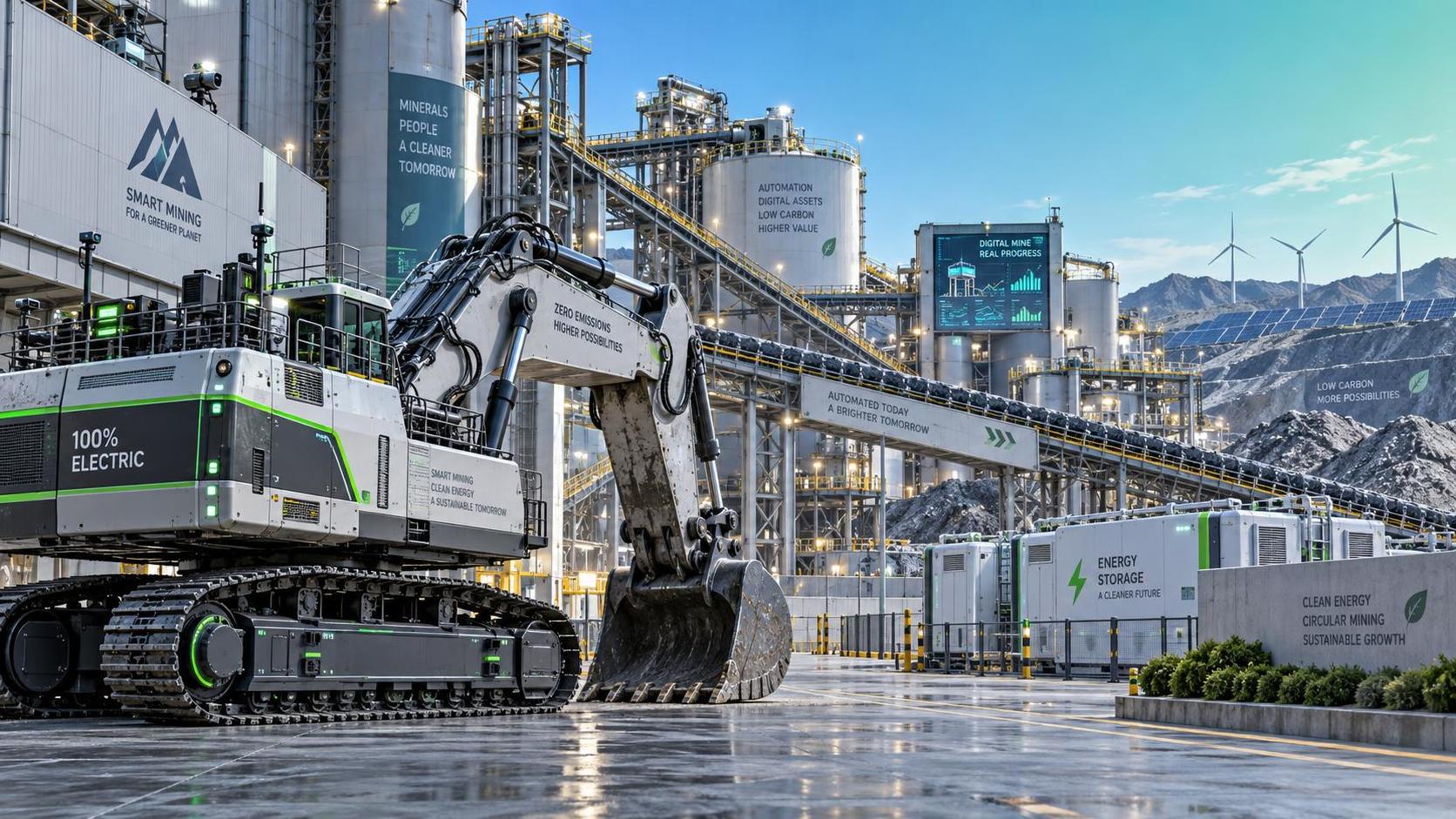
Remote sites face reliability pressure, fuel cost exposure, and decarbonization demands. Hybrid power systems and microgrids are becoming more attractive, but only when monitoring and control are strong enough to handle operational complexity.
Rail and logistics corridors
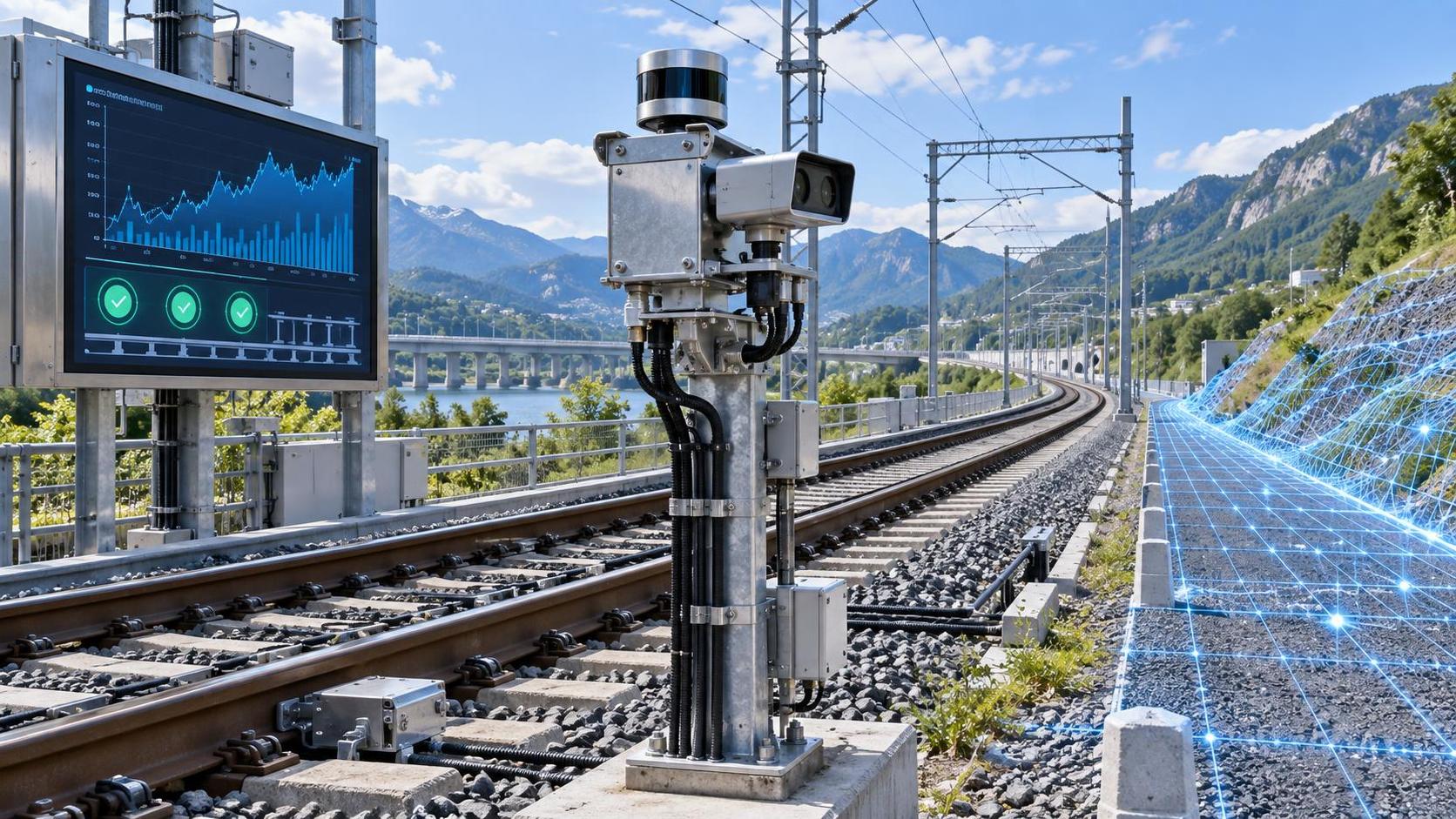
Transport electrification depends on predictable power quality and coordinated control. Grid intelligence helps manage peaks, protect critical systems, and support expansion of charging or traction infrastructure without excessive overbuilding.
What to examine before committing capital
Not every smart grid roadmap deserves the same confidence. The strongest programs are grounded in operational realities rather than generic digital ambition.
- Check whether the problem is clearly defined, such as outage reduction, DER integration, or substation visibility.
- Review data architecture early, including interoperability between legacy equipment and newer control platforms.
- Evaluate cybersecurity as part of system design, not as a late procurement add-on.
- Prioritize assets and sites where resilience, energy cost, and expansion pressure overlap.
- Use phased deployment so lessons from one district, corridor, or facility improve later rollouts.
Usually, the most expensive mistake is not moving too slowly. It is scaling disconnected tools that never become a coherent operating model.
A practical lens for the next planning cycle
The next phase of smart grids technology will be shaped by integration quality. The question is not simply which devices to buy. It is how physical assets, digital controls, governance standards, and sustainability goals work together.
That is why a cross-industry intelligence approach matters. GIUT’s focus on infrastructure, urban systems, logistics, resource operations, and equipment modernization reflects the real structure of the challenge: power networks now influence almost every strategic built-environment decision.
For 2026 planning, a useful next step is to map where grid constraints already affect expansion, reliability, or emissions targets. From there, compare smart grids technology options against measurable operating outcomes, not vendor language alone.
A clear shortlist should include data readiness, resilience value, integration risk, and long-term scalability. That creates a better basis for investment decisions and a more realistic path toward intelligent, sustainable infrastructure.
Get weekly intelligence in your inbox.
No noise. No sponsored content. Pure intelligence.
News Recommendations
 Sep 19, 2026How an electronics application guide helps prevent component mismatchHow an electronics application guide helps prevent component mismatch
 Sep 18, 2026When a resource allocation platform improves project deliveryWhen a resource allocation platform improves project delivery
 Sep 17, 2026What to compare when evaluating mineral processing equipment manufacturersWhat to compare when evaluating mineral processing equipment manufacturers
 Sep 16, 2026How mineral separation optimization can reduce concentrate lossesHow mineral separation optimization can reduce concentrate losses
 Sep 15, 2026How to assess lifecycle costs in urban tech procurementHow to assess lifecycle costs in urban tech procurement
 Sep 14, 2026Heavy industry technology trends reshaping capital investment prioritiesHeavy industry technology trends reshaping capital investment priorities
 Sep 14, 2026Global Industrial Equipment Procurement: How Top OEMs Qualify Suppliers for Mining & Infrastructure ProjectsGlobal Industrial Equipment Procurement: How Top OEMs Qualify Suppliers for Mining & Infrastructure Projects
 Sep 14, 2026Industrial & Mining Equipment Procurement: Balancing Local Sourcing, Lead Time, and Certification RequirementsIndustrial & Mining Equipment Procurement: Balancing Local Sourcing, Lead Time, and Certification Requirements
 Sep 14, 2026Infrastructure & Equipment Upgrades: What Procurement Teams Must Verify Before Signing Off on New ContractsInfrastructure & Equipment Upgrades: What Procurement Teams Must Verify Before Signing Off on New Contracts
 Sep 14, 2026Why Infrastructure Equipment Buyers Are Shifting from Catalog-Based to Capability-Based Supplier SelectionWhy Infrastructure Equipment Buyers Are Shifting from Catalog-Based to Capability-Based Supplier Selection
 Sep 14, 2026Process Automation Project Execution: How to Align Supplier Capabilities with PLC Integration, Cybersecurity & Commissioning MilestonesProcess Automation Project Execution: How to Align Supplier Capabilities with PLC Integration, Cybersecurity & Commissioning Milestones
 Sep 14, 2026Are intelligent traffic systems worth the investment for small cities?Are intelligent traffic systems worth the investment for small cities?
 Sep 14, 2026How do intelligent traffic systems handle sensor failures?How do intelligent traffic systems handle sensor failures?
 Sep 14, 2026What should I check before accepting a smart building system?What should I check before accepting a smart building system?
 Sep 14, 2026Is a smart building system worth the maintenance cost?Is a smart building system worth the maintenance cost?
 Sep 14, 2026What data is needed for reliable resource allocation planning?What data is needed for reliable resource allocation planning?
 Sep 14, 2026How can resource allocation software reduce equipment idle time?How can resource allocation software reduce equipment idle time?
 Sep 14, 2026How should smart devices be maintained in harsh outdoor conditions?How should smart devices be maintained in harsh outdoor conditions?
 Sep 14, 2026Do smart devices improve worker safety on construction sites?Do smart devices improve worker safety on construction sites?
 Sep 14, 2026What environmental risks must be assessed before deep-sea mining?What environmental risks must be assessed before deep-sea mining?
 Sep 14, 2026Is deep-sea mining equipment commercially viable in 2026?Is deep-sea mining equipment commercially viable in 2026?
 Sep 14, 2026What Inspection Checks Should Procurement Teams Perform Before Ordering Dredging Equipment in 2026?What Inspection Checks Should Procurement Teams Perform Before Ordering Dredging Equipment in 2026?
 Sep 13, 2026How to verify an industrial product information source before specifying equipmentHow to verify an industrial product information source before specifying equipment
 Sep 12, 2026Which intelligent traffic systems hardware fits an urban intersection?Which intelligent traffic systems hardware fits an urban intersection?
 Sep 11, 2026How pump capacity affects response coverage for municipal fire fighting vehiclesHow pump capacity affects response coverage for municipal fire fighting vehicles
 Sep 10, 2026What to verify before choosing a heavy industry equipment supplierWhat to verify before choosing a heavy industry equipment supplier
 Sep 09, 2026When do adaptive urban traffic control systems reduce corridor delays?When do adaptive urban traffic control systems reduce corridor delays?