Infrastructure Construction Risks to Check Before Project Approval
Infrastructure Construction Risks to Check Before Project Approval
Before approving any infrastructure construction project, enterprise leaders must look beyond budget forecasts and delivery timelines.
Hidden risks in land acquisition, compliance, supply chains, safety, technology integration, and environmental performance can quickly become costly liabilities.
Early risk identification protects capital, improves resilience, and aligns infrastructure construction outcomes with long-term urban, operational, and sustainability goals.
Why Scenario-Based Risk Review Matters Before Approval
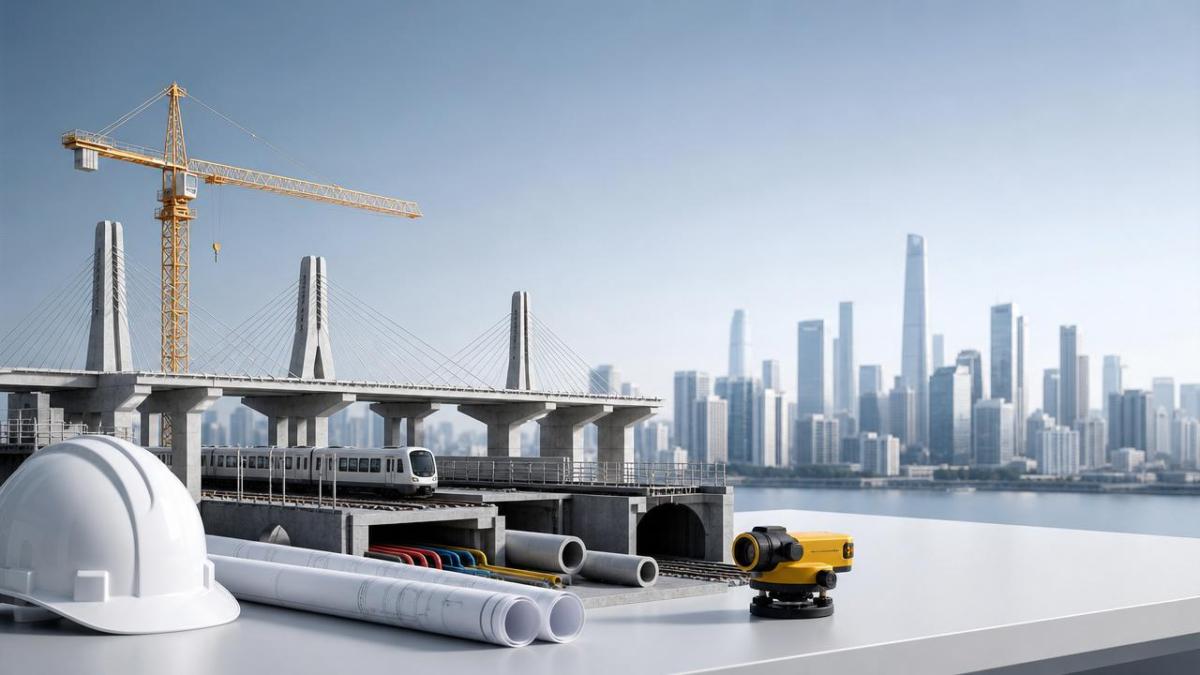
Infrastructure construction rarely fails because of one visible issue. Failure usually emerges from several weak assumptions combining across time.
A bridge, logistics hub, railway corridor, data-linked utility network, or smart building each carries different approval risks.
Scenario-based review helps teams judge whether the planned asset fits its real environment, not only its financial model.
For infrastructure construction, this means testing demand, land readiness, permits, technology maturity, climate exposure, and lifecycle operating capacity.
The goal is not to delay approval. The goal is to approve projects with clearer boundaries and stronger risk controls.
Urban Expansion Projects: Land, Utilities, and Public Interface Risks
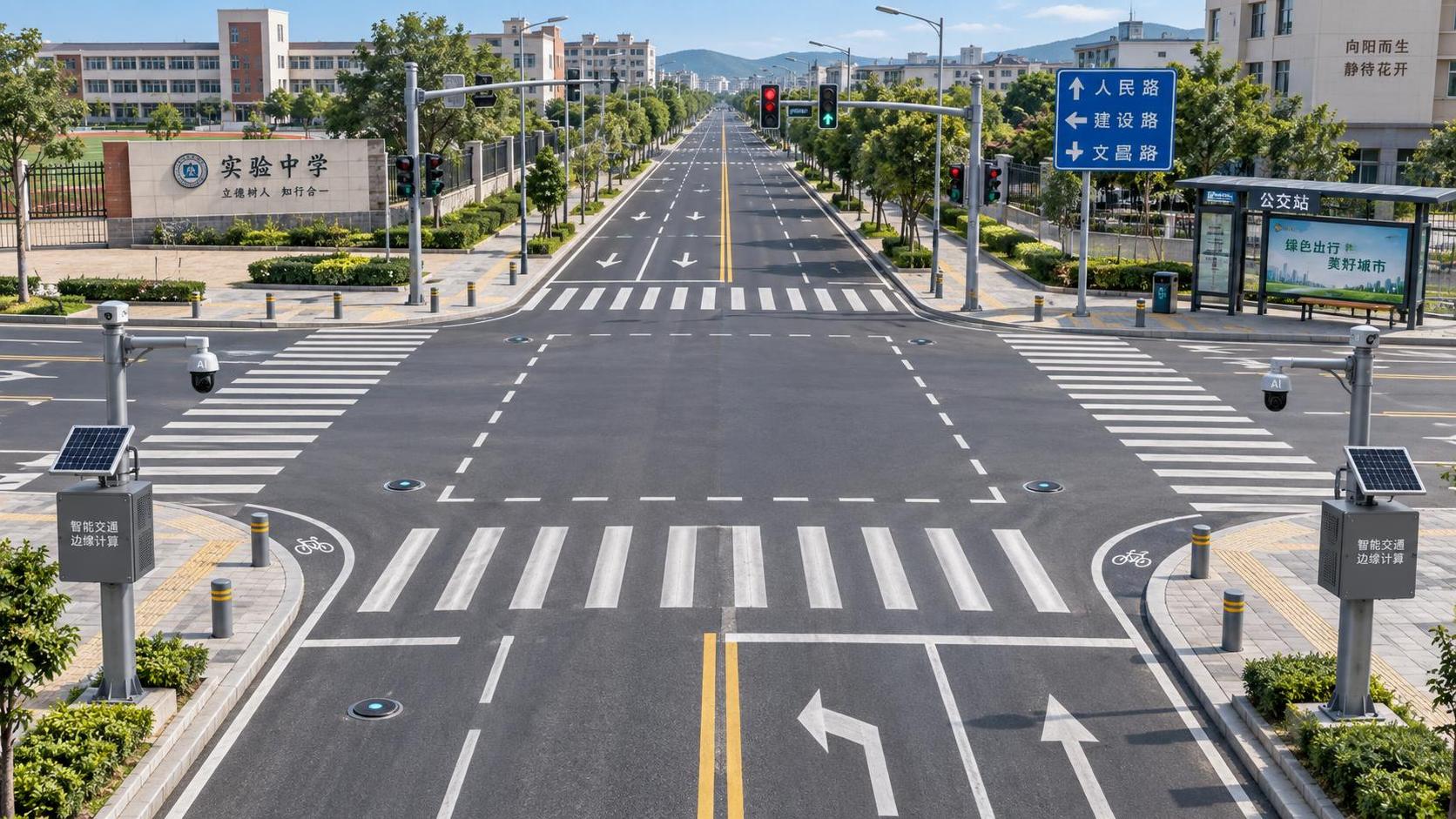
Urban infrastructure construction often appears attractive because demand is visible. Population growth, congestion, and service gaps create strong political momentum.
Yet urban sites carry complicated risks. Land titles, informal usage, relocation, and underground utilities can disrupt schedules before work begins.
Approval should confirm whether land access is legally secure, socially manageable, and technically compatible with existing service networks.
In dense districts, infrastructure construction must also manage noise, traffic diversion, dust, vibration, and emergency access.
A project that ignores public interface risks may face court challenges, stoppages, compensation claims, and reputation damage.
Core judgment points for urban sites
- Verify land ownership, easements, resettlement exposure, and right-of-way boundaries.
- Map existing utilities with physical surveys, not only archived drawings.
- Assess construction access, traffic control, pedestrian safety, and local business disruption.
- Confirm whether public consultation requirements are mandatory or strategically necessary.
Transport Corridors: Demand, Interfaces, and Long-Route Exposure
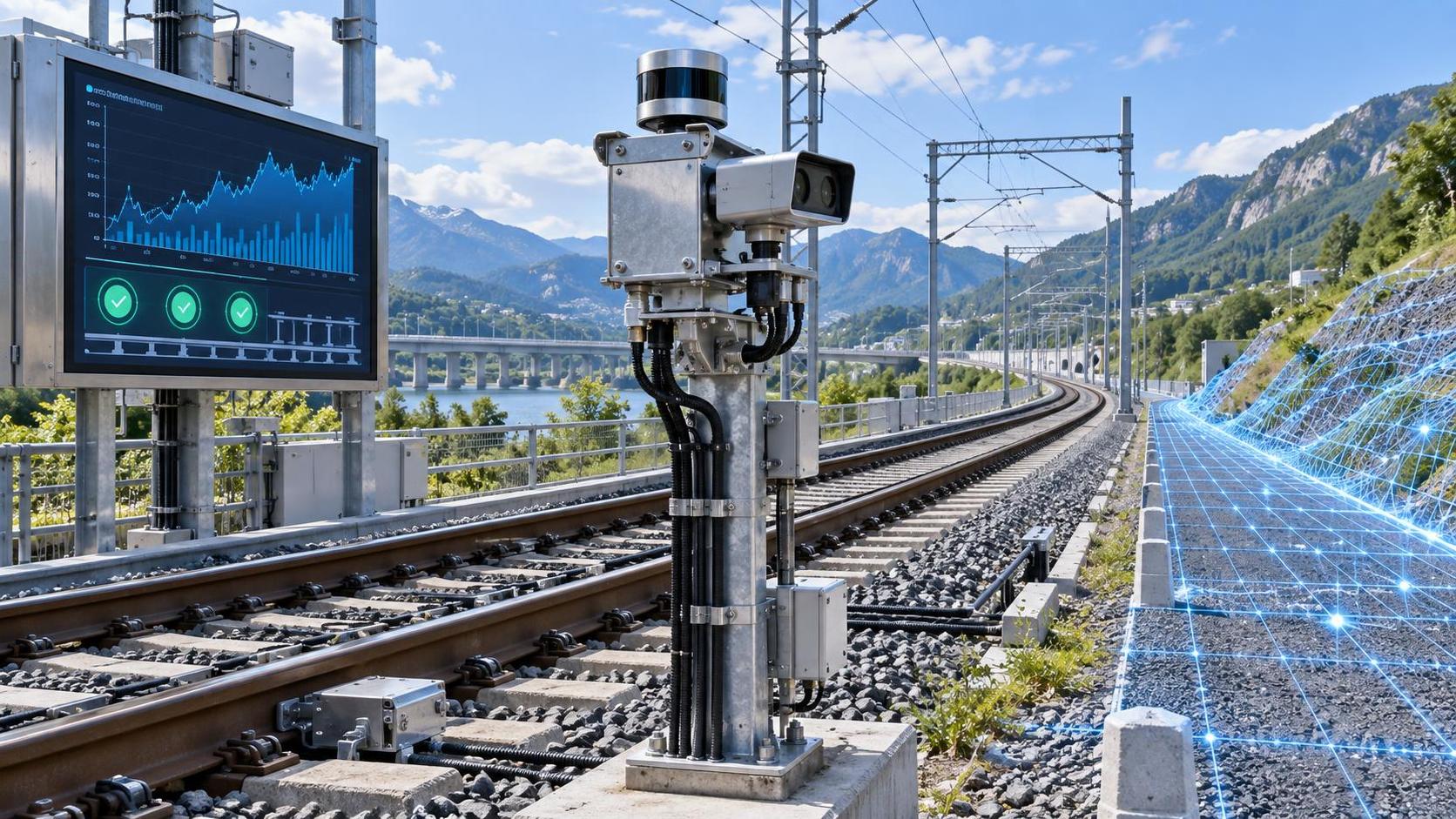
Railways, highways, ports, and logistics arteries involve long alignments. Their risks spread across jurisdictions, ecosystems, and stakeholder groups.
Infrastructure construction in transport corridors should be approved only after demand scenarios are stress-tested under conservative assumptions.
Passenger forecasts, freight growth, toll expectations, and intermodal connections can change under policy, trade, or demographic shifts.
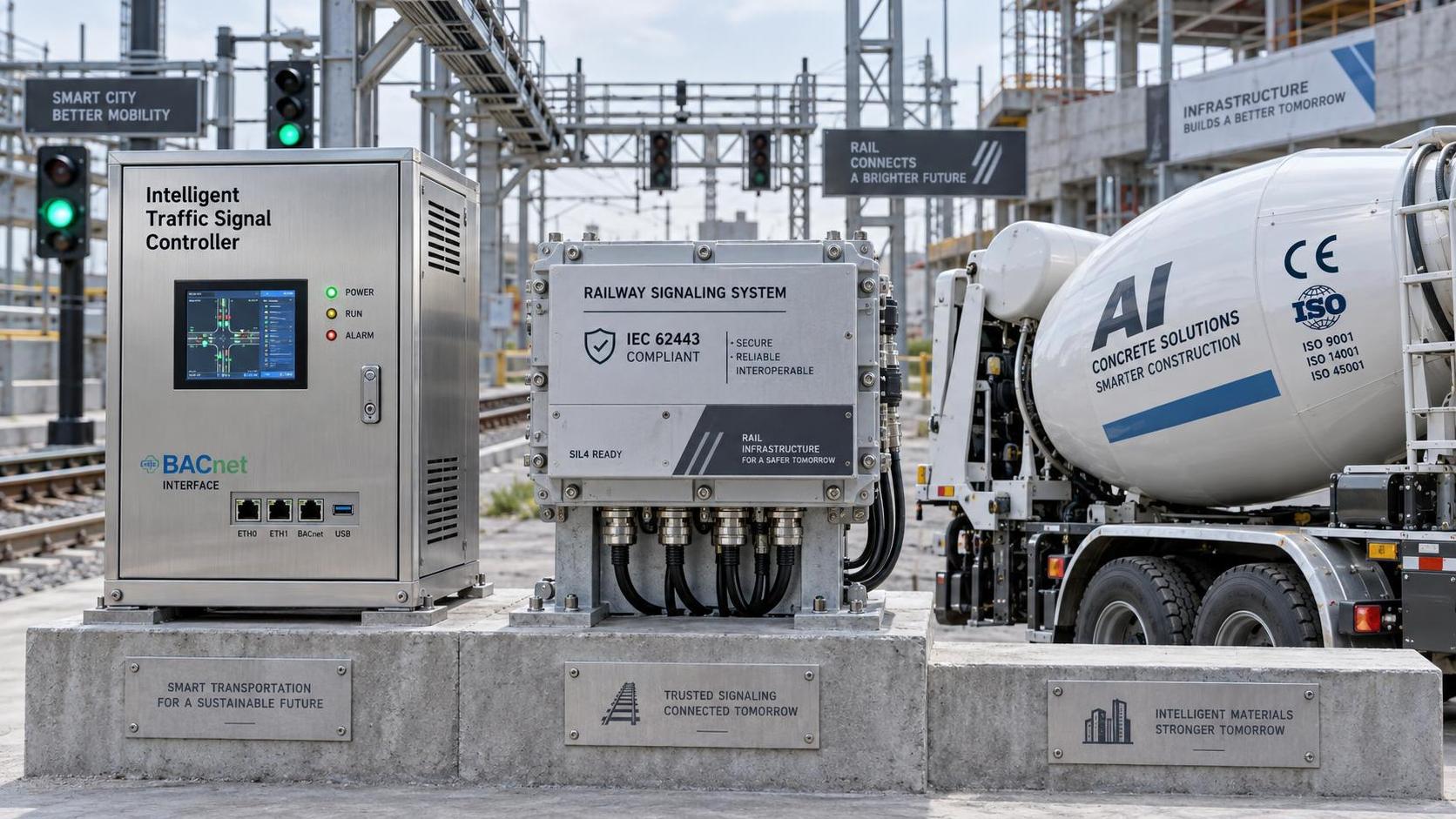
Interface risk is another approval priority. Stations, depots, signaling systems, bridges, tunnels, and access roads must integrate correctly.
A single misaligned interface can create redesign costs that exceed early contingency reserves.
What to test before approving corridor works
- Run low-demand, delayed-demand, and policy-change traffic models.
- Review geological, hydrological, seismic, and flood exposure along the full route.
- Check whether cross-border or interagency permits can delay sections independently.
- Define responsibility for signaling, power, telecoms, and maintenance interfaces.
Smart City and Digital Infrastructure: Integration and Cyber Resilience
Smart city projects increasingly combine physical assets with sensors, platforms, automation, and data governance.
This makes infrastructure construction more dependent on digital architecture than many approval committees expect.
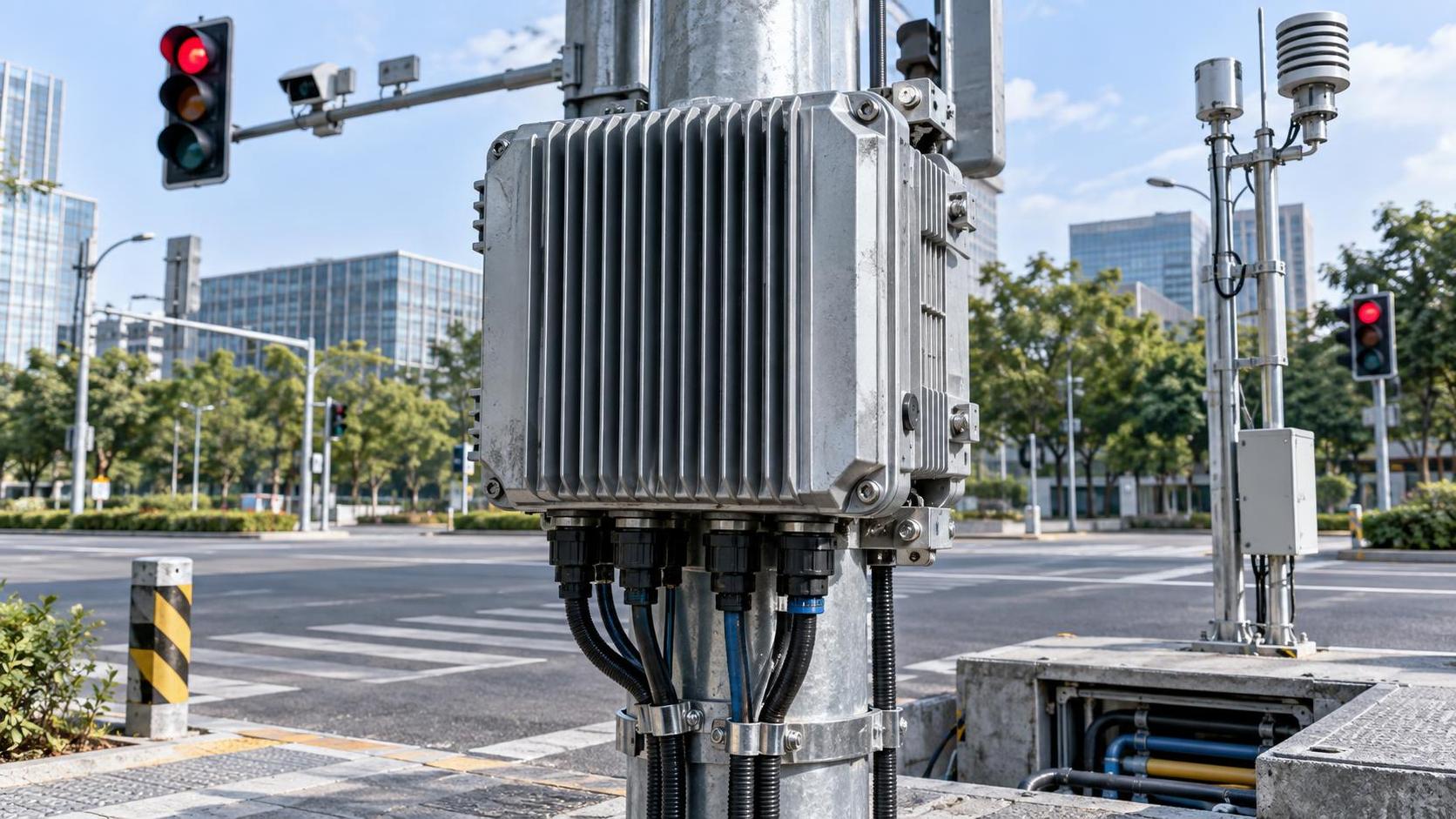
A smart grid, automated waste system, connected traffic network, or intelligent building needs interoperable hardware and secure software.
The biggest risk is not always technology failure. It is approving technology without lifecycle support, ownership clarity, or cybersecurity planning.
Infrastructure construction decisions should include data standards, vendor lock-in exposure, integration testing, and operational staffing needs.
Digital approval checkpoints
- Confirm open protocols, data ownership, and API access conditions.
- Review cybersecurity controls for sensors, control rooms, cloud platforms, and field devices.
- Check whether operators can maintain digital systems after handover.
- Require staged commissioning before citywide deployment.
Industrial, Mining, and Resource Projects: Safety and Environmental Exposure
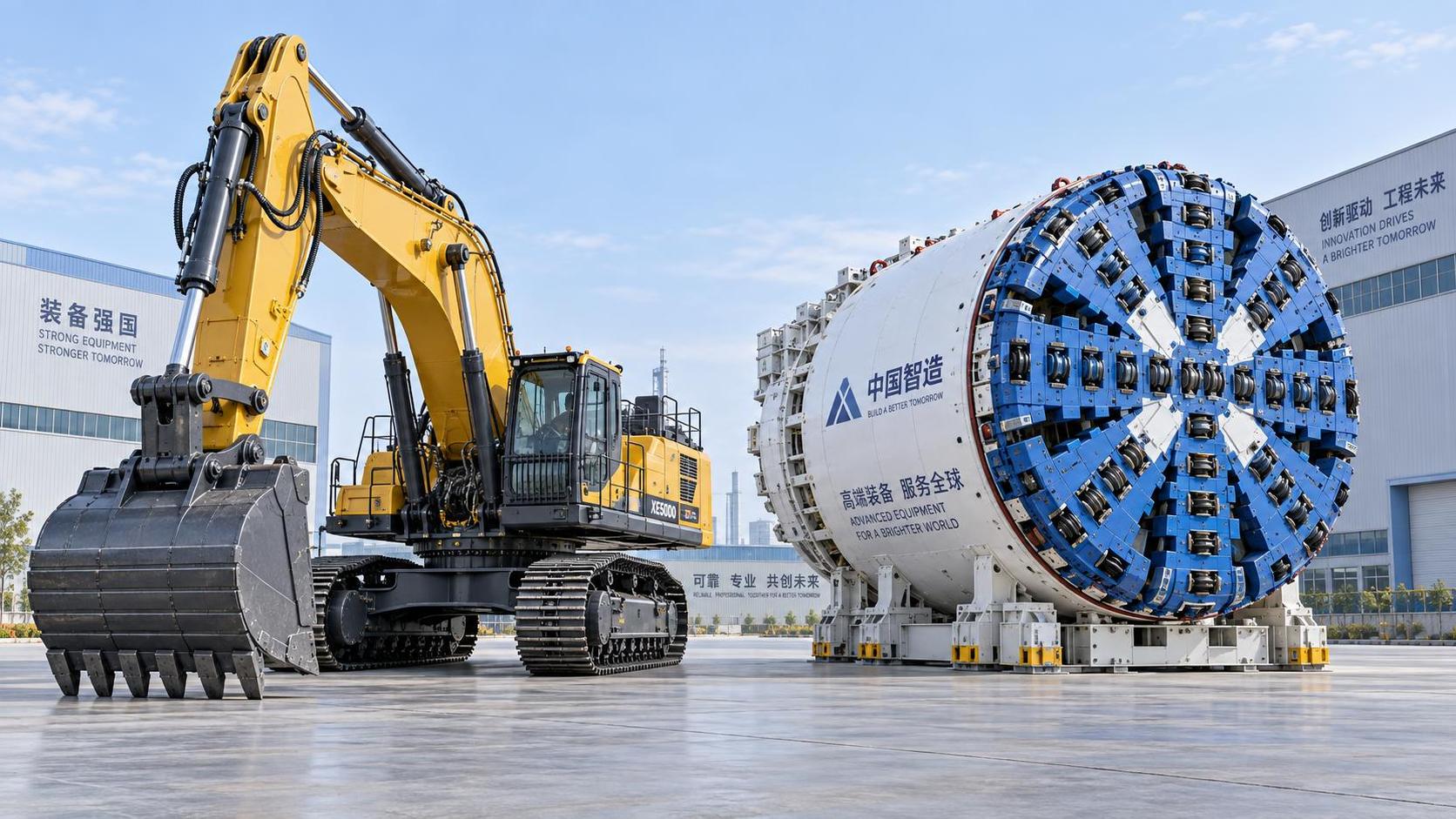
Mining infrastructure, energy facilities, water systems, and industrial logistics zones carry high operational consequences.
Infrastructure construction in these settings must be reviewed against worker safety, hazardous materials, emissions, water stress, and community impact.
Approval should not rely only on baseline environmental reports. It should test abnormal events and cumulative effects.
Examples include tailings incidents, chemical leakage, slope instability, groundwater contamination, extreme heat, and emergency evacuation constraints.
Resource-sector infrastructure construction also depends on equipment availability, specialist labor, spare parts, and remote-area logistics.
Approval questions for high-risk industrial sites
- Can emergency response teams reach the site within required time windows?
- Are environmental monitoring systems funded for the full operating life?
- Do contractors have proven records in high-hazard construction environments?
- Are closure, remediation, and decommissioning obligations included in financial planning?
Different Infrastructure Construction Scenarios Require Different Risk Priorities
A unified checklist is useful, but it cannot replace scenario-specific judgment.
The table below shows how infrastructure construction risks shift across common project contexts.
This comparison prevents approval teams from over-focusing on budget while missing the risks that define each setting.
Scenario Fit: Practical Recommendations Before Approval
Effective infrastructure construction approval should connect risk evidence with decision gates.
The following actions turn general risk awareness into practical governance.
- Create a project risk register before final business-case approval.
- Separate commercial optimism from technical readiness in board materials.
- Require independent review for geotechnical, environmental, safety, and digital systems.
- Link contingency budgets to quantified risk, not fixed percentages.
- Use digital twin models for complex infrastructure construction interfaces.
- Define stop-go thresholds for permits, land access, funding, and contractor readiness.
Scenario fit also requires lifecycle thinking. The cheapest project to build may not be the safest or most resilient to operate.
Approval should compare total cost of ownership, maintenance access, carbon performance, and future adaptability.
Common Misjudgments That Weaken Project Approval
Many infrastructure construction failures begin with assumptions that sound reasonable during early planning.
The first misjudgment is treating permits as administrative tasks. Permits can reshape design, schedule, and financing conditions.
The second is accepting preliminary ground data. Weak geotechnical information can cause foundation redesign, tunneling delays, or slope failures.
The third is assuming supply chains will normalize. Steel, cement, chips, switchgear, and heavy equipment remain exposed to volatility.
The fourth is underestimating skills shortages. Advanced infrastructure construction needs qualified operators, safety teams, digital engineers, and maintenance specialists.
The fifth is viewing sustainability as a reporting requirement. Carbon rules, climate resilience, and biodiversity impacts now influence financing access.
The sixth is approving technology without integration tests. Smart assets can fail when physical works and digital platforms are planned separately.
Action Guide: Build an Approval-Ready Risk Framework
Before signing off an infrastructure construction project, decision teams should require a concise risk evidence pack.
This pack should show what is known, what is uncertain, who owns each risk, and what action is funded.
- Define the project scenario and the main public, technical, and environmental interfaces.
- Validate demand using conservative, moderate, and accelerated-growth cases.
- Confirm land, permits, utilities, and stakeholder obligations before procurement lock-in.
- Review construction safety systems against site-specific hazards.
- Test supply chain resilience for critical materials, equipment, and digital components.
- Align financing, insurance, and contingency with quantified risk exposure.
- Plan operations, maintenance, cybersecurity, and environmental monitoring before handover.
GIUT views infrastructure construction as the physical backbone of intelligent, sustainable civilization.
Approval discipline should therefore combine engineering evidence, smart governance, lifecycle economics, and environmental responsibility.
A stronger risk review does not weaken ambition. It helps infrastructure construction deliver durable value for cities, industries, and communities.
Use the next approval meeting to challenge assumptions, request missing evidence, and convert uncertainty into accountable project controls.
Get weekly intelligence in your inbox.
No noise. No sponsored content. Pure intelligence.
News Recommendations
 Sep 19, 2026How an electronics application guide helps prevent component mismatchHow an electronics application guide helps prevent component mismatch
 Sep 18, 2026When a resource allocation platform improves project deliveryWhen a resource allocation platform improves project delivery
 Sep 17, 2026What to compare when evaluating mineral processing equipment manufacturersWhat to compare when evaluating mineral processing equipment manufacturers
 Sep 16, 2026How mineral separation optimization can reduce concentrate lossesHow mineral separation optimization can reduce concentrate losses
 Sep 15, 2026How to assess lifecycle costs in urban tech procurementHow to assess lifecycle costs in urban tech procurement
 Sep 14, 2026Heavy industry technology trends reshaping capital investment prioritiesHeavy industry technology trends reshaping capital investment priorities
 Sep 14, 2026Global Industrial Equipment Procurement: How Top OEMs Qualify Suppliers for Mining & Infrastructure ProjectsGlobal Industrial Equipment Procurement: How Top OEMs Qualify Suppliers for Mining & Infrastructure Projects
 Sep 14, 2026Industrial & Mining Equipment Procurement: Balancing Local Sourcing, Lead Time, and Certification RequirementsIndustrial & Mining Equipment Procurement: Balancing Local Sourcing, Lead Time, and Certification Requirements
 Sep 14, 2026Infrastructure & Equipment Upgrades: What Procurement Teams Must Verify Before Signing Off on New ContractsInfrastructure & Equipment Upgrades: What Procurement Teams Must Verify Before Signing Off on New Contracts
 Sep 14, 2026Why Infrastructure Equipment Buyers Are Shifting from Catalog-Based to Capability-Based Supplier SelectionWhy Infrastructure Equipment Buyers Are Shifting from Catalog-Based to Capability-Based Supplier Selection
 Sep 14, 2026Process Automation Project Execution: How to Align Supplier Capabilities with PLC Integration, Cybersecurity & Commissioning MilestonesProcess Automation Project Execution: How to Align Supplier Capabilities with PLC Integration, Cybersecurity & Commissioning Milestones
 Sep 14, 2026Are intelligent traffic systems worth the investment for small cities?Are intelligent traffic systems worth the investment for small cities?
 Sep 14, 2026How do intelligent traffic systems handle sensor failures?How do intelligent traffic systems handle sensor failures?
 Sep 14, 2026What should I check before accepting a smart building system?What should I check before accepting a smart building system?
 Sep 14, 2026Is a smart building system worth the maintenance cost?Is a smart building system worth the maintenance cost?
 Sep 14, 2026What data is needed for reliable resource allocation planning?What data is needed for reliable resource allocation planning?
 Sep 14, 2026How can resource allocation software reduce equipment idle time?How can resource allocation software reduce equipment idle time?
 Sep 14, 2026How should smart devices be maintained in harsh outdoor conditions?How should smart devices be maintained in harsh outdoor conditions?
 Sep 14, 2026Do smart devices improve worker safety on construction sites?Do smart devices improve worker safety on construction sites?
 Sep 14, 2026What environmental risks must be assessed before deep-sea mining?What environmental risks must be assessed before deep-sea mining?
 Sep 14, 2026Is deep-sea mining equipment commercially viable in 2026?Is deep-sea mining equipment commercially viable in 2026?
 Sep 14, 2026What Inspection Checks Should Procurement Teams Perform Before Ordering Dredging Equipment in 2026?What Inspection Checks Should Procurement Teams Perform Before Ordering Dredging Equipment in 2026?
 Sep 13, 2026How to verify an industrial product information source before specifying equipmentHow to verify an industrial product information source before specifying equipment
 Sep 12, 2026Which intelligent traffic systems hardware fits an urban intersection?Which intelligent traffic systems hardware fits an urban intersection?
 Sep 11, 2026How pump capacity affects response coverage for municipal fire fighting vehiclesHow pump capacity affects response coverage for municipal fire fighting vehicles
 Sep 10, 2026What to verify before choosing a heavy industry equipment supplierWhat to verify before choosing a heavy industry equipment supplier
 Sep 09, 2026When do adaptive urban traffic control systems reduce corridor delays?When do adaptive urban traffic control systems reduce corridor delays?