Construction Technology Mistakes That Delay Delivery
Construction technology mistakes rarely start with the software
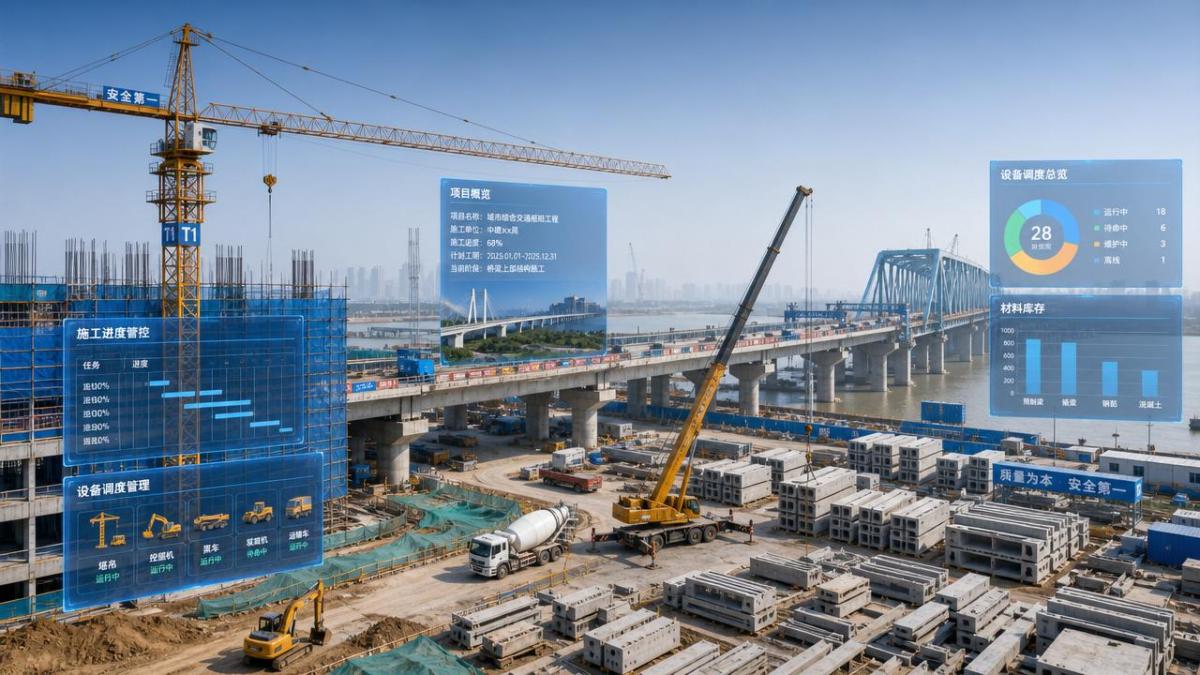
Construction technology promises faster delivery, cleaner coordination, and better cost control. Yet many delays begin after a digital tool is deployed, not before.
On live sites, the problem is rarely that technology is absent. More often, the wrong system is matched to the wrong workflow.
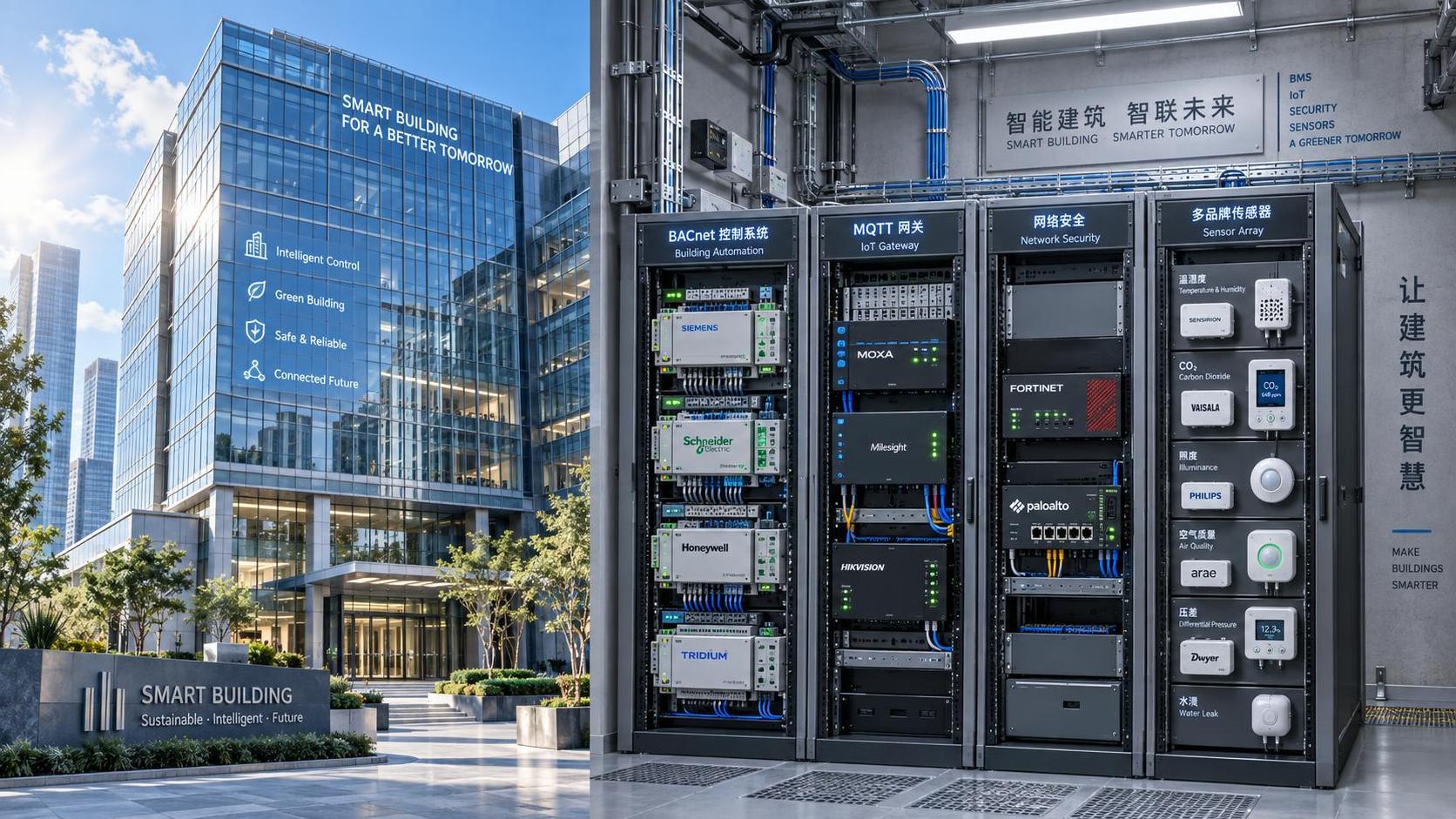
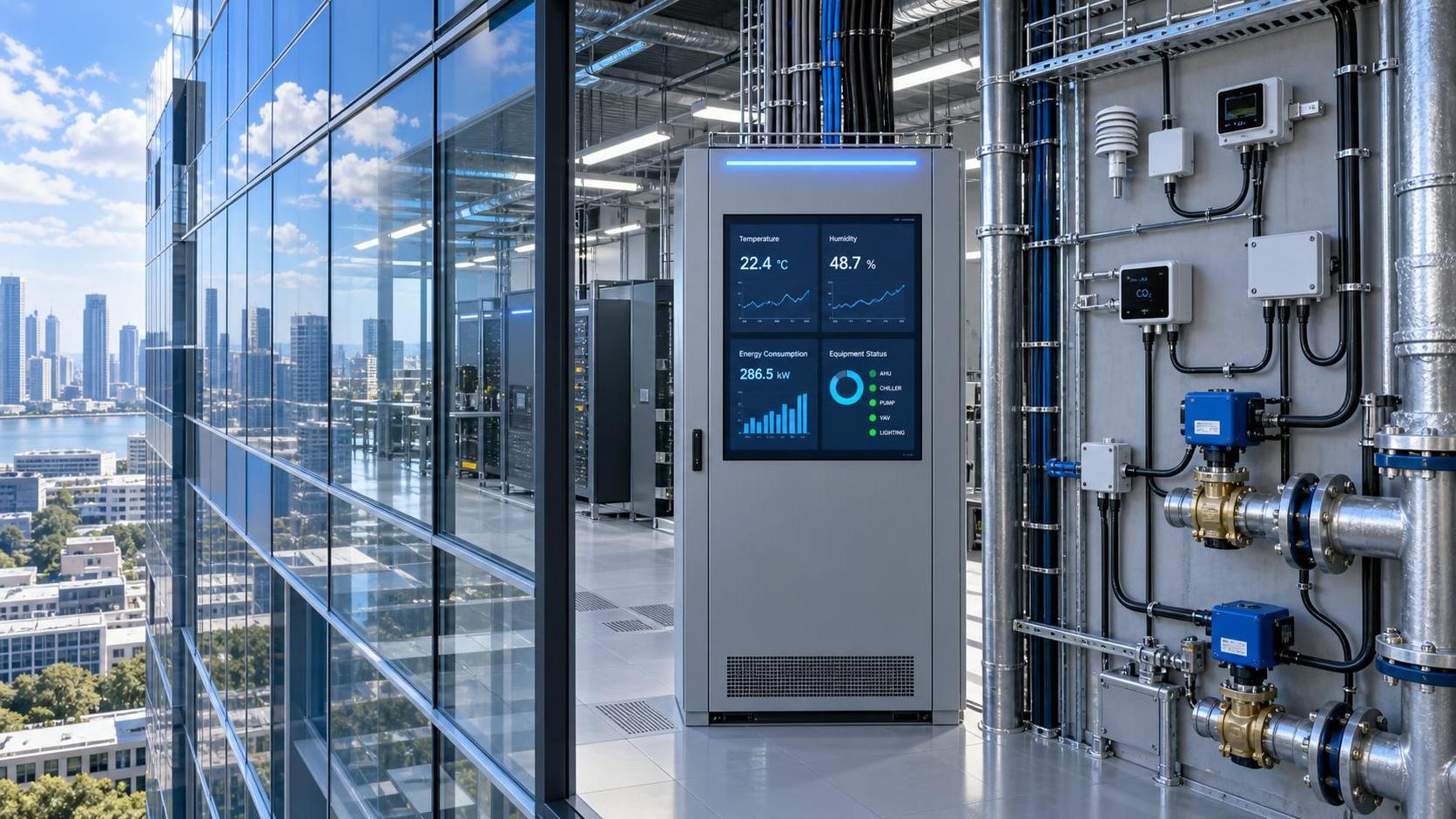
That gap matters across infrastructure, smart building, rail, mining support facilities, and equipment-intensive projects. Each setting creates different timing pressures and data habits.
A tower project may need model coordination every day. A highway package may depend more on field capture, logistics visibility, and weather-based planning.
The useful question is not whether construction technology is advanced. The real question is whether it fits the delivery logic of the site.
In practice, delays appear when digital workflows ignore crew behavior, equipment limits, fragmented data, or shifting site conditions. Rework then spreads quietly through procurement and sequencing.
For a platform like GIUT, which tracks physical infrastructure and intelligent systems together, this is where judgment becomes more valuable than hype.
Why one jobsite reacts differently from another
Different projects fail with construction technology for different reasons. The mistake is treating every delivery environment as if it follows the same digital maturity curve.
A prefabricated building site depends on exact handoffs between factory output, transport timing, and installation windows. A smart city utility upgrade faces interface risk with legacy systems.
Heavy equipment projects add another layer. Sensor data may exist, but if machine utilization is not linked to schedule control, the insights arrive too late.
The same construction technology can therefore shorten one project and slow another. Fit depends on integration depth, operator readiness, and tolerance for field variation.
This difference is why construction technology should be selected from the workflow backward, not from the feature list forward.
On dense building sites, poor coordination becomes hidden schedule debt
In vertical construction, many teams assume model-based construction technology automatically improves coordination. It does not, unless revisions are controlled with discipline.
A common delay appears when design updates stay inside office systems while field crews work from outdated tablets, printed drawings, or verbal instructions.
The result is rarely an immediate shutdown. More often, it shows up as misaligned sleeves, repeated ceiling work, and last-minute access conflicts.
Good construction technology for this setting needs more than 3D visibility. It needs rapid issue closure, version traceability, and permission rules that prevent parallel confusion.
Another misjudgment is overloading the site with too many apps. When quality logs, safety records, and task updates sit in separate tools, coordination slows down.
In real delivery terms, fewer connected systems often outperform more impressive disconnected ones.
Linear infrastructure needs location accuracy more than dashboard beauty
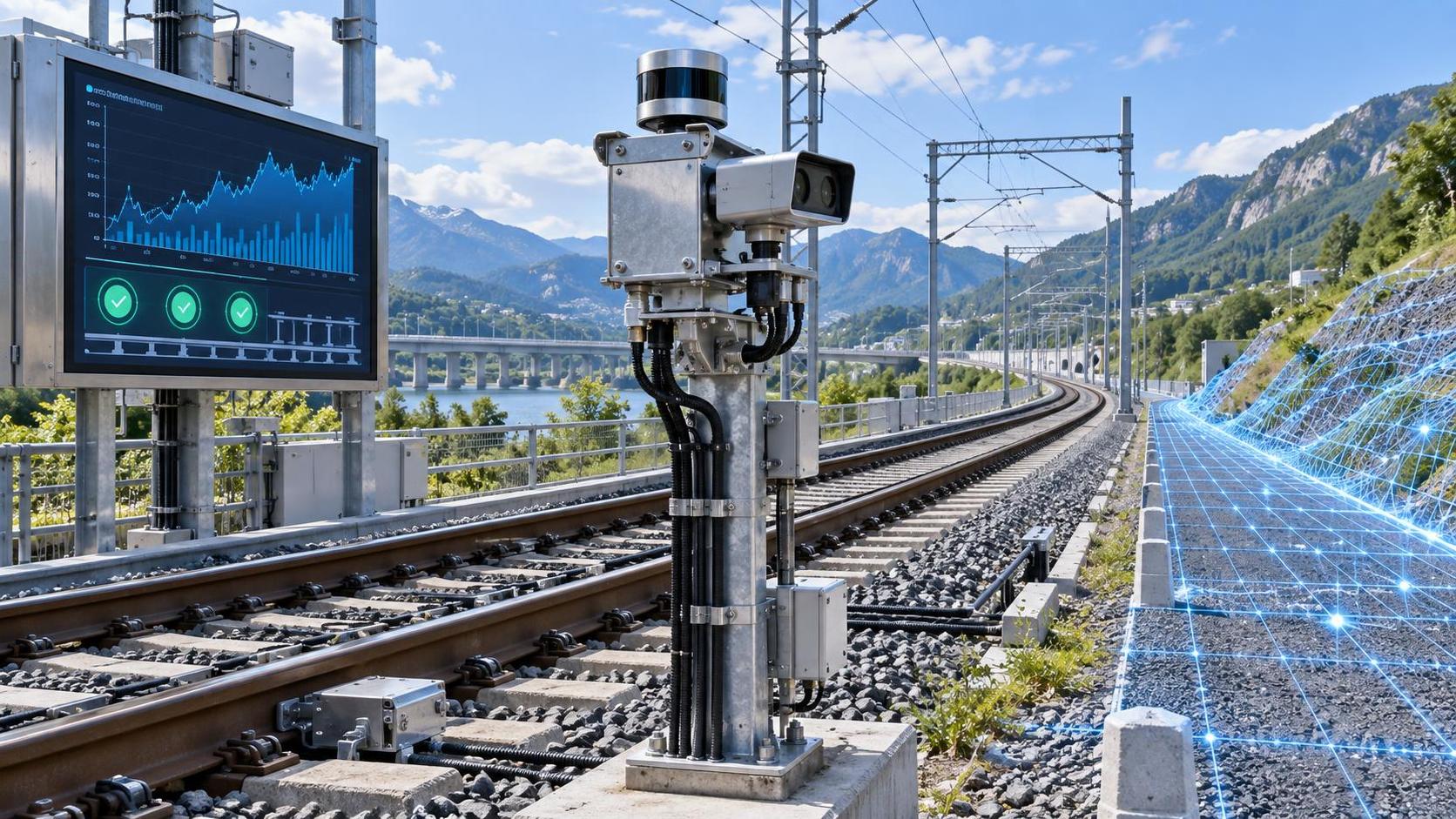
Road, tunnel, bridge, and railway packages challenge construction technology in a different way. Work fronts move constantly, and small survey errors travel long distances.
Here, polished reporting is less important than trustworthy field data. If drone capture, machine control, and survey updates are not aligned, crews build from conflicting baselines.
This is especially risky where logistics corridors matter. A late material convoy or untracked plant relocation can erase gains from digital planning tools.
Construction technology in linear projects should therefore answer simple operational questions fast: where is the work front, what changed, and which activity is now blocked.
GIUT often frames infrastructure as a living system rather than a collection of structures. That perspective matters because delivery delays usually begin at interfaces, not isolated tasks.
- Confirm whether survey, GIS, and schedule data share the same location logic.
- Check if field crews can report changes without returning to a site office.
- Review whether temporary traffic control and logistics are visible in the same workflow.
Smart city and utility work often fail at the integration edge
Urban upgrades look digital on paper, but many depend on old asset records, fragmented contractors, and limited shutdown windows. That changes how construction technology should be judged.
A frequent mistake is choosing platforms that perform well in new-build environments but struggle with incomplete underground data or mixed communication standards.
When that happens, teams spend time cleaning records manually, and the delivery delay is blamed on the city environment rather than the tool mismatch.
For utility corridors, smart grids, or automated public systems, construction technology should support phased execution. It must tolerate partial information and evolving asset visibility.
The key judgment is interoperability. If a platform cannot exchange dependable data with existing asset systems, schedule reliability will remain fragile.
Equipment-rich projects suffer when machine data stays separate from delivery control
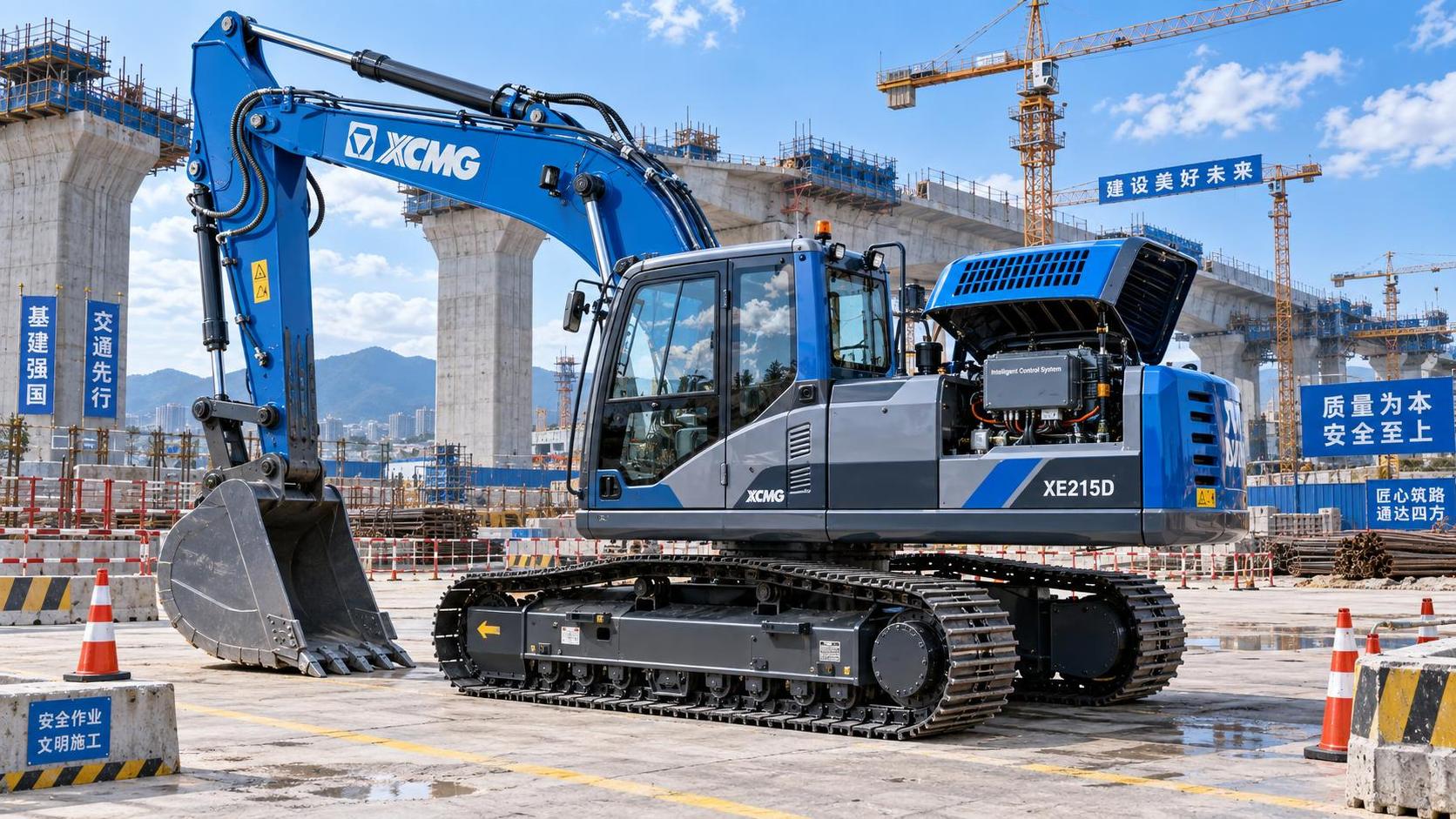
Crane operations, concrete fleets, specialist vehicles, and earthmoving packages generate large volumes of equipment data. Yet construction technology still fails when that data sits outside production decisions.
One site may track engine hours perfectly while still missing concrete placement windows. Another may monitor fuel burn but overlook maintenance timing that interrupts lifting plans.
The operational mistake is assuming telematics alone prevents delay. It only helps when dispatch, maintenance, operator availability, and schedule constraints are connected.
This matters in heavy industry support works and resource projects, where equipment uptime shapes the whole sequence. A single unavailable machine can stall several dependent crews.
Useful construction technology here should flag not only asset health, but delivery consequence. That is a much stronger early warning signal.
The most common misreads happen before deployment
Many schedule problems can be traced to early assumptions. Teams often buy construction technology based on headline capability while ignoring site behavior and implementation friction.
- Mistaking a similar project for an identical workflow.
- Comparing license cost without measuring training time and process change.
- Expecting full data quality before creating a practical data governance rule.
- Assuming operators will adopt mobile tools without simple field logic.
- Treating technology rollout as an IT task instead of a delivery task.
These mistakes are expensive because they appear manageable at first. The delay emerges later through rework, approval lag, idle equipment, and lost schedule confidence.
A better way to judge construction technology before it delays delivery
A stronger evaluation method starts with the flow of work. Map where information changes hands, where equipment availability matters, and where approvals tend to stall.
Then test construction technology against those points instead of generic efficiency claims. This keeps selection grounded in actual delivery risk.
What to do next if delays are already appearing
Start by identifying where the schedule is actually slipping. Look for repeated design clarifications, field reporting gaps, equipment downtime, or approval bottlenecks.
After that, compare each delay point with the construction technology now in use. The issue may be missing tools, but often it is weak integration or uneven field adoption.
A practical reset usually includes three actions. Simplify the data path, retrain around critical workflows, and remove duplicate platforms that confuse the site.
For longer programs, create a site-specific adaptation standard. It should define update ownership, key parameters, interface rules, and maintenance responsibilities.
Construction technology delivers best when it respects the physical world it is supposed to guide. That is the point where digital intelligence begins to protect delivery instead of delaying it.
Get weekly intelligence in your inbox.
No noise. No sponsored content. Pure intelligence.
News Recommendations
 Sep 19, 2026How an electronics application guide helps prevent component mismatchHow an electronics application guide helps prevent component mismatch
 Sep 18, 2026When a resource allocation platform improves project deliveryWhen a resource allocation platform improves project delivery
 Sep 17, 2026What to compare when evaluating mineral processing equipment manufacturersWhat to compare when evaluating mineral processing equipment manufacturers
 Sep 16, 2026How mineral separation optimization can reduce concentrate lossesHow mineral separation optimization can reduce concentrate losses
 Sep 15, 2026How to assess lifecycle costs in urban tech procurementHow to assess lifecycle costs in urban tech procurement
 Sep 14, 2026Heavy industry technology trends reshaping capital investment prioritiesHeavy industry technology trends reshaping capital investment priorities
 Sep 14, 2026Global Industrial Equipment Procurement: How Top OEMs Qualify Suppliers for Mining & Infrastructure ProjectsGlobal Industrial Equipment Procurement: How Top OEMs Qualify Suppliers for Mining & Infrastructure Projects
 Sep 14, 2026Industrial & Mining Equipment Procurement: Balancing Local Sourcing, Lead Time, and Certification RequirementsIndustrial & Mining Equipment Procurement: Balancing Local Sourcing, Lead Time, and Certification Requirements
 Sep 14, 2026Infrastructure & Equipment Upgrades: What Procurement Teams Must Verify Before Signing Off on New ContractsInfrastructure & Equipment Upgrades: What Procurement Teams Must Verify Before Signing Off on New Contracts
 Sep 14, 2026Why Infrastructure Equipment Buyers Are Shifting from Catalog-Based to Capability-Based Supplier SelectionWhy Infrastructure Equipment Buyers Are Shifting from Catalog-Based to Capability-Based Supplier Selection
 Sep 14, 2026Process Automation Project Execution: How to Align Supplier Capabilities with PLC Integration, Cybersecurity & Commissioning MilestonesProcess Automation Project Execution: How to Align Supplier Capabilities with PLC Integration, Cybersecurity & Commissioning Milestones
 Sep 14, 2026Are intelligent traffic systems worth the investment for small cities?Are intelligent traffic systems worth the investment for small cities?
 Sep 14, 2026How do intelligent traffic systems handle sensor failures?How do intelligent traffic systems handle sensor failures?
 Sep 14, 2026What should I check before accepting a smart building system?What should I check before accepting a smart building system?
 Sep 14, 2026Is a smart building system worth the maintenance cost?Is a smart building system worth the maintenance cost?
 Sep 14, 2026What data is needed for reliable resource allocation planning?What data is needed for reliable resource allocation planning?
 Sep 14, 2026How can resource allocation software reduce equipment idle time?How can resource allocation software reduce equipment idle time?
 Sep 14, 2026How should smart devices be maintained in harsh outdoor conditions?How should smart devices be maintained in harsh outdoor conditions?
 Sep 14, 2026Do smart devices improve worker safety on construction sites?Do smart devices improve worker safety on construction sites?
 Sep 14, 2026What environmental risks must be assessed before deep-sea mining?What environmental risks must be assessed before deep-sea mining?
 Sep 14, 2026Is deep-sea mining equipment commercially viable in 2026?Is deep-sea mining equipment commercially viable in 2026?
 Sep 14, 2026What Inspection Checks Should Procurement Teams Perform Before Ordering Dredging Equipment in 2026?What Inspection Checks Should Procurement Teams Perform Before Ordering Dredging Equipment in 2026?
 Sep 13, 2026How to verify an industrial product information source before specifying equipmentHow to verify an industrial product information source before specifying equipment
 Sep 12, 2026Which intelligent traffic systems hardware fits an urban intersection?Which intelligent traffic systems hardware fits an urban intersection?
 Sep 11, 2026How pump capacity affects response coverage for municipal fire fighting vehiclesHow pump capacity affects response coverage for municipal fire fighting vehicles
 Sep 10, 2026What to verify before choosing a heavy industry equipment supplierWhat to verify before choosing a heavy industry equipment supplier
 Sep 09, 2026When do adaptive urban traffic control systems reduce corridor delays?When do adaptive urban traffic control systems reduce corridor delays?