Infrastructure Construction Cost Drivers in 2026
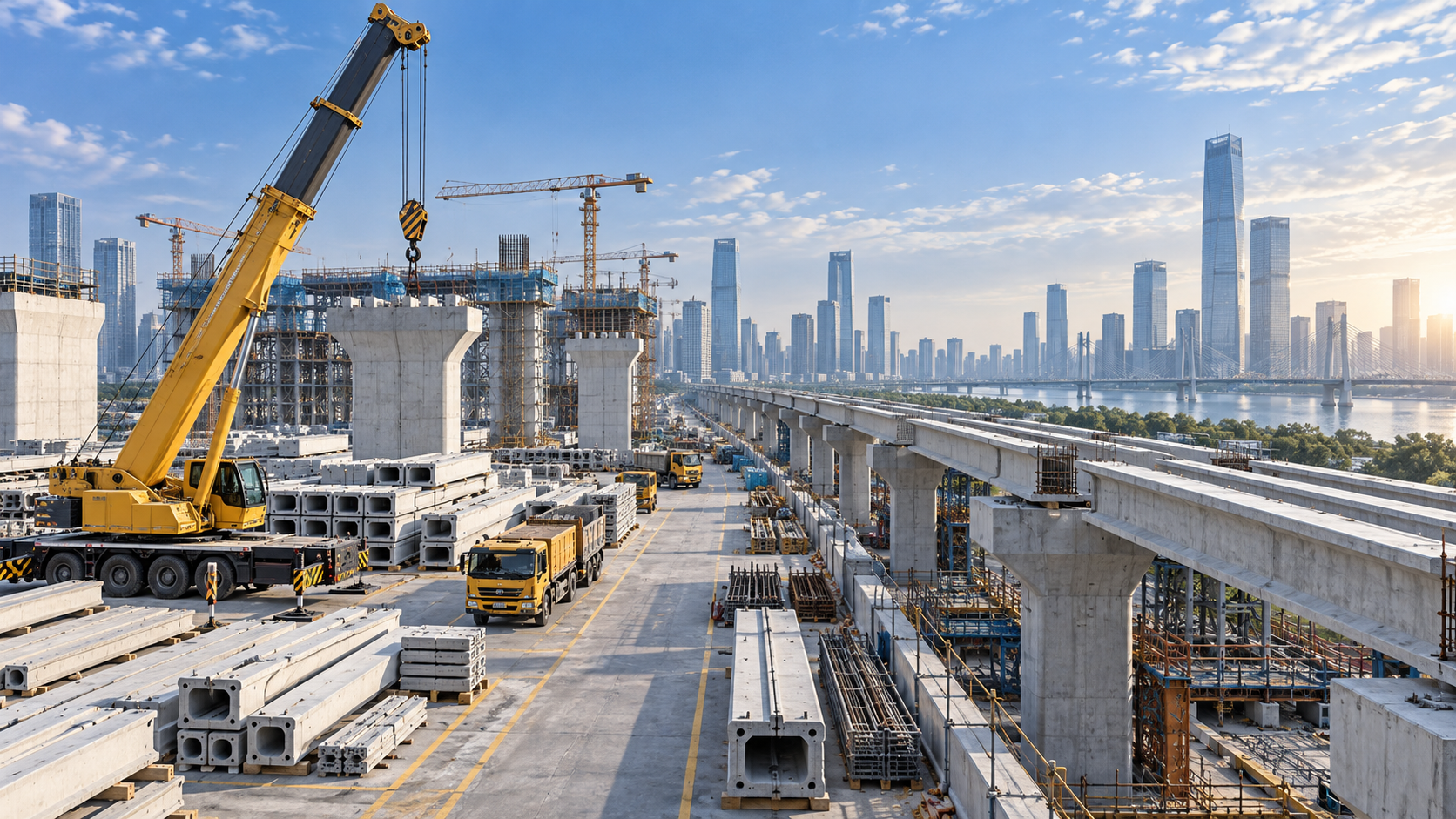
In 2026, infrastructure construction is no longer shaped by concrete, steel, and labor alone. Budget performance now depends on a wider cost equation that includes energy policy, digital compliance, supply chain resilience, financing pressure, and the growing demand for low-carbon assets.
That shift matters across transport, utilities, mining support facilities, logistics corridors, smart buildings, and urban systems. For organizations planning capital deployment, cost visibility has become a strategic discipline rather than a procurement exercise.
The most useful way to read today’s market is through connected signals. Material inputs, equipment availability, data requirements, and regulatory expectations now move together, often changing project economics faster than traditional forecasting models expect.
Why the 2026 cost picture looks different

Infrastructure construction has always carried exposure to inflation and delays. What makes 2026 different is the convergence of several pressures at once, each affecting project timing and capital efficiency in a different way.
Commodity volatility remains important, but it is no longer the only headline risk. Projects now face stricter environmental reporting, more advanced digital documentation, and wider scrutiny of lifecycle value before funding approval is secured.
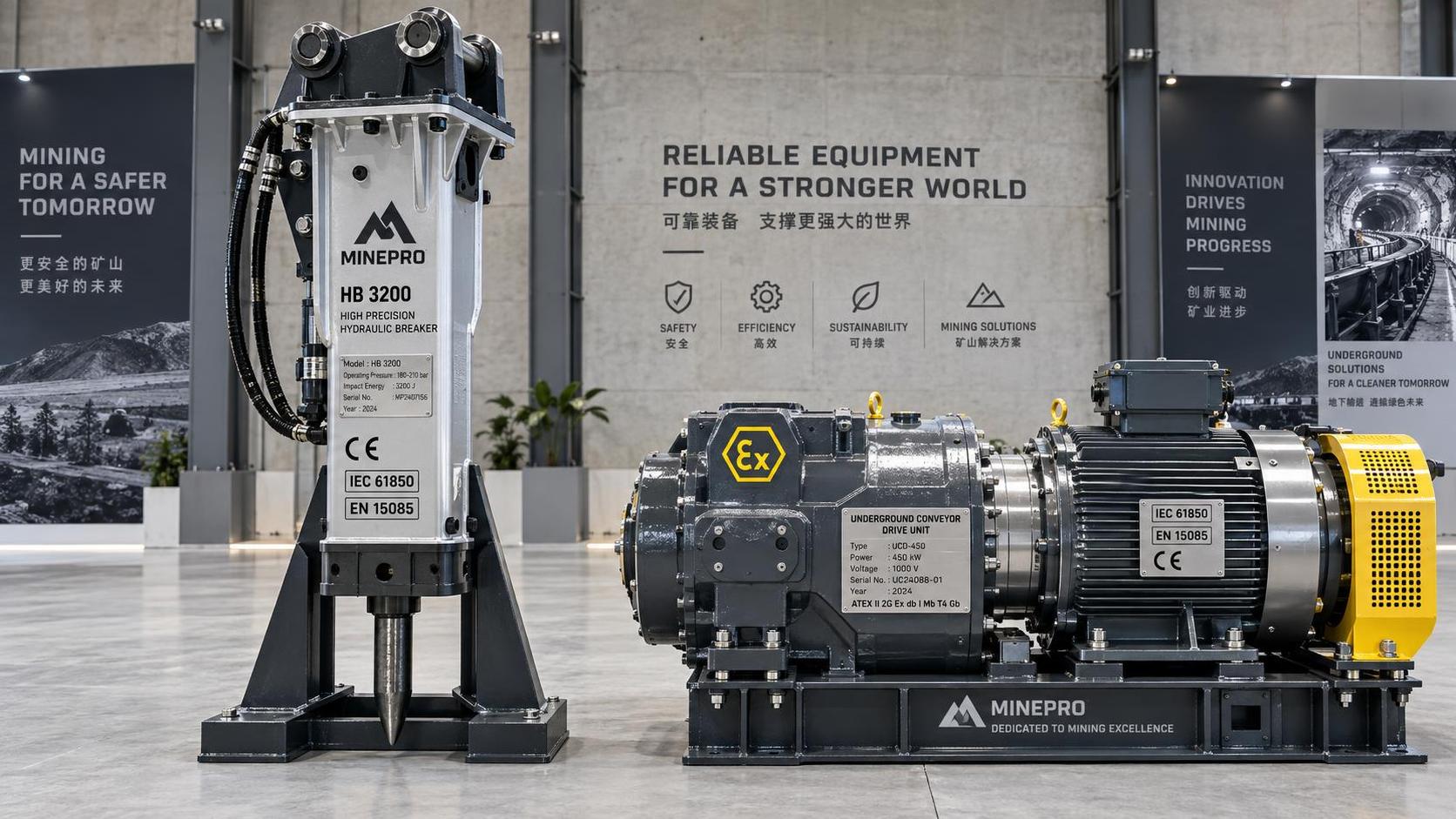
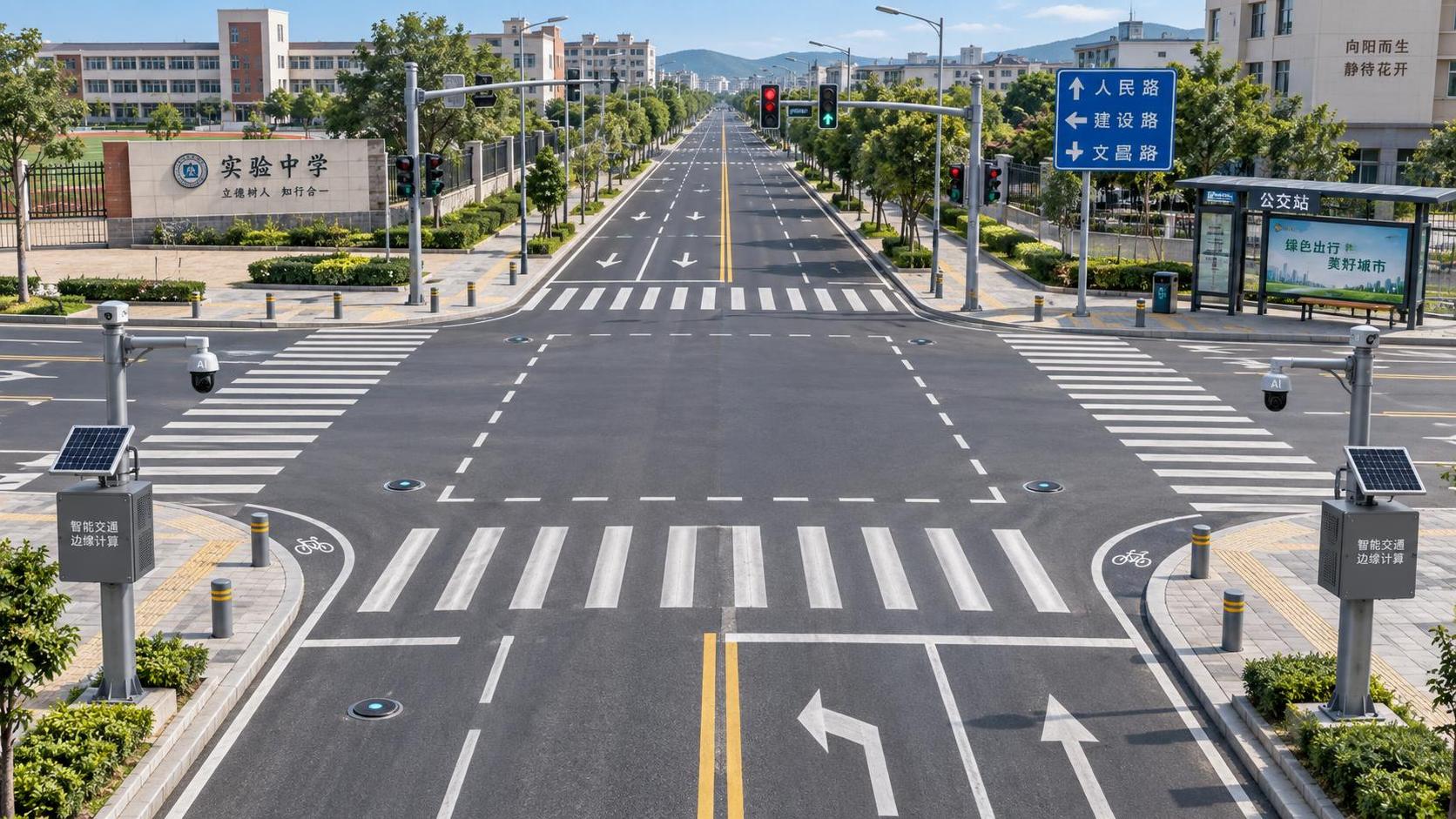
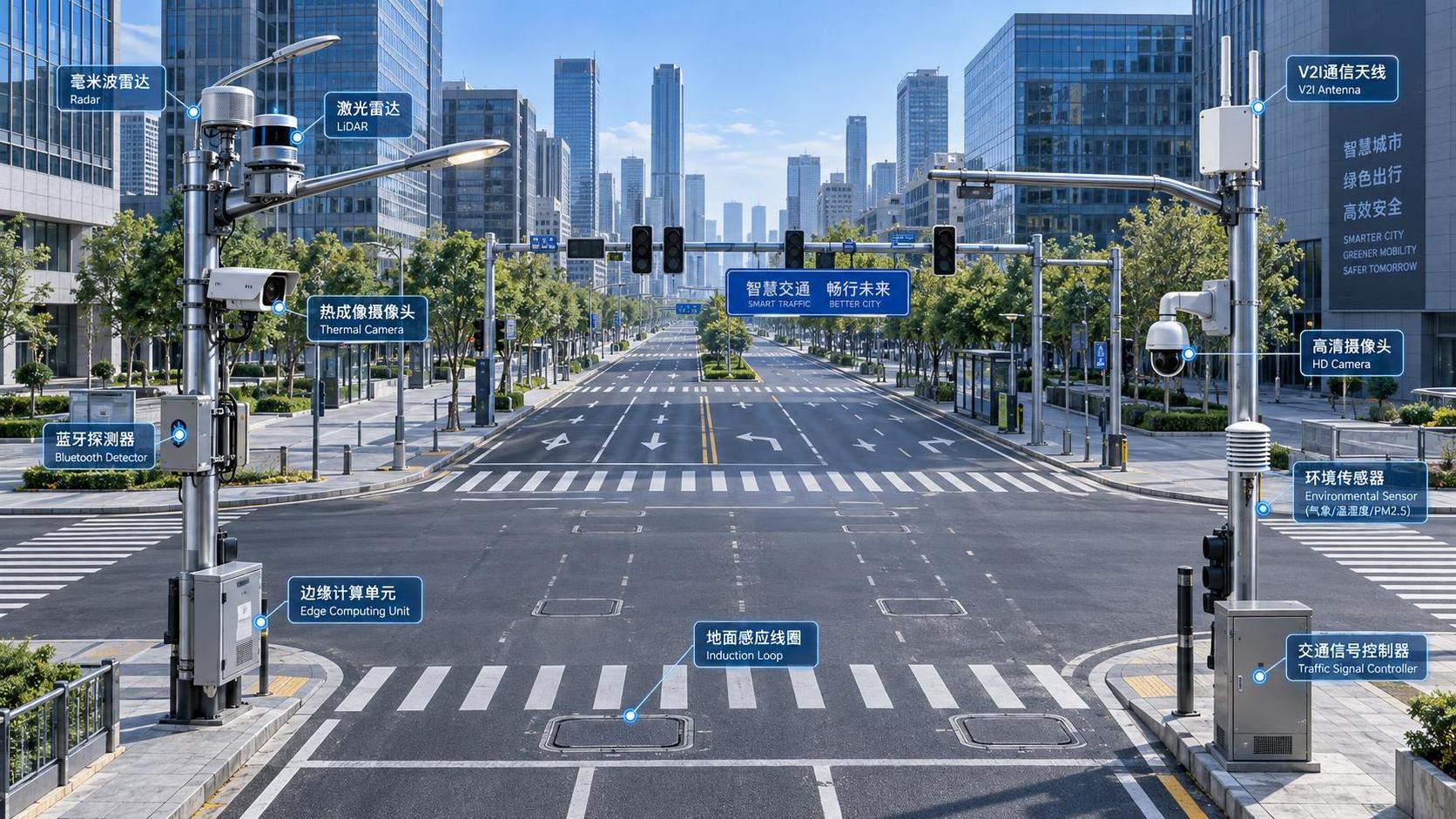
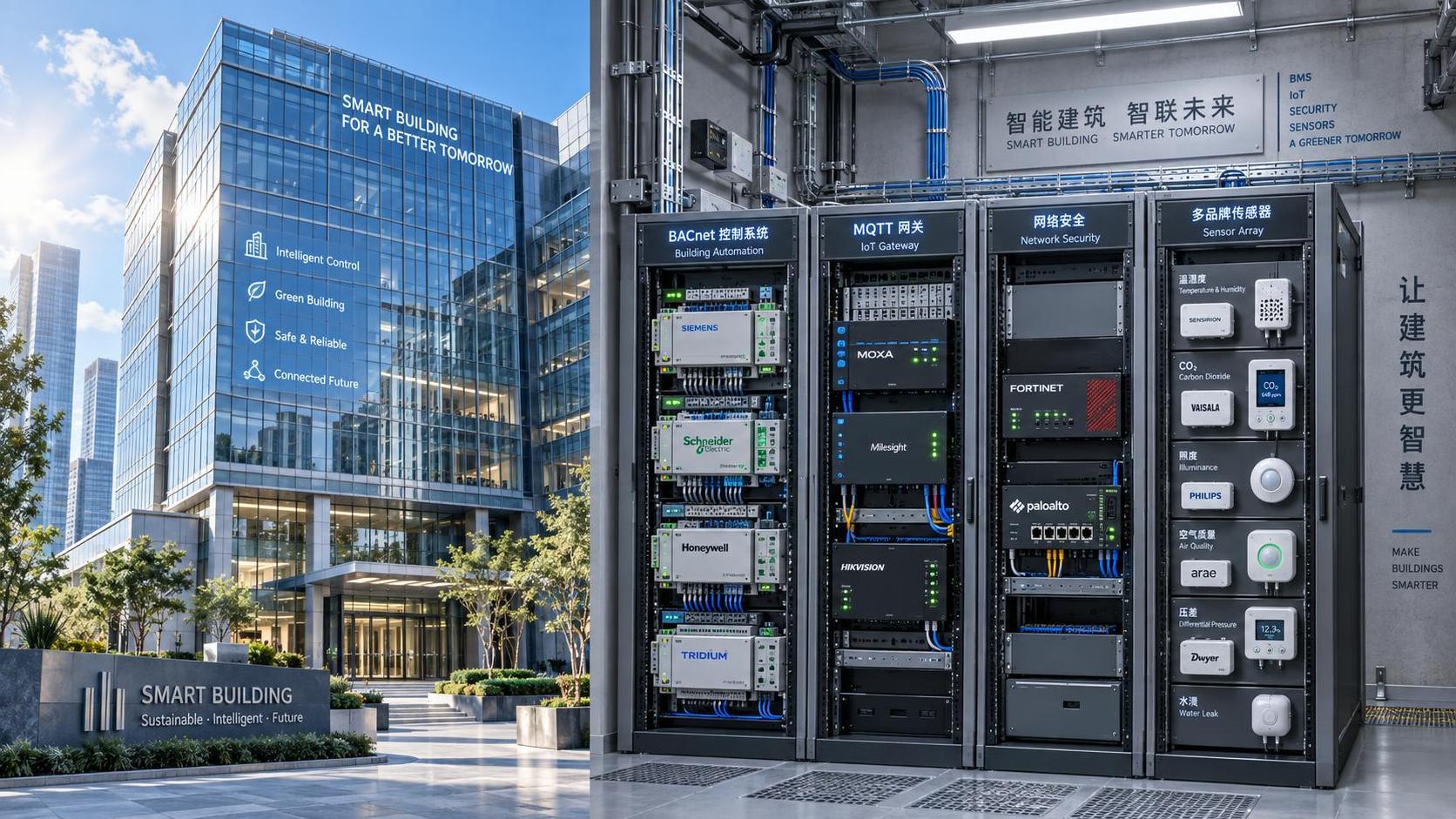
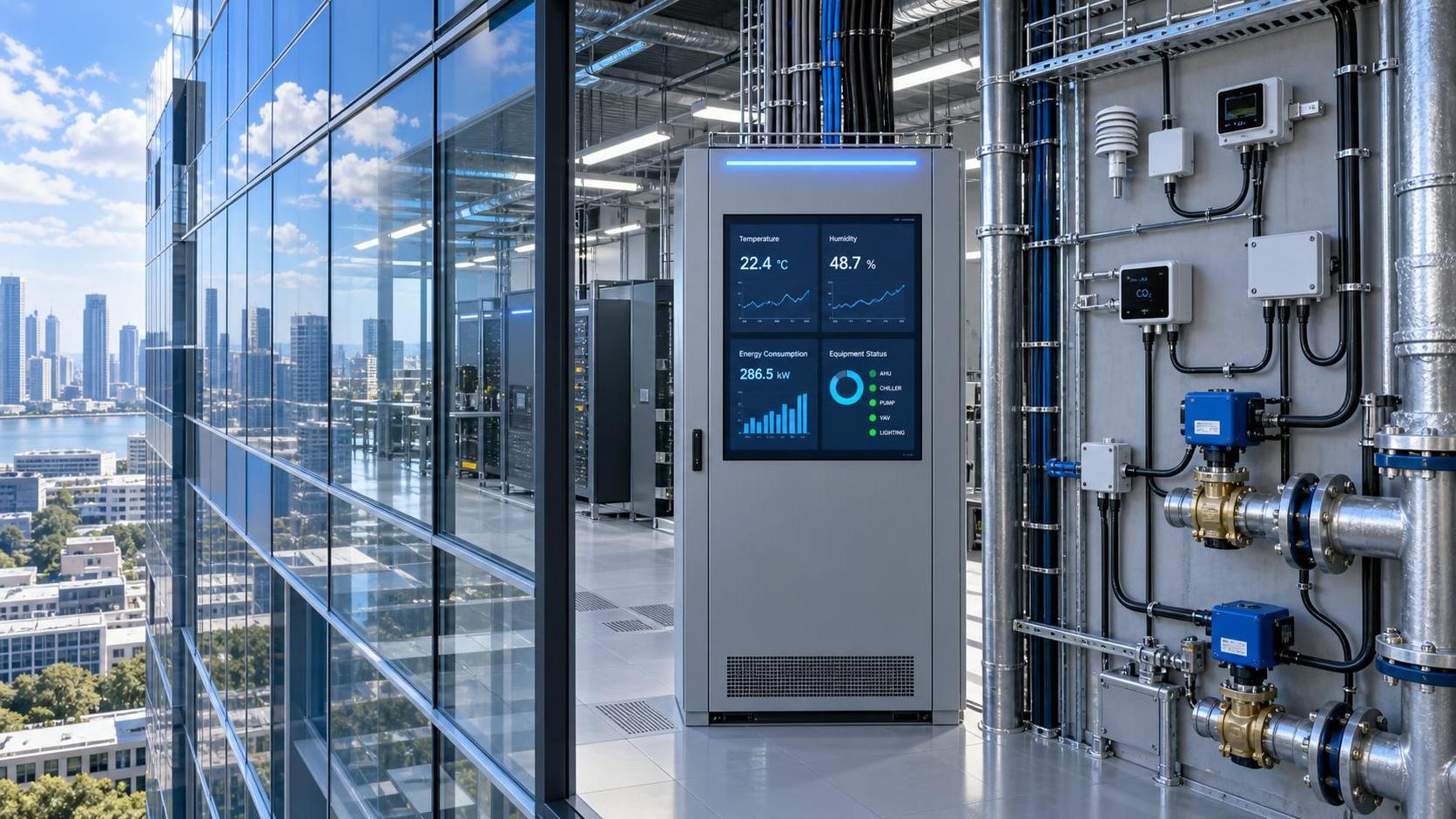
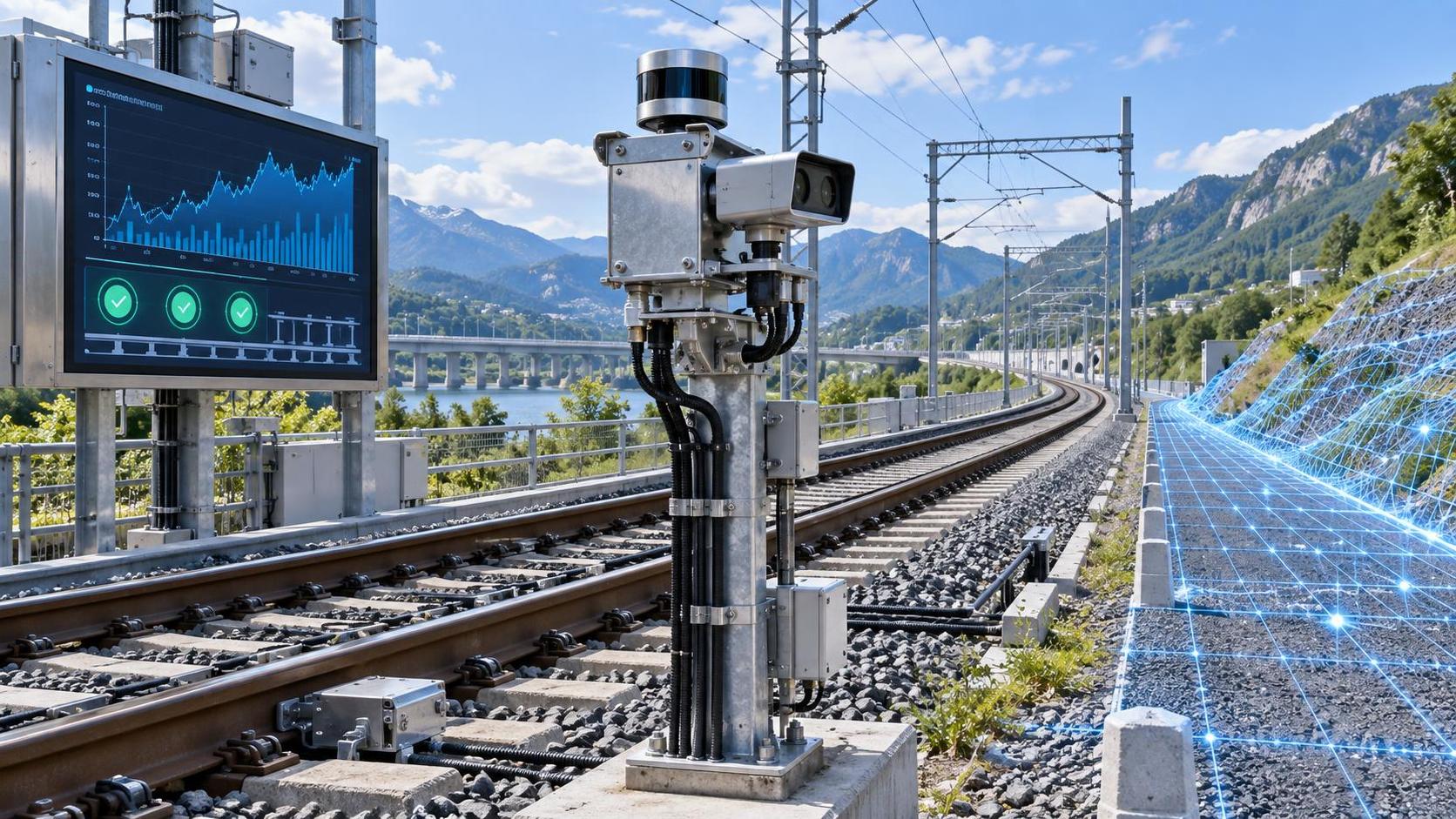
This is especially visible in sectors tied to GIUT’s coverage areas. Smart building upgrades, rail modernization, mine infrastructure, fleet-intensive construction, and urban automation all demand coordination between physical assets and digital systems.
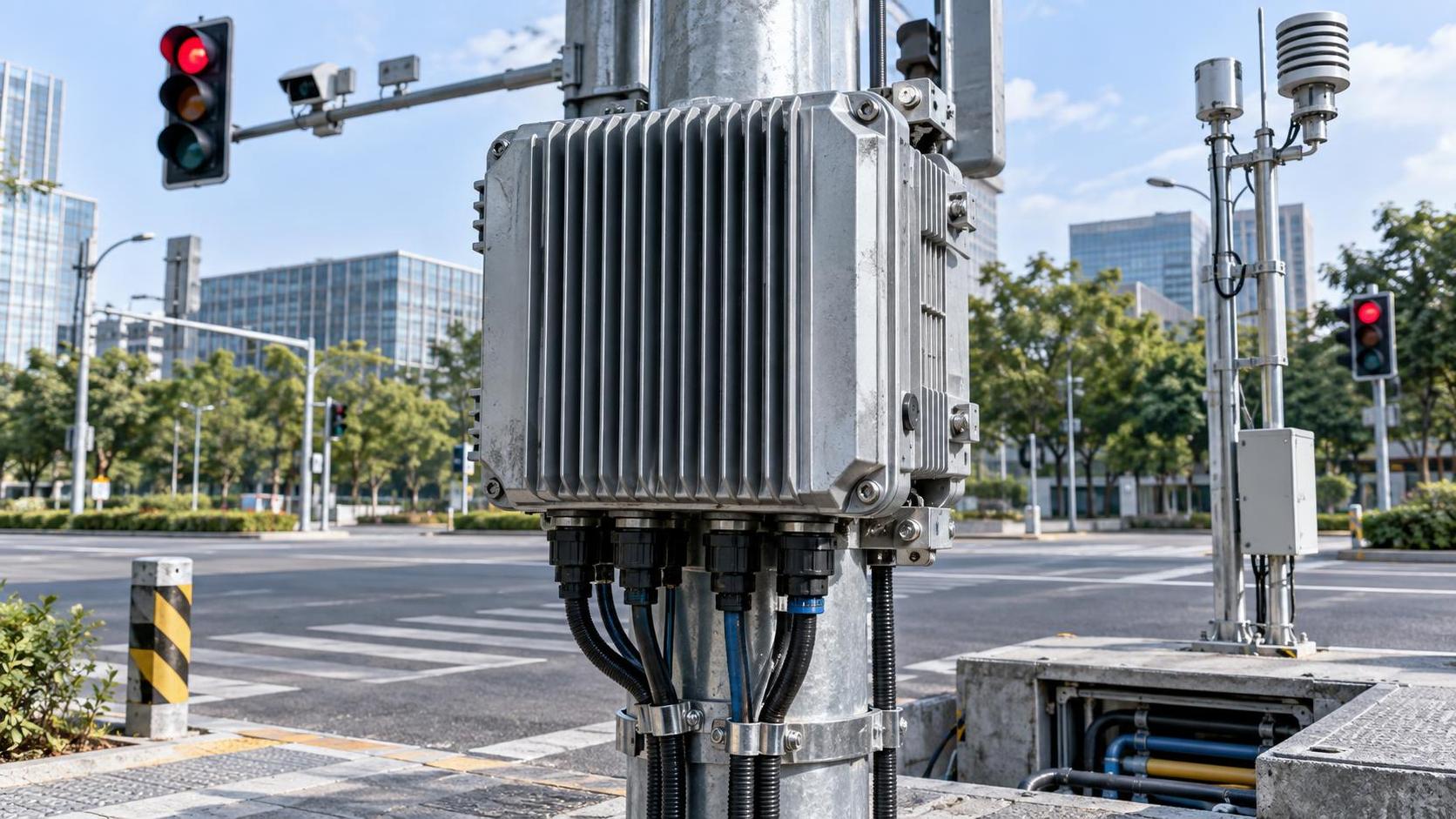
In practice, that means costs are being driven not only by what is built, but also by how data is captured, how emissions are measured, and how equipment interacts with broader city or industrial networks.
The main cost drivers behind infrastructure construction
Several forces stand out in 2026. They rarely act in isolation, which is why budgets can shift quickly even when one input appears stable.
Material volatility extends beyond raw price changes
Steel, cement, copper, aggregates, asphalt, and specialty components still anchor cost plans. Yet the larger issue is procurement uncertainty around delivery windows, energy-linked production costs, and regional trade restrictions.
A bridge package may be affected by steel pricing, while a smart grid substation feels pressure from copper and power electronics. In both cases, schedule disruption can cost more than the base material increase.
Labor scarcity raises direct and indirect costs
Skilled labor shortages continue to affect civil works, electrical systems, rail signaling, digital integration, and heavy equipment maintenance. Wage inflation is only one part of the story.
Lower crew availability can reduce productivity, increase rework risk, and force contractors to rely on more expensive subcontracting models. That can weaken cost certainty even before ground is broken.
Equipment costs are rising with intelligence requirements
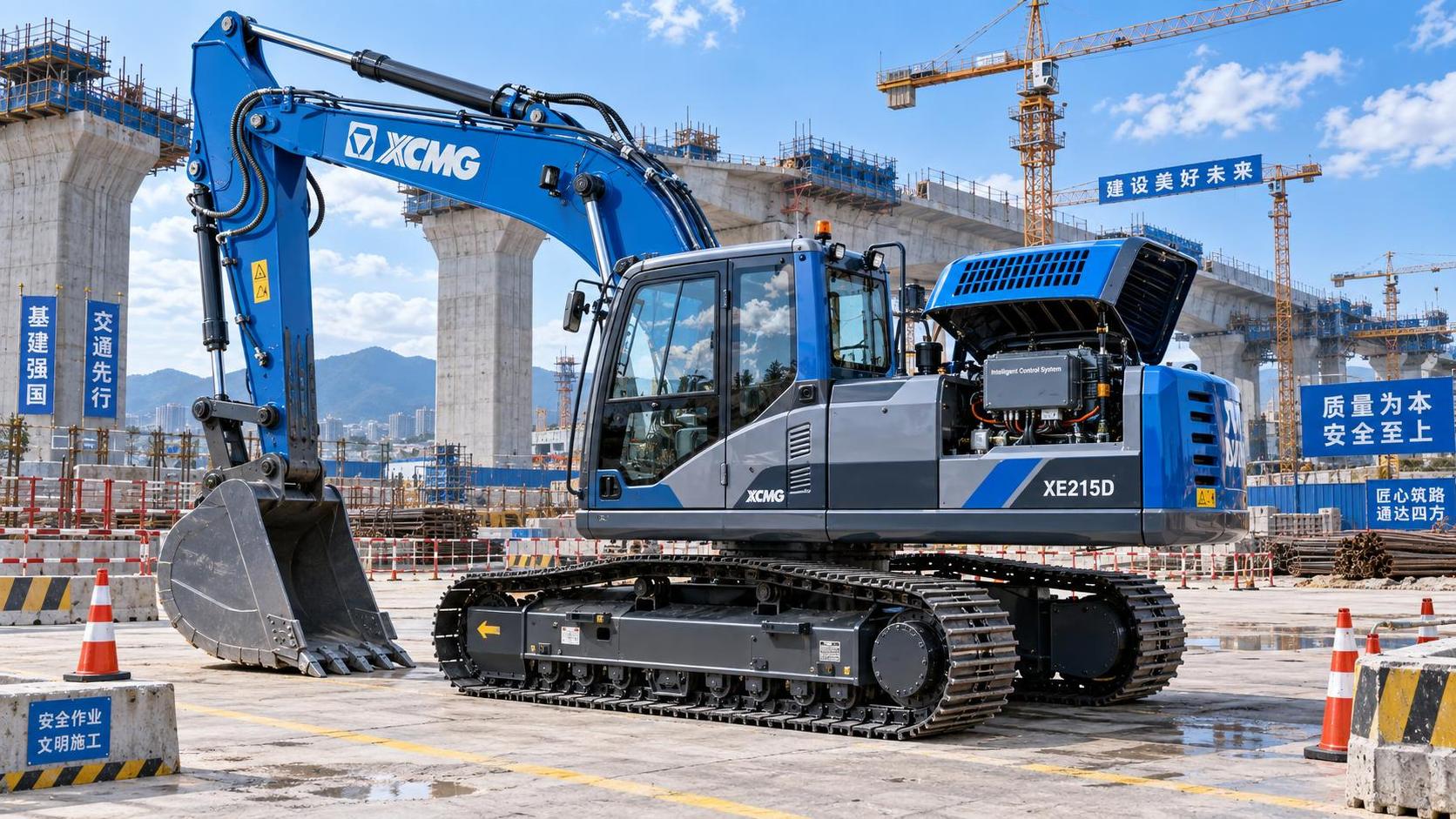
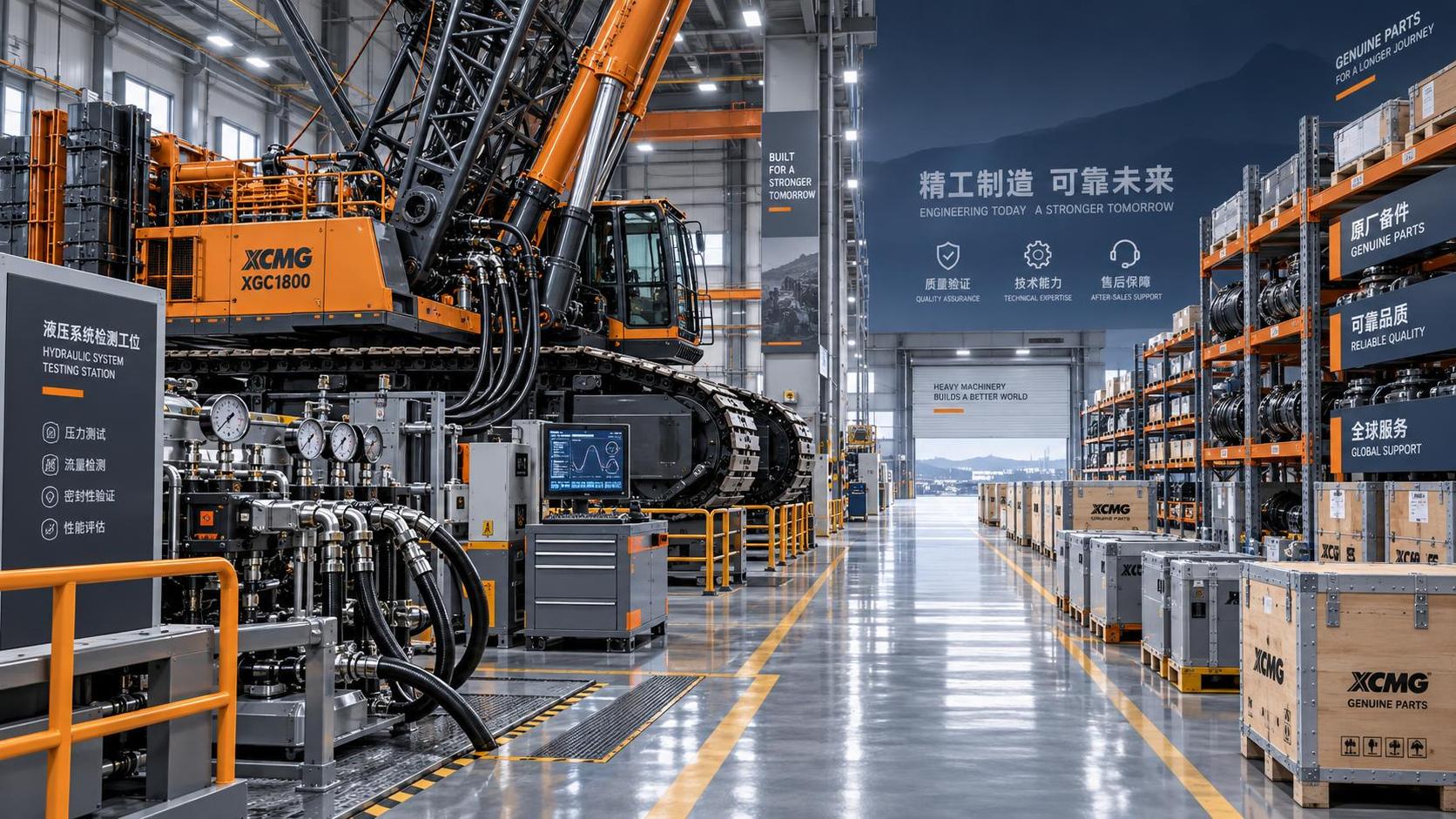
Heavy machinery is becoming more connected, safer, and more efficient. That brings long-term operational benefits, but it also raises upfront cost and training requirements.
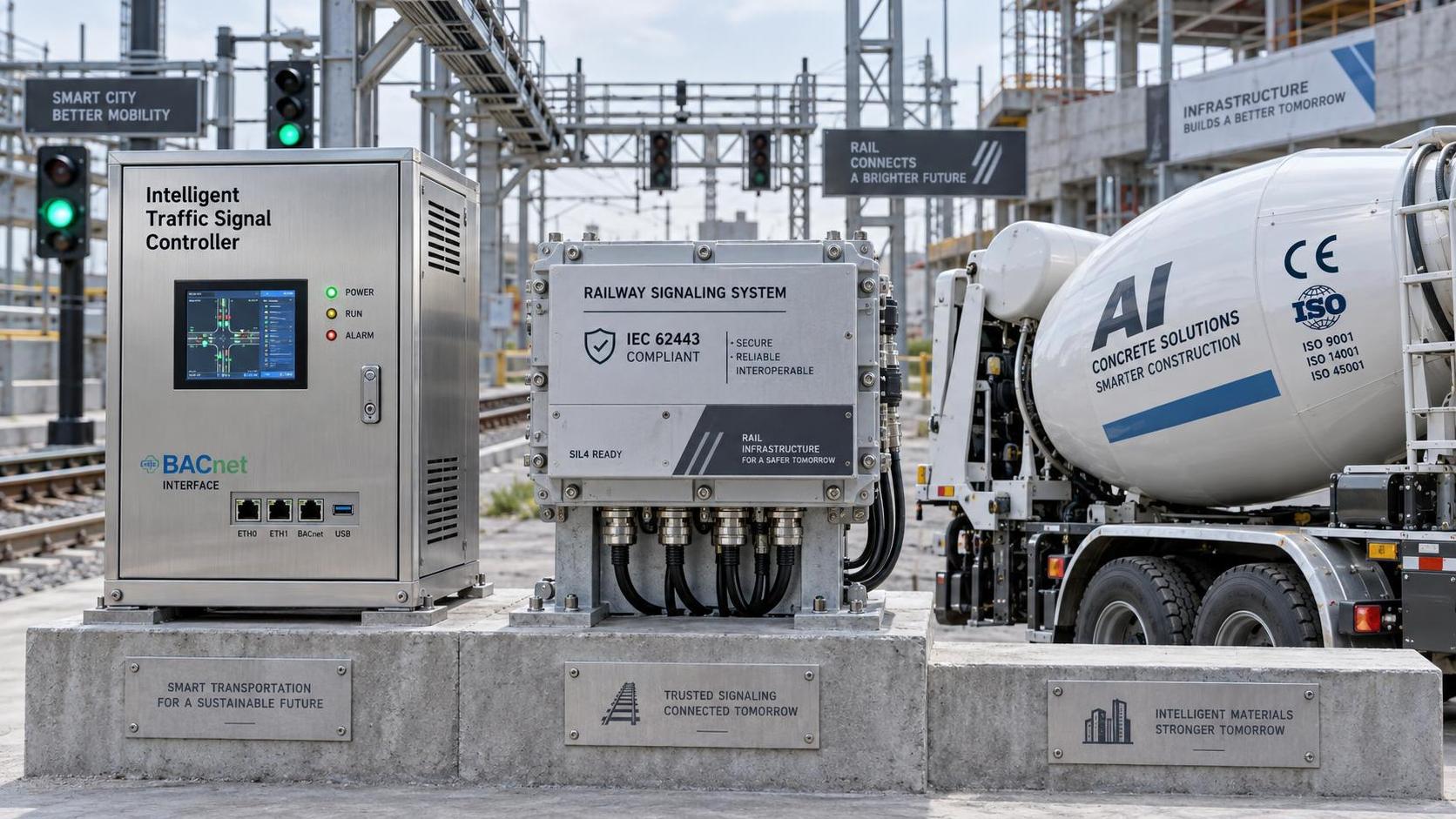
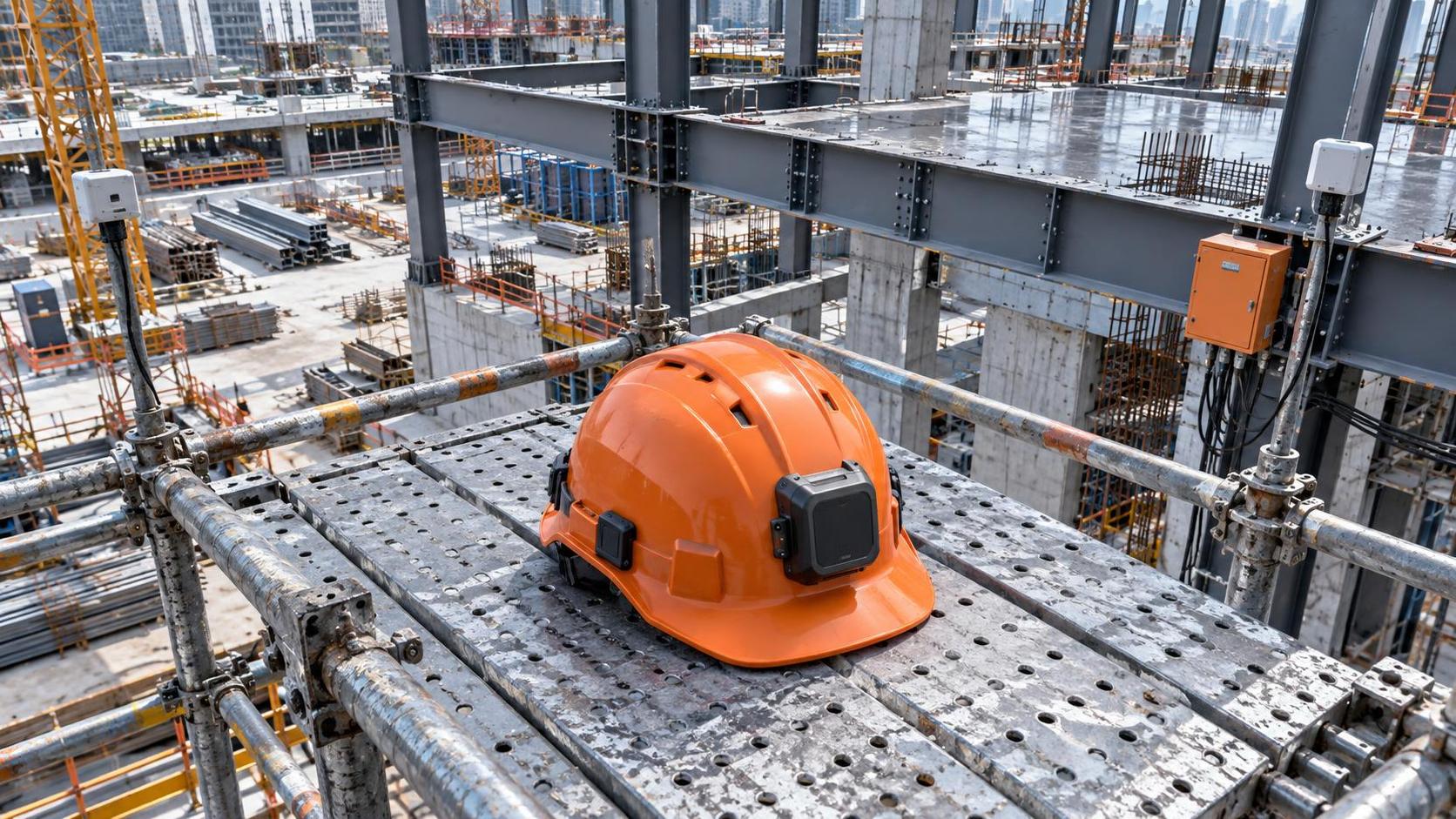
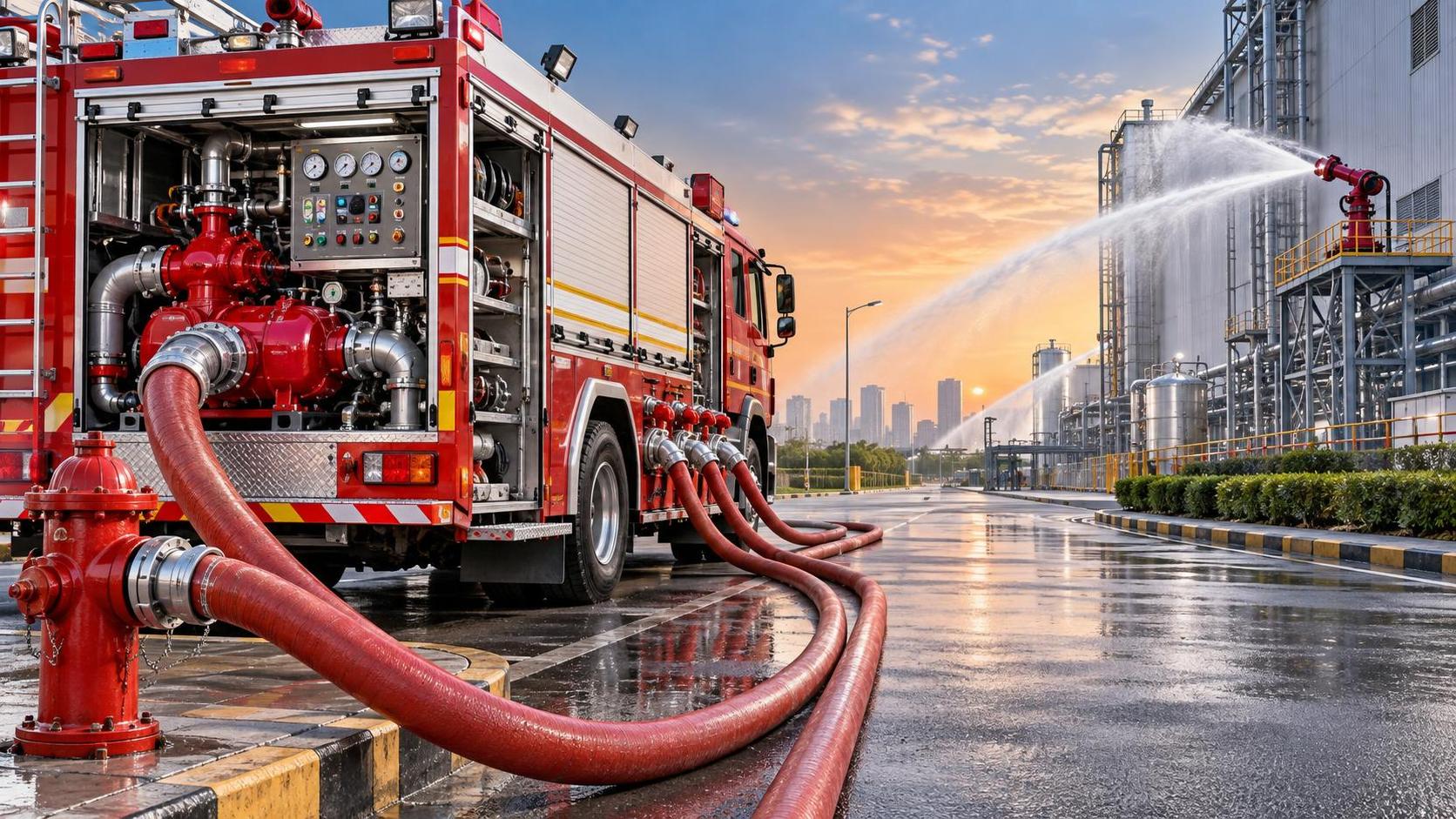
Concrete mixers, cranes, fire response vehicles, and site monitoring systems increasingly include sensors, telematics, and software layers. In infrastructure construction, these features are moving from optional upgrades to expected standards.
Compliance now carries a digital price tag
Permitting, carbon accounting, worker safety logs, BIM coordination, cybersecurity standards, and audit-ready reporting all require structured data. That creates new cost lines that older estimating models often understate.
For complex public or cross-border projects, compliance delays can lock capital, extend mobilization, and affect financing terms. The cost impact may arrive months before physical construction accelerates.
Energy transition expectations reshape design choices
Low-carbon materials, energy-efficient systems, electrified fleets, and resilient power integration are influencing scope decisions earlier than before. Some of these options increase initial expenditure, while others reduce future operating burden.
The challenge is timing. When energy transition requirements are addressed late, redesign costs rise sharply. When considered early, infrastructure construction can capture lifecycle savings and stronger financing narratives.
Where these pressures show up first
Not every asset class experiences cost pressure in the same way. The table below highlights how the current environment affects typical project categories.
This wider lens is central to GIUT’s industry view. Physical infrastructure now sits inside a larger operating system that links machinery, urban governance, logistics, and digital intelligence.
How better cost judgment is taking shape
The most resilient organizations are changing how they evaluate infrastructure construction before committing capital. They are treating early-stage analysis as a live decision process rather than a static estimate.
A useful starting point is to separate price risk from exposure risk. A material may be affordable today, yet still create delivery, compliance, or redesign problems later. Those hidden risks often damage margins more than unit cost shifts.
Another change involves lifecycle thinking. A lower bid can become expensive if it relies on fragile supply chains, obsolete machinery, weak energy performance, or limited digital compatibility.
This is where an intelligence-led approach matters. Portals such as GIUT are valuable because they connect engineering, policy, urban systems, and equipment trends into one decision context rather than treating them as separate topics.
Key questions worth testing early
- Which materials or components have the highest schedule sensitivity, not just the highest unit price?
- Does the delivery model reflect digital reporting, carbon tracking, and cybersecurity obligations?
- Will labor availability support the selected construction method and commissioning timeline?
- How exposed is the project to equipment downtime, fleet transition, or imported system dependencies?
- What design changes could reduce future operating cost without destabilizing the current budget?
Practical responses for 2026 planning
There is no universal formula for controlling infrastructure construction costs, but several actions are becoming consistently effective across sectors.
Build procurement around risk clusters
Instead of buying each package in isolation, group materials, equipment, and digital requirements by shared exposure. This makes it easier to see where one delay could affect several workstreams.
Use design decisions to control volatility
Prefabrication, modular systems, standardization, and flexible specifications can reduce labor intensity and improve schedule discipline. These choices often matter more than late-stage price negotiation.
Treat data requirements as part of the asset
If reporting, interoperability, and digital monitoring are expected after completion, they should be budgeted from the start. Adding them later usually creates integration cost and documentation gaps.
Strengthen scenario-based forecasting
Single-point estimates are becoming less reliable. Scenario models that test energy shifts, material disruption, labor scarcity, and regulatory change can provide a more realistic capital picture.
What to watch next
The next phase of infrastructure construction will be shaped by how quickly physical projects become data-rich, resource-aware, and operationally connected. Cost management will increasingly depend on intelligence quality, not only negotiation strength.
For 2026 planning, the strongest position comes from reviewing assumptions early, mapping hidden dependencies, and comparing short-term savings against long-term asset performance. That creates a more stable basis for timing, scope, and capital allocation.
A practical next step is to reassess current project pipelines through this wider lens: materials, labor, machinery, compliance, energy, and data. When those factors are evaluated together, infrastructure construction decisions become clearer and more resilient.
Get weekly intelligence in your inbox.
No noise. No sponsored content. Pure intelligence.
News Recommendations
 Sep 19, 2026How an electronics application guide helps prevent component mismatchHow an electronics application guide helps prevent component mismatch
 Sep 18, 2026When a resource allocation platform improves project deliveryWhen a resource allocation platform improves project delivery
 Sep 17, 2026What to compare when evaluating mineral processing equipment manufacturersWhat to compare when evaluating mineral processing equipment manufacturers
 Sep 16, 2026How mineral separation optimization can reduce concentrate lossesHow mineral separation optimization can reduce concentrate losses
 Sep 15, 2026How to assess lifecycle costs in urban tech procurementHow to assess lifecycle costs in urban tech procurement
 Sep 14, 2026Heavy industry technology trends reshaping capital investment prioritiesHeavy industry technology trends reshaping capital investment priorities
 Sep 14, 2026Global Industrial Equipment Procurement: How Top OEMs Qualify Suppliers for Mining & Infrastructure ProjectsGlobal Industrial Equipment Procurement: How Top OEMs Qualify Suppliers for Mining & Infrastructure Projects
 Sep 14, 2026Industrial & Mining Equipment Procurement: Balancing Local Sourcing, Lead Time, and Certification RequirementsIndustrial & Mining Equipment Procurement: Balancing Local Sourcing, Lead Time, and Certification Requirements
 Sep 14, 2026Infrastructure & Equipment Upgrades: What Procurement Teams Must Verify Before Signing Off on New ContractsInfrastructure & Equipment Upgrades: What Procurement Teams Must Verify Before Signing Off on New Contracts
 Sep 14, 2026Why Infrastructure Equipment Buyers Are Shifting from Catalog-Based to Capability-Based Supplier SelectionWhy Infrastructure Equipment Buyers Are Shifting from Catalog-Based to Capability-Based Supplier Selection
 Sep 14, 2026Process Automation Project Execution: How to Align Supplier Capabilities with PLC Integration, Cybersecurity & Commissioning MilestonesProcess Automation Project Execution: How to Align Supplier Capabilities with PLC Integration, Cybersecurity & Commissioning Milestones
 Sep 14, 2026Are intelligent traffic systems worth the investment for small cities?Are intelligent traffic systems worth the investment for small cities?
 Sep 14, 2026How do intelligent traffic systems handle sensor failures?How do intelligent traffic systems handle sensor failures?
 Sep 14, 2026What should I check before accepting a smart building system?What should I check before accepting a smart building system?
 Sep 14, 2026Is a smart building system worth the maintenance cost?Is a smart building system worth the maintenance cost?
 Sep 14, 2026What data is needed for reliable resource allocation planning?What data is needed for reliable resource allocation planning?
 Sep 14, 2026How can resource allocation software reduce equipment idle time?How can resource allocation software reduce equipment idle time?
 Sep 14, 2026How should smart devices be maintained in harsh outdoor conditions?How should smart devices be maintained in harsh outdoor conditions?
 Sep 14, 2026Do smart devices improve worker safety on construction sites?Do smart devices improve worker safety on construction sites?
 Sep 14, 2026What environmental risks must be assessed before deep-sea mining?What environmental risks must be assessed before deep-sea mining?
 Sep 14, 2026Is deep-sea mining equipment commercially viable in 2026?Is deep-sea mining equipment commercially viable in 2026?
 Sep 14, 2026What Inspection Checks Should Procurement Teams Perform Before Ordering Dredging Equipment in 2026?What Inspection Checks Should Procurement Teams Perform Before Ordering Dredging Equipment in 2026?
 Sep 13, 2026How to verify an industrial product information source before specifying equipmentHow to verify an industrial product information source before specifying equipment
 Sep 12, 2026Which intelligent traffic systems hardware fits an urban intersection?Which intelligent traffic systems hardware fits an urban intersection?
 Sep 11, 2026How pump capacity affects response coverage for municipal fire fighting vehiclesHow pump capacity affects response coverage for municipal fire fighting vehicles
 Sep 10, 2026What to verify before choosing a heavy industry equipment supplierWhat to verify before choosing a heavy industry equipment supplier
 Sep 09, 2026When do adaptive urban traffic control systems reduce corridor delays?When do adaptive urban traffic control systems reduce corridor delays?