Deep-Sea Mining Equipment: Key Safety Standards
Why do safety standards matter so much for deep-sea mining equipment?
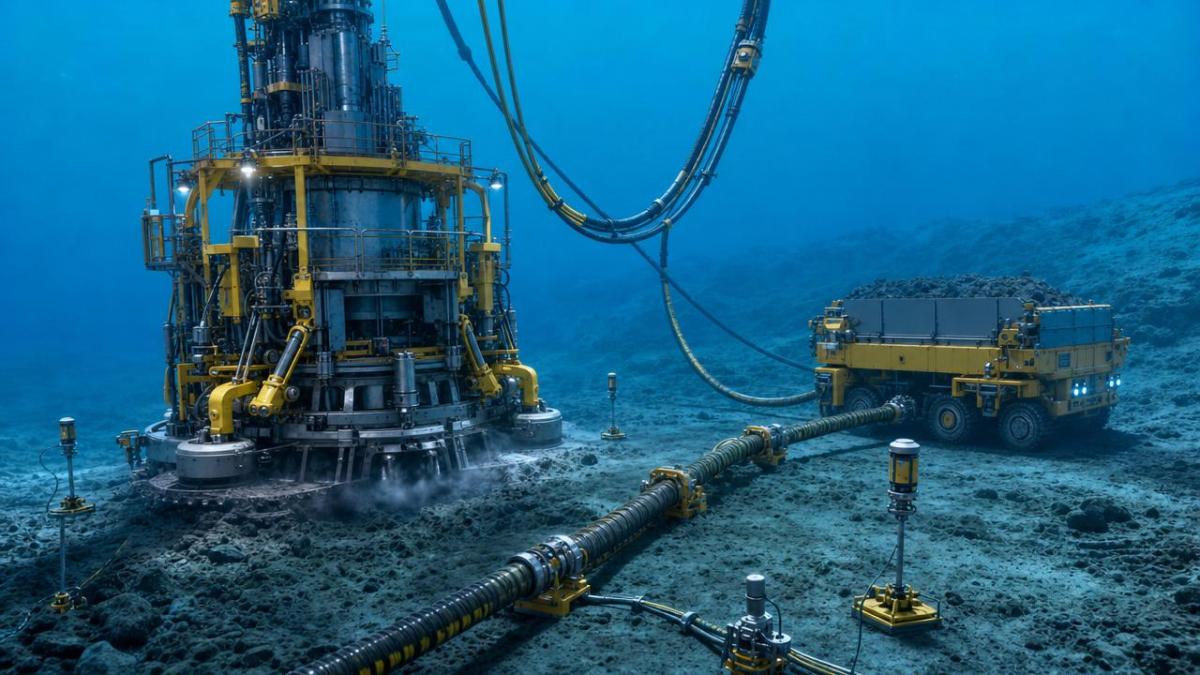
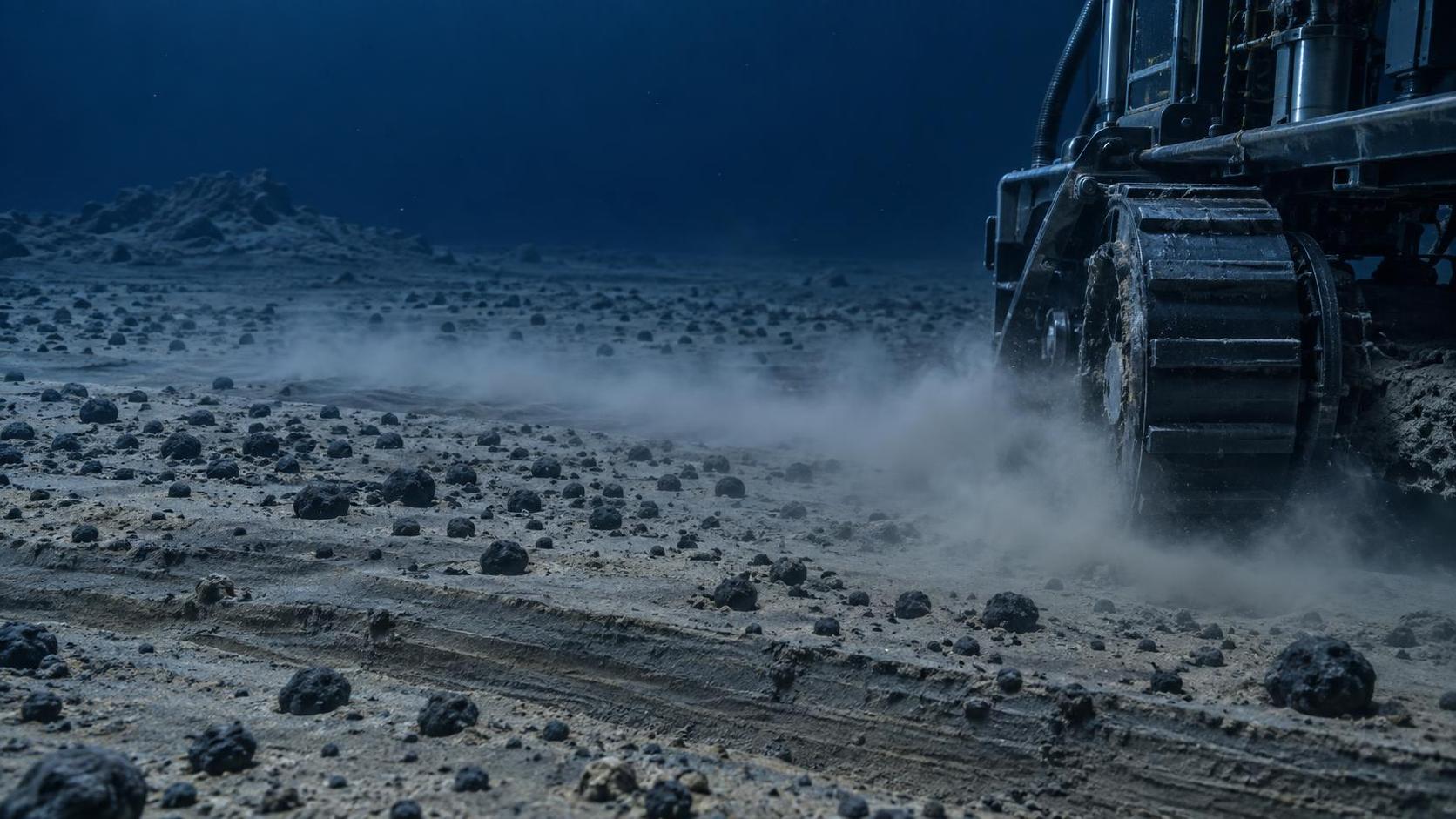
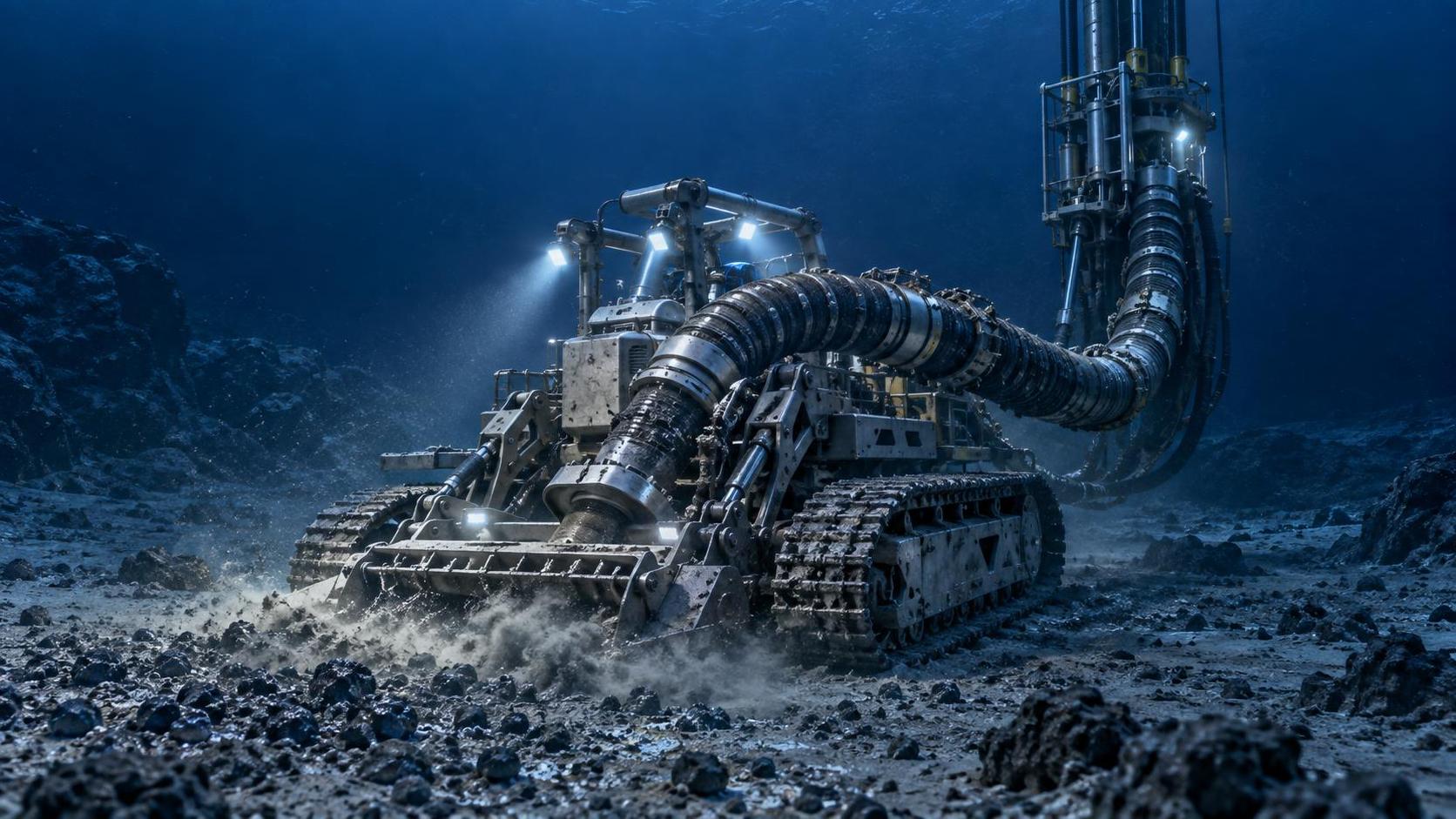
Deep-sea mining equipment works in one of the harshest industrial environments on earth.
Pressure is extreme, visibility is limited, and failures are harder to isolate than on land.
That is why safety standards are not a paperwork exercise.
They define how systems should be designed, tested, monitored, and maintained before deployment.
In practical terms, deep-sea mining equipment must protect three things at once.
- Personnel safety during launch, recovery, and support vessel operations.
- Asset integrity across subsea power, control, lifting, and material handling systems.
- Marine environmental protection during extraction, discharge, and emergency response.
GIUT often frames this issue as part of a bigger infrastructure question.
When physical systems become smarter, safety standards must also become more data-driven.
For offshore resource projects, that means linking engineering controls with inspection records, sensor feedback, and operational decision rules.
A compliant machine may still be risky if its control logic, maintenance intervals, or fault alarms are poorly managed.
Which standards usually shape deep-sea mining equipment compliance?
There is no single global rulebook covering every subsea mining machine.
More often, compliance comes from a layered combination of offshore, marine, machinery, and environmental standards.
The key is understanding which layer governs which risk.
A common mistake is checking only product certificates.
In reality, deep-sea mining equipment should be reviewed as a system.
That includes collectors, risers, pumps, umbilicals, subsea tools, launch frames, and control stations.
If one section is certified but its interface is unstable, risk remains high.
What should be checked first during design review and vendor evaluation?
The fastest way to lose control of a project is to start with brochure claims instead of risk evidence.
During evaluation, the stronger question is not whether deep-sea mining equipment looks advanced.
It is whether the safety case is complete enough for the intended water depth and duty cycle.
The first-pass checklist usually includes these points
- Design pressure rating with documented safety margins.
- Material selection for corrosion, abrasion, and fatigue exposure.
- Failure mode and effects analysis for critical subsystems.
- Redundancy logic for power, communication, and recovery functions.
- Emergency shutdown behavior during loss of signal or overload.
- Verification records for factory tests, pressure tests, and integration tests.
In actual projects, interface control documents deserve special attention.
Many failures begin where hydraulic, electrical, and digital systems meet.
If connector sealing, signal timing, or alarm priority is vague, certified parts can still create unsafe behavior.
This is where GIUT’s engineering perspective becomes useful.
Heavy equipment safety is no longer only about machine strength.
It is also about how physical infrastructure and intelligent controls function as one operating backbone.
Where do safety problems usually appear after equipment is already certified?
Certification reduces risk, but it does not remove operational drift.
More common problems emerge after deployment, especially in long campaigns.
The pattern is usually gradual rather than dramatic at first.
Frequent weak points include
- Sensor drift that hides overload, tilt, or leakage conditions.
- Unverified software updates in control or navigation modules.
- Seal wear caused by sediment ingress and repeated pressure cycling.
- Fatigue cracking in lifting points and dynamic hose assemblies.
- Alarm flooding that prevents operators from identifying the true fault.
Another overlooked issue is the gap between marine compliance and mining duty.
Some systems are proven offshore, but not under constant abrasive slurry handling.
Others survive pressure well, yet struggle with maintenance access or cleaning intervals.
For deep-sea mining equipment, reliability data should be read together with operating context.
A clean test environment rarely reflects real seabed production conditions.
How do you judge whether a safety management program is truly adequate?
A good program is visible in records, not slogans.
The question to ask is simple: can the site prove that hazards are identified, controlled, and rechecked?
For deep-sea mining equipment, that proof usually spans technical files and operating routines.
This is also where digital infrastructure becomes valuable.
When inspection data, sensor trends, and maintenance logs are connected, decisions improve faster.
That approach aligns with GIUT’s broader view of industrial intelligence.
Safe infrastructure depends on trustworthy information as much as robust hardware.
What is the practical next step before approving deep-sea mining equipment?
Start by narrowing the decision to the actual operating envelope.
Water depth, seabed material, vessel motion, maintenance window, and discharge restrictions should all be written into the review basis.
From there, compare deep-sea mining equipment against a structured acceptance matrix.
- List mandatory standards and class requirements by subsystem.
- Check whether test evidence matches real operating conditions.
- Review failure recovery steps, not only normal production performance.
- Confirm environmental controls for leaks, plume spread, and waste streams.
- Require traceable documentation before site acceptance is closed.
The strongest decisions usually come from combining standards review with field realism.
If a requirement looks compliant on paper but difficult to sustain offshore, it deserves a second look.
Deep-sea mining equipment is only as safe as the discipline behind its full lifecycle.
A useful next move is to build a single review sheet covering certification scope, interface risks, monitoring logic, maintenance evidence, and emergency readiness.
That kind of structured review supports safer resource development while protecting both industrial assets and the marine systems beneath them.
Get weekly intelligence in your inbox.
No noise. No sponsored content. Pure intelligence.
News Recommendations
 Sep 19, 2026How an electronics application guide helps prevent component mismatchHow an electronics application guide helps prevent component mismatch
 Sep 18, 2026When a resource allocation platform improves project deliveryWhen a resource allocation platform improves project delivery
 Sep 17, 2026What to compare when evaluating mineral processing equipment manufacturersWhat to compare when evaluating mineral processing equipment manufacturers
 Sep 16, 2026How mineral separation optimization can reduce concentrate lossesHow mineral separation optimization can reduce concentrate losses
 Sep 15, 2026How to assess lifecycle costs in urban tech procurementHow to assess lifecycle costs in urban tech procurement
 Sep 14, 2026Heavy industry technology trends reshaping capital investment prioritiesHeavy industry technology trends reshaping capital investment priorities
 Sep 14, 2026Global Industrial Equipment Procurement: How Top OEMs Qualify Suppliers for Mining & Infrastructure ProjectsGlobal Industrial Equipment Procurement: How Top OEMs Qualify Suppliers for Mining & Infrastructure Projects
 Sep 14, 2026Industrial & Mining Equipment Procurement: Balancing Local Sourcing, Lead Time, and Certification RequirementsIndustrial & Mining Equipment Procurement: Balancing Local Sourcing, Lead Time, and Certification Requirements
 Sep 14, 2026Infrastructure & Equipment Upgrades: What Procurement Teams Must Verify Before Signing Off on New ContractsInfrastructure & Equipment Upgrades: What Procurement Teams Must Verify Before Signing Off on New Contracts
 Sep 14, 2026Why Infrastructure Equipment Buyers Are Shifting from Catalog-Based to Capability-Based Supplier SelectionWhy Infrastructure Equipment Buyers Are Shifting from Catalog-Based to Capability-Based Supplier Selection
 Sep 14, 2026Process Automation Project Execution: How to Align Supplier Capabilities with PLC Integration, Cybersecurity & Commissioning MilestonesProcess Automation Project Execution: How to Align Supplier Capabilities with PLC Integration, Cybersecurity & Commissioning Milestones
 Sep 14, 2026Are intelligent traffic systems worth the investment for small cities?Are intelligent traffic systems worth the investment for small cities?
 Sep 14, 2026How do intelligent traffic systems handle sensor failures?How do intelligent traffic systems handle sensor failures?
 Sep 14, 2026What should I check before accepting a smart building system?What should I check before accepting a smart building system?
 Sep 14, 2026Is a smart building system worth the maintenance cost?Is a smart building system worth the maintenance cost?
 Sep 14, 2026What data is needed for reliable resource allocation planning?What data is needed for reliable resource allocation planning?
 Sep 14, 2026How can resource allocation software reduce equipment idle time?How can resource allocation software reduce equipment idle time?
 Sep 14, 2026How should smart devices be maintained in harsh outdoor conditions?How should smart devices be maintained in harsh outdoor conditions?
 Sep 14, 2026Do smart devices improve worker safety on construction sites?Do smart devices improve worker safety on construction sites?
 Sep 14, 2026What environmental risks must be assessed before deep-sea mining?What environmental risks must be assessed before deep-sea mining?
 Sep 14, 2026Is deep-sea mining equipment commercially viable in 2026?Is deep-sea mining equipment commercially viable in 2026?
 Sep 14, 2026What Inspection Checks Should Procurement Teams Perform Before Ordering Dredging Equipment in 2026?What Inspection Checks Should Procurement Teams Perform Before Ordering Dredging Equipment in 2026?
 Sep 13, 2026How to verify an industrial product information source before specifying equipmentHow to verify an industrial product information source before specifying equipment
 Sep 12, 2026Which intelligent traffic systems hardware fits an urban intersection?Which intelligent traffic systems hardware fits an urban intersection?
 Sep 11, 2026How pump capacity affects response coverage for municipal fire fighting vehiclesHow pump capacity affects response coverage for municipal fire fighting vehicles
 Sep 10, 2026What to verify before choosing a heavy industry equipment supplierWhat to verify before choosing a heavy industry equipment supplier
 Sep 09, 2026When do adaptive urban traffic control systems reduce corridor delays?When do adaptive urban traffic control systems reduce corridor delays?