Digital Twin for Smart Cities: What Delivers ROI?
For enterprise decision-makers, adopting a digital twin for smart cities is no longer about innovation alone—it is about measurable return. From traffic optimization and energy efficiency to asset maintenance and public service coordination, the real question is which applications deliver the fastest and most sustainable ROI. This article explores where digital twin investments create tangible value and how cities can turn data-driven infrastructure into long-term strategic advantage.
Why digital twin for smart cities is shifting from pilot to budget priority
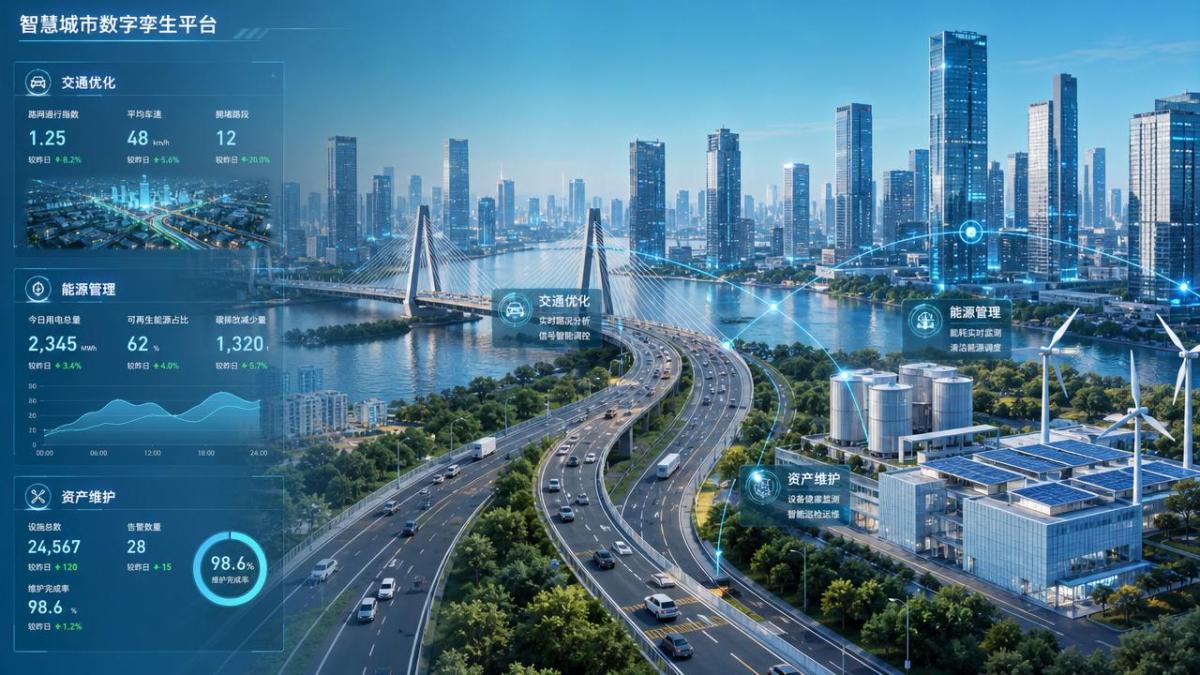
Across infrastructure sectors, digital programs are moving beyond dashboards and isolated IoT deployments. Cities now want operational systems that improve decisions, reduce waste, and protect public assets.
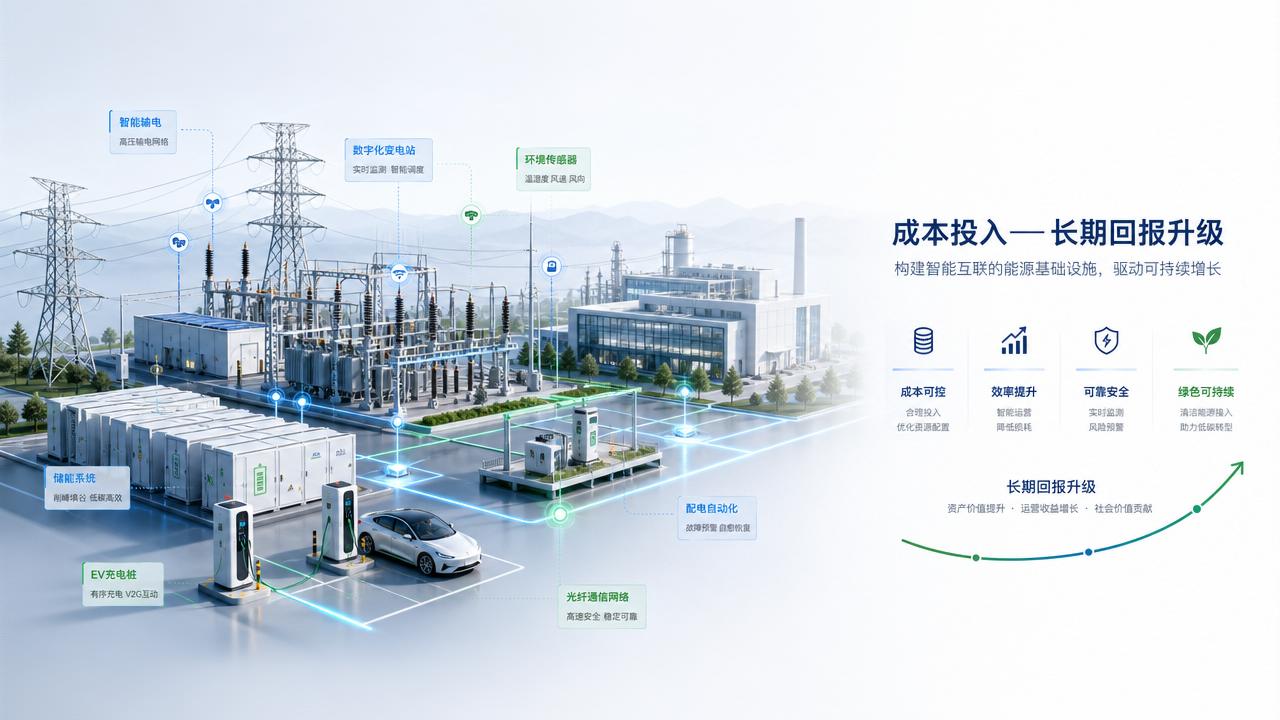
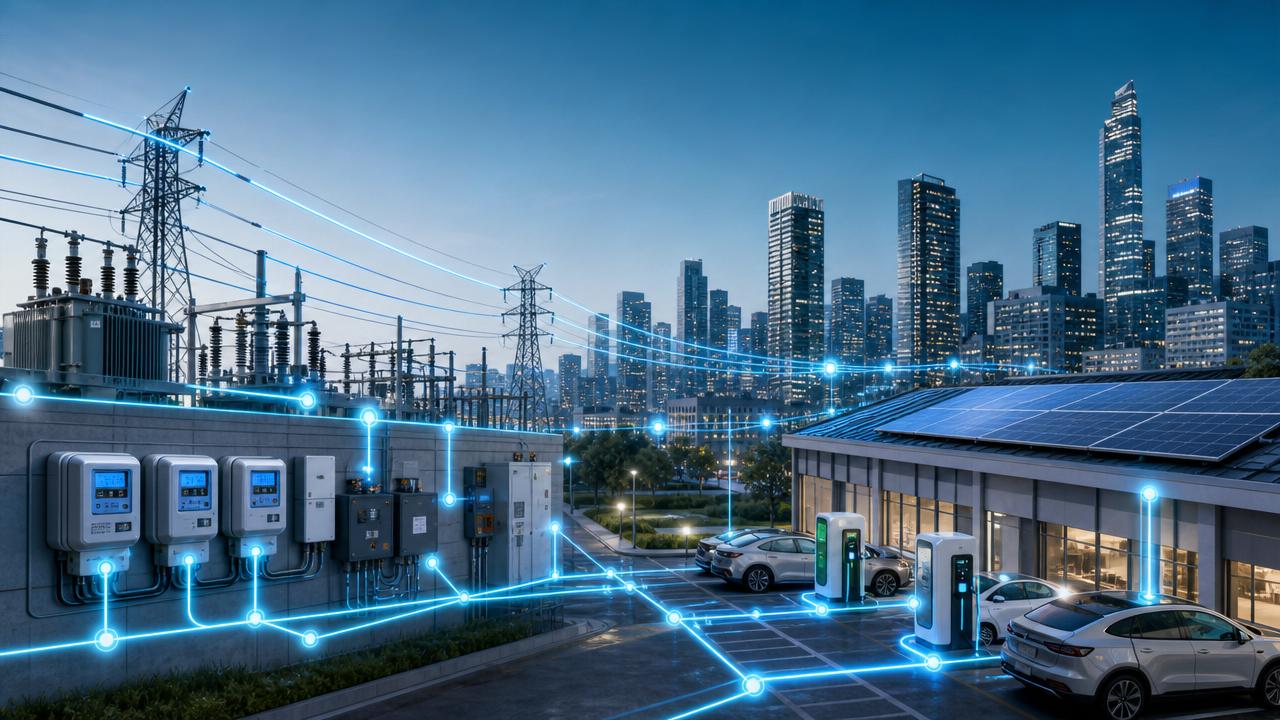
That shift explains the rising interest in a digital twin for smart cities. A twin connects physical assets, live data, simulation models, and workflows into one decision environment.
The ROI discussion has also matured. Leaders are asking which use cases produce savings quickly, which ones scale, and which ones create cross-department value.
This matters in construction, transport, utilities, logistics, public safety, and urban governance. The same digital foundation can support many infrastructure decisions when built correctly.
The clearest market signals show value is concentrating in operational use cases
Early smart city projects often focused on visualization. Today, the strongest returns come from operations, where a digital twin for smart cities influences daily actions and measurable outcomes.
Three signals stand out. First, infrastructure owners are prioritizing resilience. Second, energy costs remain volatile. Third, maintenance budgets are under pressure while assets continue aging.
These pressures reward use cases with direct cost reduction, service reliability, and faster incident response. Twins linked to control systems and maintenance platforms tend to outperform purely analytical projects.
Where ROI is appearing fastest
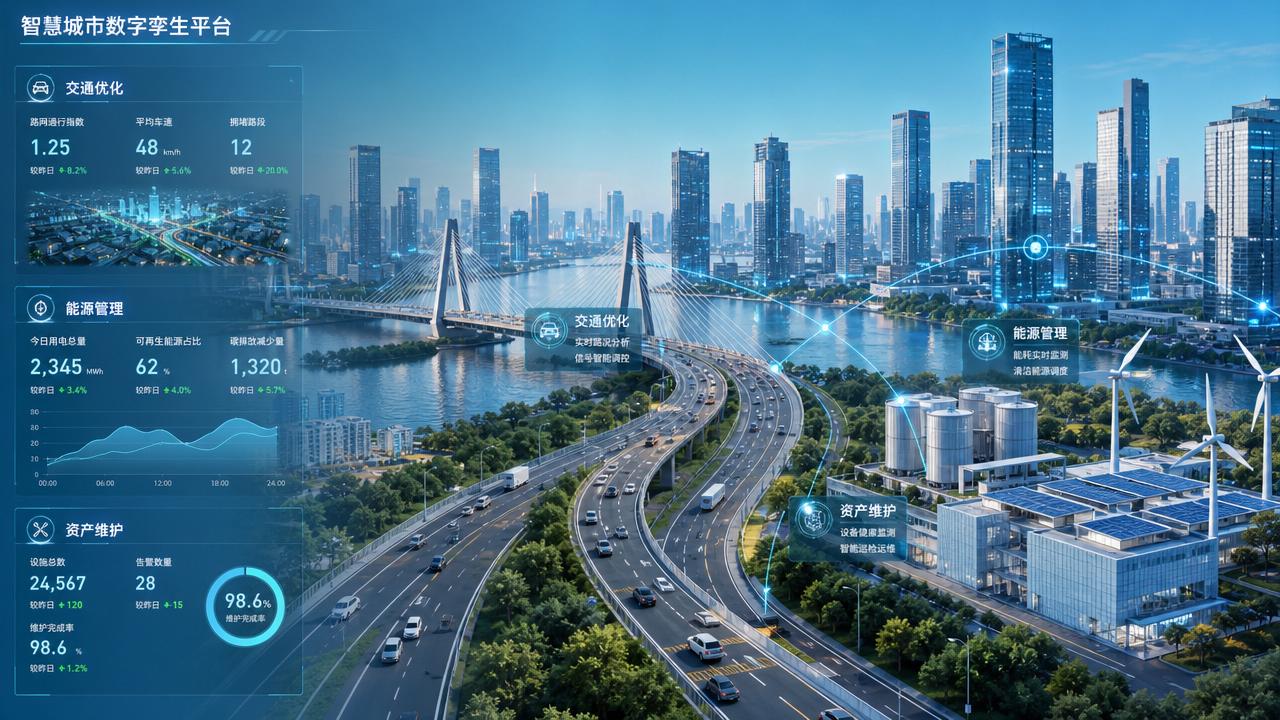
- Traffic flow optimization through signal timing, congestion prediction, and route simulation.
- Energy management across buildings, street lighting, grids, and district systems.
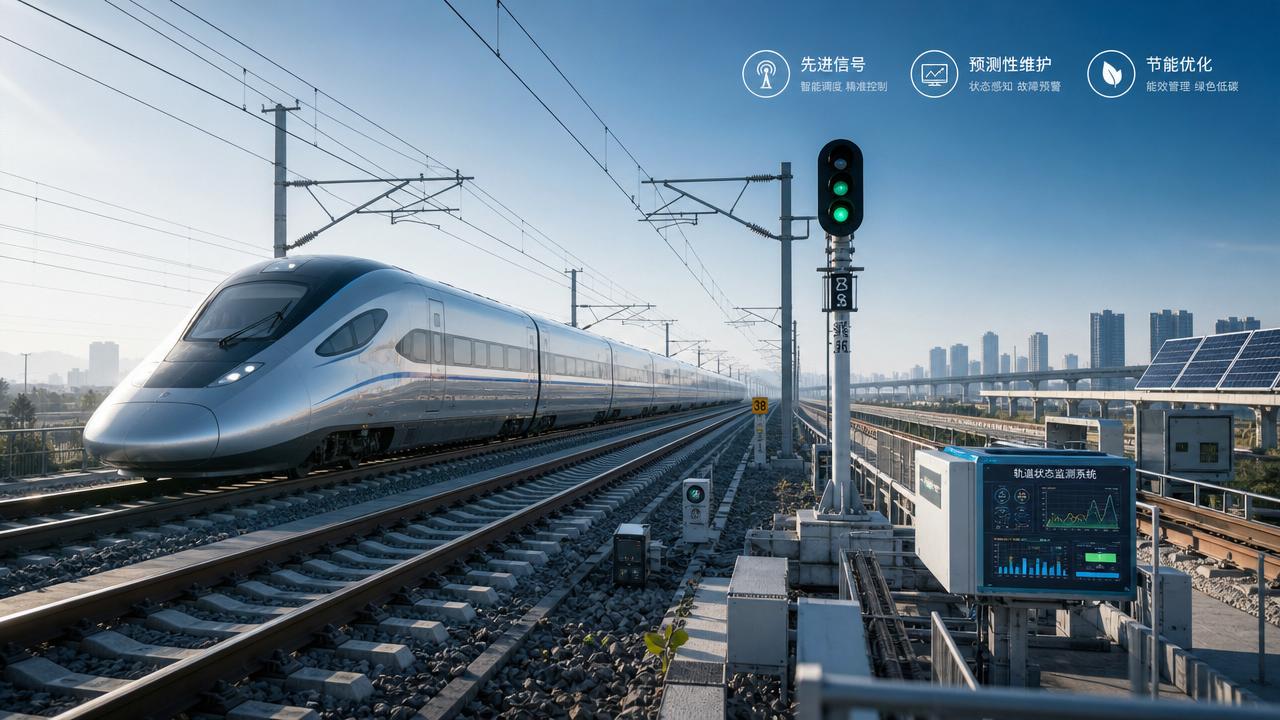
- Predictive maintenance for roads, bridges, tunnels, rail assets, pumps, and substations.
- Emergency planning using scenario modeling for floods, fires, crowd movement, and service disruptions.
- Waste and fleet coordination through route efficiency and capacity balancing.
What is driving stronger returns from a digital twin for smart cities
ROI improves when technology conditions and management discipline evolve together. Better data alone is not enough. Returns rise when cities connect data to decisions, workflows, and accountability.
The highest-ROI applications usually share four characteristics
Not every digital twin for smart cities creates equal value. The strongest business cases usually have visible costs, clear performance metrics, and manageable integration requirements.
1. Traffic and mobility optimization
Mobility twins often deliver early returns because congestion has measurable economic costs. Signal optimization, incident prediction, and multimodal coordination can reduce delays and fuel waste.
When linked to logistics corridors and public transport operations, traffic twins also improve service reliability. Benefits extend beyond roads into freight movement and urban productivity.
2. Energy and building performance
Energy is one of the most visible ROI areas for a digital twin for smart cities. Building systems, lighting networks, and district assets create large savings when continuously optimized.
The twin can compare consumption patterns, weather impacts, occupancy levels, and equipment behavior. That enables load balancing, fault detection, and carbon reduction with financial relevance.
3. Predictive maintenance of critical assets
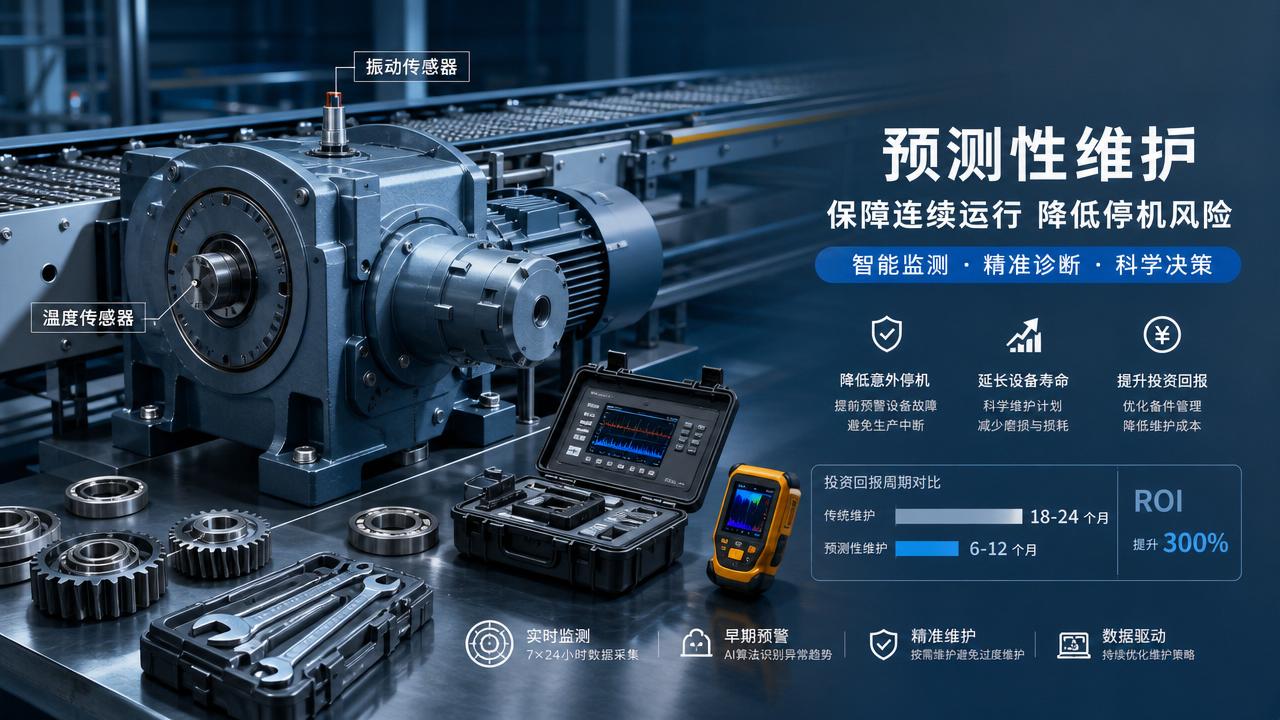
For bridges, tunnels, railways, pumps, and substations, unplanned failure is expensive. A digital twin for smart cities reduces disruption by forecasting degradation and prioritizing intervention.
This model improves spare parts planning, contractor scheduling, and asset life extension. It is especially valuable where inspection cycles are manual and resources are limited.
4. Resilience and emergency operations
Scenario simulation creates value before a crisis happens. Cities can test flood paths, evacuation timing, utility failures, and service continuity without waiting for real disruption.
The ROI comes from avoided losses, faster recovery, and stronger coordination. While harder to measure than energy savings, resilience benefits can be strategically decisive.
How ROI differs across infrastructure functions and business stages
Returns are not uniform. They depend on where the twin is used, how mature the data is, and whether departments share the same operational objectives.
In integrated infrastructure portfolios, the best strategy is often sequential. Start where data is strongest and savings are visible, then expand to more complex, cross-domain scenarios.
What should be watched before scaling a digital twin for smart cities
Many programs underperform because they chase visual sophistication instead of operational outcomes. The twin must solve a real problem with measurable impact.
- Define baseline KPIs before deployment, including energy use, downtime, incident response, and service quality.
- Prioritize interoperable data architecture across GIS, BIM, SCADA, IoT, and asset management systems.
- Separate showcase features from decision-critical functions.
- Assign clear ownership for model updates, data quality, and workflow response.
- Plan cybersecurity and resilience from the beginning, not as a late-stage add-on.
- Use phased implementation to validate each ROI layer before scaling citywide.
A practical path to evaluate and improve returns
A disciplined roadmap usually produces better outcomes than a citywide launch. The evaluation process should connect technical feasibility with financial impact.
- Identify one operational pain point with budget significance.
- Map available data, gaps, and integration complexity.
- Model value using savings, avoided loss, and service improvement indicators.
- Pilot in a limited geography or asset class.
- Compare results against baseline and refine governance.
- Scale only after proving repeatability.
For GIUT’s sectors, this phased logic is especially relevant. Heavy infrastructure programs require alignment between engineering data, urban operations, and long-life asset strategies.
The next competitive advantage will come from connected, not isolated, twins
The future of a digital twin for smart cities is not a single model on a screen. It is a connected decision layer spanning transport, utilities, buildings, logistics, and resilience planning.
That evolution will increase ROI because actions in one system affect another. Traffic influences emissions, energy shapes building performance, and maintenance affects service continuity.
Organizations that build around these interdependencies will capture more value than those treating twins as isolated software purchases. The strategic goal is coordinated urban intelligence.
If the next step is under review, begin with a business case centered on one high-impact use case. Measure outcomes rigorously, strengthen the data backbone, and expand where proven value compounds.
Get weekly intelligence in your inbox.
No noise. No sponsored content. Pure intelligence.
News Recommendations
 May 30, 2026Heavy Industry Maintenance Costs: What Impacts ROIHeavy Industry Maintenance Costs: What Impacts ROI
 May 30, 2026Choosing Mining Technology Equipment for Safer ExtractionChoosing Mining Technology Equipment for Safer Extraction
 May 30, 2026High-Speed Rail Construction Trends to Watch in 2026High-Speed Rail Construction Trends to Watch in 2026
 May 30, 2026Cost Risks in Large Infrastructure Construction ProjectsCost Risks in Large Infrastructure Construction Projects
 May 30, 2026Digital Twin Use Cases in Infrastructure Construction ProjectsDigital Twin Use Cases in Infrastructure Construction Projects
 May 29, 2026Heavy Equipment for Construction: Buy or Lease?Heavy Equipment for Construction: Buy or Lease?
 May 29, 2026Resource Development Technology Solutions: Selection ChecklistResource Development Technology Solutions: Selection Checklist
 May 29, 2026Mining Technology Innovations That Cut DowntimeMining Technology Innovations That Cut Downtime
 May 29, 2026Global Infrastructure Risks Reshaping Project PlanningGlobal Infrastructure Risks Reshaping Project Planning
 May 29, 2026Smart Grids Solutions: 2026 Cost and Reliability TrendsSmart Grids Solutions: 2026 Cost and Reliability Trends
 May 28, 2026Smart Grids Technology: Cost vs ROI in 2026 UpgradesSmart Grids Technology: Cost vs ROI in 2026 Upgrades
 May 28, 2026Smart Building Technology Trends Shaping 2026 ProjectsSmart Building Technology Trends Shaping 2026 Projects
 May 28, 2026Cranes Supplier Checklist for Safer Lift PlanningCranes Supplier Checklist for Safer Lift Planning
 May 28, 2026Deep-Sea Mining Equipment: Key Reliability Risks in 2026Deep-Sea Mining Equipment: Key Reliability Risks in 2026
 May 28, 2026How to Compare a Heavy Equipment Manufacturer in 2026How to Compare a Heavy Equipment Manufacturer in 2026
 May 27, 2026Civil Engineering Projects: Budget Risks in Early PlanningCivil Engineering Projects: Budget Risks in Early Planning
 May 27, 2026Concrete Mixers for Construction: Costly Mistakes to AvoidConcrete Mixers for Construction: Costly Mistakes to Avoid
 May 27, 2026High-Speed Rail Technology in 2026: Key UpgradesHigh-Speed Rail Technology in 2026: Key Upgrades
 May 27, 2026Digital Twin for Smart Cities: What Delivers ROI?Digital Twin for Smart Cities: What Delivers ROI?
 May 27, 20262026 Fire Trucks for Sale: Specs That Matter Most2026 Fire Trucks for Sale: Specs That Matter Most
 May 26, 2026Smart Grids for Urban Areas: Upgrade Costs and Payback OutlookSmart Grids for Urban Areas: Upgrade Costs and Payback Outlook
 May 26, 2026Smart Building Solutions That Cut Energy Waste in 2026Smart Building Solutions That Cut Energy Waste in 2026
 May 26, 2026Cranes for Construction: How to Choose the Right Lifting CapacityCranes for Construction: How to Choose the Right Lifting Capacity
 May 26, 2026Heavy Equipment Exporter Checklist: Cost, Compliance, and Lead TimeHeavy Equipment Exporter Checklist: Cost, Compliance, and Lead Time
 May 26, 20262026 Deep-Sea Mining Technology: Key Environmental Risks to Watch2026 Deep-Sea Mining Technology: Key Environmental Risks to Watch
 May 25, 2026Choosing a Cranes Manufacturer in 2026: Safety Records vs Lifecycle ValueChoosing a Cranes Manufacturer in 2026: Safety Records vs Lifecycle Value
![]() May 25, 2026Concrete Mixers Price in 2026: What Changes Total Ownership CostConcrete Mixers Price in 2026: What Changes Total Ownership Cost
May 25, 2026Concrete Mixers Price in 2026: What Changes Total Ownership CostConcrete Mixers Price in 2026: What Changes Total Ownership Cost