High-Speed Rail Technology in 2026: Key Upgrades
In 2026, high-speed rail technology is entering a new phase of performance, safety, and intelligence. For technical evaluators, the key upgrades go beyond faster trains to include advanced signaling, predictive maintenance, energy efficiency, and digital monitoring systems. This article examines the most important innovations shaping rail infrastructure decisions, operational reliability, and long-term value across modern transport networks.
For infrastructure planners, rail operators, EPC teams, and public-sector evaluators, the main question is no longer whether to modernize, but which upgrades create measurable value over a 20- to 40-year asset life. In that context, high-speed rail technology must be assessed as an integrated system rather than a collection of standalone components.
The 2026 landscape is defined by tighter safety margins, higher automation levels, stronger cybersecurity demands, and pressure to reduce lifecycle energy use by 10% to 25%. Technical evaluation now depends on system interoperability, maintainability windows, failure prediction accuracy, and the quality of digital monitoring across track, rolling stock, power, and signaling layers.
Why 2026 Marks a Turning Point for High-Speed Rail Technology
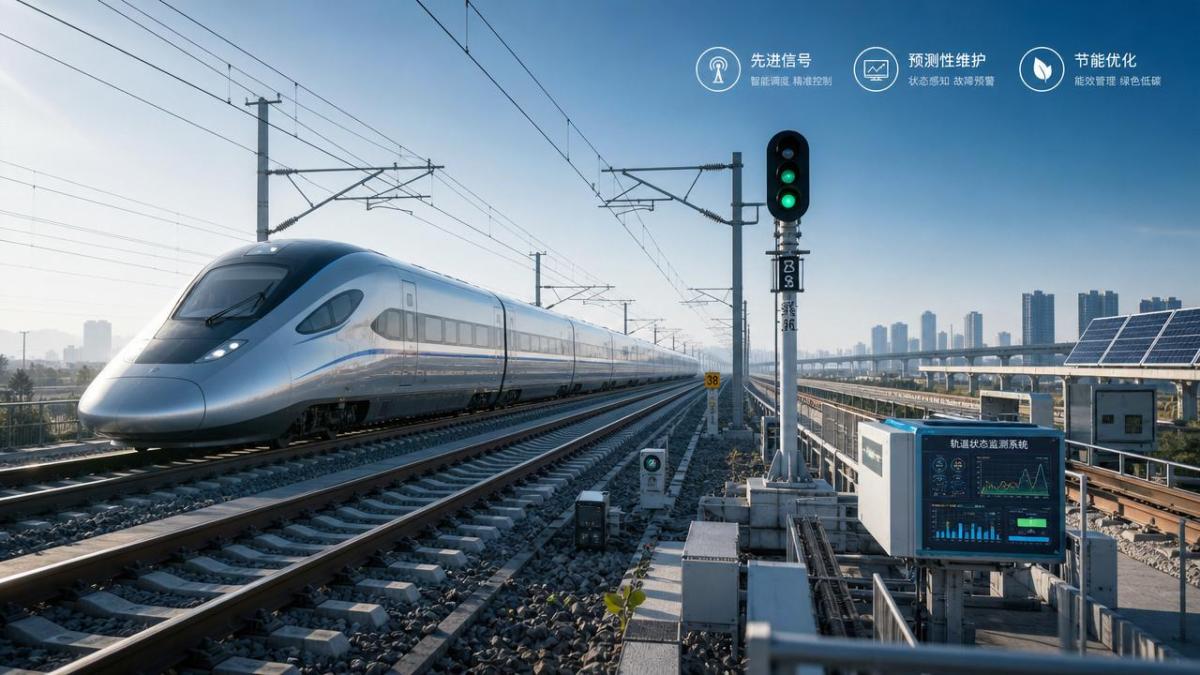
In earlier upgrade cycles, projects often focused on top speed and network expansion. In 2026, high-speed rail technology is increasingly judged by resilience, asset visibility, and total cost of ownership. A line designed for 300 to 350 km/h must now also deliver stable operations under higher traffic density, shorter maintenance windows, and stricter carbon targets.
Technical evaluators are seeing a clear shift from hardware-led procurement to performance-led decision making. Instead of comparing trainsets or signal cabinets in isolation, buyers now examine 4 connected domains: train control, infrastructure health, traction energy management, and data integration. Weakness in any one domain can reduce the reliability of the entire corridor.
From speed-first design to reliability-first design
On mature high-speed networks, a 1% increase in punctuality can be more valuable than a marginal increase in top speed. This is especially true on corridors with headways below 10 minutes, where signaling precision, turnout condition, onboard diagnostics, and catenary stability directly affect service continuity.
As a result, high-speed rail technology evaluations in 2026 often prioritize mean time between service-affecting failures, remote condition visibility, and recovery time after disruption. Projects with strong digital maintenance capability can reduce unplanned interventions by 15% to 30% compared with reactive maintenance models.
Key drivers influencing upgrade decisions
- Higher passenger demand on intercity corridors operating at 250 km/h or above
- Pressure to lower traction energy consumption per seat-kilometer by 8% to 18%
- Need for predictive maintenance on track, pantograph, bogie, and axle systems
- Migration toward more automated train protection and digital traffic management
- Greater scrutiny of cybersecurity, redundancy, and subsystem interoperability
What technical evaluators should verify first
Before comparing suppliers or upgrade packages, evaluators should confirm 5 baseline items: target operating speed, axle load profile, signaling compatibility, maintenance depot capability, and communications architecture. A technically advanced subsystem may still create risk if it requires nonstandard interfaces, specialized tools, or retraining beyond the planned 6- to 12-month transition period.
The Most Important System Upgrades in 2026
The most valuable advances in high-speed rail technology are not limited to one discipline. They emerge where rolling stock, infrastructure, and digital systems reinforce each other. For technical evaluators, the focus should be on how each upgrade affects safety integrity, operational uptime, inspection frequency, and long-term upgrade flexibility.
Advanced signaling and train control
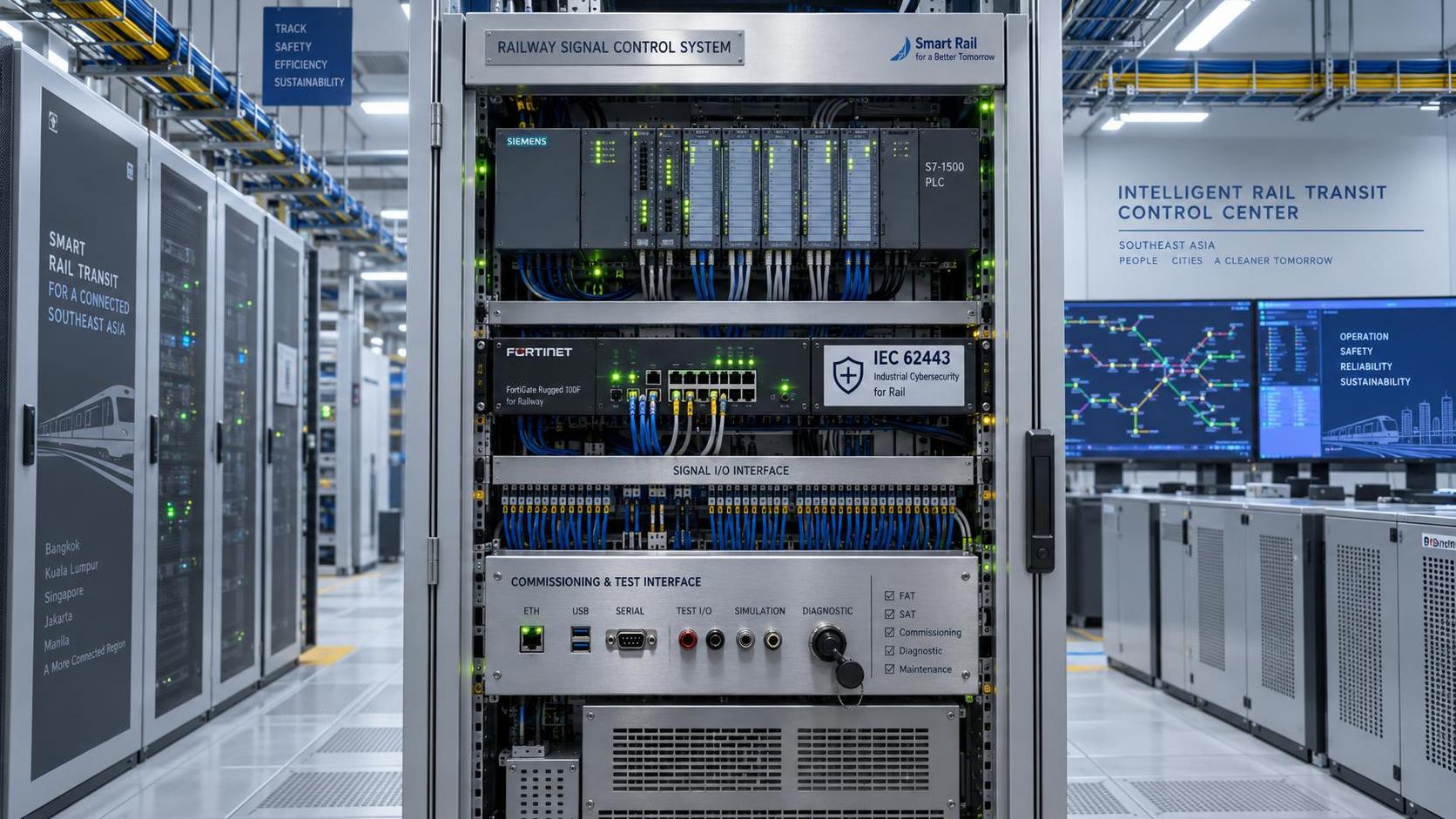
Modern high-speed corridors are moving toward higher-capacity signaling architectures with better real-time train separation management and more granular diagnostics. Whether the project uses ETCS-aligned logic, CTCS-type frameworks, or other national systems, the evaluation must address latency, redundancy, fail-safe behavior, and interface maturity.
In practical terms, improved train control can support shorter headways, often in the range of 3 to 7 minutes on optimized segments, while maintaining safety thresholds. The real value lies in predictable operations, reduced manual intervention, and stronger incident traceability during post-event analysis.
Predictive maintenance and asset health monitoring
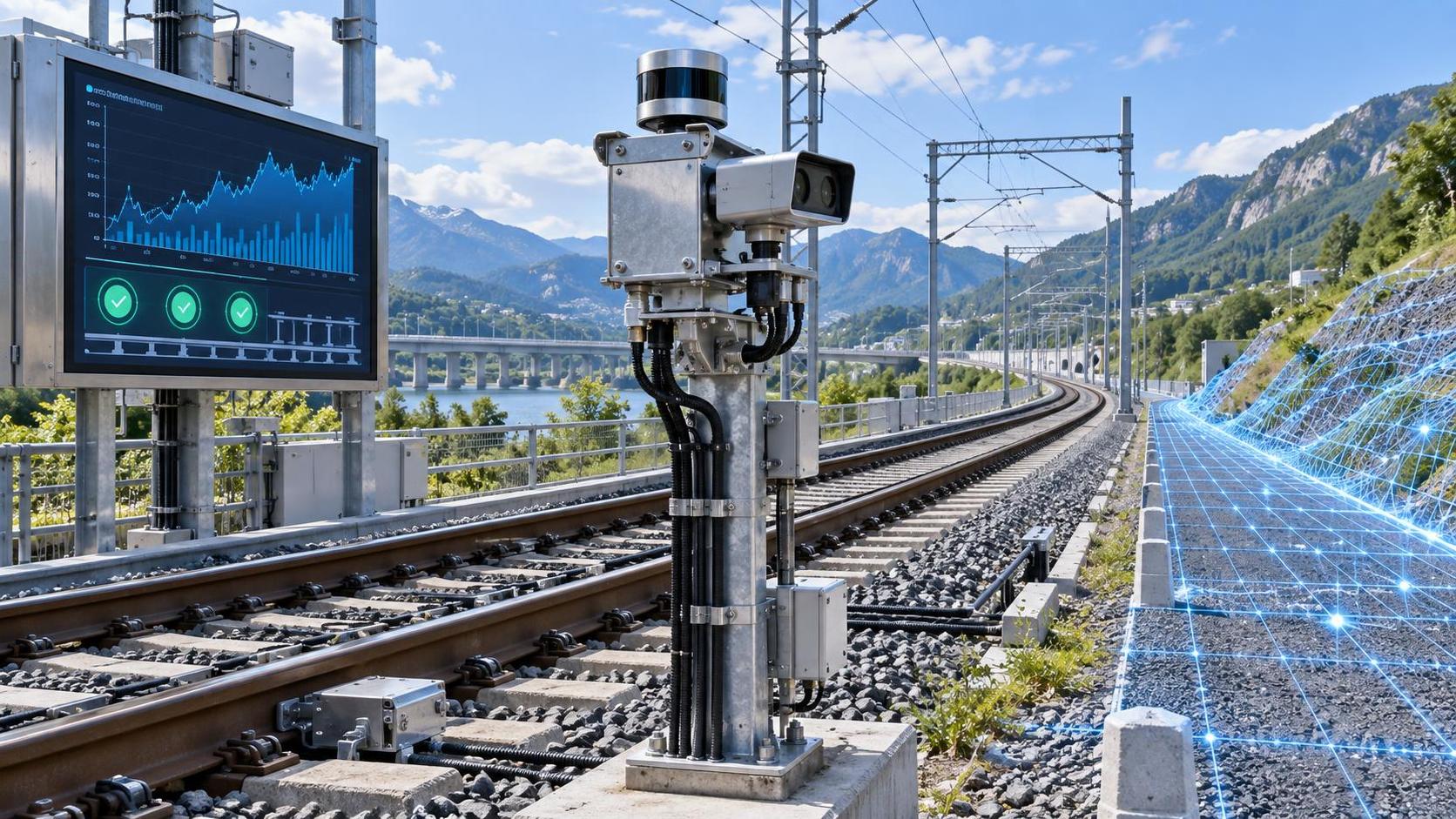
One of the clearest 2026 upgrades is the expansion of condition-based maintenance. Sensors on bogies, bearings, pantographs, switch machines, rails, and overhead lines now feed data into monitoring platforms that identify deviation patterns before they become failures.
For evaluators, the issue is not simply whether sensors exist, but whether data quality supports usable thresholds. A vibration alert that triggers too often creates false positives. A thermal model that updates only every 24 hours may miss rapidly developing faults. Effective systems usually operate with update intervals ranging from real time to every 15 minutes, depending on the subsystem.
Energy efficiency and traction optimization
Energy has become a board-level concern for rail operators. New high-speed rail technology packages increasingly include regenerative braking optimization, lightweight material strategies, HVAC efficiency controls, and timetable-aware energy management. Even modest gains can be meaningful at scale when trainsets run 16 to 20 hours per day.
Technical evaluation should include peak power demand, conversion losses, braking energy recovery rates, and the compatibility of traction systems with existing substations. In some projects, traction and auxiliary optimization together can reduce total energy use by 10% to 15% without changing line speed.
Digital twins and corridor-level visibility
A major upgrade area in 2026 is the use of digital twins for rail assets and operational scenarios. This is particularly relevant to GIUT’s infrastructure intelligence perspective, where physical systems are evaluated through continuous digital representation. For high-speed rail technology, the benefit is better correlation between asset condition, environmental stress, and service performance.
A useful digital twin is not just a 3D model. It should connect at least 3 layers: asset registry, live or near-real-time condition data, and maintenance history. When these layers are integrated, evaluators can test intervention timing, estimate component life, and compare the cost impact of overnight versus weekend maintenance possession.
The table below highlights how the main 2026 upgrade categories differ in technical value and evaluation complexity across high-speed applications.
The key takeaway is that high-speed rail technology upgrades should not be ranked only by innovation appeal. The strongest business case usually comes from solutions that improve uptime, reduce maintenance uncertainty, and integrate cleanly with the existing rail ecosystem.
Evaluation Criteria for Technical Teams and Procurement Stakeholders
For B2B buyers and public infrastructure decision makers, evaluation frameworks must convert technical complexity into comparable criteria. In 2026, effective high-speed rail technology assessment generally combines 4 dimensions: safety performance, interoperability, lifecycle maintainability, and digital readiness.
Core criteria that should be scored
- Safety integrity under normal, degraded, and emergency operating conditions
- Compatibility with current rolling stock, signaling, power, and depot systems
- Maintenance resource demand, including tools, spares, and technician training
- Data usability for diagnostics, reporting, and corridor-level management
- Upgrade path over the next 10 to 15 years
Lifecycle cost is more important than initial CAPEX alone
A lower purchase price can be misleading if it creates higher inspection labor, spare parts exposure, or system downtime over time. Technical evaluators should request a lifecycle view covering at least 12 to 20 years, depending on the asset category. This is particularly important for onboard electronics, switch systems, traction converters, and wayside communications equipment.
Useful cost comparisons include preventive maintenance intervals, expected component replacement cycles, software support horizon, and mean time to repair. A system requiring monthly manual calibration may be less attractive than one with a 6-month service interval, even if the initial procurement cost is lower.
Cybersecurity and data governance cannot be secondary checks
As high-speed rail technology becomes more connected, technical assessment must include access control, network segmentation, remote update procedures, and log traceability. The risk is not only direct disruption but also corrupted maintenance data, delayed fault diagnosis, or reduced trust in automated decision support.
A practical review should verify at least 6 items: user privilege structure, encryption policy, patch management cycle, backup architecture, offline fallback mode, and incident response procedure. These checks are increasingly relevant when digital monitoring platforms connect rolling stock and infrastructure domains.
The following table provides a practical scoring model that technical evaluators can adapt for supplier review, tender comparison, or internal investment analysis.
This type of weighted matrix helps teams avoid a narrow equipment-only comparison. It also supports clearer discussions between engineering, procurement, operations, and finance, especially when multiple upgrade packages appear technically similar on paper.
Implementation Risks, Field Challenges, and Common Misjudgments
Even well-designed high-speed rail technology programs can underperform if deployment risks are underestimated. In most projects, problems arise not from a single defective subsystem but from poor coordination across interfaces, commissioning, and maintenance transition planning.
Where projects often go wrong
- Assuming new digital tools will work without cleaning legacy asset data
- Underestimating integration testing time, especially for signaling and onboard systems
- Overlooking depot workflow changes required by condition-based maintenance
- Setting energy-saving targets without validating actual service patterns
- Focusing on procurement speed rather than phased commissioning quality
Testing and commissioning must be phased
A realistic rollout commonly includes 3 stages: laboratory or simulation verification, controlled field validation, and live corridor commissioning. Depending on network complexity, the transition may require 6 to 18 months. Compressing this timeline can increase fault carryover, operator confusion, and interface instability during the opening period.
Maintenance teams need early involvement
Technical evaluators should involve maintenance supervisors before final selection, not after procurement. If the chosen high-speed rail technology requires specialized test equipment, new software workflows, or different parts stocking logic, those changes must be reflected in budget and staffing plans from the start.
A practical deployment checklist
- Confirm interface mapping across train, track, power, and communications systems
- Define measurable acceptance thresholds for reliability and data accuracy
- Prepare spare parts and diagnostic tools before corridor launch
- Train operators, maintainers, and control-center staff in parallel
- Review cybersecurity controls before remote access is enabled
When these steps are completed in sequence, technical teams are better positioned to convert innovation into reliable service outcomes rather than short-term demonstration effects.
What Decision Makers Should Prioritize Next
In 2026, the strongest high-speed rail technology investments will be those that connect performance, safety, maintainability, and digital intelligence into one operating framework. For technical evaluators, the goal is not to choose the most complex solution, but the one that best fits corridor demand, operating constraints, asset age, and long-term infrastructure strategy.
Organizations reviewing new rail programs, retrofit plans, or cross-border interoperability upgrades should focus on measurable outcomes: reduced unscheduled downtime, clearer asset condition visibility, improved energy efficiency, and faster response to faults. These are the metrics that shape long-term network value and procurement confidence.
GIUT supports infrastructure stakeholders with insight across railway systems, digital monitoring, smart urban mobility, and heavy-industry modernization. If you are evaluating high-speed rail technology for a new corridor, signaling upgrade, maintenance digitization project, or energy optimization program, contact us to discuss technical priorities, request a tailored solution framework, or explore more infrastructure intelligence solutions.
Get weekly intelligence in your inbox.
No noise. No sponsored content. Pure intelligence.
News Recommendations
 Sep 19, 2026How an electronics application guide helps prevent component mismatchHow an electronics application guide helps prevent component mismatch
 Sep 18, 2026When a resource allocation platform improves project deliveryWhen a resource allocation platform improves project delivery
 Sep 17, 2026What to compare when evaluating mineral processing equipment manufacturersWhat to compare when evaluating mineral processing equipment manufacturers
 Sep 16, 2026How mineral separation optimization can reduce concentrate lossesHow mineral separation optimization can reduce concentrate losses
 Sep 15, 2026How to assess lifecycle costs in urban tech procurementHow to assess lifecycle costs in urban tech procurement
 Sep 14, 2026Heavy industry technology trends reshaping capital investment prioritiesHeavy industry technology trends reshaping capital investment priorities
 Sep 14, 2026Why Infrastructure Equipment Buyers Are Shifting from Catalog-Based to Capability-Based Supplier SelectionWhy Infrastructure Equipment Buyers Are Shifting from Catalog-Based to Capability-Based Supplier Selection
 Sep 14, 2026Process Automation Project Execution: How to Align Supplier Capabilities with PLC Integration, Cybersecurity & Commissioning MilestonesProcess Automation Project Execution: How to Align Supplier Capabilities with PLC Integration, Cybersecurity & Commissioning Milestones
 Sep 14, 2026Are intelligent traffic systems worth the investment for small cities?Are intelligent traffic systems worth the investment for small cities?
 Sep 14, 2026How do intelligent traffic systems handle sensor failures?How do intelligent traffic systems handle sensor failures?
 Sep 14, 2026What should I check before accepting a smart building system?What should I check before accepting a smart building system?
 Sep 14, 2026Is a smart building system worth the maintenance cost?Is a smart building system worth the maintenance cost?
 Sep 14, 2026What data is needed for reliable resource allocation planning?What data is needed for reliable resource allocation planning?
 Sep 14, 2026How can resource allocation software reduce equipment idle time?How can resource allocation software reduce equipment idle time?
 Sep 14, 2026How should smart devices be maintained in harsh outdoor conditions?How should smart devices be maintained in harsh outdoor conditions?
 Sep 14, 2026Do smart devices improve worker safety on construction sites?Do smart devices improve worker safety on construction sites?
 Sep 14, 2026What environmental risks must be assessed before deep-sea mining?What environmental risks must be assessed before deep-sea mining?
 Sep 14, 2026Is deep-sea mining equipment commercially viable in 2026?Is deep-sea mining equipment commercially viable in 2026?
 Sep 14, 2026What Inspection Checks Should Procurement Teams Perform Before Ordering Dredging Equipment in 2026?What Inspection Checks Should Procurement Teams Perform Before Ordering Dredging Equipment in 2026?
 Sep 13, 2026How to verify an industrial product information source before specifying equipmentHow to verify an industrial product information source before specifying equipment
 Sep 12, 2026Which intelligent traffic systems hardware fits an urban intersection?Which intelligent traffic systems hardware fits an urban intersection?
 Sep 11, 2026How pump capacity affects response coverage for municipal fire fighting vehiclesHow pump capacity affects response coverage for municipal fire fighting vehicles
 Sep 10, 2026What to verify before choosing a heavy industry equipment supplierWhat to verify before choosing a heavy industry equipment supplier
 Sep 09, 2026When do adaptive urban traffic control systems reduce corridor delays?When do adaptive urban traffic control systems reduce corridor delays?
 Sep 08, 2026When logistics technology solutions in North America reduce delivery delaysWhen logistics technology solutions in North America reduce delivery delays
 Sep 07, 2026How reliable are wireless mining safety systems in underground mines?How reliable are wireless mining safety systems in underground mines?
 Sep 07, 2026How to assess a smart lighting technology platform for interoperabilityHow to assess a smart lighting technology platform for interoperability