How Smart Building Solutions Cut Energy and Upgrade Costs
How Smart Building Solutions Cut Energy and Upgrade Costs
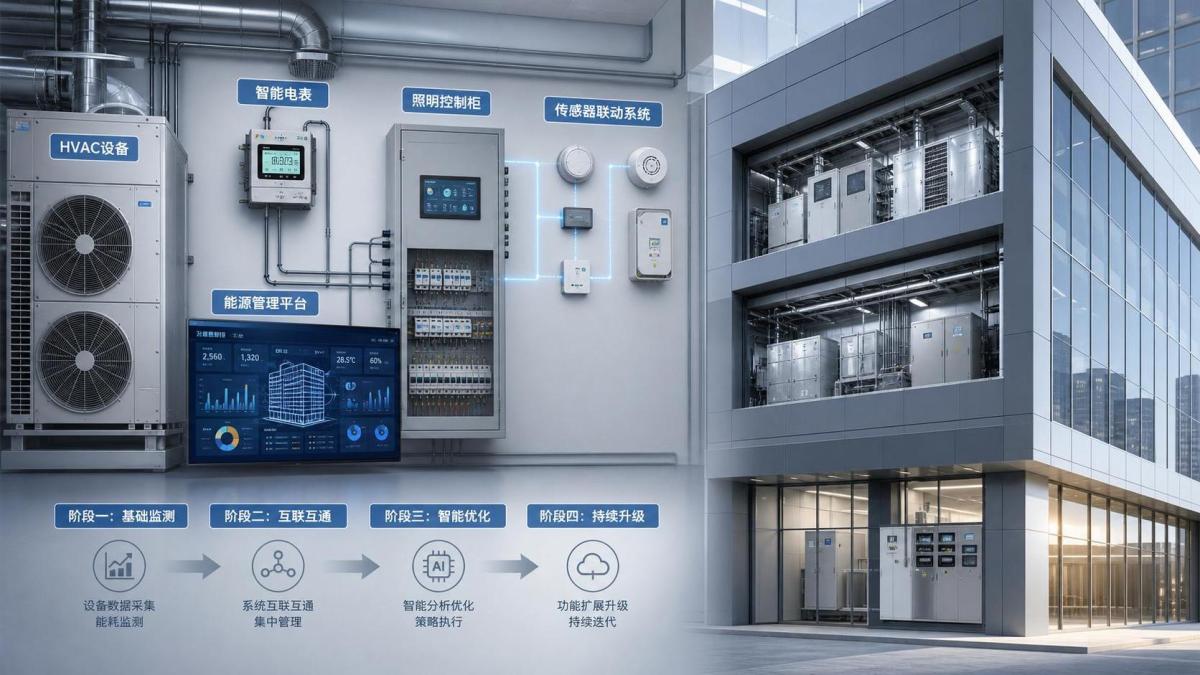
Rising energy prices are changing how buildings are managed. What used to be a maintenance issue is now a board-level cost question.
At the same time, aging assets create another pressure point. HVAC, lighting, controls, and metering systems often work in isolation.
That gap creates waste. It also makes upgrades more expensive than they need to be.
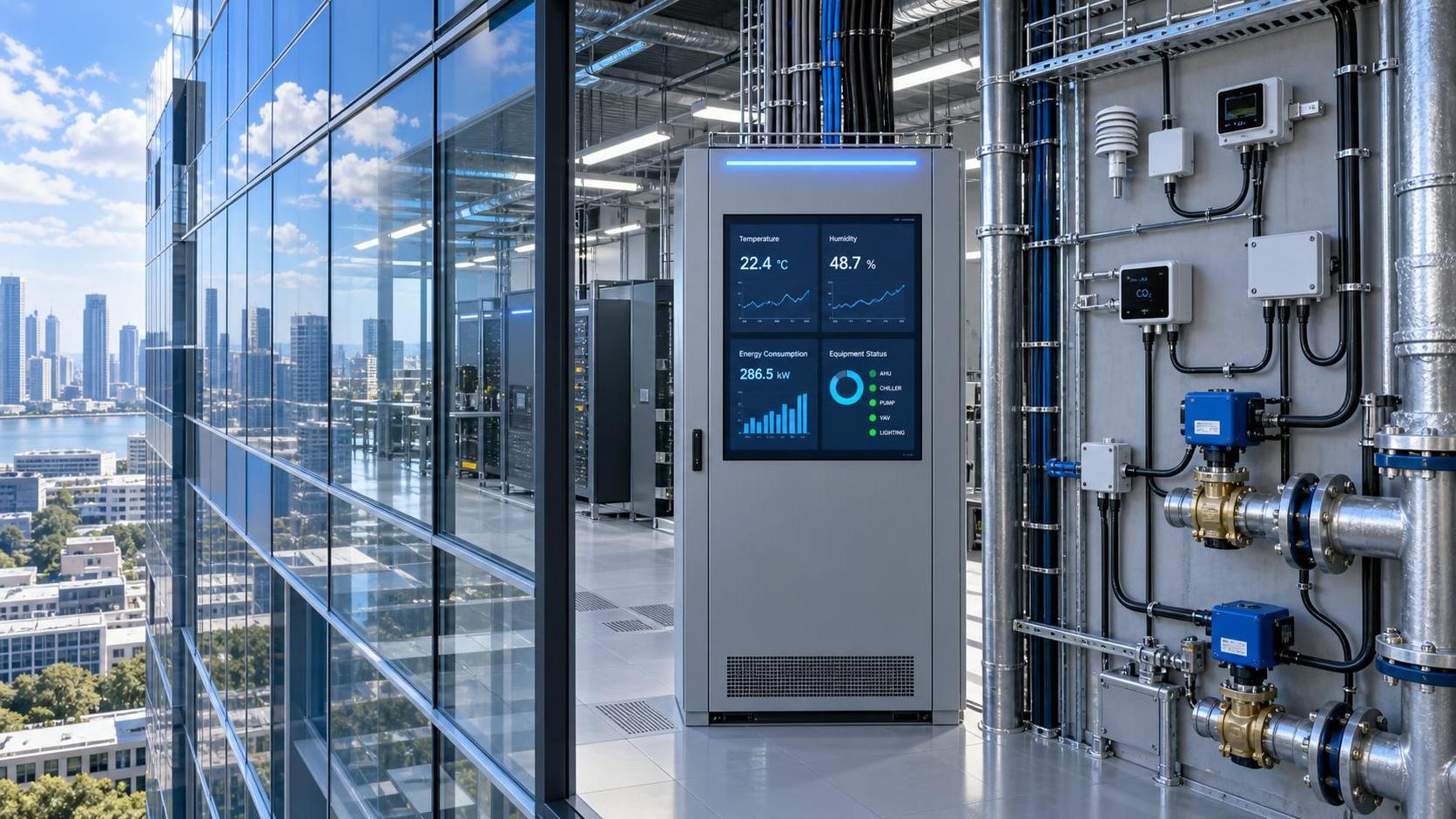
This is where smart building solutions become practical. They connect equipment, data, and operating decisions into one measurable system.
For many portfolios, the real value is not just automation. It is lower energy use, better capital timing, and clearer control over building performance.
In procurement terms, smart building solutions help teams avoid overbuying equipment, reduce emergency repairs, and target upgrades where payback is strongest.
Why Energy Waste Still Hides in Plain Sight
Many facilities already have building management tools. Yet energy bills stay high because visibility is partial, not complete.
A common example is simultaneous heating and cooling. Another is ventilation running at full speed during low occupancy periods.
Lighting can also remain on in underused zones. Pumps and fans may run on outdated schedules set years ago.
These issues rarely look dramatic on their own. But together, they quietly inflate operating expense every month.
Smart building solutions expose those patterns faster. They combine sensor data, controls, and analytics to show where waste starts.
More importantly, they turn raw data into actions. That makes the difference between monitoring a problem and actually fixing it.
How Smart Building Solutions Lower Energy Costs
The strongest savings usually come from control, not replacement. That matters when budgets are tight and downtime is costly.
Well-designed smart building solutions can reduce waste through several levers:
- Occupancy-based HVAC and lighting control.
- Automated scheduling based on real operating hours.
- Fault detection for valves, dampers, compressors, and sensors.
- Demand management during peak utility pricing periods.
- Continuous benchmarking across sites or building zones.
From a cost perspective, this approach is attractive because it captures fast wins first. Teams can optimize what they already own.
That also supports phased procurement. Instead of a full rip-and-replace project, upgrades can follow actual performance evidence.
For facilities with multiple sites, smart building solutions also standardize decision-making. One dashboard can reveal which buildings deserve immediate capital attention.
Where Upgrade Costs Usually Escalate
Upgrade costs often rise for a simple reason. Decisions are made without enough asset-level intelligence.
When performance data is missing, teams tend to replace entire systems early. That feels safe, but it is often more expensive.
Another problem is fragmented procurement. Controls, metering, lighting, and HVAC upgrades may be sourced separately without a shared roadmap.
The result is integration risk, duplicated labor, and limited interoperability. Those hidden costs can weaken the business case quickly.
Smart building solutions reduce that risk by creating a clearer sequence. They show which assets need tuning, retrofitting, or full replacement.
This is especially useful in older commercial buildings, campuses, hospitals, and industrial facilities where systems were added over many years.
What Buyers Should Look for in Smart Building Solutions
Not all smart building solutions deliver the same savings. The best choice depends on asset age, operating complexity, and internal capabilities.
In practice, buyers should focus on five evaluation areas:
- Interoperability with existing systems and open protocols.
- Granularity of data from meters, sensors, and equipment points.
- Quality of analytics, alarms, and fault prioritization.
- Cybersecurity, user permissions, and remote access controls.
- Vendor support for commissioning, training, and scaling.
This is also where lifecycle thinking matters. A lower upfront quote can become expensive if integration, training, or future expansion are weak.
The better question is not only price. It is whether the system can keep producing savings over the next five to ten years.
A Simple Cost Framework for Better Procurement
A practical buying decision starts with total value, not just equipment cost. That means comparing energy savings, upgrade timing, and operational risk together.
A simple framework can help:
This framework makes smart building solutions easier to compare. It also helps procurement, finance, and operations work from the same assumptions.
Common Risks and How to Avoid Them
Even strong projects can underperform if the rollout is rushed. The most common mistake is buying software without validating field conditions.
Bad sensors, missing points, and poor sequences can distort analytics. If the inputs are weak, the dashboard will look better than reality.
Another risk is focusing only on energy. Smart building solutions also need operator adoption, workflow fit, and clear accountability.
To reduce risk, teams should take a staged approach:
- Audit existing controls, meters, and network readiness.
- Start with one site or one priority system.
- Define savings baselines before deployment.
- Assign owners for alarms, reports, and corrective action.
- Review outcomes quarterly and adjust scope.
That measured approach usually delivers better payback. It also builds internal confidence before larger capital commitments.
Why Timing Matters More Than Ever
From a market perspective, the pressure is no longer temporary. Energy volatility, decarbonization targets, and labor shortages are reshaping facility economics.
That makes delayed action more expensive. Every quarter of unmanaged waste can erode budgets and push replacement decisions into emergency mode.
Smart building solutions help organizations move earlier and with better evidence. Instead of reacting to failures, they can prioritize investment with confidence.
For long-horizon assets, that shift matters. It strengthens energy performance today while protecting upgrade budgets tomorrow.
Final Takeaway for Smarter Building Investment
The best smart building solutions do not just add technology. They improve how buildings are measured, managed, and upgraded over time.
That is why they matter in procurement decisions. Lower energy bills are important, but so are better upgrade timing and fewer hidden operating costs.
A good next step is simple. Identify one high-cost building, review current controls and metering, and test where smart building solutions can unlock measurable savings first.
When the data is clear, investment decisions become clearer too. And that is usually where durable savings begin.
Get weekly intelligence in your inbox.
No noise. No sponsored content. Pure intelligence.
News Recommendations
 Sep 19, 2026How an electronics application guide helps prevent component mismatchHow an electronics application guide helps prevent component mismatch
 Sep 18, 2026When a resource allocation platform improves project deliveryWhen a resource allocation platform improves project delivery
 Sep 17, 2026What to compare when evaluating mineral processing equipment manufacturersWhat to compare when evaluating mineral processing equipment manufacturers
 Sep 16, 2026How mineral separation optimization can reduce concentrate lossesHow mineral separation optimization can reduce concentrate losses
 Sep 15, 2026How to assess lifecycle costs in urban tech procurementHow to assess lifecycle costs in urban tech procurement
 Sep 14, 2026Heavy industry technology trends reshaping capital investment prioritiesHeavy industry technology trends reshaping capital investment priorities
 Sep 14, 2026Global Industrial Equipment Procurement: How Top OEMs Qualify Suppliers for Mining & Infrastructure ProjectsGlobal Industrial Equipment Procurement: How Top OEMs Qualify Suppliers for Mining & Infrastructure Projects
 Sep 14, 2026Industrial & Mining Equipment Procurement: Balancing Local Sourcing, Lead Time, and Certification RequirementsIndustrial & Mining Equipment Procurement: Balancing Local Sourcing, Lead Time, and Certification Requirements
 Sep 14, 2026Infrastructure & Equipment Upgrades: What Procurement Teams Must Verify Before Signing Off on New ContractsInfrastructure & Equipment Upgrades: What Procurement Teams Must Verify Before Signing Off on New Contracts
 Sep 14, 2026Why Infrastructure Equipment Buyers Are Shifting from Catalog-Based to Capability-Based Supplier SelectionWhy Infrastructure Equipment Buyers Are Shifting from Catalog-Based to Capability-Based Supplier Selection
 Sep 14, 2026Process Automation Project Execution: How to Align Supplier Capabilities with PLC Integration, Cybersecurity & Commissioning MilestonesProcess Automation Project Execution: How to Align Supplier Capabilities with PLC Integration, Cybersecurity & Commissioning Milestones
 Sep 14, 2026Are intelligent traffic systems worth the investment for small cities?Are intelligent traffic systems worth the investment for small cities?
 Sep 14, 2026How do intelligent traffic systems handle sensor failures?How do intelligent traffic systems handle sensor failures?
 Sep 14, 2026What should I check before accepting a smart building system?What should I check before accepting a smart building system?
 Sep 14, 2026Is a smart building system worth the maintenance cost?Is a smart building system worth the maintenance cost?
 Sep 14, 2026What data is needed for reliable resource allocation planning?What data is needed for reliable resource allocation planning?
 Sep 14, 2026How can resource allocation software reduce equipment idle time?How can resource allocation software reduce equipment idle time?
 Sep 14, 2026How should smart devices be maintained in harsh outdoor conditions?How should smart devices be maintained in harsh outdoor conditions?
 Sep 14, 2026Do smart devices improve worker safety on construction sites?Do smart devices improve worker safety on construction sites?
 Sep 14, 2026What environmental risks must be assessed before deep-sea mining?What environmental risks must be assessed before deep-sea mining?
 Sep 14, 2026Is deep-sea mining equipment commercially viable in 2026?Is deep-sea mining equipment commercially viable in 2026?
 Sep 14, 2026What Inspection Checks Should Procurement Teams Perform Before Ordering Dredging Equipment in 2026?What Inspection Checks Should Procurement Teams Perform Before Ordering Dredging Equipment in 2026?
 Sep 13, 2026How to verify an industrial product information source before specifying equipmentHow to verify an industrial product information source before specifying equipment
 Sep 12, 2026Which intelligent traffic systems hardware fits an urban intersection?Which intelligent traffic systems hardware fits an urban intersection?
 Sep 11, 2026How pump capacity affects response coverage for municipal fire fighting vehiclesHow pump capacity affects response coverage for municipal fire fighting vehicles
 Sep 10, 2026What to verify before choosing a heavy industry equipment supplierWhat to verify before choosing a heavy industry equipment supplier
 Sep 09, 2026When do adaptive urban traffic control systems reduce corridor delays?When do adaptive urban traffic control systems reduce corridor delays?