Choosing Special Purpose Vehicles for Mining Sites
Choosing special purpose vehicles for mining is rarely a simple equipment decision. It shapes safety exposure, haul route efficiency, maintenance workload, fuel use, and the reliability of daily production across demanding site conditions.
That is why the discussion has moved beyond brochure specifications. In mining, the right vehicle must fit terrain, duty cycle, compliance rules, workshop capability, and the broader push toward smarter, lower-impact infrastructure systems.
Why vehicle selection matters more at mining sites
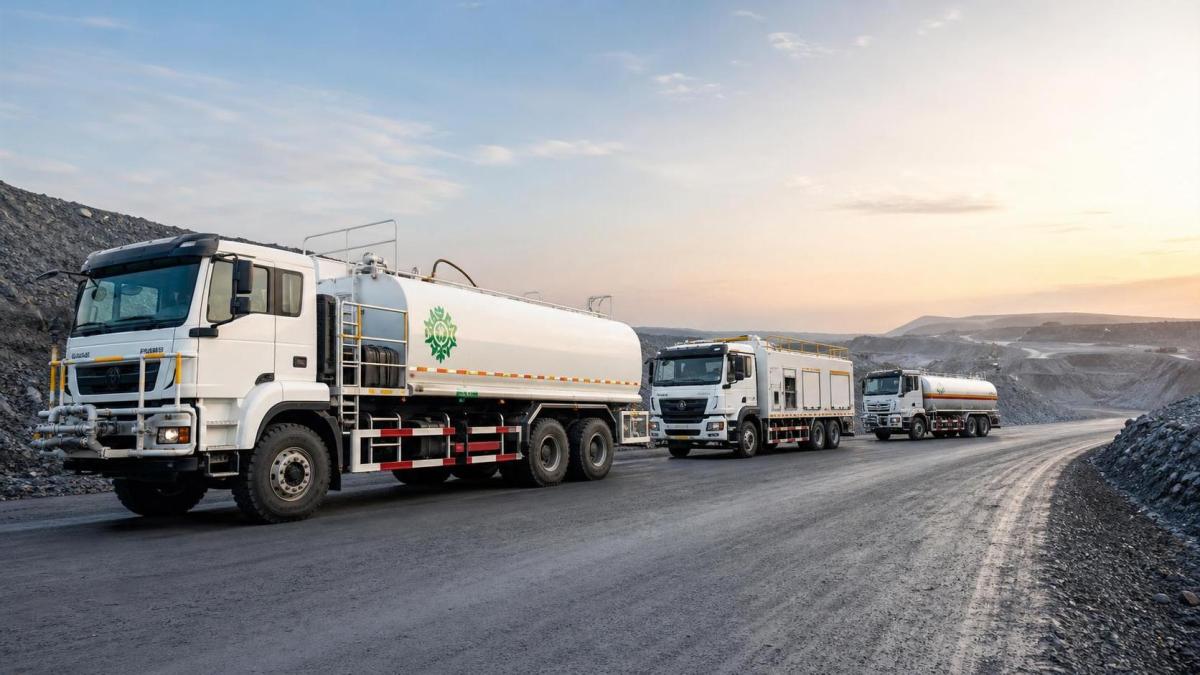
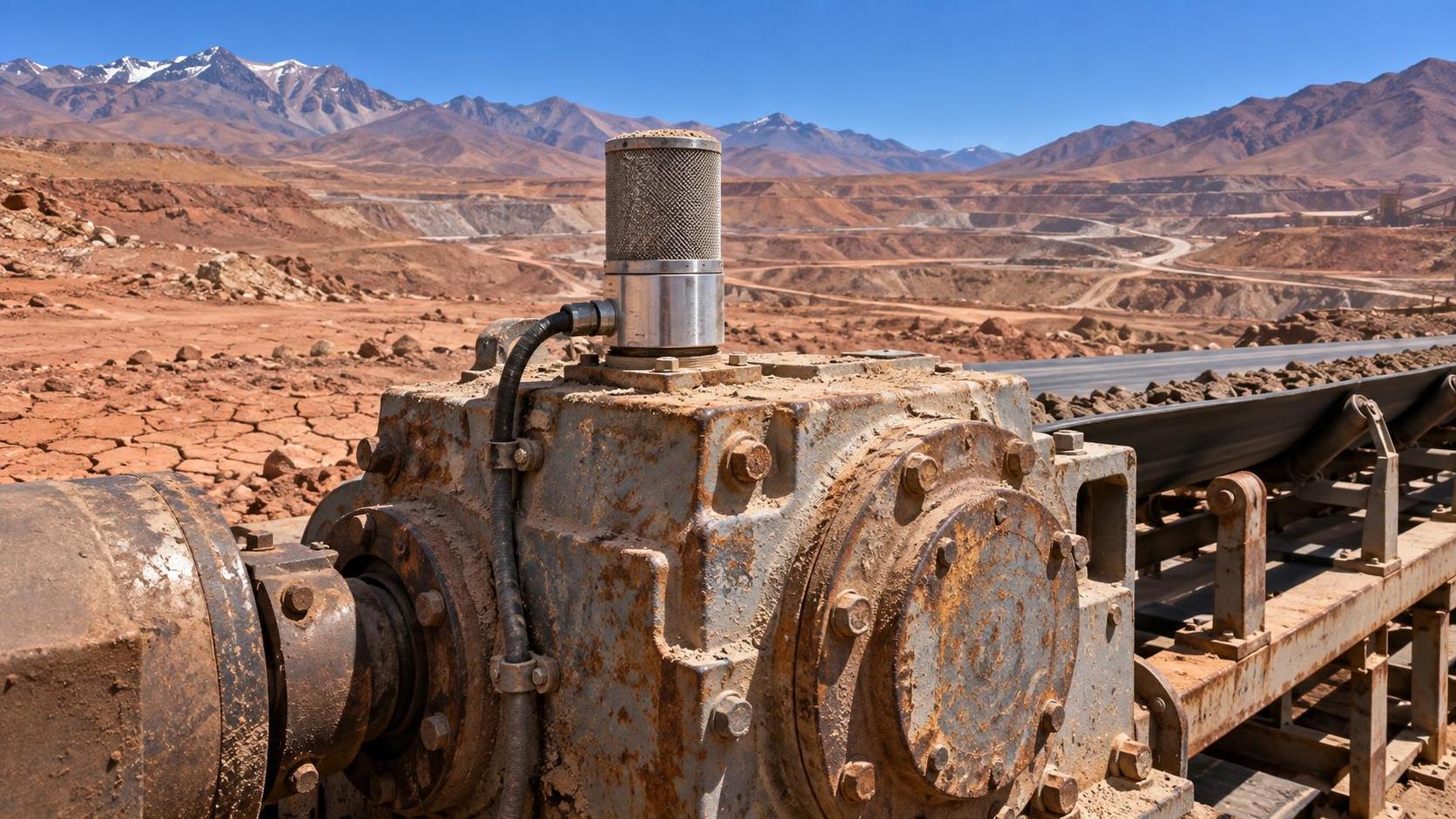
Mining operations depend on equipment that works under stress, not just under ideal test conditions. Dust, heat, mud, steep grades, remote logistics, and round-the-clock shifts quickly expose weak assumptions made during selection.
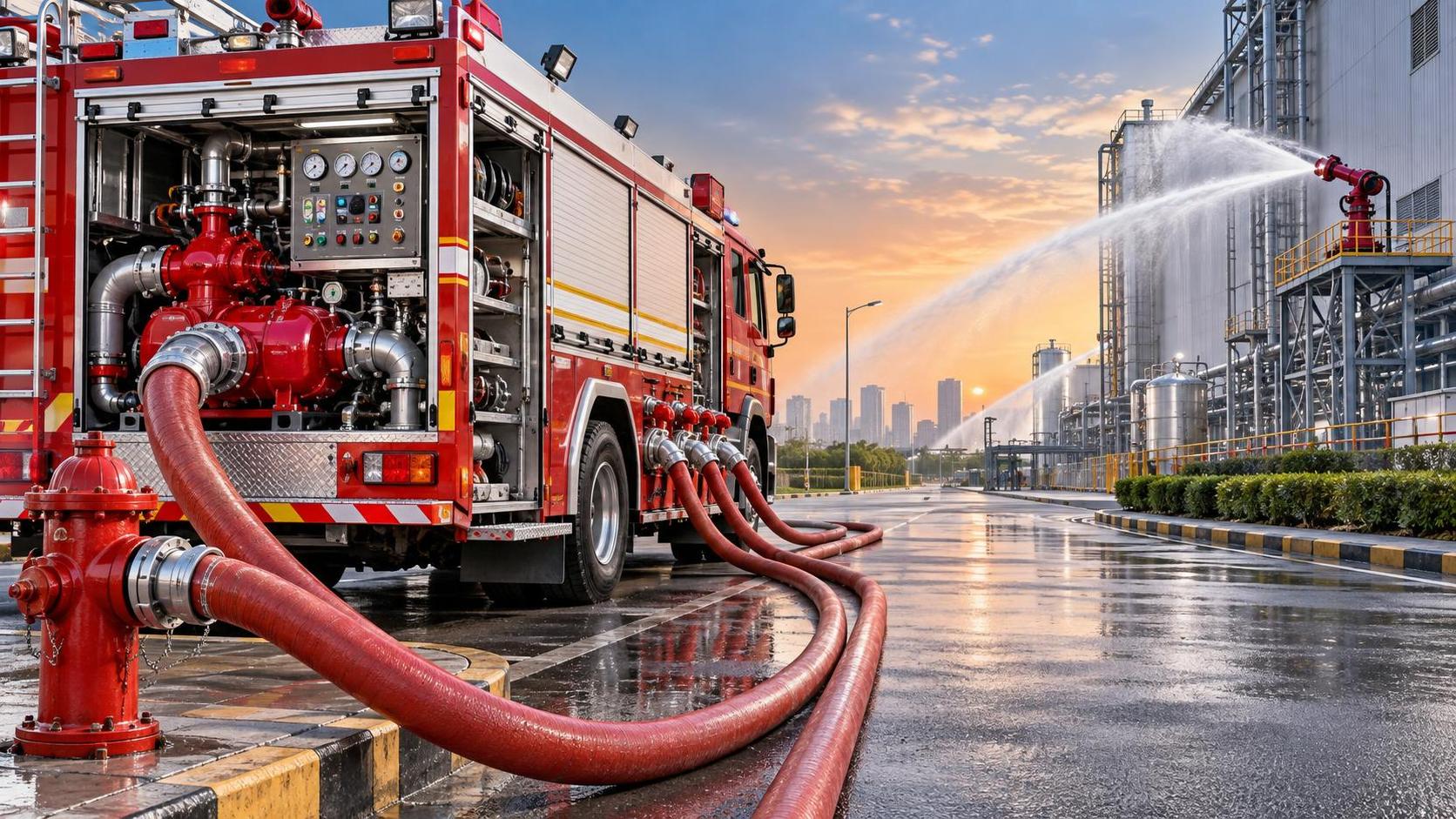
Special purpose vehicles for mining include water trucks, service trucks, fuel and lube units, explosive support vehicles, personnel carriers, emergency response units, and road maintenance equipment. Each serves a narrow function, but all influence site continuity.
A poorly matched unit can slow loading cycles, create bottlenecks on internal roads, or raise accident risk during servicing. A well-matched unit supports uptime indirectly, which often matters as much as direct production capacity.
This wider view aligns with GIUT’s infrastructure lens. Mining vehicles are not isolated assets. They are part of an operational ecosystem linking resource development, heavy machinery intelligence, and sustainable site management.
What counts as special purpose vehicles for mining
The term covers vehicles built or configured for site-specific tasks rather than general transport. In practice, the distinction matters because application-specific design often determines whether a unit delivers measurable value over its full service life.
Some vehicles support production directly. Others protect roads, control dust, transport crews, deliver fluids, or respond to incidents. Their contribution may seem secondary, yet many mines discover that support fleet weakness causes major operational drag.
Simple classification helps, but real selection depends on how these roles interact with site layout, fleet size, ore body location, and maintenance strategy.
Current industry signals shaping the decision
Several trends are changing how special purpose vehicles for mining are evaluated. The first is tighter attention to total cost of ownership rather than initial purchase price alone.
The second is growing digital integration. Fleet managers now expect telematics, route monitoring, fluid tracking, and preventive maintenance alerts. These functions turn support vehicles into visible operational data assets.
The third is sustainability pressure. Mines are under increasing scrutiny to reduce idle time, manage dust more effectively, prevent spills, and lower fuel burn where practical. Vehicle selection now reflects environmental performance as well as output.
GIUT’s heavy industry perspective is useful here. The market is no longer judging equipment only by mechanical strength. It is also judging adaptability to intelligent infrastructure and long-term governance requirements.
How to match vehicle choice with site reality
Most mistakes happen when a vehicle is selected for a generic mining use case instead of a specific operating profile. The better approach is to begin with actual site conditions and work backward to the specification.
Start with the operating environment
Surface mines, underground mines, quarry operations, and remote mineral projects demand different chassis configurations, turning radii, visibility packages, and protection systems. A vehicle suited to one environment may be inefficient in another.
Define duty cycle before comparing options
How many hours will the unit run daily? Will it idle often, travel long internal routes, or carry variable loads? Duty cycle affects engine choice, tank size, brake wear, tire strategy, and maintenance intervals.
Check infrastructure compatibility
Vehicle dimensions, axle loading, service point access, and workshop lifting capacity all matter. Overspecification can be as costly as underspecification when site infrastructure cannot support the asset efficiently.
- Review road conditions, gradients, and turning constraints.
- Map refueling, parking, and maintenance access points.
- Confirm local emissions, safety, and transport regulations.
- Test spare parts lead time for remote operations.
These checks create a more reliable shortlist for special purpose vehicles for mining than brand reputation alone.
The procurement view: cost, risk, and service life
A low purchase price can hide expensive consequences. Support vehicles often run across the entire life of a mine phase, so cost should be viewed across utilization, downtime risk, repair frequency, and residual value.
When comparing special purpose vehicles for mining, useful questions include whether the design simplifies daily inspection, whether common components align with the existing fleet, and whether service tasks can be completed without specialized downtime.
Supplier capability also matters. In remote projects, after-sales support, technician availability, and documentation quality can be more valuable than minor differences in headline performance.
Where practical value is gained on site
The value of special purpose vehicles for mining is often cumulative. Better dust control improves visibility and road life. Better service truck layout shortens maintenance events. Better fluid delivery reduces unplanned stops at critical equipment.
Emergency and rescue vehicles add another layer of value. Their contribution is not measured by daily output, but by readiness, compliance, and the ability to limit the severity of low-frequency, high-impact incidents.
There is also a strategic dimension. Mines increasingly operate under pressure to prove responsible resource development. Vehicles that support safer roads, cleaner handling, and better operational traceability fit that wider expectation.
A practical shortlist before making the final call
Before choosing among special purpose vehicles for mining, it helps to build a decision sheet grounded in real operating evidence rather than broad assumptions.
- List the task, route, shift pattern, and load profile for each vehicle role.
- Score each option on safety, uptime impact, service access, and regulatory fit.
- Request maintenance intervals and parts plans in writing.
- Compare operator ergonomics and visibility in site-like conditions.
- Model total ownership cost across the intended asset life.
That process creates a clearer basis for negotiation and a stronger audit trail for later performance review.
In many cases, the next useful step is not another catalog comparison. It is a structured review of site conditions, support tasks, and service constraints, followed by a side-by-side evaluation built around operational fit.
For organizations tracking mining, infrastructure, and equipment intelligence through GIUT, that broader context is essential. The best vehicle choice is the one that performs reliably inside the real system it is meant to support.
Get weekly intelligence in your inbox.
No noise. No sponsored content. Pure intelligence.
News Recommendations
 Sep 19, 2026How an electronics application guide helps prevent component mismatchHow an electronics application guide helps prevent component mismatch
 Sep 18, 2026When a resource allocation platform improves project deliveryWhen a resource allocation platform improves project delivery
 Sep 17, 2026What to compare when evaluating mineral processing equipment manufacturersWhat to compare when evaluating mineral processing equipment manufacturers
 Sep 16, 2026How mineral separation optimization can reduce concentrate lossesHow mineral separation optimization can reduce concentrate losses
 Sep 15, 2026How to assess lifecycle costs in urban tech procurementHow to assess lifecycle costs in urban tech procurement
 Sep 14, 2026Heavy industry technology trends reshaping capital investment prioritiesHeavy industry technology trends reshaping capital investment priorities
 Sep 14, 2026Global Industrial Equipment Procurement: How Top OEMs Qualify Suppliers for Mining & Infrastructure ProjectsGlobal Industrial Equipment Procurement: How Top OEMs Qualify Suppliers for Mining & Infrastructure Projects
 Sep 14, 2026Industrial & Mining Equipment Procurement: Balancing Local Sourcing, Lead Time, and Certification RequirementsIndustrial & Mining Equipment Procurement: Balancing Local Sourcing, Lead Time, and Certification Requirements
 Sep 14, 2026Infrastructure & Equipment Upgrades: What Procurement Teams Must Verify Before Signing Off on New ContractsInfrastructure & Equipment Upgrades: What Procurement Teams Must Verify Before Signing Off on New Contracts
 Sep 14, 2026Why Infrastructure Equipment Buyers Are Shifting from Catalog-Based to Capability-Based Supplier SelectionWhy Infrastructure Equipment Buyers Are Shifting from Catalog-Based to Capability-Based Supplier Selection
 Sep 14, 2026Process Automation Project Execution: How to Align Supplier Capabilities with PLC Integration, Cybersecurity & Commissioning MilestonesProcess Automation Project Execution: How to Align Supplier Capabilities with PLC Integration, Cybersecurity & Commissioning Milestones
 Sep 14, 2026Are intelligent traffic systems worth the investment for small cities?Are intelligent traffic systems worth the investment for small cities?
 Sep 14, 2026How do intelligent traffic systems handle sensor failures?How do intelligent traffic systems handle sensor failures?
 Sep 14, 2026What should I check before accepting a smart building system?What should I check before accepting a smart building system?
 Sep 14, 2026Is a smart building system worth the maintenance cost?Is a smart building system worth the maintenance cost?
 Sep 14, 2026What data is needed for reliable resource allocation planning?What data is needed for reliable resource allocation planning?
 Sep 14, 2026How can resource allocation software reduce equipment idle time?How can resource allocation software reduce equipment idle time?
 Sep 14, 2026How should smart devices be maintained in harsh outdoor conditions?How should smart devices be maintained in harsh outdoor conditions?
 Sep 14, 2026Do smart devices improve worker safety on construction sites?Do smart devices improve worker safety on construction sites?
 Sep 14, 2026What environmental risks must be assessed before deep-sea mining?What environmental risks must be assessed before deep-sea mining?
 Sep 14, 2026Is deep-sea mining equipment commercially viable in 2026?Is deep-sea mining equipment commercially viable in 2026?
 Sep 14, 2026What Inspection Checks Should Procurement Teams Perform Before Ordering Dredging Equipment in 2026?What Inspection Checks Should Procurement Teams Perform Before Ordering Dredging Equipment in 2026?
 Sep 13, 2026How to verify an industrial product information source before specifying equipmentHow to verify an industrial product information source before specifying equipment
 Sep 12, 2026Which intelligent traffic systems hardware fits an urban intersection?Which intelligent traffic systems hardware fits an urban intersection?
 Sep 11, 2026How pump capacity affects response coverage for municipal fire fighting vehiclesHow pump capacity affects response coverage for municipal fire fighting vehicles
 Sep 10, 2026What to verify before choosing a heavy industry equipment supplierWhat to verify before choosing a heavy industry equipment supplier
 Sep 09, 2026When do adaptive urban traffic control systems reduce corridor delays?When do adaptive urban traffic control systems reduce corridor delays?