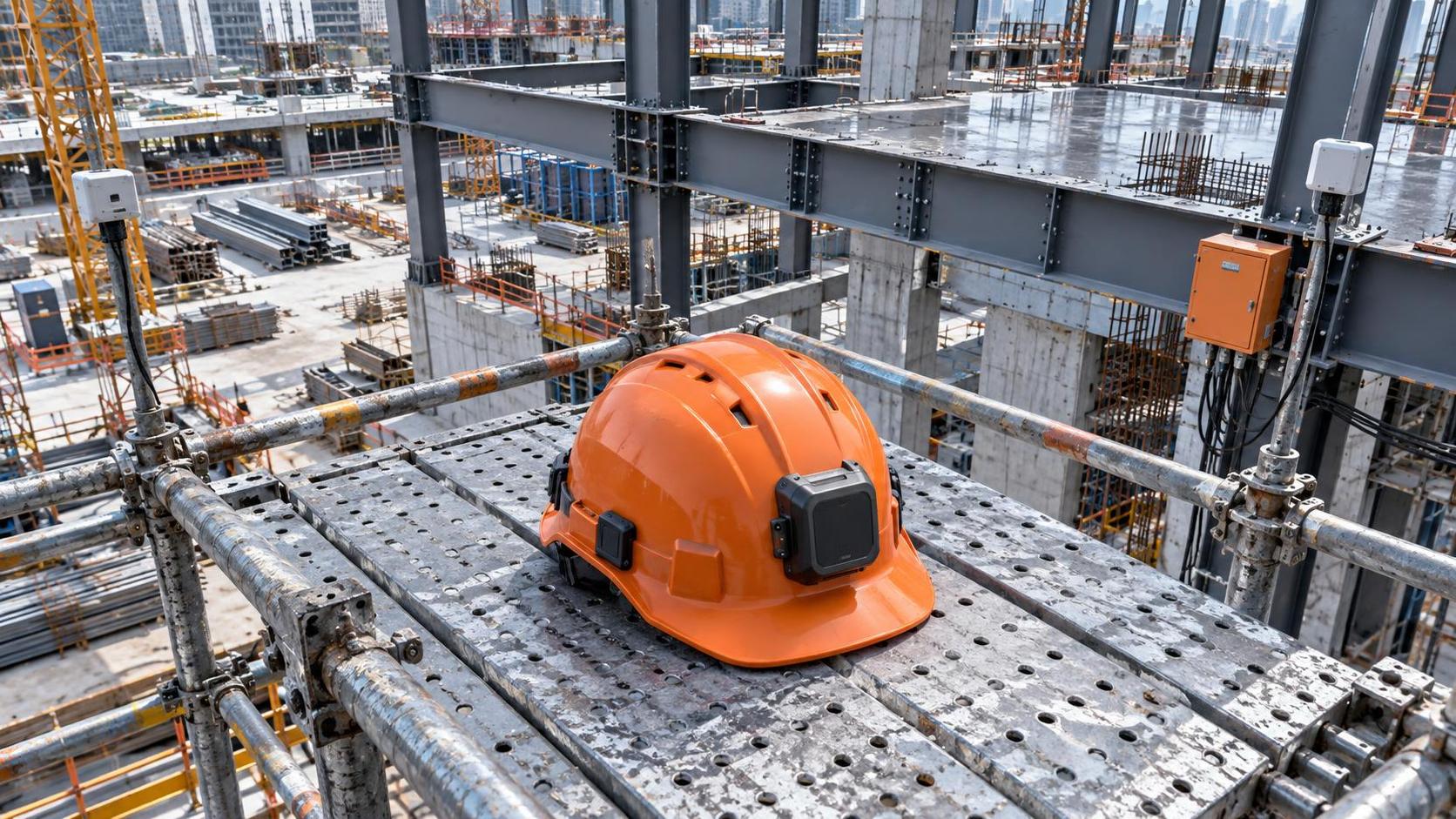
Smart Jobsites: 7 Metrics That Expose Hidden Delays
Smart Jobsites: 7 Metrics That Expose Hidden Delays
In smart jobsites, costly delays often hide behind seemingly normal progress reports, draining budgets, slowing delivery, and weakening decision-making.
For leaders managing construction, infrastructure, and digital transformation, the right metrics reveal where time disappears before setbacks become visible.
This article breaks down seven practical indicators that help smart jobsites turn raw data into faster action and better delivery control.
Why hidden delays are harder to spot in smart jobsites
Modern reporting tools can create a false sense of control.
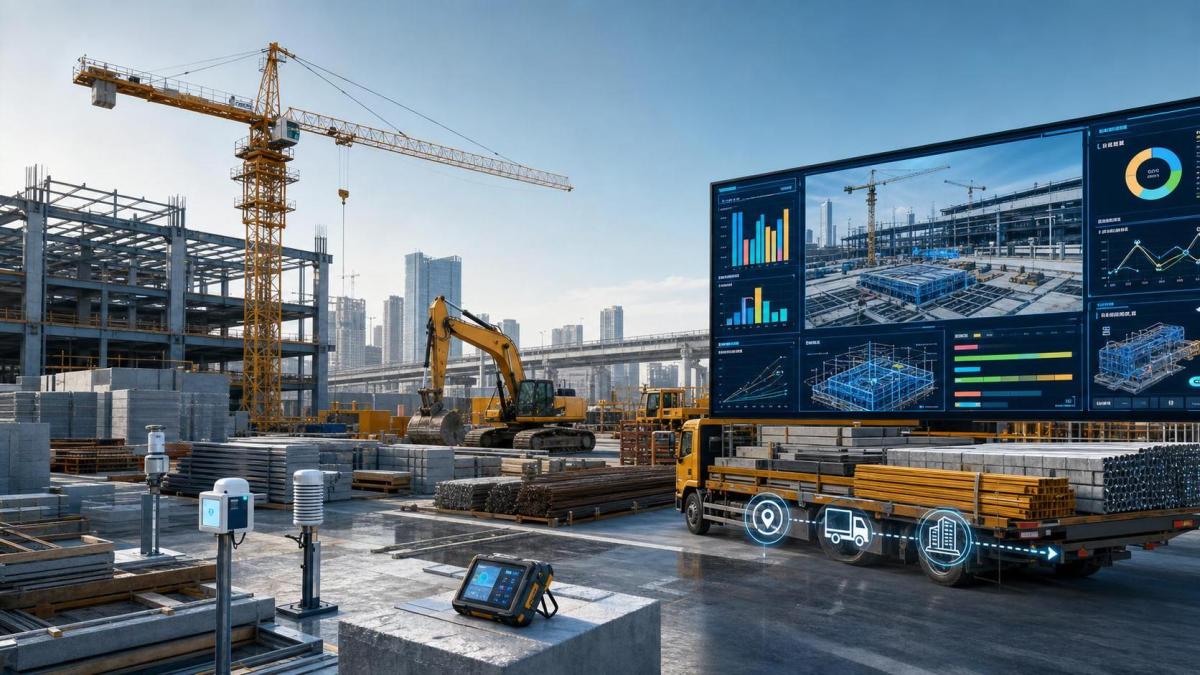
Dashboards may show green status, yet field execution can already be slipping.
That gap usually appears when teams track outputs, but miss the operating signals that drive those outputs.
In smart jobsites, sensors, apps, equipment systems, and planning platforms generate huge amounts of information.
The challenge is not data scarcity. It is metric selection.
If the wrong indicators sit at the center of review meetings, hidden delays stay hidden until cost overruns, crew idle time, or schedule compression force attention.
A stronger approach is to monitor a small set of high-signal metrics that expose friction early.
The 7 metrics that expose hidden delays
1. Planned vs. actual task start variance
Completion variance gets most attention, but start variance often reveals trouble earlier.
When activities start late across several work fronts, the schedule may still appear recoverable on paper.
In reality, trade stacking and resource conflicts are already building.
Smart jobsites should track how many tasks start on time by zone, subcontractor, and work package.
A rising pattern of delayed starts usually points to access issues, permit lag, missing materials, or poor handoff sequencing.
2. Crew idle time by cause
Idle labor is one of the clearest signs of hidden delay.
Yet many reports treat it as a labor efficiency issue rather than a schedule warning.
That misses the root problem.
Break idle time into categories such as waiting for equipment, materials, instructions, inspections, or predecessor completion.
This makes smart jobsites far more actionable because delay ownership becomes visible.
If idle time rises in one category, the response can be immediate and specific.
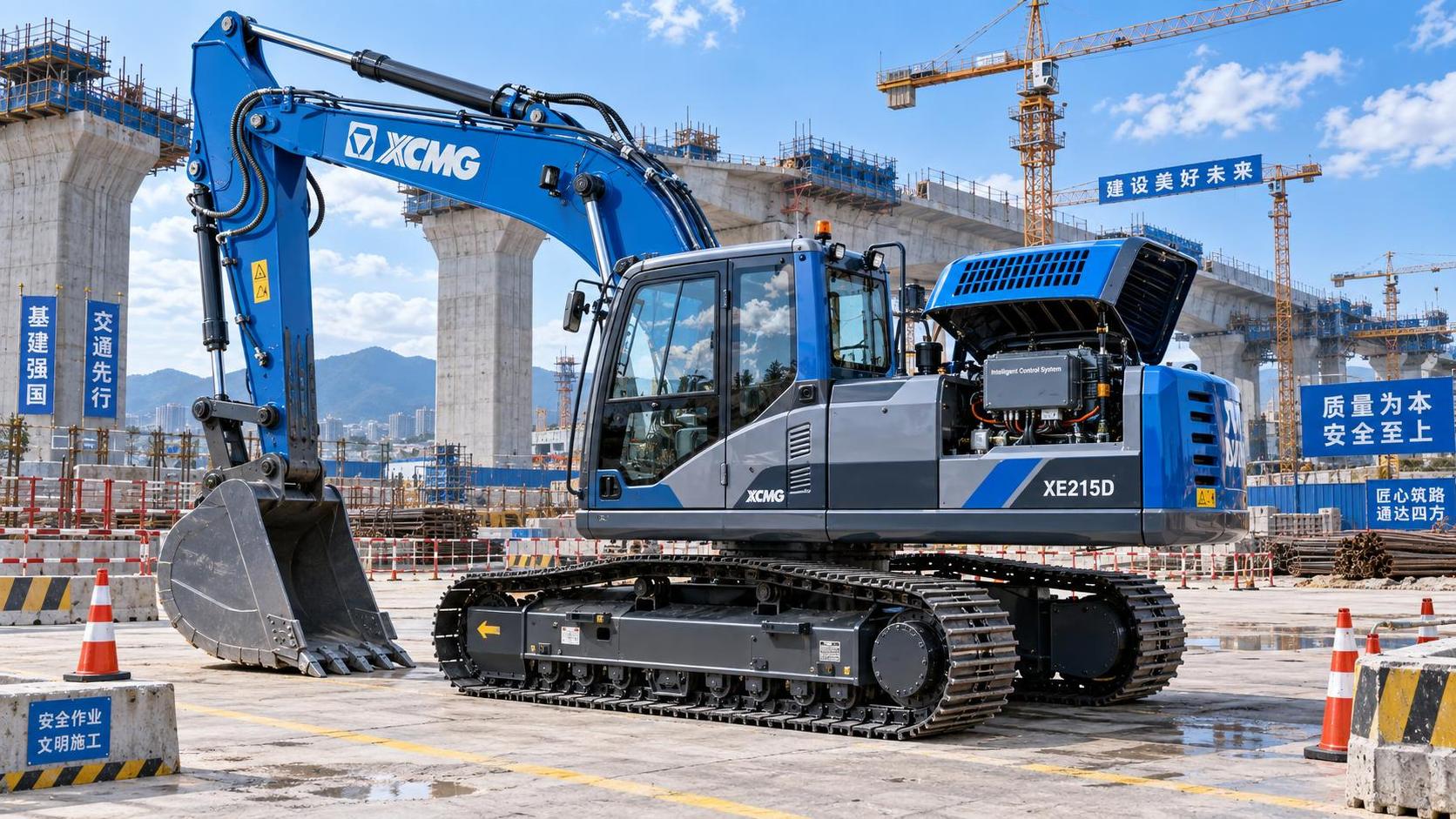
3. Equipment utilization vs. planned availability
Connected equipment is central to smart jobsites, but utilization rates alone can be misleading.
Low usage may signal overbooking, poor sequencing, or maintenance interruptions.
High usage can also be a risk if machines become single points of failure.
The more useful metric compares planned availability with actual productive use.
This helps identify whether the bottleneck is equipment downtime, dispatching quality, or downstream work readiness.
For heavy civil and vertical construction alike, that distinction matters.
4. Rework rate linked to inspection failures
Not all delays come from slow progress. Many come from work that must be repeated.
In smart jobsites, digital quality records make rework easier to trace than before.
Track inspection failure frequency, average correction time, and the share of schedule consumed by rework.
If rework clusters around the same trade, detail, or location, hidden delay is no longer random.
It becomes a recurring process issue that smart jobsites can isolate and fix.
5. Material request-to-delivery cycle time
Material shortages rarely begin at the moment crews notice missing stock.
The earlier signal is often a stretched internal request cycle.
Smart jobsites should measure the full path from field request to approval, dispatch, delivery, and point-of-use confirmation.
This is especially important on large sites with multiple laydown areas and fast-changing priorities.
When cycle time becomes unstable, schedule risk usually follows within days.
6. Decision turnaround time for field issues
Many hidden delays are management delays, not field delays.
An unresolved design clarification, change request, or safety approval can freeze work even when labor and equipment are ready.
That is why smart jobsites need a clear metric for decision speed.
Track the average time needed to close RFIs, approve deviations, or release corrective actions.
Then segment by issue type and approving function.
Slow decisions at one gate can quietly delay multiple crews.
7. Percent of work completed as planned
This metric remains one of the most reliable indicators in smart jobsites when used correctly.
It shows how much scheduled work was actually completed during the planned period.
The value becomes stronger when paired with reason codes for non-completion.
Without reason codes, it is a score.
With reason codes, it becomes a management tool.
This helps smart jobsites distinguish isolated misses from systemic delay patterns.
How to turn these metrics into action
Tracking metrics is only useful if the response cycle is short.
In practice, smart jobsites improve faster when teams follow a simple operating rhythm.
- Review leading metrics daily, not only at weekly progress meetings.
- Assign each delay signal to a named owner with response deadlines.
- Separate root causes by labor, materials, equipment, design, and approvals.
- Use zone-level analysis so broad averages do not hide local issues.
- Connect metric reviews to schedule resequencing and resource decisions.
This is where digital maturity starts to pay off.
The goal is not more dashboards. The goal is fewer unresolved constraints.
A practical scorecard for smart jobsites
A concise scorecard helps compare trend shifts without overloading site leaders.
What strong operators do differently
The best smart jobsites do not wait for schedule slippage to show up in monthly summaries.
They treat delay detection as a daily operating discipline.
More importantly, they connect field data with decision rights.
That means site teams can escalate quickly, planners can resequence confidently, and executives can see whether digital investments are improving real delivery performance.
For organizations focused on infrastructure modernization, this matters beyond one project.
It shapes how future smart jobsites are designed, governed, and scaled.
Final takeaway
Hidden delays rarely appear as dramatic failures at first.
They begin as small timing gaps, waiting periods, repeated work, and slow decisions.
That is exactly why smart jobsites need better operational metrics, not just better reporting tools.
By tracking these seven indicators, teams can expose hidden delays earlier, protect margins, and improve delivery certainty.
The next step is simple: audit your current dashboard, remove low-value measures, and focus on the few signals that truly keep smart jobsites moving.
Get weekly intelligence in your inbox.
No noise. No sponsored content. Pure intelligence.
News Recommendations
 Sep 19, 2026How an electronics application guide helps prevent component mismatchHow an electronics application guide helps prevent component mismatch
 Sep 18, 2026When a resource allocation platform improves project deliveryWhen a resource allocation platform improves project delivery
 Sep 17, 2026What to compare when evaluating mineral processing equipment manufacturersWhat to compare when evaluating mineral processing equipment manufacturers
 Sep 16, 2026How mineral separation optimization can reduce concentrate lossesHow mineral separation optimization can reduce concentrate losses
 Sep 15, 2026How to assess lifecycle costs in urban tech procurementHow to assess lifecycle costs in urban tech procurement
 Sep 14, 2026Heavy industry technology trends reshaping capital investment prioritiesHeavy industry technology trends reshaping capital investment priorities
 Sep 14, 2026Global Industrial Equipment Procurement: How Top OEMs Qualify Suppliers for Mining & Infrastructure ProjectsGlobal Industrial Equipment Procurement: How Top OEMs Qualify Suppliers for Mining & Infrastructure Projects
 Sep 14, 2026Industrial & Mining Equipment Procurement: Balancing Local Sourcing, Lead Time, and Certification RequirementsIndustrial & Mining Equipment Procurement: Balancing Local Sourcing, Lead Time, and Certification Requirements
 Sep 14, 2026Infrastructure & Equipment Upgrades: What Procurement Teams Must Verify Before Signing Off on New ContractsInfrastructure & Equipment Upgrades: What Procurement Teams Must Verify Before Signing Off on New Contracts
 Sep 14, 2026Why Infrastructure Equipment Buyers Are Shifting from Catalog-Based to Capability-Based Supplier SelectionWhy Infrastructure Equipment Buyers Are Shifting from Catalog-Based to Capability-Based Supplier Selection
 Sep 14, 2026Process Automation Project Execution: How to Align Supplier Capabilities with PLC Integration, Cybersecurity & Commissioning MilestonesProcess Automation Project Execution: How to Align Supplier Capabilities with PLC Integration, Cybersecurity & Commissioning Milestones
 Sep 14, 2026Are intelligent traffic systems worth the investment for small cities?Are intelligent traffic systems worth the investment for small cities?
 Sep 14, 2026How do intelligent traffic systems handle sensor failures?How do intelligent traffic systems handle sensor failures?
 Sep 14, 2026What should I check before accepting a smart building system?What should I check before accepting a smart building system?
 Sep 14, 2026Is a smart building system worth the maintenance cost?Is a smart building system worth the maintenance cost?
 Sep 14, 2026What data is needed for reliable resource allocation planning?What data is needed for reliable resource allocation planning?
 Sep 14, 2026How can resource allocation software reduce equipment idle time?How can resource allocation software reduce equipment idle time?
 Sep 14, 2026How should smart devices be maintained in harsh outdoor conditions?How should smart devices be maintained in harsh outdoor conditions?
 Sep 14, 2026Do smart devices improve worker safety on construction sites?Do smart devices improve worker safety on construction sites?
 Sep 14, 2026What environmental risks must be assessed before deep-sea mining?What environmental risks must be assessed before deep-sea mining?
 Sep 14, 2026Is deep-sea mining equipment commercially viable in 2026?Is deep-sea mining equipment commercially viable in 2026?
 Sep 14, 2026What Inspection Checks Should Procurement Teams Perform Before Ordering Dredging Equipment in 2026?What Inspection Checks Should Procurement Teams Perform Before Ordering Dredging Equipment in 2026?
 Sep 13, 2026How to verify an industrial product information source before specifying equipmentHow to verify an industrial product information source before specifying equipment
 Sep 12, 2026Which intelligent traffic systems hardware fits an urban intersection?Which intelligent traffic systems hardware fits an urban intersection?
 Sep 11, 2026How pump capacity affects response coverage for municipal fire fighting vehiclesHow pump capacity affects response coverage for municipal fire fighting vehicles
 Sep 10, 2026What to verify before choosing a heavy industry equipment supplierWhat to verify before choosing a heavy industry equipment supplier
 Sep 09, 2026When do adaptive urban traffic control systems reduce corridor delays?When do adaptive urban traffic control systems reduce corridor delays?