Application Guide for Special Purpose Vehicles in Urban Projects
Application Guide for Special Purpose Vehicles in Urban Projects
This application guide helps project managers and engineering leaders understand how special purpose vehicles can improve efficiency, safety, and coordination in urban projects.
From fire response and concrete delivery to lifting operations and smart equipment integration, it outlines practical considerations for selecting, deploying, and managing these vehicles in complex city environments.
Why the Application Guide Matters in Urban Delivery
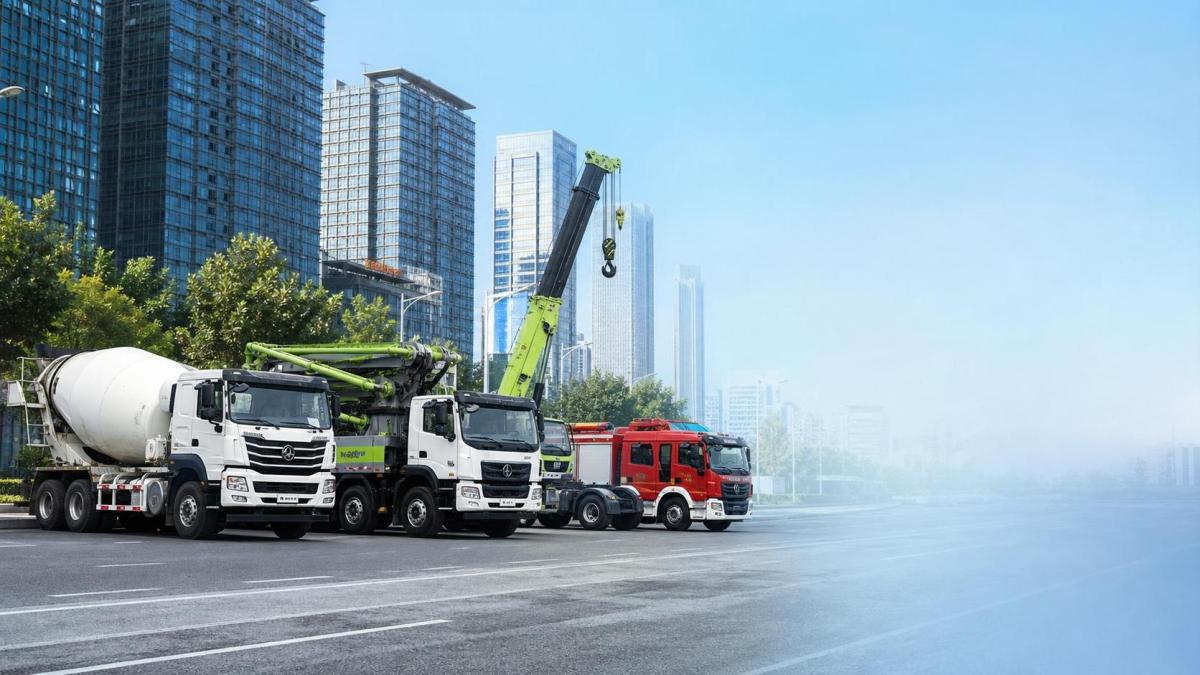
Urban projects rarely fail because of design alone.
They usually slow down when site logistics, emergency access, and equipment timing fall out of sync.
That is where a practical application guide becomes useful.
Special purpose vehicles support tasks that standard fleets cannot handle efficiently.
In dense districts, every movement affects traffic, worker safety, and nearby residents.
A stronger application guide helps teams plan vehicle use around those constraints.
This matters even more as cities become smarter and more regulated.
Low-emission zones, digital permits, and real-time monitoring are now part of project delivery.
So the application guide is no longer just about equipment choice.
It is also about timing, compliance, data visibility, and response readiness.
Where Special Purpose Vehicles Create the Most Value
A useful application guide starts with the real operating scenarios.
Not every urban project needs the same vehicle mix.
The right answer depends on structure type, access limits, schedule pressure, and risk exposure.
Concrete Delivery and Placement
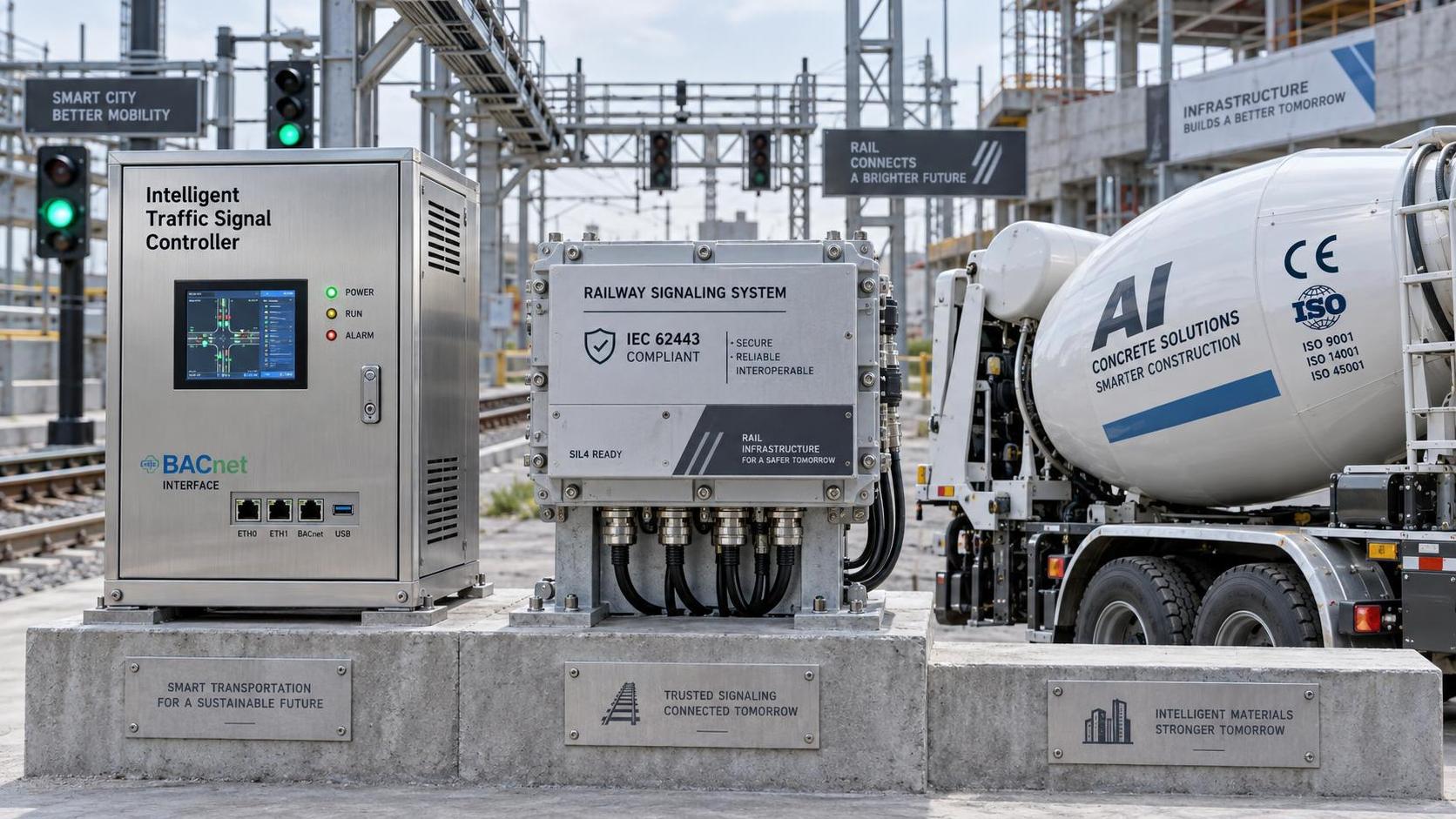
Concrete mixers and pump trucks are central to many urban builds.
Their value is not just transport.
They protect pour quality, reduce idle time, and improve coordination between batching plants and site crews.
In this application guide, one key rule stands out.
Match vehicle capacity to road access and pour sequence, not just daily volume.
Lifting and Installation Operations
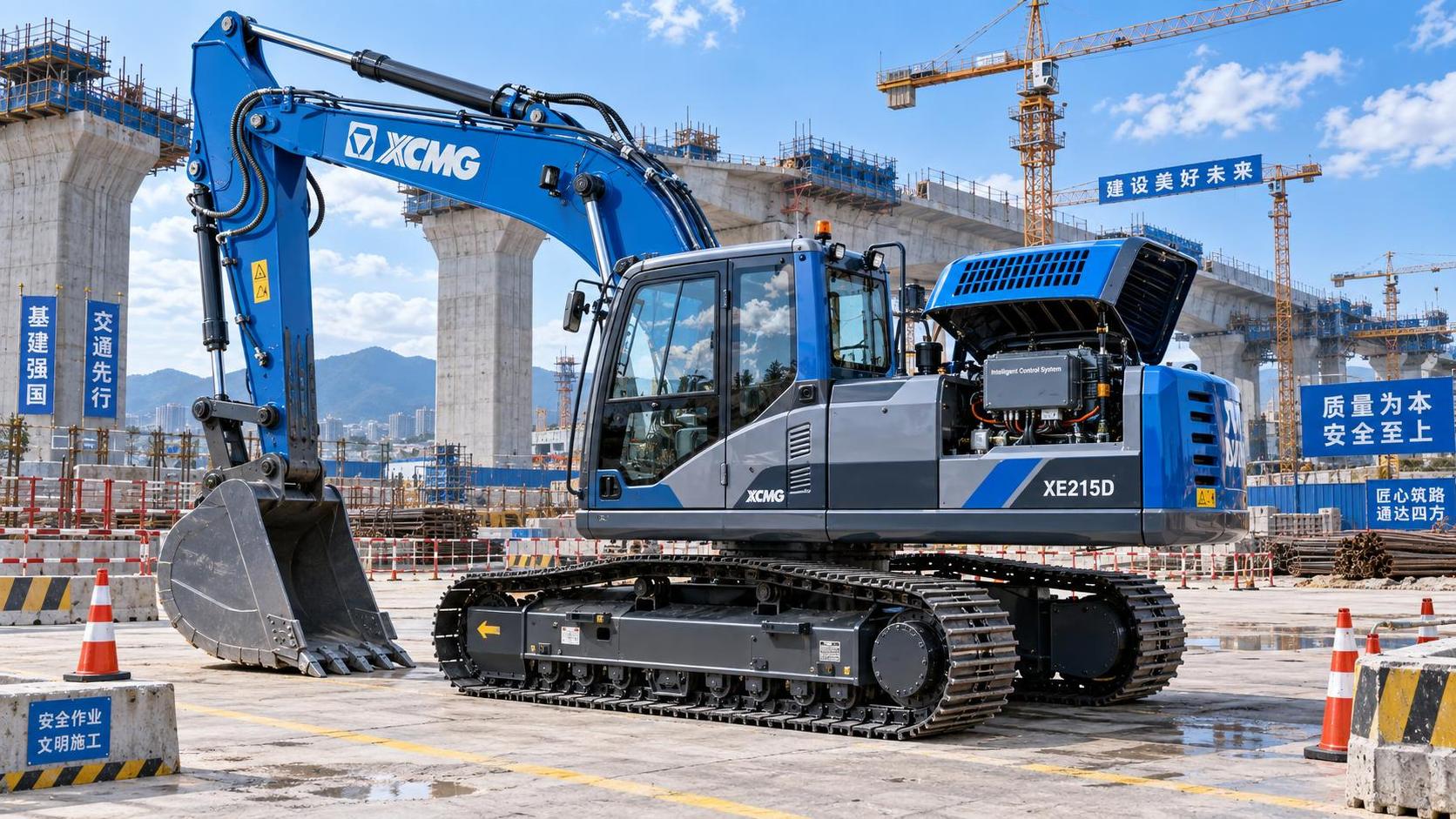
Mobile cranes, aerial platforms, and loader cranes support steel, facade, and utility installation.
In tight streets, the wrong setup can block emergency lanes or neighboring businesses.
A better application guide therefore includes turning radius, outrigger footprint, and setup time.
Emergency and Safety Support
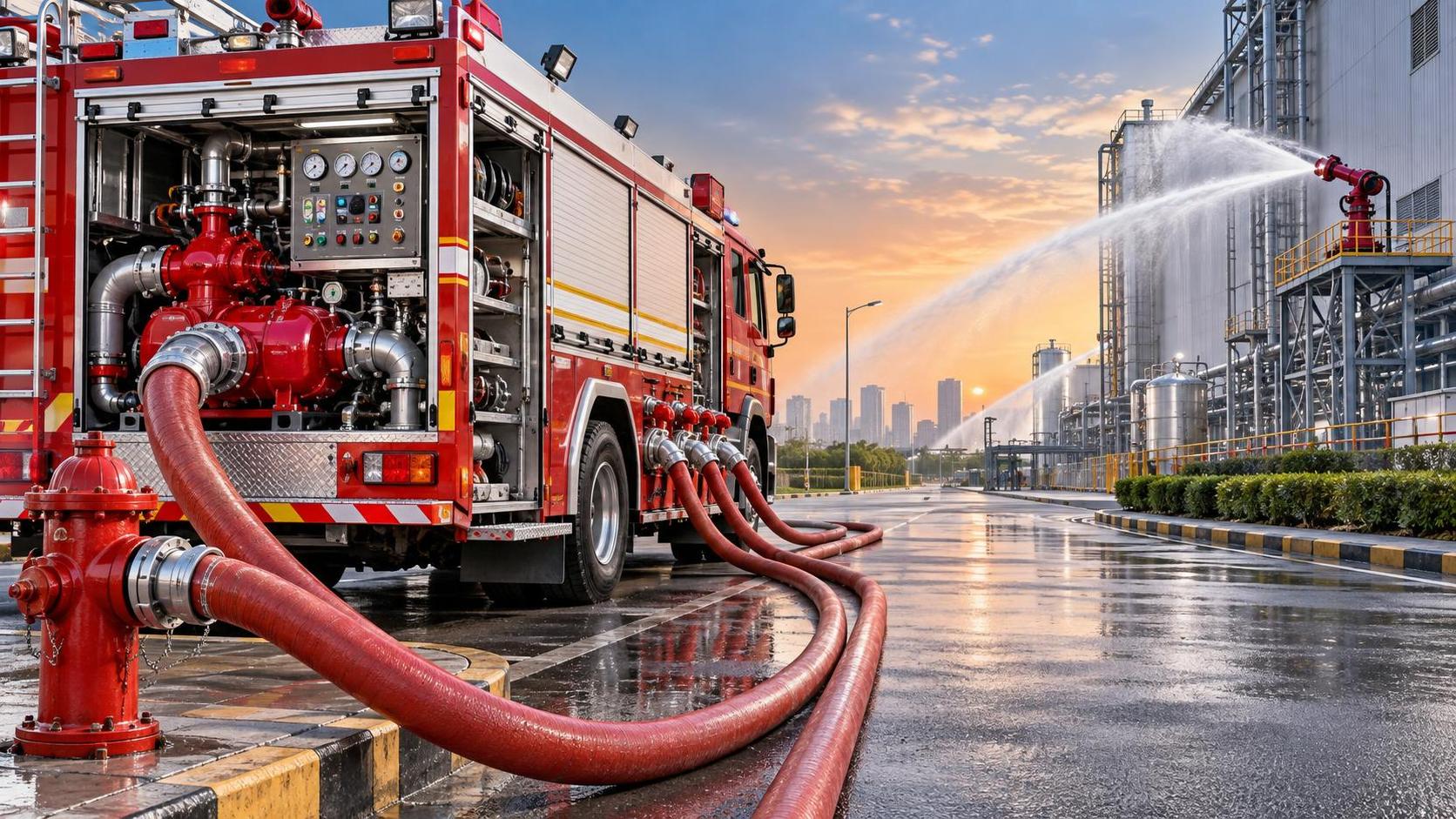
Fire trucks, rescue units, and hazardous material response vehicles are often overlooked in project planning.
That is a mistake.
This application guide should treat emergency access as a daily operating requirement.
Temporary fencing, stored materials, and parked vehicles can easily compromise response time.
How to Select the Right Vehicle Mix
A strong application guide should simplify selection decisions.
The goal is not the biggest fleet.
The goal is the right capability at the right moment.
- Define the critical tasks by phase, including excavation, structure, fit-out, and handover.
- Map route limits such as bridge loads, curb access, height restrictions, and school zone timing.
- Check local rules for emissions, noise windows, escort needs, and digital permit systems.
- Compare owned, leased, and contractor-supplied vehicles against utilization targets.
- Review operator certification, maintenance history, and telematics support before approval.
This application guide works best when selection happens early.
Late decisions usually create premium rental costs and rushed compliance reviews.
Quick Decision Matrix
Deployment Rules That Keep Projects Moving
A vehicle can be technically suitable and still perform poorly.
That usually happens because deployment rules are weak.
This application guide should link each vehicle to a clear operating routine.
- Assign fixed delivery windows for high-impact vehicles entering busy zones.
- Use spotters where sightlines are blocked by hoarding, pedestrians, or live traffic.
- Separate staging areas for inbound, active, and outbound equipment.
- Keep emergency lanes clear and audited at the start of every shift.
- Set weather triggers for crane work, pumping operations, and elevated access tasks.
From recent project trends, the strongest gains come from better sequencing.
Less waiting often matters more than higher nominal capacity.
Smart Integration and Data Control
The modern application guide should include digital coordination.
Special purpose vehicles now generate usable operating data.
Telematics can show route deviation, engine hours, idle rates, fuel use, and maintenance alerts.
For urban projects, that visibility is valuable.
It supports permit compliance, incident review, and better supplier performance tracking.
More importantly, it connects vehicle operations with smart city systems.
Digital booking slots, geofenced delivery windows, and live traffic feeds reduce disruption.
This application guide should therefore ask several practical questions.
- Can fleet data connect to the project dashboard?
- Are alerts visible to both site and logistics teams?
- Can dispatch records support audit and claims review?
- Are emissions and idle metrics available for reporting?
Risk Points That Deserve Early Attention
Every application guide should address predictable failure points.
In urban work, those risks are usually operational, not theoretical.
Common Risks
- Oversized vehicles cannot reach the final work zone.
- Permit timing does not match delivery timing.
- Noise complaints stop night operations.
- Poor maintenance causes breakdowns during critical lifts or pours.
- Unclear handoffs create standby costs and safety confusion.
Practical Responses
- Run route trials before the first critical delivery.
- Create backup windows for weather or access disruption.
- Audit maintenance records before onboarding third-party equipment.
- Use one dispatch owner for each high-risk vehicle category.
- Review incident logs weekly and adjust the application guide quickly.
That last point matters more than it sounds.
Urban project conditions change fast, so the application guide must stay live.
A Practical Application Guide for the Next Project Phase
The best application guide is clear enough to use under pressure.
It turns special purpose vehicles into a controlled part of the delivery system.
For urban projects, that means balancing output, safety, access, and city impact at the same time.
In practical terms, start by ranking the tasks that can delay the schedule within one week.
Then match each task with the required vehicle, operator standard, route condition, and backup option.
After that, connect the plan to daily controls, digital monitoring, and emergency access checks.
That is how this application guide becomes more than a document.
It becomes an operating tool that keeps city projects moving with fewer surprises and better coordination.
Get weekly intelligence in your inbox.
No noise. No sponsored content. Pure intelligence.
News Recommendations
 Sep 19, 2026How an electronics application guide helps prevent component mismatchHow an electronics application guide helps prevent component mismatch
 Sep 18, 2026When a resource allocation platform improves project deliveryWhen a resource allocation platform improves project delivery
 Sep 17, 2026What to compare when evaluating mineral processing equipment manufacturersWhat to compare when evaluating mineral processing equipment manufacturers
 Sep 16, 2026How mineral separation optimization can reduce concentrate lossesHow mineral separation optimization can reduce concentrate losses
 Sep 15, 2026How to assess lifecycle costs in urban tech procurementHow to assess lifecycle costs in urban tech procurement
 Sep 14, 2026Heavy industry technology trends reshaping capital investment prioritiesHeavy industry technology trends reshaping capital investment priorities
 Sep 14, 2026Global Industrial Equipment Procurement: How Top OEMs Qualify Suppliers for Mining & Infrastructure ProjectsGlobal Industrial Equipment Procurement: How Top OEMs Qualify Suppliers for Mining & Infrastructure Projects
 Sep 14, 2026Industrial & Mining Equipment Procurement: Balancing Local Sourcing, Lead Time, and Certification RequirementsIndustrial & Mining Equipment Procurement: Balancing Local Sourcing, Lead Time, and Certification Requirements
 Sep 14, 2026Infrastructure & Equipment Upgrades: What Procurement Teams Must Verify Before Signing Off on New ContractsInfrastructure & Equipment Upgrades: What Procurement Teams Must Verify Before Signing Off on New Contracts
 Sep 14, 2026Why Infrastructure Equipment Buyers Are Shifting from Catalog-Based to Capability-Based Supplier SelectionWhy Infrastructure Equipment Buyers Are Shifting from Catalog-Based to Capability-Based Supplier Selection
 Sep 14, 2026Process Automation Project Execution: How to Align Supplier Capabilities with PLC Integration, Cybersecurity & Commissioning MilestonesProcess Automation Project Execution: How to Align Supplier Capabilities with PLC Integration, Cybersecurity & Commissioning Milestones
 Sep 14, 2026Are intelligent traffic systems worth the investment for small cities?Are intelligent traffic systems worth the investment for small cities?
 Sep 14, 2026How do intelligent traffic systems handle sensor failures?How do intelligent traffic systems handle sensor failures?
 Sep 14, 2026What should I check before accepting a smart building system?What should I check before accepting a smart building system?
 Sep 14, 2026Is a smart building system worth the maintenance cost?Is a smart building system worth the maintenance cost?
 Sep 14, 2026What data is needed for reliable resource allocation planning?What data is needed for reliable resource allocation planning?
 Sep 14, 2026How can resource allocation software reduce equipment idle time?How can resource allocation software reduce equipment idle time?
 Sep 14, 2026How should smart devices be maintained in harsh outdoor conditions?How should smart devices be maintained in harsh outdoor conditions?
 Sep 14, 2026Do smart devices improve worker safety on construction sites?Do smart devices improve worker safety on construction sites?
 Sep 14, 2026What environmental risks must be assessed before deep-sea mining?What environmental risks must be assessed before deep-sea mining?
 Sep 14, 2026Is deep-sea mining equipment commercially viable in 2026?Is deep-sea mining equipment commercially viable in 2026?
 Sep 14, 2026What Inspection Checks Should Procurement Teams Perform Before Ordering Dredging Equipment in 2026?What Inspection Checks Should Procurement Teams Perform Before Ordering Dredging Equipment in 2026?
 Sep 13, 2026How to verify an industrial product information source before specifying equipmentHow to verify an industrial product information source before specifying equipment
 Sep 12, 2026Which intelligent traffic systems hardware fits an urban intersection?Which intelligent traffic systems hardware fits an urban intersection?
 Sep 11, 2026How pump capacity affects response coverage for municipal fire fighting vehiclesHow pump capacity affects response coverage for municipal fire fighting vehicles
 Sep 10, 2026What to verify before choosing a heavy industry equipment supplierWhat to verify before choosing a heavy industry equipment supplier
 Sep 09, 2026When do adaptive urban traffic control systems reduce corridor delays?When do adaptive urban traffic control systems reduce corridor delays?