Electronics Components Selection: Key Risks in Industrial Equipment Sourcing
Why electronics components sourcing changes with the operating scene
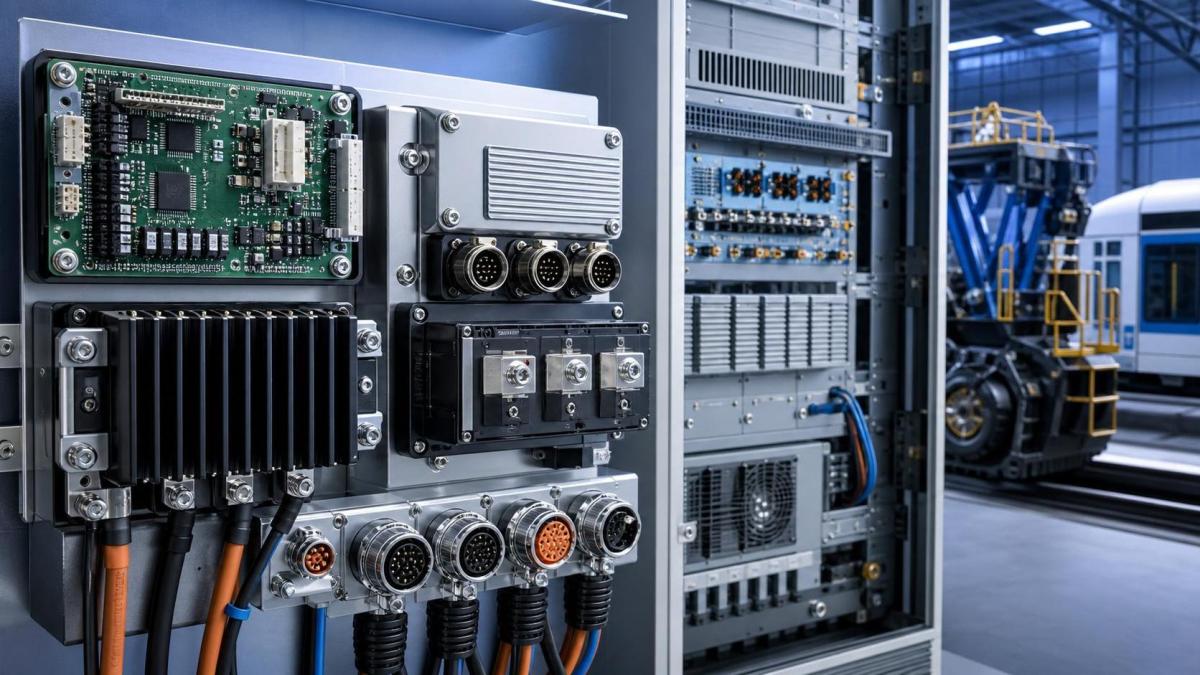
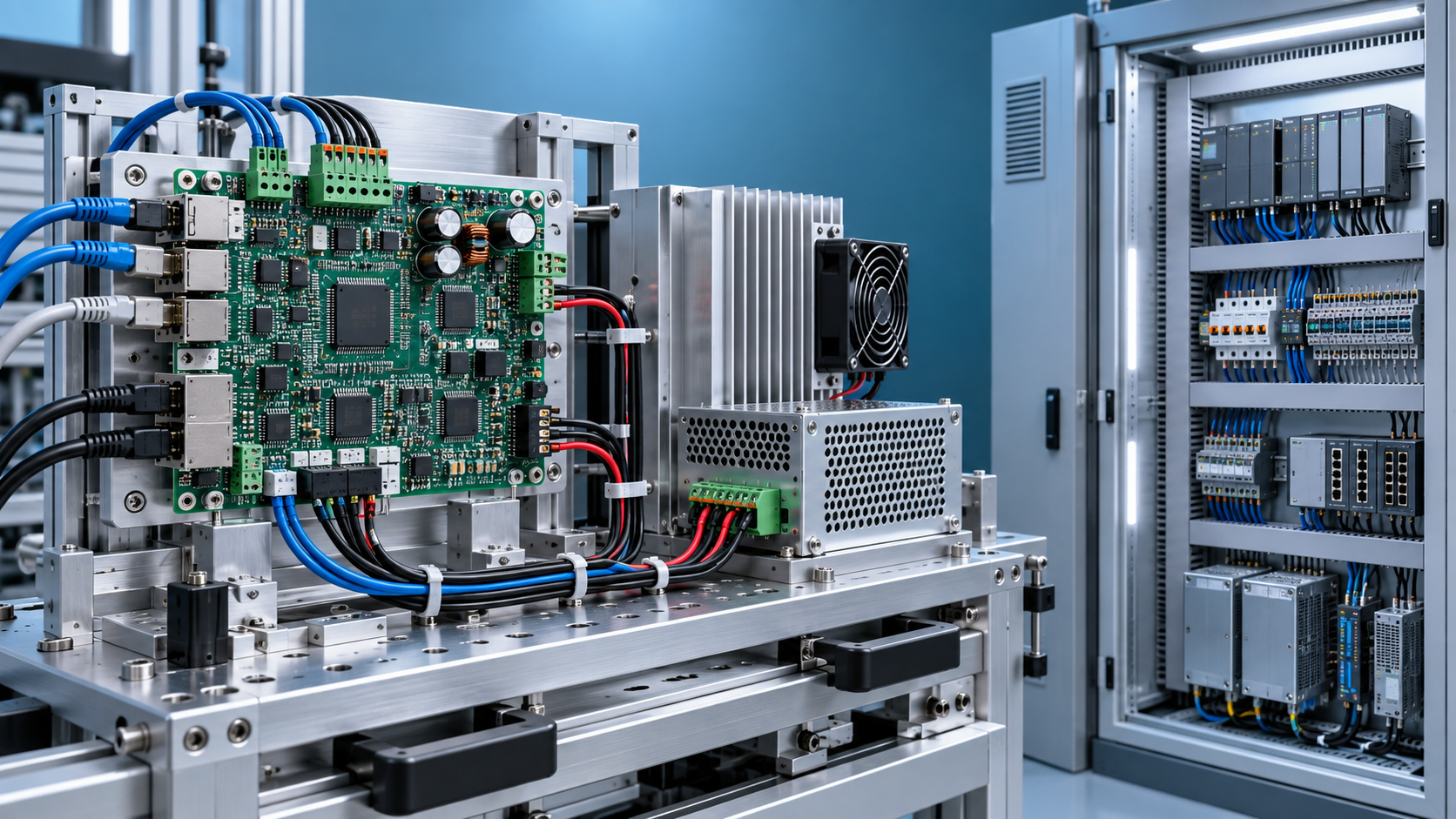
Selecting electronics components for industrial equipment rarely comes down to unit price alone.
In infrastructure, mining, rail, smart city systems, and special equipment, one weak part can interrupt a much larger asset chain.
That is why sourcing decisions often sit between engineering logic and long-term operational risk.
A controller board in a tunnel fan, a sensor module in a smart grid cabinet, and a power device in a crane inverter do not face the same pressure.
They may share similar datasheets, yet their real failure triggers differ sharply.
From GIUT’s cross-sector view, the practical issue is not choosing the “best” electronics components in abstract terms.
The real task is matching component reliability, compliance, replacement rhythm, and supply continuity to the physical environment they must survive.
In actual projects, this difference becomes visible only after equipment enters heat, dust, vibration, intermittent power, or round-the-clock operation.
By then, a low-cost sourcing shortcut often becomes a maintenance burden.
The same specification behaves differently across industrial systems
A common sourcing mistake is assuming similar electrical ratings mean similar field performance.
Industrial equipment works inside different duty cycles, maintenance windows, and safety expectations.
That changes how electronics components should be evaluated.
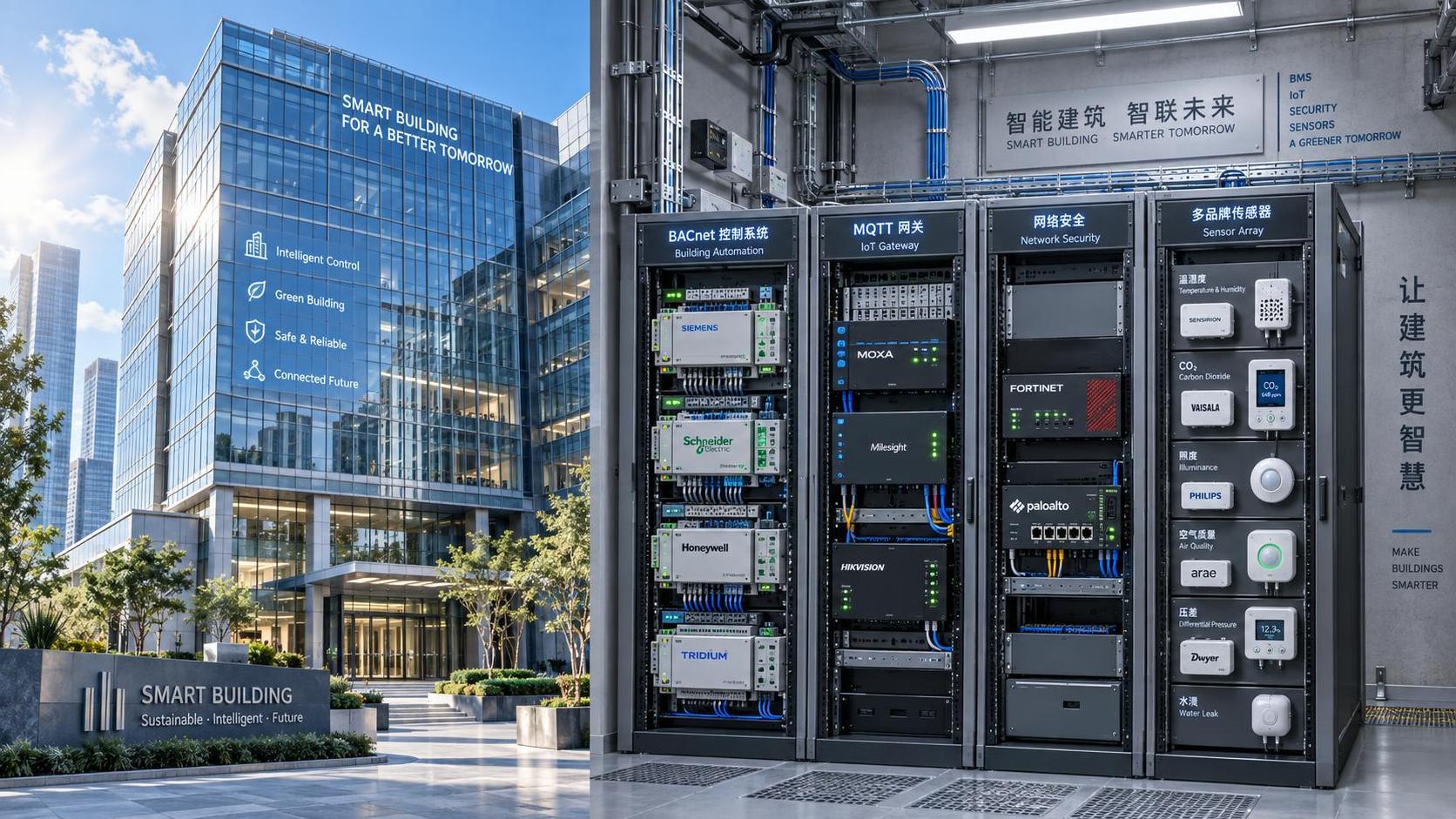
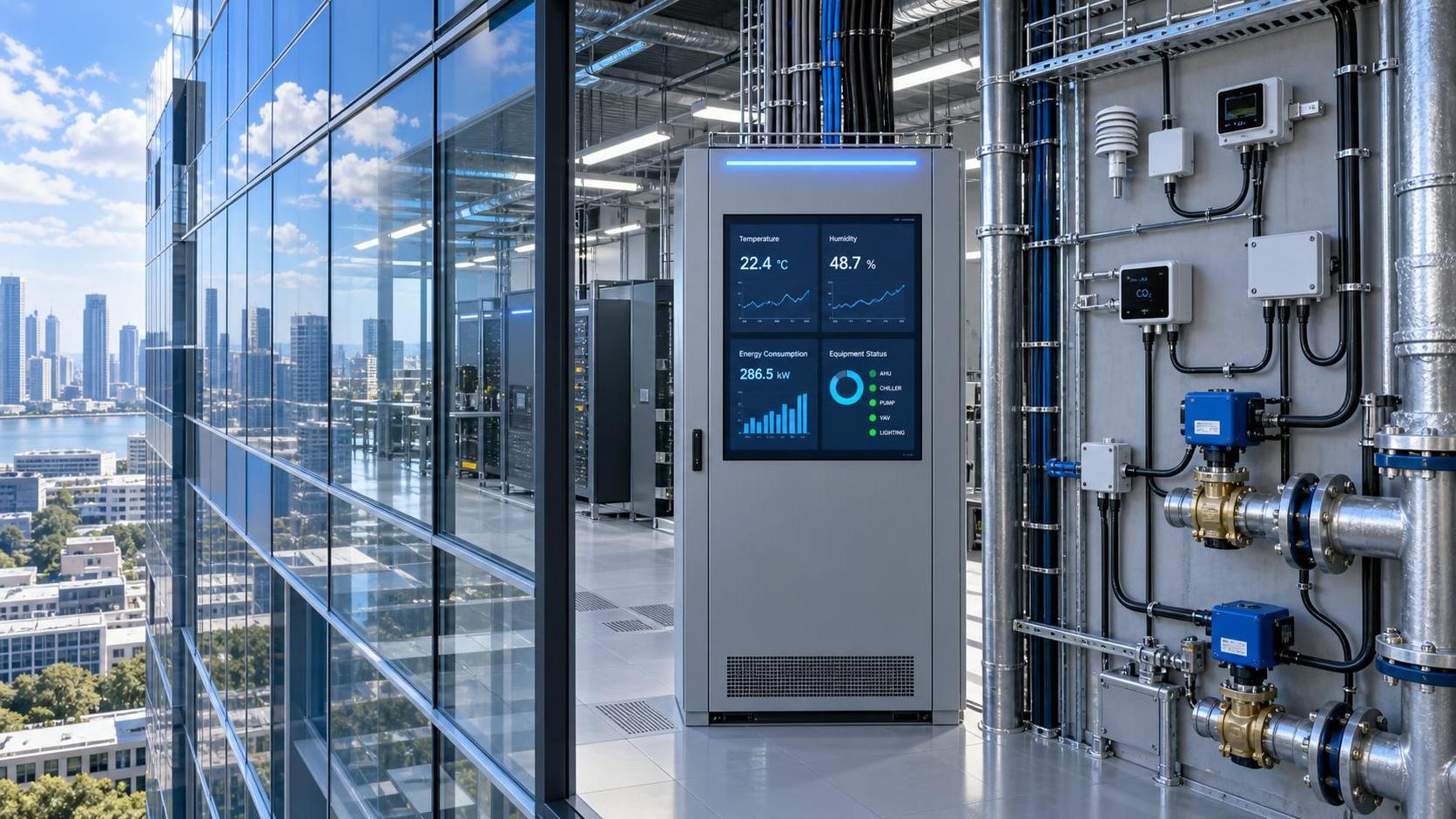
For example, smart building controls often prioritize communication stability, compact integration, and certification alignment.
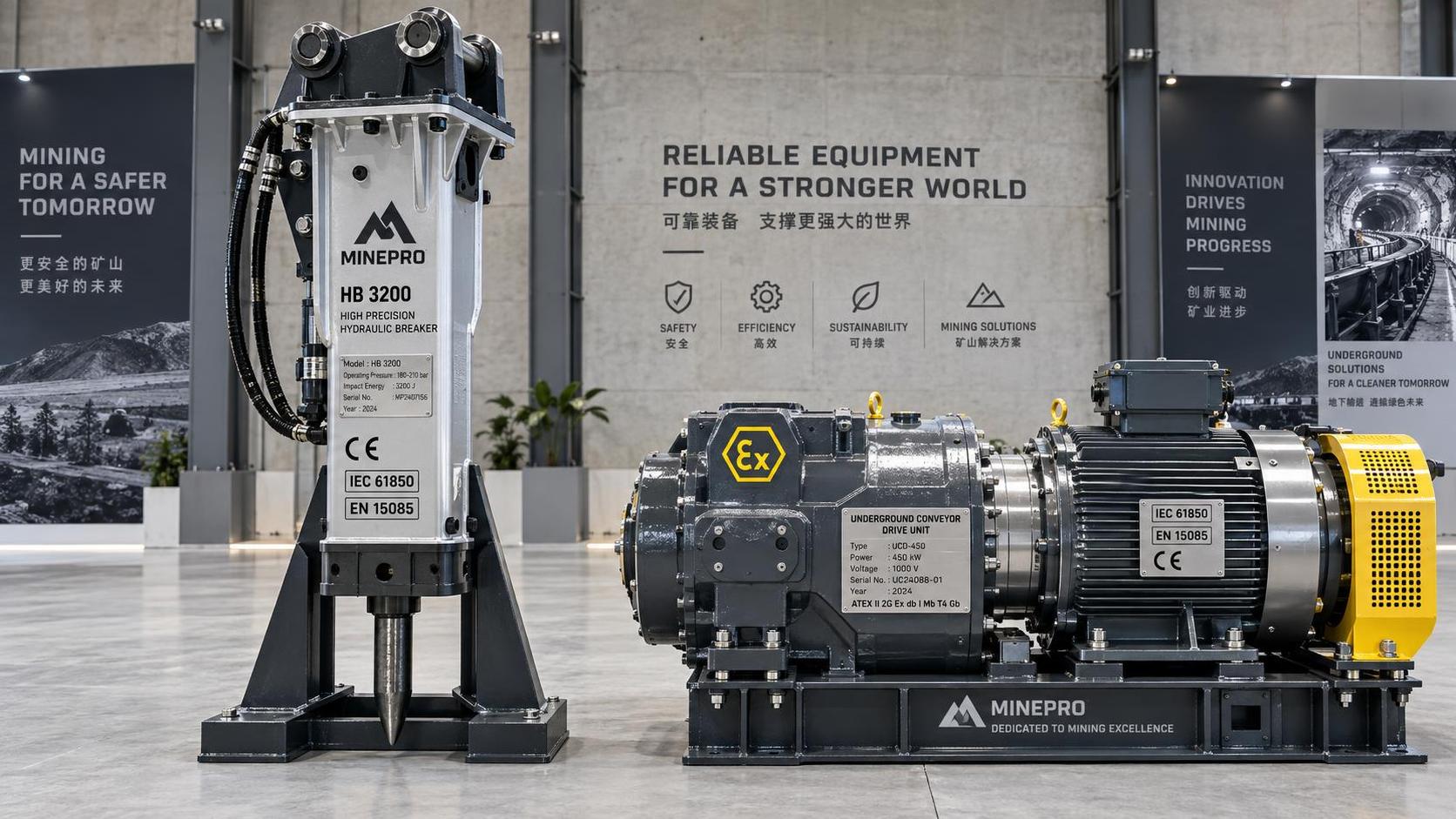
Mining systems usually place harsher demands on sealing, thermal endurance, and fault tolerance.
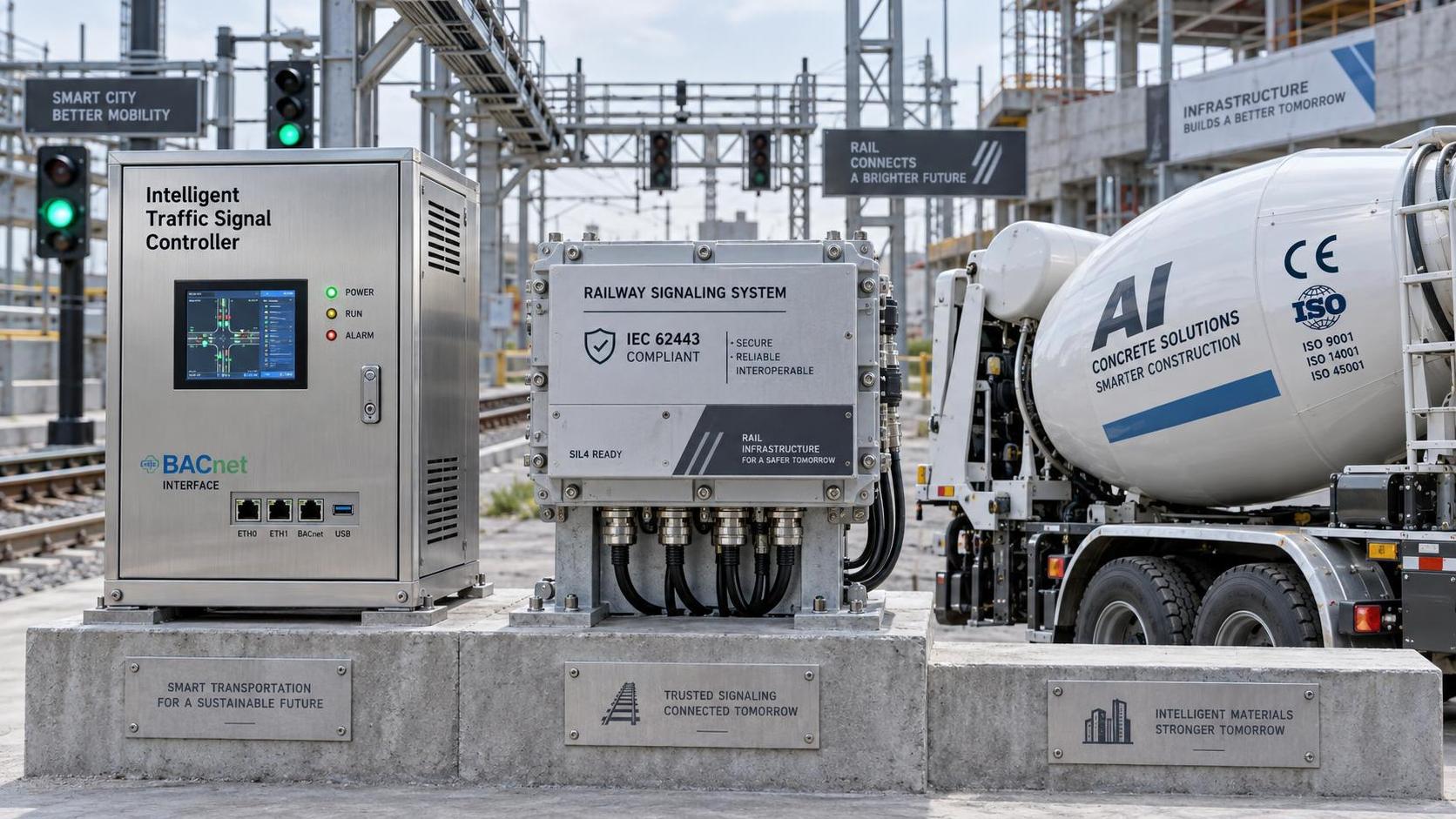
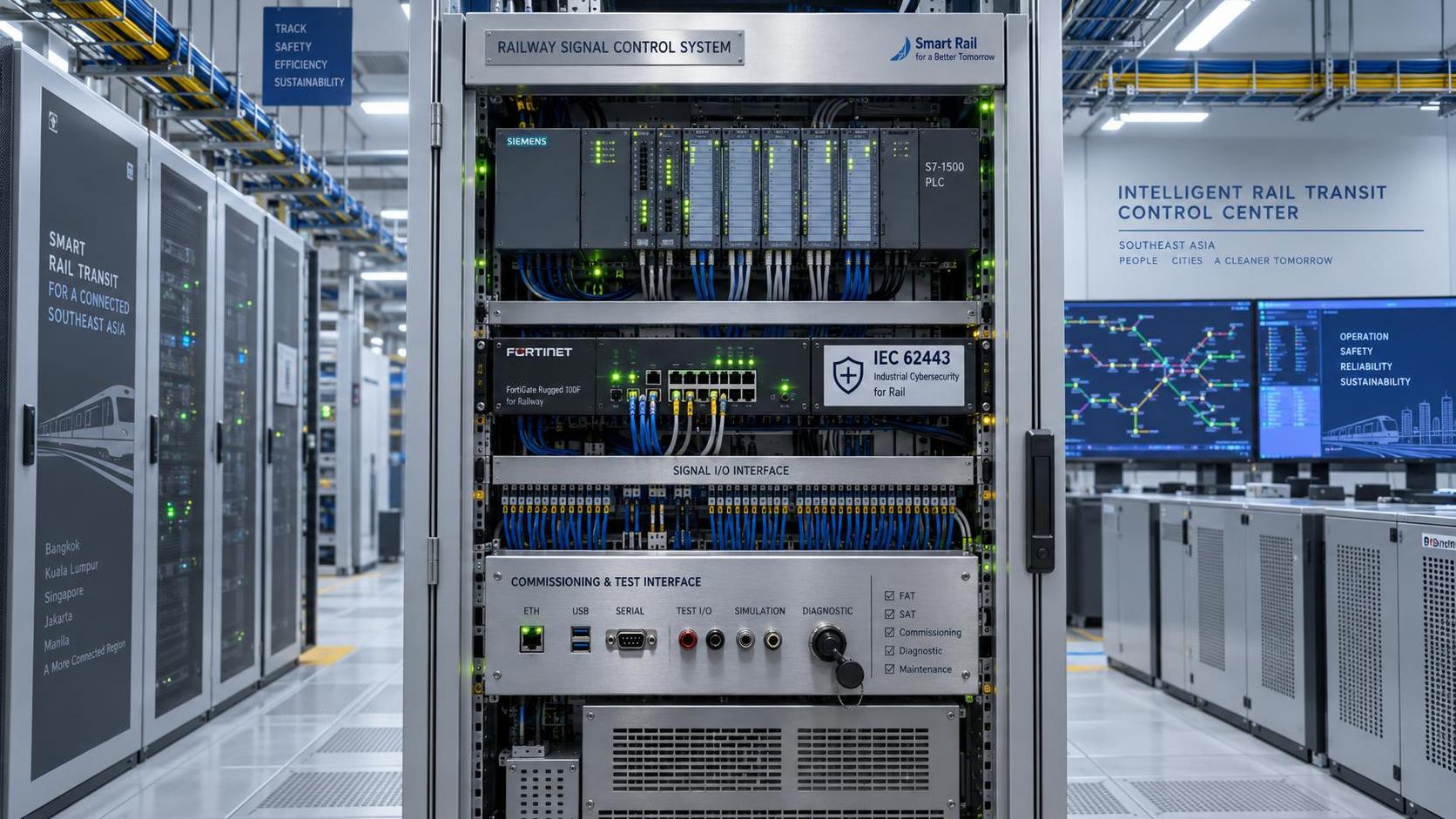
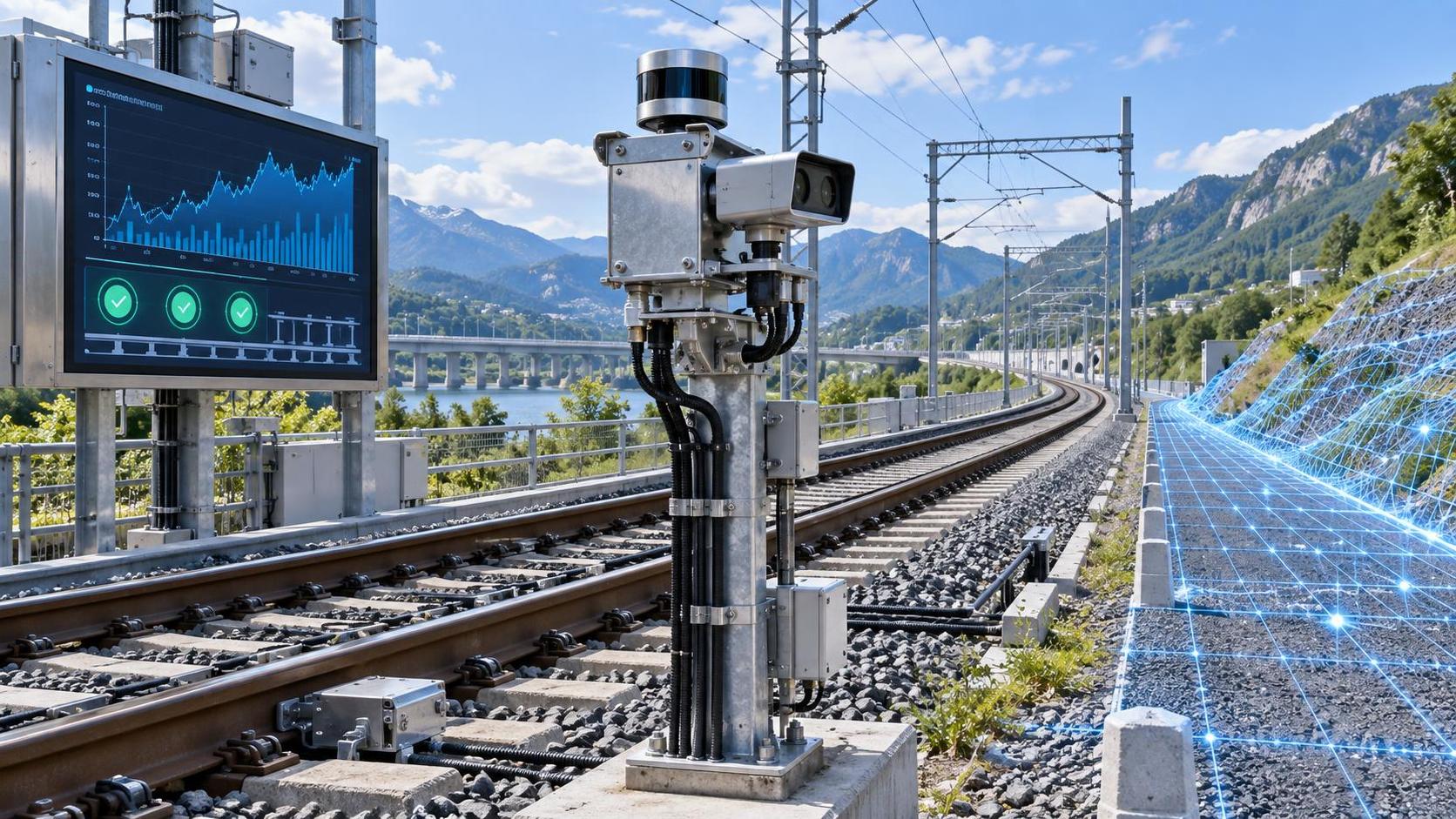
Railway signaling or logistics control environments add strict expectations around traceability, lifecycle support, and predictable replacement paths.
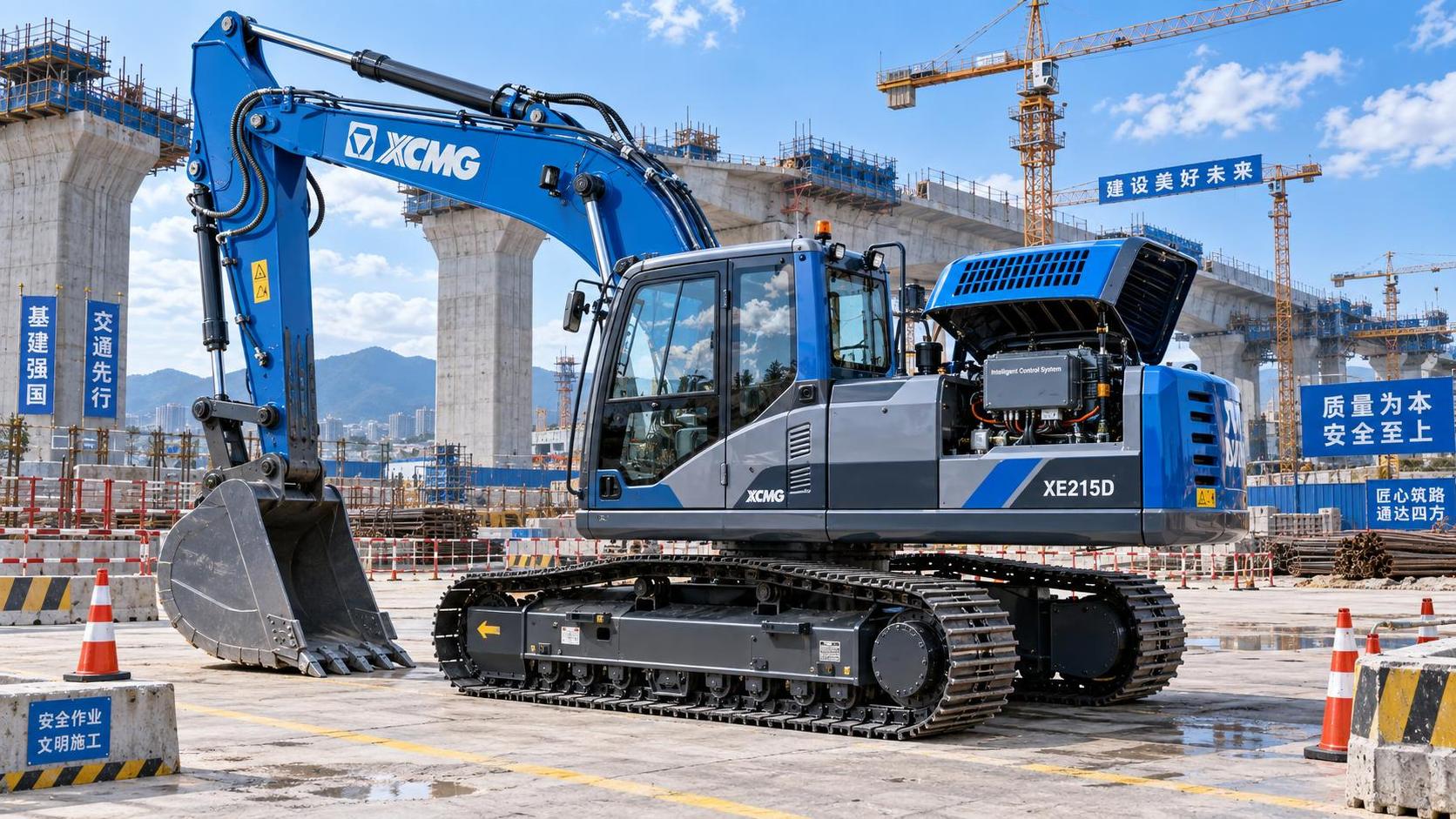
In heavy vehicles and special-purpose machines, shock resistance and connector integrity can matter more than attractive nominal efficiency.
The point is straightforward: electronics components must be judged in relation to where they work, how long they work, and how failure is handled.
What usually shifts from one scene to another
This is where sourcing becomes a risk-mapping exercise, not a catalog comparison.
When urban tech projects value continuity over headline performance
In smart governance systems, electronics components often sit behind visible public services.
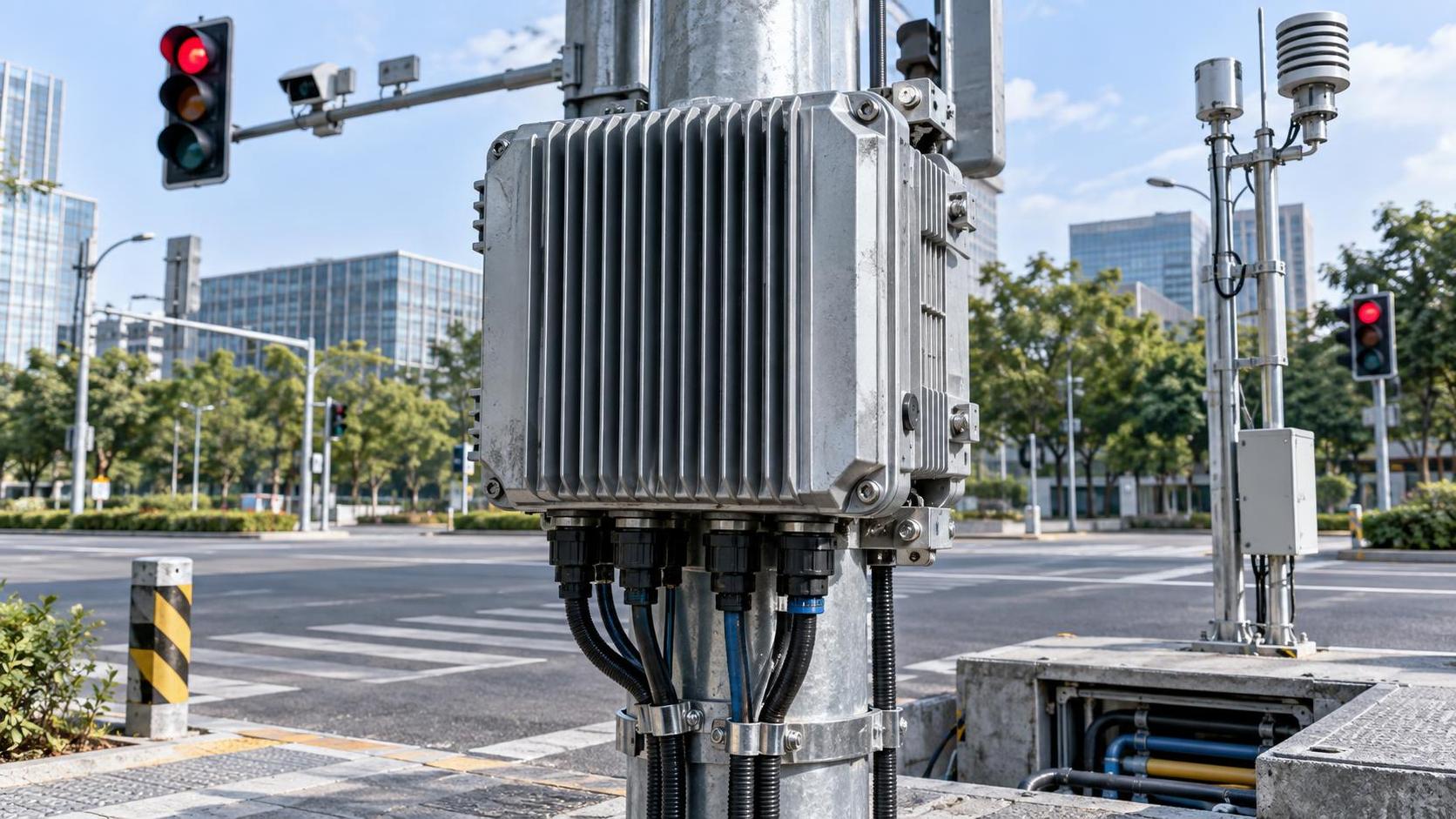
Traffic control cabinets, environmental sensors, and distributed grid nodes may not operate in extreme heat every day.
Still, they face another problem: interruption carries broad downstream impact.
In these cases, communication chipsets, relays, power modules, and protection devices should be screened for stable interoperability.
A component with strong standalone metrics can still create field issues if firmware support is weak or tolerance margins are narrow.
More careful teams usually check revision control, supplier change notification practices, and regional compliance history.
That is especially relevant when equipment is rolled out citywide and maintenance standardization matters more than laboratory peak performance.
In mining and heavy process equipment, derating becomes the real filter
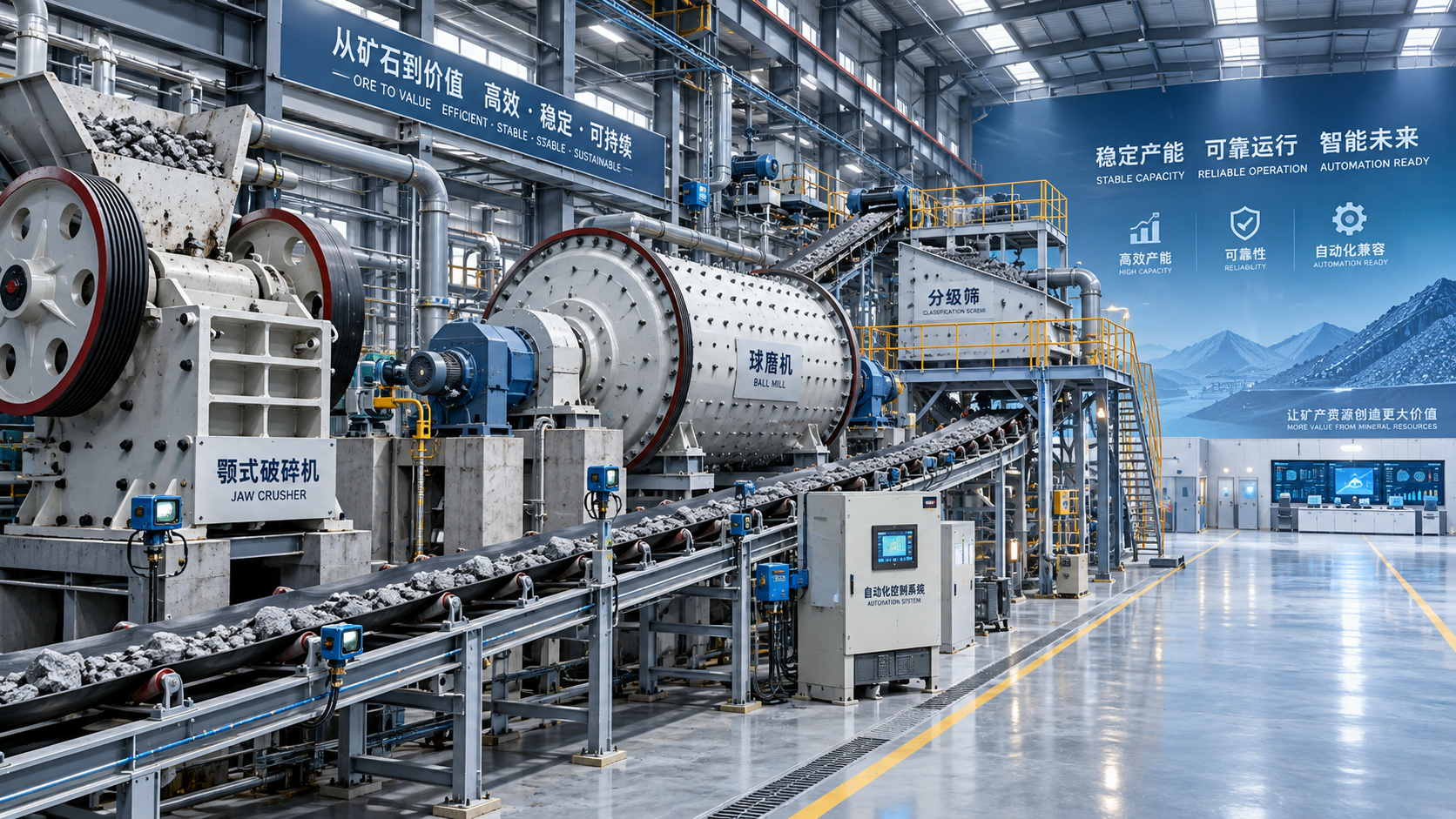
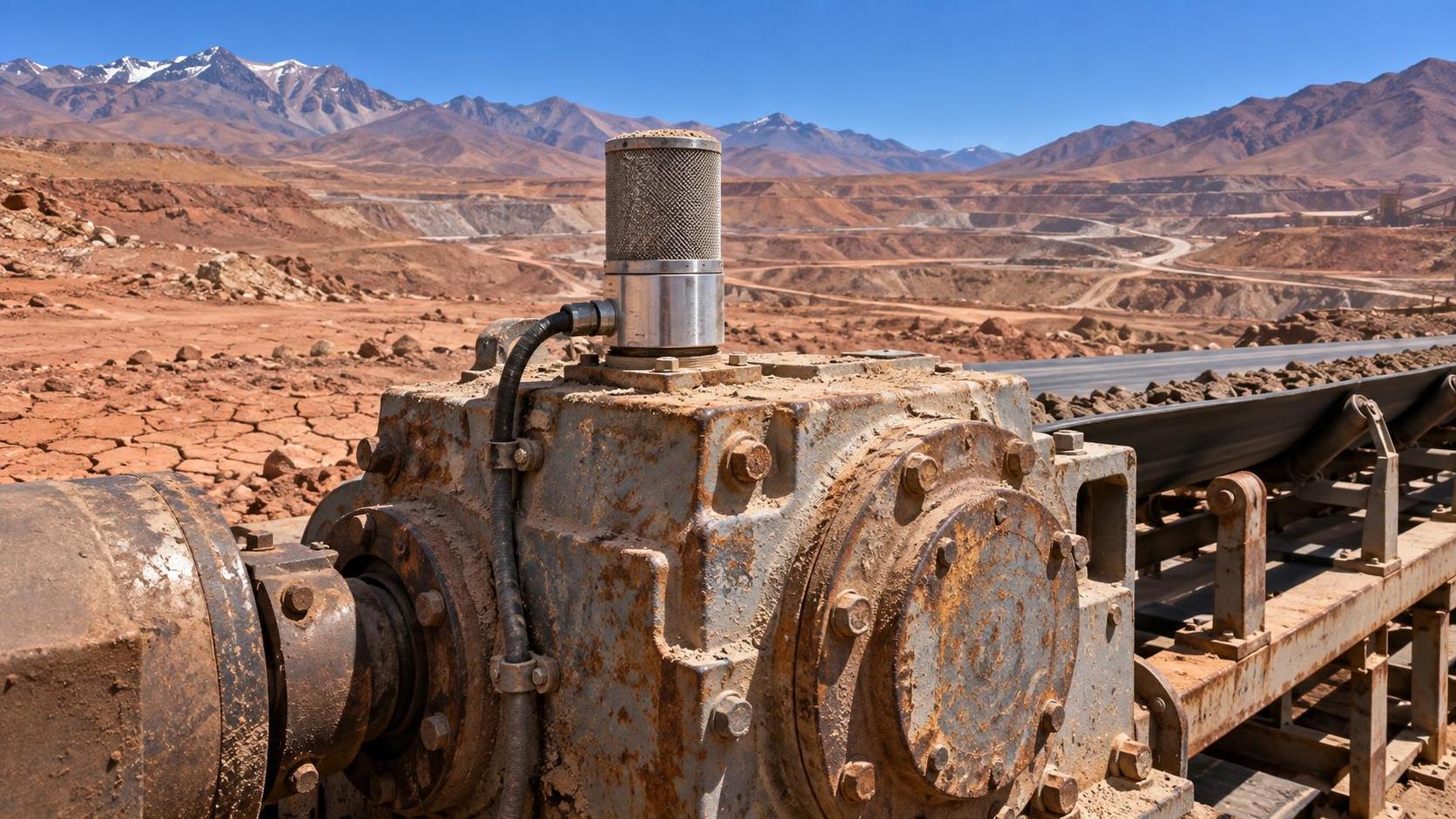
Mining, materials handling, and resource processing equipment expose electronics components to conditions that shorten ideal service curves.
Ambient dust, thermal cycling, moisture ingress, and unstable loads change what “suitable” really means.
Power semiconductors, capacitors, connectors, and sensing assemblies need wider safety margins than office-grade or light commercial systems.
The common error here is to approve electronics components using nameplate conditions instead of field derating models.
A part may pass initial validation, then age rapidly under continuous high-load duty.
In practice, rugged sourcing means checking enclosure heat paths, contamination exposure, insulation stability, and replacement accessibility together.
If a shutdown requires major disassembly, even a modest component failure becomes expensive.
Useful checks before approval
- Compare rated values with actual duty cycle, not only nominal load.
- Review sealing, corrosion resistance, and contamination exposure points.
- Confirm whether substitutes keep the same thermal and mechanical behavior.
- Estimate field replacement time, tools, and calibration needs.
Rail and long-life infrastructure demand a different sourcing mindset
Railway, tunnel, and logistics control systems often remain in service far longer than the average electronics product cycle.
This creates a familiar but underestimated risk: the component works today, yet support disappears before the asset reaches midlife.
For these systems, electronics components should be reviewed for lifecycle notices, second-source feasibility, and documentation depth.
Traceability also matters more here than in short-horizon projects.
If a later audit, retrofit, or failure investigation cannot identify lot history, the operational risk expands beyond the failed part itself.
A strong sourcing decision in this scene often favors stable availability and controlled revision management over marginal price savings.
That logic aligns with GIUT’s broader infrastructure lens: physical systems only stay intelligent when their component backbone remains supportable.
Mobile equipment exposes small component weaknesses quickly
Cranes, fire trucks, mixers, and other special purpose machines create a different stress pattern.
Movement, shock, intermittent weather exposure, and fluctuating input power test electronics components in short bursts.
Here, the weak point is often not the chip itself.
It may be the connector lock, solder fatigue, cable strain, or enclosure interface.
That is why field-proven assembly compatibility deserves as much attention as component-level data.
More resilient sourcing reviews ask whether the electronics components can maintain signal stability after repeated vibration and whether replacement can be done under limited access conditions.
If the answer depends on ideal workshop conditions, the specification is incomplete.
Where sourcing decisions are most often misread
Several misjudgments appear across industries, even when the equipment categories differ.
- Choosing electronics components by headline parameters without checking real installation constraints.
- Treating similar applications as identical, despite different maintenance intervals or safety implications.
- Comparing purchase price while ignoring replacement labor, downtime, and recertification cost.
- Accepting substitute parts without reviewing firmware, pin behavior, or thermal drift.
- Ignoring supplier communication discipline on obsolescence and engineering changes.
These oversights usually do not show up in the first invoice.
They emerge later as unstable commissioning, difficult service work, or shortened replacement cycles.
A practical way to align electronics components with real project conditions
A more dependable selection process starts by separating environment, duty, compliance, and service variables before quoting begins.
That prevents technically acceptable parts from being approved for the wrong operational context.
Useful alignment usually includes four steps.
- Map the equipment scene: heat, dust, vibration, moisture, access, and expected service life.
- Identify component criticality: shutdown impact, safety consequence, and calibration sensitivity.
- Review supply resilience: lead time, approved alternatives, revision control, and end-of-life exposure.
- Calculate ownership logic: spare strategy, field labor, test effort, and downtime cost.
This approach is especially relevant in infrastructure and industrial modernization, where digital capability depends on physical dependability.
When electronics components are sourced with scene-specific judgment, projects gain more than continuity.
They gain predictable maintenance, cleaner upgrades, and fewer hidden cost surprises.
The next useful step is to define application-specific screening criteria, then compare component options against those real operating conditions.
That is usually where better sourcing decisions begin.
Get weekly intelligence in your inbox.
No noise. No sponsored content. Pure intelligence.
News Recommendations
 Sep 19, 2026How an electronics application guide helps prevent component mismatchHow an electronics application guide helps prevent component mismatch
 Sep 18, 2026When a resource allocation platform improves project deliveryWhen a resource allocation platform improves project delivery
 Sep 17, 2026What to compare when evaluating mineral processing equipment manufacturersWhat to compare when evaluating mineral processing equipment manufacturers
 Sep 16, 2026How mineral separation optimization can reduce concentrate lossesHow mineral separation optimization can reduce concentrate losses
 Sep 15, 2026How to assess lifecycle costs in urban tech procurementHow to assess lifecycle costs in urban tech procurement
 Sep 14, 2026Heavy industry technology trends reshaping capital investment prioritiesHeavy industry technology trends reshaping capital investment priorities
 Sep 14, 2026Global Industrial Equipment Procurement: How Top OEMs Qualify Suppliers for Mining & Infrastructure ProjectsGlobal Industrial Equipment Procurement: How Top OEMs Qualify Suppliers for Mining & Infrastructure Projects
 Sep 14, 2026Industrial & Mining Equipment Procurement: Balancing Local Sourcing, Lead Time, and Certification RequirementsIndustrial & Mining Equipment Procurement: Balancing Local Sourcing, Lead Time, and Certification Requirements
 Sep 14, 2026Infrastructure & Equipment Upgrades: What Procurement Teams Must Verify Before Signing Off on New ContractsInfrastructure & Equipment Upgrades: What Procurement Teams Must Verify Before Signing Off on New Contracts
 Sep 14, 2026Why Infrastructure Equipment Buyers Are Shifting from Catalog-Based to Capability-Based Supplier SelectionWhy Infrastructure Equipment Buyers Are Shifting from Catalog-Based to Capability-Based Supplier Selection
 Sep 14, 2026Process Automation Project Execution: How to Align Supplier Capabilities with PLC Integration, Cybersecurity & Commissioning MilestonesProcess Automation Project Execution: How to Align Supplier Capabilities with PLC Integration, Cybersecurity & Commissioning Milestones
 Sep 14, 2026Are intelligent traffic systems worth the investment for small cities?Are intelligent traffic systems worth the investment for small cities?
 Sep 14, 2026How do intelligent traffic systems handle sensor failures?How do intelligent traffic systems handle sensor failures?
 Sep 14, 2026What should I check before accepting a smart building system?What should I check before accepting a smart building system?
 Sep 14, 2026Is a smart building system worth the maintenance cost?Is a smart building system worth the maintenance cost?
 Sep 14, 2026What data is needed for reliable resource allocation planning?What data is needed for reliable resource allocation planning?
 Sep 14, 2026How can resource allocation software reduce equipment idle time?How can resource allocation software reduce equipment idle time?
 Sep 14, 2026How should smart devices be maintained in harsh outdoor conditions?How should smart devices be maintained in harsh outdoor conditions?
 Sep 14, 2026Do smart devices improve worker safety on construction sites?Do smart devices improve worker safety on construction sites?
 Sep 14, 2026What environmental risks must be assessed before deep-sea mining?What environmental risks must be assessed before deep-sea mining?
 Sep 14, 2026Is deep-sea mining equipment commercially viable in 2026?Is deep-sea mining equipment commercially viable in 2026?
 Sep 14, 2026What Inspection Checks Should Procurement Teams Perform Before Ordering Dredging Equipment in 2026?What Inspection Checks Should Procurement Teams Perform Before Ordering Dredging Equipment in 2026?
 Sep 13, 2026How to verify an industrial product information source before specifying equipmentHow to verify an industrial product information source before specifying equipment
 Sep 12, 2026Which intelligent traffic systems hardware fits an urban intersection?Which intelligent traffic systems hardware fits an urban intersection?
 Sep 11, 2026How pump capacity affects response coverage for municipal fire fighting vehiclesHow pump capacity affects response coverage for municipal fire fighting vehicles
 Sep 10, 2026What to verify before choosing a heavy industry equipment supplierWhat to verify before choosing a heavy industry equipment supplier
 Sep 09, 2026When do adaptive urban traffic control systems reduce corridor delays?When do adaptive urban traffic control systems reduce corridor delays?