Green Engineering Methods That Cut Lifecycle Costs
Why lifecycle cost pressure makes green engineering a practical choice

Green engineering matters most when assets must perform for decades, not just pass commissioning.
In infrastructure, smart buildings, rail systems, mining facilities, and heavy equipment fleets, early design decisions shape maintenance intensity, energy demand, and replacement timing.
That is why green engineering increasingly sits inside capital planning, not only sustainability reporting.
For GIUT’s coverage areas, the real value is measurable.
A lower-carbon material may also reduce corrosion exposure.
A more efficient control system may also cut downtime risk.
A modular design may improve both upgrade flexibility and residual asset value.
The central question is not whether green engineering is desirable.
The better question is which methods fit each operating context without creating hidden costs elsewhere.
Different operating environments change what green engineering should prioritize
Similar projects often appear comparable on paper, yet lifecycle cost drivers differ sharply once operating conditions are examined.
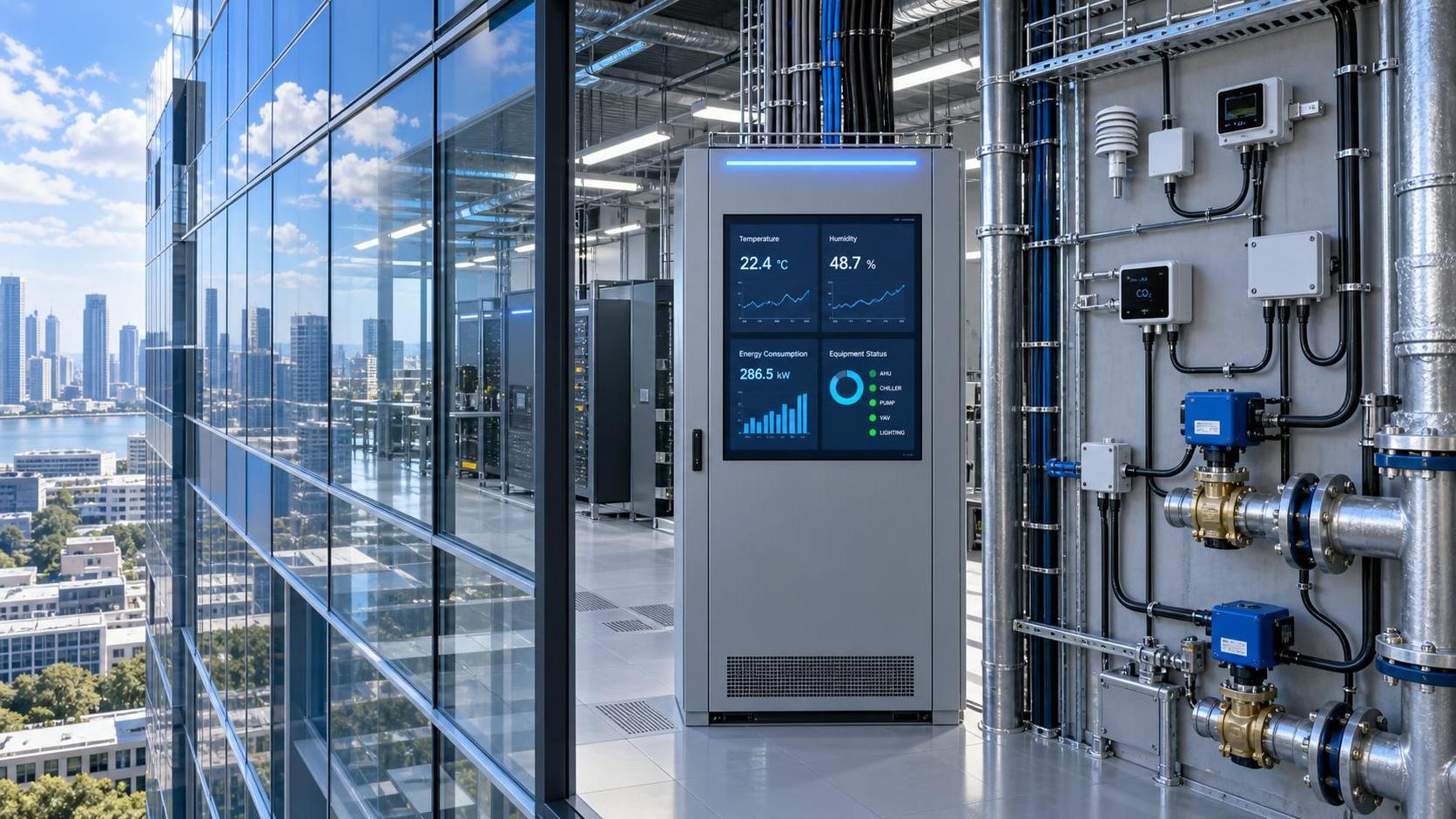
A smart building in a dense city center is judged by energy optimization, occupant comfort, and retrofit flexibility.
A rail corridor is judged more by reliability, maintenance access, and service disruption risk.
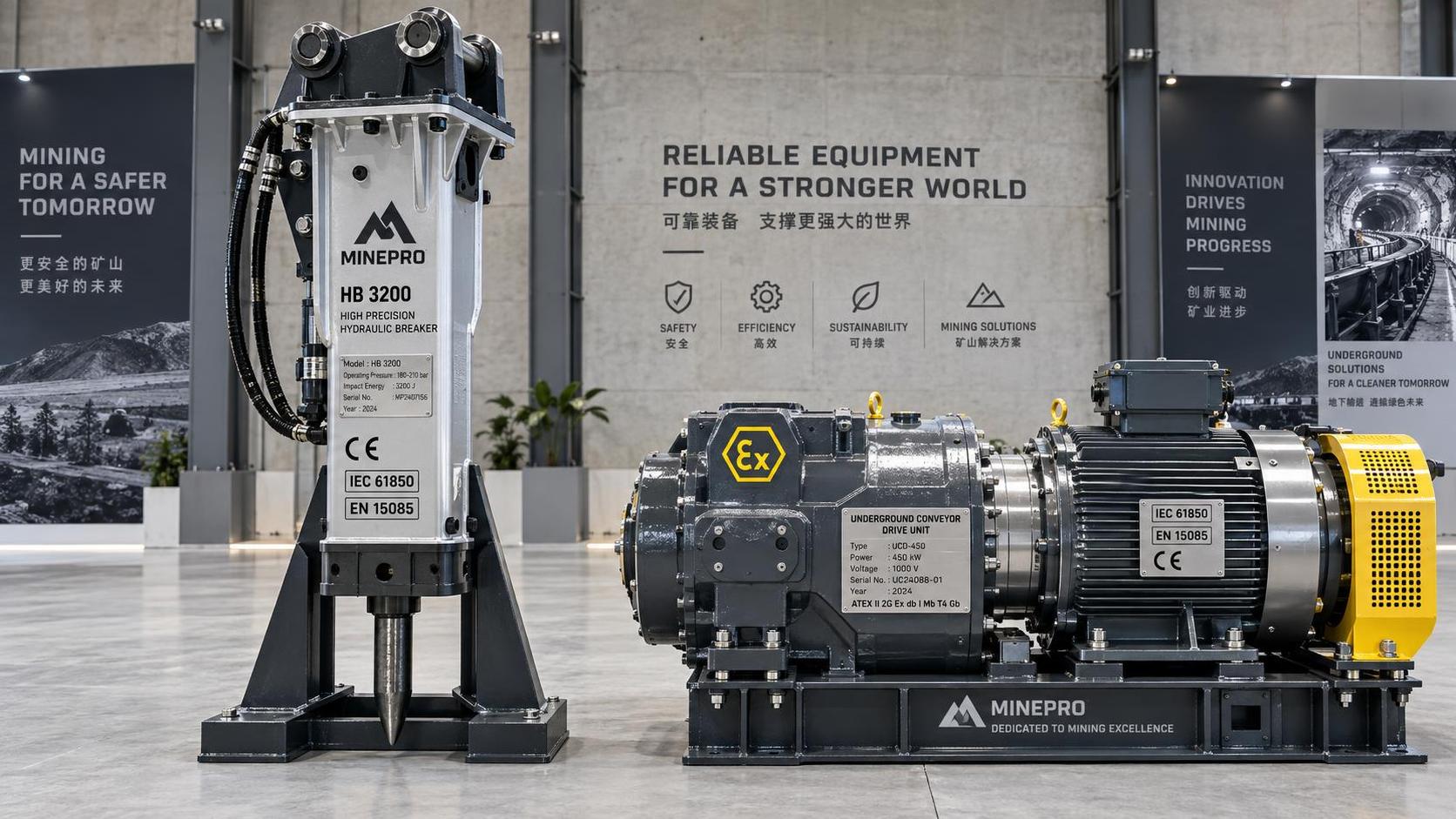
In mining, water use, abrasion, and safety systems can outweigh pure energy savings.
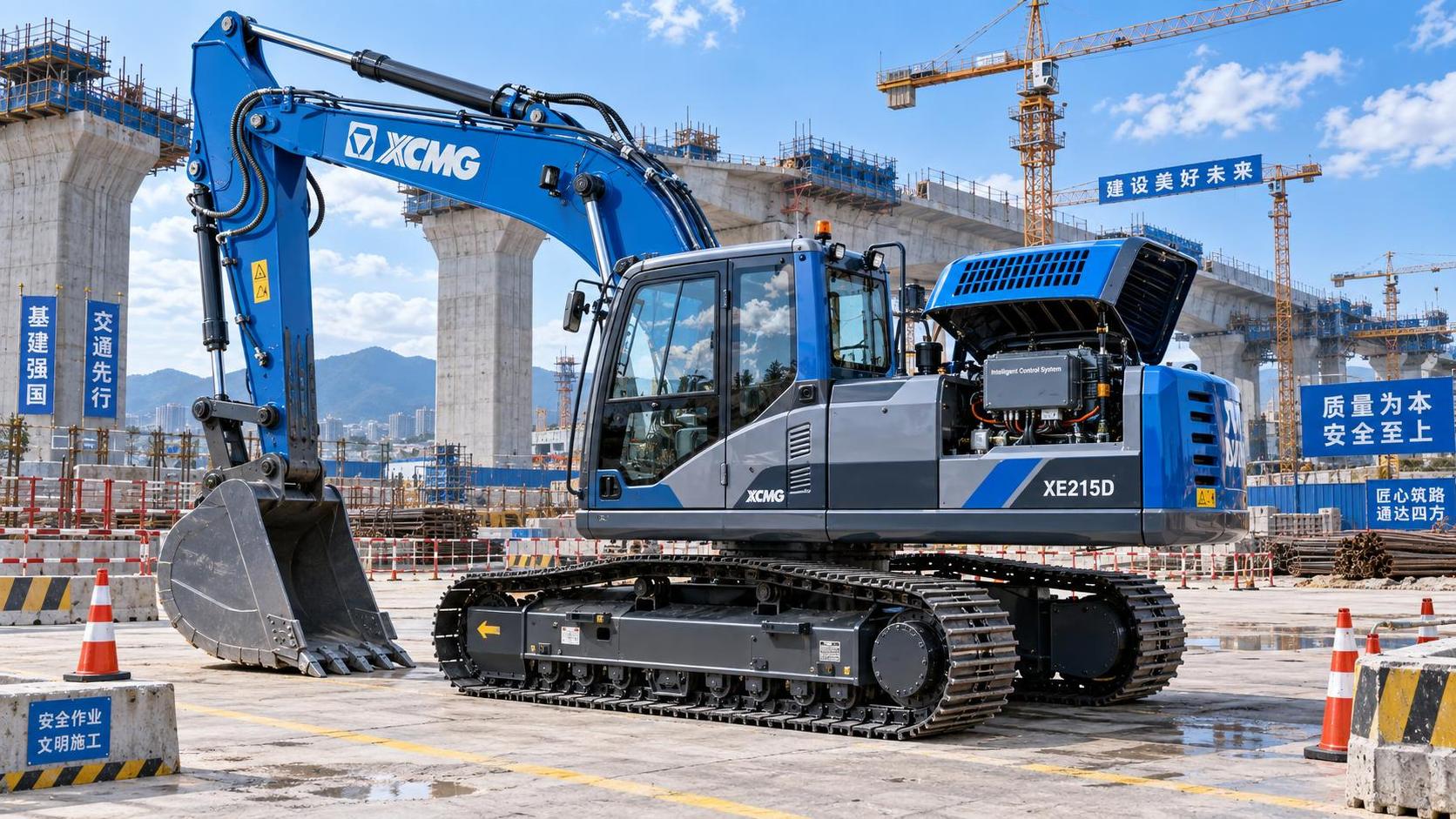
For special purpose vehicles and heavy equipment, utilization cycles and parts replacement intervals become the critical lens.
This is where green engineering needs disciplined interpretation.
Methods that work well in one sector may underperform in another if load patterns, environmental exposure, or upgrade constraints are ignored.
The table shows why green engineering should start with operating logic, not with a standard checklist.
In buildings and urban systems, the best gains often come from integration rather than isolated upgrades
In actual projects, isolated efficiency measures rarely deliver the strongest lifecycle result.
A high-performance facade helps, but the payback changes if ventilation controls remain outdated.
Likewise, smart lighting saves less when occupancy patterns are poorly mapped.
Green engineering in this setting works best as a systems decision.
That usually means pairing efficient materials with building management software, submetering, and maintenance visibility.
For urban tech, the same principle applies at a larger scale.
Smart grids, automated waste systems, and traffic control platforms reduce lifecycle costs only when data flows are interoperable.
If systems cannot exchange operating data, energy savings may be offset by manual intervention and fragmented maintenance contracts.
A common mistake is chasing the lowest-energy device while ignoring calibration burden, software updates, and technician availability.
Green engineering should therefore be judged by total serviceability, not only rated performance.
Rail and logistics assets need green engineering that protects uptime first
Railway and logistics infrastructure usually carries a stricter penalty for interruption.
When access windows are short, every maintenance event becomes expensive.
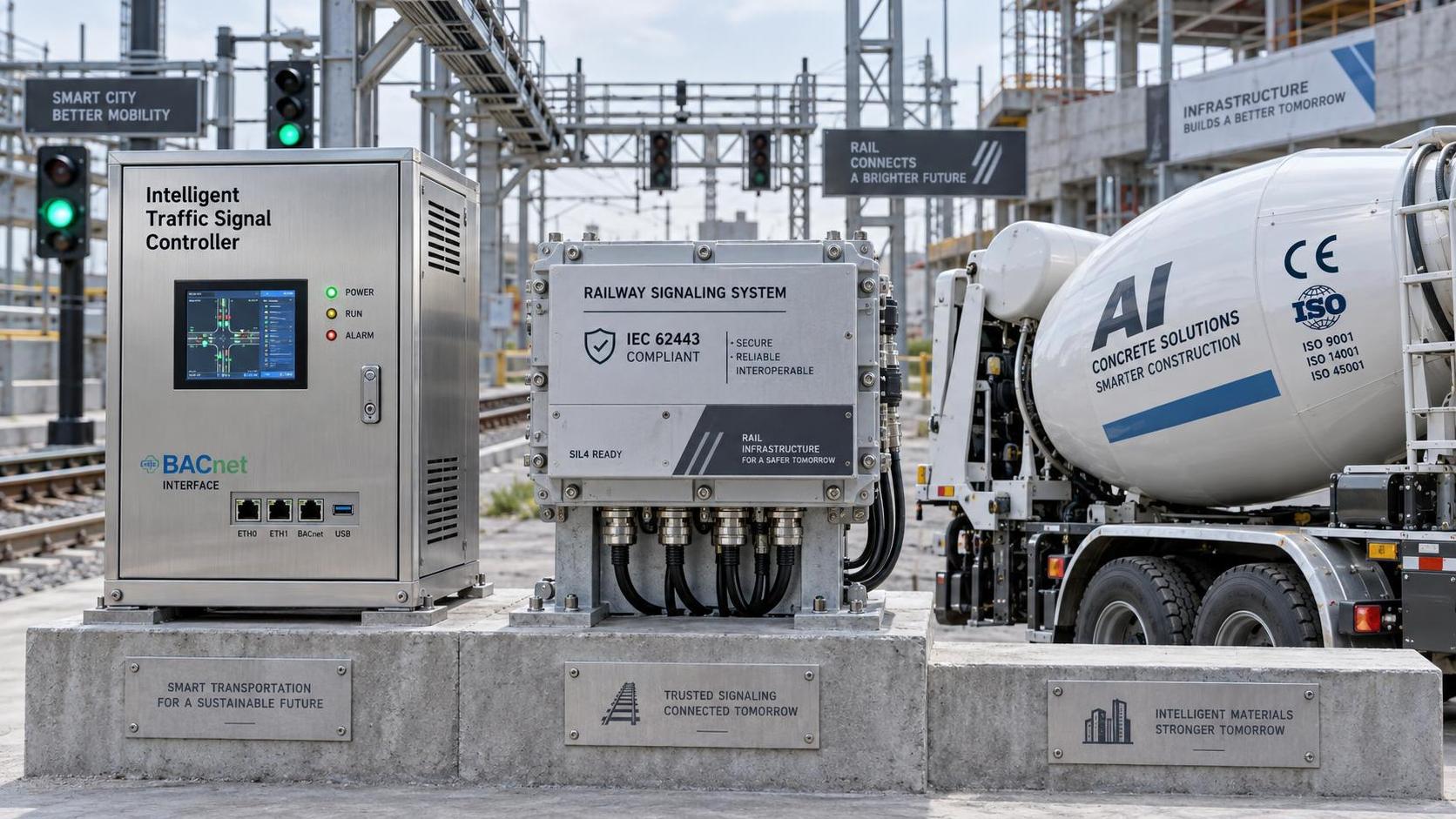
In these environments, green engineering should favor long-life track components, durable signaling housings, lower-loss power systems, and condition monitoring.
The cost benefit often comes from avoided closures rather than direct energy reduction.
This changes how materials and technologies are evaluated.
A recyclable component is useful, but its replacement frequency matters more.
A lower-emission process is attractive, but not if it shortens inspection cycles.
The stronger approach is to compare whole maintenance pathways.
- Check whether access design reduces labor hours during nighttime maintenance.
- Review whether digital monitoring can replace routine intrusive inspections.
- Test whether lower-energy equipment remains stable under vibration, dust, and weather extremes.
- Compare failure consequences, not just unit purchase prices.
In this context, green engineering supports resilience because operational continuity is itself a sustainability outcome.
Mining and heavy equipment call for tougher trade-offs than office-based models suggest
Mining sites and special purpose vehicles face harsher wear profiles, remote logistics, and stricter safety consequences.
That makes green engineering less about visible green features and more about robust efficiency under stress.
For processing facilities, water recirculation, energy recovery, and ventilation optimization can cut recurring costs substantially.
Still, those gains only hold when pipe materials, filtration intervals, and control redundancy fit the actual contamination profile.
On heavy vehicles, lightweight components may reduce fuel burn, yet they must be tested against impact, temperature swings, and repair practicality.
A lower-emission drivetrain can lose its financial case if charging, refueling, or spare-part support remains immature at the site level.
More often than not, the better decision is a phased green engineering pathway.
Start with idle reduction, route optimization, predictive maintenance, and component redesign where data already proves repeatable savings.
Then move toward deeper electrification or circular material strategies once operating stability is confirmed.
Where lifecycle savings are often misread
Several green engineering decisions underperform because the wrong baseline is used.
One frequent error is focusing on capex reduction while ignoring commissioning complexity.
Another is adopting a technology proven in climate-controlled facilities for exposed industrial locations.
There is also a tendency to compare products rather than maintenance ecosystems.
If tools, software, spare parts, and technician skills are mismatched, green engineering benefits erode quickly.
More subtle mistakes appear during retrofit planning.
A theoretically efficient upgrade may trigger downtime, permit revisions, or compatibility issues with legacy controls.
That is why GIUT’s cross-sector perspective matters.
A digital twin mindset helps compare physical performance, maintenance data, and governance constraints in one frame.
A practical way to match green engineering methods to real assets
A useful selection process begins with asset behavior, not with vendor claims.
Map where lifecycle costs actually accumulate across energy, downtime, consumables, labor, and replacement cycles.
Then rank green engineering methods by operational fit.
- Use durable, lower-impact materials where corrosion, fatigue, or abrasion dominate.
- Use digital controls where variable loads create avoidable waste.
- Use modular design where expansion, retrofits, or relocation are likely.
- Use predictive maintenance where shutdown costs exceed sensor and analytics costs.
- Use circular recovery strategies where disposal, transport, or scarce inputs drive long-term expense.
The next step is validation.
Check site conditions, standards compliance, workforce readiness, and data availability before final commitment.
Green engineering delivers the strongest lifecycle result when each method is matched to exposure, usage intensity, and upgrade horizon.
For complex portfolios, it is worth building a simple comparison matrix across cost, risk, maintainability, and carbon impact.
That approach creates a clearer basis for infrastructure decisions that must remain sound long after initial installation.
Get weekly intelligence in your inbox.
No noise. No sponsored content. Pure intelligence.
News Recommendations
 Sep 20, 2026How to evaluate high speed rail systems equipment for reliabilityHow to evaluate high speed rail systems equipment for reliability
 Sep 19, 2026How an electronics application guide helps prevent component mismatchHow an electronics application guide helps prevent component mismatch
 Sep 18, 2026When a resource allocation platform improves project deliveryWhen a resource allocation platform improves project delivery
 Sep 17, 2026What to compare when evaluating mineral processing equipment manufacturersWhat to compare when evaluating mineral processing equipment manufacturers
 Sep 16, 2026How mineral separation optimization can reduce concentrate lossesHow mineral separation optimization can reduce concentrate losses
 Sep 15, 2026How to assess lifecycle costs in urban tech procurementHow to assess lifecycle costs in urban tech procurement
 Sep 14, 2026Heavy industry technology trends reshaping capital investment prioritiesHeavy industry technology trends reshaping capital investment priorities
 Sep 14, 2026When Should You Update Supplier Capability Data? Triggers, Frequency & Audit RequirementsWhen Should You Update Supplier Capability Data? Triggers, Frequency & Audit Requirements
 Sep 14, 2026Supplier Specification vs. Vendor Specification: Key Differences That Impact Procurement ComplianceSupplier Specification vs. Vendor Specification: Key Differences That Impact Procurement Compliance
 Sep 14, 2026How to Compare Vendor Specifications Across Industrial Equipment Categories — A Framework for EngineersHow to Compare Vendor Specifications Across Industrial Equipment Categories — A Framework for Engineers
 Sep 14, 2026Global Industrial Equipment Procurement: How Top OEMs Qualify Suppliers for Mining & Infrastructure ProjectsGlobal Industrial Equipment Procurement: How Top OEMs Qualify Suppliers for Mining & Infrastructure Projects
 Sep 14, 2026Industrial & Mining Equipment Procurement: Balancing Local Sourcing, Lead Time, and Certification RequirementsIndustrial & Mining Equipment Procurement: Balancing Local Sourcing, Lead Time, and Certification Requirements
 Sep 14, 2026Infrastructure & Equipment Upgrades: What Procurement Teams Must Verify Before Signing Off on New ContractsInfrastructure & Equipment Upgrades: What Procurement Teams Must Verify Before Signing Off on New Contracts
 Sep 14, 2026Why Infrastructure Equipment Buyers Are Shifting from Catalog-Based to Capability-Based Supplier SelectionWhy Infrastructure Equipment Buyers Are Shifting from Catalog-Based to Capability-Based Supplier Selection
 Sep 14, 2026Process Automation Project Execution: How to Align Supplier Capabilities with PLC Integration, Cybersecurity & Commissioning MilestonesProcess Automation Project Execution: How to Align Supplier Capabilities with PLC Integration, Cybersecurity & Commissioning Milestones
 Sep 14, 2026Are intelligent traffic systems worth the investment for small cities?Are intelligent traffic systems worth the investment for small cities?
 Sep 14, 2026How do intelligent traffic systems handle sensor failures?How do intelligent traffic systems handle sensor failures?
 Sep 14, 2026What should I check before accepting a smart building system?What should I check before accepting a smart building system?
 Sep 14, 2026Is a smart building system worth the maintenance cost?Is a smart building system worth the maintenance cost?
 Sep 14, 2026What data is needed for reliable resource allocation planning?What data is needed for reliable resource allocation planning?
 Sep 14, 2026How can resource allocation software reduce equipment idle time?How can resource allocation software reduce equipment idle time?
 Sep 14, 2026How should smart devices be maintained in harsh outdoor conditions?How should smart devices be maintained in harsh outdoor conditions?
 Sep 14, 2026Do smart devices improve worker safety on construction sites?Do smart devices improve worker safety on construction sites?
 Sep 14, 2026What environmental risks must be assessed before deep-sea mining?What environmental risks must be assessed before deep-sea mining?
 Sep 14, 2026Is deep-sea mining equipment commercially viable in 2026?Is deep-sea mining equipment commercially viable in 2026?
 Sep 14, 2026What Inspection Checks Should Procurement Teams Perform Before Ordering Dredging Equipment in 2026?What Inspection Checks Should Procurement Teams Perform Before Ordering Dredging Equipment in 2026?
 Sep 13, 2026How to verify an industrial product information source before specifying equipmentHow to verify an industrial product information source before specifying equipment