2026 Global Infrastructure Trends Shaping Project Investment
Global infrastructure in 2026 is no longer judged only by how fast a project can be built. Capital is moving toward assets that can withstand shocks, support digital operations, and meet tighter sustainability rules over a long operating life. For project investors and financial approvers, that shift changes the way value is measured, risks are priced, and timelines are approved.
Why 2026 matters for global infrastructure
The current cycle is shaped by three forces that increasingly overlap: resilience, digitalization, and decarbonization. Each one affects both the upfront capex decision and the long-term performance of the asset.
That is why global infrastructure has become a board-level topic, not just an engineering one. A bridge, rail corridor, utility network, or industrial park now carries financial exposure tied to climate events, maintenance intensity, labor availability, and data readiness.
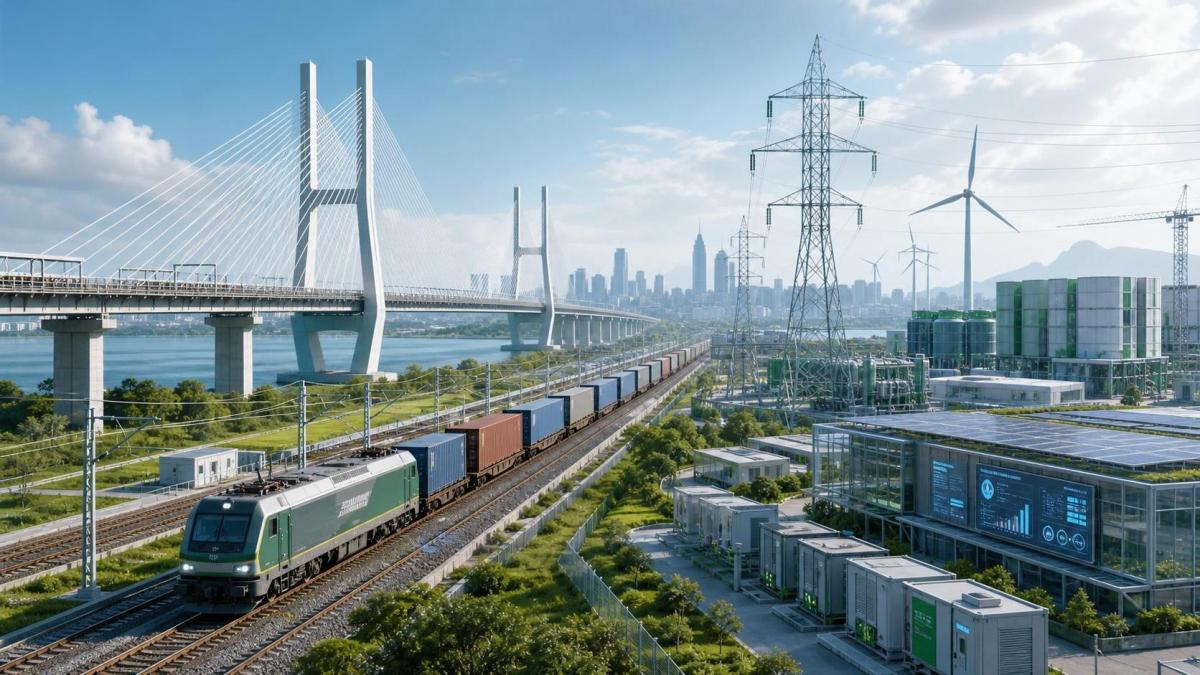
GIUT’s perspective is useful here because it links physical assets with digital governance. Its focus on construction, smart buildings, urban tech, mining, railway systems, and special purpose equipment reflects how global infrastructure is being redefined across sectors rather than treated as a single asset class.
The main investment signals to watch
The first signal is resilience design. Projects with flood protection, redundant power, adaptive drainage, or seismic tolerance are drawing stronger interest because they reduce future disruption costs. In practical terms, resilience is becoming a financial filter, not an optional upgrade.
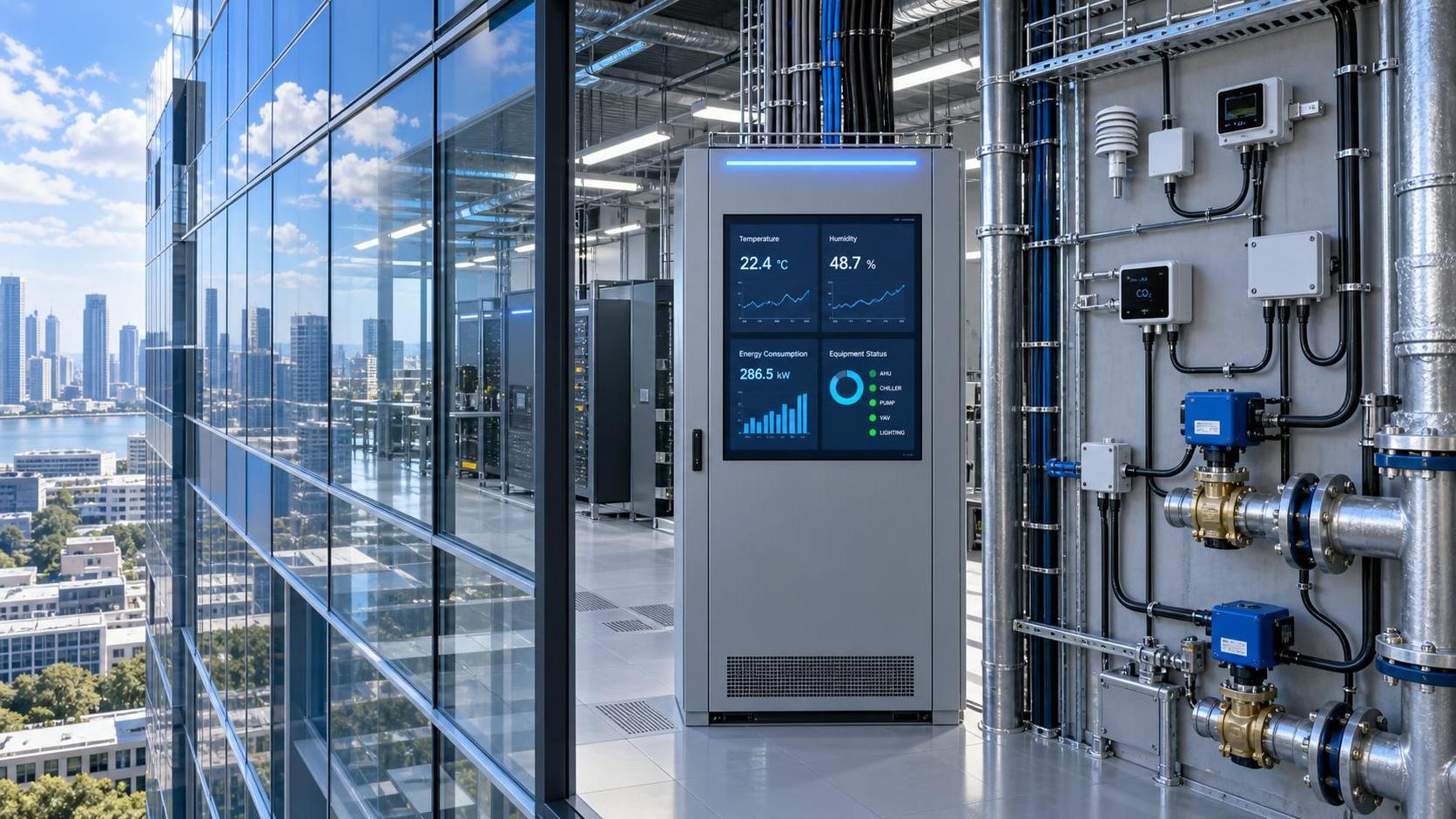
The second signal is digital operability. Smart grids, traffic control systems, connected maintenance tools, and digital twin workflows are changing how assets are monitored and optimized. When data can predict failure earlier, lifecycle costs become more visible and easier to defend in an approval memo.
The third signal is carbon accountability. Low-carbon materials, electrified equipment, prefabrication, and efficient logistics are moving from sustainability language into investment criteria. For global infrastructure, this matters because future financing terms are increasingly tied to compliance, reporting, and performance metrics.
Where these trends show up fastest
- Urban projects that need smart mobility, water control, and grid stability.
- Transport corridors where reliability and maintenance planning drive returns.
- Industrial and mining assets where safety, automation, and energy intensity shape margins.
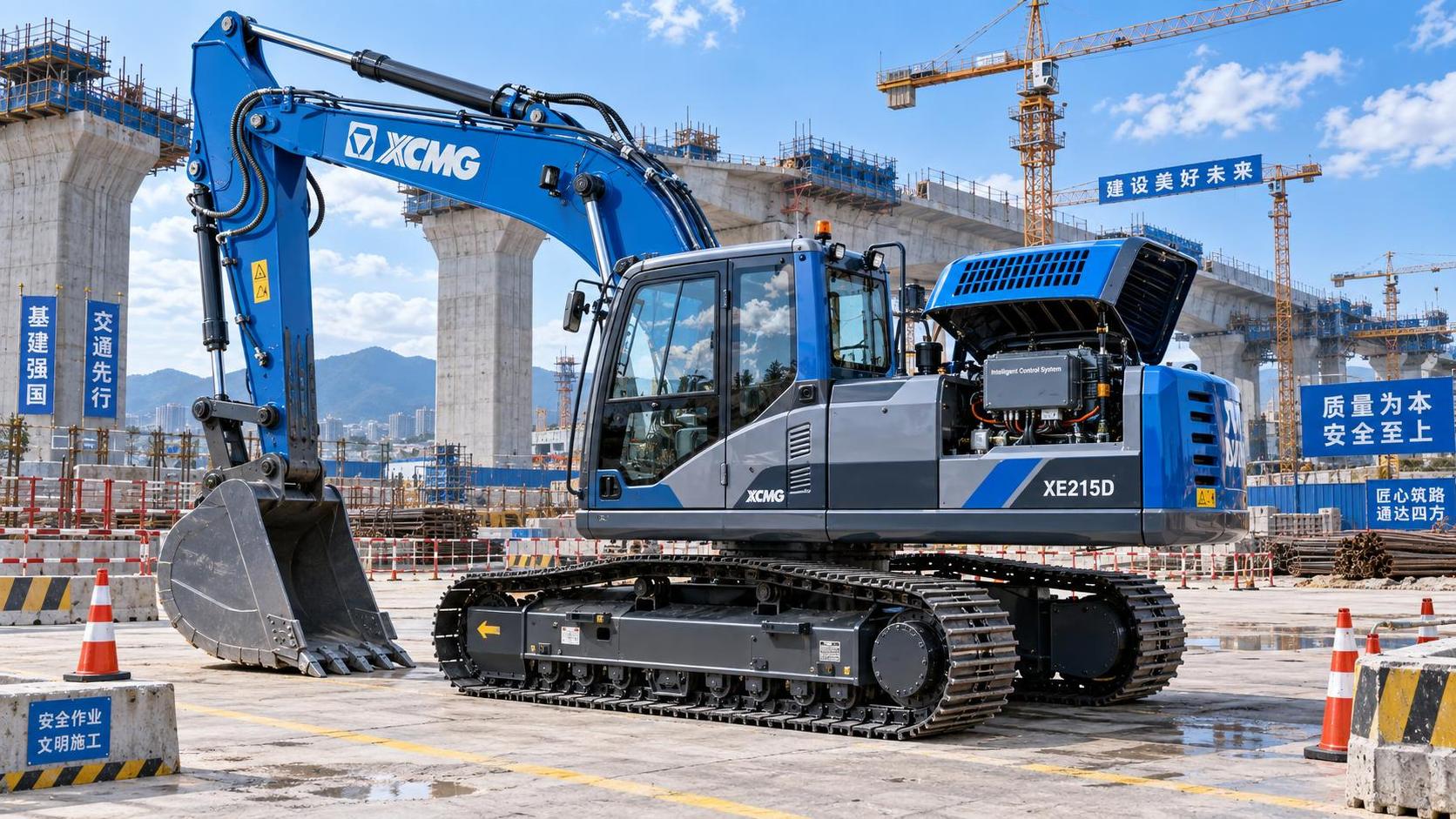
- Construction programs that benefit from prefabrication and site digitization.
How financial decisions are changing
In earlier cycles, approval often centered on build cost and demand forecast. Today, that is not enough. Global infrastructure projects need to be reviewed through total lifecycle value, exposure to regulation, operating complexity, and resilience under stress.
This is where GIUT’s “digital twin” thinking becomes relevant. A digital twin mindset helps teams compare scenarios before capital is committed. It can test operating assumptions, maintenance frequency, resource demand, and response to climate or traffic pressure.
For high-value projects, the most useful question is not only “Can it be built?” but “Can it be operated predictably, upgraded cheaply, and defended financially over time?” That shift is especially important in global infrastructure, where funding horizons are long and policy environments can change quickly.
Sector patterns that deserve closer attention
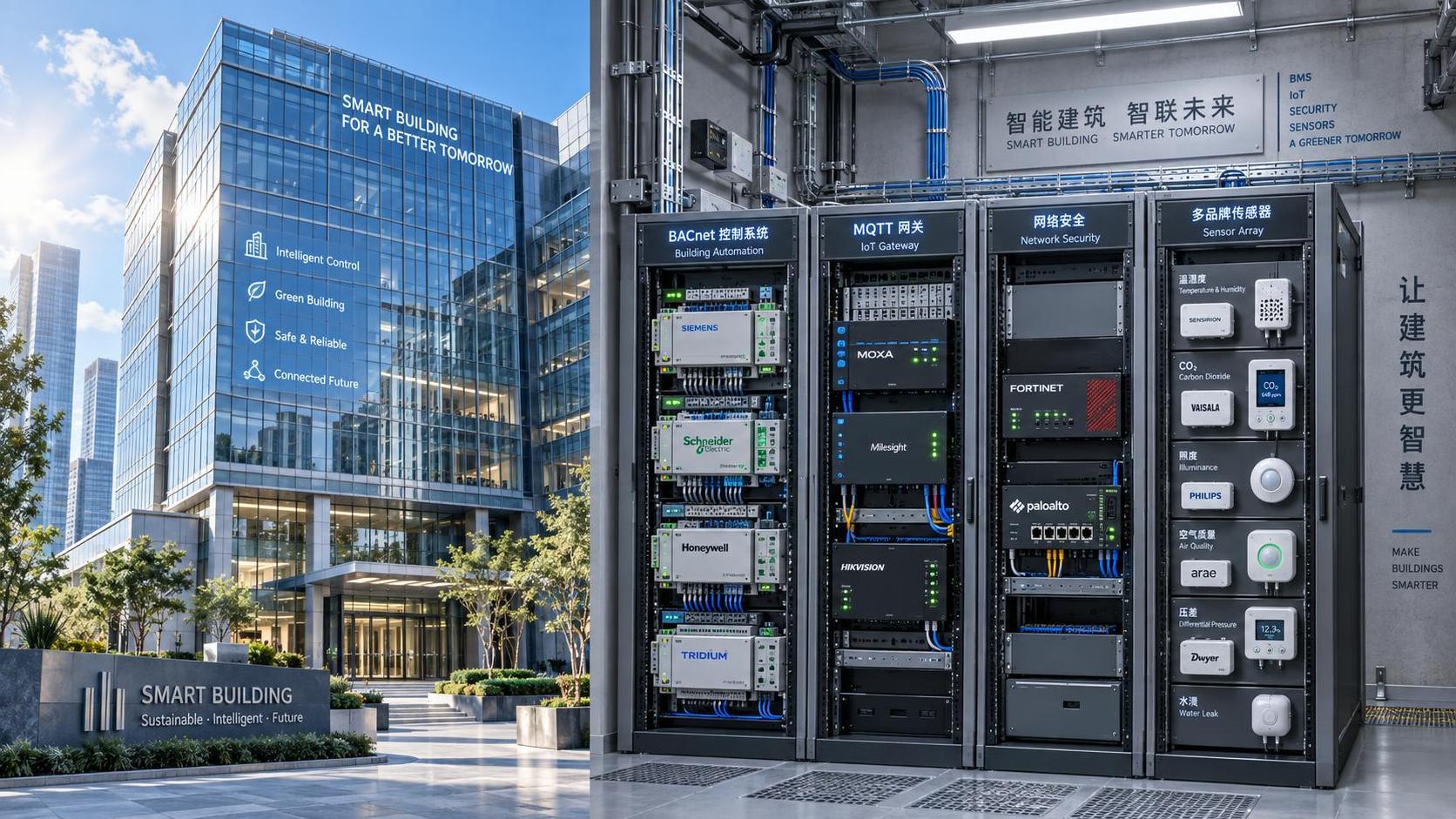
Construction and smart building programs are moving toward prefabrication, modular delivery, and site-level digital monitoring. These changes reduce delays and waste, which makes cost control more credible.
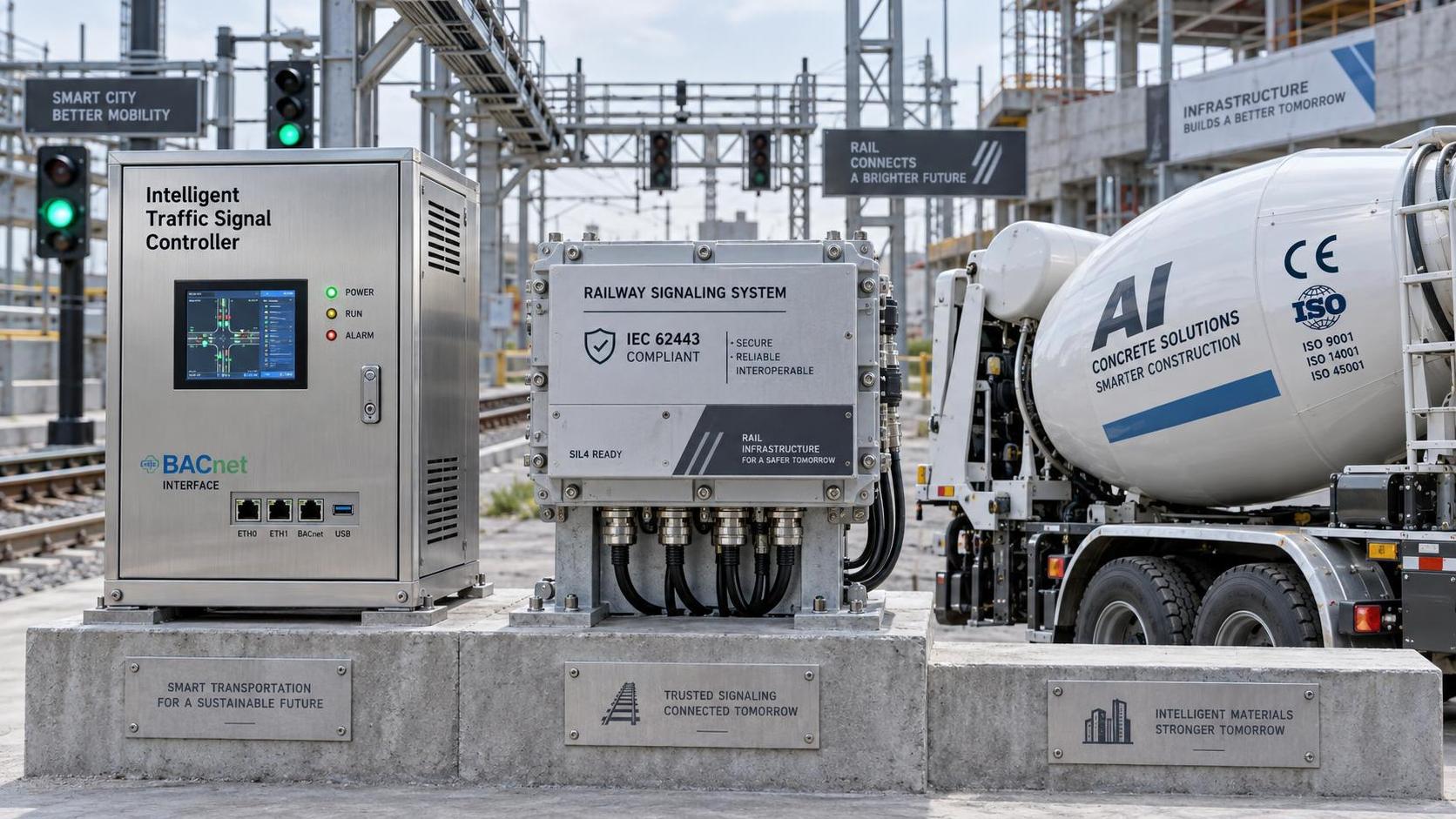
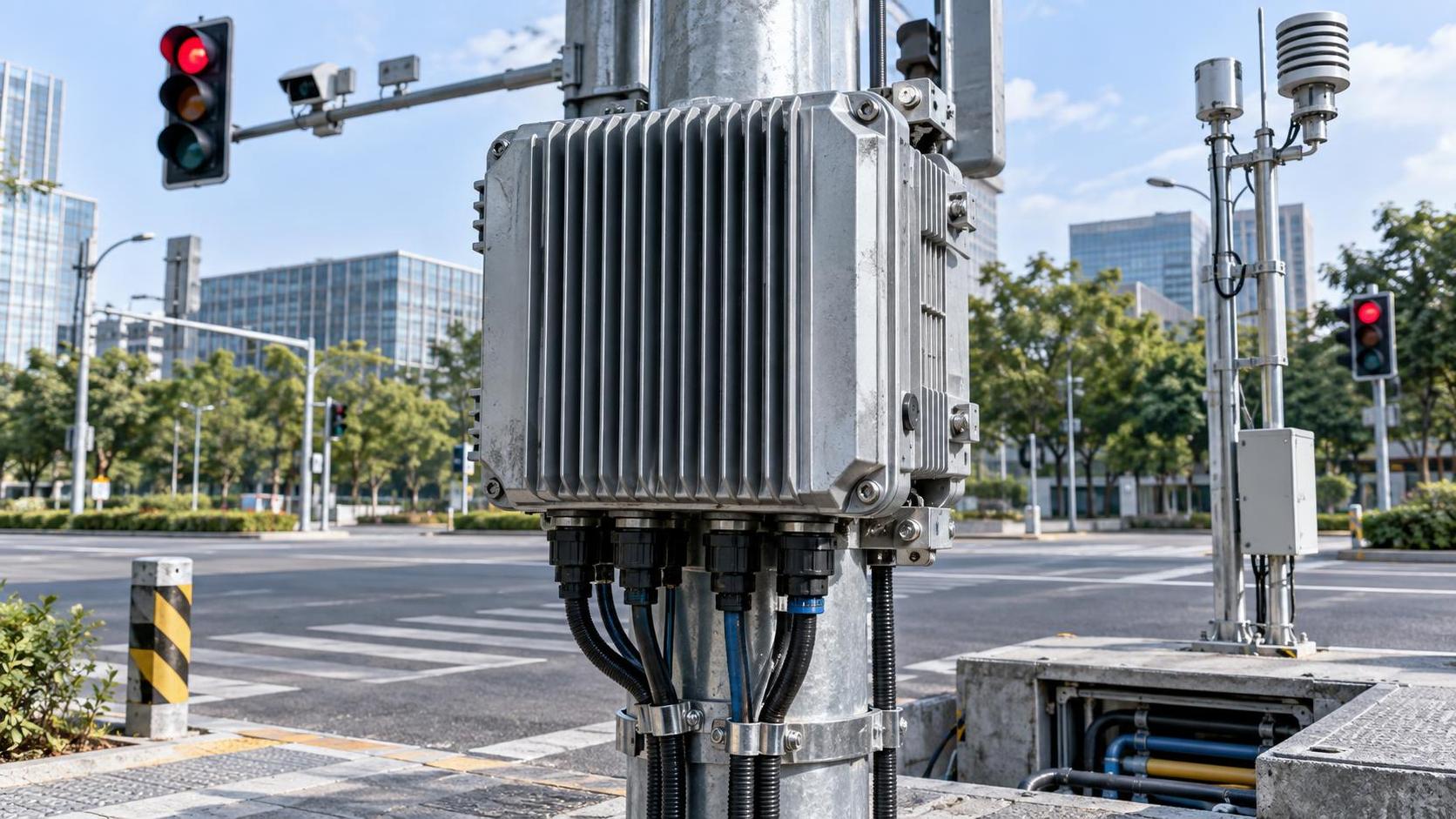
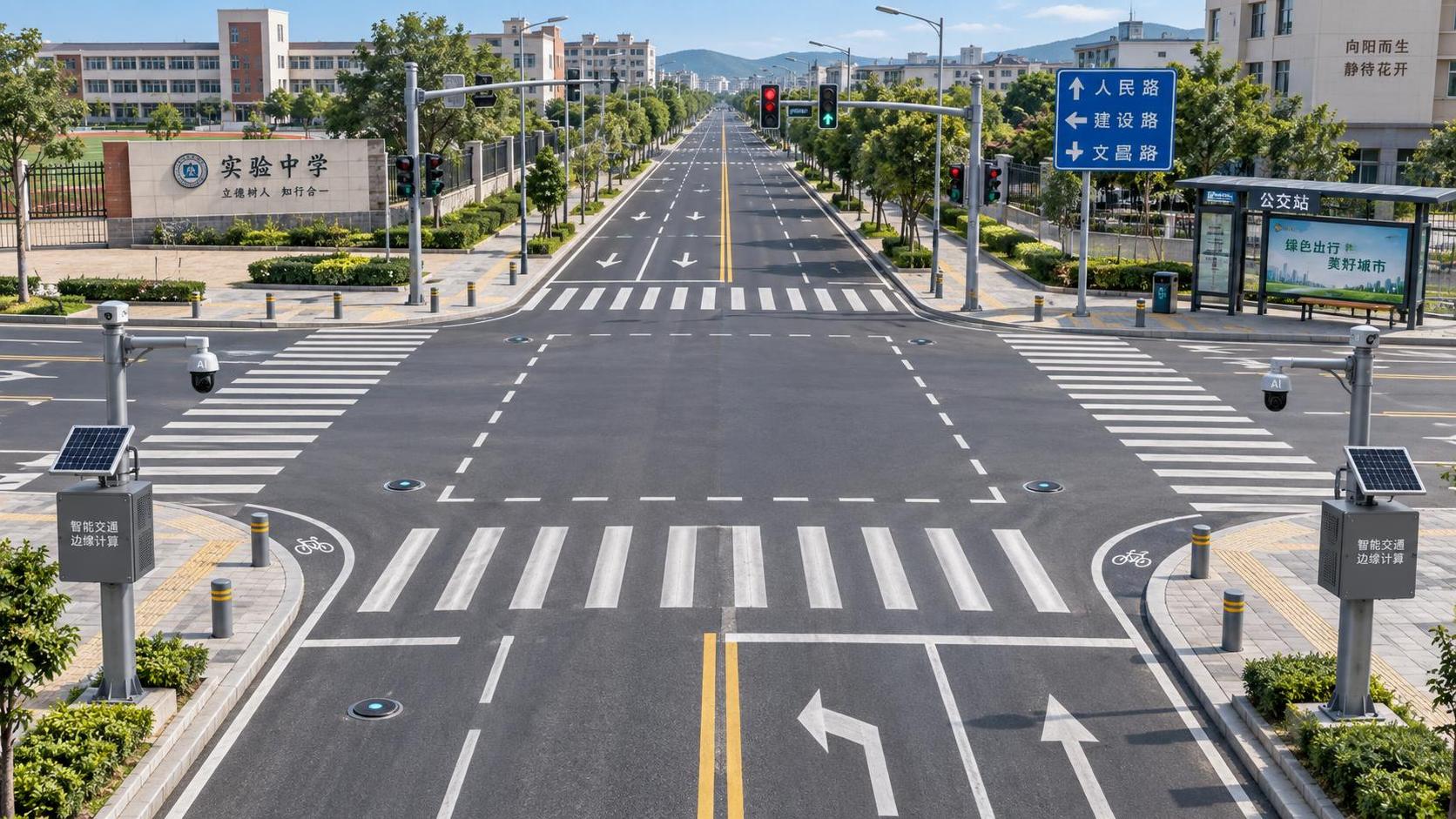
Urban tech projects are increasingly tied to public service reliability. Smart grids, traffic systems, and automated waste operations may not look glamorous, but they directly affect city efficiency and operating expenditure.
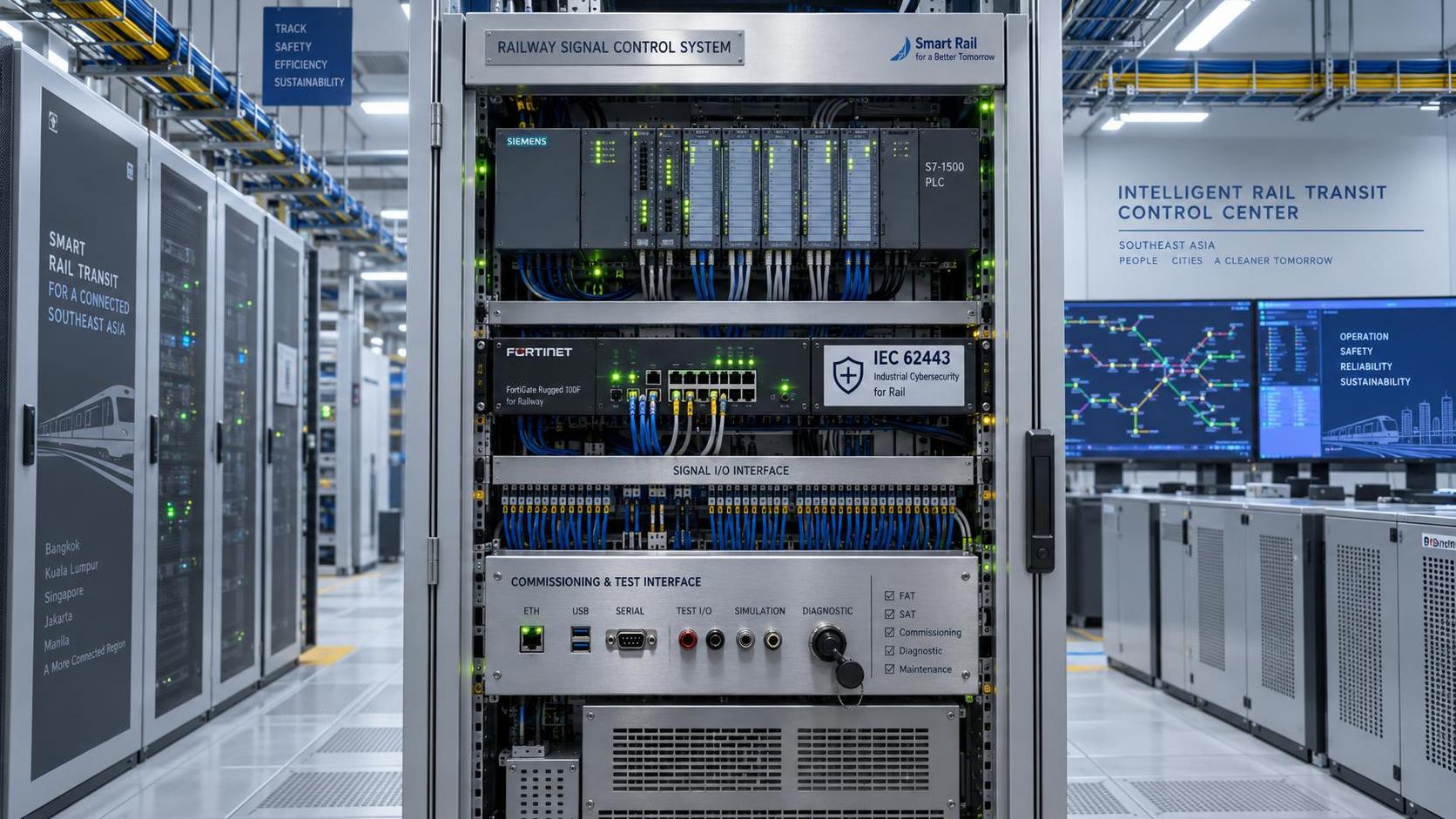
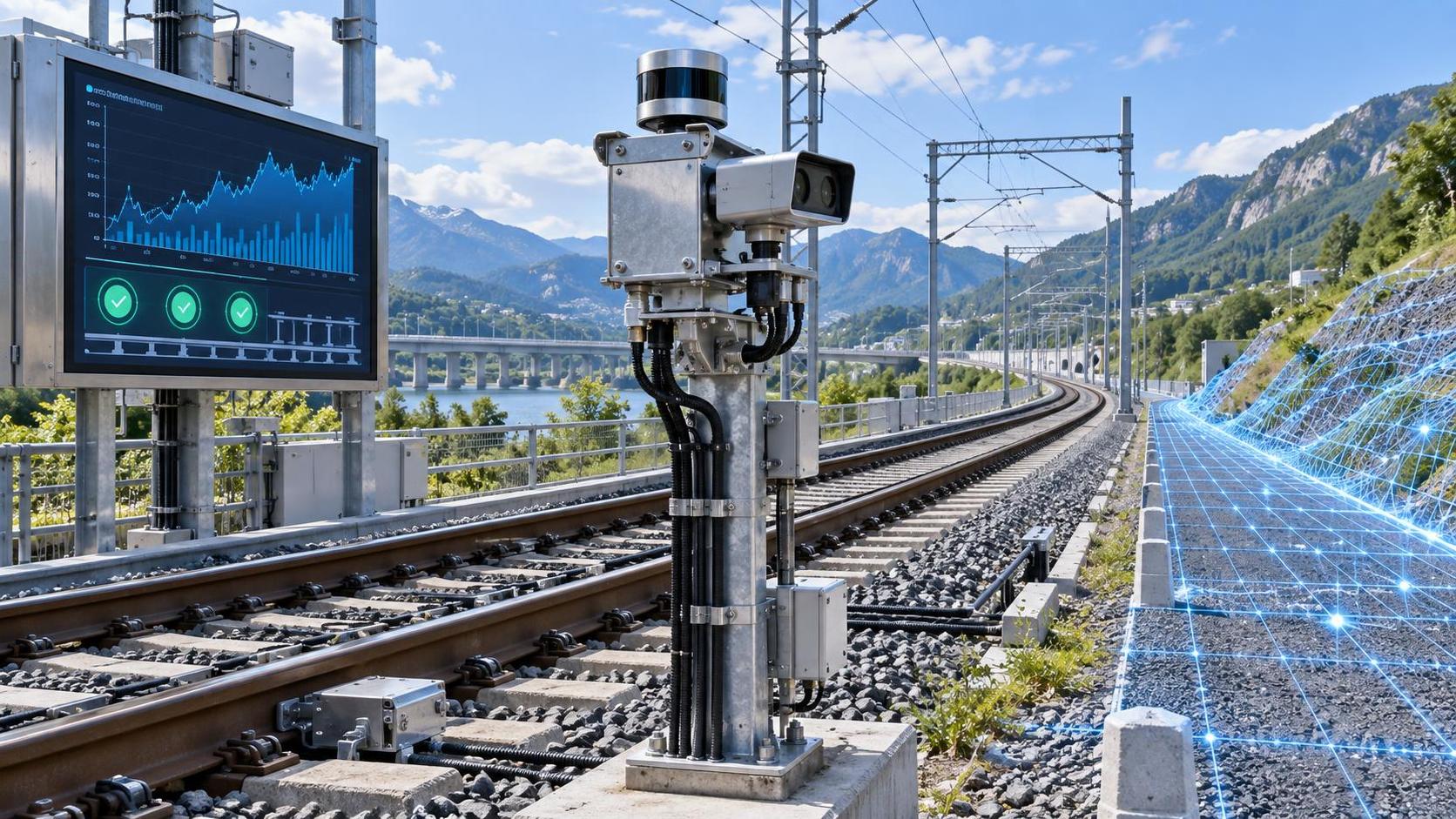
Railway and logistics assets remain attractive because they support trade, labor mobility, and regional integration. Yet they also demand strong signaling, maintenance discipline, and upgrade planning, especially when capacity is pushed by growth.
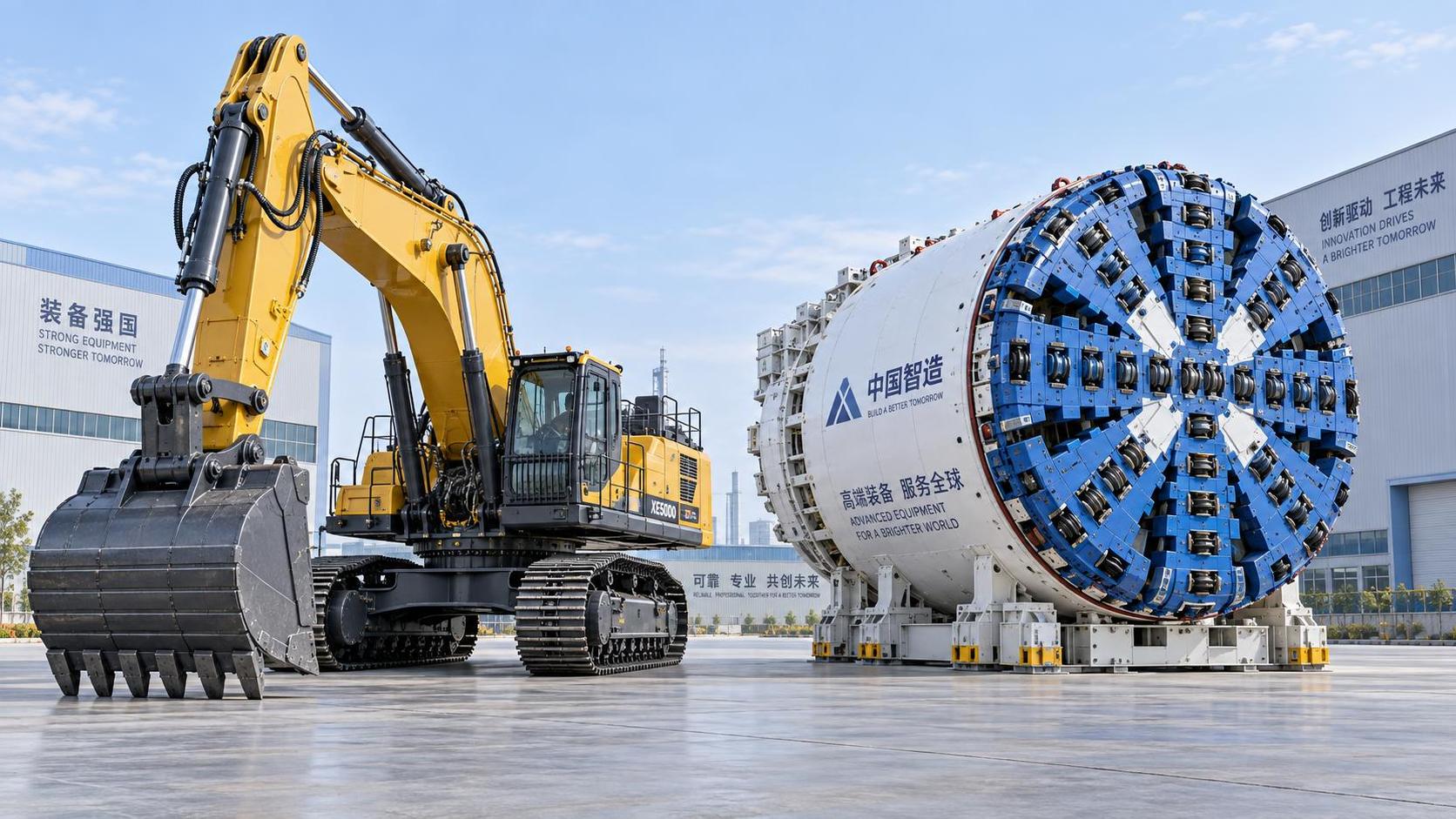
Mining and resource technology adds another layer. Safety systems, extraction efficiency, and electrified heavy equipment influence both social license and operating stability. In global infrastructure portfolios, this segment can be decisive when commodity cycles and energy costs move together.
What good judgment looks like in practice
The strongest approvals usually come from projects that connect strategic need with measurable operating logic. That means a clear use case, a realistic delivery path, and a credible plan for data, maintenance, and energy performance.
A useful review process often starts with three checks. Is the asset essential enough to justify long capital lock-in? Can digital systems reduce lifecycle risk? Will the design remain compliant as sustainability rules tighten?
GIUT’s industry matrix helps frame this review across multiple layers of global infrastructure. A single investment may touch construction methods, city systems, logistics networks, and equipment modernization at once. That interconnected view is increasingly important because weak links often appear outside the main asset itself.
A practical way to move forward
The most effective next step is to build a decision framework that compares projects on resilience, digital readiness, sustainability, and long-term return quality. That approach helps separate headline ambition from investable infrastructure.
For teams tracking global infrastructure in 2026, the real task is not predicting every macro shift. It is identifying which projects can absorb change, generate stable value, and remain relevant as cities, transport systems, and industrial networks become more intelligent.
If the goal is to make stronger capital decisions, start by comparing asset classes through lifecycle exposure rather than build cost alone. That is where the next round of value will be found.
Get weekly intelligence in your inbox.
No noise. No sponsored content. Pure intelligence.
News Recommendations
 Sep 19, 2026How an electronics application guide helps prevent component mismatchHow an electronics application guide helps prevent component mismatch
 Sep 18, 2026When a resource allocation platform improves project deliveryWhen a resource allocation platform improves project delivery
 Sep 17, 2026What to compare when evaluating mineral processing equipment manufacturersWhat to compare when evaluating mineral processing equipment manufacturers
 Sep 16, 2026How mineral separation optimization can reduce concentrate lossesHow mineral separation optimization can reduce concentrate losses
 Sep 15, 2026How to assess lifecycle costs in urban tech procurementHow to assess lifecycle costs in urban tech procurement
 Sep 14, 2026Heavy industry technology trends reshaping capital investment prioritiesHeavy industry technology trends reshaping capital investment priorities
 Sep 14, 2026Global Industrial Equipment Procurement: How Top OEMs Qualify Suppliers for Mining & Infrastructure ProjectsGlobal Industrial Equipment Procurement: How Top OEMs Qualify Suppliers for Mining & Infrastructure Projects
 Sep 14, 2026Industrial & Mining Equipment Procurement: Balancing Local Sourcing, Lead Time, and Certification RequirementsIndustrial & Mining Equipment Procurement: Balancing Local Sourcing, Lead Time, and Certification Requirements
 Sep 14, 2026Infrastructure & Equipment Upgrades: What Procurement Teams Must Verify Before Signing Off on New ContractsInfrastructure & Equipment Upgrades: What Procurement Teams Must Verify Before Signing Off on New Contracts
 Sep 14, 2026Why Infrastructure Equipment Buyers Are Shifting from Catalog-Based to Capability-Based Supplier SelectionWhy Infrastructure Equipment Buyers Are Shifting from Catalog-Based to Capability-Based Supplier Selection
 Sep 14, 2026Process Automation Project Execution: How to Align Supplier Capabilities with PLC Integration, Cybersecurity & Commissioning MilestonesProcess Automation Project Execution: How to Align Supplier Capabilities with PLC Integration, Cybersecurity & Commissioning Milestones
 Sep 14, 2026Are intelligent traffic systems worth the investment for small cities?Are intelligent traffic systems worth the investment for small cities?
 Sep 14, 2026How do intelligent traffic systems handle sensor failures?How do intelligent traffic systems handle sensor failures?
 Sep 14, 2026What should I check before accepting a smart building system?What should I check before accepting a smart building system?
 Sep 14, 2026Is a smart building system worth the maintenance cost?Is a smart building system worth the maintenance cost?
 Sep 14, 2026What data is needed for reliable resource allocation planning?What data is needed for reliable resource allocation planning?
 Sep 14, 2026How can resource allocation software reduce equipment idle time?How can resource allocation software reduce equipment idle time?
 Sep 14, 2026How should smart devices be maintained in harsh outdoor conditions?How should smart devices be maintained in harsh outdoor conditions?
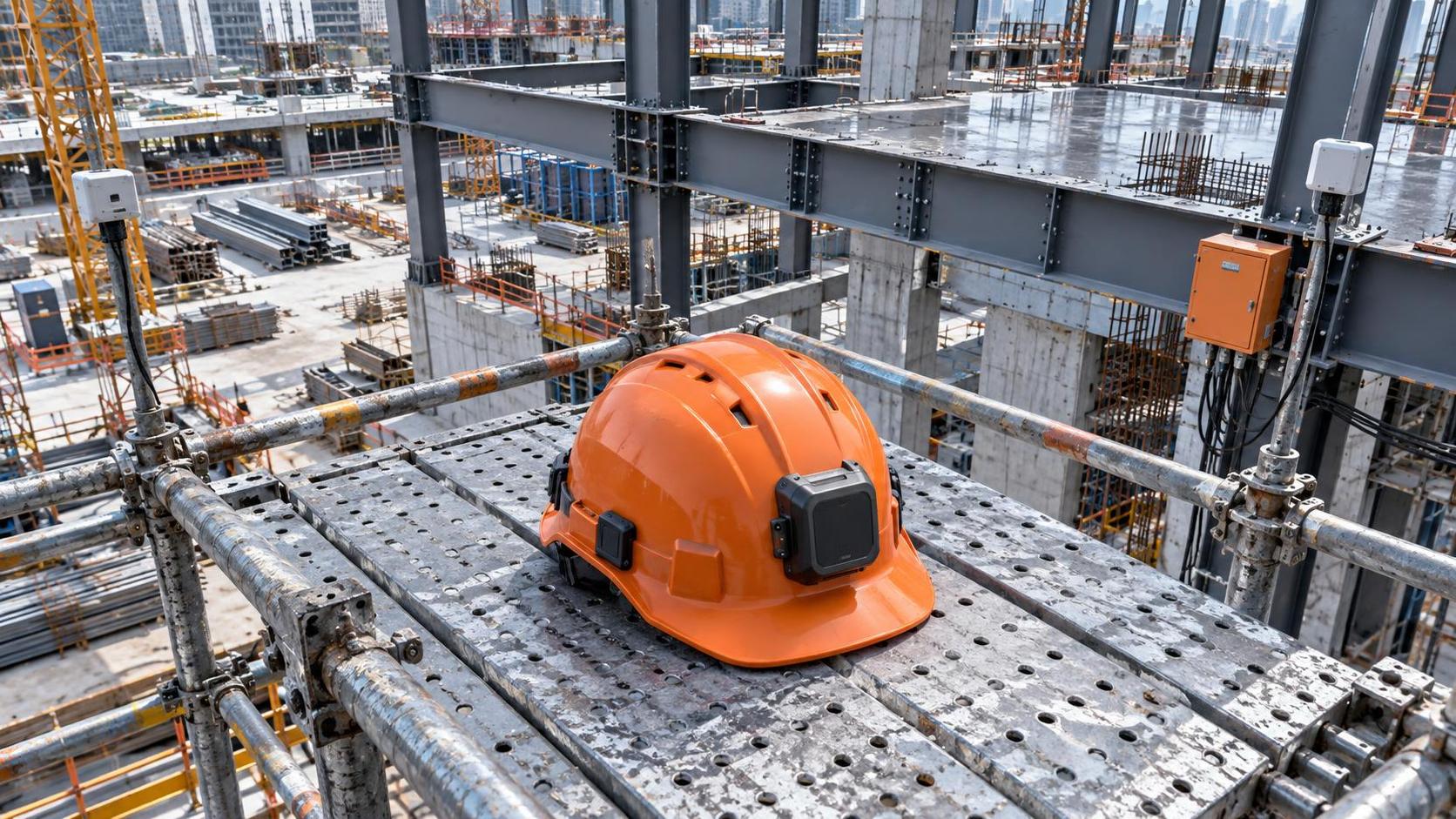
 Sep 14, 2026Do smart devices improve worker safety on construction sites?Do smart devices improve worker safety on construction sites?
 Sep 14, 2026What environmental risks must be assessed before deep-sea mining?What environmental risks must be assessed before deep-sea mining?
 Sep 14, 2026Is deep-sea mining equipment commercially viable in 2026?Is deep-sea mining equipment commercially viable in 2026?
 Sep 14, 2026What Inspection Checks Should Procurement Teams Perform Before Ordering Dredging Equipment in 2026?What Inspection Checks Should Procurement Teams Perform Before Ordering Dredging Equipment in 2026?
 Sep 13, 2026How to verify an industrial product information source before specifying equipmentHow to verify an industrial product information source before specifying equipment
 Sep 12, 2026Which intelligent traffic systems hardware fits an urban intersection?Which intelligent traffic systems hardware fits an urban intersection?
 Sep 11, 2026How pump capacity affects response coverage for municipal fire fighting vehiclesHow pump capacity affects response coverage for municipal fire fighting vehicles
 Sep 10, 2026What to verify before choosing a heavy industry equipment supplierWhat to verify before choosing a heavy industry equipment supplier
 Sep 09, 2026When do adaptive urban traffic control systems reduce corridor delays?When do adaptive urban traffic control systems reduce corridor delays?