Special Purpose Vehicles: Compliance Checks Before Fleet Deployment
Before any unit joins an operational fleet, compliance is more than paperwork. For special purpose vehicles, it is the point where legal approval, mechanical integrity, and real-world readiness must meet.
That matters across construction, urban services, mining logistics, rail support, and emergency response. A vehicle may look complete on delivery, yet still carry hidden deployment risks.
In practice, pre-deployment checks help prevent unsafe road use, failed inspections, downtime, insurance disputes, and avoidable repair costs. They also create a reliable baseline for future maintenance and asset control.
For organizations operating in increasingly data-driven infrastructure systems, the question is not whether to inspect, but how to inspect with enough depth to support safe, lawful fleet deployment.
Why special purpose vehicles demand closer scrutiny

Special purpose vehicles differ from standard trucks because their value comes from a dedicated function. That function often adds complexity through mounted equipment, hydraulic systems, control modules, or unusual load behavior.
A fire truck, crane carrier, concrete mixer, sewer jetting unit, or airport support vehicle may share a road chassis. Still, each operates under a distinct risk profile.
That is why compliance checks cannot stop at registration and a quick walk-around. The body build, auxiliary systems, and operating envelope must be reviewed as one integrated machine.
This integrated view aligns with the GIUT perspective on infrastructure intelligence. Physical assets increasingly function inside wider urban, industrial, and logistics networks, so isolated inspection habits no longer match operational reality.
What compliance means before fleet deployment
For special purpose vehicles, compliance usually combines three layers. The first is regulatory conformity. The second is mechanical and electrical safety. The third is operational suitability for the assigned task.
A vehicle may satisfy one layer and still fail another. For example, road registration may be valid, while stabilizers, pump systems, warning devices, or operator interlocks remain unverified.
This is why deployment approval should be treated as a release decision, not a delivery milestone. The vehicle enters service only after documented evidence supports its intended use conditions.
Core documents that should match the actual unit
Documentation checks sound basic, but they regularly expose costly issues. Model codes, VIN records, axle ratings, body-builder certificates, and emissions classification must be consistent across every record.
Attention is also needed for operator manuals, maintenance intervals, calibration records, and proof of inspection for mounted systems. Missing or mismatched documents often signal deeper control gaps.
- Vehicle registration, title, and conformity certificates
- Body-build approval and equipment integration records
- Load charts, rated capacity labels, and safety decals
- Service logs, inspection reports, and warranty status
- Software, telematics, or control system configuration records
Mechanical checkpoints that should never be rushed
Mechanical review is where many deployment failures can be prevented early. Special purpose vehicles often spend long periods idling, working off-road, or carrying uneven dynamic loads.
That makes braking performance, steering response, tire condition, suspension stability, and frame integrity especially important. Any issue in these areas can be amplified by mounted equipment.
Hydraulic lines, PTO systems, pressure seals, outriggers, ladders, booms, tanks, mixers, and hose assemblies also need close visual and functional inspection. Small leaks or delayed actuation should not be treated as minor.
Priority inspection areas
Operational readiness goes beyond a pass or fail label
A compliant vehicle still needs to prove that it can perform safely in its assigned environment. Road legality does not automatically equal site readiness, tunnel readiness, rail corridor readiness, or airport readiness.
That distinction is increasingly important in smart infrastructure systems. GIUT has consistently highlighted how connected urban operations depend on predictable field assets, not just technically approved equipment.
For special purpose vehicles, readiness checks should include route limits, turning radius, clearance height, noise rules, emission restrictions, fueling compatibility, and communication system integration.
Typical deployment scenarios
- Urban response fleets need visibility systems, warning compliance, and reliable low-speed maneuvering.
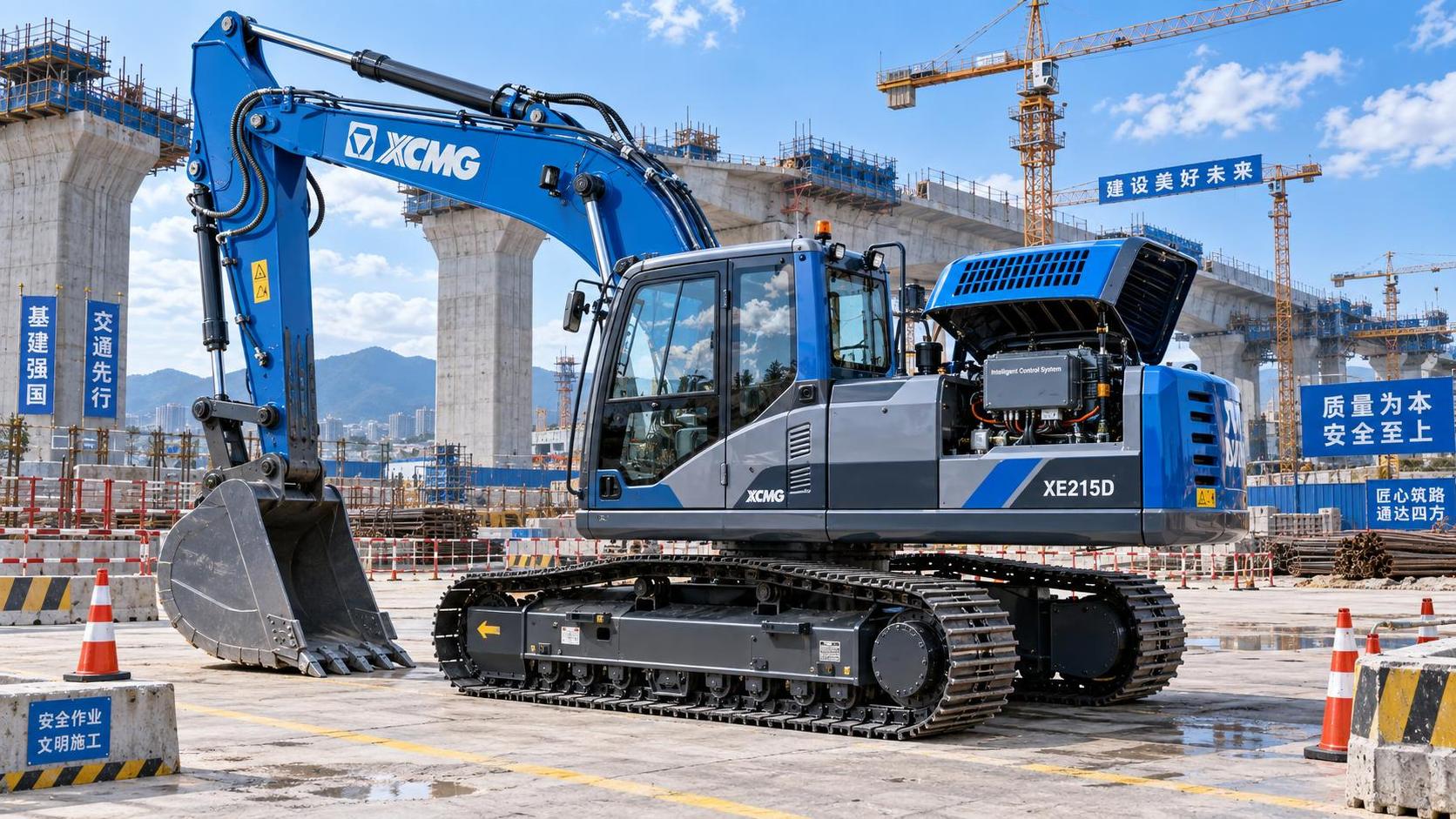
- Construction support fleets need stable loading behavior, site access suitability, and daily inspection discipline.
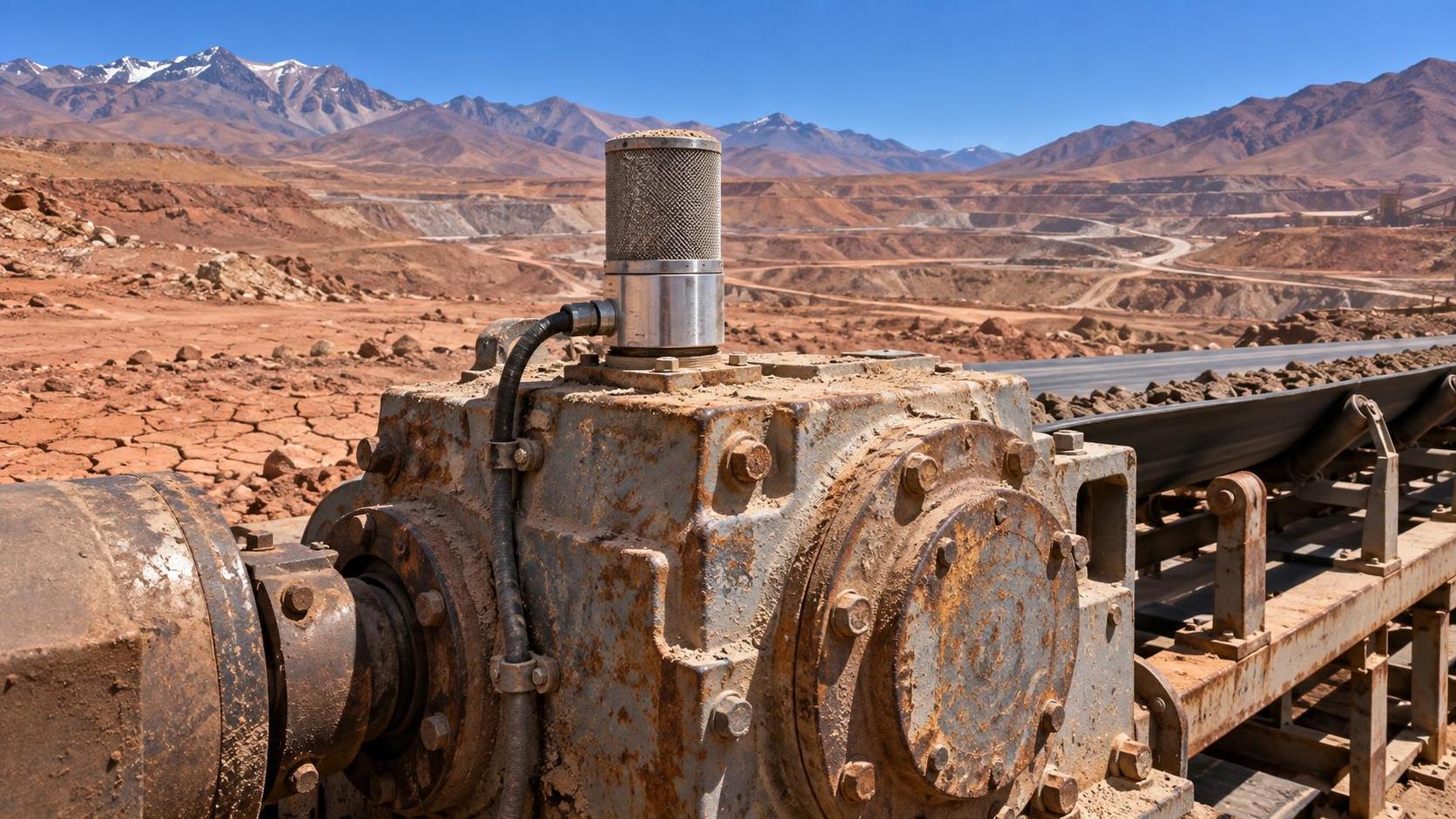
- Mining and resource units need stronger checks on dust sealing, cooling performance, and harsh-duty wear points.
- Railway service vehicles need compatibility with access constraints, signaling protocols, and corridor safety rules.
Control systems, data, and human factors
Modern special purpose vehicles increasingly include sensors, telematics, cameras, load monitoring, and electronic safety interlocks. These features improve control, but they also create new compliance points.
Software versions, alert logic, calibration status, and data connectivity should be checked before deployment. A disabled camera, inaccurate load sensor, or misconfigured alarm can undermine an otherwise sound vehicle.
Operator readiness belongs in the same conversation. Familiarity with emergency stop locations, stabilization sequences, load limits, and shutdown procedures should be verified, not assumed.
In real operations, many incidents begin with a small disconnect between machine capability, site conditions, and human decision-making. Pre-deployment review is the best time to close that gap.
A practical framework for release decisions
The most effective release process is usually simple, repeatable, and evidence-based. It should help teams judge whether special purpose vehicles are ready now, need correction, or require restricted deployment.
A useful approach is to combine document review, physical inspection, functional testing, and approval sign-off within one controlled workflow. That reduces gaps between departments and improves traceability.
What the release workflow should answer
- Is the vehicle legally configured for its operating region?
- Do the chassis and mounted systems meet rated performance?
- Are load, access, and clearance limits fully understood?
- Do control systems, alarms, and telematics function correctly?
- Is there documented evidence for safe entry into service?
Where fleets are expanding across cities or project regions, this framework also supports benchmarking. It becomes easier to compare vehicle classes, spot recurring faults, and refine procurement specifications.
What to watch next
Compliance for special purpose vehicles is moving toward deeper integration with lifecycle data. Inspection records, maintenance history, real-time diagnostics, and site risk profiles are starting to inform each other.
That shift matters for organizations balancing uptime, public safety, and sustainability targets. Better release checks support lower failure rates, smarter maintenance timing, and more transparent asset governance.
The next step is to review current deployment criteria against actual operating conditions. If the checklist only confirms basic legality, it is probably missing the operational detail that special purpose vehicles require.
A stronger process starts with clear inspection priorities, verified records, and scenario-based testing. From there, fleet decisions become less reactive and far more resilient.
Get weekly intelligence in your inbox.
No noise. No sponsored content. Pure intelligence.
News Recommendations
 Sep 20, 2026How to evaluate high speed rail systems equipment for reliabilityHow to evaluate high speed rail systems equipment for reliability
 Sep 19, 2026How an electronics application guide helps prevent component mismatchHow an electronics application guide helps prevent component mismatch
 Sep 18, 2026When a resource allocation platform improves project deliveryWhen a resource allocation platform improves project delivery
 Sep 17, 2026What to compare when evaluating mineral processing equipment manufacturersWhat to compare when evaluating mineral processing equipment manufacturers
 Sep 16, 2026How mineral separation optimization can reduce concentrate lossesHow mineral separation optimization can reduce concentrate losses
 Sep 15, 2026How to assess lifecycle costs in urban tech procurementHow to assess lifecycle costs in urban tech procurement
 Sep 14, 2026Heavy industry technology trends reshaping capital investment prioritiesHeavy industry technology trends reshaping capital investment priorities
 Sep 14, 2026When Should You Update Supplier Capability Data? Triggers, Frequency & Audit RequirementsWhen Should You Update Supplier Capability Data? Triggers, Frequency & Audit Requirements
 Sep 14, 2026Supplier Specification vs. Vendor Specification: Key Differences That Impact Procurement ComplianceSupplier Specification vs. Vendor Specification: Key Differences That Impact Procurement Compliance
 Sep 14, 2026How to Compare Vendor Specifications Across Industrial Equipment Categories — A Framework for EngineersHow to Compare Vendor Specifications Across Industrial Equipment Categories — A Framework for Engineers
 Sep 14, 2026Global Industrial Equipment Procurement: How Top OEMs Qualify Suppliers for Mining & Infrastructure ProjectsGlobal Industrial Equipment Procurement: How Top OEMs Qualify Suppliers for Mining & Infrastructure Projects
 Sep 14, 2026Industrial & Mining Equipment Procurement: Balancing Local Sourcing, Lead Time, and Certification RequirementsIndustrial & Mining Equipment Procurement: Balancing Local Sourcing, Lead Time, and Certification Requirements
 Sep 14, 2026Infrastructure & Equipment Upgrades: What Procurement Teams Must Verify Before Signing Off on New ContractsInfrastructure & Equipment Upgrades: What Procurement Teams Must Verify Before Signing Off on New Contracts
 Sep 14, 2026Why Infrastructure Equipment Buyers Are Shifting from Catalog-Based to Capability-Based Supplier SelectionWhy Infrastructure Equipment Buyers Are Shifting from Catalog-Based to Capability-Based Supplier Selection
 Sep 14, 2026Process Automation Project Execution: How to Align Supplier Capabilities with PLC Integration, Cybersecurity & Commissioning MilestonesProcess Automation Project Execution: How to Align Supplier Capabilities with PLC Integration, Cybersecurity & Commissioning Milestones
 Sep 14, 2026Are intelligent traffic systems worth the investment for small cities?Are intelligent traffic systems worth the investment for small cities?
 Sep 14, 2026How do intelligent traffic systems handle sensor failures?How do intelligent traffic systems handle sensor failures?
 Sep 14, 2026What should I check before accepting a smart building system?What should I check before accepting a smart building system?
 Sep 14, 2026Is a smart building system worth the maintenance cost?Is a smart building system worth the maintenance cost?
 Sep 14, 2026What data is needed for reliable resource allocation planning?What data is needed for reliable resource allocation planning?
 Sep 14, 2026How can resource allocation software reduce equipment idle time?How can resource allocation software reduce equipment idle time?
 Sep 14, 2026How should smart devices be maintained in harsh outdoor conditions?How should smart devices be maintained in harsh outdoor conditions?
 Sep 14, 2026Do smart devices improve worker safety on construction sites?Do smart devices improve worker safety on construction sites?
 Sep 14, 2026What environmental risks must be assessed before deep-sea mining?What environmental risks must be assessed before deep-sea mining?
 Sep 14, 2026Is deep-sea mining equipment commercially viable in 2026?Is deep-sea mining equipment commercially viable in 2026?
 Sep 14, 2026What Inspection Checks Should Procurement Teams Perform Before Ordering Dredging Equipment in 2026?What Inspection Checks Should Procurement Teams Perform Before Ordering Dredging Equipment in 2026?
 Sep 13, 2026How to verify an industrial product information source before specifying equipmentHow to verify an industrial product information source before specifying equipment