Semiconductor Components: Key Specs That Affect System Reliability
Semiconductor Components: Key Specs That Affect System Reliability

For quality control and safety management, semiconductor components shape far more than electrical performance.
They influence uptime, fault tolerance, thermal behavior, maintenance cycles, and compliance risk across industrial and infrastructure systems.
That matters in rail signaling, smart grids, mining automation, building controls, and heavy equipment electronics.
A component that looks acceptable on paper can still create hidden reliability issues in the field.
This is why semiconductor components should be evaluated through a system lens, not only by unit price or basic ratings.
The most useful question is simple: which specifications directly affect long-term system reliability under real operating stress?
From recent project trends, the answer goes beyond datasheet headlines.
Consistency over time, lot stability, thermal margins, and failure behavior are often more important than peak performance.
Why Semiconductor Components Matter in Reliability-Critical Systems
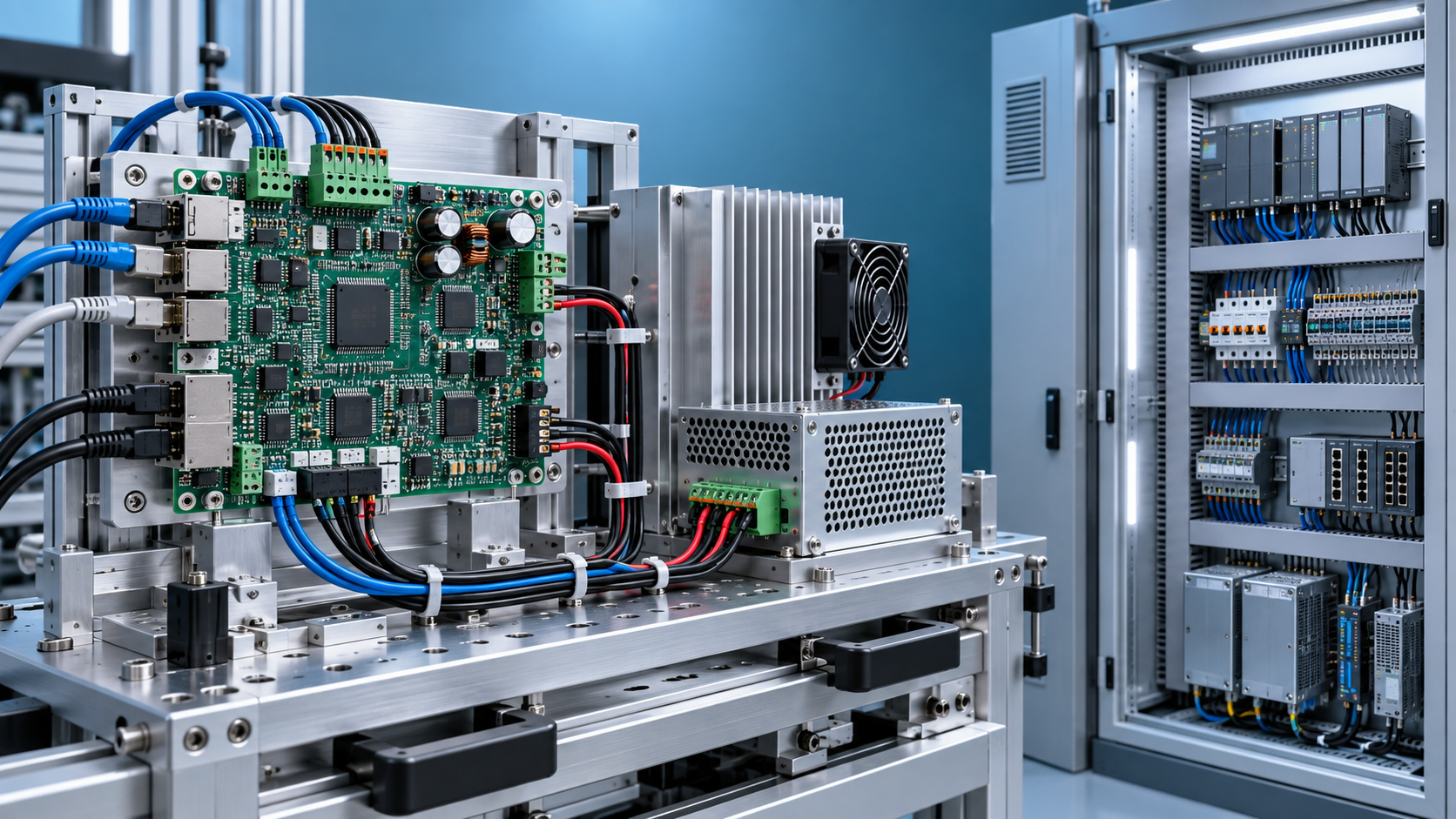
In high-impact systems, semiconductor components act as control points for power, sensing, communication, and protection.
If one weak device drifts, overheats, or fails early, the whole subsystem may become unstable.
This is especially true where service interruption creates safety exposure or operational loss.
Examples include traction inverters, emergency lighting controls, battery management units, and industrial PLC modules.
In these cases, semiconductor components must survive heat, vibration, voltage spikes, moisture, dust, and switching stress.
A part that passes bench tests may still underperform once duty cycles become harsher.
That also means procurement, engineering, quality, and safety teams need a shared evaluation framework.
Core Specifications That Deserve Close Review
Not every specification has the same weight.
The key is to focus on the parameters that most directly affect failure probability and performance drift.
1. Voltage and Current Margin
Rated voltage and current are the first checkpoints for semiconductor components.
Still, absolute maximum ratings should never be treated as normal operating targets.
A practical derating strategy reduces stress from load transients, startup peaks, and abnormal grid events.
This becomes critical in motor drives, DC conversion, and backup power circuits.
2. Thermal Resistance and Junction Temperature
Many semiconductor components fail because heat is underestimated, not because electrical limits were ignored.
Junction temperature, thermal resistance, and heat dissipation path determine actual life expectancy.
As temperatures rise, leakage increases, switching efficiency drops, and material fatigue accelerates.
In enclosed cabinets or rooftop assets, this effect becomes even more obvious.
3. Switching Speed and Losses
For power semiconductor components, switching behavior directly affects system stability and thermal load.
Faster is not always better.
Very fast switching can increase EMI, overshoot, and control complexity.
The right balance depends on layout quality, filtering, cooling, and application duty cycle.
4. Leakage, Tolerance, and Drift
Low-level drift can quietly damage reliability before a visible failure appears.
Leakage current, threshold spread, offset shift, and tolerance changes affect sensor accuracy and control logic.
This issue matters in monitoring modules, alarms, and safety interlocks.
Reliability Metrics Beyond the Basic Datasheet
A standard datasheet gives a starting point, but it rarely tells the full reliability story.
For serious review, semiconductor components should also be checked against deeper quality indicators.
- Failure rate data such as FIT or MTBF assumptions.
- Qualification standards like AEC-Q100, JEDEC, or IEC references.
- Moisture sensitivity level and storage handling requirements.
- ESD robustness and latch-up immunity performance.
- Lot-to-lot consistency and process change notification policy.
- End-of-life visibility and long-term supply continuity.
These details help teams judge whether semiconductor components are suitable for long service life and regulated environments.
More importantly, they reduce the chance of unexpected redesigns after field deployment.
How Environmental Stress Changes Component Risk
Real operating conditions can change the risk profile of semiconductor components very quickly.
A stable office environment is very different from a switchgear room, tunnel control panel, or mine vehicle cabinet.
In practice, the following stress factors deserve early review.
- Temperature cycling causes solder fatigue, package stress, and parameter drift.
- Humidity and contamination increase corrosion, leakage, and insulation weakness.
- Shock and vibration damage wire bonds, leads, and mounting integrity.
- Surge events and unstable supply lines trigger avalanche or overstress failure.
- High switching frequency raises local heating and electromagnetic interference.
This also means selection criteria must match the field environment, not only the lab setup.
For infrastructure systems, environmental mismatch is one of the most common causes of premature failure.
A Practical Review Table for Semiconductor Components
What to Ask Suppliers Before Approval
A stronger approval process usually starts with better questions.
When reviewing semiconductor components, teams should ask for evidence, not just claims.
- What reliability testing was completed under heat, humidity, and power cycling?
- How stable are electrical parameters across production lots?
- What failure analysis support is available after field return?
- How are process changes communicated and documented?
- Is long-term supply secured for infrastructure project timelines?
This step is often where reliable semiconductor components are separated from risky alternatives.
It also supports stronger audit trails for compliance and incident review.
Turning Specs Into Better Reliability Decisions
The best reliability outcomes come from connecting component data to real operating conditions.
That means reviewing semiconductor components through thermal, electrical, mechanical, and lifecycle risk together.
It also means avoiding decisions based only on nominal ratings or short-term savings.
In actual operations, reliable semiconductor components help reduce downtime, improve safety margins, and support compliance continuity.
A practical next step is to build a review checklist that combines derating rules, qualification standards, supply controls, and field stress assumptions.
Once that process is in place, semiconductor components become easier to compare, approve, and manage with confidence over the full system lifecycle.
Get weekly intelligence in your inbox.
No noise. No sponsored content. Pure intelligence.
News Recommendations
 Sep 19, 2026How an electronics application guide helps prevent component mismatchHow an electronics application guide helps prevent component mismatch
 Sep 18, 2026When a resource allocation platform improves project deliveryWhen a resource allocation platform improves project delivery
 Sep 17, 2026What to compare when evaluating mineral processing equipment manufacturersWhat to compare when evaluating mineral processing equipment manufacturers
 Sep 16, 2026How mineral separation optimization can reduce concentrate lossesHow mineral separation optimization can reduce concentrate losses
 Sep 15, 2026How to assess lifecycle costs in urban tech procurementHow to assess lifecycle costs in urban tech procurement
 Sep 14, 2026Heavy industry technology trends reshaping capital investment prioritiesHeavy industry technology trends reshaping capital investment priorities
 Sep 14, 2026Global Industrial Equipment Procurement: How Top OEMs Qualify Suppliers for Mining & Infrastructure ProjectsGlobal Industrial Equipment Procurement: How Top OEMs Qualify Suppliers for Mining & Infrastructure Projects
 Sep 14, 2026Industrial & Mining Equipment Procurement: Balancing Local Sourcing, Lead Time, and Certification RequirementsIndustrial & Mining Equipment Procurement: Balancing Local Sourcing, Lead Time, and Certification Requirements
 Sep 14, 2026Infrastructure & Equipment Upgrades: What Procurement Teams Must Verify Before Signing Off on New ContractsInfrastructure & Equipment Upgrades: What Procurement Teams Must Verify Before Signing Off on New Contracts
 Sep 14, 2026Why Infrastructure Equipment Buyers Are Shifting from Catalog-Based to Capability-Based Supplier SelectionWhy Infrastructure Equipment Buyers Are Shifting from Catalog-Based to Capability-Based Supplier Selection
 Sep 14, 2026Process Automation Project Execution: How to Align Supplier Capabilities with PLC Integration, Cybersecurity & Commissioning MilestonesProcess Automation Project Execution: How to Align Supplier Capabilities with PLC Integration, Cybersecurity & Commissioning Milestones
 Sep 14, 2026Are intelligent traffic systems worth the investment for small cities?Are intelligent traffic systems worth the investment for small cities?
 Sep 14, 2026How do intelligent traffic systems handle sensor failures?How do intelligent traffic systems handle sensor failures?
 Sep 14, 2026What should I check before accepting a smart building system?What should I check before accepting a smart building system?
 Sep 14, 2026Is a smart building system worth the maintenance cost?Is a smart building system worth the maintenance cost?
 Sep 14, 2026What data is needed for reliable resource allocation planning?What data is needed for reliable resource allocation planning?
 Sep 14, 2026How can resource allocation software reduce equipment idle time?How can resource allocation software reduce equipment idle time?
 Sep 14, 2026How should smart devices be maintained in harsh outdoor conditions?How should smart devices be maintained in harsh outdoor conditions?
 Sep 14, 2026Do smart devices improve worker safety on construction sites?Do smart devices improve worker safety on construction sites?
 Sep 14, 2026What environmental risks must be assessed before deep-sea mining?What environmental risks must be assessed before deep-sea mining?
 Sep 14, 2026Is deep-sea mining equipment commercially viable in 2026?Is deep-sea mining equipment commercially viable in 2026?
 Sep 14, 2026What Inspection Checks Should Procurement Teams Perform Before Ordering Dredging Equipment in 2026?What Inspection Checks Should Procurement Teams Perform Before Ordering Dredging Equipment in 2026?
 Sep 13, 2026How to verify an industrial product information source before specifying equipmentHow to verify an industrial product information source before specifying equipment
 Sep 12, 2026Which intelligent traffic systems hardware fits an urban intersection?Which intelligent traffic systems hardware fits an urban intersection?
 Sep 11, 2026How pump capacity affects response coverage for municipal fire fighting vehiclesHow pump capacity affects response coverage for municipal fire fighting vehicles
 Sep 10, 2026What to verify before choosing a heavy industry equipment supplierWhat to verify before choosing a heavy industry equipment supplier
 Sep 09, 2026When do adaptive urban traffic control systems reduce corridor delays?When do adaptive urban traffic control systems reduce corridor delays?