Supporting Technologies That Improve Smart Building System Integration
Smart building performance is no longer defined by devices alone. Real integration depends on supporting technologies that connect controls, normalize data, secure operations, and keep systems adaptable across long asset lifecycles.
That matters well beyond commercial real estate. In transport hubs, industrial campuses, mixed-use districts, and public infrastructure, integration quality shapes energy use, maintenance speed, occupant comfort, and operational resilience.
Within GIUT’s view of infrastructure as an intelligent physical system, smart buildings are not isolated projects. They are active nodes in a wider urban and industrial network.
Why supporting technologies now sit at the center of integration
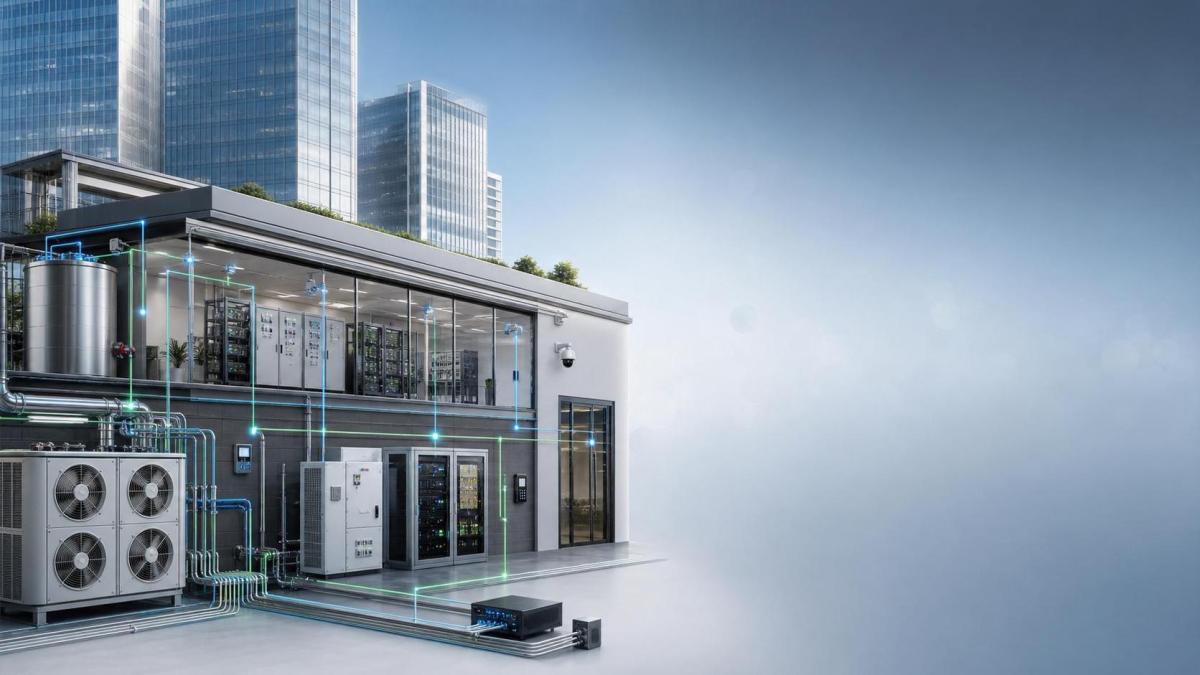
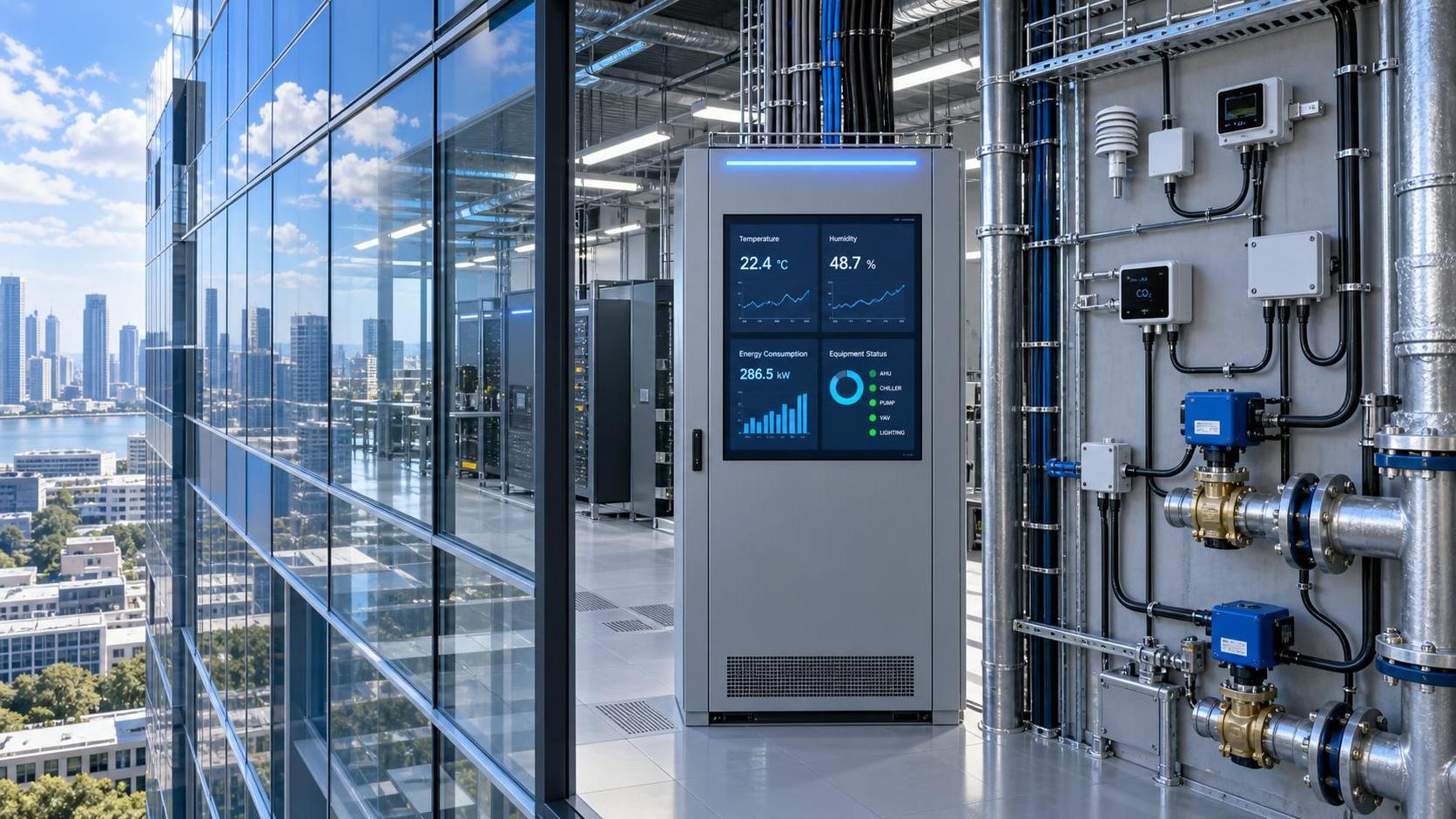
A modern building can include HVAC, lighting, fire safety, access control, elevators, power monitoring, distributed energy, and occupancy tools from many vendors.
Without the right supporting technologies, these systems exchange limited information, create duplicated alarms, and trap data inside separate interfaces.
The result is familiar across the built environment: expensive automation with weak coordination. A connected building may still behave like a collection of disconnected subsystems.
This is why integration has shifted from a controls problem to an architecture problem. The core question is no longer whether systems can connect, but whether they can operate together at scale.
In smart governance and heavy infrastructure, that shift is even more important. Facilities increasingly need to interact with district energy, mobility platforms, utility signals, and sustainability reporting frameworks.
What counts as supporting technologies in a smart building context
In practice, supporting technologies are the technical layers that make building systems interoperable, manageable, and future-ready. They do not always receive top billing, yet they determine long-term value.
Core enabling layers
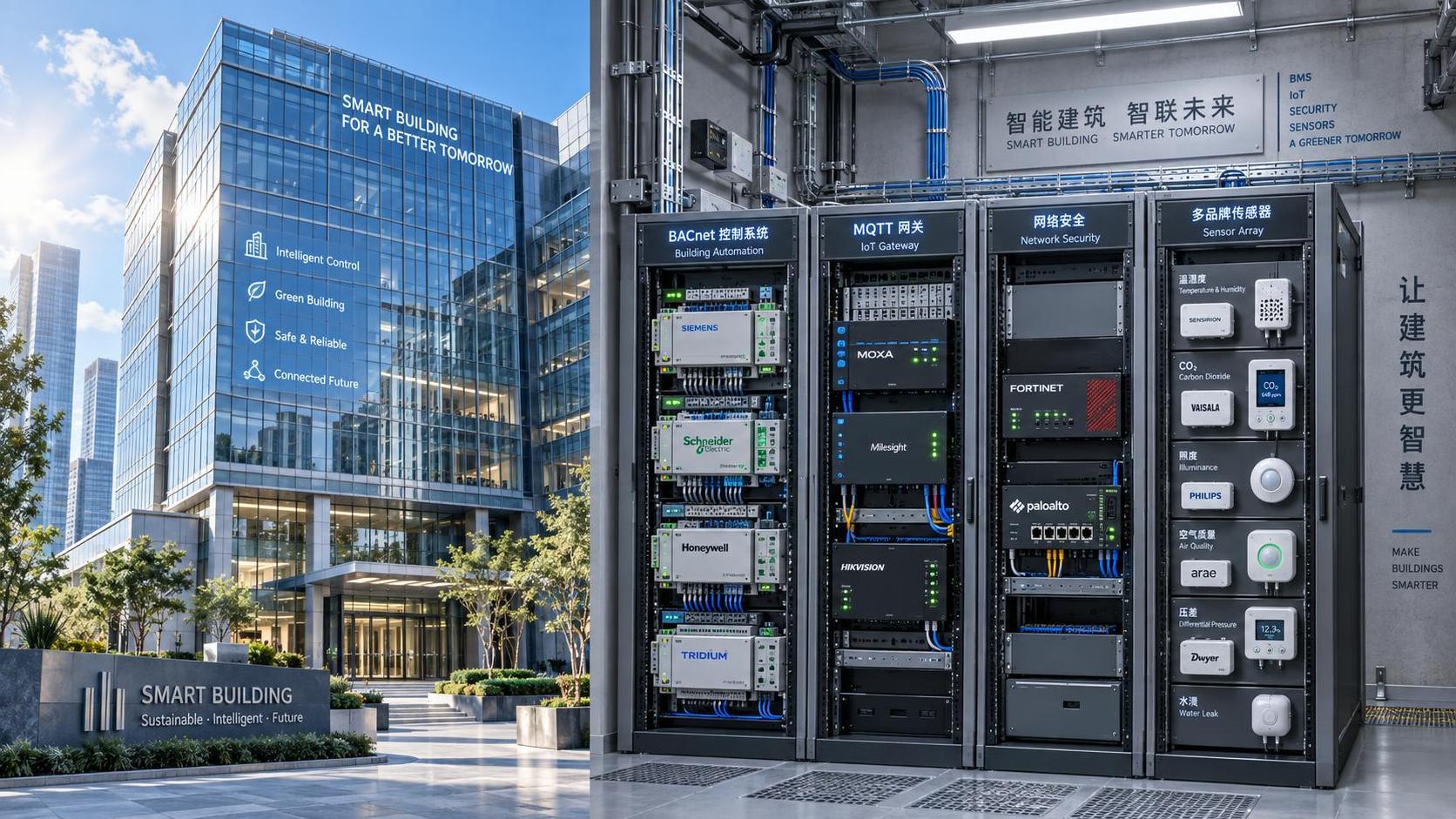
- Open communication protocols such as BACnet, Modbus, KNX, OPC UA, and MQTT.
- Middleware and integration platforms that map, translate, and route data between systems.
- Edge computing that processes operational data locally for speed, reliability, and bandwidth control.
- Cloud platforms that support remote analytics, benchmarking, and multi-site management.
- Cybersecurity layers including segmentation, identity control, patch visibility, and anomaly detection.
- Digital twin environments that organize assets, context, telemetry, and lifecycle records.
These supporting technologies do not replace building automation systems. They extend their usefulness by creating shared context across operational technology and information technology.
The technologies that make integration more reliable
Not every enabler has equal impact. Some technologies consistently improve integration outcomes because they reduce friction between legacy assets, new applications, and cross-domain decision making.
Open protocols and semantic data models
Open protocols remain the foundation. They reduce dependence on proprietary gateways and make it easier to add meters, sensors, and third-party controls over time.
Yet protocol compatibility alone is not enough. Semantic data models matter because identical points can still carry different names, units, priorities, and meanings across vendors.
A clean data taxonomy improves dashboards, fault detection, and energy optimization. It also shortens commissioning and reduces confusion during future retrofits.
Edge computing and distributed intelligence
Edge computing is increasingly valuable where uptime matters. Local processing supports faster responses for alarms, air quality control, demand response, and safety-related events.
For rail stations, hospitals, campuses, and industrial facilities, this reduces reliance on constant cloud connectivity. It also helps isolate failures and preserve essential control functions.
Digital twins and operational context
Digital twins turn raw signals into usable operational context. They link equipment hierarchy, location, maintenance history, energy behavior, and live performance in one navigable model.
This supports the GIUT perspective of physical infrastructure as an intelligent system. Buildings become easier to compare, diagnose, and align with district-level planning and sustainability targets.
Cybersecurity by design
As integration expands, the attack surface grows. Supporting technologies must therefore include secure remote access, asset discovery, network zoning, encryption, and role-based permissions.
A highly connected building without security governance is not advanced. It is exposed.
Where these supporting technologies create business value
The value of supporting technologies becomes clear when integration moves beyond visualization and starts affecting cost, risk, and service continuity.
Across these settings, supporting technologies improve three things at once: visibility, coordination, and adaptability. That combination is often more valuable than isolated energy savings.
What to examine before selecting an integration approach
Evaluation should begin with building intent, not feature lists. A prestige office tower, a logistics hub, and a wastewater facility do not require the same integration depth.
Key decision points
- Interoperability: Which native protocols are supported, and where are gateways still required?
- Data structure: Can points, alarms, and assets be normalized for analytics and reporting?
- Scalability: Will the architecture support new buildings, new loads, and new software layers later?
- Cyber resilience: How are credentials, remote sessions, patches, and network boundaries managed?
- Operational ownership: Who maintains integrations after handover, and with what documentation?
- Lifecycle value: Does the design reduce future retrofit cost, not just initial deployment effort?
This is where many projects succeed or stall. The technology stack may look advanced, but weak governance, poor naming standards, or undocumented dependencies can undermine integration later.
A broader infrastructure perspective on smart building integration
Smart building system integration increasingly overlaps with urban tech, transport infrastructure, and industrial digitization. Supporting technologies therefore need to work across more than one asset class.
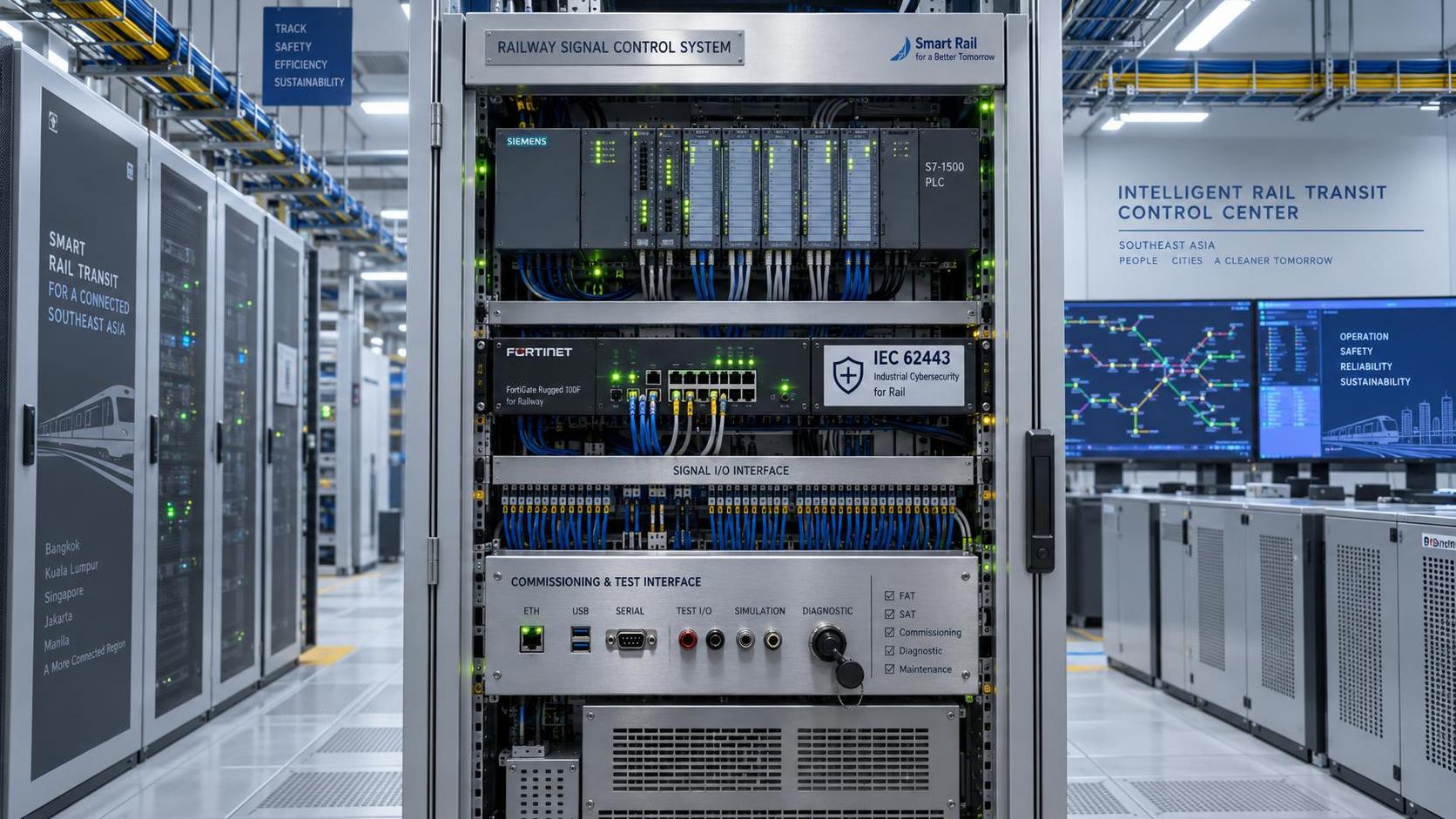
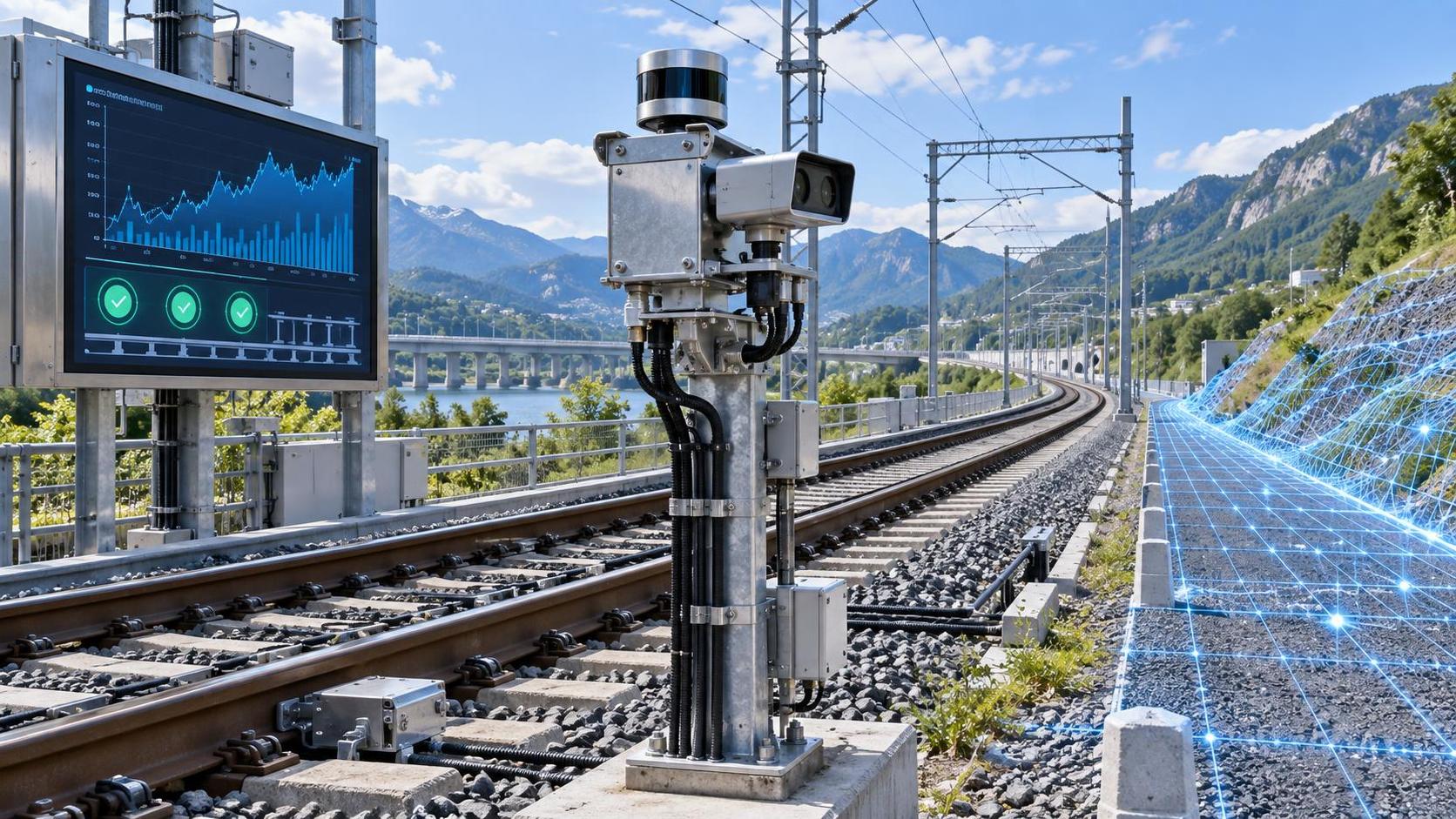
A railway control building may share energy intelligence with nearby stations. A municipal complex may coordinate with smart grids. A mining facility may connect environmental monitoring with building safety systems.
This convergence explains why GIUT emphasizes data-backed infrastructure intelligence. The same enabling logic applies whether the site is a skyscraper, a depot, a port facility, or a resilient urban district.
Supporting technologies become the connective tissue between physical assets and digital governance. They help infrastructure behave less like static construction and more like a managed, learnable system.
How to move from interest to a workable evaluation framework
A practical next step is to map current systems, data flows, and control boundaries before reviewing vendors or software claims.
Then compare supporting technologies against a small set of outcomes: interoperability, security, fault response, analytics readiness, and expansion potential.
It also helps to test integration in one operationally meaningful scenario, such as load shedding, indoor air quality response, or cross-system alarm handling.
That approach reveals whether the architecture can support real decisions, not just pass data between screens.
As smart buildings become part of larger intelligent infrastructure networks, the strongest results will come from supporting technologies chosen for lifecycle clarity, not short-term novelty.
The most useful benchmark is simple: if integration makes systems easier to trust, scale, and govern, the technology foundation is moving in the right direction.
Get weekly intelligence in your inbox.
No noise. No sponsored content. Pure intelligence.
News Recommendations
 Sep 19, 2026How an electronics application guide helps prevent component mismatchHow an electronics application guide helps prevent component mismatch
 Sep 18, 2026When a resource allocation platform improves project deliveryWhen a resource allocation platform improves project delivery
 Sep 17, 2026What to compare when evaluating mineral processing equipment manufacturersWhat to compare when evaluating mineral processing equipment manufacturers
 Sep 16, 2026How mineral separation optimization can reduce concentrate lossesHow mineral separation optimization can reduce concentrate losses
 Sep 15, 2026How to assess lifecycle costs in urban tech procurementHow to assess lifecycle costs in urban tech procurement
 Sep 14, 2026Heavy industry technology trends reshaping capital investment prioritiesHeavy industry technology trends reshaping capital investment priorities
 Sep 14, 2026Global Industrial Equipment Procurement: How Top OEMs Qualify Suppliers for Mining & Infrastructure ProjectsGlobal Industrial Equipment Procurement: How Top OEMs Qualify Suppliers for Mining & Infrastructure Projects
 Sep 14, 2026Industrial & Mining Equipment Procurement: Balancing Local Sourcing, Lead Time, and Certification RequirementsIndustrial & Mining Equipment Procurement: Balancing Local Sourcing, Lead Time, and Certification Requirements
 Sep 14, 2026Infrastructure & Equipment Upgrades: What Procurement Teams Must Verify Before Signing Off on New ContractsInfrastructure & Equipment Upgrades: What Procurement Teams Must Verify Before Signing Off on New Contracts
 Sep 14, 2026Why Infrastructure Equipment Buyers Are Shifting from Catalog-Based to Capability-Based Supplier SelectionWhy Infrastructure Equipment Buyers Are Shifting from Catalog-Based to Capability-Based Supplier Selection
 Sep 14, 2026Process Automation Project Execution: How to Align Supplier Capabilities with PLC Integration, Cybersecurity & Commissioning MilestonesProcess Automation Project Execution: How to Align Supplier Capabilities with PLC Integration, Cybersecurity & Commissioning Milestones
 Sep 14, 2026Are intelligent traffic systems worth the investment for small cities?Are intelligent traffic systems worth the investment for small cities?
 Sep 14, 2026How do intelligent traffic systems handle sensor failures?How do intelligent traffic systems handle sensor failures?
 Sep 14, 2026What should I check before accepting a smart building system?What should I check before accepting a smart building system?
 Sep 14, 2026Is a smart building system worth the maintenance cost?Is a smart building system worth the maintenance cost?
 Sep 14, 2026What data is needed for reliable resource allocation planning?What data is needed for reliable resource allocation planning?
 Sep 14, 2026How can resource allocation software reduce equipment idle time?How can resource allocation software reduce equipment idle time?
 Sep 14, 2026How should smart devices be maintained in harsh outdoor conditions?How should smart devices be maintained in harsh outdoor conditions?
 Sep 14, 2026Do smart devices improve worker safety on construction sites?Do smart devices improve worker safety on construction sites?
 Sep 14, 2026What environmental risks must be assessed before deep-sea mining?What environmental risks must be assessed before deep-sea mining?
 Sep 14, 2026Is deep-sea mining equipment commercially viable in 2026?Is deep-sea mining equipment commercially viable in 2026?
 Sep 14, 2026What Inspection Checks Should Procurement Teams Perform Before Ordering Dredging Equipment in 2026?What Inspection Checks Should Procurement Teams Perform Before Ordering Dredging Equipment in 2026?
 Sep 13, 2026How to verify an industrial product information source before specifying equipmentHow to verify an industrial product information source before specifying equipment
 Sep 12, 2026Which intelligent traffic systems hardware fits an urban intersection?Which intelligent traffic systems hardware fits an urban intersection?
 Sep 11, 2026How pump capacity affects response coverage for municipal fire fighting vehiclesHow pump capacity affects response coverage for municipal fire fighting vehicles
 Sep 10, 2026What to verify before choosing a heavy industry equipment supplierWhat to verify before choosing a heavy industry equipment supplier
 Sep 09, 2026When do adaptive urban traffic control systems reduce corridor delays?When do adaptive urban traffic control systems reduce corridor delays?