Heavy Equipment Solutions: Cost vs Uptime in Fleet Planning
Heavy Equipment Solutions: Cost vs Uptime in Fleet Planning
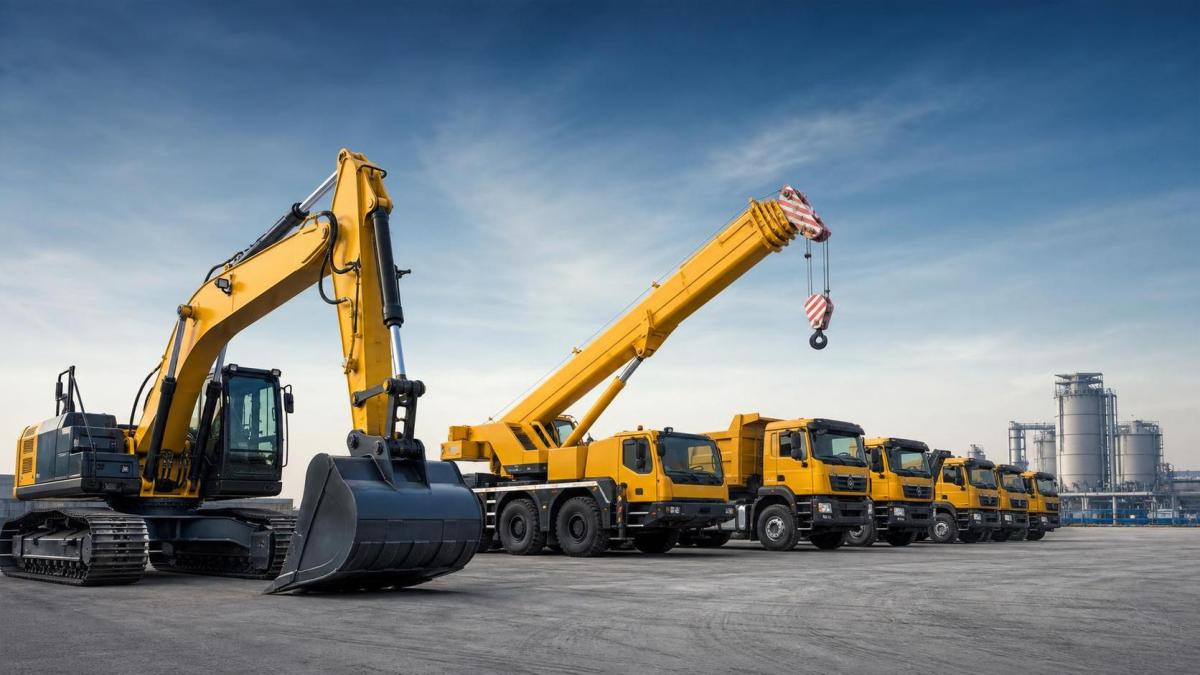
For procurement teams, fleet planning is rarely a simple price comparison.
The real question is how heavy equipment solutions perform over years of demanding work.
A lower purchase price can look attractive in a tender review.
Yet downtime, delayed schedules, and repeated service calls can erase those early savings fast.
That is why heavy equipment solutions should be evaluated through total business impact, not sticker price alone.
In construction, mining, logistics, and municipal projects, uptime often protects margin more than a discounted invoice ever can.
This also means fleet planning must connect procurement, operations, maintenance, and finance from the start.
When those groups assess heavy equipment solutions together, decisions become clearer and risk becomes easier to control.
Why the Lowest Equipment Price Often Costs More
Price matters, especially when capital budgets are tight.
Still, low-cost heavy equipment solutions often shift expense into operations.
That shift appears in fuel use, unscheduled repairs, parts shortages, and lost output.
A machine that stops for one day can affect labor, subcontractors, transport, and customer commitments.
In real projects, downtime costs are rarely isolated to the machine itself.
They usually spread across the whole site or network.
More clearly now, buyers are moving from initial price thinking to lifecycle thinking.
That trend is reshaping how heavy equipment solutions are compared, scored, and approved.
Common hidden costs in fleet decisions
- Frequent service intervals that reduce productive machine hours
- Weak dealer support that extends repair turnaround time
- Poor fuel efficiency under heavy load or long shifts
- Operator fatigue caused by outdated controls or weak visibility
- Low resale value at fleet renewal stage
- Limited telematics that makes preventive action harder
Each factor changes the true cost profile of heavy equipment solutions.
None of them is obvious if procurement only compares quotes side by side.
How Uptime Creates Financial Value
Uptime is not just a maintenance metric.
It is a commercial outcome tied to output, schedule certainty, and customer trust.
Reliable heavy equipment solutions keep utilization high and disruption low.
That becomes critical when projects run with narrow contingency and fixed delivery milestones.
A crane, excavator, mixer, or specialized municipal vehicle is often part of a sequence.
If one asset fails, several linked tasks can stall.
So the value of uptime goes beyond machine availability.
It supports labor efficiency, material flow, safety discipline, and contract performance.
Where better uptime shows up in the numbers
- Higher daily production from more consistent machine availability
- Lower overtime triggered by delayed work packages
- Reduced standby costs for crews and support equipment
- Fewer emergency freight charges for urgent spare parts
- Better contract compliance and lower penalty exposure
This is why many mature organizations rank heavy equipment solutions by uptime contribution first, then negotiate price from there.
A Smarter Cost Framework for Heavy Equipment Solutions
A practical fleet plan needs a broader scoring model.
The best heavy equipment solutions usually balance acquisition cost with availability, serviceability, and long-term asset value.
This does not require complex theory.
It requires disciplined comparison across the factors that truly affect operating results.
Core evaluation criteria
- Purchase price and financing structure
- Expected uptime based on field data
- Preventive maintenance requirements
- Dealer network coverage and parts access
- Fuel consumption and emissions compliance
- Operator usability and training needs
- Residual value and replacement timing
- Digital monitoring, diagnostics, and integration capability
In practice, weighted scoring works better than informal preference.
It forces decision makers to quantify tradeoffs before contracts are signed.
Sample comparison table
This kind of table keeps heavy equipment solutions discussions grounded in outcomes, not assumptions.
Questions to Ask Suppliers Before You Buy
Supplier discussions often reveal more than brochures do.
The strongest heavy equipment solutions usually come with clear answers on uptime support.
If responses stay vague, that is useful information too.
Key supplier questions
- What is the documented uptime rate for similar duty cycles?
- How quickly can technicians reach major operating sites?
- Which critical spare parts are stocked locally?
- What telematics data is included as standard?
- How long are planned service intervals under real field conditions?
- What operator training and onboarding are included?
- What buyback, warranty, or service guarantees are offered?
These questions help compare heavy equipment solutions on support depth, not marketing language.
They also reduce the risk of discovering service gaps after deployment.
When Different Applications Need Different Tradeoffs
Not every fleet should optimize the same way.
The right heavy equipment solutions depend on duty cycle, location, and revenue sensitivity.
That is where a more nuanced procurement view becomes valuable.
Examples by use case
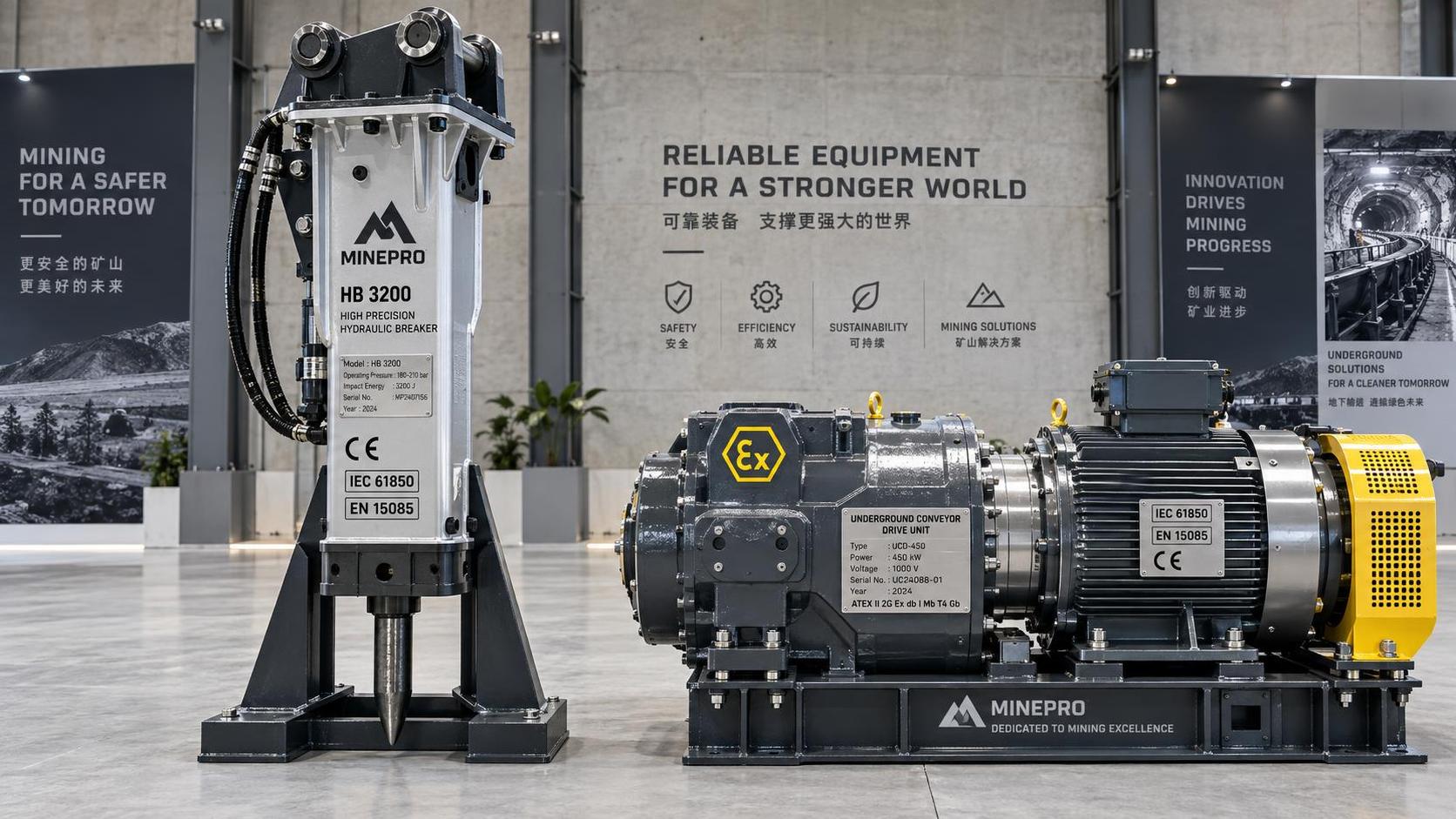
For high-intensity mining or tunnel work, uptime usually outweighs purchase price by a wide margin.
Every stoppage can interrupt production chains and raise safety exposure.
For municipal backup units, lower utilization may justify more balanced cost control.
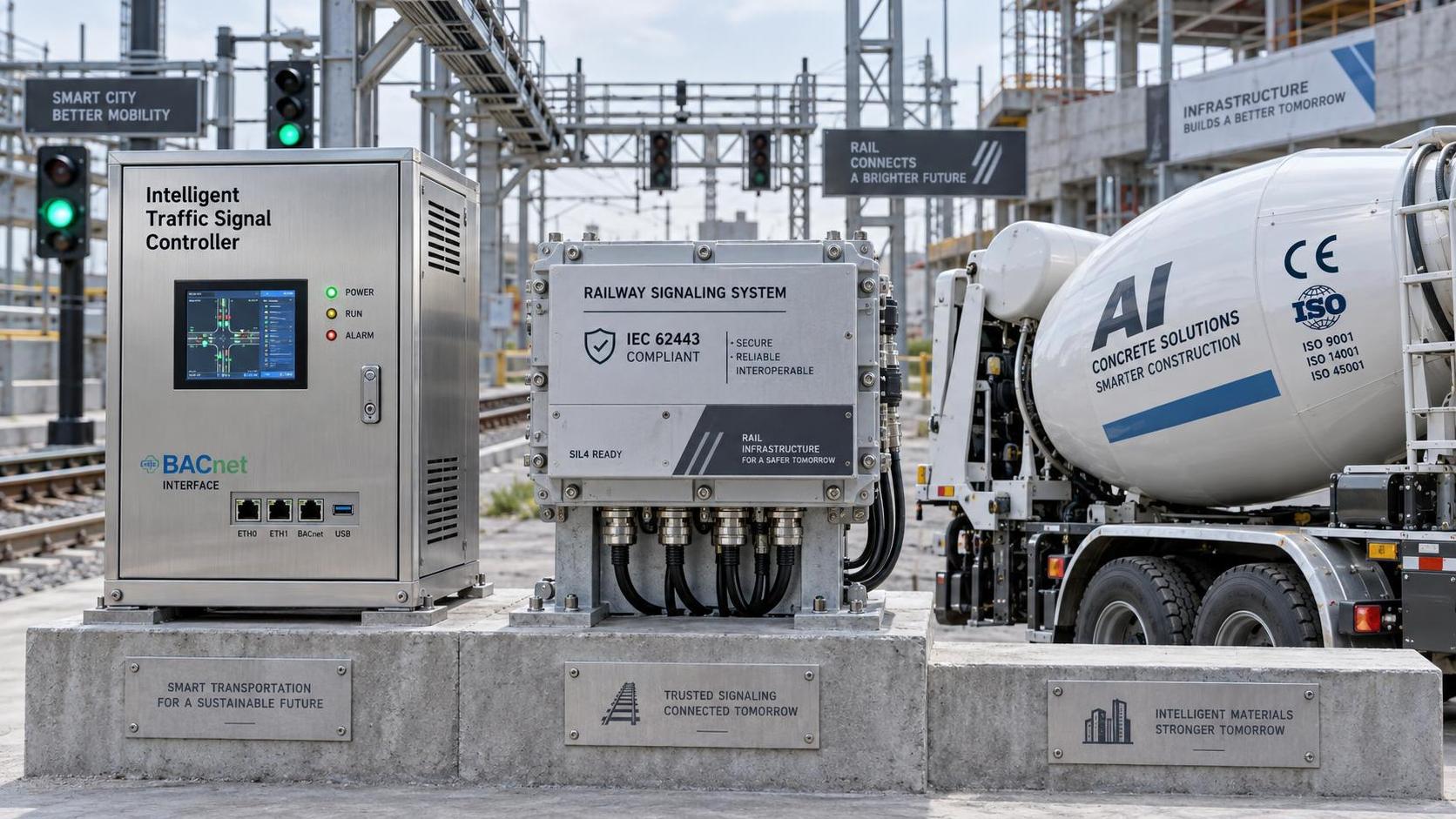
For concrete delivery or lifting fleets, schedule reliability often drives customer retention.
For railway maintenance windows, failure risk can be especially expensive because work time is tightly limited.
In each case, heavy equipment solutions should match the operational penalty of downtime.
A Practical Buying Approach for Better Fleet Planning
A disciplined process makes decisions faster and more defensible.
It also improves alignment between short-term budget pressure and long-term asset performance.
- Define the mission profile for each asset category.
- Estimate the cost of one hour of downtime.
- Score heavy equipment solutions using weighted lifecycle criteria.
- Review supplier service capacity in the actual operating region.
- Validate assumptions using field references and historical fleet data.
- Negotiate warranty, parts support, and uptime commitments together.
- Track post-purchase performance and feed results into the next tender cycle.
This approach turns heavy equipment solutions sourcing into an evidence-based process.
It also helps organizations avoid false savings that weaken field performance later.
Final Takeaway
In fleet planning, the cheapest bid is not always the smartest decision.
The best heavy equipment solutions protect uptime, stabilize output, and lower total operating risk.
When procurement decisions reflect lifecycle value, budgets become more resilient and project delivery becomes more reliable.
The next time equipment options are reviewed, start with one simple question.
Which heavy equipment solutions will keep the fleet working when the schedule leaves no room for failure?
Get weekly intelligence in your inbox.
No noise. No sponsored content. Pure intelligence.
News Recommendations
 Sep 19, 2026How an electronics application guide helps prevent component mismatchHow an electronics application guide helps prevent component mismatch
 Sep 18, 2026When a resource allocation platform improves project deliveryWhen a resource allocation platform improves project delivery
 Sep 17, 2026What to compare when evaluating mineral processing equipment manufacturersWhat to compare when evaluating mineral processing equipment manufacturers
 Sep 16, 2026How mineral separation optimization can reduce concentrate lossesHow mineral separation optimization can reduce concentrate losses
 Sep 15, 2026How to assess lifecycle costs in urban tech procurementHow to assess lifecycle costs in urban tech procurement
 Sep 14, 2026Heavy industry technology trends reshaping capital investment prioritiesHeavy industry technology trends reshaping capital investment priorities
 Sep 14, 2026Global Industrial Equipment Procurement: How Top OEMs Qualify Suppliers for Mining & Infrastructure ProjectsGlobal Industrial Equipment Procurement: How Top OEMs Qualify Suppliers for Mining & Infrastructure Projects
 Sep 14, 2026Industrial & Mining Equipment Procurement: Balancing Local Sourcing, Lead Time, and Certification RequirementsIndustrial & Mining Equipment Procurement: Balancing Local Sourcing, Lead Time, and Certification Requirements
 Sep 14, 2026Infrastructure & Equipment Upgrades: What Procurement Teams Must Verify Before Signing Off on New ContractsInfrastructure & Equipment Upgrades: What Procurement Teams Must Verify Before Signing Off on New Contracts
 Sep 14, 2026Why Infrastructure Equipment Buyers Are Shifting from Catalog-Based to Capability-Based Supplier SelectionWhy Infrastructure Equipment Buyers Are Shifting from Catalog-Based to Capability-Based Supplier Selection
 Sep 14, 2026Process Automation Project Execution: How to Align Supplier Capabilities with PLC Integration, Cybersecurity & Commissioning MilestonesProcess Automation Project Execution: How to Align Supplier Capabilities with PLC Integration, Cybersecurity & Commissioning Milestones
 Sep 14, 2026Are intelligent traffic systems worth the investment for small cities?Are intelligent traffic systems worth the investment for small cities?
 Sep 14, 2026How do intelligent traffic systems handle sensor failures?How do intelligent traffic systems handle sensor failures?
 Sep 14, 2026What should I check before accepting a smart building system?What should I check before accepting a smart building system?
 Sep 14, 2026Is a smart building system worth the maintenance cost?Is a smart building system worth the maintenance cost?
 Sep 14, 2026What data is needed for reliable resource allocation planning?What data is needed for reliable resource allocation planning?
 Sep 14, 2026How can resource allocation software reduce equipment idle time?How can resource allocation software reduce equipment idle time?
 Sep 14, 2026How should smart devices be maintained in harsh outdoor conditions?How should smart devices be maintained in harsh outdoor conditions?
 Sep 14, 2026Do smart devices improve worker safety on construction sites?Do smart devices improve worker safety on construction sites?
 Sep 14, 2026What environmental risks must be assessed before deep-sea mining?What environmental risks must be assessed before deep-sea mining?
 Sep 14, 2026Is deep-sea mining equipment commercially viable in 2026?Is deep-sea mining equipment commercially viable in 2026?
 Sep 14, 2026What Inspection Checks Should Procurement Teams Perform Before Ordering Dredging Equipment in 2026?What Inspection Checks Should Procurement Teams Perform Before Ordering Dredging Equipment in 2026?
 Sep 13, 2026How to verify an industrial product information source before specifying equipmentHow to verify an industrial product information source before specifying equipment
 Sep 12, 2026Which intelligent traffic systems hardware fits an urban intersection?Which intelligent traffic systems hardware fits an urban intersection?
 Sep 11, 2026How pump capacity affects response coverage for municipal fire fighting vehiclesHow pump capacity affects response coverage for municipal fire fighting vehicles
 Sep 10, 2026What to verify before choosing a heavy industry equipment supplierWhat to verify before choosing a heavy industry equipment supplier
 Sep 09, 2026When do adaptive urban traffic control systems reduce corridor delays?When do adaptive urban traffic control systems reduce corridor delays?