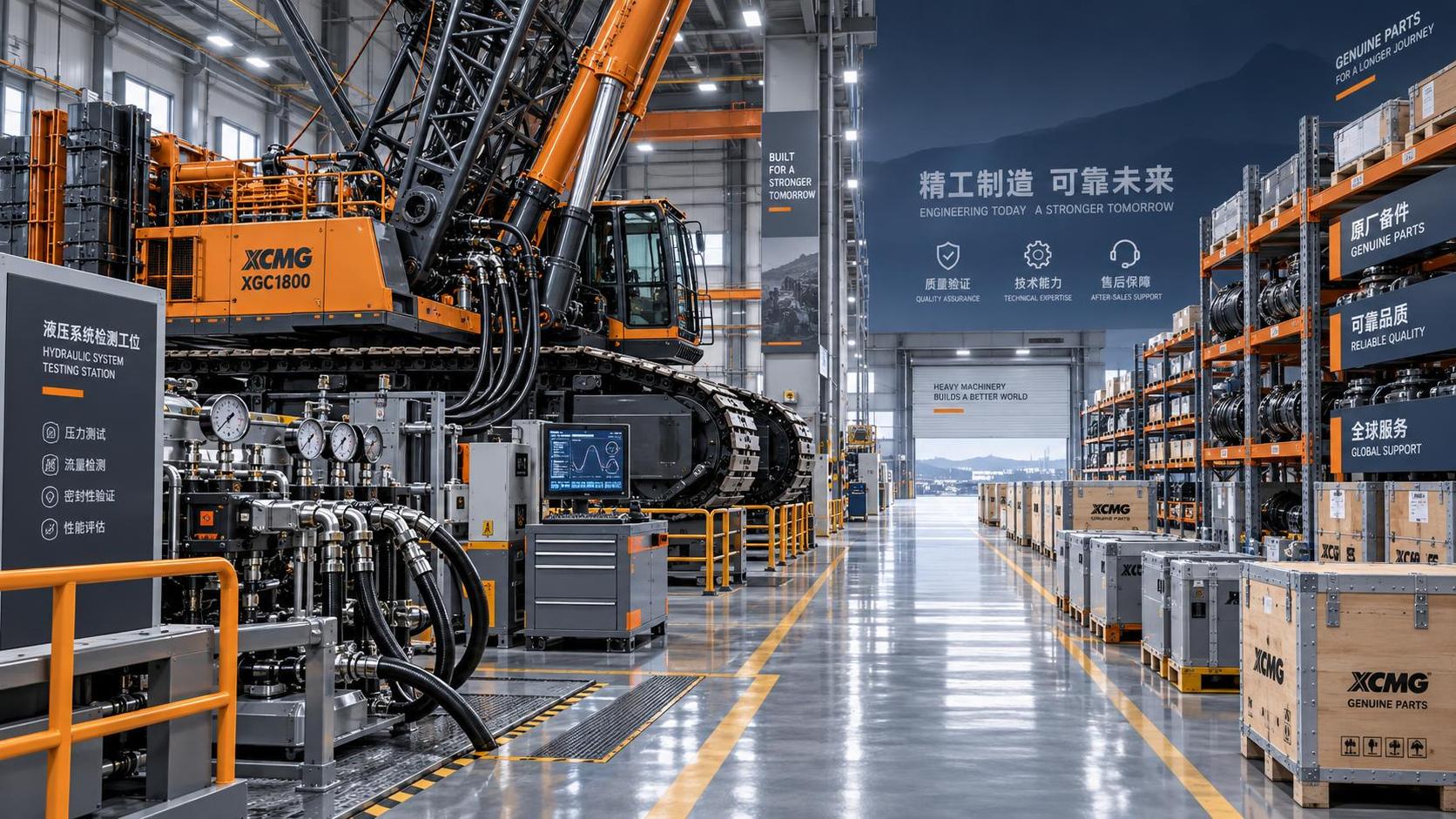
Resource Development Technology Solutions for Remote Projects
Why remote projects demand more precise technology choices
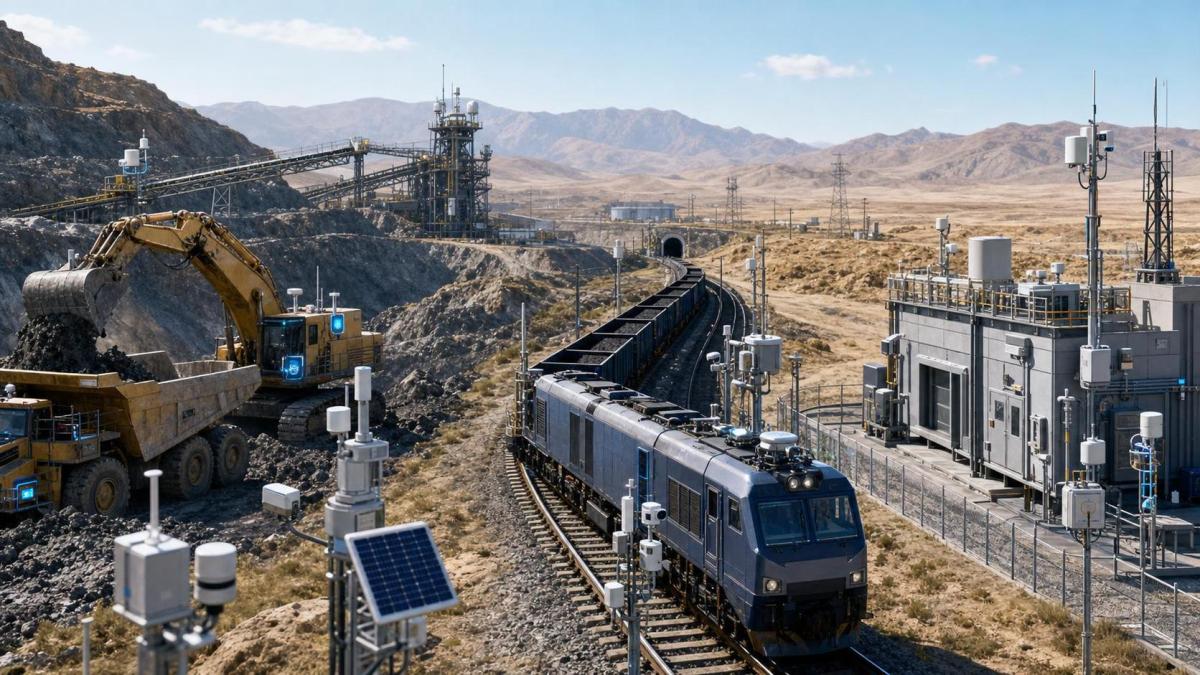
Remote operations expose the limits of standard systems very quickly.
A mining zone, mountain rail corridor, and desert utility site may all look isolated, yet their operating pressures differ sharply.
That is why resource development technology solutions should never be judged only by equipment specifications or software features.
The better approach is to match technology to terrain, asset intensity, workforce exposure, communication limits, and recovery time after disruption.
Across heavy industry and smart infrastructure, GIUT often frames this as a digital twin problem.
Physical assets operate in harsh environments, but decisions improve only when field data, control logic, and maintenance context stay connected.
In practice, resource development technology solutions now shape productivity, safety compliance, energy efficiency, and long-term project resilience at the same time.
Different field conditions create different priorities
Remote projects rarely fail because one technology is weak in isolation.
They fail because the chosen stack does not fit the real operating rhythm of the site.
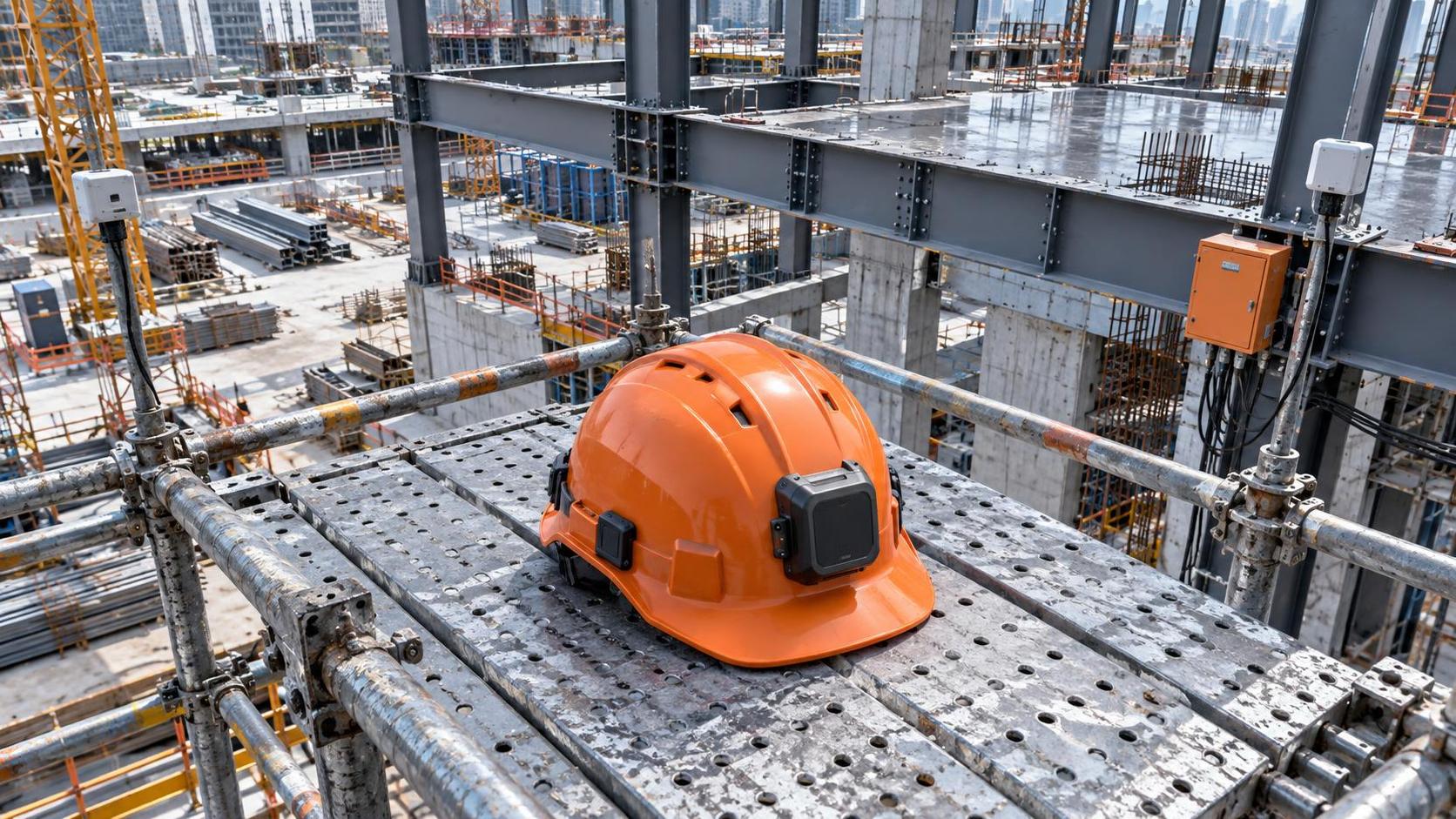
A deep resource site usually values geotechnical visibility and worker protection before automation speed.
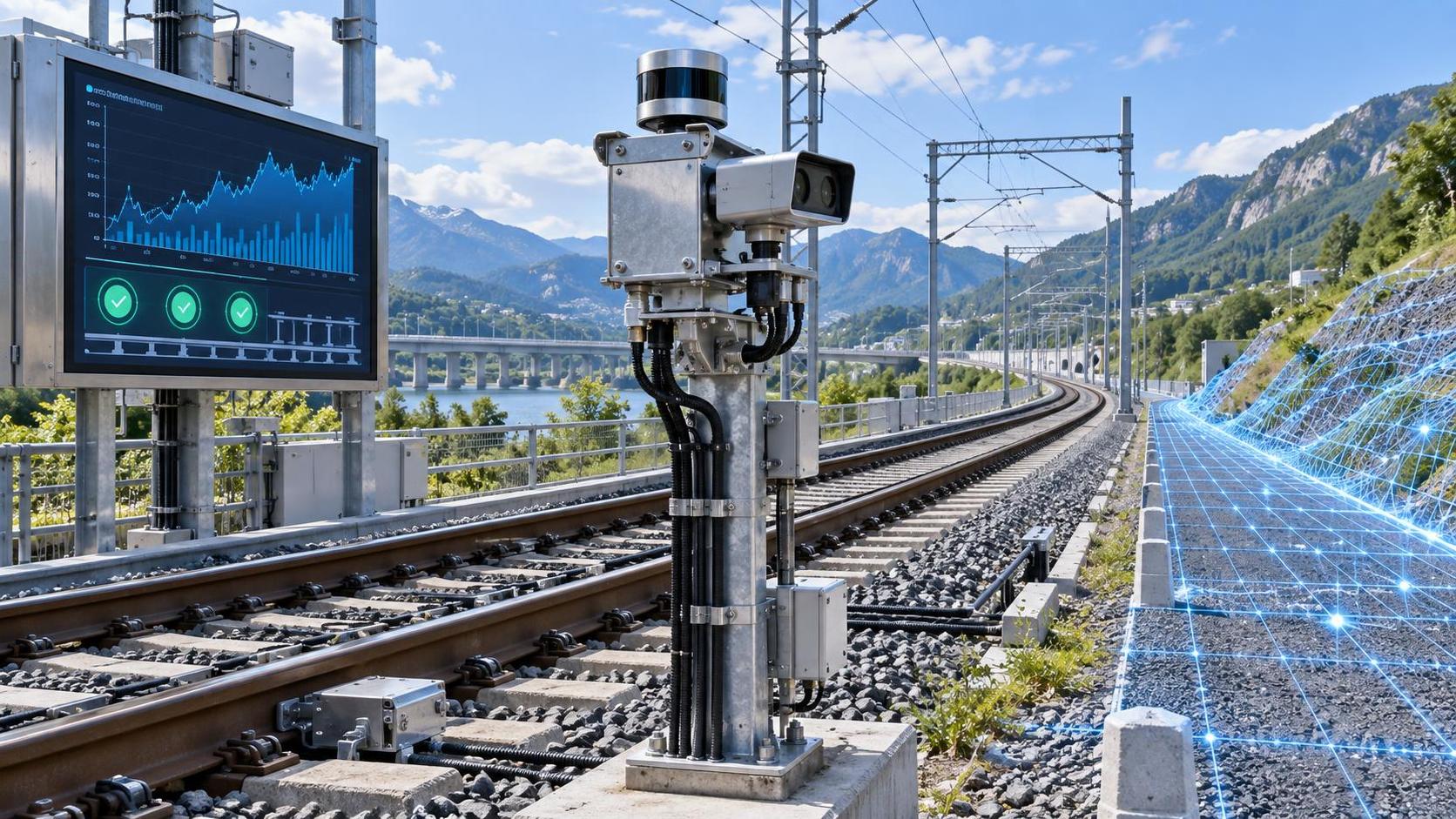
An infrastructure corridor often prioritizes continuity of communications, predictive maintenance, and rapid fault localization.
Emerging smart resource networks place more weight on interoperability, data governance, and integration with regional control centers.
The table below shows why resource development technology solutions should be evaluated by scenario, not by generic performance claims.
In extraction sites, visibility matters as much as output
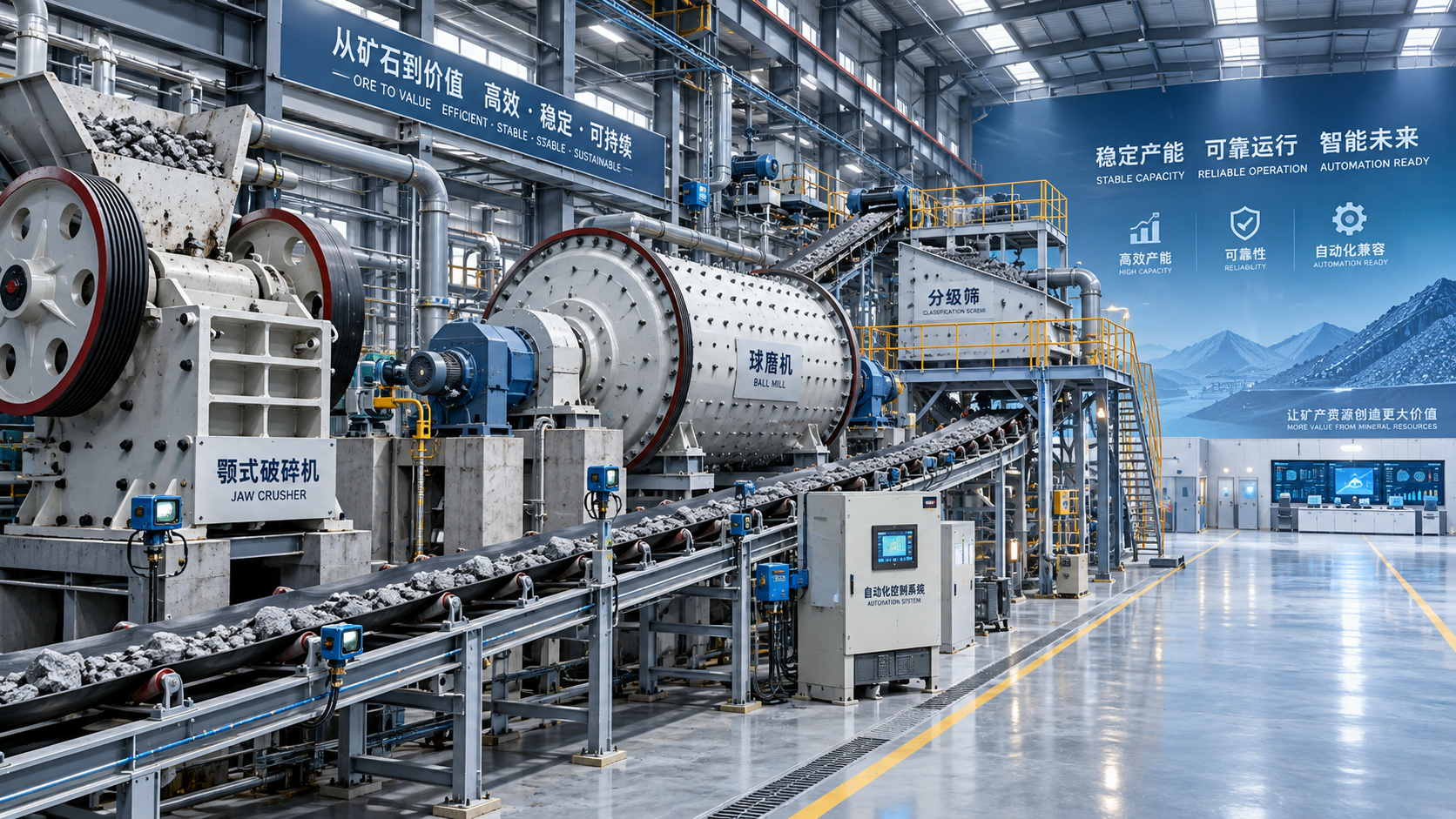
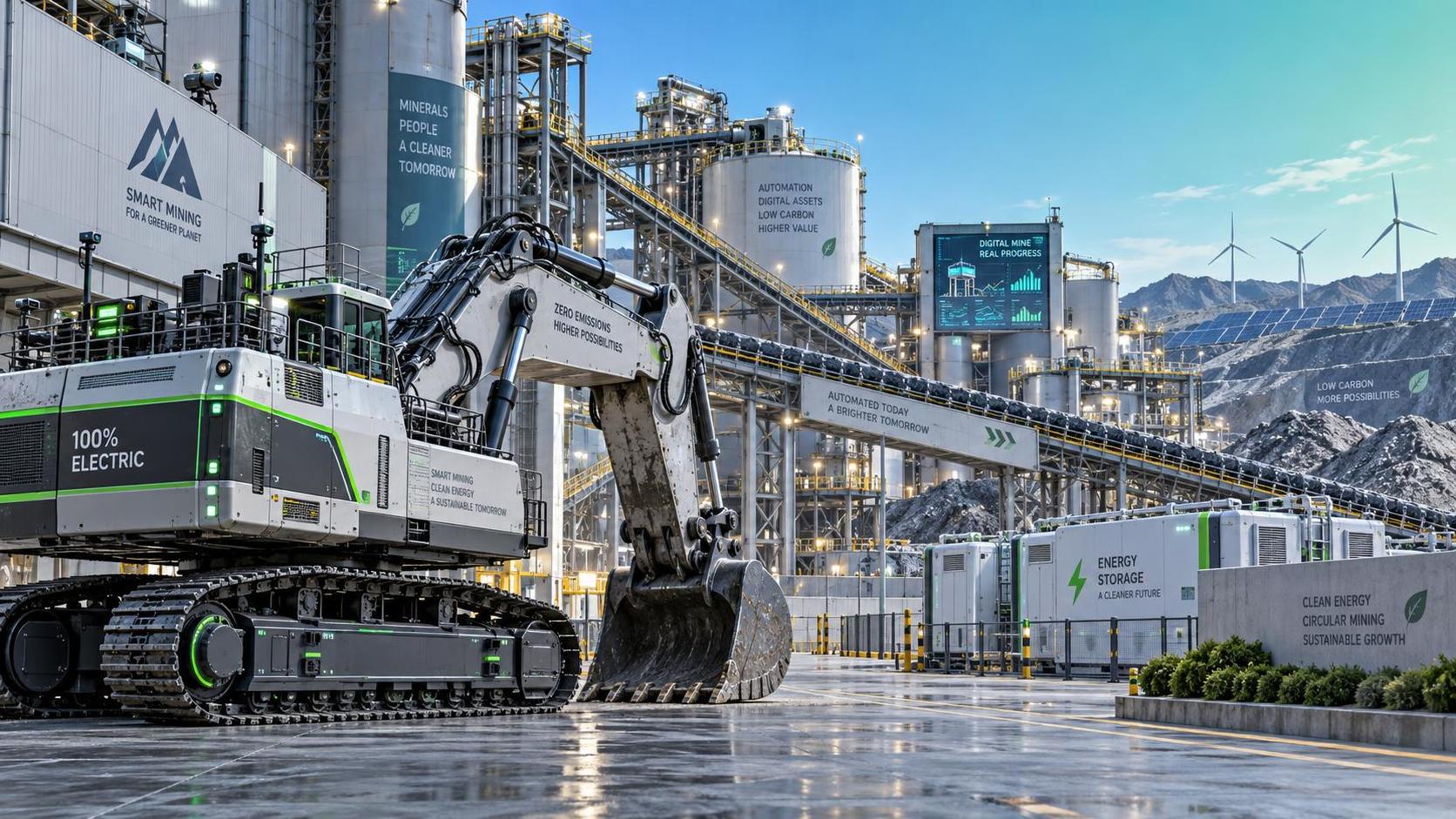
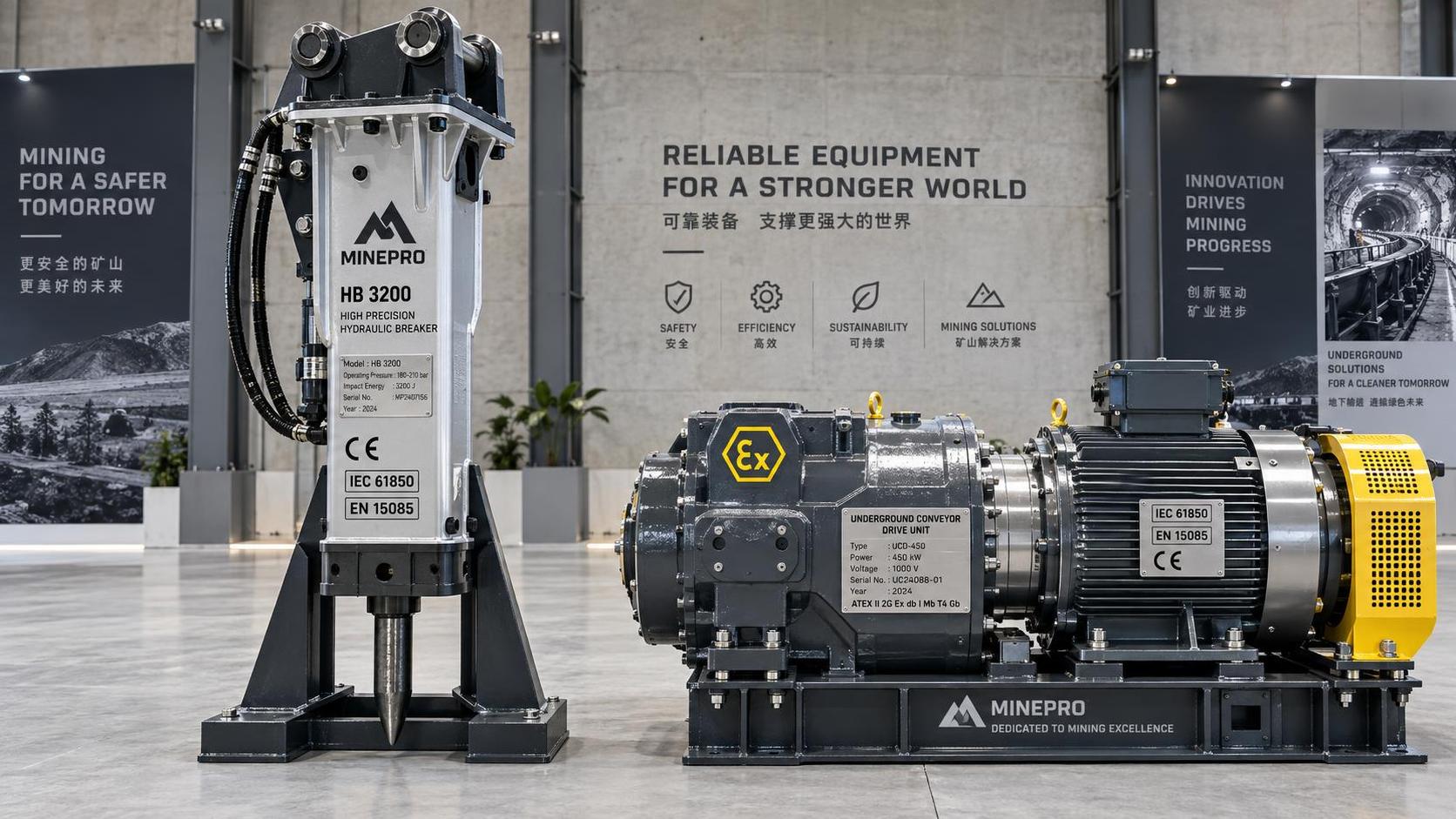
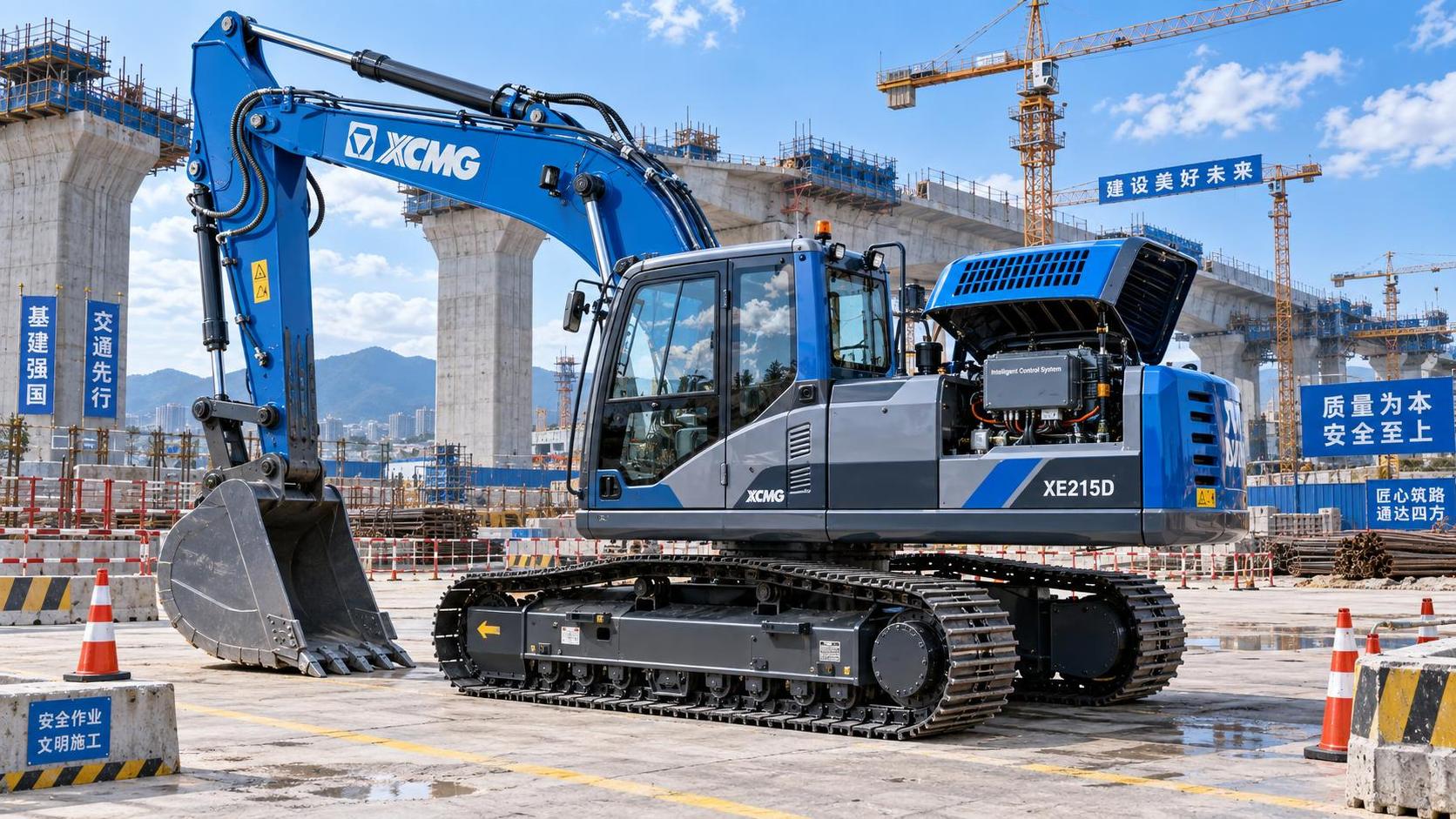
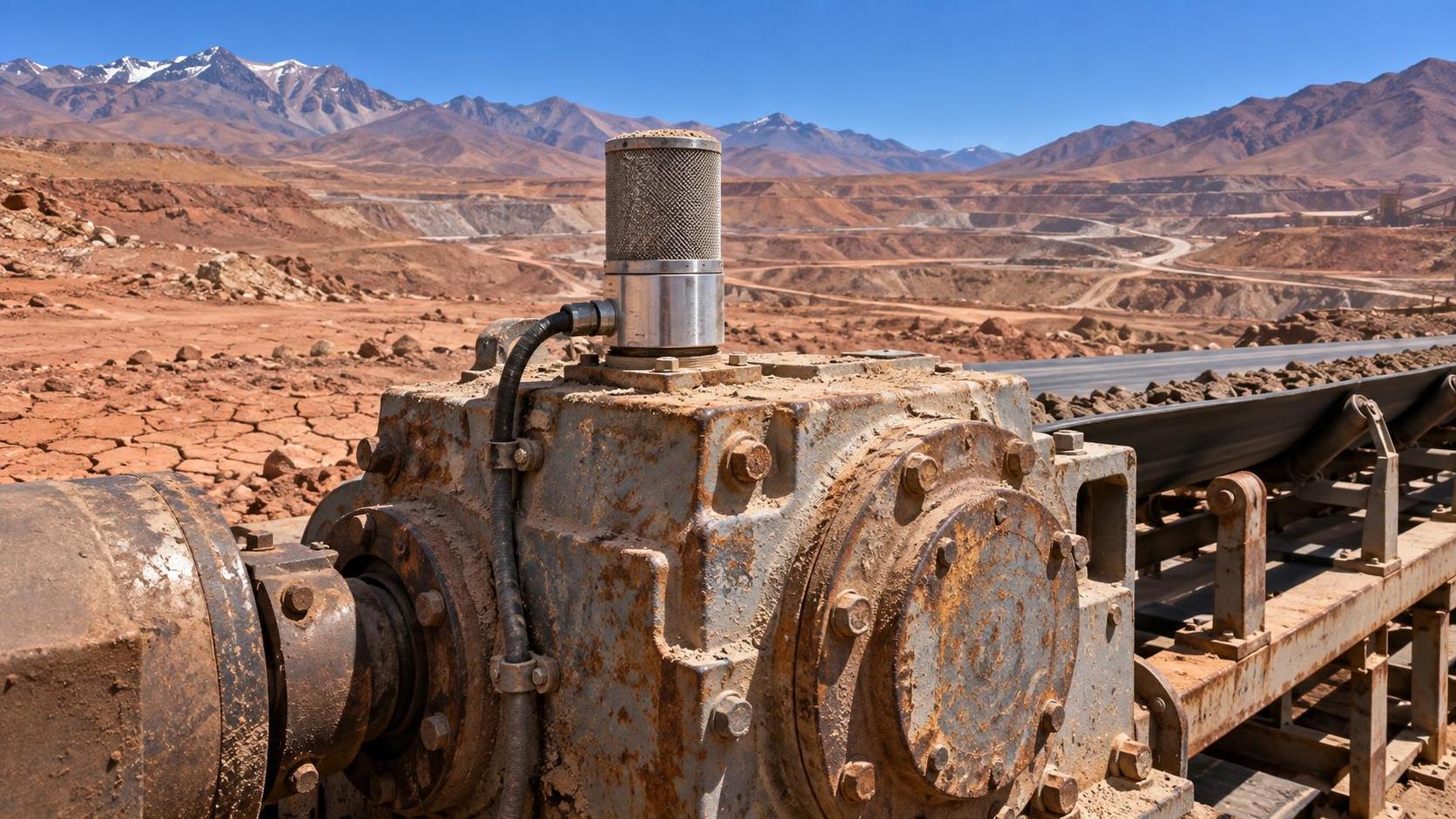
Resource development technology solutions in extraction environments must work under dust, vibration, unstable geology, and limited service access.
That changes the buying logic.
High throughput sounds attractive, but real value usually comes from knowing what is happening underground or across dispersed pits before conditions deteriorate.
More mature deployments combine environmental sensing, equipment telematics, drone surveying, and semi-autonomous fleet control.
When these systems share one data model, dispatch and maintenance teams see the same risk picture.
That is where remote project performance improves.
A common mistake is choosing advanced hardware without validating serviceability.
If calibration, spare parts, or network support require long lead times, the site can become more fragile instead of more efficient.
In actual deployment, better resource development technology solutions are the ones that continue delivering insight during harsh weather, operator turnover, and intermittent backhaul.
Linear infrastructure projects need continuity, not isolated tools
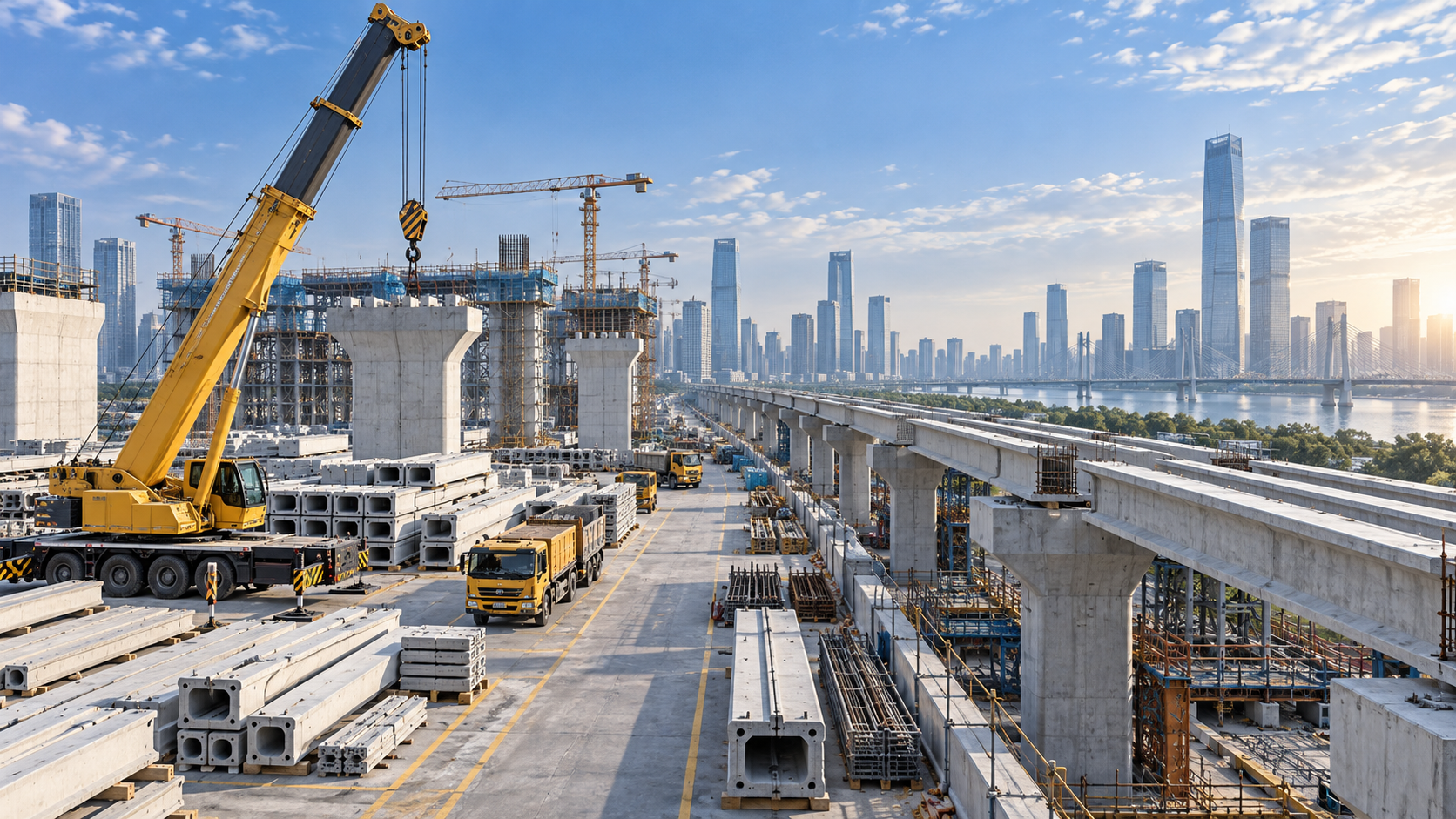
Remote railways, pipelines, and logistics arteries create a different challenge.
Assets are stretched across hundreds of kilometers, often crossing multiple climates and response zones.
Here, resource development technology solutions should be judged by how well they maintain continuity across the whole corridor.
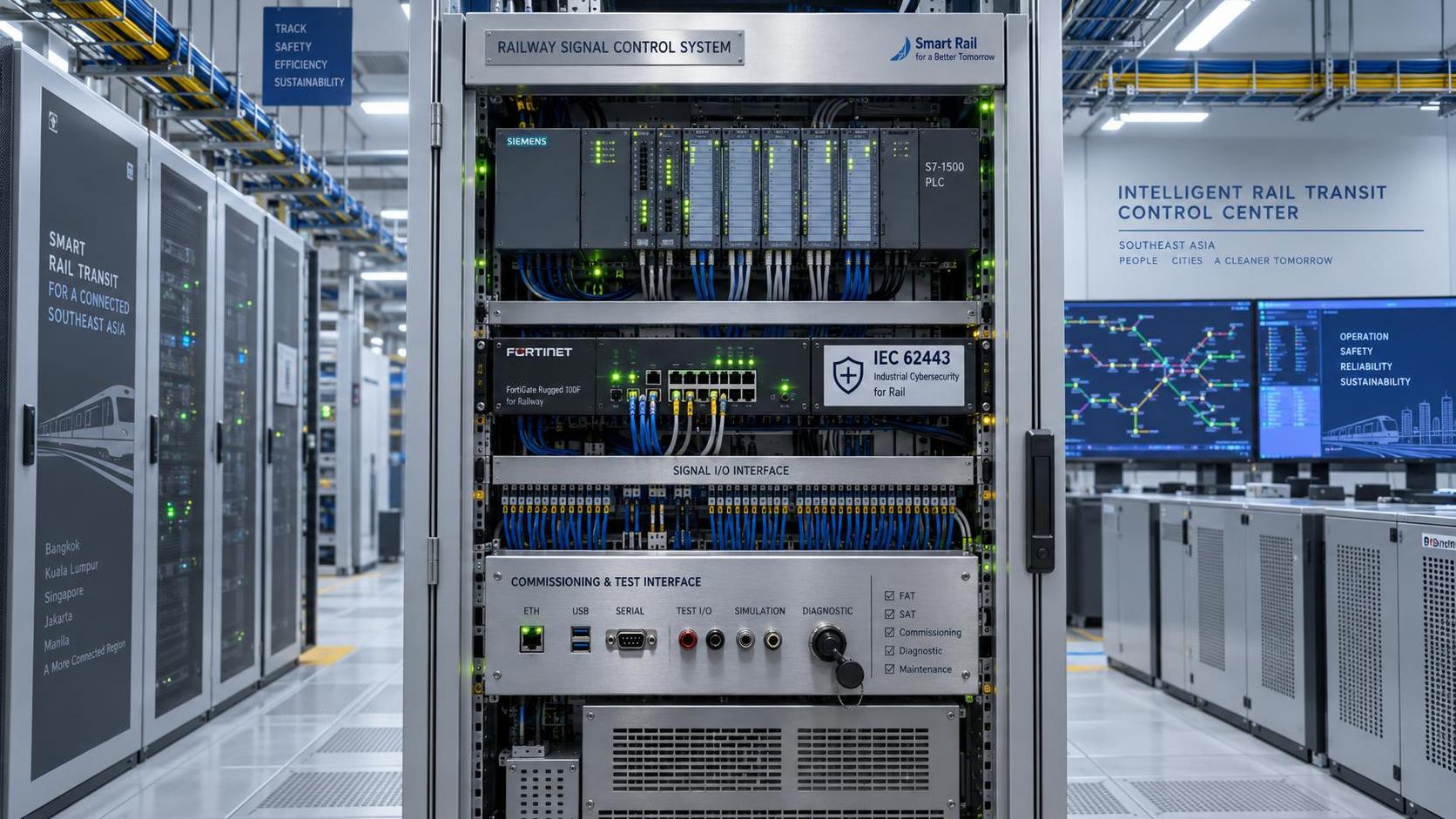
Track health monitoring, remote power diagnostics, and communications redundancy become more important than local processing power alone.
A signal fault in one section can ripple into delays, safety exposure, and maintenance bottlenecks elsewhere.
That is why long-distance projects increasingly rely on edge analytics paired with centralized visibility.
GIUT’s cross-sector view is useful here because corridor infrastructure rarely operates as a single discipline.
Civil works, signaling, heavy equipment, and energy systems influence one another every day.
The strongest resource development technology solutions support this interdependence instead of forcing separate, manually reconciled data streams.
What usually deserves closer review
- How quickly faults can be localized without sending crews across the full route.
- Whether monitoring devices keep working during power instability or weather disruption.
- If maintenance data can feed planning systems instead of staying trapped in separate platforms.
- Whether cybersecurity controls are built for distributed industrial endpoints.
Smart resource networks shift the conversation toward integration
Not every remote project is deep in a mine or along a transport line.
Some are becoming part of broader smart governance systems.
Examples include water resource zones linked to urban demand models, remote substations tied to smart grids, and waste-to-energy assets connected to city control platforms.
In these cases, resource development technology solutions are evaluated less by standalone capability and more by interoperability.
A technically strong platform can still underperform if it cannot exchange reliable data with supervisory systems, compliance frameworks, or predictive planning tools.
This is where the digital twin mindset becomes practical rather than theoretical.
If physical conditions, asset behavior, and operational decisions can be mirrored consistently, remote sites become easier to govern and optimize.
That supports carbon tracking, service reliability, and better resource allocation across regions.
Where teams often misjudge resource development technology solutions
Several errors appear across industries, even when the technology itself is advanced.
- Treating similar remote sites as identical, despite major differences in climate, load pattern, and access windows.
- Comparing upfront cost while ignoring maintenance intervals, firmware support, and replacement logistics.
- Selecting platforms with strong dashboards but weak field durability.
- Assuming connectivity will remain stable enough for cloud-first control.
- Delaying standards checks until late deployment, then discovering compatibility gaps.
In real projects, these misjudgments create hidden downtime and fragmented decision-making.
They also make future scaling harder, especially when remote assets must later join wider smart city or national infrastructure frameworks.
A practical way to match solutions to the site
Before selecting resource development technology solutions, it helps to organize decisions around operational realities rather than vendor categories.
- Map critical assets by failure impact, not only by asset value.
- Confirm communication limits, fallback modes, and edge autonomy requirements.
- Check environmental tolerances against actual field conditions over all seasons.
- Review data standards, control interfaces, and future integration paths.
- Estimate service access, spare strategy, and technician availability from day one.
This method keeps evaluation grounded.
It also aligns with GIUT’s broader view that resilient infrastructure depends on both engineering depth and intelligent coordination.
Resource development technology solutions perform best when they are chosen as part of a long operating system for the site, not as isolated upgrades.
What to clarify before moving forward
The next step is rarely adding more technology.
It is usually clarifying which scenario the project actually belongs to, where the biggest operational constraint sits, and which risks must be visible in real time.
For remote extraction, that may mean validating sensing depth, equipment survivability, and maintenance response cycles.
For linear infrastructure, it often means comparing communications architecture, fault isolation speed, and corridor-wide interoperability.
For smart resource networks, the key question is whether today’s system can support tomorrow’s governance and sustainability requirements.
When those conditions are clear, resource development technology solutions become easier to compare on cost, implementation difficulty, and long-term operational value.
That is usually the point where better decisions start.
Get weekly intelligence in your inbox.
No noise. No sponsored content. Pure intelligence.
News Recommendations
 Sep 19, 2026How an electronics application guide helps prevent component mismatchHow an electronics application guide helps prevent component mismatch
 Sep 18, 2026When a resource allocation platform improves project deliveryWhen a resource allocation platform improves project delivery
 Sep 17, 2026What to compare when evaluating mineral processing equipment manufacturersWhat to compare when evaluating mineral processing equipment manufacturers
 Sep 16, 2026How mineral separation optimization can reduce concentrate lossesHow mineral separation optimization can reduce concentrate losses
 Sep 15, 2026How to assess lifecycle costs in urban tech procurementHow to assess lifecycle costs in urban tech procurement
 Sep 14, 2026Heavy industry technology trends reshaping capital investment prioritiesHeavy industry technology trends reshaping capital investment priorities
 Sep 14, 2026Global Industrial Equipment Procurement: How Top OEMs Qualify Suppliers for Mining & Infrastructure ProjectsGlobal Industrial Equipment Procurement: How Top OEMs Qualify Suppliers for Mining & Infrastructure Projects
 Sep 14, 2026Industrial & Mining Equipment Procurement: Balancing Local Sourcing, Lead Time, and Certification RequirementsIndustrial & Mining Equipment Procurement: Balancing Local Sourcing, Lead Time, and Certification Requirements
 Sep 14, 2026Infrastructure & Equipment Upgrades: What Procurement Teams Must Verify Before Signing Off on New ContractsInfrastructure & Equipment Upgrades: What Procurement Teams Must Verify Before Signing Off on New Contracts
 Sep 14, 2026Why Infrastructure Equipment Buyers Are Shifting from Catalog-Based to Capability-Based Supplier SelectionWhy Infrastructure Equipment Buyers Are Shifting from Catalog-Based to Capability-Based Supplier Selection
 Sep 14, 2026Process Automation Project Execution: How to Align Supplier Capabilities with PLC Integration, Cybersecurity & Commissioning MilestonesProcess Automation Project Execution: How to Align Supplier Capabilities with PLC Integration, Cybersecurity & Commissioning Milestones
 Sep 14, 2026Are intelligent traffic systems worth the investment for small cities?Are intelligent traffic systems worth the investment for small cities?
 Sep 14, 2026How do intelligent traffic systems handle sensor failures?How do intelligent traffic systems handle sensor failures?
 Sep 14, 2026What should I check before accepting a smart building system?What should I check before accepting a smart building system?
 Sep 14, 2026Is a smart building system worth the maintenance cost?Is a smart building system worth the maintenance cost?
 Sep 14, 2026What data is needed for reliable resource allocation planning?What data is needed for reliable resource allocation planning?
 Sep 14, 2026How can resource allocation software reduce equipment idle time?How can resource allocation software reduce equipment idle time?
 Sep 14, 2026How should smart devices be maintained in harsh outdoor conditions?How should smart devices be maintained in harsh outdoor conditions?
 Sep 14, 2026Do smart devices improve worker safety on construction sites?Do smart devices improve worker safety on construction sites?
 Sep 14, 2026What environmental risks must be assessed before deep-sea mining?What environmental risks must be assessed before deep-sea mining?
 Sep 14, 2026Is deep-sea mining equipment commercially viable in 2026?Is deep-sea mining equipment commercially viable in 2026?
 Sep 14, 2026What Inspection Checks Should Procurement Teams Perform Before Ordering Dredging Equipment in 2026?What Inspection Checks Should Procurement Teams Perform Before Ordering Dredging Equipment in 2026?
 Sep 13, 2026How to verify an industrial product information source before specifying equipmentHow to verify an industrial product information source before specifying equipment
 Sep 12, 2026Which intelligent traffic systems hardware fits an urban intersection?Which intelligent traffic systems hardware fits an urban intersection?
 Sep 11, 2026How pump capacity affects response coverage for municipal fire fighting vehiclesHow pump capacity affects response coverage for municipal fire fighting vehicles
 Sep 10, 2026What to verify before choosing a heavy industry equipment supplierWhat to verify before choosing a heavy industry equipment supplier
 Sep 09, 2026When do adaptive urban traffic control systems reduce corridor delays?When do adaptive urban traffic control systems reduce corridor delays?