Construction Technology Trends Reshaping Jobsite Efficiency in 2026
Construction technology is moving from innovation story to operating standard
In 2026, construction technology is no longer treated as a pilot layer added after project planning.
It is becoming part of the baseline operating model for infrastructure, buildings, logistics corridors, and public works.
That shift matters because jobsite efficiency is under pressure from every direction at once.
Labor shortages remain uneven, project schedules are tighter, and reporting expectations keep rising.
At the same time, urban projects now connect with energy systems, transport data, emissions targets, and long-term asset intelligence.
This broader context is why construction technology now sits closer to board-level planning than site-level experimentation.
Across heavy industry and smart city development, the most visible change is not one device or software category.
It is the merging of physical execution with digital oversight.
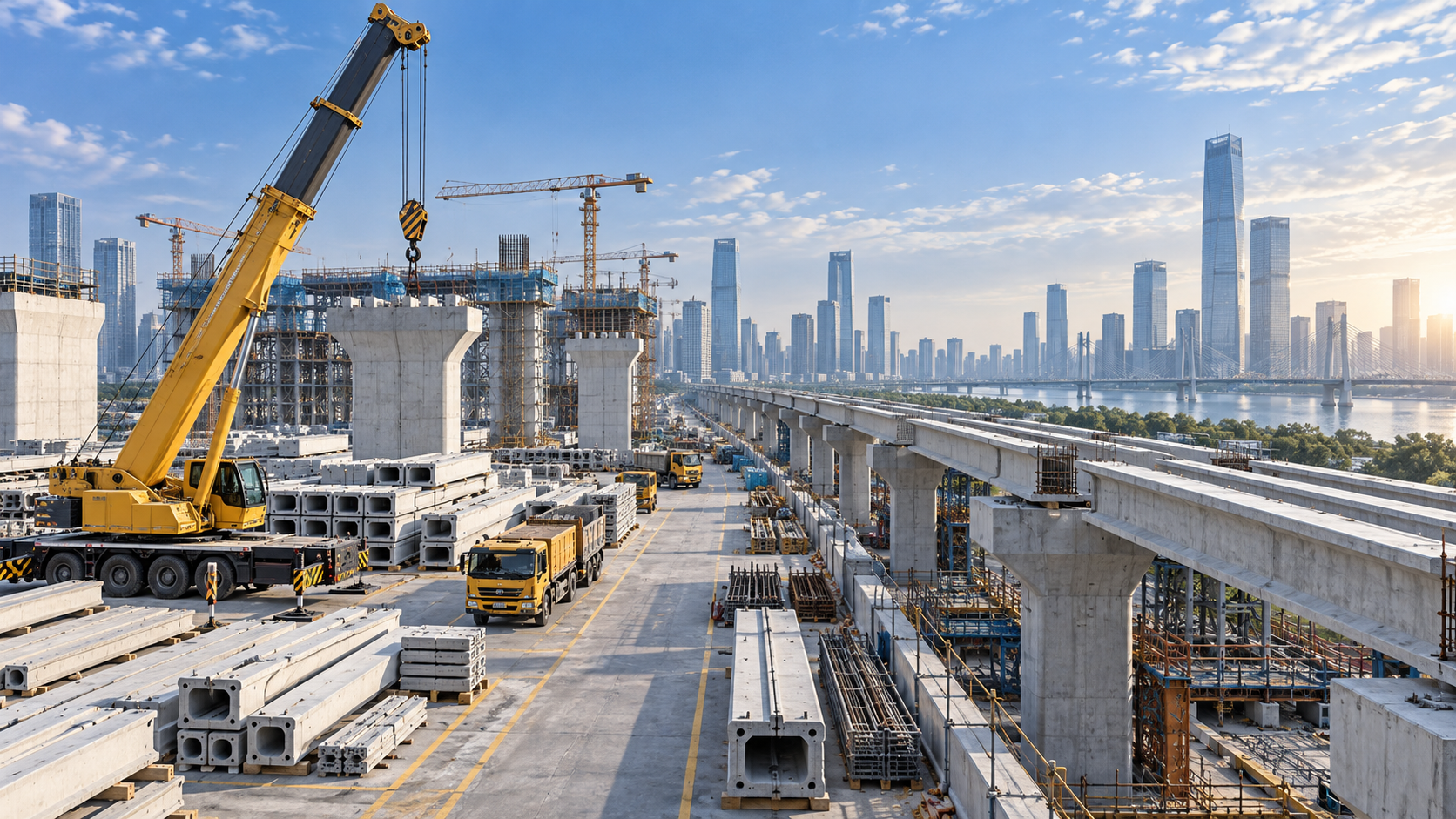
That is especially relevant for projects where rail, utilities, buildings, equipment fleets, and urban governance now intersect.
Construction technology increasingly works as the coordination layer that keeps those systems aligned.
The strongest 2026 signal is that disconnected tools are losing ground
A few years ago, many contractors adopted digital tools in isolated pockets.
Drone mapping might sit in one team, scheduling software in another, and equipment telematics in a third.
That model is fading.
What stands out in 2026 is the demand for connected workflows that link design intent, field progress, safety monitoring, and asset data.
The reason is practical.
Efficiency losses rarely come from one dramatic failure.
They come from small disconnects between crews, machines, materials, approvals, and changing site conditions.
Construction technology now gains value when it reduces those handoff gaps.
This is why digital twins, common data environments, and live field reporting are receiving more attention than standalone apps.
Decision quality improves when site data moves faster than site problems.
What is pushing this change
- Project owners want earlier visibility into delays, rework exposure, and compliance gaps.
- Equipment fleets now generate usable operating data instead of simple maintenance logs.
- Prefabrication and modular methods require tighter sequencing than conventional site coordination.
- Sustainability reporting is pulling material, transport, and site-energy data into one decision framework.
- Urban infrastructure projects increasingly need records that support long-term operations, not only handover.
Automation is becoming selective, not universal
One of the more mature construction technology trends is the move away from broad automation claims.
The market is becoming more selective.
Automation works best where tasks are repetitive, measurable, and closely linked to safety or schedule performance.
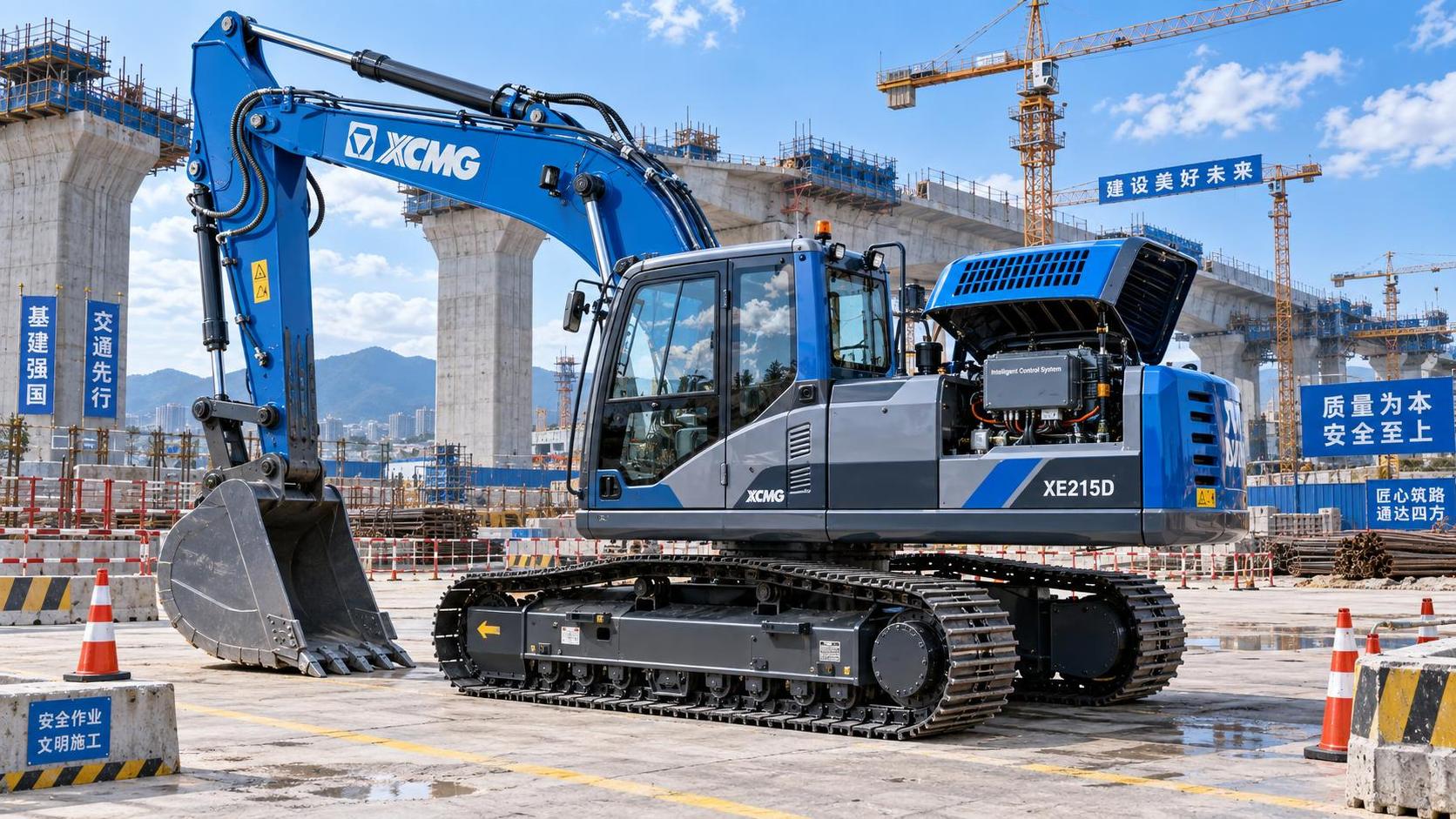
That includes robotic layout, autonomous earthmoving support, machine guidance, and materials tracking.
More complex, judgment-heavy tasks still depend on experienced site leadership.
This distinction matters because it changes how capital is evaluated.
The most successful construction technology investments are not replacing the entire jobsite.
They are removing friction from the parts of work that slow everything else down.
In heavy civil projects, that may mean automated grade control and smarter material flow.
In vertical construction, it may mean robotic layout linked to BIM revisions.
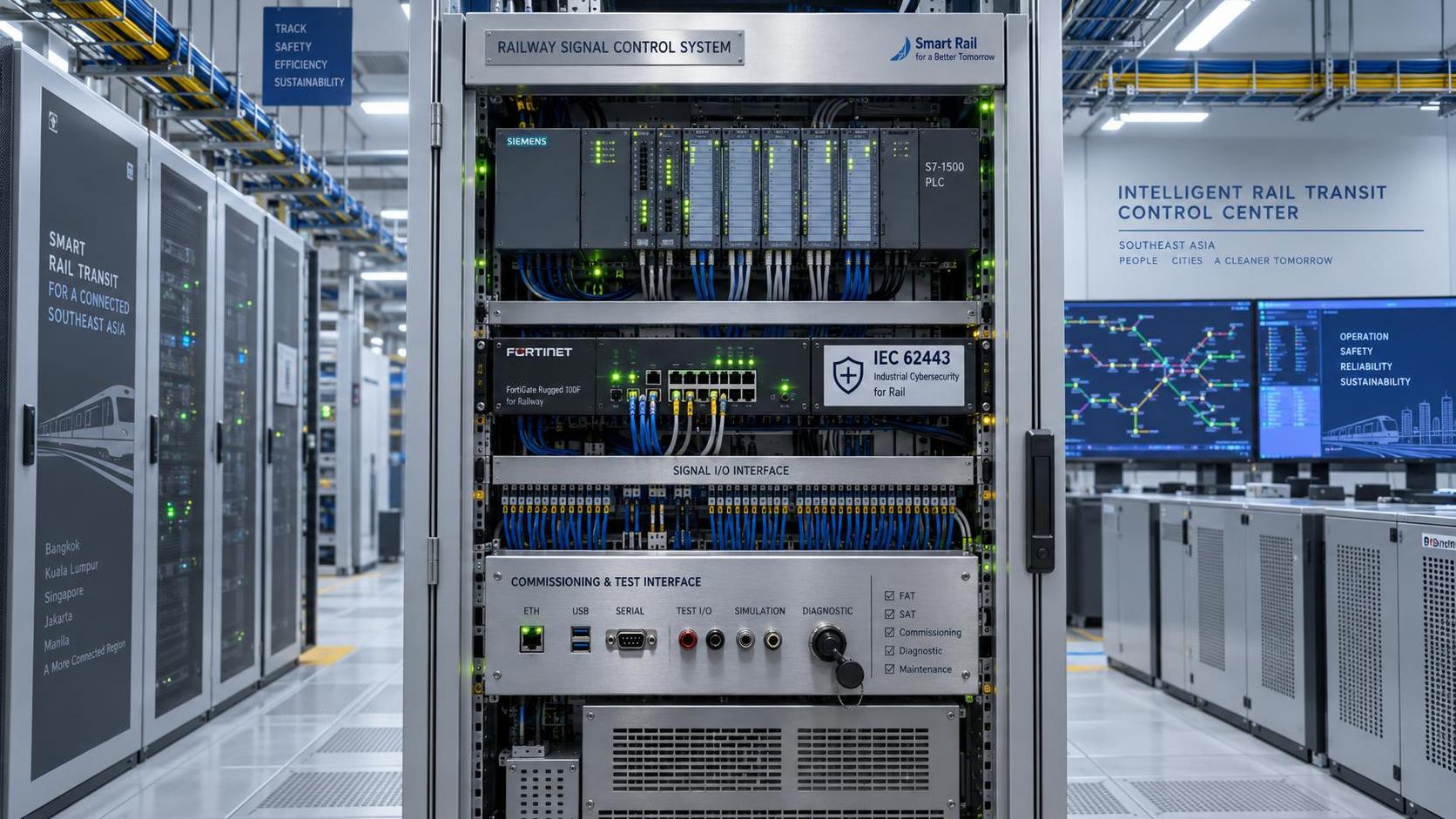
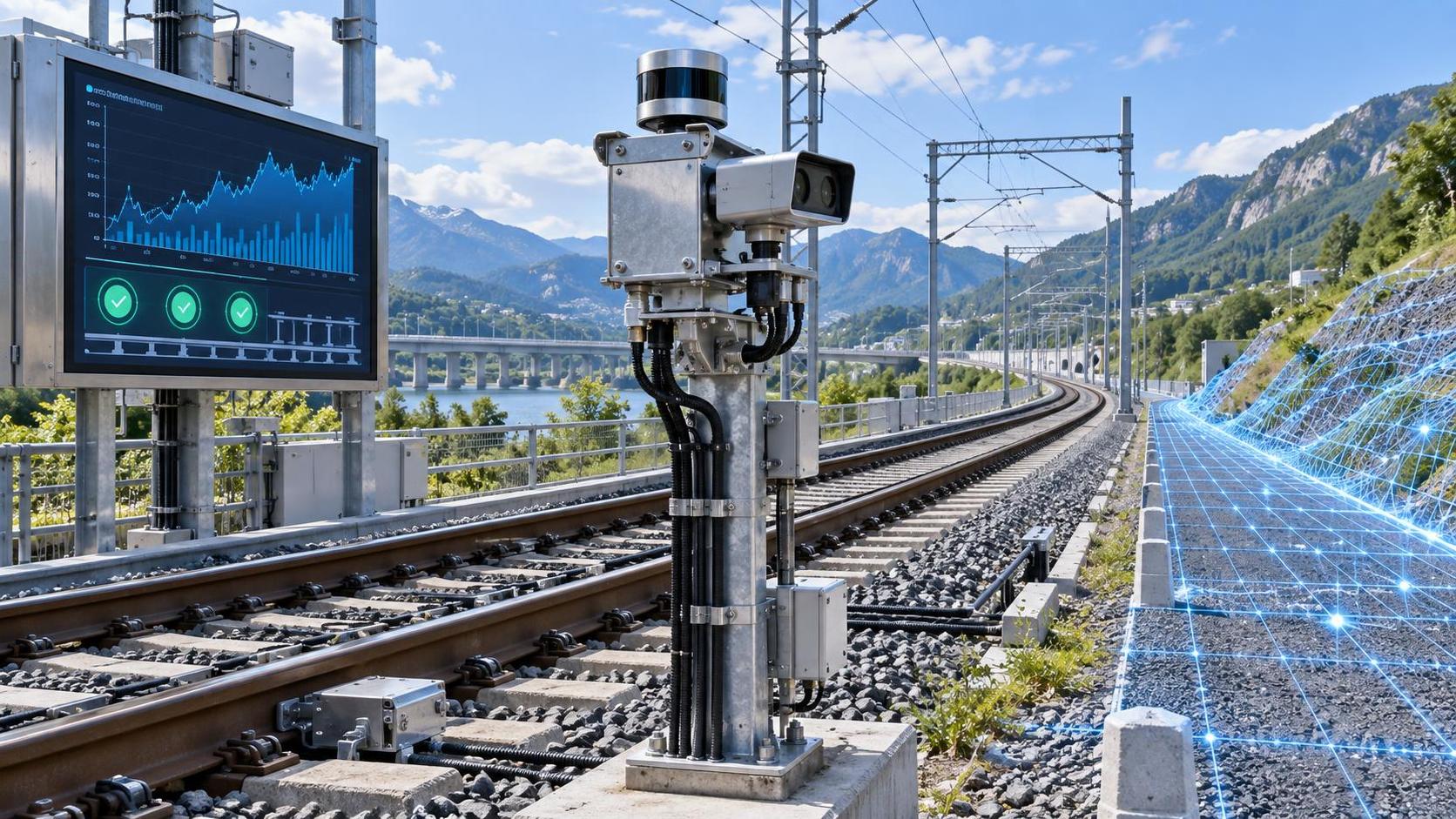
In rail and logistics facilities, it often means sensor-based monitoring around access, sequencing, and equipment utilization.
Smart monitoring is changing how risk is seen on site
Another clear shift is the rise of continuous monitoring as an operating habit.
Construction technology is moving beyond periodic inspection and into live condition awareness.
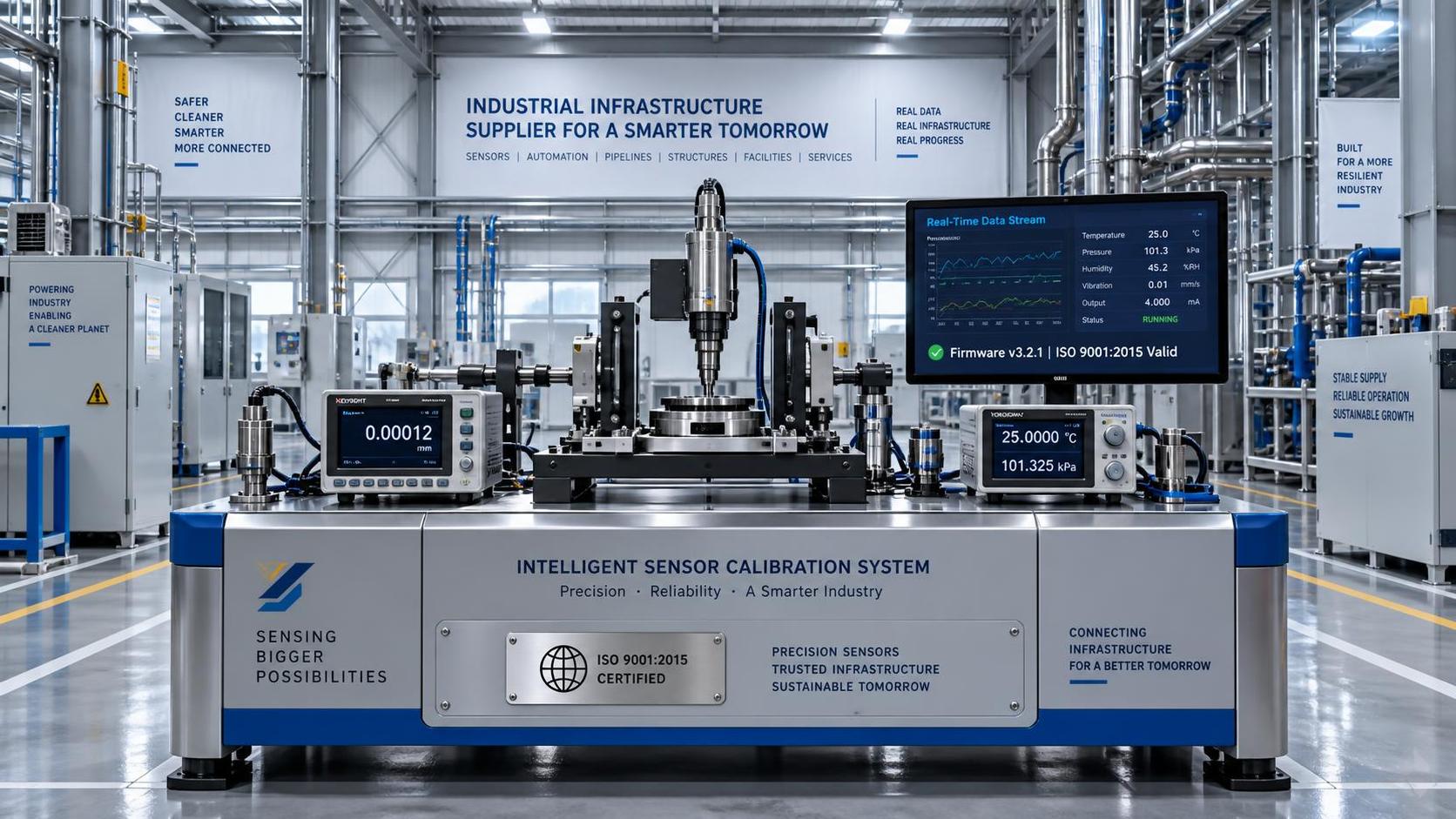
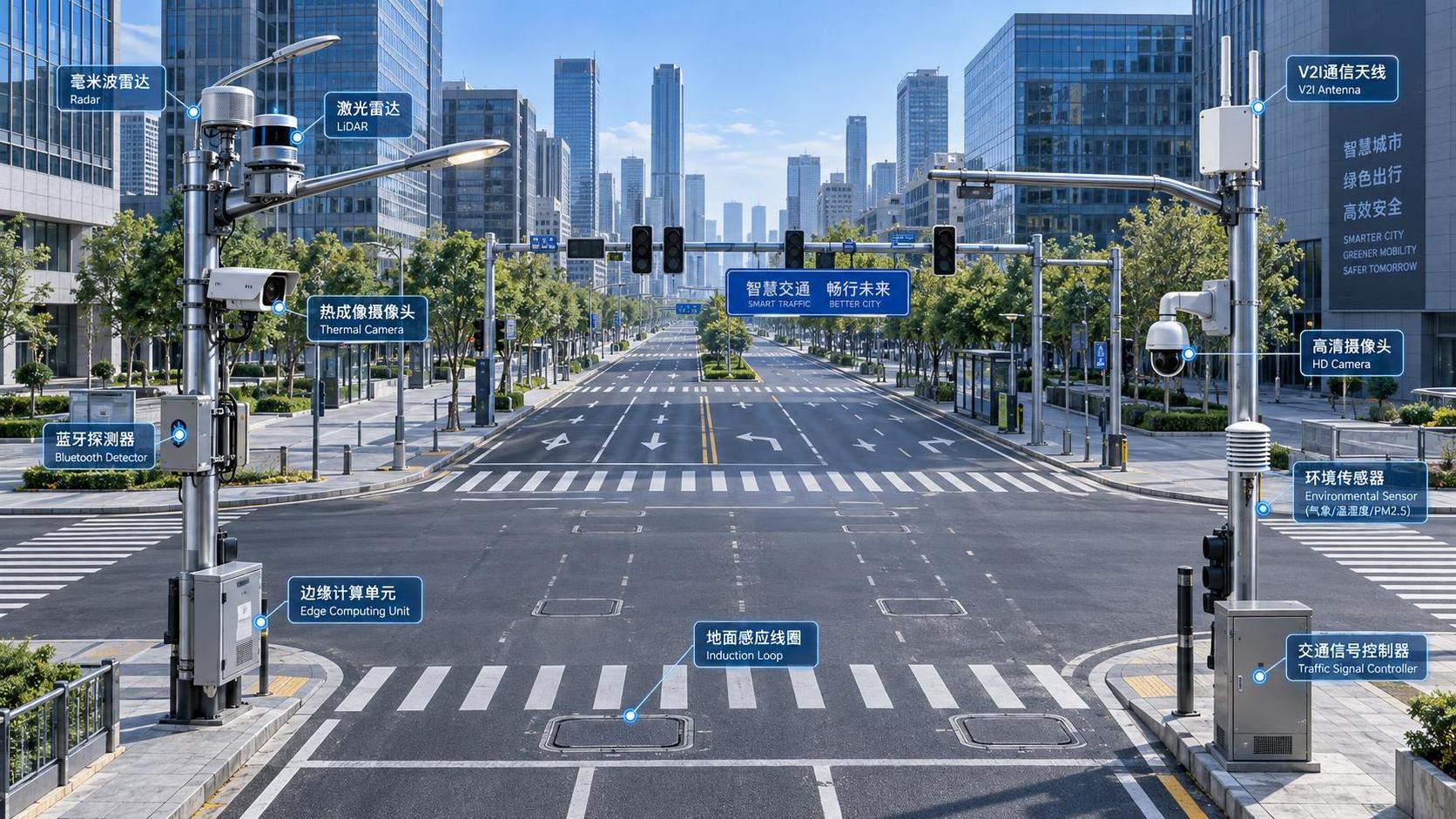
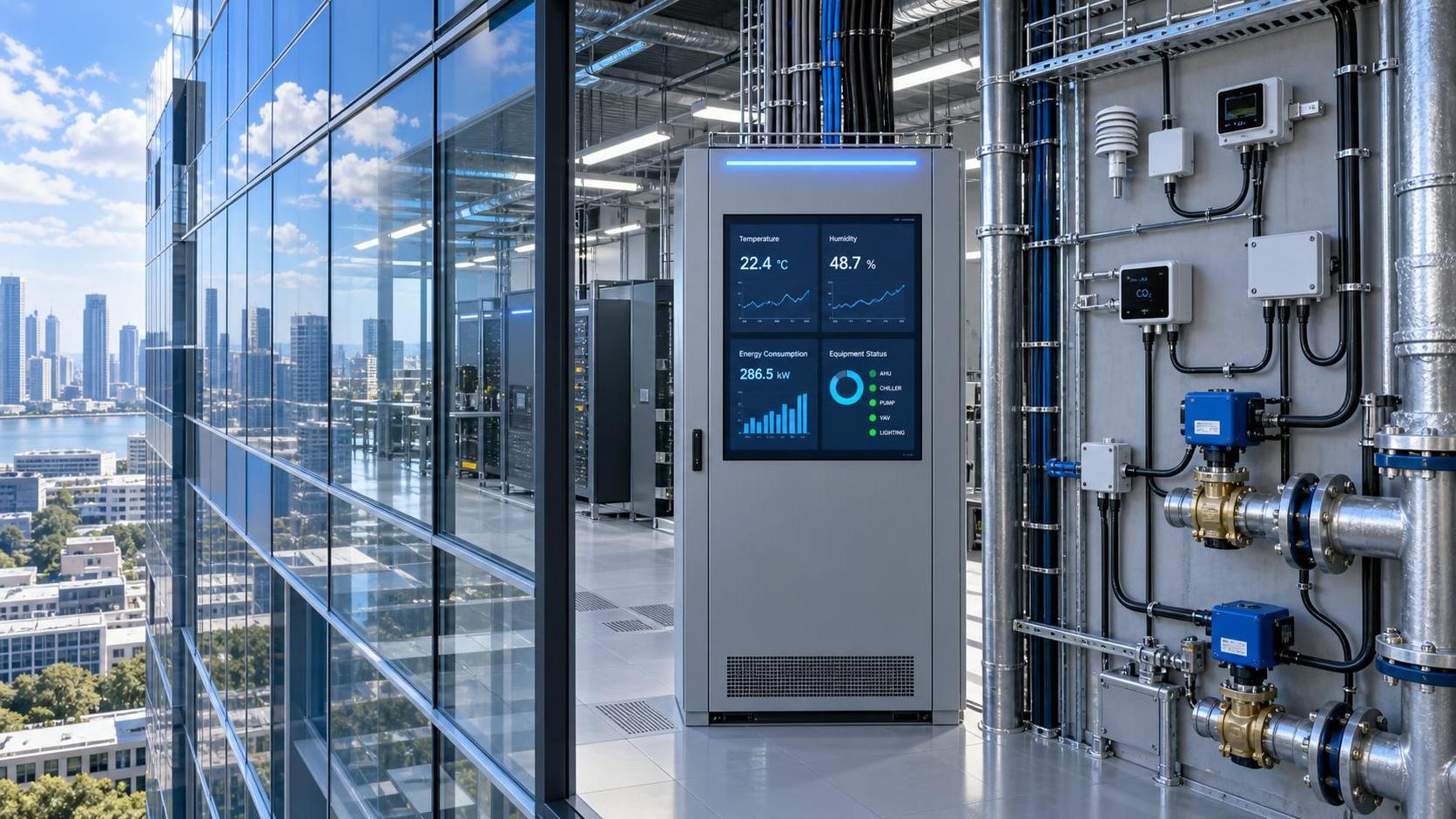
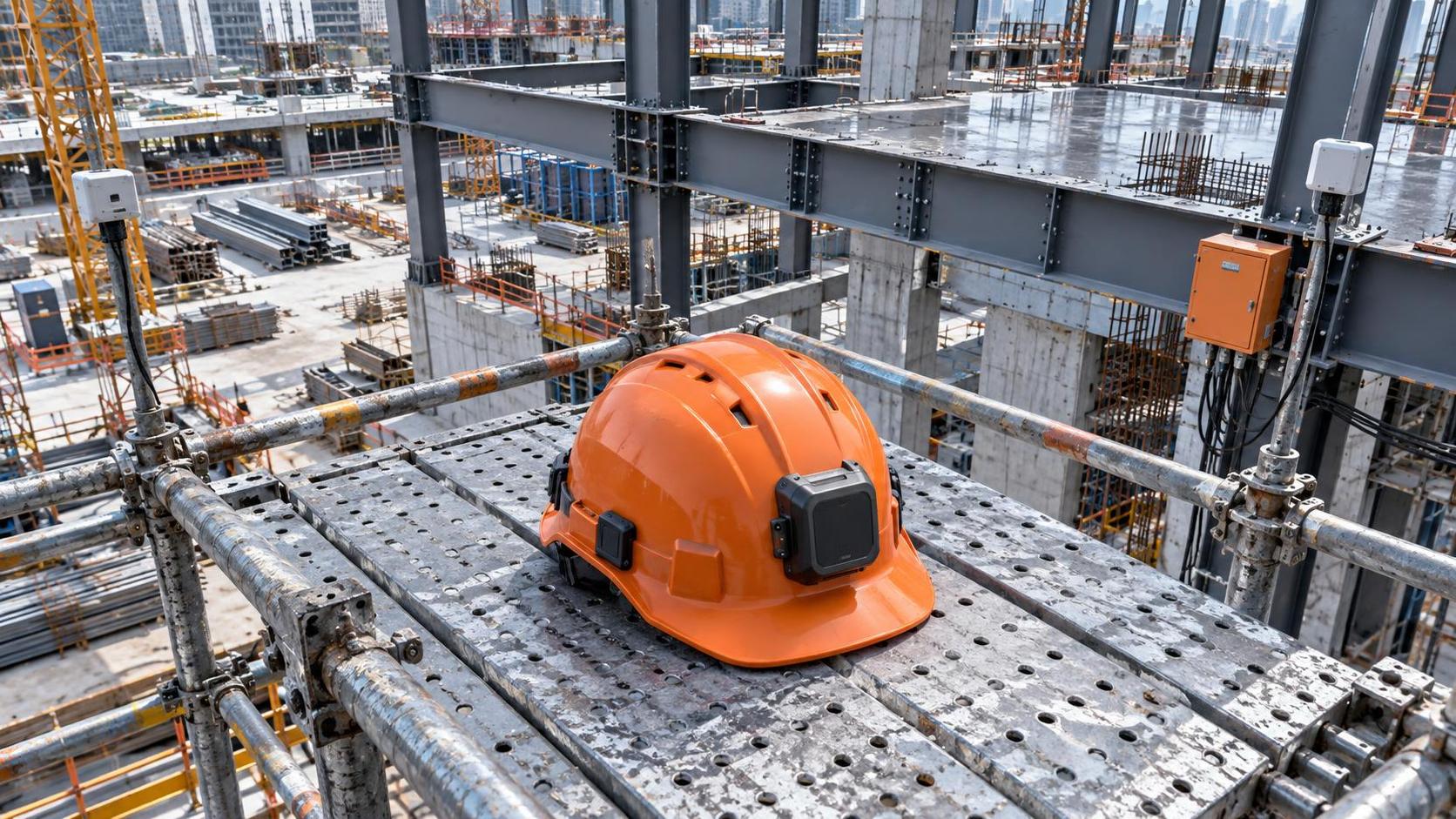
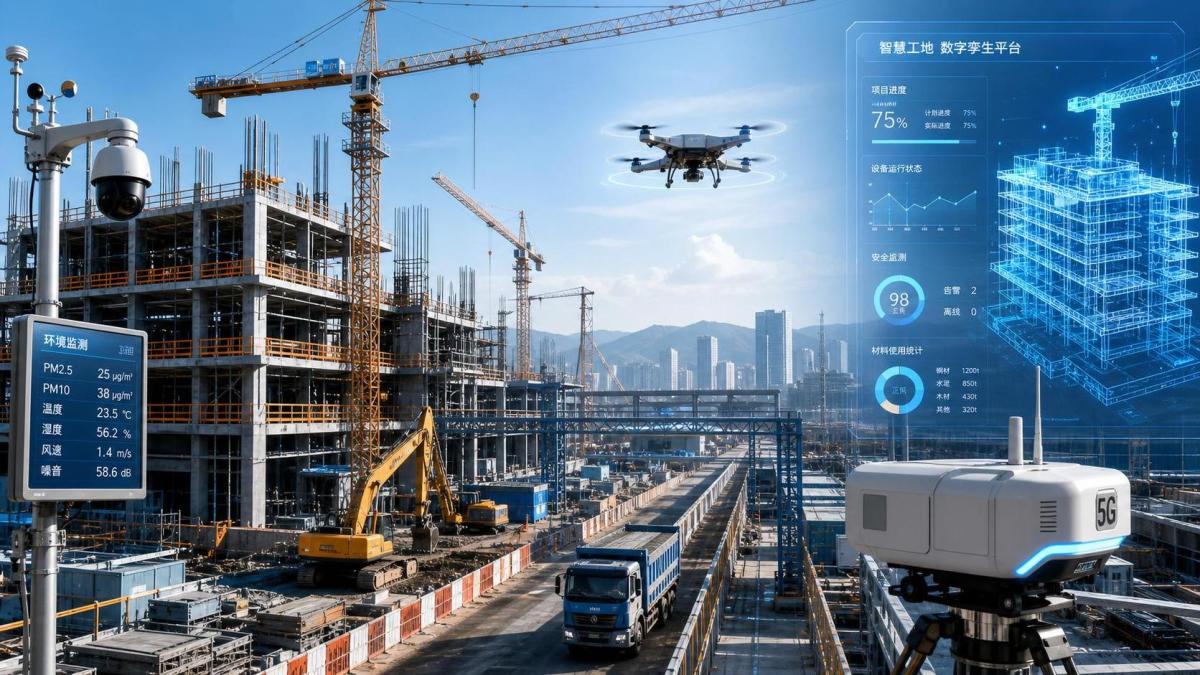
Wearables, geofencing, environmental sensors, concrete maturity tracking, and camera-based analytics are all part of this change.
The real value is not surveillance for its own sake.
It is earlier intervention.
A heat alert, a curing anomaly, an equipment conflict zone, or an access breach can now trigger action before productivity drops.
This matters even more on complex sites tied to utilities, transport networks, or public-space operations.
In those environments, a small site disruption can ripple into wider urban systems.
From a GIUT-style infrastructure perspective, that is the larger story behind smart monitoring.
Construction technology is being judged not only by task speed, but by how well it protects connected physical systems.
Digital twins are becoming practical when they stay close to field reality
Digital twins have been discussed for years, but 2026 feels different.
The conversation is becoming less theoretical and more operational.
Construction technology teams are now using digital twins to compare planned conditions with actual site progress, resource status, and performance constraints.
That only works when models are updated by credible field inputs.
If the model is static, the twin becomes presentation material.
If the model is fed by progress capture, sensor data, and equipment information, it becomes a control tool.
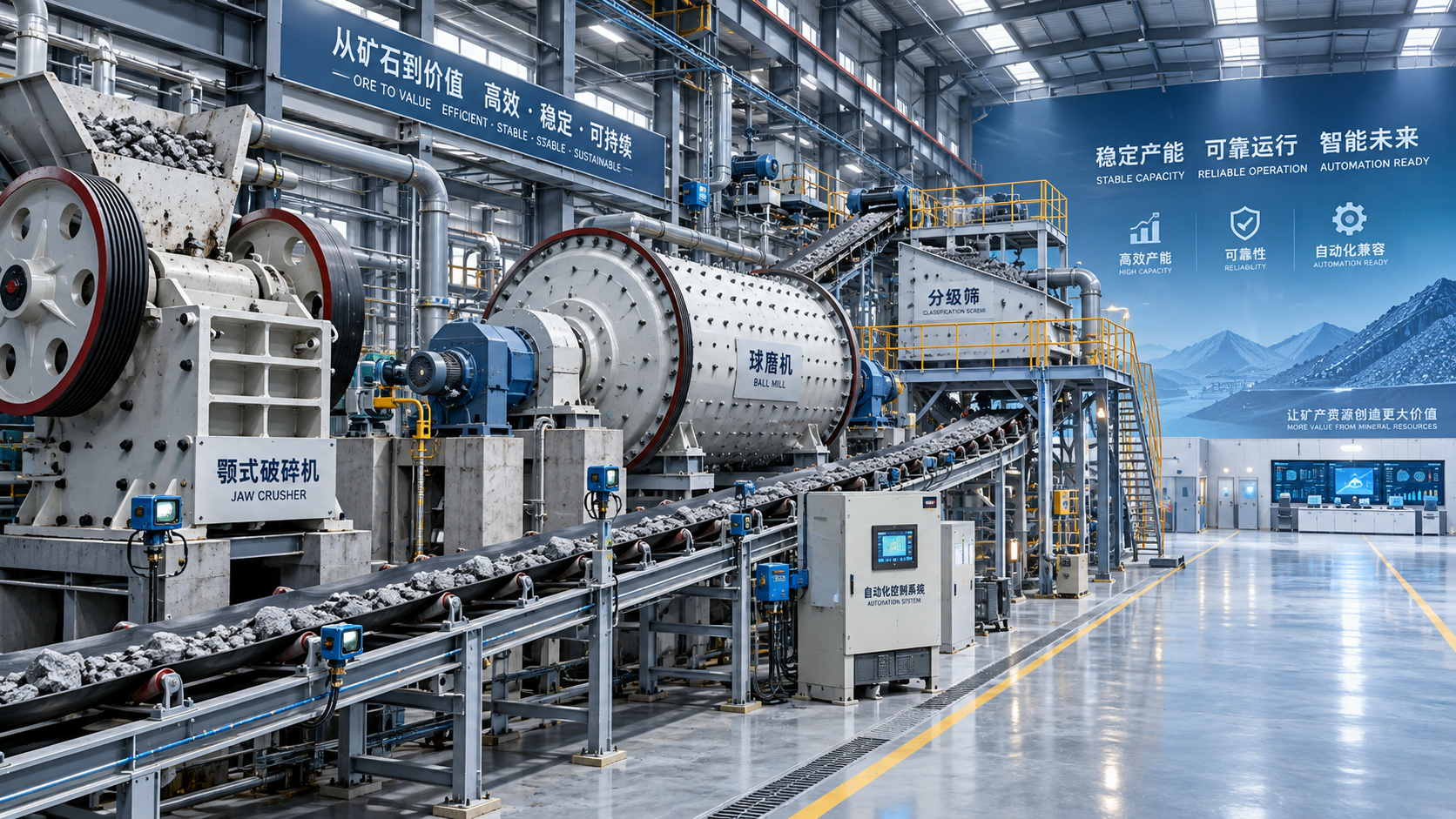
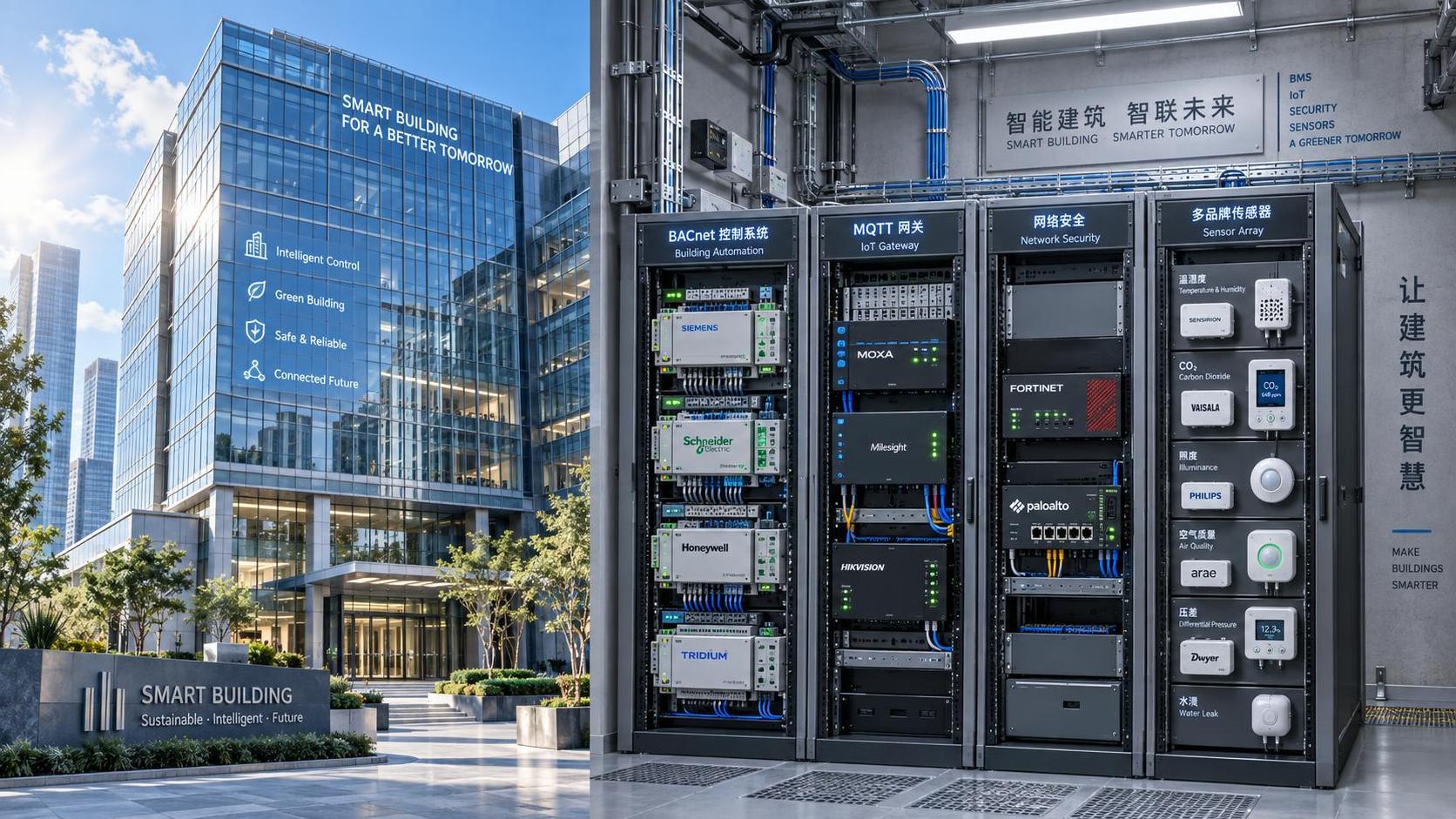
This is particularly valuable in major infrastructure, mining facilities, smart buildings, and transport assets.
Those projects involve long lifecycles and many operational dependencies.
A useful digital twin helps reduce commissioning surprises, supports maintenance planning, and preserves decision context after handover.
That is one reason construction technology now overlaps more directly with asset management strategy.
Where digital twins now create practical value
- Tracking construction progress against design changes in near real time.
- Linking site conditions to commissioning readiness across systems.
- Supporting operational planning for utilities, mobility, and public assets.
- Improving lifecycle visibility for owners facing stricter resilience targets.
The impact is spreading beyond contractors and into the full delivery chain
Construction technology no longer affects one organization at a time.
Its impact is spreading across designers, equipment suppliers, infrastructure operators, public agencies, and long-term asset managers.
That is why adoption decisions now have broader consequences.
When one part of the chain becomes data-rich and another remains manual, bottlenecks shift rather than disappear.
In practice, this means construction technology strategy must pay attention to interoperability, training, governance, and evidence standards.
The pressure is especially visible where smart cities and heavy infrastructure meet.
A transport corridor project may now depend on building systems data, traffic management logic, and utility coordination.
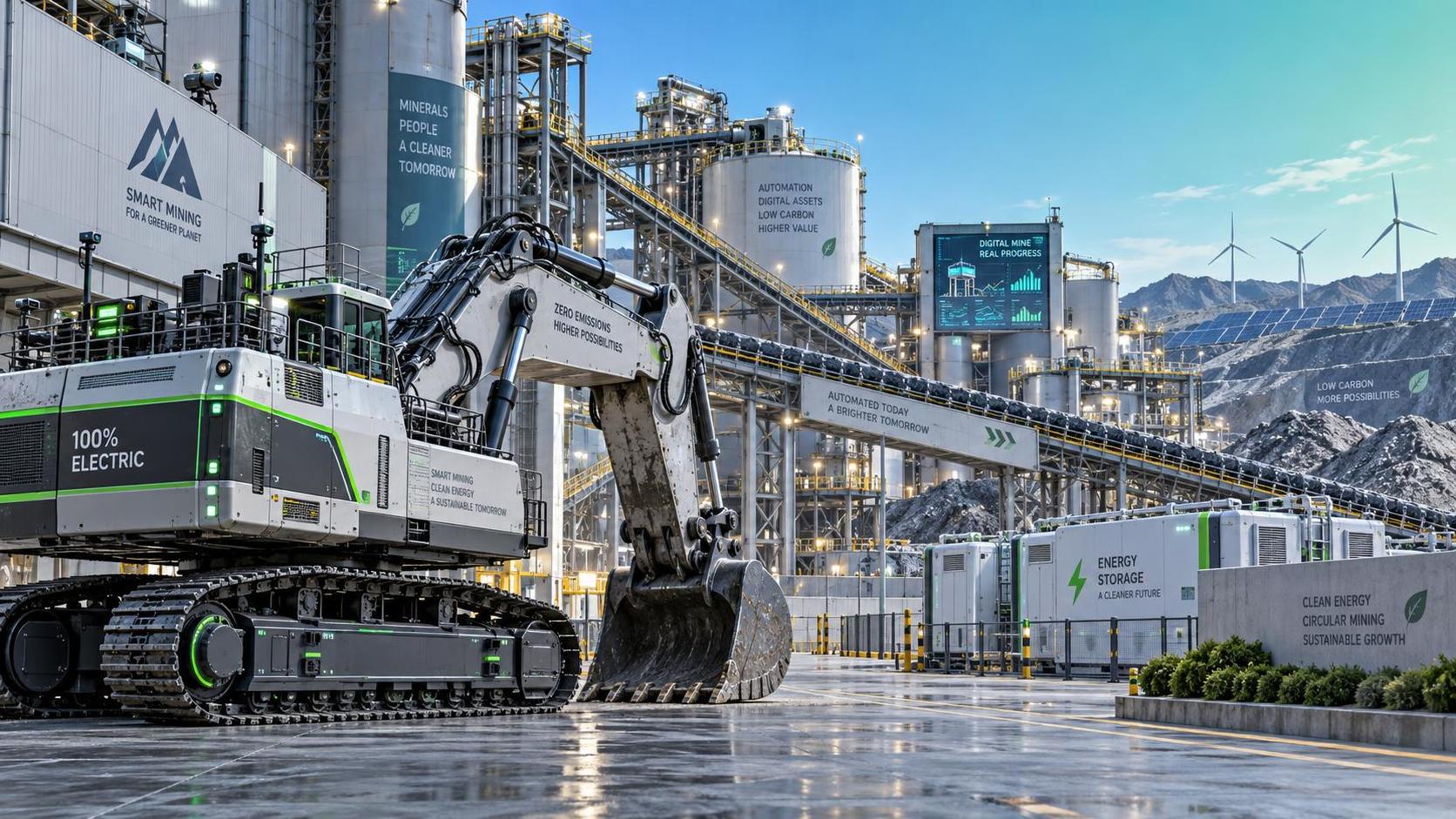
A resource project may rely on remote monitoring, safety intelligence, and equipment uptime records across distributed sites.
The wider the project ecosystem becomes, the more construction technology needs to serve as a shared operational language.
What deserves attention now is not more tools, but sharper selection logic
One of the biggest mistakes in this market is treating every new platform as a strategic necessity.
The better question is where construction technology can change workflow quality fast enough to matter.
From recent project patterns, several filters are becoming more useful than broad innovation messaging.
- Check whether the tool reduces a recurring coordination delay, not a rare exception.
- Measure whether field teams can act on the output without adding reporting burden.
- Review whether the data created will still be useful during operations or maintenance.
- Test whether equipment, design, and compliance data can connect without heavy manual cleanup.
- Confirm whether the vendor logic fits local standards, workforce conditions, and delivery models.
This is also where the market is becoming more disciplined.
Construction technology is increasingly expected to prove operational fit, not just digital ambition.
The next advantage comes from building a phased response, not chasing every headline
The direction of travel is clear.
Construction technology will continue to shape safer, faster, and more transparent jobsites.
But the strongest results will come from sequencing adoption around business-critical friction points.
A practical next step is to map where delays, rework, idle assets, and blind spots still cluster.
Then compare those patterns with technologies that improve visibility, coordination, or repeatability.
It also helps to review whether current data standards can support future digital twin and asset intelligence goals.
For organizations operating across infrastructure, smart building, transport, or heavy equipment ecosystems, the bigger opportunity is alignment.
Construction technology works best when it connects engineering decisions with operational reality.
That is the deeper 2026 shift.
The industry is not simply digitizing the jobsite.
It is rebuilding the logic of how physical projects are planned, delivered, and sustained.
The most useful move now is to track the signals that affect execution, choose technologies with lifecycle relevance, and build a staged response plan around them.
Get weekly intelligence in your inbox.
No noise. No sponsored content. Pure intelligence.
News Recommendations
 Sep 20, 2026How to evaluate high speed rail systems equipment for reliabilityHow to evaluate high speed rail systems equipment for reliability
 Sep 19, 2026How an electronics application guide helps prevent component mismatchHow an electronics application guide helps prevent component mismatch
 Sep 18, 2026When a resource allocation platform improves project deliveryWhen a resource allocation platform improves project delivery
 Sep 17, 2026What to compare when evaluating mineral processing equipment manufacturersWhat to compare when evaluating mineral processing equipment manufacturers
 Sep 16, 2026How mineral separation optimization can reduce concentrate lossesHow mineral separation optimization can reduce concentrate losses
 Sep 15, 2026How to assess lifecycle costs in urban tech procurementHow to assess lifecycle costs in urban tech procurement
 Sep 14, 2026Heavy industry technology trends reshaping capital investment prioritiesHeavy industry technology trends reshaping capital investment priorities
 Sep 14, 2026When Should You Update Supplier Capability Data? Triggers, Frequency & Audit RequirementsWhen Should You Update Supplier Capability Data? Triggers, Frequency & Audit Requirements
 Sep 14, 2026Supplier Specification vs. Vendor Specification: Key Differences That Impact Procurement ComplianceSupplier Specification vs. Vendor Specification: Key Differences That Impact Procurement Compliance
 Sep 14, 2026How to Compare Vendor Specifications Across Industrial Equipment Categories — A Framework for EngineersHow to Compare Vendor Specifications Across Industrial Equipment Categories — A Framework for Engineers
 Sep 14, 2026Global Industrial Equipment Procurement: How Top OEMs Qualify Suppliers for Mining & Infrastructure ProjectsGlobal Industrial Equipment Procurement: How Top OEMs Qualify Suppliers for Mining & Infrastructure Projects
 Sep 14, 2026Industrial & Mining Equipment Procurement: Balancing Local Sourcing, Lead Time, and Certification RequirementsIndustrial & Mining Equipment Procurement: Balancing Local Sourcing, Lead Time, and Certification Requirements
 Sep 14, 2026Infrastructure & Equipment Upgrades: What Procurement Teams Must Verify Before Signing Off on New ContractsInfrastructure & Equipment Upgrades: What Procurement Teams Must Verify Before Signing Off on New Contracts
 Sep 14, 2026Why Infrastructure Equipment Buyers Are Shifting from Catalog-Based to Capability-Based Supplier SelectionWhy Infrastructure Equipment Buyers Are Shifting from Catalog-Based to Capability-Based Supplier Selection
 Sep 14, 2026Process Automation Project Execution: How to Align Supplier Capabilities with PLC Integration, Cybersecurity & Commissioning MilestonesProcess Automation Project Execution: How to Align Supplier Capabilities with PLC Integration, Cybersecurity & Commissioning Milestones
 Sep 14, 2026Are intelligent traffic systems worth the investment for small cities?Are intelligent traffic systems worth the investment for small cities?
 Sep 14, 2026How do intelligent traffic systems handle sensor failures?How do intelligent traffic systems handle sensor failures?
 Sep 14, 2026What should I check before accepting a smart building system?What should I check before accepting a smart building system?
 Sep 14, 2026Is a smart building system worth the maintenance cost?Is a smart building system worth the maintenance cost?
 Sep 14, 2026What data is needed for reliable resource allocation planning?What data is needed for reliable resource allocation planning?
 Sep 14, 2026How can resource allocation software reduce equipment idle time?How can resource allocation software reduce equipment idle time?
 Sep 14, 2026How should smart devices be maintained in harsh outdoor conditions?How should smart devices be maintained in harsh outdoor conditions?
 Sep 14, 2026Do smart devices improve worker safety on construction sites?Do smart devices improve worker safety on construction sites?
 Sep 14, 2026What environmental risks must be assessed before deep-sea mining?What environmental risks must be assessed before deep-sea mining?
 Sep 14, 2026Is deep-sea mining equipment commercially viable in 2026?Is deep-sea mining equipment commercially viable in 2026?
 Sep 14, 2026What Inspection Checks Should Procurement Teams Perform Before Ordering Dredging Equipment in 2026?What Inspection Checks Should Procurement Teams Perform Before Ordering Dredging Equipment in 2026?
 Sep 13, 2026How to verify an industrial product information source before specifying equipmentHow to verify an industrial product information source before specifying equipment