Which smart building maintenance technologies cut downtime best?
For facility leaders seeking less downtime, today’s maintenance technologies for smart buildings go far beyond routine inspections. From AI-driven monitoring and digital twins to predictive analytics that support carbon reduction technologies and green engineering solutions, the best systems turn reactive upkeep into strategic resilience. This guide examines which tools deliver the strongest uptime gains across modern infrastructure and the wider physical world transformation.
For technical evaluators, procurement teams, project managers, safety leaders, and infrastructure decision-makers, the real question is not whether to digitize maintenance, but which technologies reduce interruptions fastest and most consistently. In commercial towers, transit hubs, industrial campuses, hospitals, and mixed-use developments, even 1 to 3 hours of unplanned downtime can disrupt tenant services, safety systems, energy performance, and operating budgets.
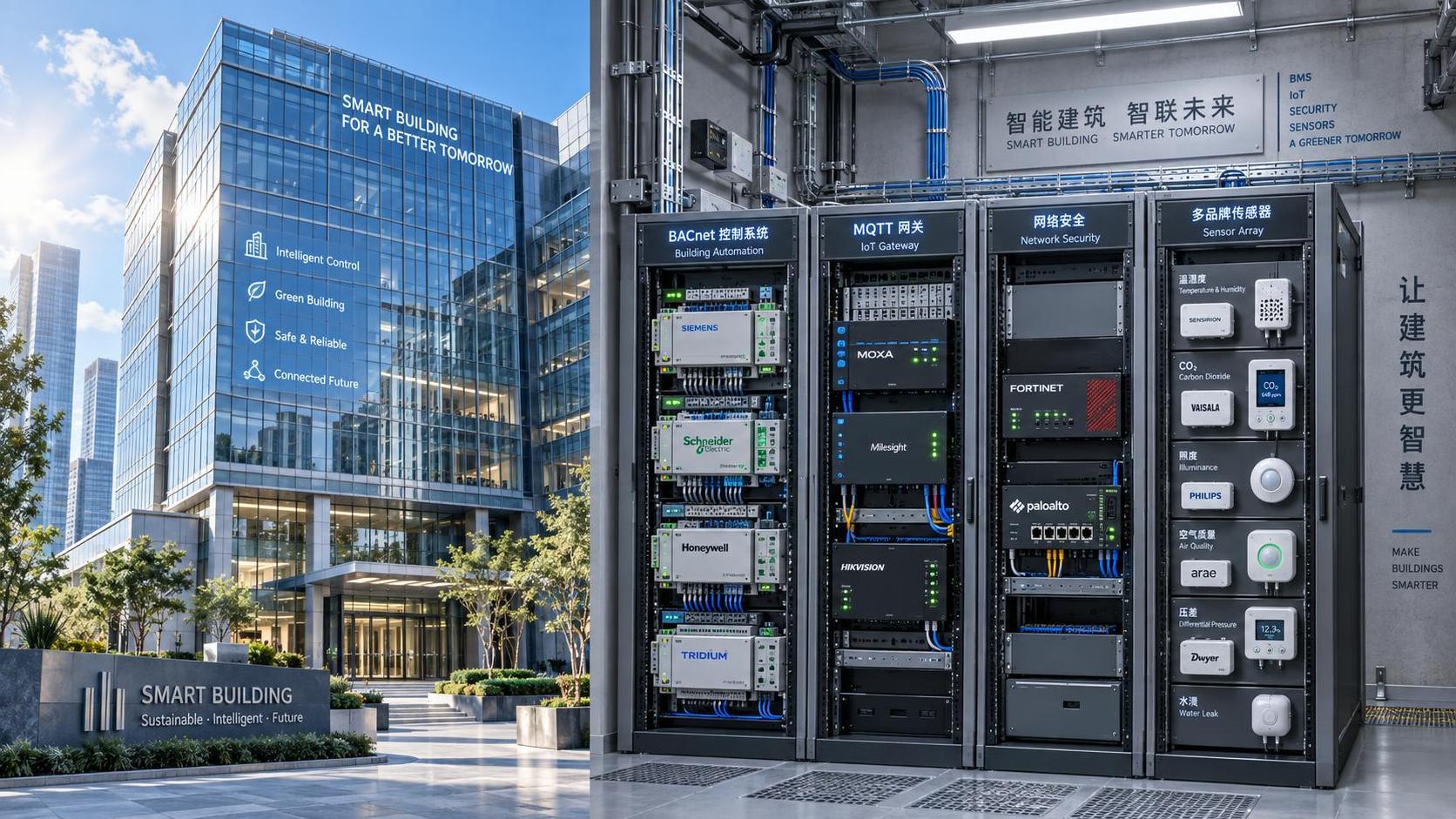
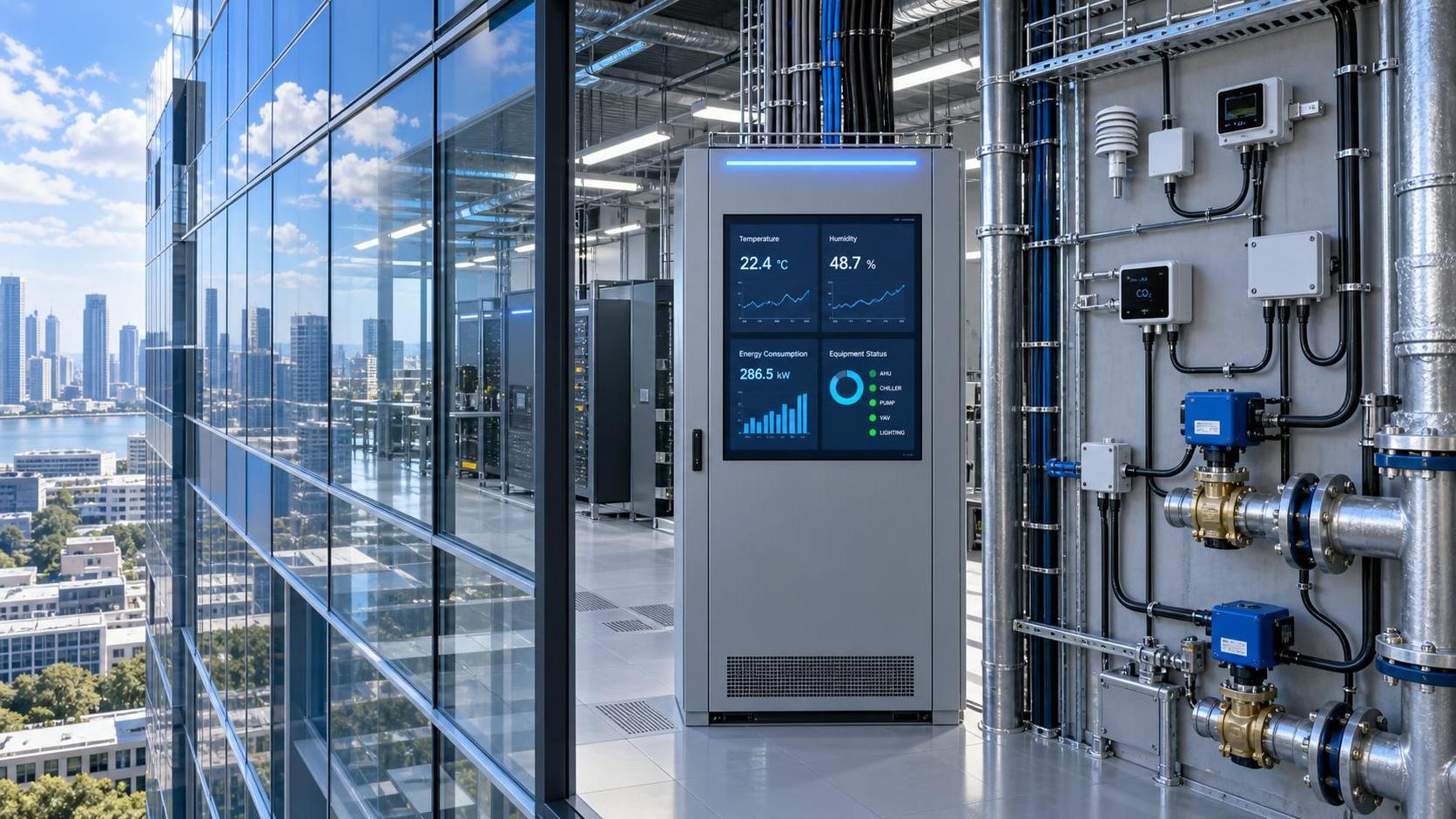
The strongest maintenance stack usually combines condition monitoring, analytics, workflow automation, and field execution. Rather than relying on one platform to solve every issue, high-performing smart buildings often integrate 4 to 6 core layers: sensors, building management systems, computerized maintenance management software, data analytics, digital twins, and mobile work order tools. The result is shorter fault detection time, better maintenance prioritization, and more predictable asset life cycles.
Why downtime happens in smart buildings and where the biggest losses occur
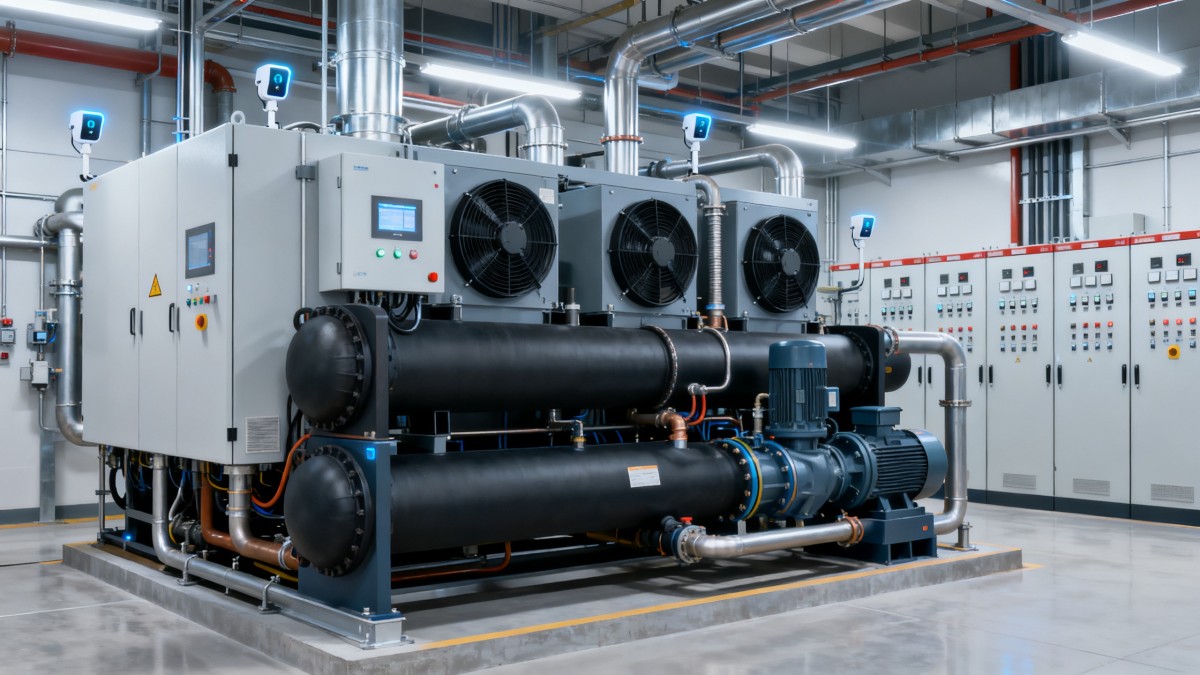
Smart buildings do not only fail because equipment breaks. Downtime often starts with fragmented data, delayed alarms, unclear maintenance ownership, or poor root-cause analysis. In many facilities, HVAC, power distribution, elevators, fire systems, security controls, and water management each produce separate streams of information. When these systems are not connected, a small fault can take 6 to 24 hours to diagnose instead of 30 to 90 minutes.
The highest-impact failures usually involve mission-critical assets. These include chillers above 200 tons, switchgear feeding tenant floors, pumps supporting pressure zones, backup generators, and elevator groups serving high-density traffic. If any of these assets are maintained on fixed schedules alone, teams may replace parts too early, miss hidden degradation, or overlook seasonal load patterns that increase failure probability.
Another frequent cause is alarm fatigue. A building can generate hundreds or even thousands of alerts per day, but only a small share are actionable. Without filtering logic, threshold management, and asset criticality scoring, engineers may spend too much time on nuisance alarms while overlooking a vibration trend, thermal anomaly, or control loop instability that signals an impending outage.
Common failure patterns in modern facilities
Across smart buildings and urban infrastructure environments, downtime tends to cluster around five patterns: intermittent faults, control integration gaps, deferred maintenance, spare-part delays, and human response bottlenecks. In practical terms, a failed sensor may not shut down a system immediately, but it can feed bad data into automation logic and trigger wider operational instability within 12 to 72 hours.
- Intermittent electrical or controls faults that are difficult to reproduce during manual inspection.
- Mechanical wear that develops gradually, such as bearing heat rise, belt misalignment, or valve sticking.
- Communication failures between BMS, meters, gateways, and edge devices across BACnet, Modbus, or other protocols.
- Work order delays caused by incomplete asset history, unclear task escalation, or missing service-level targets.
For procurement and business evaluation teams, this means downtime reduction should be assessed as an ecosystem problem, not a single-device problem. The best technologies are the ones that shorten the full chain from detection to diagnosis to dispatch to repair verification.
The table below shows where maintenance technologies typically create the biggest operational gains in smart building environments.
The key takeaway is that the biggest uptime gains come from cutting delay at multiple points. A sensor alone cannot reduce downtime if work orders still sit in inboxes, and a CMMS alone cannot help if faults are detected too late. Integrated maintenance technology performs best when it compresses the full response cycle.
Which smart building maintenance technologies cut downtime most effectively
Not all maintenance technologies deliver equal uptime impact. In most buildings, the fastest returns come from four categories: condition monitoring sensors, fault detection and diagnostics software, predictive analytics, and CMMS-linked mobile workflows. Digital twins add major value as systems become more complex, especially in large campuses, airports, rail-linked facilities, and high-rise portfolios with more than 50,000 to 100,000 square meters of managed space.
Condition monitoring is often the first layer. Vibration, temperature, current, pressure, humidity, and differential flow sensors can identify abnormal behavior before a breakdown occurs. On rotating equipment, a temperature rise of 8°C to 15°C above baseline or a sustained vibration deviation over a defined threshold can trigger inspection well before catastrophic failure. This shifts maintenance from calendar-based tasks to evidence-based intervention.
Fault detection and diagnostics, often called FDD, sits above raw monitoring. It compares performance patterns against expected system logic. For example, an air-handling unit that runs longer than planned but delivers weak cooling may indicate stuck dampers, sensor drift, or valve leakage. FDD helps teams identify cause categories quickly, reducing troubleshooting cycles and unnecessary part replacement.
Top technologies ranked by downtime reduction potential
The ranking below reflects common deployment experience in smart buildings and infrastructure operations where uptime, service continuity, and maintenance efficiency are major priorities.
The strongest short-term downtime reduction usually comes from combining sensors, FDD, and mobile maintenance workflows. Predictive analytics becomes more accurate after enough data is collected, often 6 to 18 months depending on asset behavior and seasonal load variation. Digital twins often show their full value in environments where operational interdependencies are high and outage consequences are costly.
Where digital twins stand out
A digital twin is especially useful when maintenance teams need to understand how one asset failure affects adjacent systems. In a smart district or transport-linked building, a chilled water problem may influence indoor air quality, occupancy comfort, and energy peaks within 1 to 2 operating cycles. A well-structured digital twin helps teams test maintenance sequences, shutdown plans, and spare capacity without disrupting live operations.
This is also where GIUT’s infrastructure-oriented perspective matters. Smart building maintenance is no longer isolated from the wider physical world. It intersects with smart grids, logistics timing, resilience planning, carbon reduction pathways, and urban operational continuity. The most effective technologies are the ones that connect building assets to broader infrastructure intelligence.
How to choose the right stack by building type, asset criticality, and procurement goals
Selection should begin with asset criticality, not with software feature lists. A hospital, data-linked office tower, metro station, and industrial campus all have different failure tolerances. For some sites, 15 minutes of outage is a serious service event. For others, the threshold may be 2 to 4 hours. Procurement teams should map assets into at least three classes: mission-critical, operationally important, and standard support assets.
Once criticality is defined, buyers should compare technologies across five dimensions: detection speed, integration complexity, implementation timeline, maintenance labor impact, and data maturity requirements. A predictive platform may look attractive, but if the building lacks clean historical data, results will be limited. By contrast, wireless monitoring on high-failure pumps or motors may deliver practical gains within 30 to 90 days.
Commercial terms also matter. Technical evaluation teams should review whether the vendor supports open protocols, API access, alarm hierarchy configuration, edge processing, cybersecurity updates, and role-based dashboards. These factors influence not only system performance but long-term operational flexibility, distributor supportability, and the cost of future portfolio expansion.
A practical evaluation framework
- Prioritize the top 10 to 20 assets responsible for the highest downtime cost or safety risk.
- Define target response metrics such as mean time to detect, mean time to diagnose, and mean time to repair.
- Check whether the building has 6 months or more of usable trend data for predictive functions.
- Confirm integration with BMS, CMMS, energy meters, and mobile technician workflows before purchase.
- Require a pilot phase of 8 to 12 weeks for critical systems before scaling portfolio-wide.
The table below provides a simplified procurement view for different smart building scenarios.
A common mistake is overbuying enterprise software before validating field workflows. If technician teams still rely on phone calls, spreadsheets, or paper checklists, the first investment should often be visibility and workflow discipline. Once execution is stabilized, advanced analytics create far more value.
Implementation steps that turn maintenance technology into measurable uptime gains
Even the best maintenance technologies fail when implementation is rushed. A realistic rollout typically follows 5 stages over 3 to 9 months, depending on the number of buildings, integration depth, and asset diversity. The goal is not just to install tools but to create a repeatable operating model that maintenance, quality, safety, and management teams can all use.
Stage one is asset and failure mapping. This should identify the top downtime contributors, existing alarm sources, spare-part bottlenecks, and current response times. Stage two is data preparation, including naming conventions, sensor placement, network checks, and baseline trend collection. Without clean asset hierarchy and event labeling, analytics will generate noise rather than insight.
Stage three focuses on workflow integration. This is where alerts are tied to maintenance actions, escalation rules, and service windows. A critical alarm should not only appear on a dashboard; it should generate a prioritized task with a defined response target, such as 15 minutes for electrical anomalies or 2 hours for non-critical comfort deviations. Stages four and five then cover optimization and scale-up.
Recommended rollout sequence
- Audit critical assets, existing controls, and maintenance history for the previous 6–12 months.
- Deploy sensors or activate BMS data extraction on the top failure-prone equipment first.
- Configure fault rules, thresholds, and alert severity levels with engineering validation.
- Connect alerts to CMMS, technician mobile apps, and escalation pathways.
- Review uptime, false alarm rate, and mean repair time every 30 days for at least 1 quarter.
Metrics that should be tracked from day one
Decision-makers should define measurable outcomes early. At minimum, track mean time to detect, mean time to diagnose, mean time to repair, repeat fault rate, planned versus reactive maintenance ratio, and technician first-time fix rate. For many sites, moving reactive work from 60% down to 30% to 40% is a meaningful operational improvement. Just as important, false alarm rates should fall over time as rules are tuned.
Building operators should also connect maintenance performance to energy and sustainability outcomes. Equipment running in degraded states often consumes more power, shortens component life, and increases carbon intensity. When smart maintenance and carbon reduction technologies are aligned, facilities can improve uptime while supporting green engineering goals and more efficient resource use across the physical asset base.
For distributors, agents, and service partners, implementation quality can be a strong differentiator. Buyers increasingly look for support beyond product delivery, including commissioning guidance, alarm logic design, training, spare strategy, and post-deployment performance reviews at 30, 60, and 90 days.
Common mistakes, risk controls, and FAQ for buyers and operators
Three mistakes appear repeatedly in smart building maintenance projects. First, teams install monitoring on low-value assets while leaving critical equipment underprotected. Second, they ignore workflow design and assume alerts alone will reduce downtime. Third, they pursue highly complex digital twin or AI initiatives before fixing asset data quality, naming standards, and technician execution discipline. These mistakes increase project cost without producing reliable uptime gains.
Risk control starts with scope discipline. Begin with a pilot covering one building or one critical system family, such as chilled water, air handling, or electrical distribution. Keep a clear acceptance plan with 3 categories: technical function, operational workflow, and maintenance outcome. This helps quality and safety managers confirm that the technology supports real maintenance performance rather than dashboard activity alone.
Cybersecurity and interoperability should also be reviewed before scale-up. Connected maintenance tools may run across edge devices, gateways, cloud services, and mobile endpoints. Procurement teams should ask how updates are handled, how access is segmented, and how data is exported if the portfolio expands or changes service partners in 2 to 5 years.
How long does it usually take to see downtime reduction?
For basic monitoring and workflow automation, many facilities see visible improvements in detection speed and response discipline within 30 to 90 days. For predictive analytics, a more reliable evaluation window is often 6 to 12 months because models need seasonal and operational variation. Digital twin value may appear earlier in shutdown planning, but system-wide optimization typically matures over several quarters.
Which assets should be monitored first?
Start with assets where failure creates the highest service, safety, or cost impact: chillers, pumps, air-handling units, switchgear, backup power systems, elevators, and pressure control equipment. If budgets are limited, choose the 10 to 20 assets associated with the greatest disruption potential rather than spreading sensors thinly across the whole building.
What should buyers ask vendors before purchasing?
Ask about protocol compatibility, alert customization, historical data retention, mobile workflow integration, cybersecurity maintenance, commissioning support, and how performance will be measured after deployment. Also request a realistic implementation timeline, training plan, and clarity on which functions are included at base level versus optional modules.
Final decision guidance
The technologies that cut downtime best are usually the ones that detect faults early, identify root causes quickly, and trigger disciplined repair workflows. In most smart building environments, that means starting with condition monitoring, FDD, and CMMS integration, then adding predictive analytics and digital twins as data maturity and operational complexity increase. For organizations managing infrastructure, real estate, logistics-linked facilities, or smart urban assets, this layered approach offers the strongest balance of resilience, efficiency, and long-term value.
If you are evaluating maintenance technologies for smart buildings, urban infrastructure, or connected industrial facilities, now is the right time to map your critical assets, define target uptime metrics, and compare deployment pathways. To explore a tailored maintenance intelligence strategy aligned with green engineering and operational resilience, contact us to get a customized solution, discuss technical details, or learn more about broader infrastructure-focused smart maintenance options.
Get weekly intelligence in your inbox.
No noise. No sponsored content. Pure intelligence.
News Recommendations
 Sep 19, 2026How an electronics application guide helps prevent component mismatchHow an electronics application guide helps prevent component mismatch
 Sep 18, 2026When a resource allocation platform improves project deliveryWhen a resource allocation platform improves project delivery
 Sep 17, 2026What to compare when evaluating mineral processing equipment manufacturersWhat to compare when evaluating mineral processing equipment manufacturers
 Sep 16, 2026How mineral separation optimization can reduce concentrate lossesHow mineral separation optimization can reduce concentrate losses
 Sep 15, 2026How to assess lifecycle costs in urban tech procurementHow to assess lifecycle costs in urban tech procurement
 Sep 14, 2026Heavy industry technology trends reshaping capital investment prioritiesHeavy industry technology trends reshaping capital investment priorities
 Sep 14, 2026Global Industrial Equipment Procurement: How Top OEMs Qualify Suppliers for Mining & Infrastructure ProjectsGlobal Industrial Equipment Procurement: How Top OEMs Qualify Suppliers for Mining & Infrastructure Projects
 Sep 14, 2026Industrial & Mining Equipment Procurement: Balancing Local Sourcing, Lead Time, and Certification RequirementsIndustrial & Mining Equipment Procurement: Balancing Local Sourcing, Lead Time, and Certification Requirements
 Sep 14, 2026Infrastructure & Equipment Upgrades: What Procurement Teams Must Verify Before Signing Off on New ContractsInfrastructure & Equipment Upgrades: What Procurement Teams Must Verify Before Signing Off on New Contracts
 Sep 14, 2026Why Infrastructure Equipment Buyers Are Shifting from Catalog-Based to Capability-Based Supplier SelectionWhy Infrastructure Equipment Buyers Are Shifting from Catalog-Based to Capability-Based Supplier Selection
 Sep 14, 2026Process Automation Project Execution: How to Align Supplier Capabilities with PLC Integration, Cybersecurity & Commissioning MilestonesProcess Automation Project Execution: How to Align Supplier Capabilities with PLC Integration, Cybersecurity & Commissioning Milestones
 Sep 14, 2026Are intelligent traffic systems worth the investment for small cities?Are intelligent traffic systems worth the investment for small cities?
 Sep 14, 2026How do intelligent traffic systems handle sensor failures?How do intelligent traffic systems handle sensor failures?
 Sep 14, 2026What should I check before accepting a smart building system?What should I check before accepting a smart building system?
 Sep 14, 2026Is a smart building system worth the maintenance cost?Is a smart building system worth the maintenance cost?
 Sep 14, 2026What data is needed for reliable resource allocation planning?What data is needed for reliable resource allocation planning?
 Sep 14, 2026How can resource allocation software reduce equipment idle time?How can resource allocation software reduce equipment idle time?
 Sep 14, 2026How should smart devices be maintained in harsh outdoor conditions?How should smart devices be maintained in harsh outdoor conditions?
 Sep 14, 2026Do smart devices improve worker safety on construction sites?Do smart devices improve worker safety on construction sites?
 Sep 14, 2026What environmental risks must be assessed before deep-sea mining?What environmental risks must be assessed before deep-sea mining?
 Sep 14, 2026Is deep-sea mining equipment commercially viable in 2026?Is deep-sea mining equipment commercially viable in 2026?
 Sep 14, 2026What Inspection Checks Should Procurement Teams Perform Before Ordering Dredging Equipment in 2026?What Inspection Checks Should Procurement Teams Perform Before Ordering Dredging Equipment in 2026?
 Sep 13, 2026How to verify an industrial product information source before specifying equipmentHow to verify an industrial product information source before specifying equipment
 Sep 12, 2026Which intelligent traffic systems hardware fits an urban intersection?Which intelligent traffic systems hardware fits an urban intersection?
 Sep 11, 2026How pump capacity affects response coverage for municipal fire fighting vehiclesHow pump capacity affects response coverage for municipal fire fighting vehicles
 Sep 10, 2026What to verify before choosing a heavy industry equipment supplierWhat to verify before choosing a heavy industry equipment supplier
 Sep 09, 2026When do adaptive urban traffic control systems reduce corridor delays?When do adaptive urban traffic control systems reduce corridor delays?