Infrastructure Construction Projects: Common Delays and How to Prevent Them
Why infrastructure construction projects slip in different ways
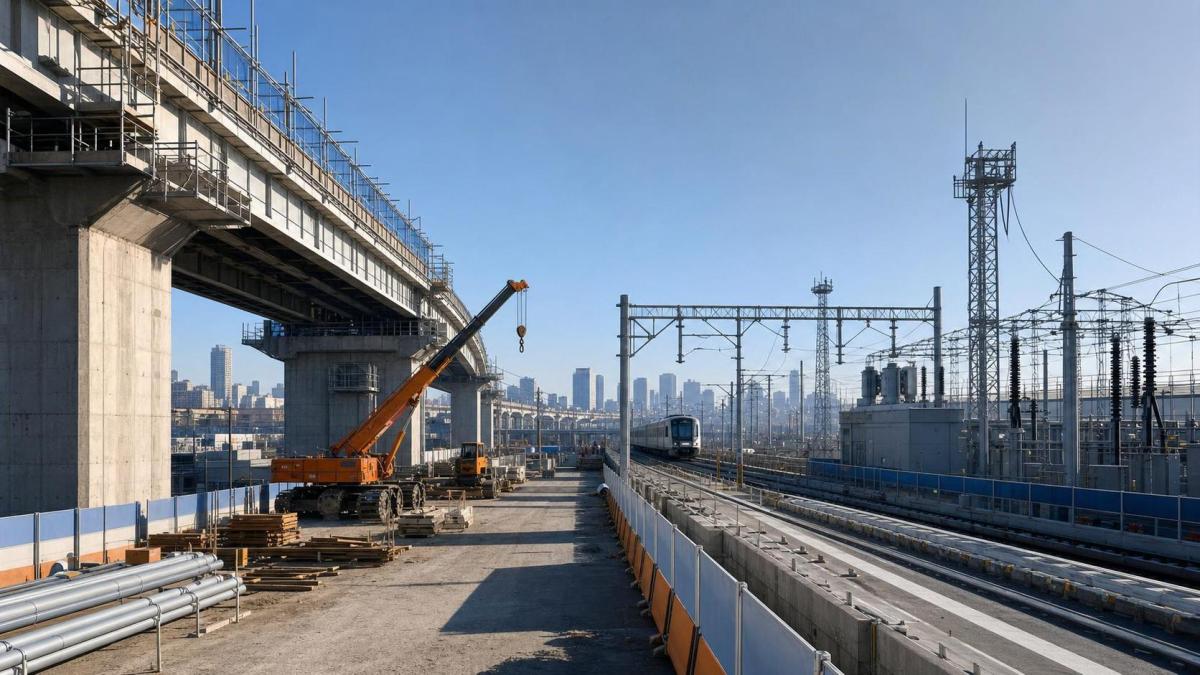
Infrastructure construction projects rarely fail on one issue alone. Delays usually build quietly across permits, design coordination, logistics, labor availability, and site conditions.
The difficult part is that the same delay looks different on a rail corridor, a smart grid upgrade, a bridge rehabilitation package, or a mining access road.
In practice, infrastructure construction projects sit inside wider systems. They affect mobility, utilities, public safety, resource flow, and long-term urban resilience.
That is why prevention matters more than recovery. Once sequencing breaks, budgets expand, claims multiply, and trust between stakeholders weakens.
From the perspective of GIUT, the more useful approach is not abstract theory. It is to read delays through real operating contexts, then match controls to those conditions.
The same project risk means different things on different jobsites
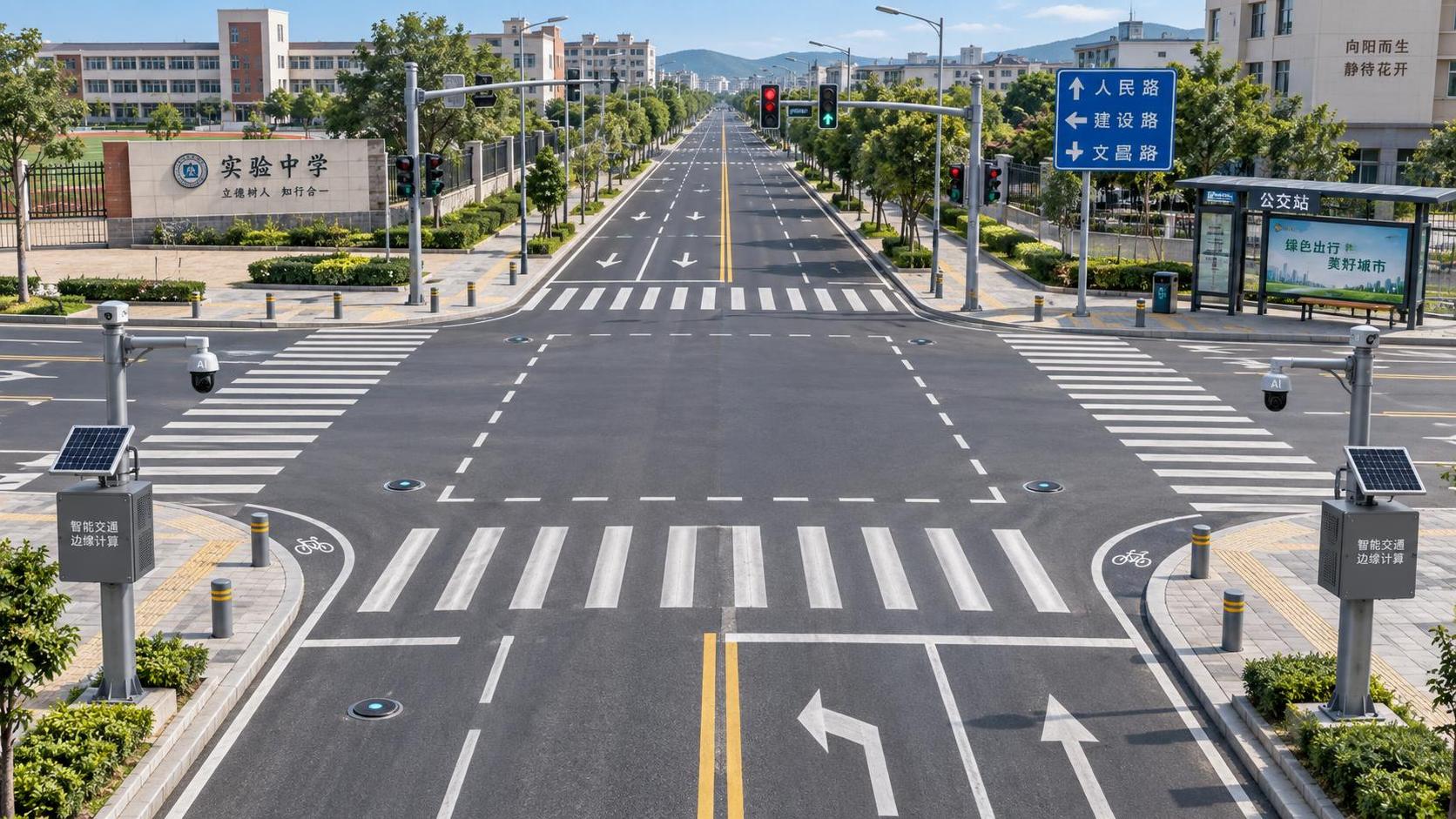
A delayed permit on a suburban road expansion may be inconvenient. The same delay on a dense urban utility corridor can stop excavation, traffic planning, and public communication at once.
A late equipment shipment also carries different weight. For a standard concrete structure, alternatives may exist. For signaling systems, tunneling parts, or grid control hardware, substitution is harder.
This is where many infrastructure construction projects are misjudged. Teams often treat similar assets as identical delivery environments, even when regulatory pressure and interface complexity differ sharply.
More reliable planning starts with three questions: what can stop physical work, what can block approvals, and what can disrupt handoffs between disciplines.
A quick comparison of delay pressure by scenario
The table shows why infrastructure construction projects need scenario-based controls, not generic schedule optimism. Delay prevention begins with understanding which constraint dominates the site.
In dense cities, delay usually starts before equipment reaches the site
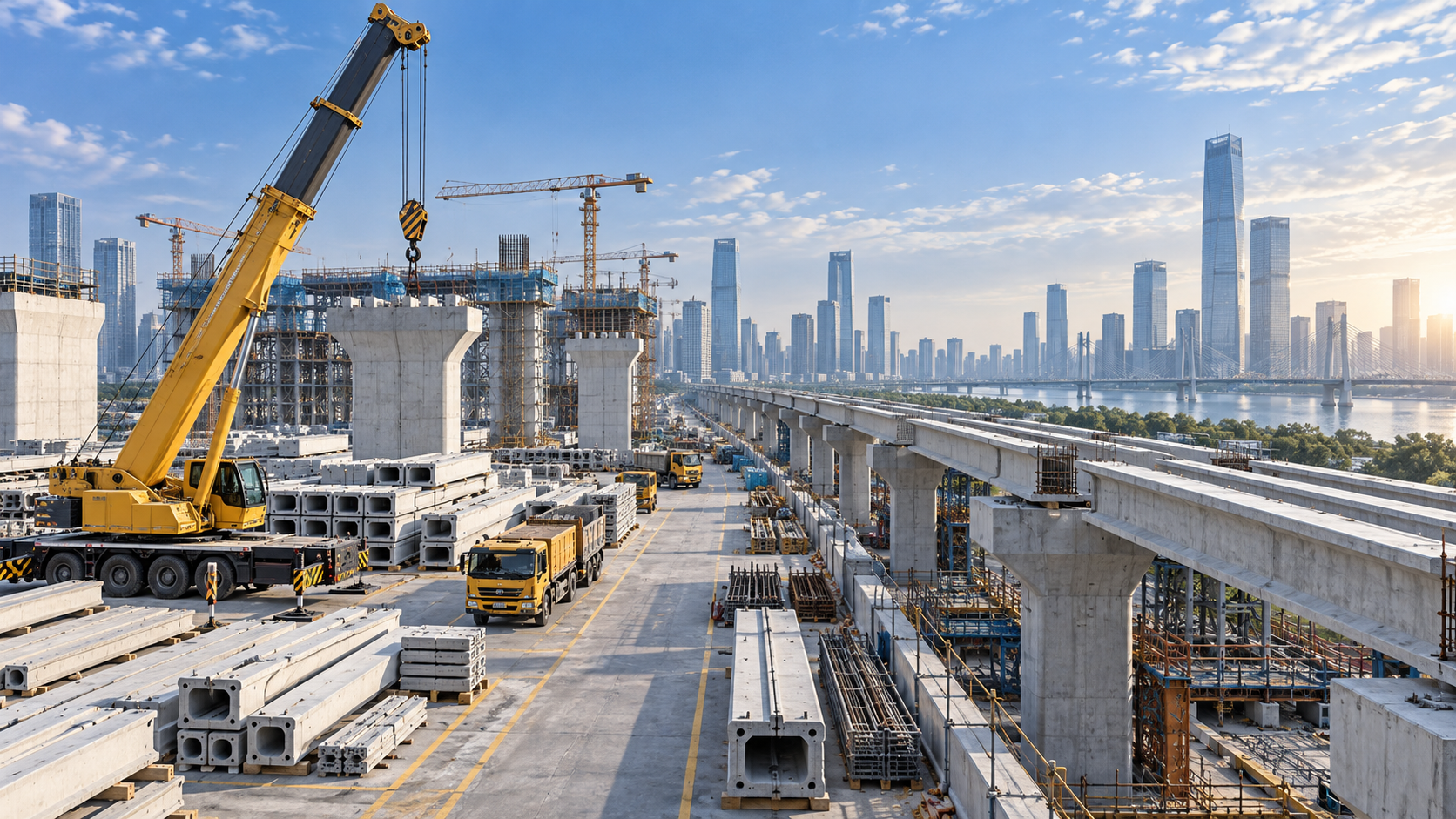
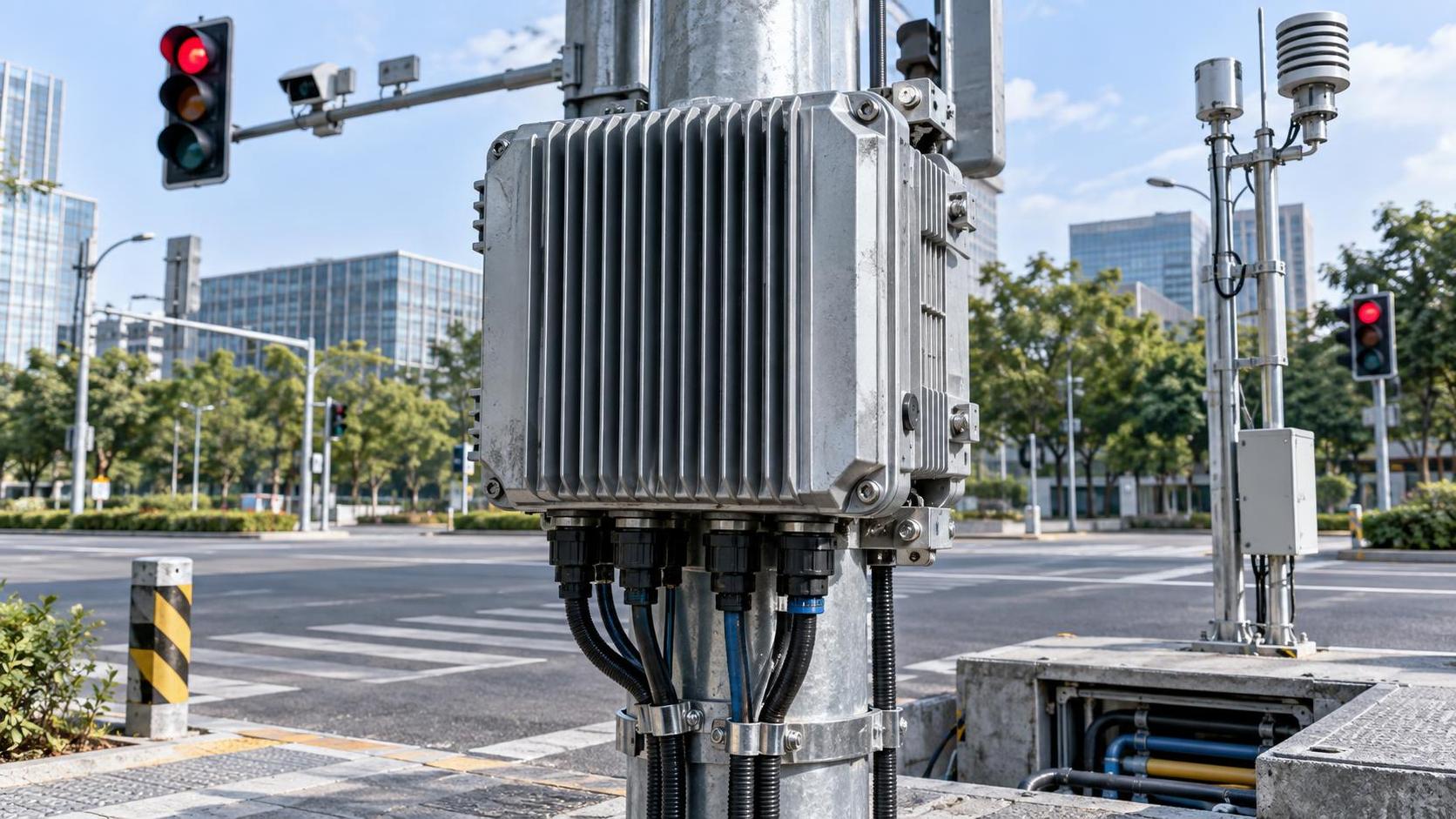
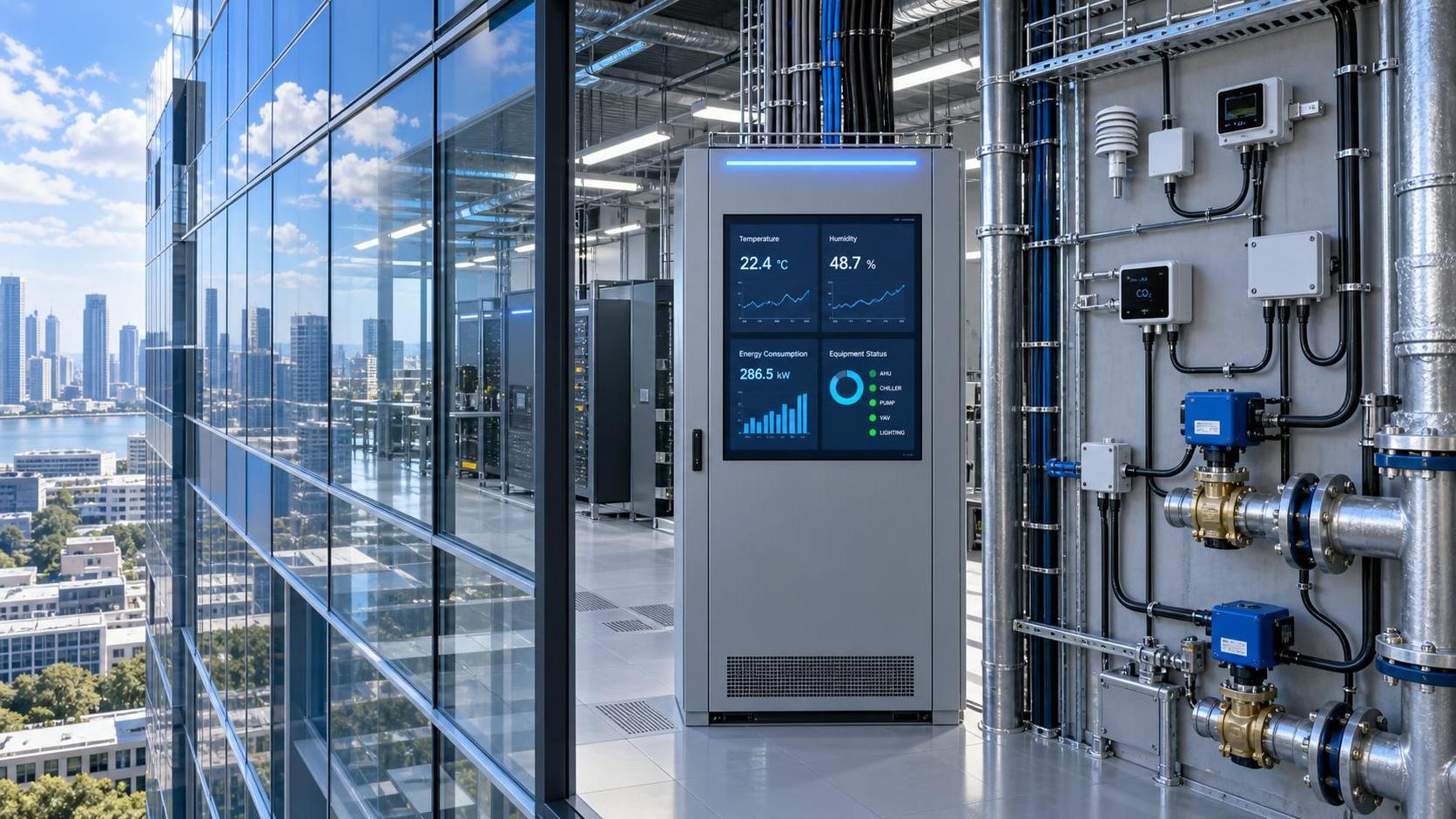
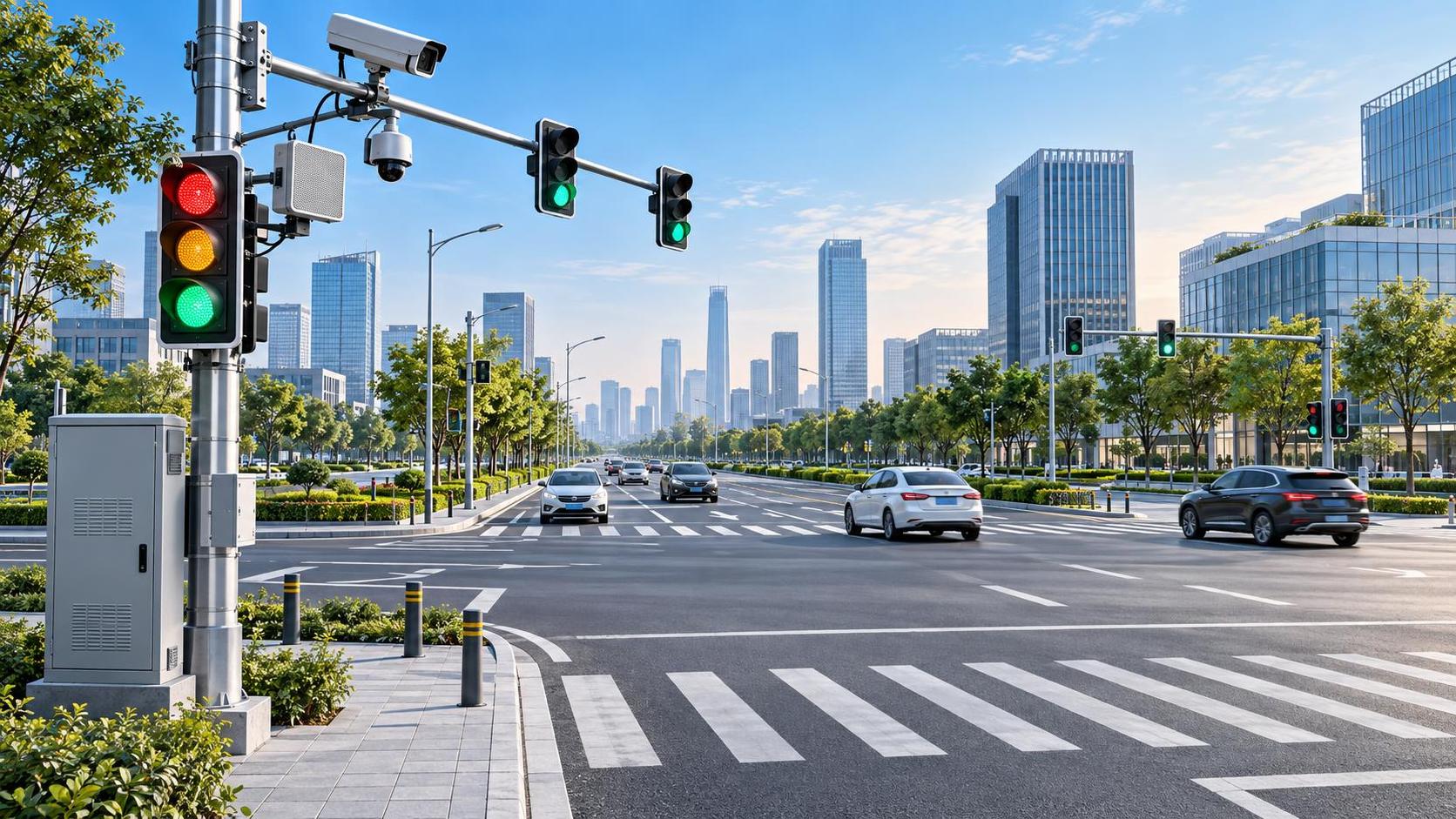
Urban infrastructure construction projects often appear well funded and technically mature. Yet they are vulnerable to approval cycles, utility conflicts, stakeholder objections, and restricted work windows.
A drainage upgrade beneath a major street is not only a civil package. It also touches traffic control, emergency access, nearby businesses, night work rules, and existing underground records.
In this setting, the most common mistake is overvaluing the baseline schedule and undervaluing coordination lead time. Drawings may be complete while access conditions are still unresolved.
A more practical approach is to lock corridor data early, verify buried asset conditions, and split work into approval-ready phases rather than one oversized package.
- Map third-party interfaces before final sequencing.
- Test detour logic against real peak-hour behavior.
- Confirm night work constraints with actual enforcement rules.
- Reserve time for utility relocations that cannot be accelerated.
For rail, energy, and smart systems, hidden delays often sit in interfaces
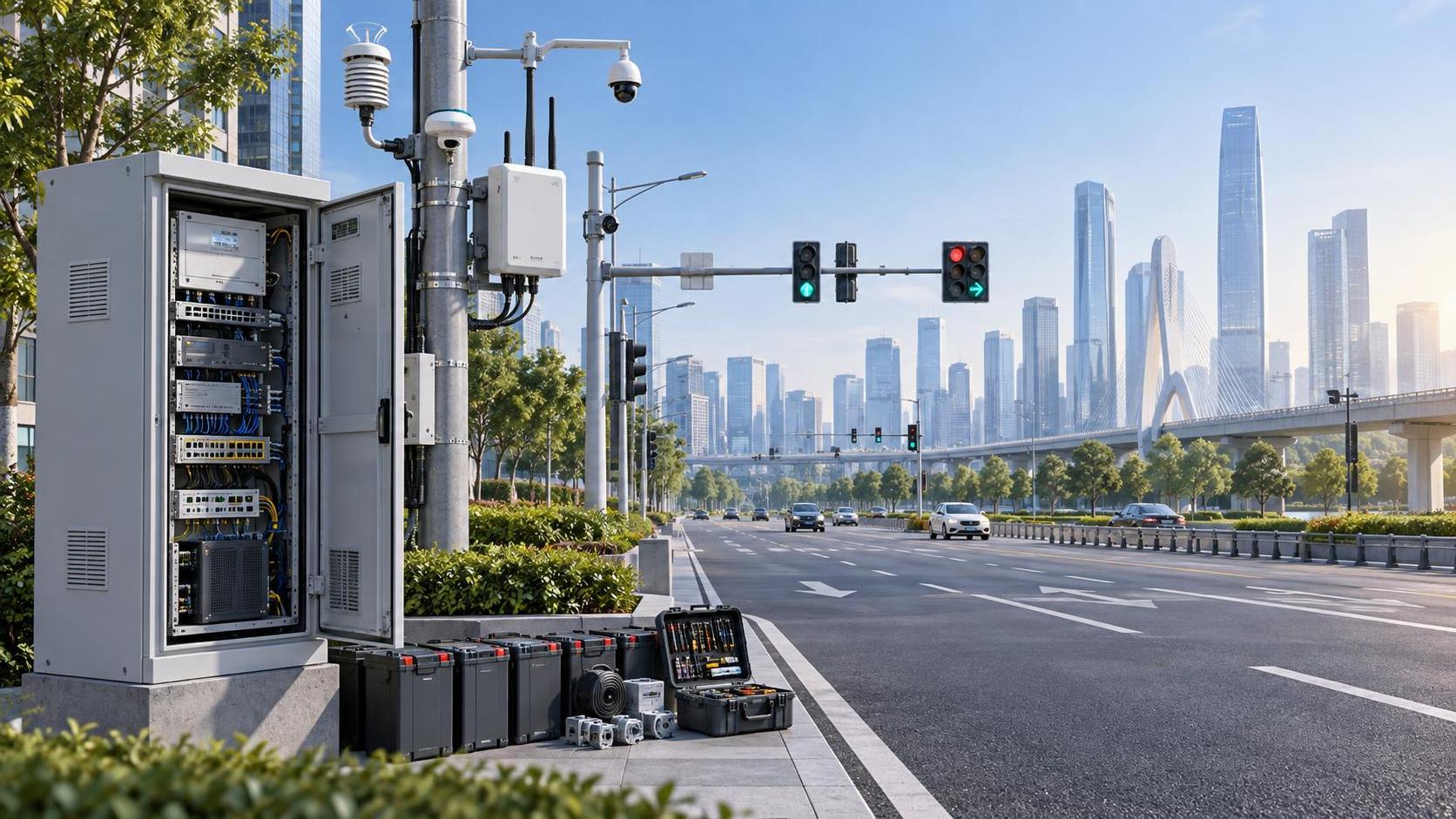
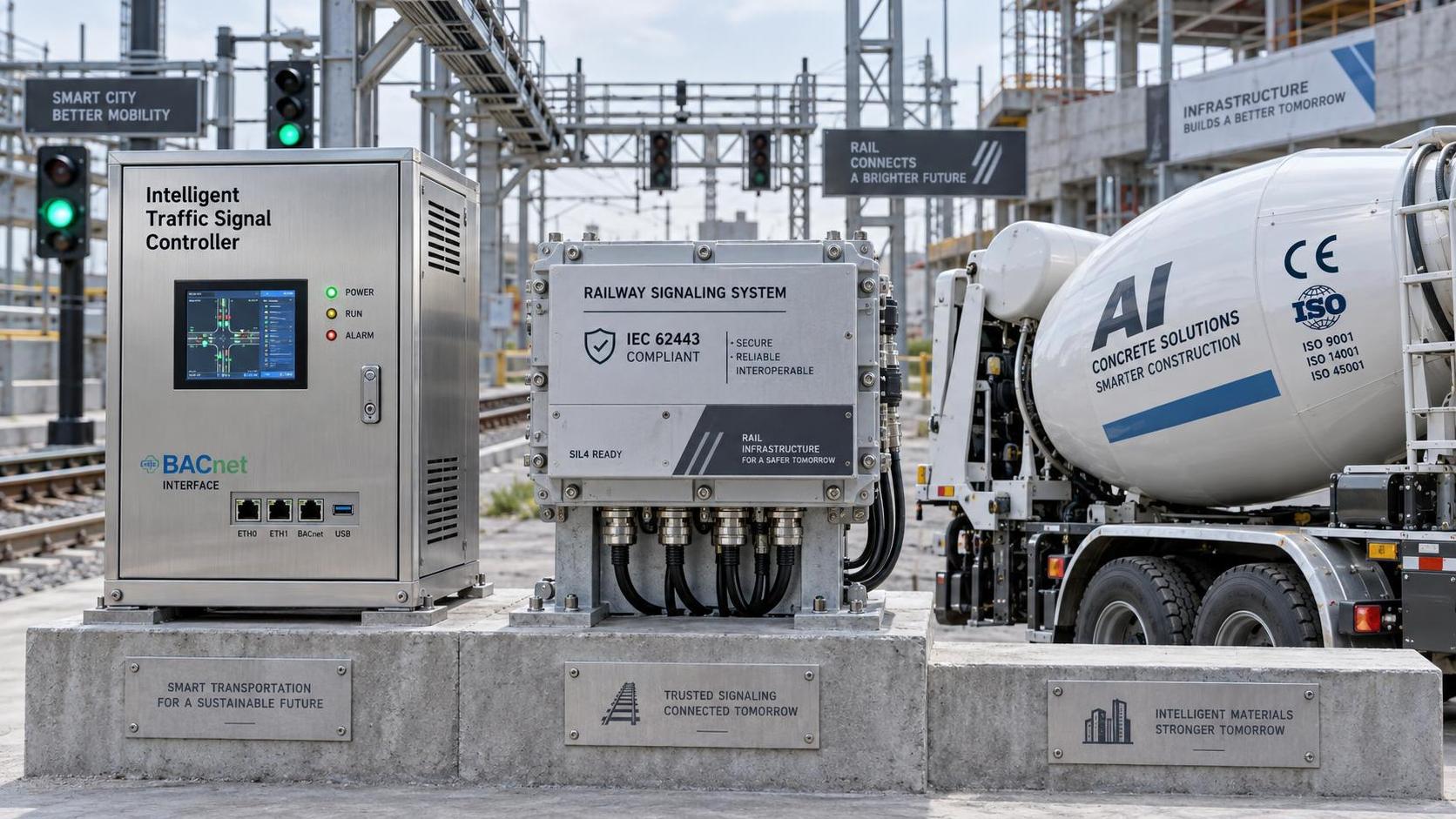
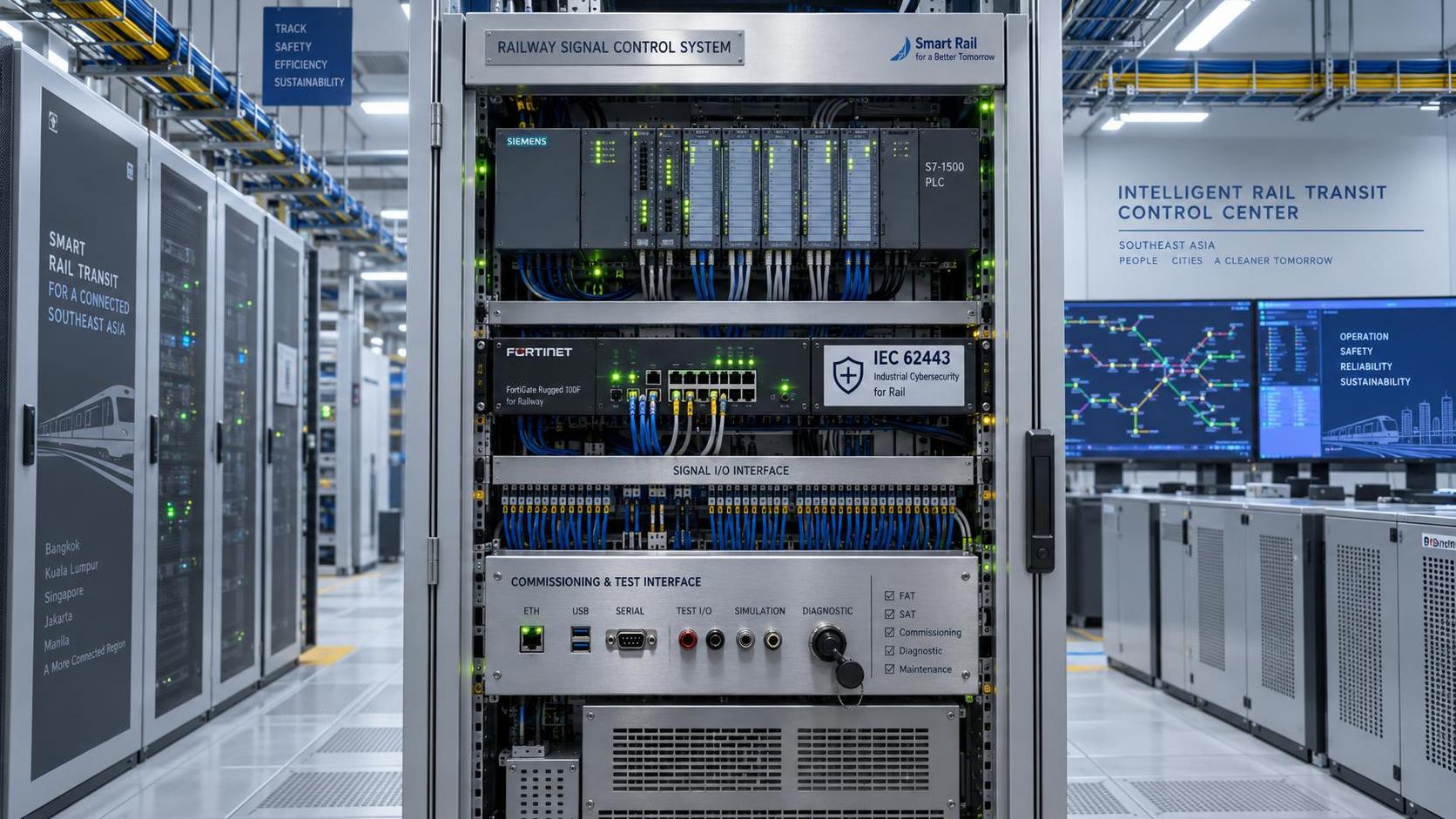
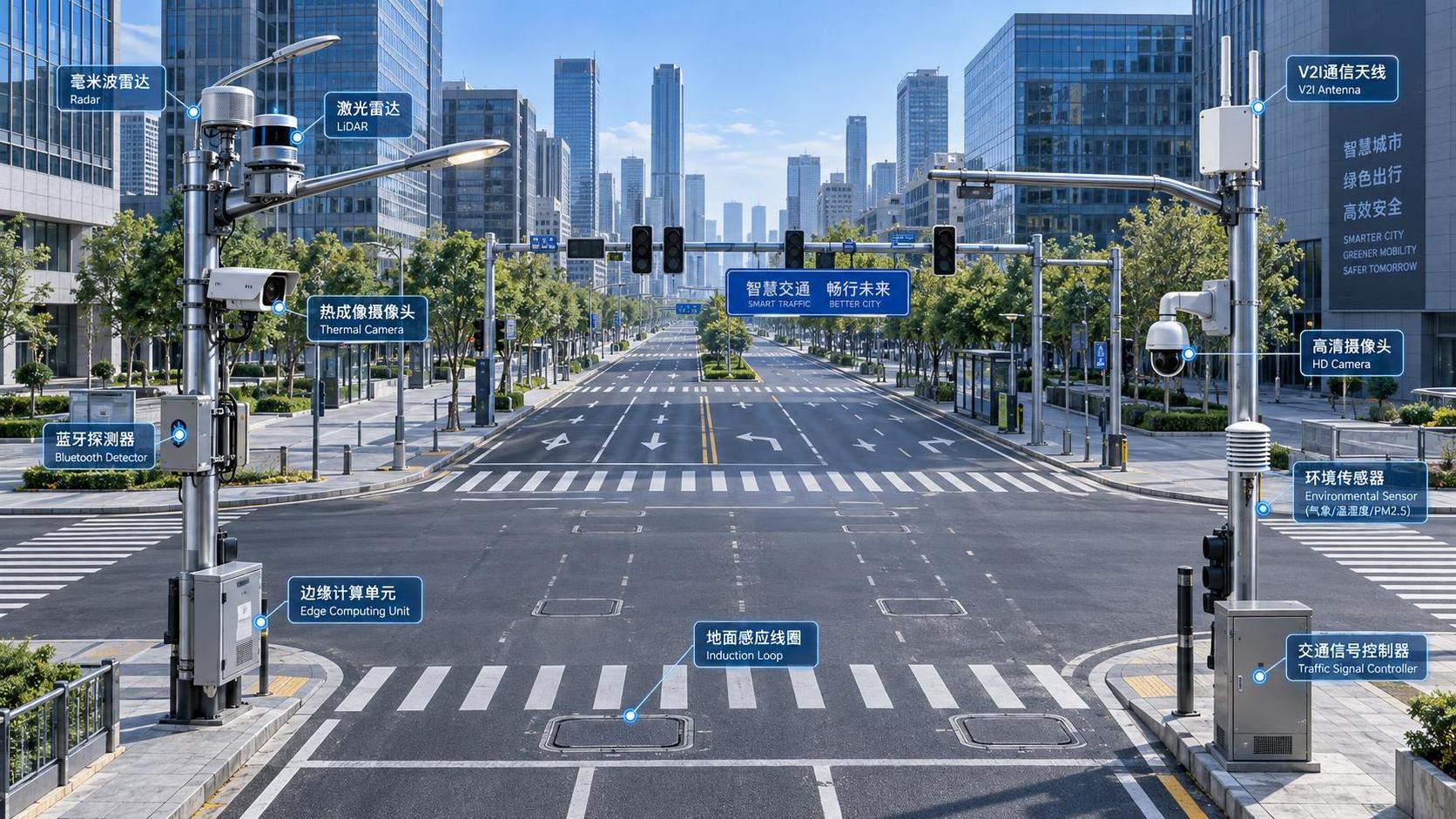
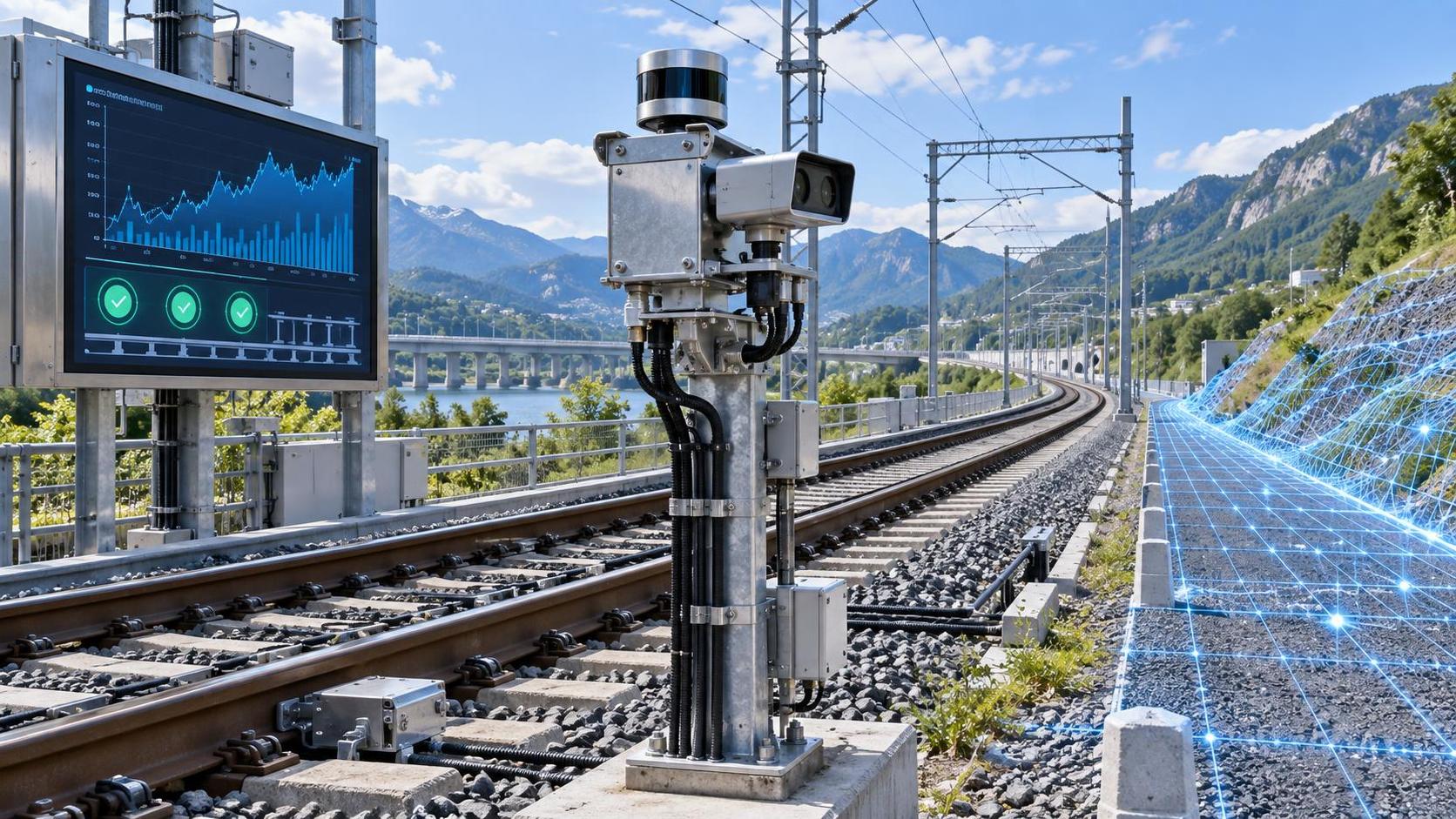
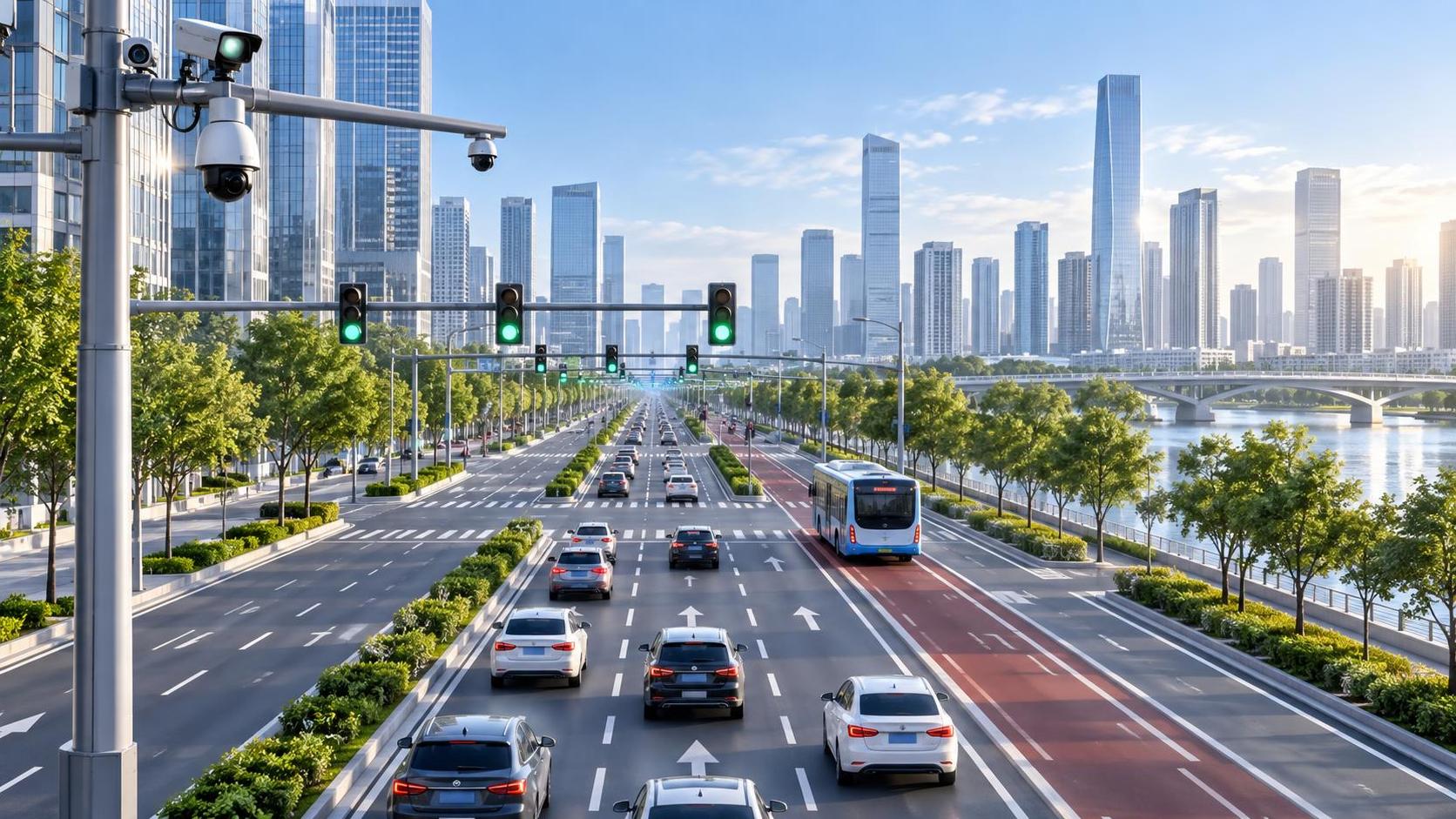
Some infrastructure construction projects are physically straightforward but digitally sensitive. Rail signaling, grid automation, and smart governance systems fit this pattern.
Here, delay is often created by mismatch. Civil works finish, but software validation lags. Hardware arrives, but factory settings do not match field conditions or local standards.
These projects require a different judgment method. The critical path is not only excavation or erection. It includes integration testing, cutover readiness, and operational acceptance.
This matters across GIUT’s coverage areas, especially where physical infrastructure is becoming a data-driven system rather than a standalone asset.
Preventive action works best when specifications are frozen at the right moment, vendor responsibilities are sharply defined, and commissioning scenarios are rehearsed before site activation.
What to verify before integration becomes a schedule problem
- Protocol compatibility between new and legacy systems.
- Actual lead times for specialized control hardware.
- Responsibility boundaries during testing and handover.
- Fallback procedures if live cutover fails.
Remote and heavy-industry sites expose a different kind of schedule fragility
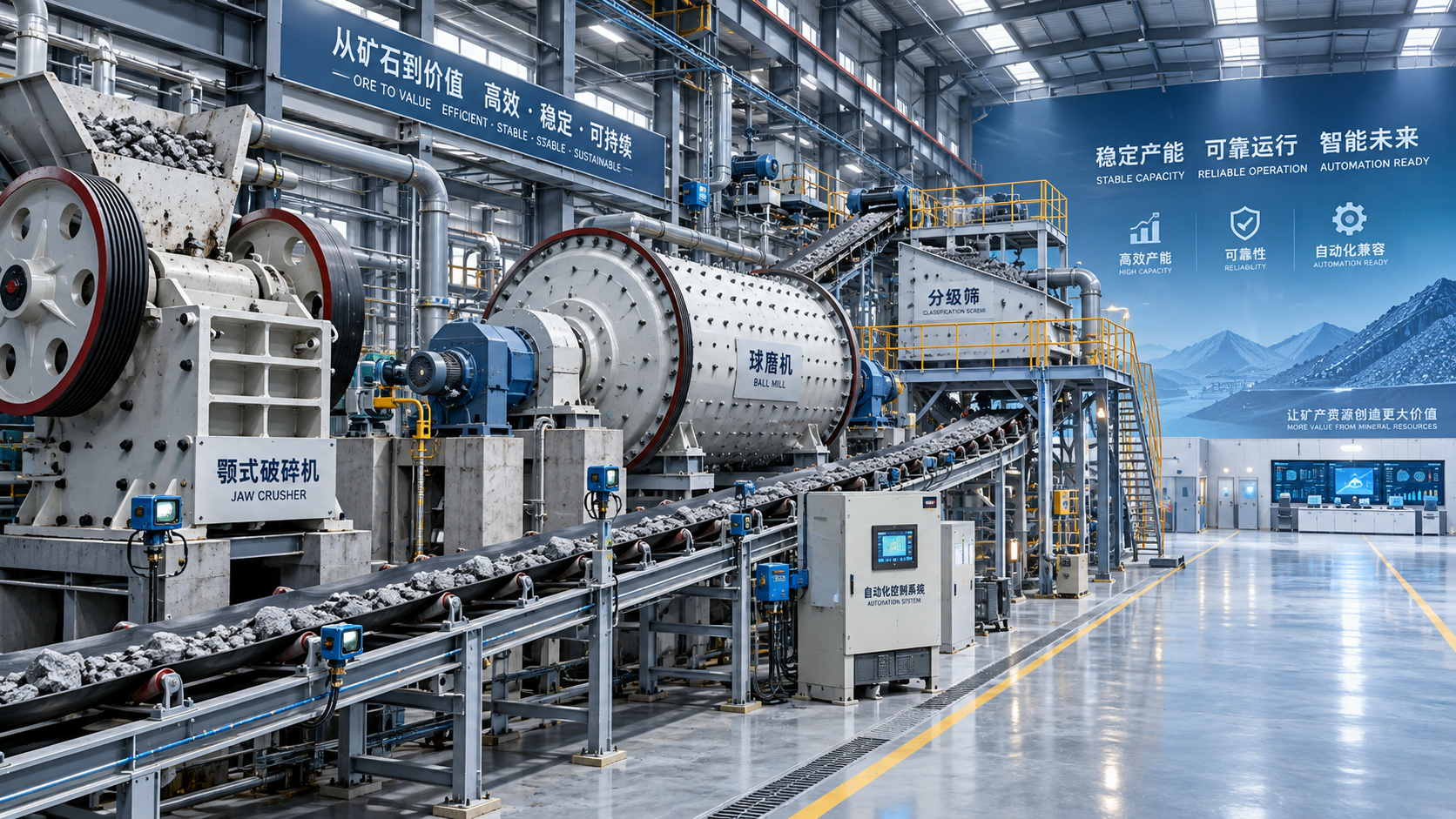
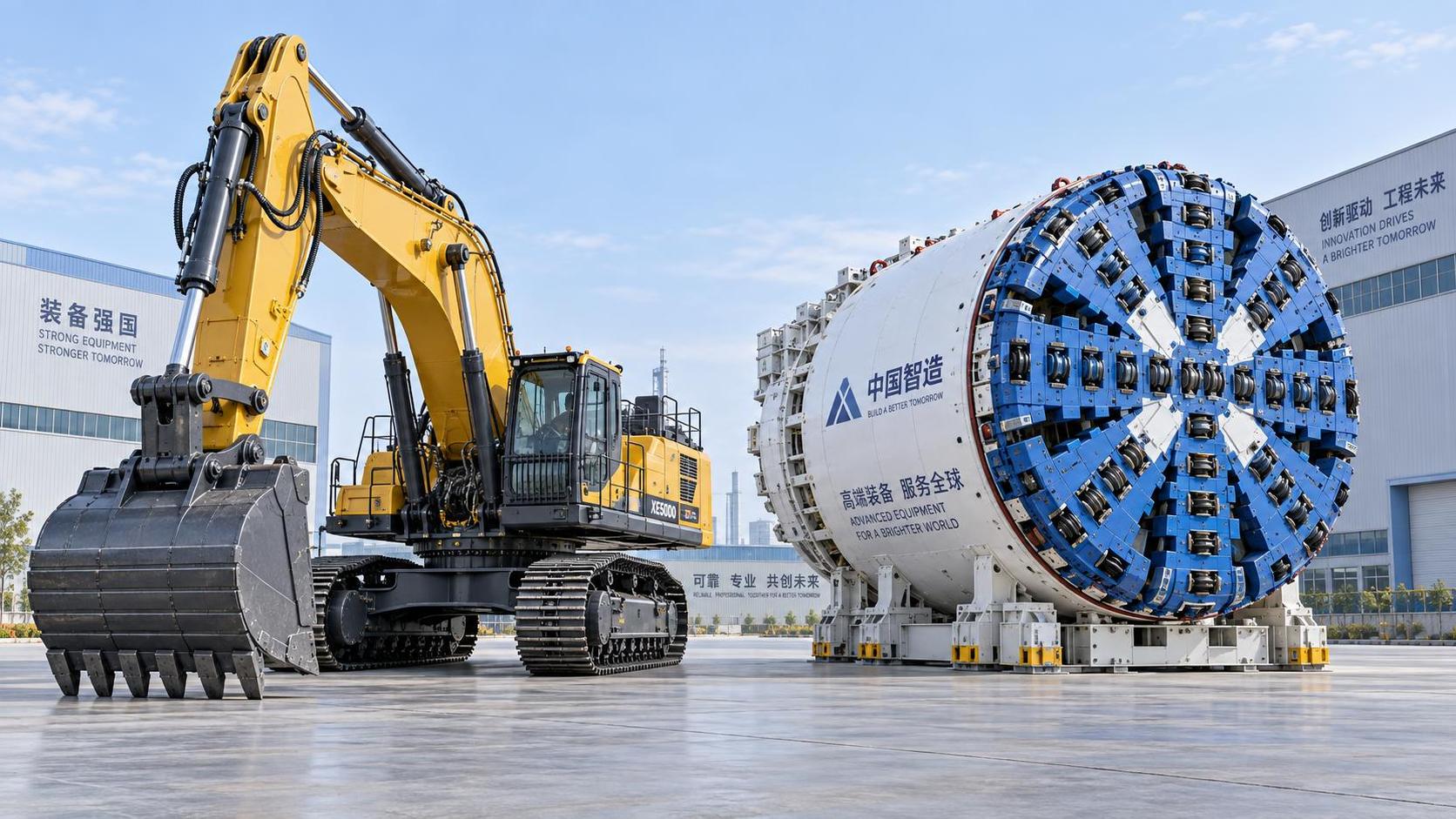
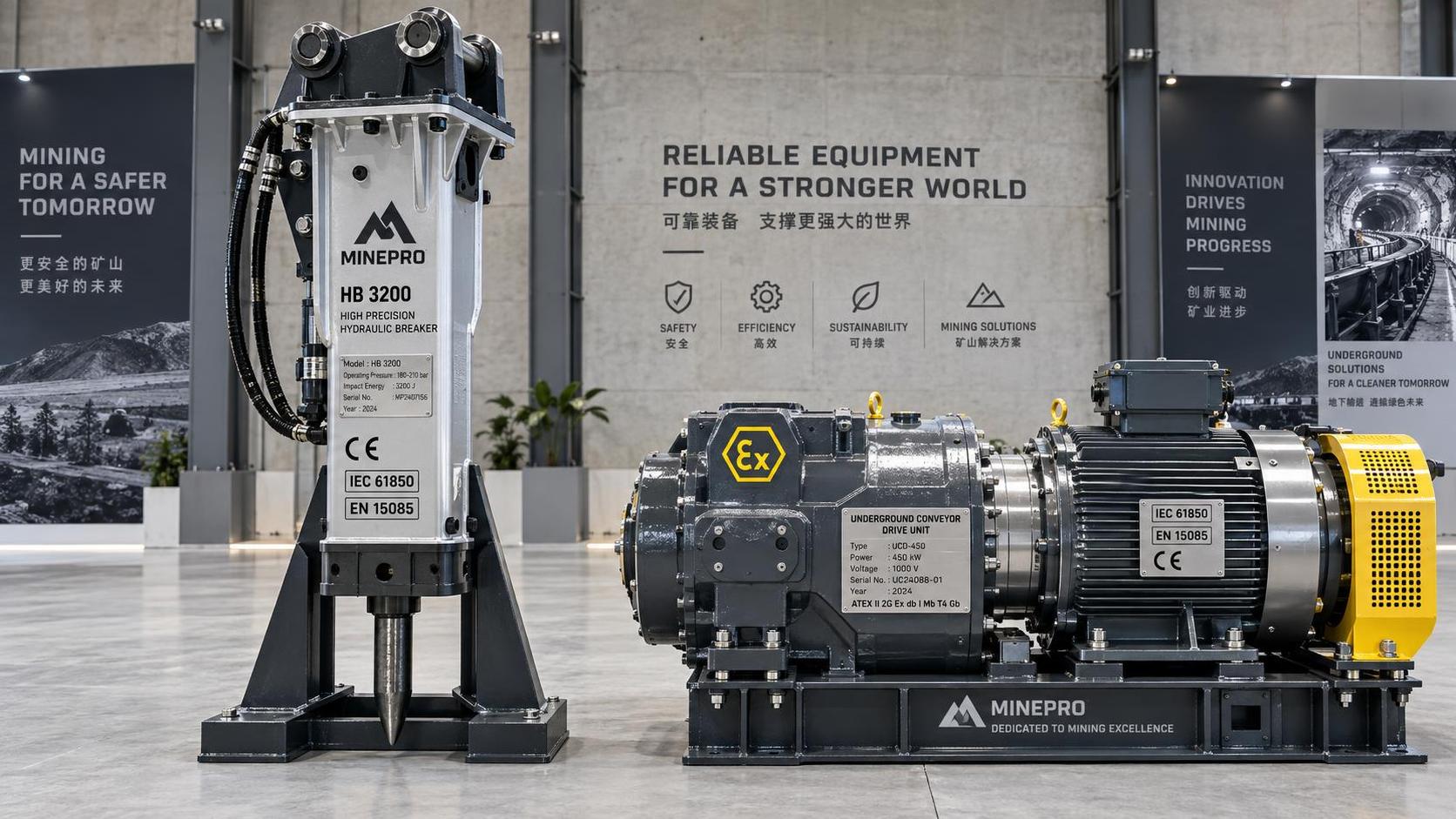
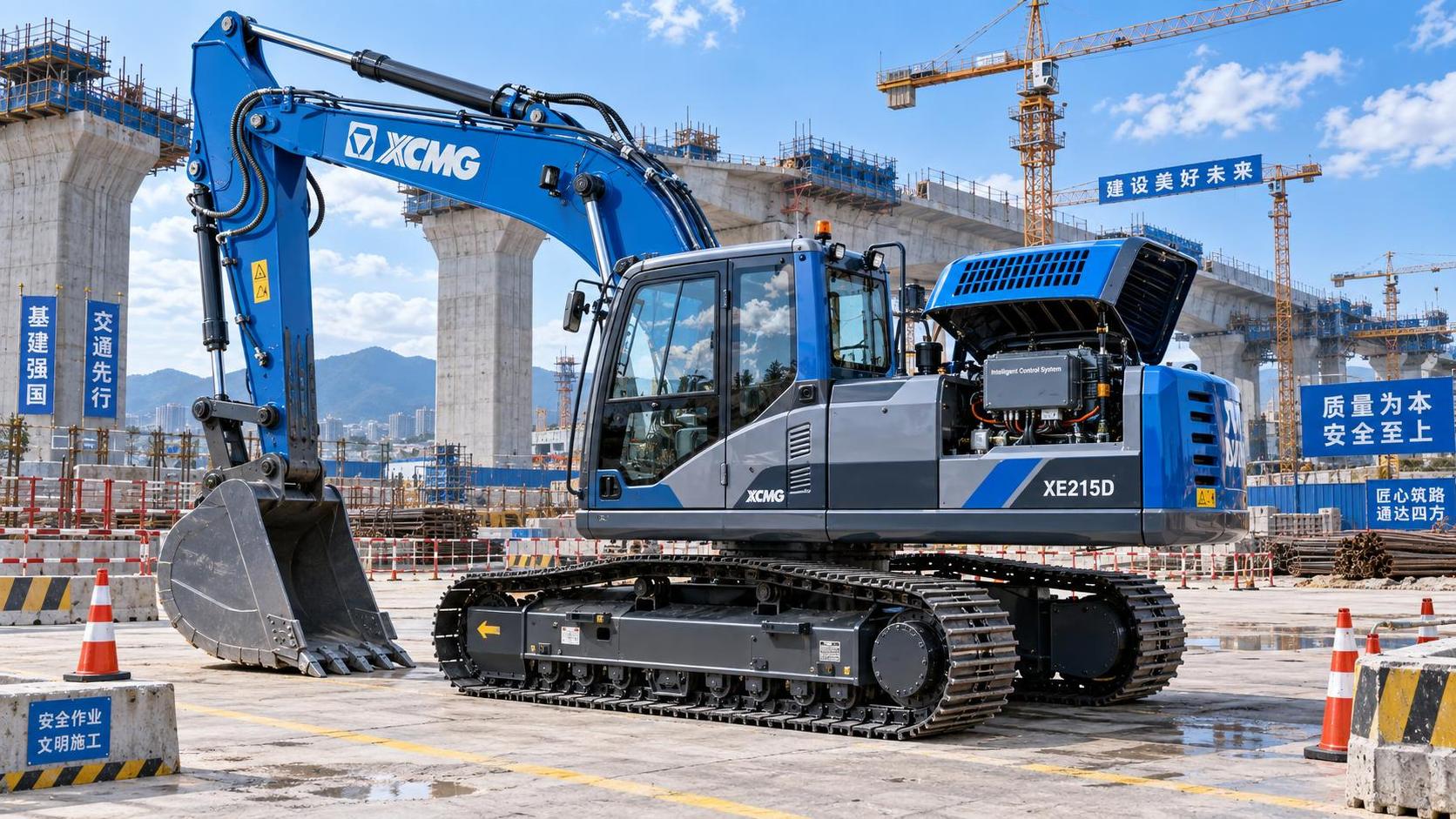
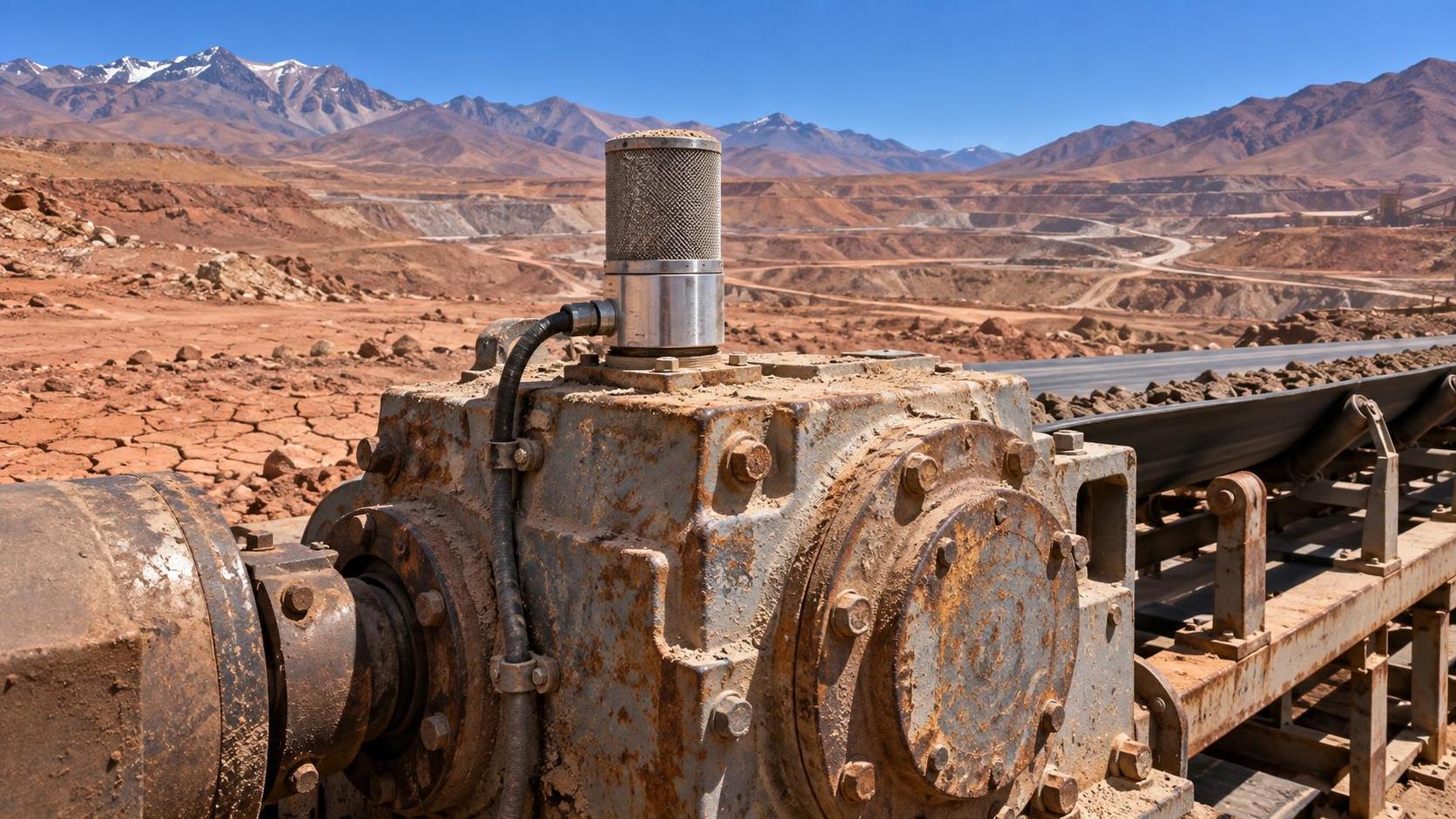
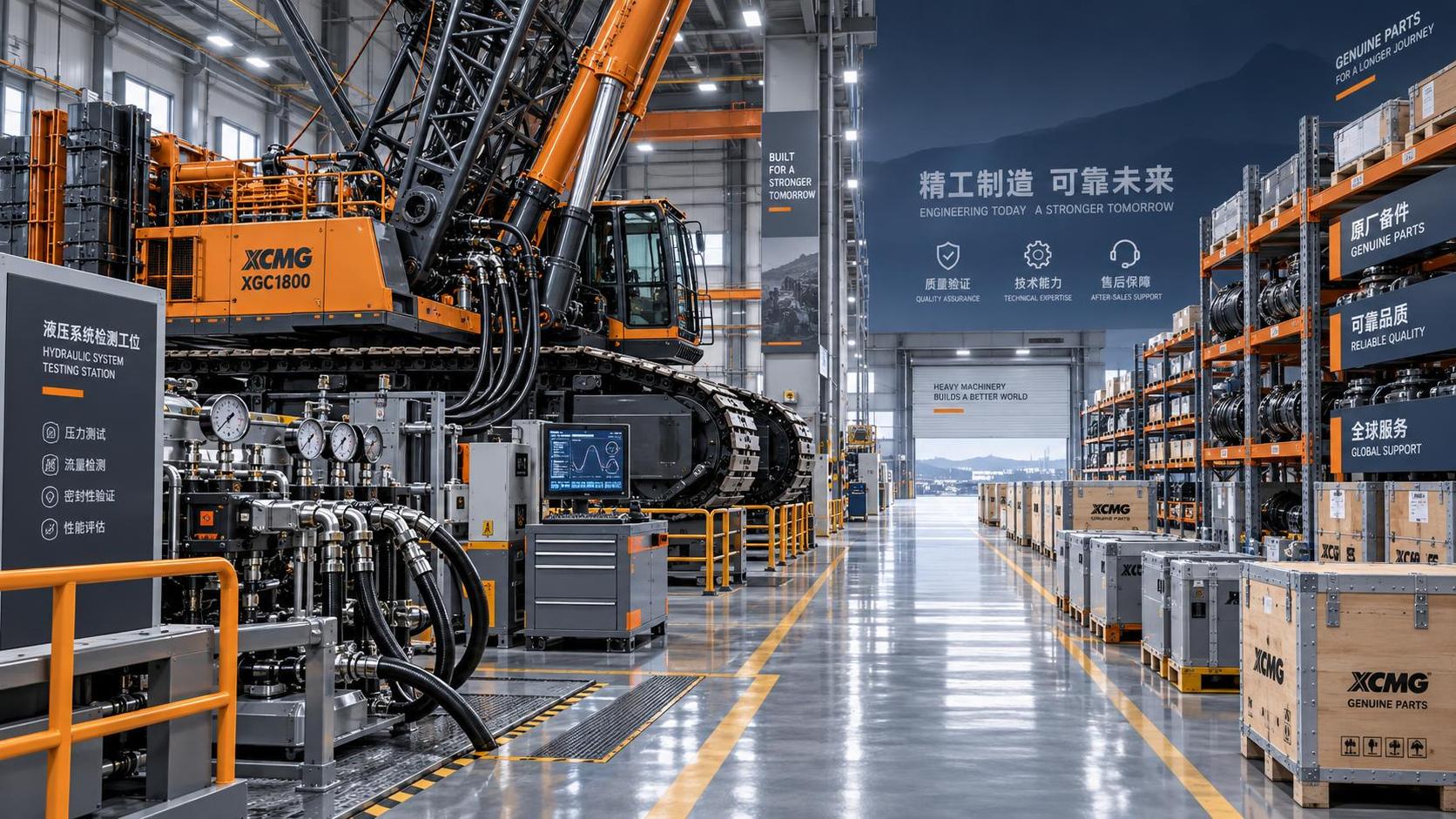
Mining corridors, large foundations, industrial access roads, and equipment-heavy sites rarely suffer from the same constraints as city-center work.
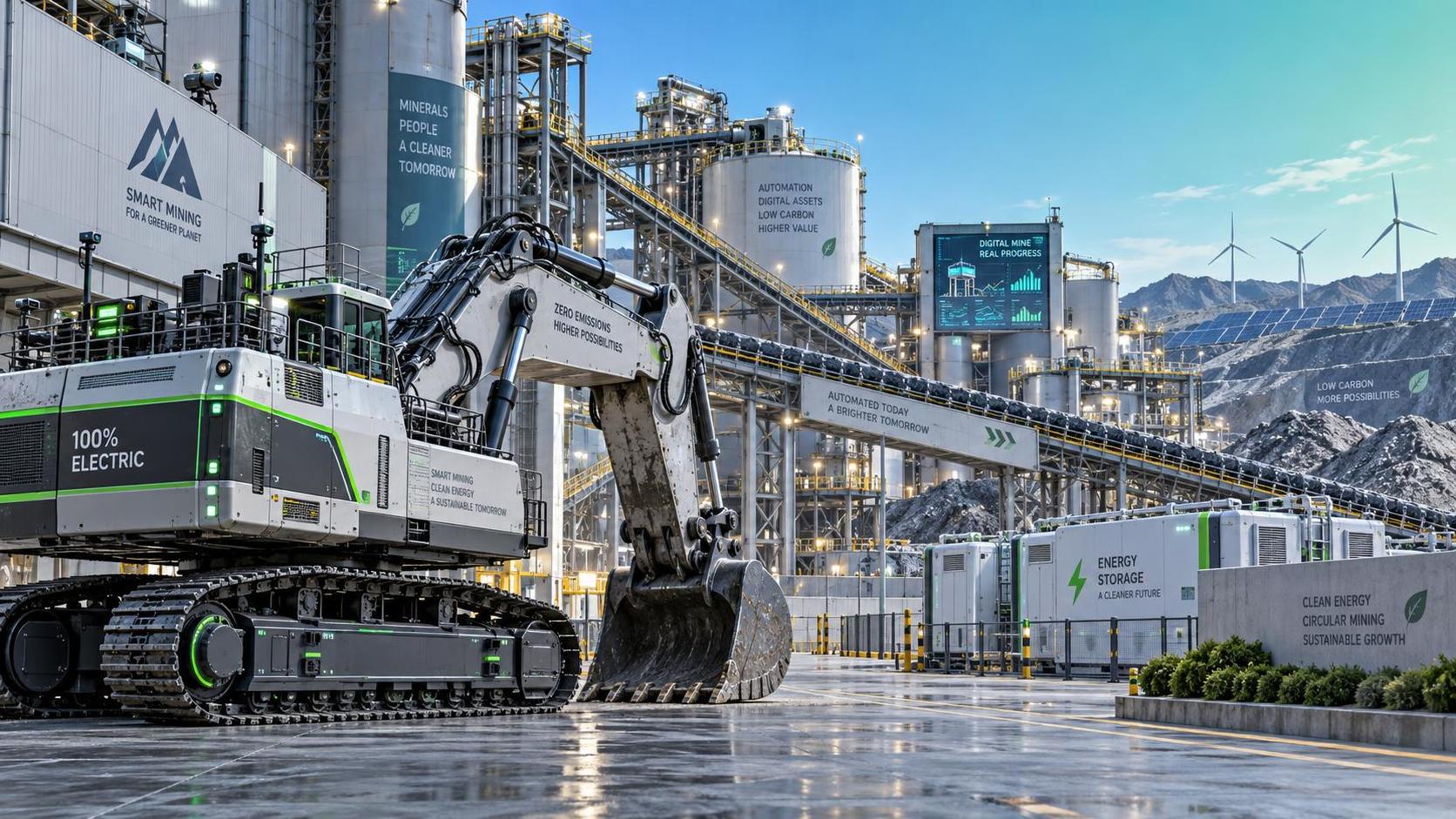
Their delays are more often driven by weather windows, haul routes, fuel supply, camp logistics, fleet downtime, and rotation-based labor availability.
In these infrastructure construction projects, schedule strength depends on continuity. If one delivery chain fails, several crews may sit idle even when drawings and permits are complete.
That is why remote planning should not be built around average assumptions. It should be built around failure points, replacement time, and recovery speed.
A low-cost procurement decision can become expensive when replacement parts require long transport or when crane availability is limited to a narrow seasonal slot.
Common misjudgments that make infrastructure construction projects harder to recover
One recurring error is treating procurement as a back-office function. On complex infrastructure construction projects, purchasing decisions shape constructability, maintenance, and commissioning risk.
Another is assuming design changes are manageable because the physical work looks minor. In reality, a small alignment change can reset calculations, approvals, and supplier commitments.
Teams also underestimate labor volatility. Skilled shortages affect not only output rates, but also inspection quality, safety compliance, and rework frequency.
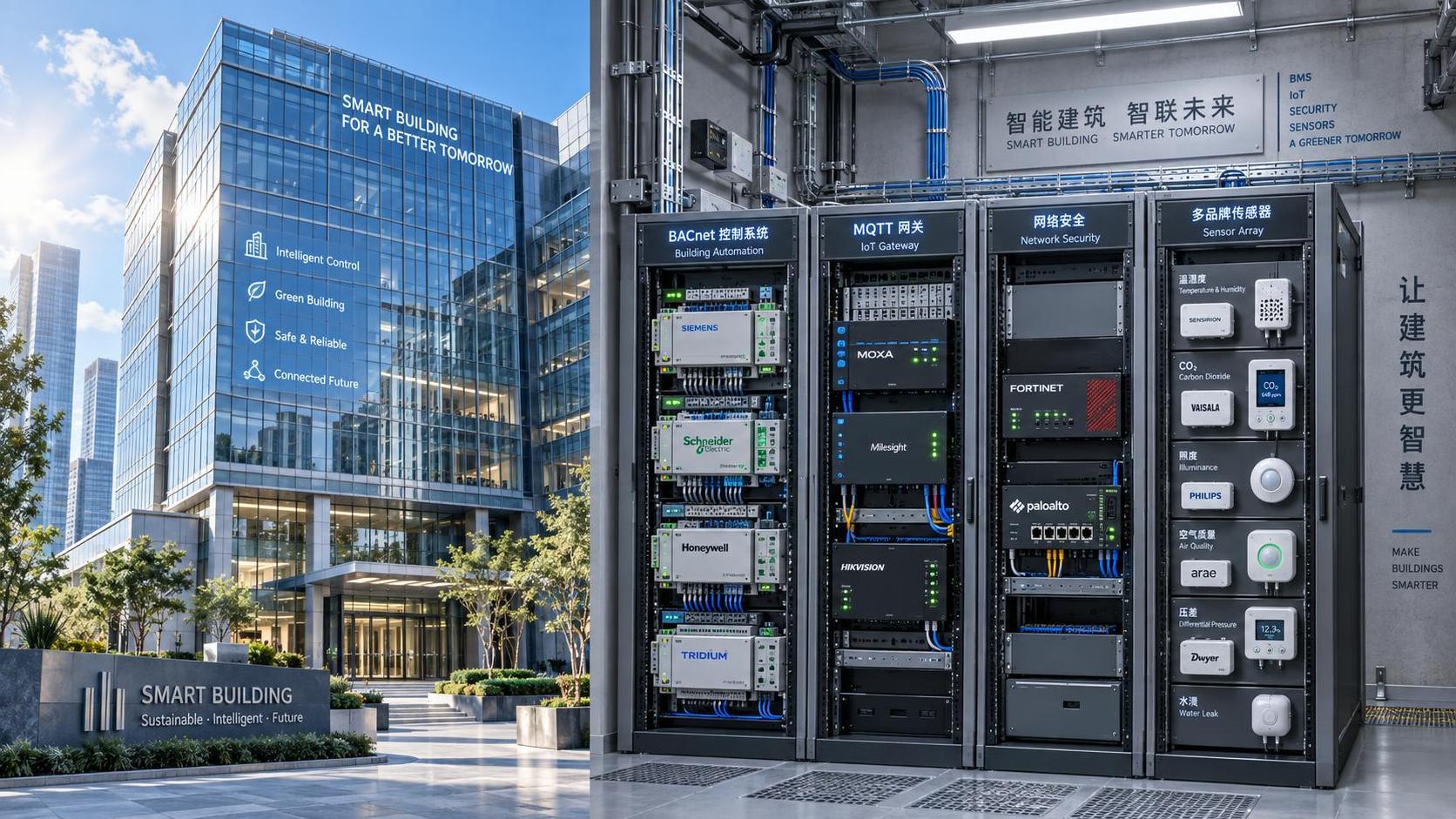
Perhaps the biggest blind spot is copying risk logic from a similar project. A bridge upgrade, a smart building substation, and a freight rail interface may share components, not delivery conditions.
Signals that delay risk is already rising
- Frequent resequencing without revised access assumptions.
- Open technical queries near procurement release dates.
- Inspection hold points with no recovery buffer.
- Dependence on single-source components without fallback options.
- Progress reporting that tracks volume, not interfaces closed.
How to prevent delays before they become claims and redesign loops
The strongest delay prevention strategy for infrastructure construction projects is early scenario filtering. Identify which conditions are fixed, which are negotiable, and which are still uncertain.
Then build controls around the real bottleneck. If permits dominate, track approval dependencies weekly. If equipment dominates, protect long-lead orders and verify alternatives early.
For multidisciplinary projects, use interface reviews as schedule gates. A milestone should not only measure completed work. It should confirm that the next trade can truly start.
On technically advanced jobsites, digital coordination helps when it reflects field reality. A digital twin model is valuable only if asset data, access status, and construction logic stay synchronized.
This is where GIUT’s cross-sector lens becomes useful. Heavy industry, urban tech, rail systems, and smart building projects all show the same lesson: visibility is only powerful when tied to execution decisions.
Practical actions that improve schedule resilience
Before the next schedule review, focus on fit rather than optimism
Infrastructure construction projects stay on track when planning matches the real operating scene. That means seeing delays as a system issue, not just a calendar issue.
A useful next step is to sort the project by environment, interfaces, lead-time exposure, approval complexity, and recovery difficulty. The pattern usually becomes visible quickly.
Then compare those conditions against actual controls already in place. If the main risk is access, labor reports will not solve it. If the main risk is integration, more civil output will not solve it either.
The strongest decisions come from that fit check. Clarify the site constraints, confirm the critical dependencies, and test whether current sequencing can survive disruption before work pressure increases.
That is how infrastructure construction projects move from reactive delay management to disciplined prevention, with better cost control, steadier delivery, and more durable public value.
Get weekly intelligence in your inbox.
No noise. No sponsored content. Pure intelligence.
News Recommendations
 Sep 19, 2026How an electronics application guide helps prevent component mismatchHow an electronics application guide helps prevent component mismatch
 Sep 18, 2026When a resource allocation platform improves project deliveryWhen a resource allocation platform improves project delivery
 Sep 17, 2026What to compare when evaluating mineral processing equipment manufacturersWhat to compare when evaluating mineral processing equipment manufacturers
 Sep 16, 2026How mineral separation optimization can reduce concentrate lossesHow mineral separation optimization can reduce concentrate losses
 Sep 15, 2026How to assess lifecycle costs in urban tech procurementHow to assess lifecycle costs in urban tech procurement
 Sep 14, 2026Heavy industry technology trends reshaping capital investment prioritiesHeavy industry technology trends reshaping capital investment priorities
 Sep 14, 2026Global Industrial Equipment Procurement: How Top OEMs Qualify Suppliers for Mining & Infrastructure ProjectsGlobal Industrial Equipment Procurement: How Top OEMs Qualify Suppliers for Mining & Infrastructure Projects
 Sep 14, 2026Industrial & Mining Equipment Procurement: Balancing Local Sourcing, Lead Time, and Certification RequirementsIndustrial & Mining Equipment Procurement: Balancing Local Sourcing, Lead Time, and Certification Requirements
 Sep 14, 2026Infrastructure & Equipment Upgrades: What Procurement Teams Must Verify Before Signing Off on New ContractsInfrastructure & Equipment Upgrades: What Procurement Teams Must Verify Before Signing Off on New Contracts
 Sep 14, 2026Why Infrastructure Equipment Buyers Are Shifting from Catalog-Based to Capability-Based Supplier SelectionWhy Infrastructure Equipment Buyers Are Shifting from Catalog-Based to Capability-Based Supplier Selection
 Sep 14, 2026Process Automation Project Execution: How to Align Supplier Capabilities with PLC Integration, Cybersecurity & Commissioning MilestonesProcess Automation Project Execution: How to Align Supplier Capabilities with PLC Integration, Cybersecurity & Commissioning Milestones
 Sep 14, 2026Are intelligent traffic systems worth the investment for small cities?Are intelligent traffic systems worth the investment for small cities?
 Sep 14, 2026How do intelligent traffic systems handle sensor failures?How do intelligent traffic systems handle sensor failures?
 Sep 14, 2026What should I check before accepting a smart building system?What should I check before accepting a smart building system?
 Sep 14, 2026Is a smart building system worth the maintenance cost?Is a smart building system worth the maintenance cost?
 Sep 14, 2026What data is needed for reliable resource allocation planning?What data is needed for reliable resource allocation planning?
 Sep 14, 2026How can resource allocation software reduce equipment idle time?How can resource allocation software reduce equipment idle time?
 Sep 14, 2026How should smart devices be maintained in harsh outdoor conditions?How should smart devices be maintained in harsh outdoor conditions?
 Sep 14, 2026Do smart devices improve worker safety on construction sites?Do smart devices improve worker safety on construction sites?
 Sep 14, 2026What environmental risks must be assessed before deep-sea mining?What environmental risks must be assessed before deep-sea mining?
 Sep 14, 2026Is deep-sea mining equipment commercially viable in 2026?Is deep-sea mining equipment commercially viable in 2026?
 Sep 14, 2026What Inspection Checks Should Procurement Teams Perform Before Ordering Dredging Equipment in 2026?What Inspection Checks Should Procurement Teams Perform Before Ordering Dredging Equipment in 2026?
 Sep 13, 2026How to verify an industrial product information source before specifying equipmentHow to verify an industrial product information source before specifying equipment
 Sep 12, 2026Which intelligent traffic systems hardware fits an urban intersection?Which intelligent traffic systems hardware fits an urban intersection?
 Sep 11, 2026How pump capacity affects response coverage for municipal fire fighting vehiclesHow pump capacity affects response coverage for municipal fire fighting vehicles
 Sep 10, 2026What to verify before choosing a heavy industry equipment supplierWhat to verify before choosing a heavy industry equipment supplier
 Sep 09, 2026When do adaptive urban traffic control systems reduce corridor delays?When do adaptive urban traffic control systems reduce corridor delays?