How YLCSD350 Cutter Suction Dredger Capacity Affects River Dredging Plans
Capacity Planning Starts Long Before Dredging Begins
River dredging plans often fail at the earliest stage for a simple reason: the selected dredger looks suitable on paper, but its real production capacity does not match the waterway, sediment, discharge distance, or project schedule. For project managers, that mismatch can show up as missed milestones, unstable fuel consumption, pipeline blockages, excessive rehandling, or an equipment spread that becomes more expensive than expected.
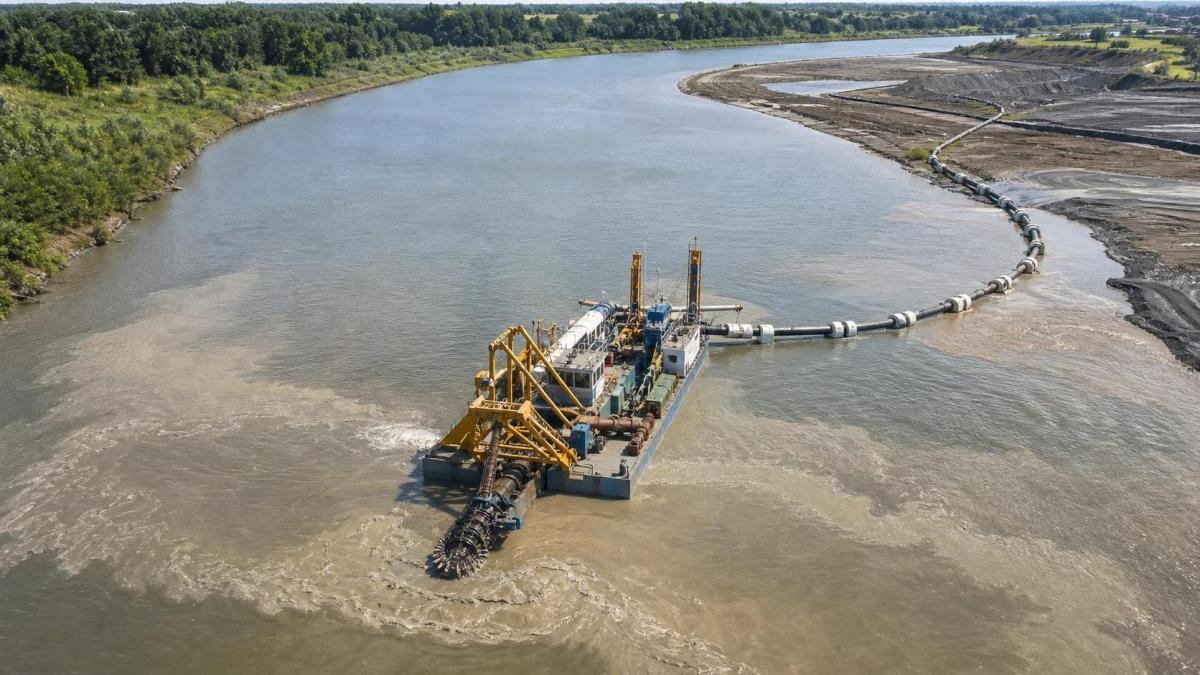
A YLCSD350-class cutter suction dredger sits in a range that many buyers consider for medium-scale river works, channel rehabilitation, and maintenance dredging. Yet “capacity” is not just the nominal mud flow or pump output listed in a brochure. In planning terms, capacity affects how many working hours are needed, what auxiliary equipment must be mobilized, how spoil will be handled, and whether the dredger can maintain output across changing sections of the river.
That is why buyers comparing brands should not stop at model names alone. A YLCSD350 cutter suction dredger from one supplier may differ from another in engine configuration, pump arrangement, cutter power, steelwork quality, control integration, or ease of maintenance. Those differences can materially affect actual river performance even when the model designation appears similar.
For project teams, the practical question is not “How big is the dredger?” It is “How much usable production can this machine sustain under our river conditions, and what planning decisions follow from that?”
What Capacity Really Means in a River Dredging Plan
When planners discuss dredger capacity, they usually mix several different ideas together. Separating them makes project decisions clearer.
- Installed capacity: the engine, pump, and cutter power available on the machine.
- Hydraulic transport capacity: how much slurry can move through the pipeline over a given discharge distance.
- Effective solids production: the volume of actual dredged material moved per hour after accounting for water content, downtime, repositioning, and sediment variability.
- Project capacity: the amount of completed dredging that can be achieved within the contract window, including support logistics and weather interruptions.
In river work, effective solids production matters most. Two dredgers may have similar nominal output, but if one loses performance in compacted silt layers, struggles with longer floating pipelines, or needs more frequent stoppages for wear-part changes, the production curve over a month can look very different.
This is where many procurement discussions become too simplistic. A model that appears large enough in theory may still create planning problems if the river section includes variable depths, bank restrictions, bends, debris, or limited spoil disposal locations.
How a 350-Class Cutter Suction Dredger Shapes the Work Method
A 350-class unit is often considered when the project is beyond the economical range of small portable dredgers but does not justify the mobilization footprint of much larger production equipment. In that middle range, the dredger’s capacity starts to influence nearly every part of the work method.
If the river has moderate sediment volumes and a defined maintenance objective, a machine in this class may allow continuous operation without the oversizing risk associated with heavier units. Oversizing can be just as problematic as undersizing. A larger dredger may require more draft, more assembly space, more transport coordination, and a larger discharge system than the site can realistically support.
At the same time, if sediment is dense, pumping distances are long, or the target completion window is tight, selecting a unit purely because it can “work in the river” may lead to underperformance. The planning team then compensates by extending shifts, adding more booster support, or accepting lower daily production than originally budgeted.
For readers assessing model-level options, the YLCSD350 cutter suction dredger category is relevant because it helps frame the relationship between cutter size, pump system, discharge arrangement, and river application rather than treating the dredger as a generic excavation asset.
Capacity Affects More Than Output: It Changes the Entire Schedule Logic
Project schedules for river dredging are rarely built on ideal continuous operation. They depend on access windows, water levels, environmental restrictions, navigation coordination, and disposal availability. Capacity matters because it determines how much buffer the project has when any of those constraints tighten.
A dredger with too little real working capacity leaves almost no room for interruptions. If water levels drop or sediment becomes harder to cut, production may fall below the threshold needed to maintain the project sequence. That can delay follow-on activities such as embankment work, bank protection, or port access restoration.
A properly matched dredger gives planners room to absorb variability. That does not mean buying the largest possible unit. It means selecting a machine whose realistic output still supports the timeline after accounting for:
- repositioning between river sections,
- daily startup and shutdown losses,
- wear-part inspections,
- pipeline movement,
- sediment density changes,
- river traffic interruptions,
- weather and current conditions.
When buyers compare brands, they should ask how the stated production figures were derived. Was the estimate based on short discharge distance, easy sediment, and ideal water depth? Or does it reflect a more typical river operating condition? This distinction directly affects schedule confidence.
Key River Conditions That Can Reduce Usable Capacity
Discharge Distance and Pipeline Layout
The farther slurry must be pumped, the more pressure losses the system must overcome. A dredger that performs well at short discharge range may need booster assistance or experience lower solids transport when the spoil area is farther away. Bends in the floating line, elevation differences at the discharge point, and changes between floating and shore pipeline also matter.
For project planning, this means capacity cannot be judged without a provisional discharge layout. If the disposal site may shift during the project, the dredger should be evaluated for its performance across the longest likely pumping condition, not only the initial setup.
Sediment Type and Layer Variability
River dredging rarely involves one uniform material. Soft silt, compacted clay, sand pockets, organic deposits, and mixed debris can all appear within the same reach. Cutter power and suction behavior determine whether the dredger can maintain feed consistency into the pump.
A machine that handles loose sediment well may see output drop sharply when the cutter meets denser layers. For project managers, the risk is not only slower progress. Irregular feed can increase wear, raise the chance of blockages, and complicate disposal pond management because slurry concentration changes over time.
Water Depth and Working Draft
Some river sections have draft limitations, bridges, tight bends, or seasonal level changes. A dredger may have enough installed capacity but still lose practical usefulness if it cannot maintain stable working position or if repeated adjustments are needed to suit local depth restrictions.
That issue often appears during site transitions. One section may support smooth production, while another reduces cutter reach or anchor positioning efficiency. Capacity planning should therefore include the least favorable sections, not just the easiest reach.
Current, Traffic, and Environmental Limits
Strong current can affect swing control and pipeline stability. Navigation traffic can shorten uninterrupted working windows. Environmental requirements may restrict turbidity, noise, or dredging periods. In such settings, a machine with stronger sustained capacity may help complete work within narrower windows, but only if its control response and operating stability fit the site.
What Buyers Should Compare Between YLCSD350 Brands
The model name alone does not tell the full story. Buyers evaluating YLCSD350 cutter suction dredger brands should focus on the technical and operational details that influence actual river production.
This is where brand evaluation becomes practical rather than promotional. Buyers do not need broad claims; they need enough technical clarity to judge whether one version of a 350-class dredger will hold production more consistently than another in a real river program.
Hidden Planning Costs When Capacity Is Misread
Underestimating capacity requirements usually shows up in visible delays. Overestimating a dredger’s usable capacity can be more damaging because the project plan may be approved on assumptions that later prove unrealistic.
Several hidden costs tend to follow:
- Additional support equipment if pumping distance exceeds the original design basis.
- Higher wear consumption when the dredger is pushed beyond the sediment conditions it handles efficiently.
- Disposal management problems if slurry concentration differs significantly from the planning assumption.
- Extended marine spread costs when auxiliary pontoons, pipes, anchors, or workboats remain on site longer than expected.
- Contract exposure if milestone-linked payment or access obligations depend on channel completion dates.
These risks are why capacity assessment should be connected to the entire dredging system, not just the dredger itself. A river project succeeds through the combined performance of the cutter, pump, pipeline, disposal route, maintenance plan, and operating sequence.
Questions Project Managers Should Put Into Technical Review
Before shortlisting a YLCSD350 model from any brand, project teams can tighten their decision process by asking a more disciplined set of review questions:
- What production assumptions were used to describe the dredger’s capacity?
- How does expected output change with longer discharge distances or denser material?
- What are the wear-sensitive components, and how difficult are they to inspect or replace on site?
- Can the dredger maintain stable operation in the river’s shallowest or most restricted sections?
- What mobilization and assembly conditions must be prepared before the dredger can start work?
- Which operating parameters can the crew monitor to avoid overloading or unstable slurry flow?
- What spare parts are likely to affect continuity during a multi-week or multi-month campaign?
These questions help convert a model comparison into a project suitability review. That is especially important when procurement teams are evaluating several brands that appear similar in nominal class and configuration.
Matching Capacity to the River, Not the Catalog
In river dredging, capacity is useful only when it can be sustained within the site’s physical and logistical limits. A 350-class cutter suction dredger may be well matched to a maintenance channel, river restoration corridor, or moderate-scale desilting project, but the right decision depends on sediment behavior, pumping route, access constraints, and the schedule tolerance built into the contract.
For buyers reviewing YLCSD350 cutter suction dredger brands, the most reliable approach is to treat published capacity as a starting point, then test it against real operating conditions: expected solids concentration, longest discharge path, variable river geometry, likely wear rate, and allowable downtime. That is where meaningful differences between brands usually become visible.
A river dredging plan becomes more dependable when the selected dredger is evaluated as part of a working system rather than as a standalone machine. Capacity, in that sense, is not a sales figure. It is a planning variable that shapes the project’s schedule, support spread, cost exposure, and operational resilience from day one.
Get weekly intelligence in your inbox.
No noise. No sponsored content. Pure intelligence.
News Recommendations
 Sep 19, 2026How an electronics application guide helps prevent component mismatchHow an electronics application guide helps prevent component mismatch
 Sep 18, 2026When a resource allocation platform improves project deliveryWhen a resource allocation platform improves project delivery
 Sep 17, 2026What to compare when evaluating mineral processing equipment manufacturersWhat to compare when evaluating mineral processing equipment manufacturers
 Sep 16, 2026How mineral separation optimization can reduce concentrate lossesHow mineral separation optimization can reduce concentrate losses
 Sep 15, 2026How to assess lifecycle costs in urban tech procurementHow to assess lifecycle costs in urban tech procurement
 Sep 14, 2026Heavy industry technology trends reshaping capital investment prioritiesHeavy industry technology trends reshaping capital investment priorities
 Sep 14, 2026Why Infrastructure Equipment Buyers Are Shifting from Catalog-Based to Capability-Based Supplier SelectionWhy Infrastructure Equipment Buyers Are Shifting from Catalog-Based to Capability-Based Supplier Selection
 Sep 14, 2026Process Automation Project Execution: How to Align Supplier Capabilities with PLC Integration, Cybersecurity & Commissioning MilestonesProcess Automation Project Execution: How to Align Supplier Capabilities with PLC Integration, Cybersecurity & Commissioning Milestones
 Sep 14, 2026Are intelligent traffic systems worth the investment for small cities?Are intelligent traffic systems worth the investment for small cities?
 Sep 14, 2026How do intelligent traffic systems handle sensor failures?How do intelligent traffic systems handle sensor failures?
 Sep 14, 2026What should I check before accepting a smart building system?What should I check before accepting a smart building system?
 Sep 14, 2026Is a smart building system worth the maintenance cost?Is a smart building system worth the maintenance cost?
 Sep 14, 2026What data is needed for reliable resource allocation planning?What data is needed for reliable resource allocation planning?
 Sep 14, 2026How can resource allocation software reduce equipment idle time?How can resource allocation software reduce equipment idle time?
 Sep 14, 2026How should smart devices be maintained in harsh outdoor conditions?How should smart devices be maintained in harsh outdoor conditions?
 Sep 14, 2026Do smart devices improve worker safety on construction sites?Do smart devices improve worker safety on construction sites?
 Sep 14, 2026What environmental risks must be assessed before deep-sea mining?What environmental risks must be assessed before deep-sea mining?
 Sep 14, 2026Is deep-sea mining equipment commercially viable in 2026?Is deep-sea mining equipment commercially viable in 2026?
 Sep 14, 2026What Inspection Checks Should Procurement Teams Perform Before Ordering Dredging Equipment in 2026?What Inspection Checks Should Procurement Teams Perform Before Ordering Dredging Equipment in 2026?
 Sep 13, 2026How to verify an industrial product information source before specifying equipmentHow to verify an industrial product information source before specifying equipment
 Sep 12, 2026Which intelligent traffic systems hardware fits an urban intersection?Which intelligent traffic systems hardware fits an urban intersection?
 Sep 11, 2026How pump capacity affects response coverage for municipal fire fighting vehiclesHow pump capacity affects response coverage for municipal fire fighting vehicles
 Sep 10, 2026What to verify before choosing a heavy industry equipment supplierWhat to verify before choosing a heavy industry equipment supplier
 Sep 09, 2026When do adaptive urban traffic control systems reduce corridor delays?When do adaptive urban traffic control systems reduce corridor delays?
 Sep 08, 2026When logistics technology solutions in North America reduce delivery delaysWhen logistics technology solutions in North America reduce delivery delays
 Sep 07, 2026How reliable are wireless mining safety systems in underground mines?How reliable are wireless mining safety systems in underground mines?
 Sep 07, 2026How to assess a smart lighting technology platform for interoperabilityHow to assess a smart lighting technology platform for interoperability