Urban Governance for City Planning: Trends Shaping Smarter Decisions
Urban governance for city planning is moving from support function to investment logic

Urban governance for city planning is no longer a policy-side discussion alone. It now shapes where capital flows, how projects are phased, and which assets remain viable over time.
That shift is becoming clearer across infrastructure, smart city systems, transport corridors, industrial zones, and public service networks. Decisions once driven by land, cost, and demand now depend on governance quality.
For complex urban development, the real question is not whether technology is available. It is whether city institutions can coordinate data, standards, financing, and operations at the same speed.
This is why urban governance for city planning has become a strategic signal for long-cycle investors and delivery partners. It affects permitting risk, interoperability, resilience performance, and the credibility of long-term urban transformation.
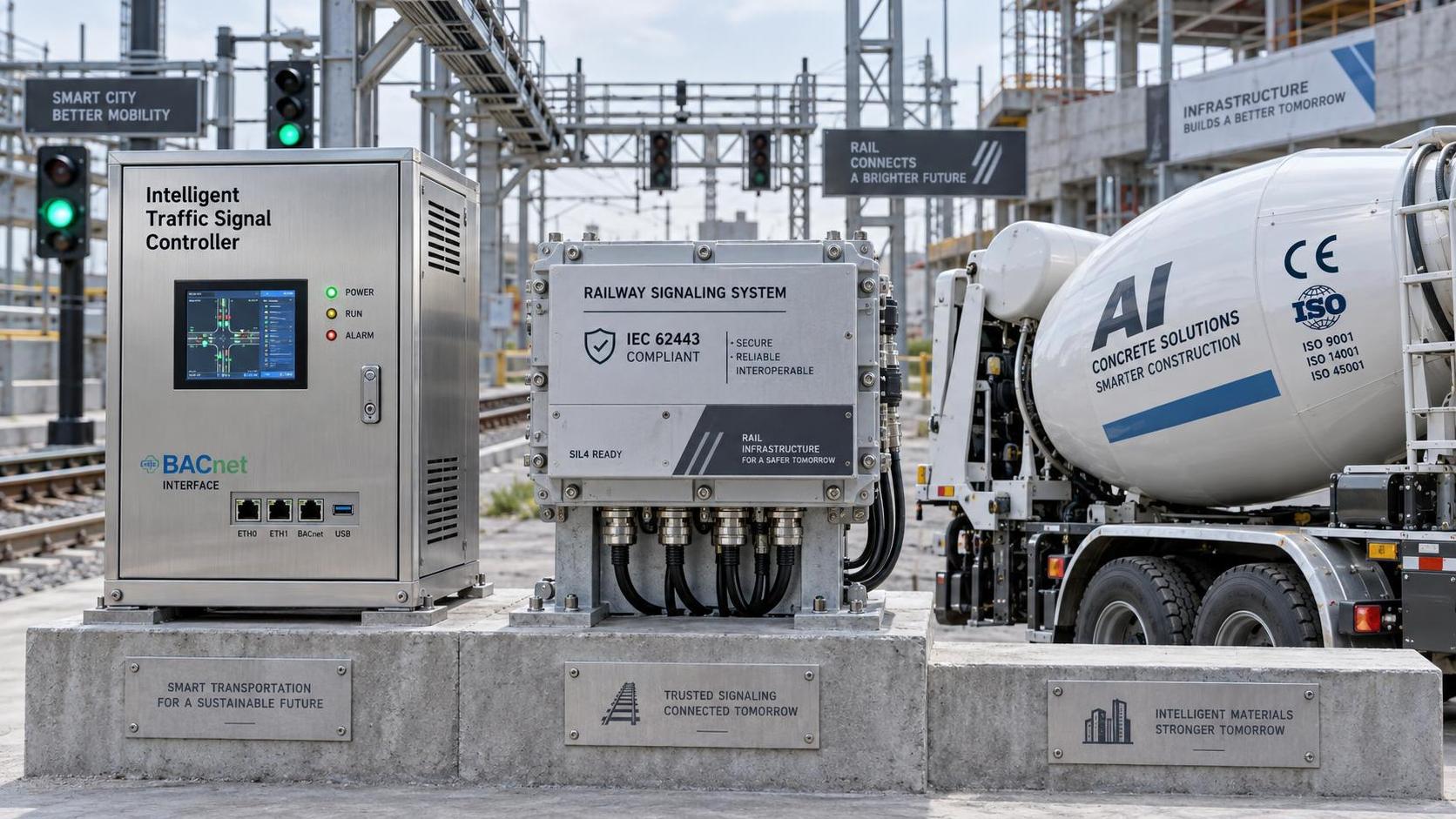
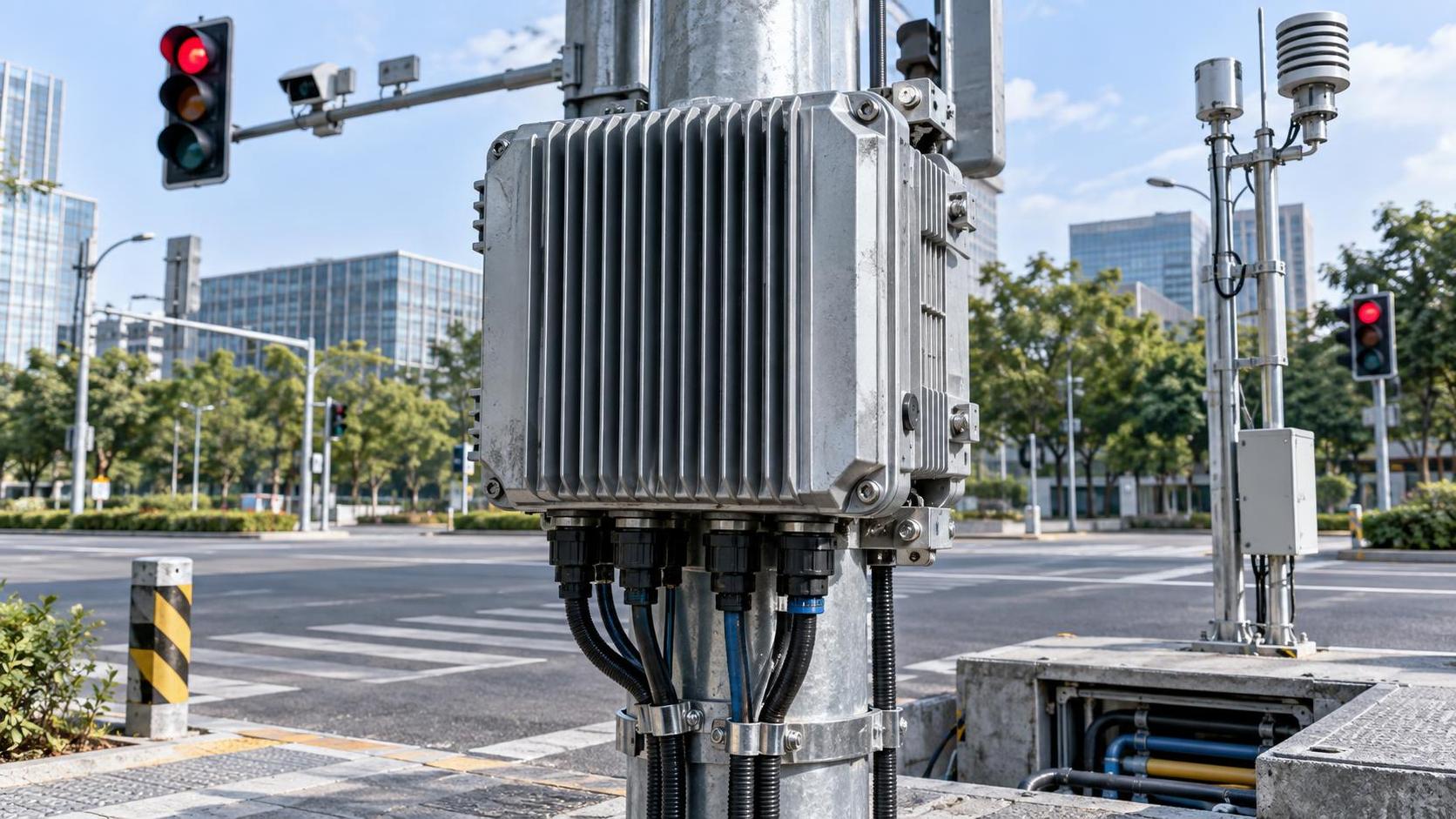
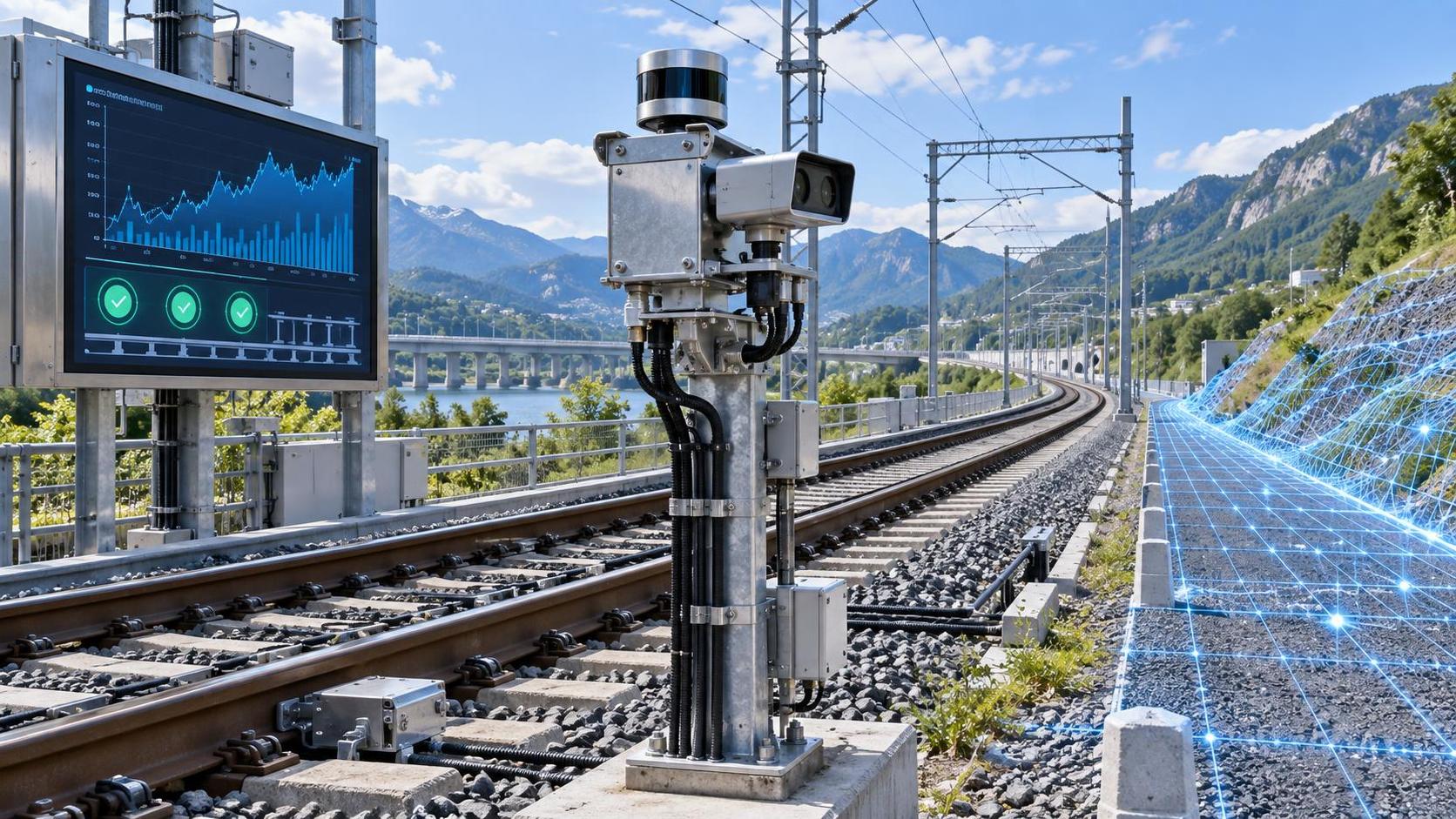
Across the broader infrastructure landscape, a more integrated mindset is emerging. Bridges, rail systems, energy grids, waste automation, and smart buildings are now judged as connected layers of one urban operating system.
That broader view aligns with the market direction now taking shape. Physical assets still matter, but intelligence, governance discipline, and cross-sector coordination increasingly determine whether those assets generate lasting value.
Why the governance signal has become stronger
Several forces are converging at once. Urban growth remains uneven, climate pressure is intensifying, and public budgets are tighter. At the same time, digital systems have made weak coordination far more visible.
Cities are also being asked to do more with the same footprint. They must reduce congestion, improve energy efficiency, strengthen safety, and modernize public services without pausing economic activity.
In that environment, urban governance for city planning becomes the mechanism that links ambition to execution. It determines whether urban plans can absorb real-time information and still produce predictable delivery outcomes.
More importantly, the rise of digital twins, sensor networks, and interoperable platforms has changed expectations. Better tools now exist, so poor governance can no longer hide behind information gaps.
From a market perspective, this is a structural change. Governance is turning into a measurable project variable, not a background condition.
The most important shift is from static masterplans to living urban systems
One of the clearest signals is the decline of one-time planning logic. Urban governance for city planning increasingly relies on iterative models that adjust to traffic, utilities demand, environmental stress, and land-use performance.
This does not mean long-term plans are becoming less important. It means their value now depends on how well they can absorb operational feedback without losing strategic direction.
That shift is visible across several sectors. Smart buildings feed occupancy and energy data into district planning. Rail and logistics systems influence industrial placement. Utility networks affect the timing of housing expansion.
In practice, urban governance for city planning is becoming closer to systems orchestration. The city is treated less like a collection of projects and more like an evolving physical-digital platform.
This is also where industry intelligence matters. Market participants need more than construction updates. They need a cross-sector reading of how engineering, data standards, public policy, and operating constraints interact.
Impact is spreading beyond planning departments
The effect of better or weaker governance does not stay inside public administration. It reaches design firms, contractors, utility providers, mobility operators, heavy equipment suppliers, and long-term asset managers.
For construction and smart building projects, stronger governance can reduce redesign cycles and improve sequencing across permits, utilities access, and digital compliance requirements.
For railway and logistics corridors, urban governance for city planning influences alignment with industrial policy, freight demand, and intermodal efficiency. Poor coordination can leave high-value transport assets underused.
For mining, resource processing, and heavy industrial zones, governance quality shapes environmental legitimacy and infrastructure connectivity. Those factors increasingly affect expansion timelines and social acceptance.
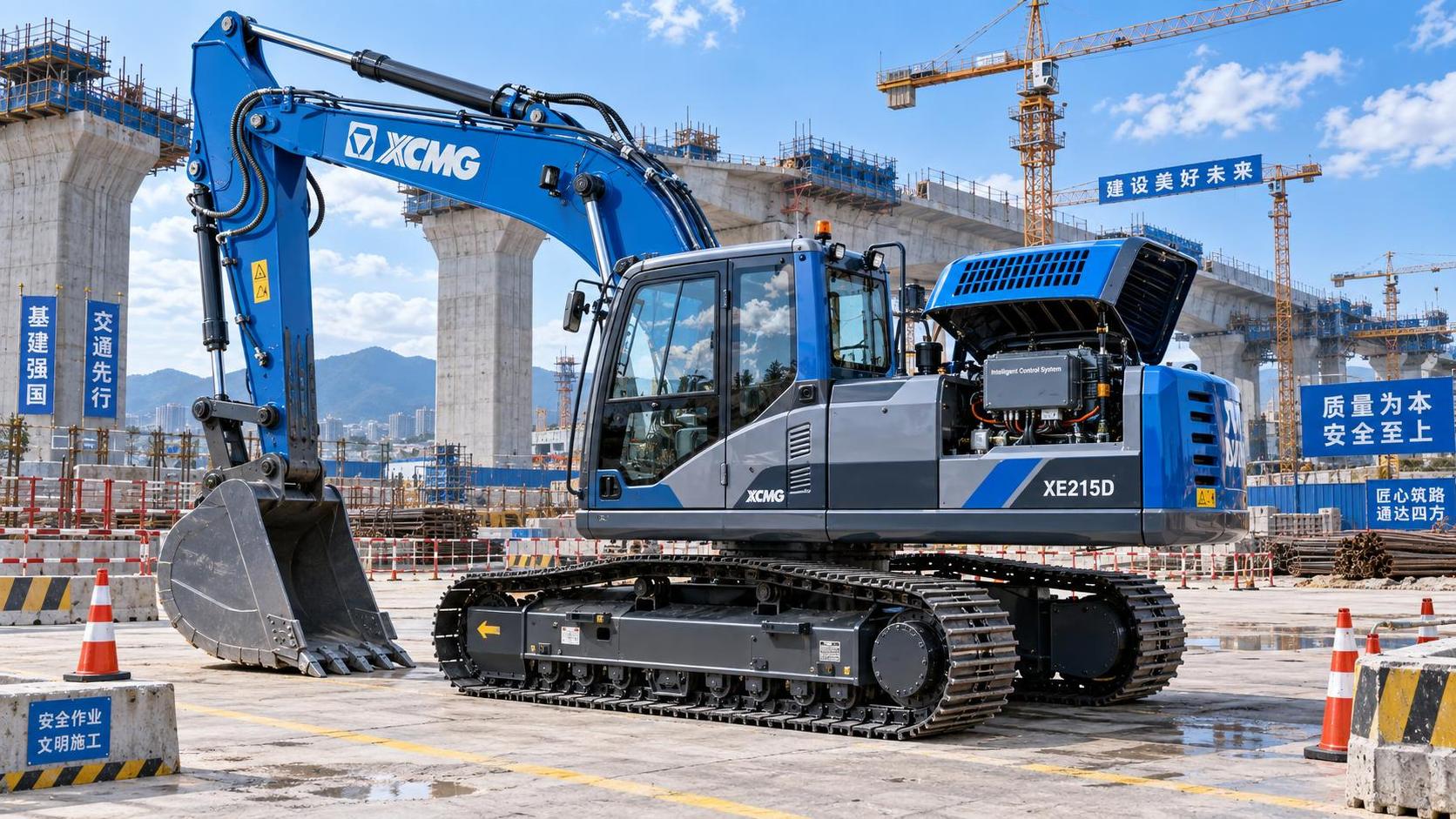
For special purpose vehicles and heavy machinery, the implications are more practical than they first appear. Equipment procurement now reflects emissions rules, urban safety standards, automation readiness, and data reporting needs.
- Projects are being evaluated over full operating life, not only delivery milestones.
- Data compatibility is becoming a procurement issue, not just an IT issue.
- Urban resilience metrics are influencing capital allocation earlier in planning cycles.
- Cross-agency governance now affects the bankability of integrated urban infrastructure.
This wider influence explains why urban governance for city planning now matters across the full physical world value chain, from front-end strategy to operations.
What deserves closer attention over the next planning cycle
The next phase will likely reward cities and project ecosystems that can translate data into coordinated action. The issue is not data volume. It is institutional clarity, model quality, and execution discipline.
Three signals are especially worth tracking. The first is standardization across urban systems. The second is whether sustainability targets are embedded in approvals, not added later. The third is whether operating data feeds back into future planning.
A useful way to read urban governance for city planning is to ask where decisions are becoming more interoperable. That often reveals which markets are moving from pilot activity to scalable implementation.
Another signal is the quality of technical governance around digital twins. Where digital models are linked to assets, budgets, and service outcomes, planning tends to become more adaptive and less fragmented.
This is where an engineering-led intelligence approach becomes valuable. Cross-verifying infrastructure data, smart city architecture, and equipment evolution gives a more realistic picture than isolated policy commentary.
A practical response starts with sharper decision filters
The most effective response is usually not a bigger planning document. It is a better decision framework. Urban governance for city planning should be assessed through measurable questions tied to project and portfolio risk.
Useful filters can include the following.
- Can land, mobility, utility, and climate data be interpreted within one planning logic?
- Are governance standards clear enough to support multi-year infrastructure coordination?
- Do asset specifications match future operating rules, not just current compliance?
- Is resilience being treated as design input, financing input, and operating input?
- Are suppliers and delivery partners prepared for data-sharing and interoperability requirements?
From recent market behavior, the stronger performers are not necessarily the ones with the boldest smart city messaging. They are usually the ones with clearer governance architecture behind their physical investment programs.
That distinction matters because urban governance for city planning is becoming a predictor of project durability. It helps separate short-term digital layering from genuine urban operating capability.
The smarter next step is to read governance as infrastructure intelligence
The direction is increasingly clear. Urban governance for city planning is becoming the connective tissue between physical assets, digital oversight, sustainability goals, and long-term urban value creation.
That makes governance analysis more than a policy exercise. It becomes part of infrastructure intelligence, especially when city building, transport systems, smart utilities, resource flows, and heavy equipment are all converging.
The next useful move is to compare planning assumptions against live market signals. Review where standards are tightening, where interoperability is improving, and where operational data is changing project design.
It is also worth mapping which urban systems are still managed in silos. Those gaps often reveal future cost pressure, coordination risk, or missed value in otherwise attractive development plans.
In the coming cycle, smarter decisions will likely come from those who treat urban governance for city planning as a core planning variable, then build stage-based responses around evidence, standards, and system integration.
Get weekly intelligence in your inbox.
No noise. No sponsored content. Pure intelligence.
News Recommendations
 Sep 19, 2026How an electronics application guide helps prevent component mismatchHow an electronics application guide helps prevent component mismatch
 Sep 18, 2026When a resource allocation platform improves project deliveryWhen a resource allocation platform improves project delivery
 Sep 17, 2026What to compare when evaluating mineral processing equipment manufacturersWhat to compare when evaluating mineral processing equipment manufacturers
 Sep 16, 2026How mineral separation optimization can reduce concentrate lossesHow mineral separation optimization can reduce concentrate losses
 Sep 15, 2026How to assess lifecycle costs in urban tech procurementHow to assess lifecycle costs in urban tech procurement
 Sep 14, 2026Heavy industry technology trends reshaping capital investment prioritiesHeavy industry technology trends reshaping capital investment priorities
 Sep 14, 2026Global Industrial Equipment Procurement: How Top OEMs Qualify Suppliers for Mining & Infrastructure ProjectsGlobal Industrial Equipment Procurement: How Top OEMs Qualify Suppliers for Mining & Infrastructure Projects
 Sep 14, 2026Industrial & Mining Equipment Procurement: Balancing Local Sourcing, Lead Time, and Certification RequirementsIndustrial & Mining Equipment Procurement: Balancing Local Sourcing, Lead Time, and Certification Requirements
 Sep 14, 2026Infrastructure & Equipment Upgrades: What Procurement Teams Must Verify Before Signing Off on New ContractsInfrastructure & Equipment Upgrades: What Procurement Teams Must Verify Before Signing Off on New Contracts
 Sep 14, 2026Why Infrastructure Equipment Buyers Are Shifting from Catalog-Based to Capability-Based Supplier SelectionWhy Infrastructure Equipment Buyers Are Shifting from Catalog-Based to Capability-Based Supplier Selection
 Sep 14, 2026Process Automation Project Execution: How to Align Supplier Capabilities with PLC Integration, Cybersecurity & Commissioning MilestonesProcess Automation Project Execution: How to Align Supplier Capabilities with PLC Integration, Cybersecurity & Commissioning Milestones
 Sep 14, 2026Are intelligent traffic systems worth the investment for small cities?Are intelligent traffic systems worth the investment for small cities?
 Sep 14, 2026How do intelligent traffic systems handle sensor failures?How do intelligent traffic systems handle sensor failures?
 Sep 14, 2026What should I check before accepting a smart building system?What should I check before accepting a smart building system?
 Sep 14, 2026Is a smart building system worth the maintenance cost?Is a smart building system worth the maintenance cost?
 Sep 14, 2026What data is needed for reliable resource allocation planning?What data is needed for reliable resource allocation planning?
 Sep 14, 2026How can resource allocation software reduce equipment idle time?How can resource allocation software reduce equipment idle time?
 Sep 14, 2026How should smart devices be maintained in harsh outdoor conditions?How should smart devices be maintained in harsh outdoor conditions?
 Sep 14, 2026Do smart devices improve worker safety on construction sites?Do smart devices improve worker safety on construction sites?
 Sep 14, 2026What environmental risks must be assessed before deep-sea mining?What environmental risks must be assessed before deep-sea mining?
 Sep 14, 2026Is deep-sea mining equipment commercially viable in 2026?Is deep-sea mining equipment commercially viable in 2026?
 Sep 14, 2026What Inspection Checks Should Procurement Teams Perform Before Ordering Dredging Equipment in 2026?What Inspection Checks Should Procurement Teams Perform Before Ordering Dredging Equipment in 2026?
 Sep 13, 2026How to verify an industrial product information source before specifying equipmentHow to verify an industrial product information source before specifying equipment
 Sep 12, 2026Which intelligent traffic systems hardware fits an urban intersection?Which intelligent traffic systems hardware fits an urban intersection?
 Sep 11, 2026How pump capacity affects response coverage for municipal fire fighting vehiclesHow pump capacity affects response coverage for municipal fire fighting vehicles
 Sep 10, 2026What to verify before choosing a heavy industry equipment supplierWhat to verify before choosing a heavy industry equipment supplier
 Sep 09, 2026When do adaptive urban traffic control systems reduce corridor delays?When do adaptive urban traffic control systems reduce corridor delays?