Energy Efficient Infrastructure: Where Savings Actually Come From
Why does energy efficient infrastructure save money beyond the utility bill?
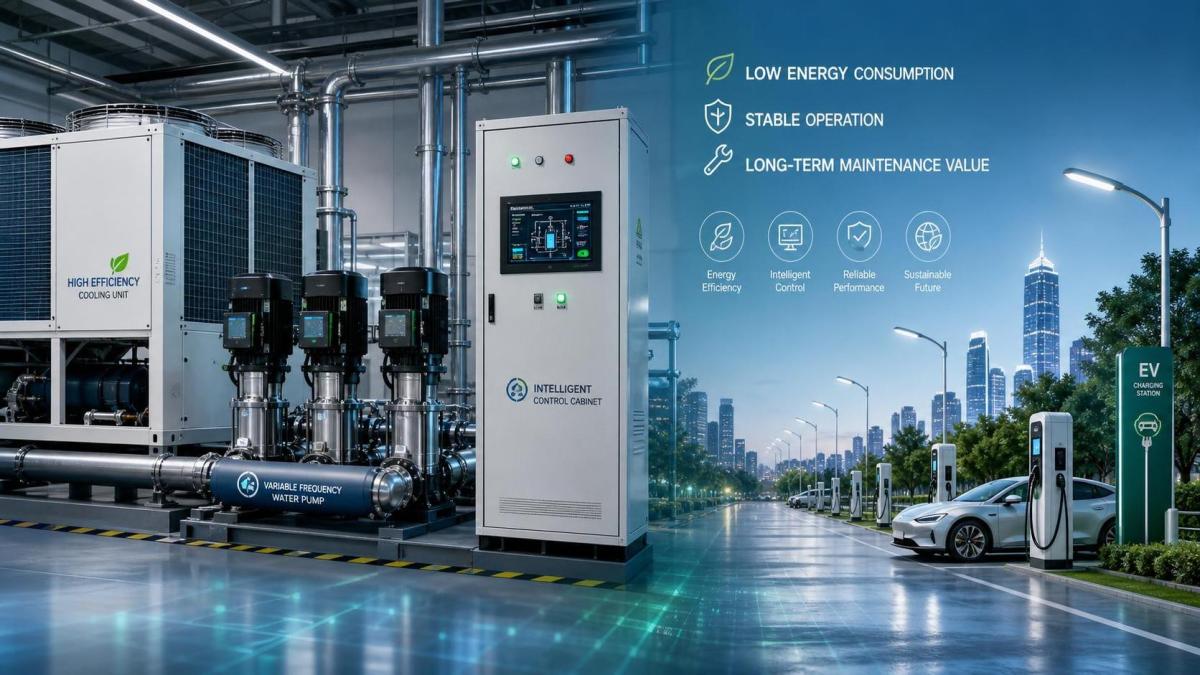
Energy efficient infrastructure is often discussed as a climate goal. In budget terms, that is only part of the story.
The larger financial impact usually comes from how infrastructure behaves over time. Better systems waste less power, but they also fail less often.
That matters across buildings, transport corridors, utilities, mines, and equipment fleets. A lower energy draw is valuable, yet avoided disruption can be even more valuable.
In practical terms, savings tend to come from four places: operating cost reduction, maintenance compression, asset life extension, and better resource scheduling.
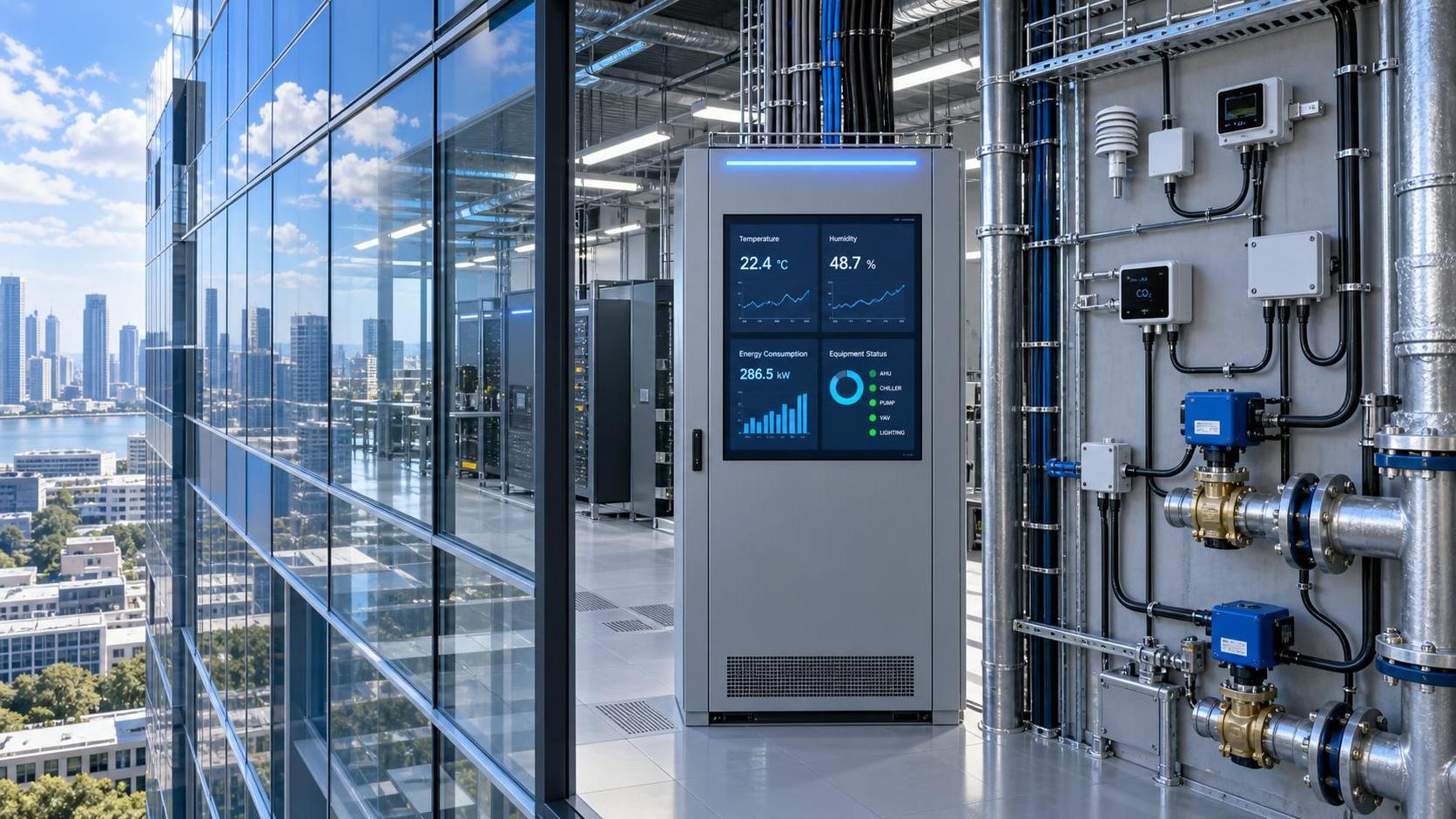
A smart building HVAC upgrade, for example, may cut electricity use. It can also reduce emergency service calls, improve component life, and stabilize tenant comfort.
The same pattern appears in rail systems, pumps, ventilation networks, street lighting, and charging infrastructure. Efficient design changes both consumption and reliability curves.
That is why GIUT often frames infrastructure through a digital twin lens. The real question is not only what an asset costs to buy.
It is what the asset will consume, interrupt, and require over fifteen or twenty years. That is where energy efficient infrastructure becomes a capital discipline.
Where do the savings actually show up on the balance sheet?
A common search is simple: where does energy efficient infrastructure pay back in real accounting terms?
The answer is broader than energy expense. Most projects influence multiple cost lines at once, even when the procurement brief starts with power efficiency.
More useful evaluations usually track these categories:
- Electricity or fuel spend per operating hour, square meter, kilometer, or ton handled.
- Maintenance labor hours, spare parts frequency, and service call volatility.
- Downtime cost tied to outages, slow performance, or unstable operating conditions.
- Asset replacement timing, especially for motors, compressors, lighting, and control hardware.
- Compliance costs linked to emissions, reporting, and energy performance standards.
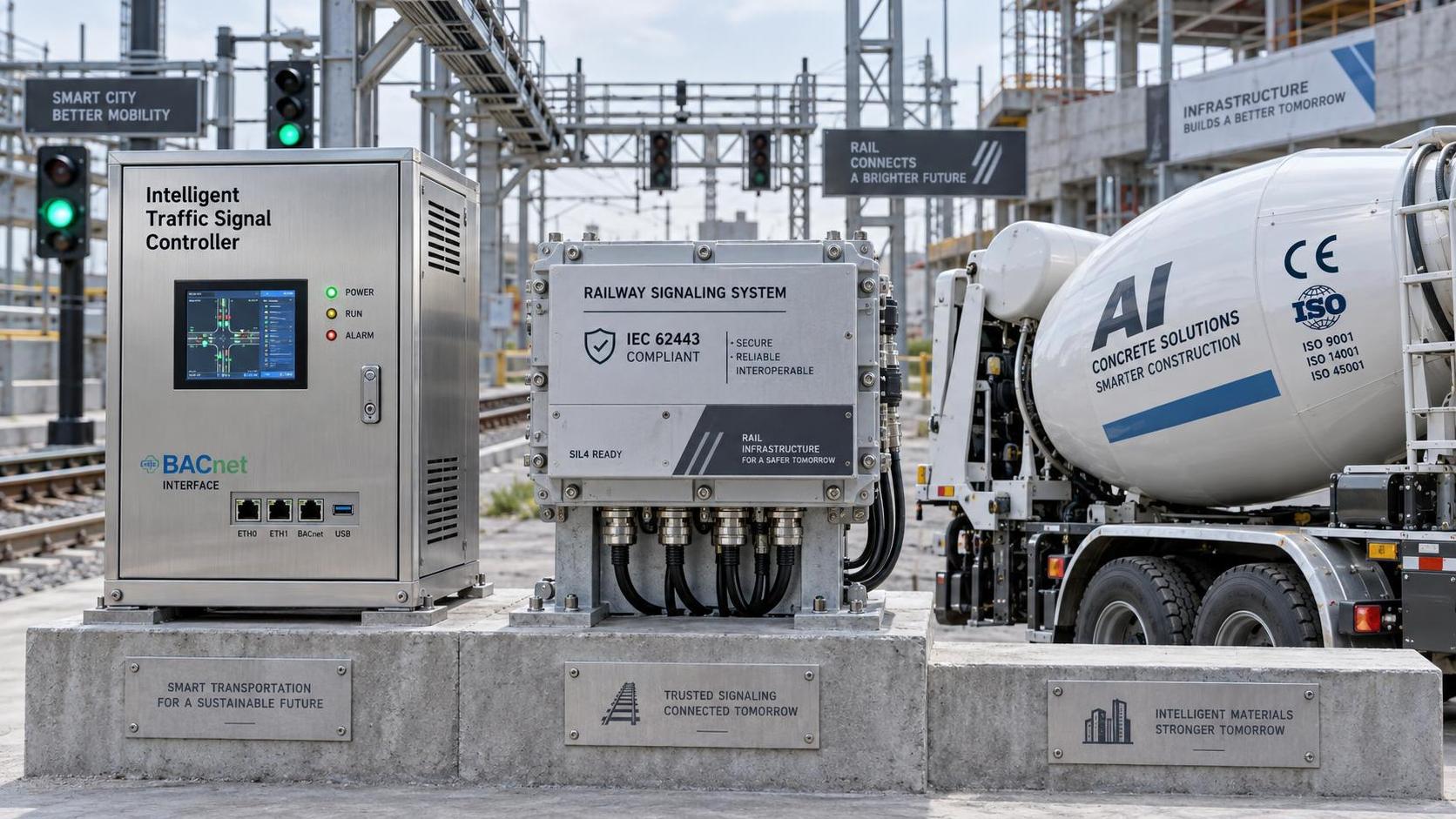
In urban systems, another saving source appears: load management. Smarter grids, traffic control, and automated waste routing reduce peak demand and inefficient dispatch.
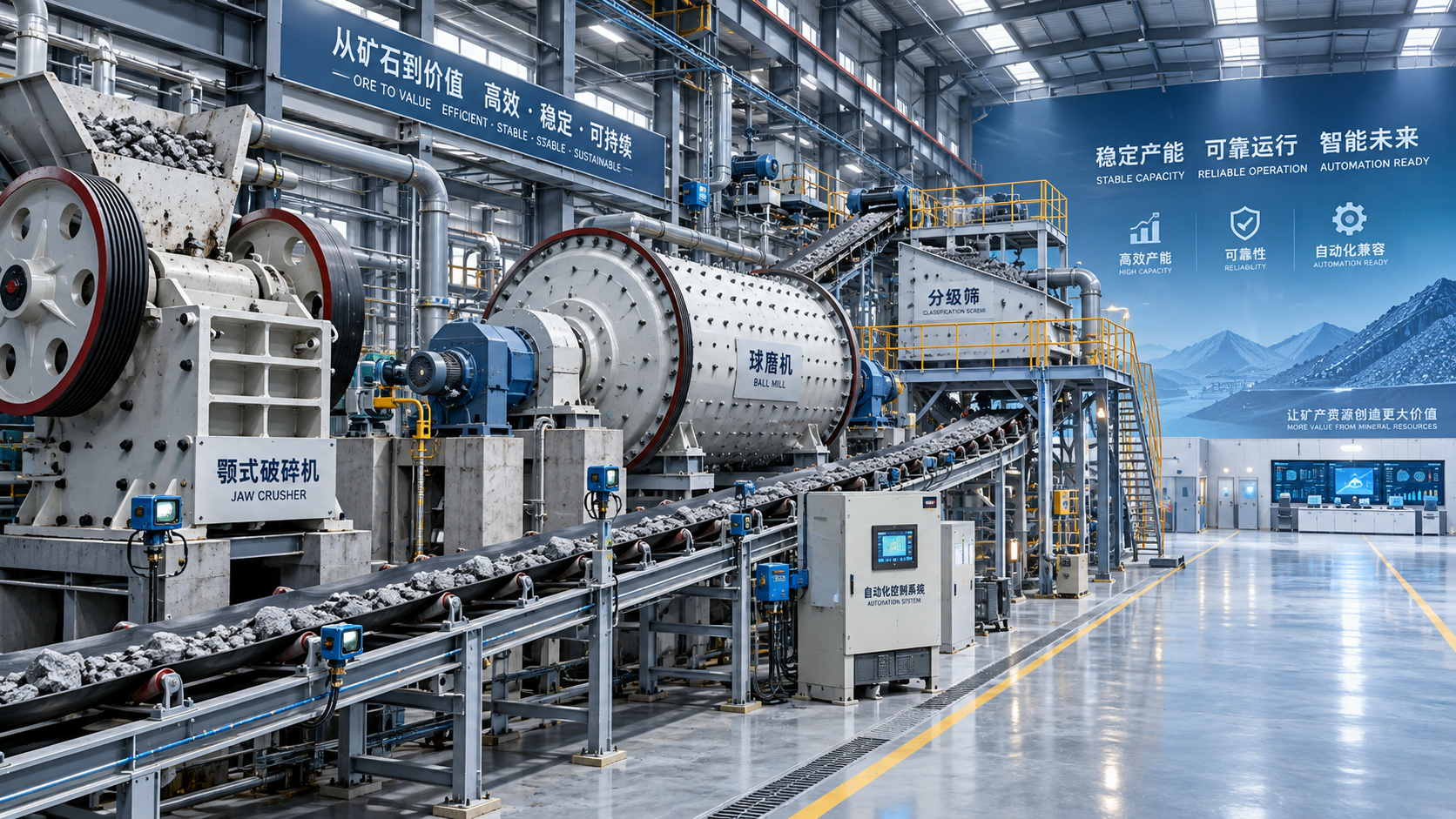
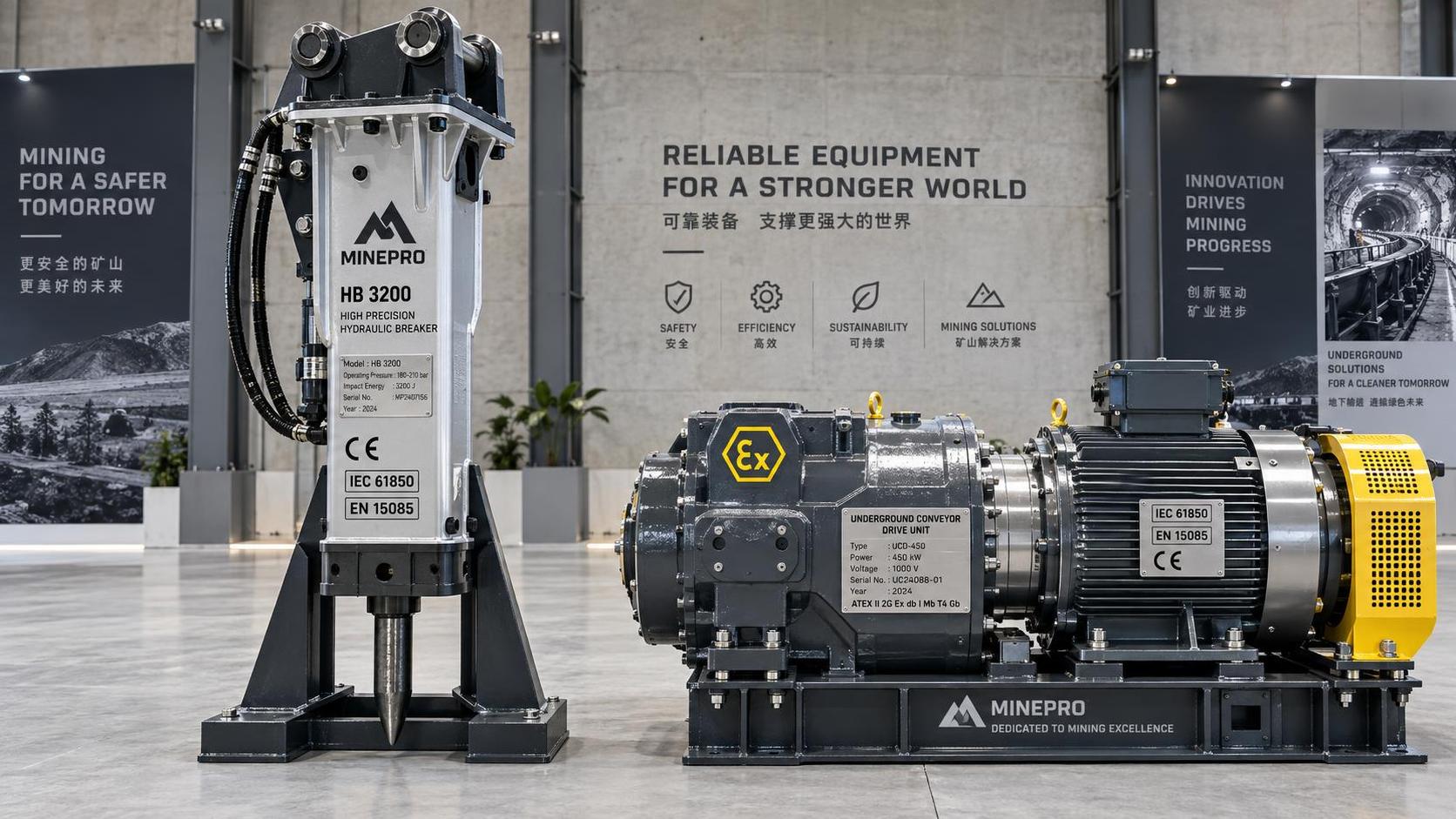
In mining or heavy equipment fleets, efficient drives and digital controls often cut idle energy use. They also reduce heat stress on components.
That second effect is easy to underestimate. Lower thermal stress often means fewer breakdowns and longer service intervals.
The table below helps separate visible savings from the ones that usually emerge later.
Which projects usually deliver the fastest return?
Not every energy efficient infrastructure project pays back at the same speed. Fast return usually comes from assets with high runtime and predictable load.
Lighting retrofits are the classic example, but the stronger opportunities are often less visible. Pumps, fans, chillers, compressors, rail traction support, and smart controls deserve closer review.
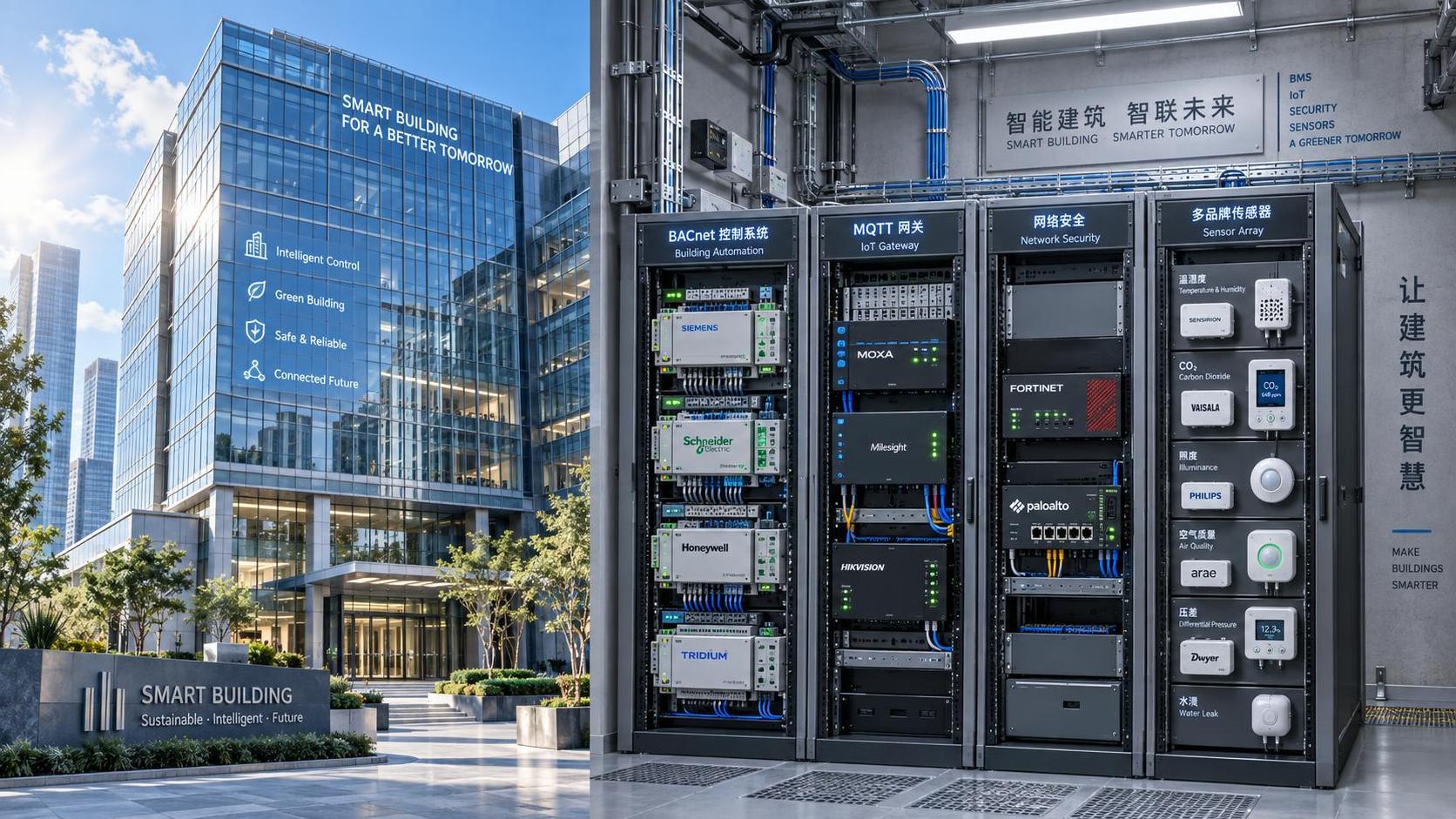
In construction and smart building portfolios, building management systems can produce quick gains when legacy equipment still functions but runs inefficiently.
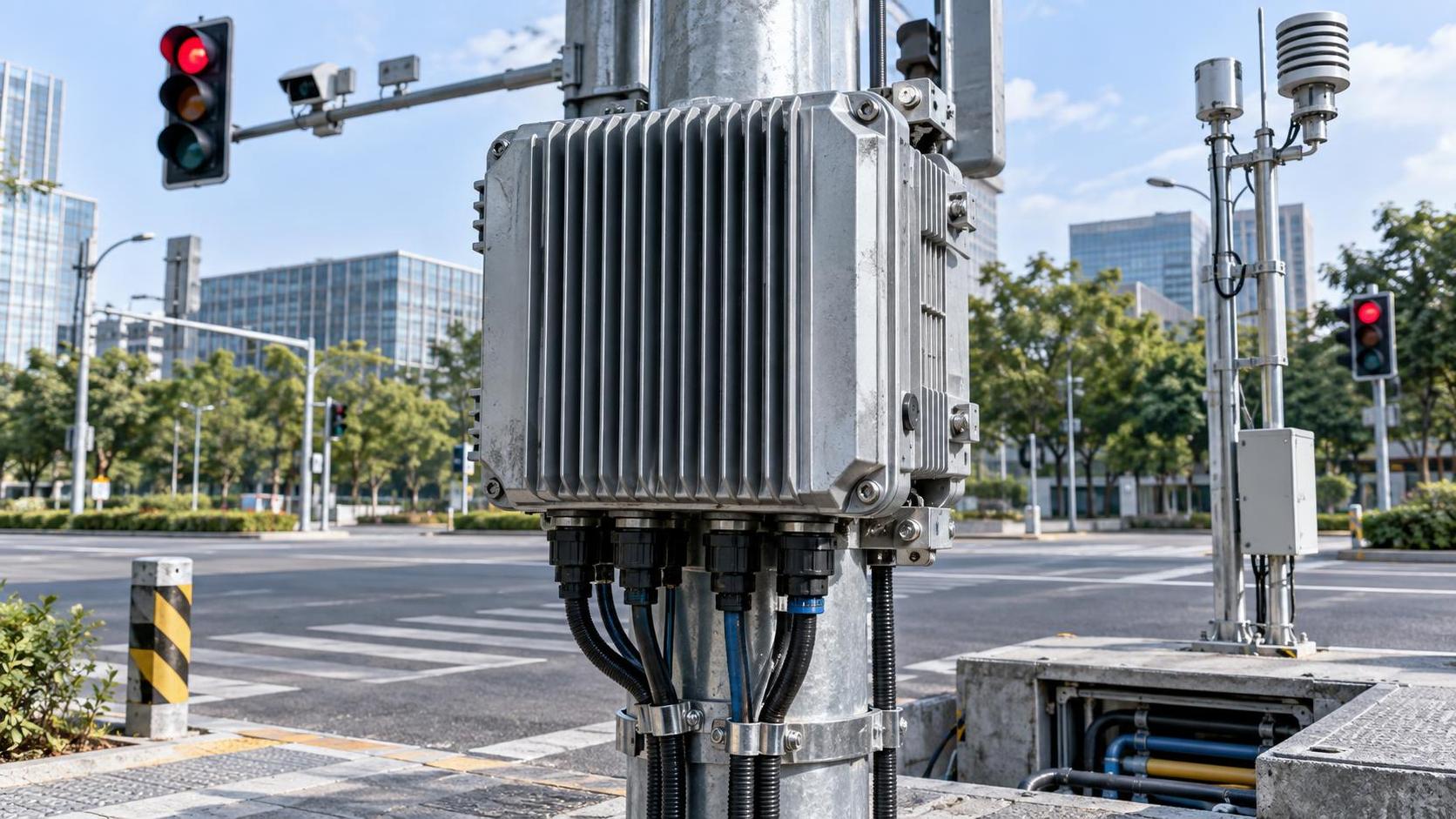
In urban tech, adaptive street lighting and traffic signal optimization frequently create measurable savings without major civil reconstruction.
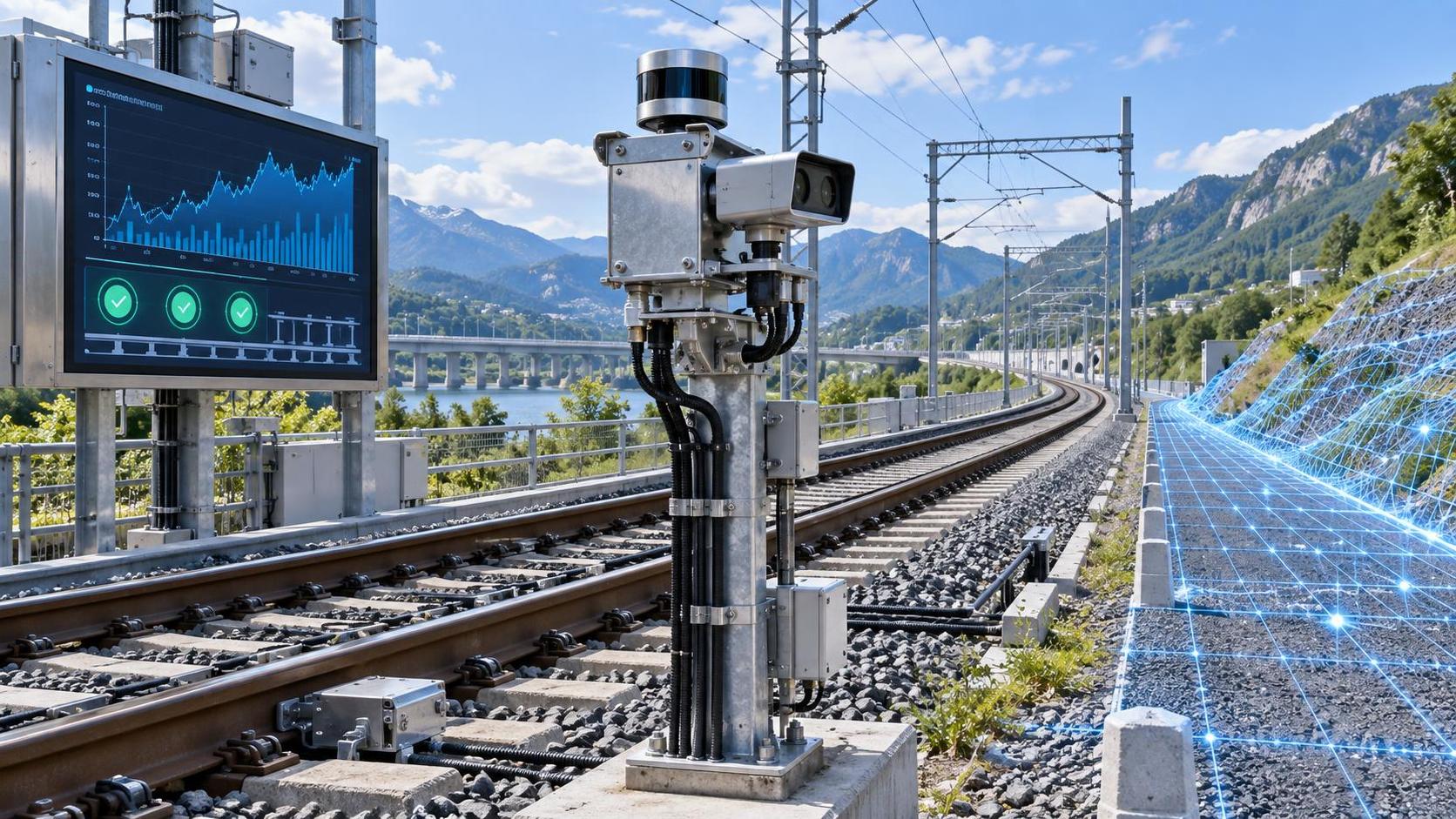
Railway and logistics assets often benefit from regenerative systems, efficient signaling support, and predictive maintenance tied to energy performance data.
For special purpose vehicles and heavy equipment, idle reduction technology and electrified subsystems can matter more than a headline vehicle replacement.
A useful screening question is this: does the asset run many hours, face variable loads, or suffer recurring service events?
If the answer is yes, energy efficient infrastructure may generate value faster than a simple payback sheet suggests.
Quick signals of a strong candidate
- Energy spend is concentrated in a few systems.
- Peak load charges distort annual operating cost.
- Maintenance records show repeat failures or heat-related wear.
- The site lacks granular monitoring and control.
- Regulatory requirements are tightening within the next budget cycle.
How can you tell whether projected savings are credible?
This is where many decisions go wrong. Savings claims are often directionally true but financially weak.
A credible energy efficient infrastructure case starts with a baseline. Without a clean operating baseline, every return model becomes easy to overstate.
The baseline should reflect actual load profile, weather exposure, occupancy, throughput, or fleet duty cycle. Averaged assumptions tend to hide risk.
It also helps to ask whether the projected gain depends on behavior change. If savings require perfect operator discipline, the forecast deserves a discount.
More dependable value usually comes from design features that persist automatically, such as variable speed drives, insulation upgrades, smart dispatch logic, and system integration.
GIUT’s engineering coverage repeatedly shows the same pattern across sectors: the best cases combine efficient hardware with measurable operational visibility.
That is why monitoring, controls, and verification should be part of the budget discussion, not an optional add-on.
Questions worth asking before approval
- What baseline period was used, and was it normalized for real operating conditions?
- How much of the savings comes from lower consumption versus lower downtime?
- Which assumptions depend on future user behavior?
- What verification method will confirm results after commissioning?
- What happens to the business case if energy prices flatten?
What are the most common mistakes when comparing energy efficient infrastructure options?
The biggest mistake is buying on upfront efficiency alone. High rated performance does not always translate into lower lifecycle cost.
A second mistake is isolating one asset from the wider system. An efficient chiller, for instance, may underperform inside a poor control architecture.
The third mistake is treating all sectors the same. A smart building upgrade, a mine ventilation system, and a rail substation do not share the same risk profile.
In actual evaluations, the better comparison method looks at fit, not just specification. That includes service access, integration cost, operating resilience, and data quality.
Another frequent issue is underestimating commissioning. Energy efficient infrastructure can miss targets when controls are installed but never properly tuned.
That is especially relevant in smart city systems, where sensors, communications, and operational workflows must align before savings become visible.
The strongest decisions compare total ownership outcomes, not brochure promises.
So what should the next evaluation step look like?
A practical next step is to rank infrastructure candidates by energy intensity, maintenance burden, and operational criticality. That quickly narrows the field.
Then build a short decision framework around three numbers: current annual cost, credible savings range, and implementation risk.
For many organizations, the highest-value energy efficient infrastructure opportunity is not the newest technology. It is the asset with the clearest waste pattern.
In that sense, disciplined selection matters as much as engineering quality. The goal is not to chase every green upgrade.
The goal is to back infrastructure that lowers operating drag, protects service continuity, and stays measurable after deployment.
Across heavy industry, urban systems, logistics networks, and smart buildings, that is where savings actually come from.
Start with a verified baseline, compare lifecycle outcomes, and require a post-installation measurement plan. Those three steps usually separate real value from attractive assumptions.
Get weekly intelligence in your inbox.
No noise. No sponsored content. Pure intelligence.
News Recommendations
 Sep 19, 2026How an electronics application guide helps prevent component mismatchHow an electronics application guide helps prevent component mismatch
 Sep 18, 2026When a resource allocation platform improves project deliveryWhen a resource allocation platform improves project delivery
 Sep 17, 2026What to compare when evaluating mineral processing equipment manufacturersWhat to compare when evaluating mineral processing equipment manufacturers
 Sep 16, 2026How mineral separation optimization can reduce concentrate lossesHow mineral separation optimization can reduce concentrate losses
 Sep 15, 2026How to assess lifecycle costs in urban tech procurementHow to assess lifecycle costs in urban tech procurement
 Sep 14, 2026Heavy industry technology trends reshaping capital investment prioritiesHeavy industry technology trends reshaping capital investment priorities
 Sep 14, 2026Global Industrial Equipment Procurement: How Top OEMs Qualify Suppliers for Mining & Infrastructure ProjectsGlobal Industrial Equipment Procurement: How Top OEMs Qualify Suppliers for Mining & Infrastructure Projects
 Sep 14, 2026Industrial & Mining Equipment Procurement: Balancing Local Sourcing, Lead Time, and Certification RequirementsIndustrial & Mining Equipment Procurement: Balancing Local Sourcing, Lead Time, and Certification Requirements
 Sep 14, 2026Infrastructure & Equipment Upgrades: What Procurement Teams Must Verify Before Signing Off on New ContractsInfrastructure & Equipment Upgrades: What Procurement Teams Must Verify Before Signing Off on New Contracts
 Sep 14, 2026Why Infrastructure Equipment Buyers Are Shifting from Catalog-Based to Capability-Based Supplier SelectionWhy Infrastructure Equipment Buyers Are Shifting from Catalog-Based to Capability-Based Supplier Selection
 Sep 14, 2026Process Automation Project Execution: How to Align Supplier Capabilities with PLC Integration, Cybersecurity & Commissioning MilestonesProcess Automation Project Execution: How to Align Supplier Capabilities with PLC Integration, Cybersecurity & Commissioning Milestones
 Sep 14, 2026Are intelligent traffic systems worth the investment for small cities?Are intelligent traffic systems worth the investment for small cities?
 Sep 14, 2026How do intelligent traffic systems handle sensor failures?How do intelligent traffic systems handle sensor failures?
 Sep 14, 2026What should I check before accepting a smart building system?What should I check before accepting a smart building system?
 Sep 14, 2026Is a smart building system worth the maintenance cost?Is a smart building system worth the maintenance cost?
 Sep 14, 2026What data is needed for reliable resource allocation planning?What data is needed for reliable resource allocation planning?
 Sep 14, 2026How can resource allocation software reduce equipment idle time?How can resource allocation software reduce equipment idle time?
 Sep 14, 2026How should smart devices be maintained in harsh outdoor conditions?How should smart devices be maintained in harsh outdoor conditions?
 Sep 14, 2026Do smart devices improve worker safety on construction sites?Do smart devices improve worker safety on construction sites?
 Sep 14, 2026What environmental risks must be assessed before deep-sea mining?What environmental risks must be assessed before deep-sea mining?
 Sep 14, 2026Is deep-sea mining equipment commercially viable in 2026?Is deep-sea mining equipment commercially viable in 2026?
 Sep 14, 2026What Inspection Checks Should Procurement Teams Perform Before Ordering Dredging Equipment in 2026?What Inspection Checks Should Procurement Teams Perform Before Ordering Dredging Equipment in 2026?
 Sep 13, 2026How to verify an industrial product information source before specifying equipmentHow to verify an industrial product information source before specifying equipment
 Sep 12, 2026Which intelligent traffic systems hardware fits an urban intersection?Which intelligent traffic systems hardware fits an urban intersection?
 Sep 11, 2026How pump capacity affects response coverage for municipal fire fighting vehiclesHow pump capacity affects response coverage for municipal fire fighting vehicles
 Sep 10, 2026What to verify before choosing a heavy industry equipment supplierWhat to verify before choosing a heavy industry equipment supplier
 Sep 09, 2026When do adaptive urban traffic control systems reduce corridor delays?When do adaptive urban traffic control systems reduce corridor delays?