What should you compare when choosing an earthmoving equipment manufacturer?
Compare the Manufacturer as a Long-Term Operating Partner
Choosing an earthmoving equipment manufacturer is rarely decided by excavator breakout force, loader bucket size, or the lowest quoted purchase price alone. Those figures matter, but procurement teams are buying an operating system that will affect jobsite availability, repair exposure, operator productivity, residual value, and the ability to complete contracted work on schedule.
A manufacturer that looks competitive on a specification sheet can become expensive if critical parts take too long to arrive, field technicians are scarce, diagnostic access is restricted, or the machine loses value rapidly in the used-equipment market. Conversely, paying more for a familiar brand is not automatically justified when the dealer network is weak in the territories where the fleet actually works.
The useful comparison is therefore not “which manufacturer makes the strongest machine?” It is “which manufacturer can support this fleet, in these applications, for the intended ownership period, with an acceptable level of operational and financial risk?”
For most buyers, four areas deserve the greatest weight: machine fit and durability, service and parts capability, total cost across the ownership period, and the manufacturer’s ability to support the fleet’s future operating requirements. The balance between them should change according to utilization, site conditions, geographic footprint, and whether the equipment will be owned, financed, or resold after a defined period.
Start With the Work, Not the Product Range
An earthmoving equipment manufacturer may offer a broad catalog of excavators, bulldozers, wheel loaders, compact track loaders, graders, articulated dump trucks, and attachments. Catalog breadth can simplify fleet standardization, but it should not substitute for application fit.
Procurement should define the operating profile before comparing brands. A 20-ton crawler excavator working in compacted urban utility corridors faces a different duty cycle from one loading blasted rock in a quarry. A wheel loader moving loose aggregate at a fixed plant has different priorities from a unit traveling between municipal sites or handling recycled material. Ambient temperatures, altitude, soil abrasiveness, operator skill, transport restrictions, attachment use, and expected annual hours all change what “best” looks like.
Ask manufacturers and dealers to respond to a common application brief rather than simply quote their closest standard model. The brief should describe the material handled, average and peak production demands, shift pattern, required attachments, access constraints, transport limits, local emissions requirements, and expected ownership horizon. This makes it easier to distinguish a tailored recommendation from a generic sales proposal.
Compare productive capability under the intended duty cycle
Rated engine power is an incomplete proxy for productivity. Hydraulic flow and pressure, implement response, lifting capability at relevant reach, traction, breakout force, operating weight, stability, and cycle time can be more important depending on the task. Even then, the headline rating only becomes useful when considered with the working environment.
For example, a manufacturer may offer strong hydraulic performance but require an attachment configuration that is poorly supported locally. Another may have a lower nominal output but a machine balance, control layout, and attachment package that better suits repetitive trenching or load-and-carry work. Where production assumptions matter to a bid or operating plan, buyers should ask how the manufacturer arrived at its recommended configuration and what conditions would materially alter the estimate.
Durability also needs to be examined at the component level. In high-abrasion, high-impact, or continuous-duty applications, look beyond the machine’s general reputation and compare undercarriage design, boom and arm construction, cooling package protection, axle and transmission specification, guarding options, filtration, ground-engaging tools, and service intervals. The relevant question is whether the proposed configuration is designed for the site, not whether the base machine can technically perform the task.
Test Service Coverage Before Treating It as a Sales Promise
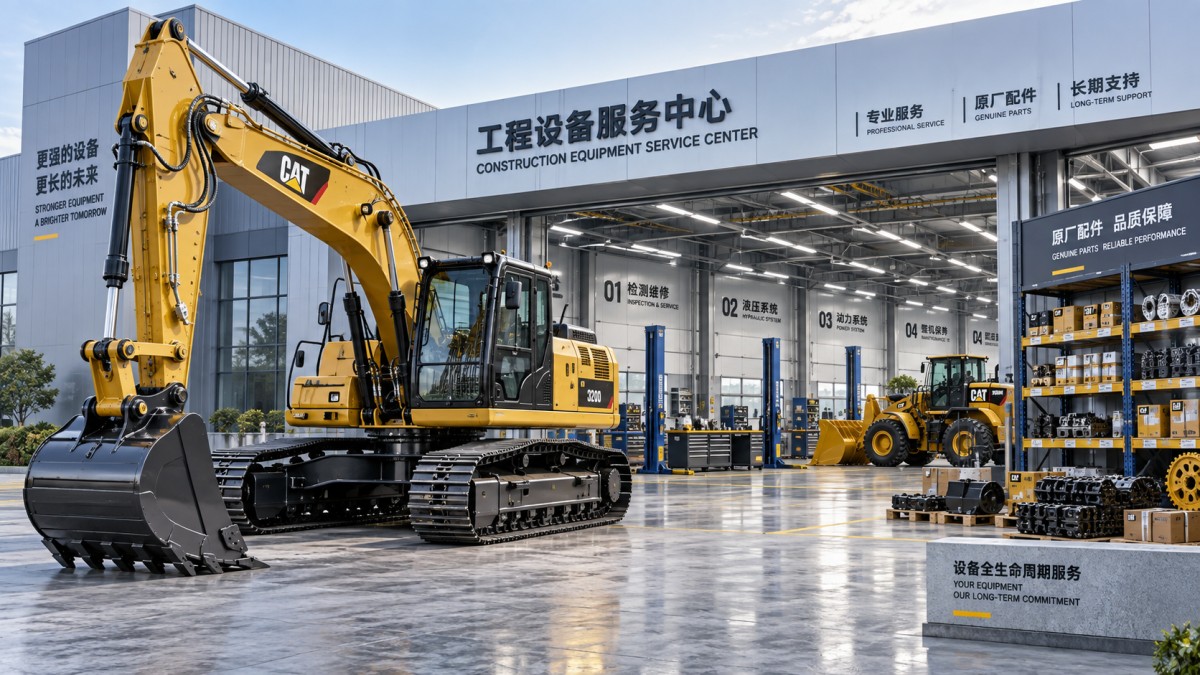
Dealer support is often the point where manufacturer comparisons become practical. Equipment makers may sell directly in some markets, but the local dealer or distributor usually determines how quickly a machine is repaired, how effectively warranty issues are resolved, and whether parts are available during a shutdown.
A procurement team should evaluate service capability at the depot and jobsite level. A national dealer name is not enough. The relevant service branch may be hundreds of kilometers away, lack the required technician specialization, or hold only common maintenance stock. For fleets deployed across several regions, the comparison should cover each operating location rather than rely on a single headquarters visit.
- Where are the nearest service facilities, mobile technicians, and major parts warehouses relative to planned sites?
- What response arrangement applies for breakdowns outside normal working hours, remote sites, or critical production periods?
- Which parts are normally stocked locally, which are sourced regionally, and which must come from a central distribution center?
- Can the dealer demonstrate capability with the proposed model family, attachments, engines, and emissions aftertreatment systems?
- Who owns escalation when a warranty issue keeps a machine out of service: the dealer, the manufacturer, or both?
- What are the practical terms for loan machines, temporary replacements, or rental support when a repair extends beyond a short intervention?
Do not accept broad statements such as “full support” or “fast parts availability” without tying them to the fleet’s actual needs. Request the service plan, the contact structure, planned-maintenance process, and the parts-support assumptions in writing. For high-utilization equipment, it is reasonable to ask the provider to identify the consumables and failure-prone components they expect to support locally.
There is a common misconception that a large manufacturer always delivers the best local service. Scale can bring engineering resources, global parts systems, and stronger resale recognition. Yet a smaller or regional manufacturer may be the better operational choice where it has an established dealer, responsive technicians, and inventory close to the work. The manufacturer and the local support organization should be assessed together.
Price the Whole Ownership Period
Purchase price has a clear place in an equipment decision, particularly for low-hour fleets, short-duration projects, or machines that will be sold quickly. It becomes much less reliable as the main comparison point when the equipment will accumulate significant hours, operate in demanding conditions, or form part of a standardized fleet.
A more useful model compares the expected cost of ownership and operation over the planned holding period. It does not need false precision to expose meaningful differences. Procurement can use reasonable internal assumptions for working hours, fuel or energy use, preventive maintenance, wear items, repairs outside warranty, financing, insurance, transport, operator familiarization, downtime exposure, and expected resale or trade-in value.
The comparison should also recognize the cost of a machine that is unavailable. Downtime is not just a repair invoice. It may lead to idle crews, rented replacement equipment, disrupted haul schedules, missed production targets, or contractual exposure. The value assigned to downtime should reflect the operation. A standby compact machine on a flexible project has a different risk profile from a primary excavator on a tightly sequenced civil package.
For that reason, warranty terms need a close reading. Compare duration by time and operating hours, component exclusions, required maintenance conditions, the treatment of travel and labor, and the process for authorizing repairs. An extended warranty can be valuable, but only where its terms match the planned use and the provider has the capacity to honor it promptly.
Look Closely at Parts, Diagnostics, and Fleet Control
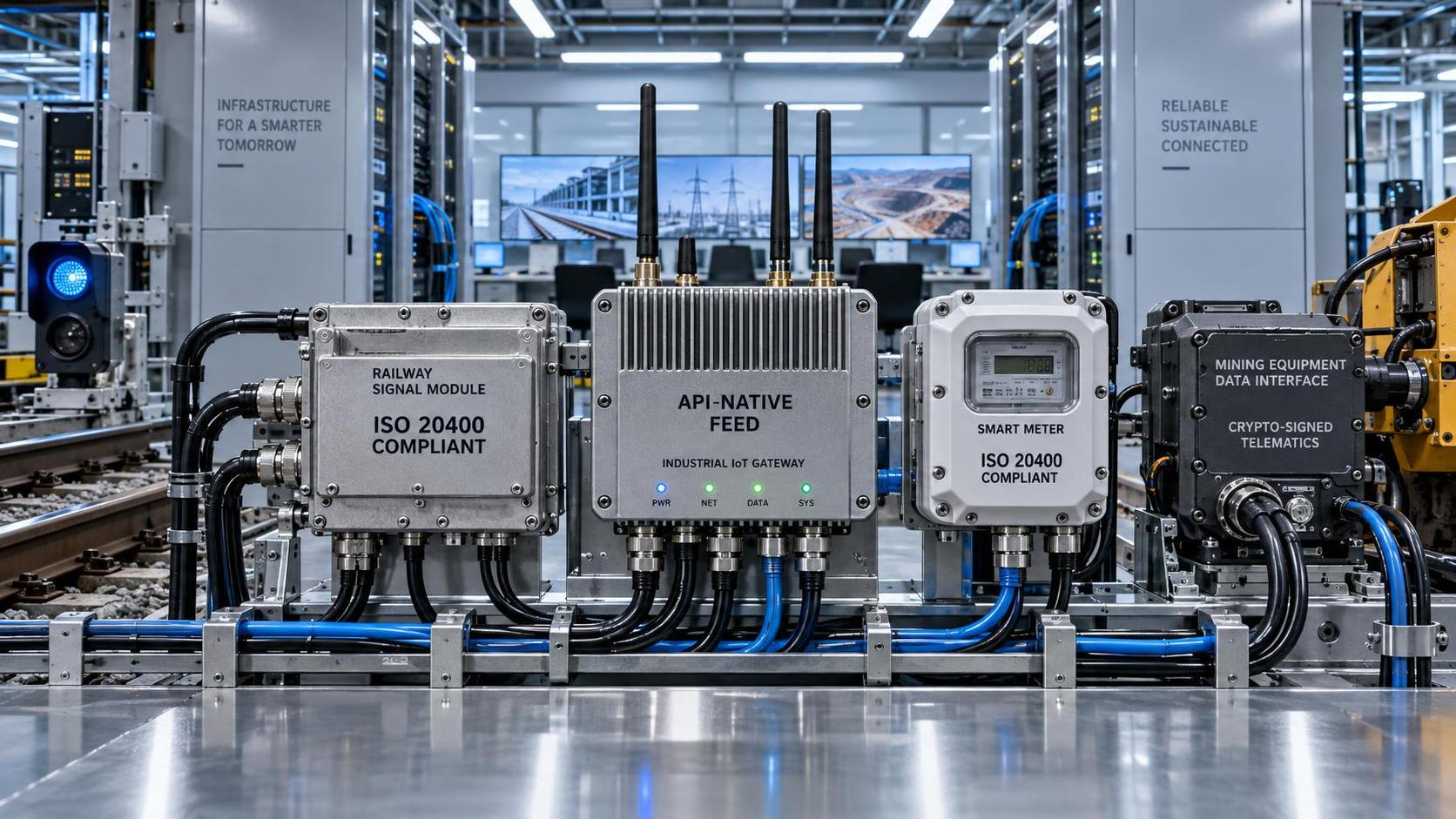
Modern earthmoving equipment is increasingly dependent on electronic controls, sensors, telematics hardware, and software-enabled diagnostics. These systems can improve maintenance planning, theft recovery, fuel monitoring, geofencing, and machine utilization. They can also create operational friction when data access is limited, subscriptions are unclear, or only a restricted service network can complete routine diagnostic work.
Buyers should establish what data they will receive, how it can be accessed, who controls it after the warranty period, and whether it can be integrated with their existing fleet-management systems. The issue is not whether a manufacturer offers telematics. Most serious suppliers do. The difference lies in the usefulness of alerts, the quality of machine-level information, data export options, ongoing charges, and the support available when a fault code needs action.
Diagnostic policy deserves similar attention. Ask how independent or in-house maintenance teams can access service information, software tools, fault codes, and calibration procedures. The right answer depends on the organization. A contractor with a capable central workshop may need greater access than a buyer that intends to outsource nearly all maintenance. Either way, the limits should be visible before the purchase order is issued.
Parts commonality matters most when a fleet contains several machines in the same class or operates across multiple jobsites. Common filters, service kits, attachments, control patterns, and operator interfaces can lower training and stockholding burdens. Standardization has benefits, but it should not force a poor equipment choice in a specialized application. A mixed fleet can be justified when the operational gain outweighs the added complexity.
Assess Compliance and Technology by Project Need
Emissions configuration, safety equipment, machine-control readiness, and alternative-power options should be evaluated against real project requirements rather than treated as universal measures of quality. A manufacturer may have advanced offerings in these areas, yet the selected machine still needs local technical support, compatible infrastructure, trained operators, and a viable maintenance route.
For projects with strict environmental, noise, or urban-access conditions, examine the exact configuration being quoted. Confirm the applicable emissions category, safety features, camera or visibility systems, alarm settings, attachment controls, and any machine-control interfaces required by the project. The proposal should state what is standard, what is optional, and what requires third-party integration.
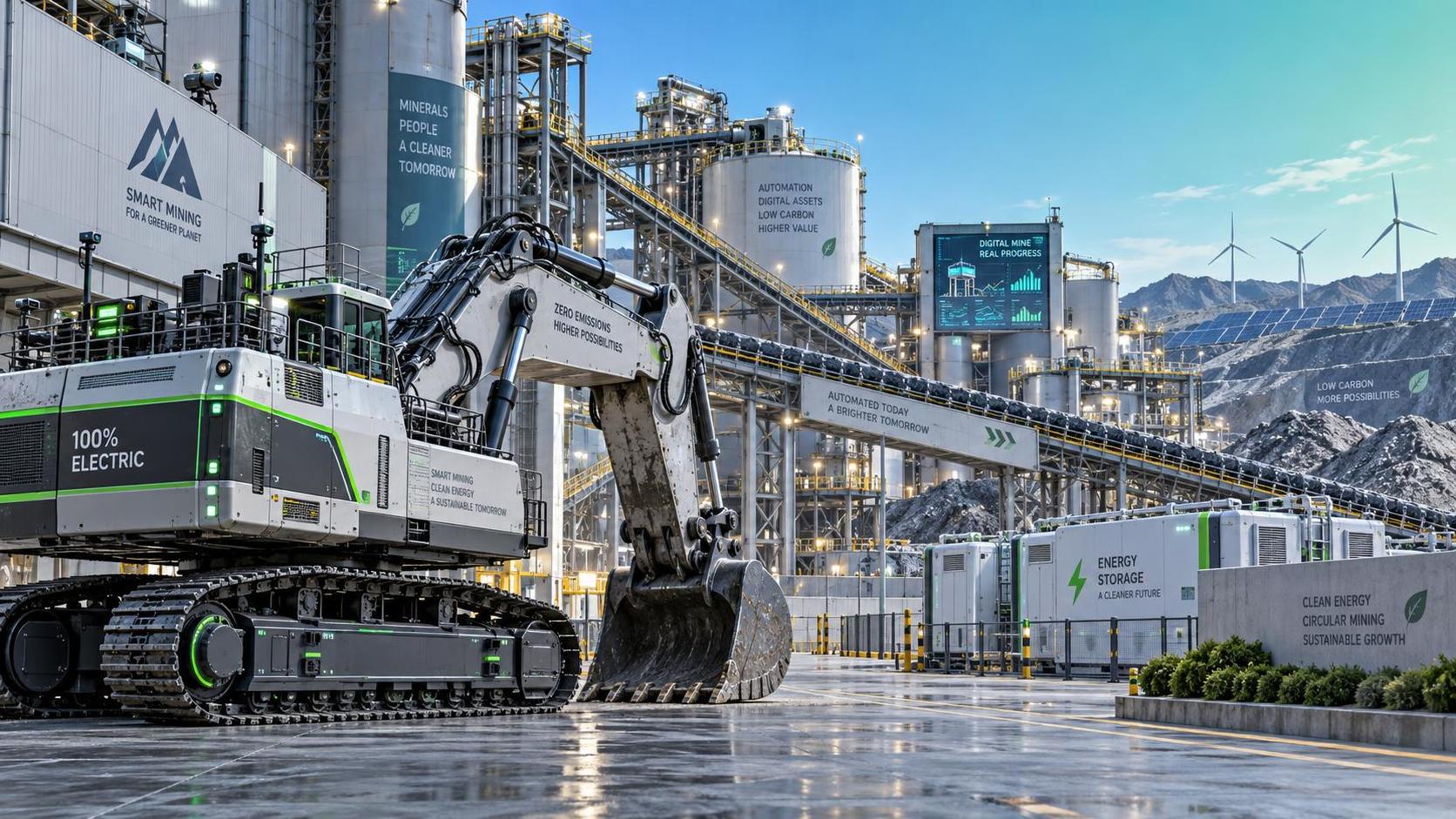
Electric or hybrid equipment can make sense for enclosed work, noise-sensitive sites, short-cycle urban operations, or locations with suitable power access. It may be less practical where charging time, grid capacity, remote deployment, or high continuous loads conflict with the operating pattern. Procurement should compare the whole operating arrangement, including charging equipment, site electrical work, battery support, operator workflow, and contingency arrangements. A technology option is valuable when it solves a site constraint without creating a larger availability problem.
Use a Comparable Evaluation Process
A disciplined selection process prevents the decision from being driven by the most polished demonstration or the most aggressive initial discount. Issue the same application brief to each shortlisted earthmoving equipment manufacturer, require a line-by-line configuration response, and make commercial assumptions transparent. The procurement team, equipment manager, project lead, maintenance representative, and operators should each have input because they see different forms of risk.
Where the equipment is important to production, a controlled demonstration can reveal more than a brochure comparison. Use representative material, attachments, operators, and working tasks. Observe cycle behavior, stability, visibility, control response, access for daily checks, attachment changeover, and the practical effect of operating modes. A demonstration should inform the decision, not be treated as proof of long-term reliability; it captures a short operating window, while service history and support capability determine much of the ownership outcome.
The final evaluation should make trade-offs explicit. A lower-priced machine with nearby parts, strong technical support, and acceptable resale prospects may be a sound choice. A higher-priced manufacturer can be justified when its reliability record, uptime support, fleet integration, or configuration capability protects a high-value operation. What procurement should avoid is accepting a premium based solely on brand recognition, or accepting a low price without knowing where the support risk will land once the equipment begins work.
The strongest supplier choice is usually the one whose machine, dealer network, commercial terms, and lifecycle support all fit the same operating plan. When those elements are compared together, the decision becomes less about buying equipment and more about protecting the work that equipment is expected to deliver.
Get weekly intelligence in your inbox.
No noise. No sponsored content. Pure intelligence.
News Recommendations
 Sep 23, 2026What should you compare when choosing an earthmoving equipment manufacturer?What should you compare when choosing an earthmoving equipment manufacturer?
 Sep 22, 2026How to compare total landed cost in industrial solutions procurementHow to compare total landed cost in industrial solutions procurement
 Sep 21, 2026When do logistics technology solutions reduce warehouse picking errors?When do logistics technology solutions reduce warehouse picking errors?
 Sep 20, 2026How to evaluate high speed rail systems equipment for reliabilityHow to evaluate high speed rail systems equipment for reliability
 Sep 19, 2026How an electronics application guide helps prevent component mismatchHow an electronics application guide helps prevent component mismatch
 Sep 18, 2026When a resource allocation platform improves project deliveryWhen a resource allocation platform improves project delivery
 Sep 17, 2026What to compare when evaluating mineral processing equipment manufacturersWhat to compare when evaluating mineral processing equipment manufacturers
 Sep 16, 2026How mineral separation optimization can reduce concentrate lossesHow mineral separation optimization can reduce concentrate losses
 Sep 15, 2026How to assess lifecycle costs in urban tech procurementHow to assess lifecycle costs in urban tech procurement
 Sep 14, 2026Heavy industry technology trends reshaping capital investment prioritiesHeavy industry technology trends reshaping capital investment priorities
 Sep 14, 2026How Heavy Equipment OEMs Can Scale Durability Validation & Supplier Risk Management Across Global Supply ChainsHow Heavy Equipment OEMs Can Scale Durability Validation & Supplier Risk Management Across Global Supply Chains
 Sep 14, 2026What Evidence Actually Counts in Supplier Scoring? A Technical Guide for Procurement TeamsWhat Evidence Actually Counts in Supplier Scoring? A Technical Guide for Procurement Teams
 Sep 14, 2026When Should You Update Supplier Capability Data? Triggers, Frequency & Audit RequirementsWhen Should You Update Supplier Capability Data? Triggers, Frequency & Audit Requirements
 Sep 14, 2026Supplier Specification vs. Vendor Specification: Key Differences That Impact Procurement ComplianceSupplier Specification vs. Vendor Specification: Key Differences That Impact Procurement Compliance
 Sep 14, 2026How to Compare Vendor Specifications Across Industrial Equipment Categories — A Framework for EngineersHow to Compare Vendor Specifications Across Industrial Equipment Categories — A Framework for Engineers
 Sep 14, 2026Global Industrial Equipment Procurement: How Top OEMs Qualify Suppliers for Mining & Infrastructure ProjectsGlobal Industrial Equipment Procurement: How Top OEMs Qualify Suppliers for Mining & Infrastructure Projects
 Sep 14, 2026Industrial & Mining Equipment Procurement: Balancing Local Sourcing, Lead Time, and Certification RequirementsIndustrial & Mining Equipment Procurement: Balancing Local Sourcing, Lead Time, and Certification Requirements
 Sep 14, 2026Infrastructure & Equipment Upgrades: What Procurement Teams Must Verify Before Signing Off on New ContractsInfrastructure & Equipment Upgrades: What Procurement Teams Must Verify Before Signing Off on New Contracts
 Sep 14, 2026Why Infrastructure Equipment Buyers Are Shifting from Catalog-Based to Capability-Based Supplier SelectionWhy Infrastructure Equipment Buyers Are Shifting from Catalog-Based to Capability-Based Supplier Selection
 Sep 14, 2026Process Automation Project Execution: How to Align Supplier Capabilities with PLC Integration, Cybersecurity & Commissioning MilestonesProcess Automation Project Execution: How to Align Supplier Capabilities with PLC Integration, Cybersecurity & Commissioning Milestones
 Sep 14, 2026Are intelligent traffic systems worth the investment for small cities?Are intelligent traffic systems worth the investment for small cities?
 Sep 14, 2026How do intelligent traffic systems handle sensor failures?How do intelligent traffic systems handle sensor failures?
 Sep 14, 2026What should I check before accepting a smart building system?What should I check before accepting a smart building system?
 Sep 14, 2026Is a smart building system worth the maintenance cost?Is a smart building system worth the maintenance cost?
 Sep 14, 2026What data is needed for reliable resource allocation planning?What data is needed for reliable resource allocation planning?
 Sep 14, 2026How can resource allocation software reduce equipment idle time?How can resource allocation software reduce equipment idle time?
 Sep 14, 2026How should smart devices be maintained in harsh outdoor conditions?How should smart devices be maintained in harsh outdoor conditions?