How Smart Construction Solutions Reduce Risk in Infrastructure Projects
How Smart Construction Solutions Reduce Risk in Infrastructure Projects
For infrastructure teams, risk has changed shape. It still includes delays, cost overruns, and safety incidents, but today it also includes fragmented data, weak coordination, and slow response.
That is why smart construction solutions for infrastructure projects are getting real attention. They help teams see issues earlier, connect field and office decisions, and act before problems spread.
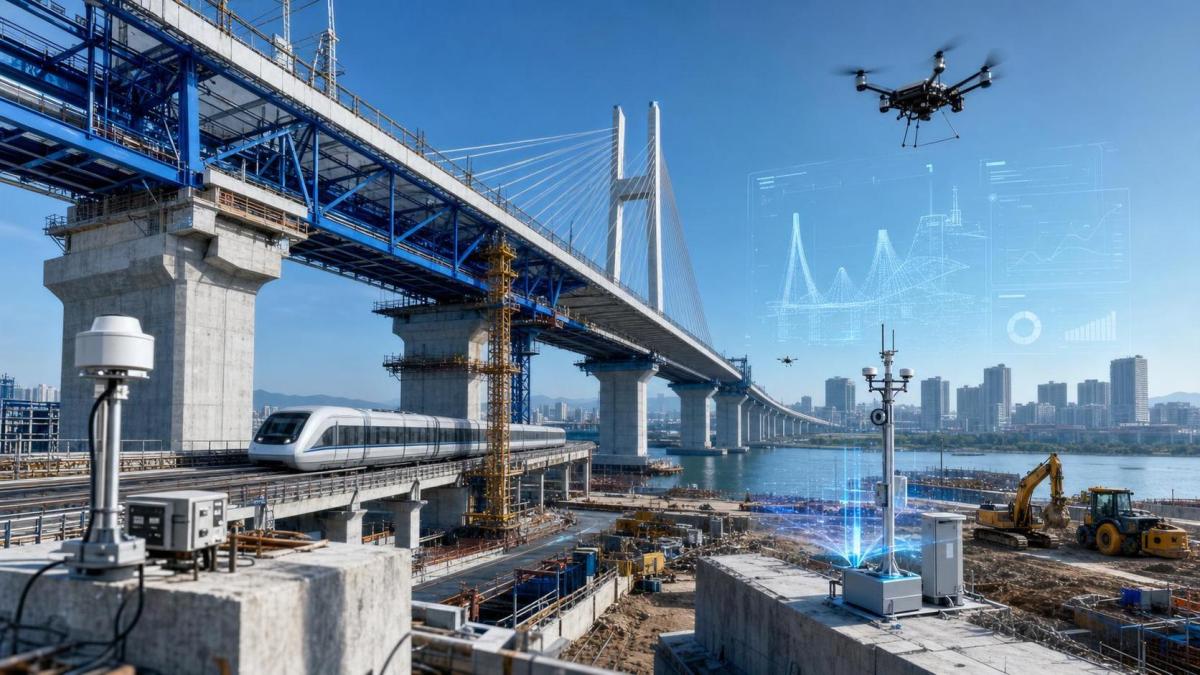
In practical terms, these systems combine sensors, digital models, mobile reporting, analytics, automation, and connected workflows. The result is not just more technology. It is better control.
For complex assets like bridges, tunnels, rail corridors, and utility networks, better control directly lowers delivery risk. It also improves compliance, asset quality, and long-term operational confidence.
From recent market shifts, the clearer signal is this: infrastructure owners no longer want reactive management. They want visibility that supports earlier intervention and stronger accountability.
This article breaks down where risk appears, how smart construction solutions for infrastructure projects reduce exposure, and what to prioritize when applying them on live programs.
Why Risk Is Harder to Manage in Modern Infrastructure Delivery
Infrastructure delivery is more connected than before, but also more exposed. A single coordination failure can affect schedule, safety, procurement, cost, public trust, and regulatory performance.
Projects now involve larger supply chains, stricter sustainability targets, tighter urban constraints, and more demanding reporting. Traditional controls often struggle to keep pace with that complexity.
In many programs, information still sits in separate systems. Design updates, site observations, equipment status, and contractor reports may not align in real time.
That gap creates hidden risk. Teams make decisions using incomplete information, and by the time issues become visible, they are usually more expensive to fix.
This is exactly where smart construction solutions for infrastructure projects create value. They reduce blind spots and improve the speed and quality of response.
The most common risk categories
- Schedule slippage caused by poor sequencing, access limits, or slow approvals
- Budget pressure linked to rework, material waste, and unplanned downtime
- Safety exposure from low visibility into field conditions and worker activity
- Compliance failures related to quality records, inspections, and environmental controls
- Asset performance risk when defects are missed during construction handover
How Smart Construction Solutions for Infrastructure Projects Reduce Risk
The strongest benefit is earlier awareness. When teams can monitor progress, conditions, and deviations continuously, they can respond while the impact is still manageable.
Smart construction solutions for infrastructure projects do this by turning scattered activity into connected intelligence. They help managers move from static reporting to active risk control.
1. Real-time data improves early warning
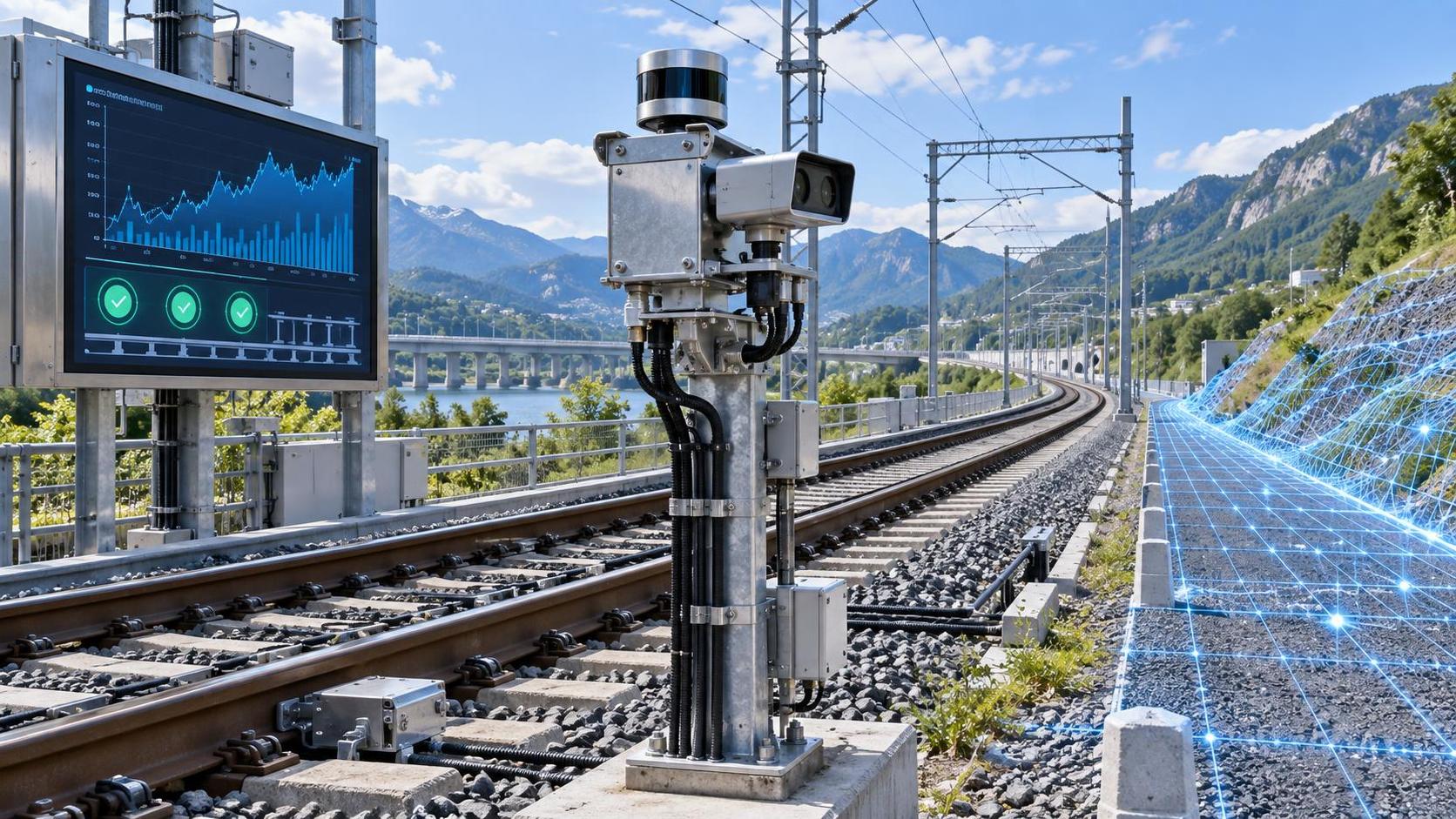
Sensors, drones, connected equipment, and mobile inspections make site conditions easier to track. Progress updates no longer depend only on delayed manual summaries.
If earthworks fall behind, concrete curing changes, or machine utilization drops, the signal appears sooner. That supports quicker intervention and better resource planning.
2. Digital models reduce coordination failure
BIM, digital twins, and model-based collaboration help teams compare design intent with field reality. Conflicts become visible before they become rework.
This matters on rail, utility, and urban transport projects, where multiple systems share limited space. Better model coordination lowers installation risk and change-order pressure.
3. Automation strengthens compliance
Smart workflows can automate inspections, approvals, evidence capture, and document control. That reduces missed checks and inconsistent record keeping.
For heavily regulated infrastructure, this is a major advantage. Teams can prove what was done, when it was done, and whether standards were met.
4. Predictive analytics supports smarter decisions
Historical project data, live site inputs, and performance trends can reveal where risk is building. That helps managers focus attention where it matters most.
Instead of reviewing every package equally, teams can prioritize work fronts with rising delay probability, quality concerns, or safety deviations.
Key Applications Across the Project Lifecycle
The best smart construction solutions for infrastructure projects are not limited to one phase. Their value grows when risk controls continue from planning through handover.
Planning and design
At the front end, digital simulation helps teams test constructability, logistics, access, and sequencing. This reduces uncertainty before work reaches the field.
Risk workshops also improve when data is visual, current, and shared. Stakeholders can identify interface risks earlier and assign clearer ownership.
Procurement and supply chain
Connected procurement systems track materials, fabrication status, delivery timing, and supplier performance. This helps reduce disruption caused by shortages or shipping changes.
For long-lead items, even small visibility gains can protect the critical path. That is especially important on energy, transport, and water infrastructure projects.
Site execution
During construction, smart construction solutions for infrastructure projects support field reporting, workforce coordination, equipment tracking, and quality verification.
That creates a more reliable picture of actual progress. It also helps resolve disputes, because decisions are supported by time-stamped evidence instead of memory.
Handover and operations
Risk does not end at substantial completion. Poor handover data can weaken maintenance, warranty management, and long-term asset performance.
When construction records connect to operational systems, owners inherit a more usable asset history. That lowers lifecycle risk and supports smarter maintenance planning.
A Practical Risk Reduction Framework
Adoption often fails when teams buy tools before defining outcomes. A stronger approach is to map technology decisions directly to risk exposure.
In day-to-day delivery, the most useful framework is simple, measurable, and operational. It should help teams act faster, not just report more.
Start with these priorities
- Identify the highest-cost risks by phase, package, and stakeholder impact.
- Match each risk to a digital control, such as live tracking, automated checks, or predictive alerts.
- Set response thresholds so the team knows when escalation is required.
- Create one shared source of truth for design, field data, and approvals.
- Measure outcomes using rework rates, incident trends, delay recovery, and compliance speed.
Decision guide for solution selection
Common Adoption Mistakes to Avoid
Not every digital rollout reduces risk. Some add complexity because governance, training, and process alignment were never properly defined.
A common mistake is deploying too many disconnected tools. Another is collecting data without assigning clear decision rights and response actions.
Smart construction solutions for infrastructure projects work best when they fit existing delivery workflows and solve a visible operational problem.
- Do not measure success by software usage alone
- Do not ignore data quality and version control
- Do not separate field adoption from leadership accountability
- Do not wait until claims appear before improving traceability
Where the Opportunity Is Growing
The next phase of infrastructure risk management will be more integrated. Construction data will increasingly connect with city systems, utilities, maintenance platforms, and sustainability reporting.
That shift matters for organizations following the broader GIUT view of physical and intelligent systems. The strongest programs will combine project delivery control with long-term urban and asset intelligence.
More importantly, infrastructure leaders now have a chance to treat digital tools as strategic risk assets, not just reporting utilities. That is where measurable resilience begins.
Final Takeaway
Smart construction solutions for infrastructure projects reduce risk by making uncertainty visible, improving coordination, and speeding up informed action. They help teams prevent problems instead of documenting them too late.
The most effective path is to begin with the risks that hurt delivery the most. Then connect each one to a practical digital control and a clear operating response.
When applied with discipline, smart construction solutions for infrastructure projects support safer execution, stronger compliance, and more dependable asset outcomes across the full infrastructure lifecycle.
Get weekly intelligence in your inbox.
No noise. No sponsored content. Pure intelligence.
News Recommendations
 Sep 19, 2026How an electronics application guide helps prevent component mismatchHow an electronics application guide helps prevent component mismatch
 Sep 18, 2026When a resource allocation platform improves project deliveryWhen a resource allocation platform improves project delivery
 Sep 17, 2026What to compare when evaluating mineral processing equipment manufacturersWhat to compare when evaluating mineral processing equipment manufacturers
 Sep 16, 2026How mineral separation optimization can reduce concentrate lossesHow mineral separation optimization can reduce concentrate losses
 Sep 15, 2026How to assess lifecycle costs in urban tech procurementHow to assess lifecycle costs in urban tech procurement
 Sep 14, 2026Heavy industry technology trends reshaping capital investment prioritiesHeavy industry technology trends reshaping capital investment priorities
 Sep 14, 2026Why Infrastructure Equipment Buyers Are Shifting from Catalog-Based to Capability-Based Supplier SelectionWhy Infrastructure Equipment Buyers Are Shifting from Catalog-Based to Capability-Based Supplier Selection
 Sep 14, 2026Process Automation Project Execution: How to Align Supplier Capabilities with PLC Integration, Cybersecurity & Commissioning MilestonesProcess Automation Project Execution: How to Align Supplier Capabilities with PLC Integration, Cybersecurity & Commissioning Milestones
 Sep 14, 2026Are intelligent traffic systems worth the investment for small cities?Are intelligent traffic systems worth the investment for small cities?
 Sep 14, 2026How do intelligent traffic systems handle sensor failures?How do intelligent traffic systems handle sensor failures?
 Sep 14, 2026What should I check before accepting a smart building system?What should I check before accepting a smart building system?
 Sep 14, 2026Is a smart building system worth the maintenance cost?Is a smart building system worth the maintenance cost?
 Sep 14, 2026What data is needed for reliable resource allocation planning?What data is needed for reliable resource allocation planning?
 Sep 14, 2026How can resource allocation software reduce equipment idle time?How can resource allocation software reduce equipment idle time?
 Sep 14, 2026How should smart devices be maintained in harsh outdoor conditions?How should smart devices be maintained in harsh outdoor conditions?
 Sep 14, 2026Do smart devices improve worker safety on construction sites?Do smart devices improve worker safety on construction sites?
 Sep 14, 2026What environmental risks must be assessed before deep-sea mining?What environmental risks must be assessed before deep-sea mining?
 Sep 14, 2026Is deep-sea mining equipment commercially viable in 2026?Is deep-sea mining equipment commercially viable in 2026?
 Sep 14, 2026What Inspection Checks Should Procurement Teams Perform Before Ordering Dredging Equipment in 2026?What Inspection Checks Should Procurement Teams Perform Before Ordering Dredging Equipment in 2026?
 Sep 13, 2026How to verify an industrial product information source before specifying equipmentHow to verify an industrial product information source before specifying equipment
 Sep 12, 2026Which intelligent traffic systems hardware fits an urban intersection?Which intelligent traffic systems hardware fits an urban intersection?
 Sep 11, 2026How pump capacity affects response coverage for municipal fire fighting vehiclesHow pump capacity affects response coverage for municipal fire fighting vehicles
 Sep 10, 2026What to verify before choosing a heavy industry equipment supplierWhat to verify before choosing a heavy industry equipment supplier
 Sep 09, 2026When do adaptive urban traffic control systems reduce corridor delays?When do adaptive urban traffic control systems reduce corridor delays?
 Sep 08, 2026When logistics technology solutions in North America reduce delivery delaysWhen logistics technology solutions in North America reduce delivery delays
 Sep 07, 2026How reliable are wireless mining safety systems in underground mines?How reliable are wireless mining safety systems in underground mines?
 Sep 07, 2026How to assess a smart lighting technology platform for interoperabilityHow to assess a smart lighting technology platform for interoperability