Smart Grids vs Legacy Grids: What Really Matters
As cities modernize, the debate over smart grids versus legacy grids affects far more than electricity. From digital twin planning and digital cities to civil engineering, high-speed rail, and heavy equipment such as cranes, concrete mixers, and fire trucks, the right grid strategy shapes safety, efficiency, and long-term market shares. This article explores what truly matters for operators, evaluators, buyers, and project leaders.
If you are comparing smart grids vs legacy grids, the key question is not which system sounds more advanced. What really matters is whether the grid can deliver reliability, visibility, flexibility, safety, and cost control under real operating conditions. For most utilities, industrial operators, urban planners, and infrastructure investors, legacy grids still provide basic stability, but smart grids offer a clear advantage when power demand is variable, distributed energy is growing, outage costs are high, or city infrastructure needs to become data-driven.
The practical conclusion is simple: legacy grids are not obsolete overnight, but they are increasingly insufficient for modern energy, transport, and urban operations. The best decision is usually not a total replacement in one step, but a phased modernization plan built around asset condition, risk exposure, business value, and integration requirements.
What decision-makers really need to know before choosing smart grid upgrades
Search intent behind this topic is highly practical. Most readers are not looking for a textbook definition. They want to know:
- What is the real difference between smart grids and legacy grids in day-to-day operations?
- When does upgrading create measurable value?
- What risks come with staying on older infrastructure for too long?
- How should utilities, industrial sites, rail systems, smart buildings, and cities prioritize investments?
- What should procurement teams, engineers, and project leaders evaluate before deployment?
For this audience, the most useful comparison is not “old versus new” in theory. It is “fit for purpose” in terms of grid resilience, operating data, cybersecurity, maintenance burden, load management, regulatory readiness, and total lifecycle cost.
Smart grids vs legacy grids: the real operational differences
A legacy grid is mainly centralized, one-way, and reactive. Electricity flows from large generation sources through transmission and distribution systems to end users. Monitoring is often limited, fault detection is slower, and control depends more heavily on manual intervention.
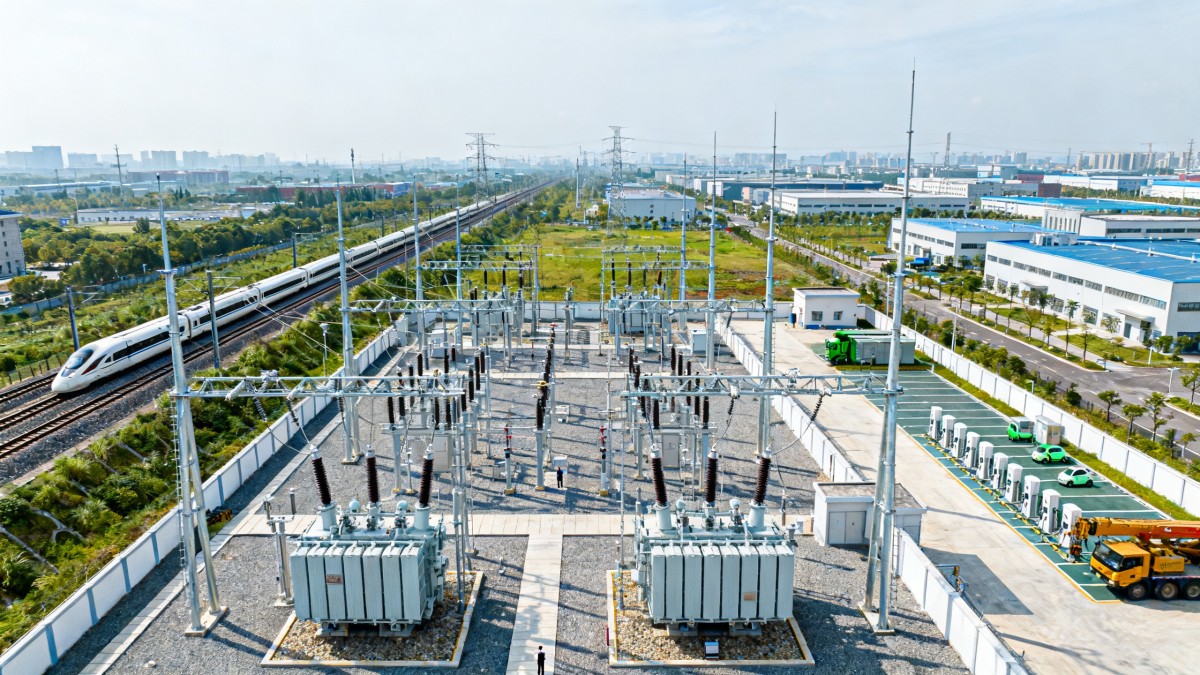
A smart grid adds digital intelligence across the network. It uses sensors, communications systems, automated controls, advanced metering, and analytics to create better visibility and faster decision-making. Instead of simply delivering power, it helps operators manage demand, integrate distributed energy resources, detect faults earlier, and respond more dynamically.
In practical terms, the biggest differences are these:
- Visibility: Legacy grids often have blind spots. Smart grids provide near real-time data on voltage, load, asset condition, and network events.
- Response speed: Legacy systems may require manual fault isolation. Smart grids can automate switching and restoration.
- Energy integration: Smart grids handle solar, storage, EV charging, and microgrids more effectively.
- Demand management: Legacy grids are built to supply demand. Smart grids can shape demand through pricing signals, controls, and load balancing.
- Maintenance model: Legacy grids often rely on scheduled or corrective maintenance. Smart grids support condition-based and predictive maintenance.
For readers in infrastructure-heavy sectors, this difference matters because grid quality directly affects uptime, project performance, fuel use, equipment charging, emergency response, and facility continuity.
What really matters most: not intelligence alone, but resilience and controllability
The biggest mistake in grid evaluation is focusing only on “smart” features. Fancy dashboards do not justify investment by themselves. The real value comes from whether the system improves resilience and controllability.
Ask these questions instead:
- Can the grid isolate faults without taking down wider service areas?
- Can operators see where losses, overloads, or voltage problems are happening?
- Can the network support future EV fleets, electrified construction equipment, rail systems, or intelligent buildings?
- Can the grid maintain service during extreme weather, peak demand, or cyber incidents?
- Can asset managers prioritize maintenance using actual equipment condition?
These issues matter to nearly every stakeholder:
- Operators care about fewer outages, faster troubleshooting, and easier control.
- Technical evaluators care about interoperability, data quality, standards, and integration risk.
- Procurement teams care about lifecycle cost, vendor support, and upgrade flexibility.
- Business leaders care about ROI, resilience, compliance, and strategic future-proofing.
- Safety and quality managers care about system stability, incident prevention, and safer field operations.
Where legacy grids still make sense and where they become a constraint
Legacy grids are not useless. In stable, low-complexity environments with predictable demand and limited distributed generation, they may continue to operate adequately for years. If an organization has constrained capital, low outage sensitivity, and minimal digital integration needs, a full smart grid transition may not be urgent.
However, legacy grids become a serious constraint when any of the following are true:
- Outage costs are high
- Grid assets are aging and failure rates are increasing
- Renewable energy or storage adoption is growing
- Electric vehicle charging loads are expanding
- Urban infrastructure is becoming interconnected
- Regulators require better reporting, emissions performance, or reliability metrics
- Remote sites need stronger operational visibility
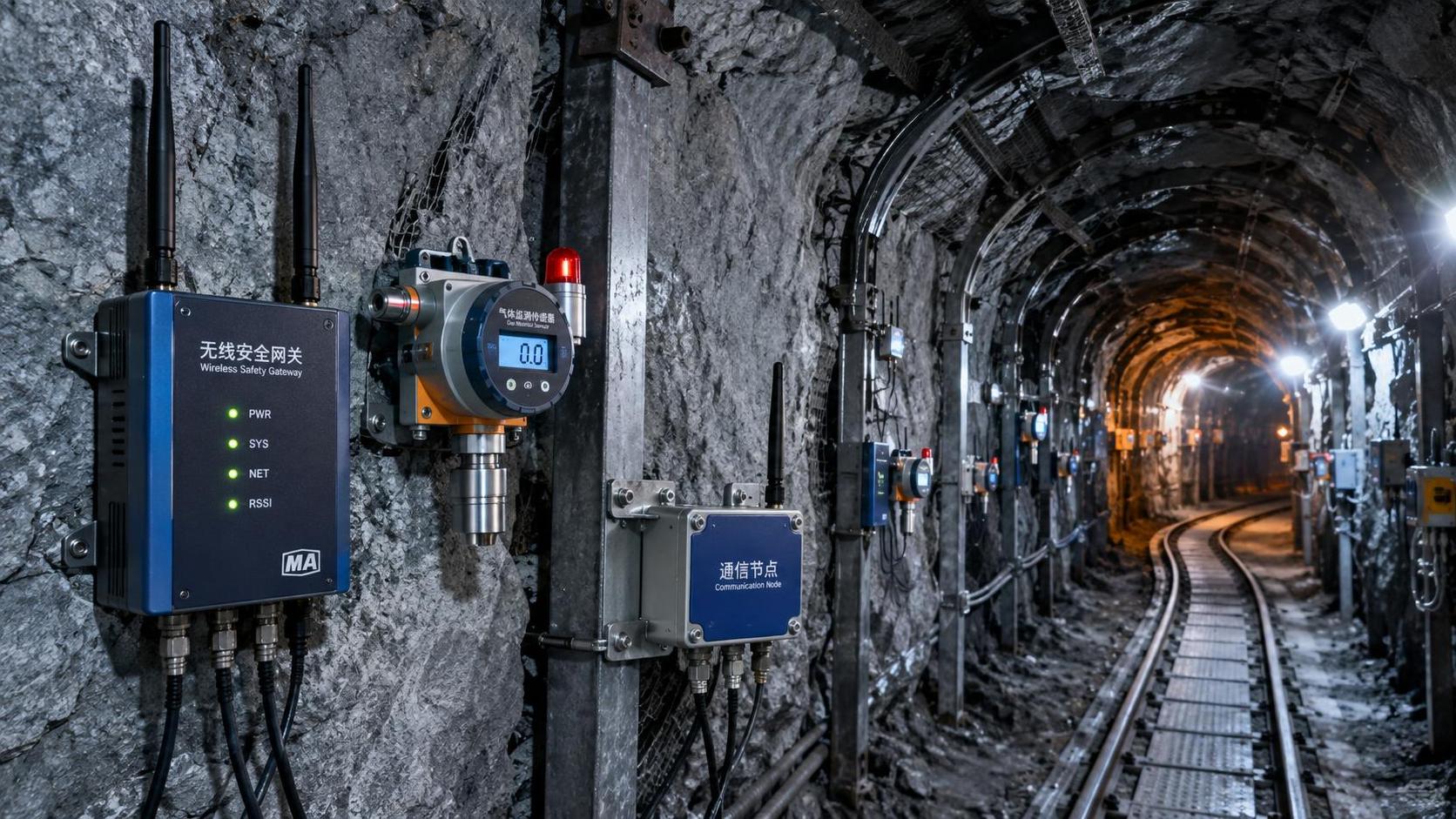
For smart cities, rail corridors, industrial parks, ports, mines, and high-density developments, legacy systems often become too slow, too opaque, and too rigid. In those cases, the issue is not modernization for image. It is modernization for continuity, safety, and capacity.
Business case: how to judge the ROI of a smart grid investment
Many organizations hesitate because smart grids require significant investment in hardware, software, communications, integration, and workforce capabilities. The right way to assess ROI is to look beyond equipment cost and evaluate avoided losses and strategic gains.
Common value drivers include:
- Reduced outage duration and outage frequency
- Lower truck rolls and field labor costs
- Better transformer and feeder utilization
- Reduced technical and non-technical losses
- Deferred capital expenditure through better demand management
- Improved power quality for sensitive facilities and industrial operations
- Higher readiness for electrification and distributed generation
For enterprise decision-makers, a strong business case usually combines direct operational savings with strategic flexibility. A smart grid may not always deliver the shortest payback on paper, but it can significantly reduce future retrofit costs and protect service quality as demand patterns change.
This is especially relevant in sectors connected to urban tech and heavy infrastructure. Smart charging depots, automated logistics facilities, digitally managed buildings, and electric heavy-duty fleets all require more intelligent power coordination than legacy grids were designed to provide.
Key risks buyers and evaluators should not ignore
Smart grid projects create value, but they also introduce new risks. Ignoring these can turn a modernization effort into a costly integration problem.
The main risks include:
- Cybersecurity exposure: More connected devices mean a larger attack surface.
- Interoperability issues: Mixed-vendor environments can create data silos and control conflicts.
- Implementation complexity: Legacy assets, old substations, and fragmented communications systems can slow rollout.
- Data overload: Collecting data is easy; making it actionable is harder.
- Workforce readiness: Operators and maintenance teams need new digital skills.
- Vendor lock-in: Closed platforms can limit future scaling and raise costs.
For procurement teams and project leaders, this means supplier evaluation must go beyond product features. Buyers should assess standards compliance, integration capability, cybersecurity design, service support, upgrade path, and evidence from similar deployments.
How to evaluate smart grid readiness in a practical way
If your organization is deciding between maintaining a legacy grid and moving toward a smart grid, start with a readiness assessment rather than a technology-first purchase.
A useful framework includes five areas:
- Asset condition: Which parts of the existing grid are nearing failure or causing recurring problems?
- Load and demand profile: Are loads stable, peaky, seasonal, or increasingly electrified?
- Digital maturity: Do you already have SCADA, AMI, GIS, or asset management systems that can support smarter operations?
- Risk exposure: What is the operational and financial impact of outages, poor power quality, or weak visibility?
- Future requirements: Will the site or city need EV charging, renewables, energy storage, automation, or microgrid capability?
This approach helps organizations avoid two common mistakes: overbuilding expensive capabilities they do not need yet, or underinvesting and creating future bottlenecks.
Best-fit strategy: modernization in phases usually beats all-at-once replacement
In most real-world cases, the smartest path is phased modernization. Very few utilities, cities, or industrial operators benefit from replacing everything at once. A staged approach lowers risk and aligns spending with operational priorities.
A typical roadmap may look like this:
- Digitize critical monitoring points first
- Deploy advanced metering or feeder automation where outage or loss impact is highest
- Upgrade communication layers and cybersecurity architecture
- Integrate grid data into asset management and control systems
- Expand automation and distributed energy coordination over time
This model is often more attractive to business evaluators because it produces earlier wins, builds internal confidence, and preserves flexibility. It also helps project managers coordinate modernization with civil works, rail electrification, smart building programs, depot upgrades, or industrial expansion plans.
Why this comparison matters beyond utilities
The smart grids vs legacy grids question affects far more than power companies. It matters across the infrastructure ecosystem.
In smart buildings, it affects energy optimization and backup continuity. In rail and logistics, it affects signaling reliability, station operations, and electrified fleet support. In mining and resource sites, it affects remote monitoring and operational uptime. In urban governance, it shapes how data, transport, public safety, and energy systems work together.
Even special-purpose vehicle deployment is increasingly linked to grid intelligence. Fire trucks, cranes, service fleets, and electric heavy equipment all depend on charging infrastructure, resilient power supply, and better load planning. As infrastructure becomes more connected, grid capability becomes a strategic foundation, not just a utility issue.
Final verdict: what really matters when comparing smart grids and legacy grids
What really matters is not whether a grid is old or new, but whether it can support the reliability, flexibility, and intelligence your operation now requires. Legacy grids still serve a role where conditions are simple and demand is stable. But where electrification, distributed energy, digital infrastructure, or service continuity matter, smart grid capabilities are becoming essential.
For most organizations, the best answer is neither blind replacement nor passive delay. It is a structured modernization strategy based on risk, value, and future operating needs. If your grid must support smarter cities, safer infrastructure, cleaner energy, and more connected operations, then smart grid investment is no longer just a technical upgrade. It is a business and resilience decision.
In short, smart grids win where visibility, automation, and adaptability create measurable value. Legacy grids remain viable only where complexity and performance demands remain low. The organizations that judge this difference early will be better positioned to build reliable, efficient, and future-ready infrastructure.
Get weekly intelligence in your inbox.
No noise. No sponsored content. Pure intelligence.
News Recommendations
 Sep 19, 2026How an electronics application guide helps prevent component mismatchHow an electronics application guide helps prevent component mismatch
 Sep 18, 2026When a resource allocation platform improves project deliveryWhen a resource allocation platform improves project delivery
 Sep 17, 2026What to compare when evaluating mineral processing equipment manufacturersWhat to compare when evaluating mineral processing equipment manufacturers
 Sep 16, 2026How mineral separation optimization can reduce concentrate lossesHow mineral separation optimization can reduce concentrate losses
 Sep 15, 2026How to assess lifecycle costs in urban tech procurementHow to assess lifecycle costs in urban tech procurement
 Sep 14, 2026Heavy industry technology trends reshaping capital investment prioritiesHeavy industry technology trends reshaping capital investment priorities
 Sep 14, 2026Why Infrastructure Equipment Buyers Are Shifting from Catalog-Based to Capability-Based Supplier SelectionWhy Infrastructure Equipment Buyers Are Shifting from Catalog-Based to Capability-Based Supplier Selection
 Sep 14, 2026Process Automation Project Execution: How to Align Supplier Capabilities with PLC Integration, Cybersecurity & Commissioning MilestonesProcess Automation Project Execution: How to Align Supplier Capabilities with PLC Integration, Cybersecurity & Commissioning Milestones
 Sep 14, 2026Are intelligent traffic systems worth the investment for small cities?Are intelligent traffic systems worth the investment for small cities?
 Sep 14, 2026How do intelligent traffic systems handle sensor failures?How do intelligent traffic systems handle sensor failures?
 Sep 14, 2026What should I check before accepting a smart building system?What should I check before accepting a smart building system?
 Sep 14, 2026Is a smart building system worth the maintenance cost?Is a smart building system worth the maintenance cost?
 Sep 14, 2026What data is needed for reliable resource allocation planning?What data is needed for reliable resource allocation planning?
 Sep 14, 2026How can resource allocation software reduce equipment idle time?How can resource allocation software reduce equipment idle time?
 Sep 14, 2026How should smart devices be maintained in harsh outdoor conditions?How should smart devices be maintained in harsh outdoor conditions?
 Sep 14, 2026Do smart devices improve worker safety on construction sites?Do smart devices improve worker safety on construction sites?
 Sep 14, 2026What environmental risks must be assessed before deep-sea mining?What environmental risks must be assessed before deep-sea mining?
 Sep 14, 2026Is deep-sea mining equipment commercially viable in 2026?Is deep-sea mining equipment commercially viable in 2026?
 Sep 14, 2026What Inspection Checks Should Procurement Teams Perform Before Ordering Dredging Equipment in 2026?What Inspection Checks Should Procurement Teams Perform Before Ordering Dredging Equipment in 2026?
 Sep 13, 2026How to verify an industrial product information source before specifying equipmentHow to verify an industrial product information source before specifying equipment
 Sep 12, 2026Which intelligent traffic systems hardware fits an urban intersection?Which intelligent traffic systems hardware fits an urban intersection?
 Sep 11, 2026How pump capacity affects response coverage for municipal fire fighting vehiclesHow pump capacity affects response coverage for municipal fire fighting vehicles
 Sep 10, 2026What to verify before choosing a heavy industry equipment supplierWhat to verify before choosing a heavy industry equipment supplier
 Sep 09, 2026When do adaptive urban traffic control systems reduce corridor delays?When do adaptive urban traffic control systems reduce corridor delays?
 Sep 08, 2026When logistics technology solutions in North America reduce delivery delaysWhen logistics technology solutions in North America reduce delivery delays
 Sep 07, 2026How reliable are wireless mining safety systems in underground mines?How reliable are wireless mining safety systems in underground mines?
 Sep 07, 2026How to assess a smart lighting technology platform for interoperabilityHow to assess a smart lighting technology platform for interoperability