How Digital Twin Helps Reduce Rework on Site
In today’s complex civil engineering and infrastructure projects, digital twin technology helps teams cut costly on-site rework by connecting design, construction, and operations in real time. From cranes, concrete mixers, and fire trucks to high-speed rail, smart grids, and digital cities, it gives project managers, buyers, operators, and decision-makers clearer insight into heavy equipment performance, quality risks, safety control, and even market shares.
For infrastructure owners, EPC contractors, equipment distributors, and city technology planners, rework is rarely a small issue. A 5 mm positioning error in embedded parts, a 2-day delay in utility coordination, or a mismatch between equipment capacity and site conditions can trigger schedule slippage, contract disputes, and avoidable safety exposure. Digital twin systems address these problems by building a live, data-linked model of the physical asset and the jobsite around it.
This matters across sectors. In construction, digital twins help align design models, prefabricated components, and field execution. In rail and logistics, they support track, signaling, and maintenance planning. In smart cities, they improve utility mapping and asset visibility. In mining and heavy equipment operations, they help validate machine performance, maintenance timing, and operating constraints before errors become expensive field corrections.
For technical evaluators and procurement teams, the key question is not whether digital twin is a trend, but where it creates measurable value. The most practical answer is on-site rework reduction. When model accuracy, sensor inputs, workflow approvals, and execution data are connected in 1 environment, project teams can detect clashes earlier, validate work packages faster, and improve first-time-right performance across the asset lifecycle.
Why Rework Happens on Site and Why Digital Twin Changes the Equation
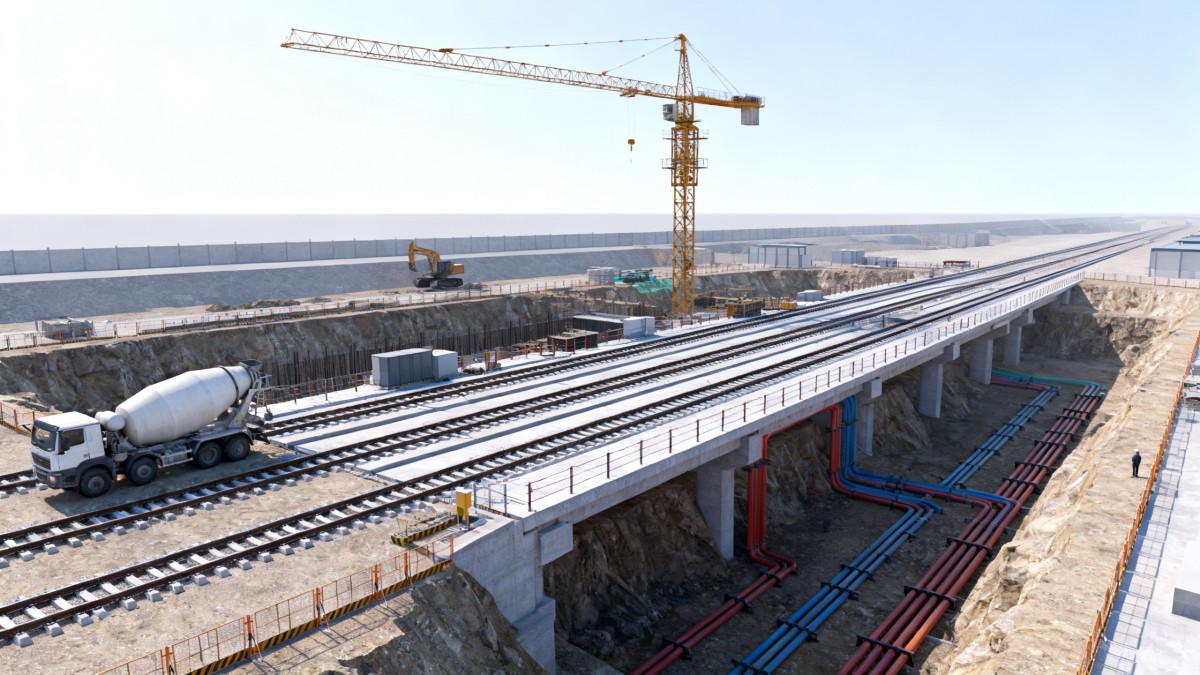
On most large projects, rework comes from a mix of fragmented information, late design changes, poor field verification, and weak coordination between teams. A contractor may work from a model version that is 7 days old. A supplier may deliver components built to tolerances that do not match the latest approved drawing. An operator may position machinery based on incomplete subsurface or utility data. Each gap looks small in isolation, but together they create repeat work, wasted labor, and material loss.
Digital twin technology reduces this disconnect by synchronizing 3 critical layers: the design intent, the actual site condition, and the operating performance of assets or equipment. Instead of relying on static drawings, teams use a continuously updated model linked to BIM, GIS, IoT sensors, machine telemetry, inspection records, and progress data. That live connection makes it easier to catch deviations before concrete is poured, rails are fixed, or mechanical systems are commissioned.
The reduction in rework is not only technical. It is managerial. When project leaders can compare planned versus actual conditions every 24 hours or even every 15 minutes for critical work zones, decision-making improves. Site managers can hold back installation if dimensional variance exceeds a defined threshold such as ±3 mm for steel interfaces or ±10 mm for civil alignment zones. Quality teams can trigger targeted checks instead of broad re-inspection campaigns.
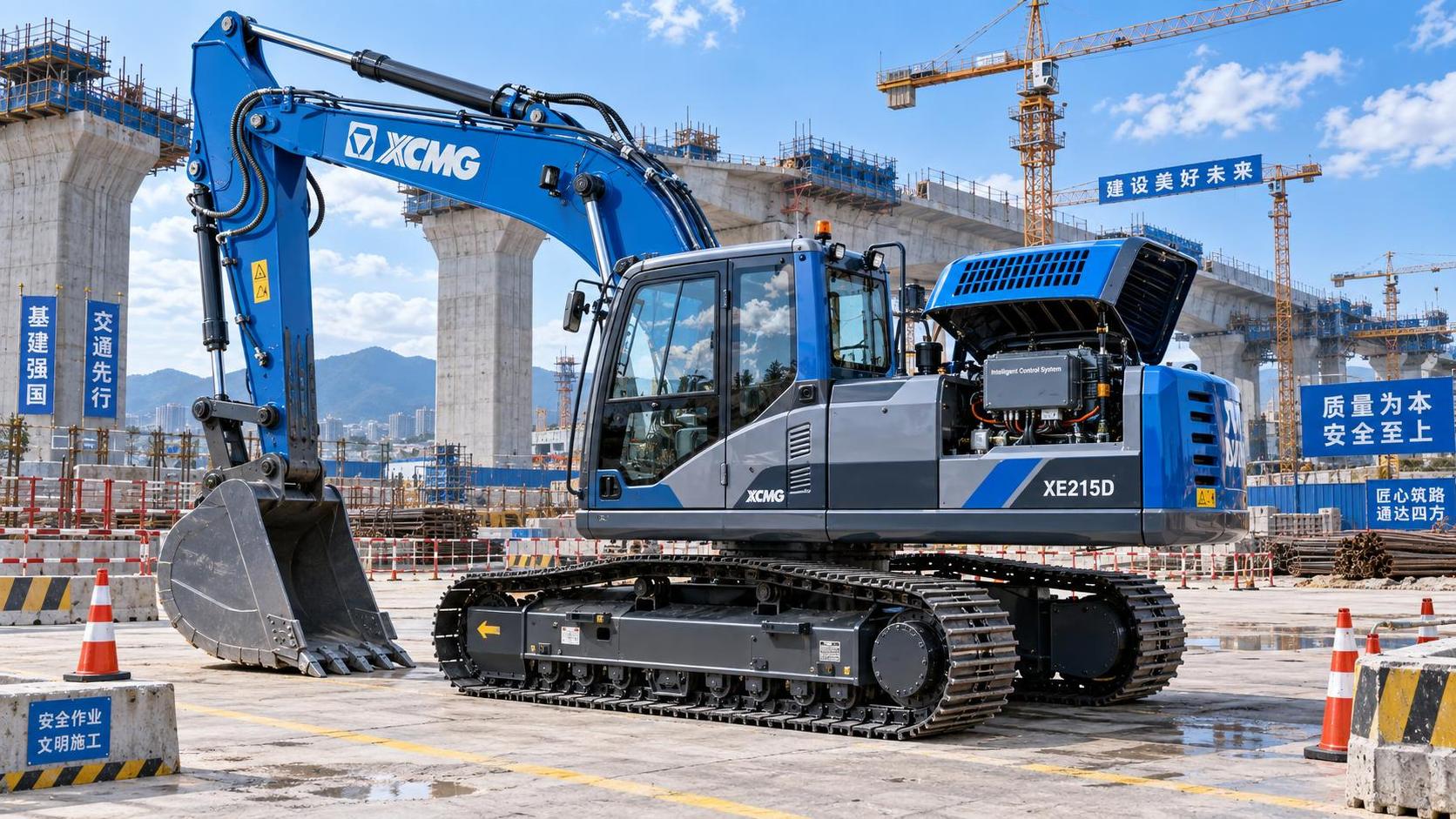
In heavy equipment environments, digital twins also reduce misuse and coordination failures. For example, crane lifting paths can be simulated against live obstacle maps, concrete mixer dispatch can be linked to pour sequence timing, and fire truck access routes can be validated against real-time site logistics. These controls are especially useful on constrained urban sites, underground works, rail corridors, and mining areas where rework often has safety implications.
Common Root Causes of Rework Across Infrastructure Sectors
Before selecting a platform, buyers and project teams should map where rework usually originates. In most cases, the issue is less about software ownership and more about process visibility and field validation.
- Design-to-field mismatch caused by outdated revisions, incomplete clash detection, or poor handover between design and construction teams.
- Quality defects linked to incorrect installation sequence, off-spec materials, or missed tolerance checks during inspection windows.
- Equipment coordination issues such as access conflicts, wrong machine sizing, low utilization, or unplanned downtime during critical tasks.
- Utility, terrain, or asset data gaps, especially in rail upgrades, urban retrofits, mining expansions, and brownfield construction sites.
A digital twin does not eliminate every site risk, but it shortens the feedback loop. On a fast-moving project, cutting validation time from 48 hours to 8 hours can prevent multiple downstream corrections, especially when several subcontractors depend on the same workfront.
How Digital Twin Reduces Rework in Construction, Rail, Smart Cities, and Heavy Equipment Operations
The strongest value of digital twin lies in use-case specificity. It is not one feature but a layered capability that connects geometry, time, condition, and performance. In construction and smart building projects, digital twins help validate prefabricated components before delivery and installation. If the as-built scan shows an opening deviation of 12 mm where façade tolerance allows only 8 mm, teams can correct the structure before the panel arrives, avoiding dismantling and replacement costs.
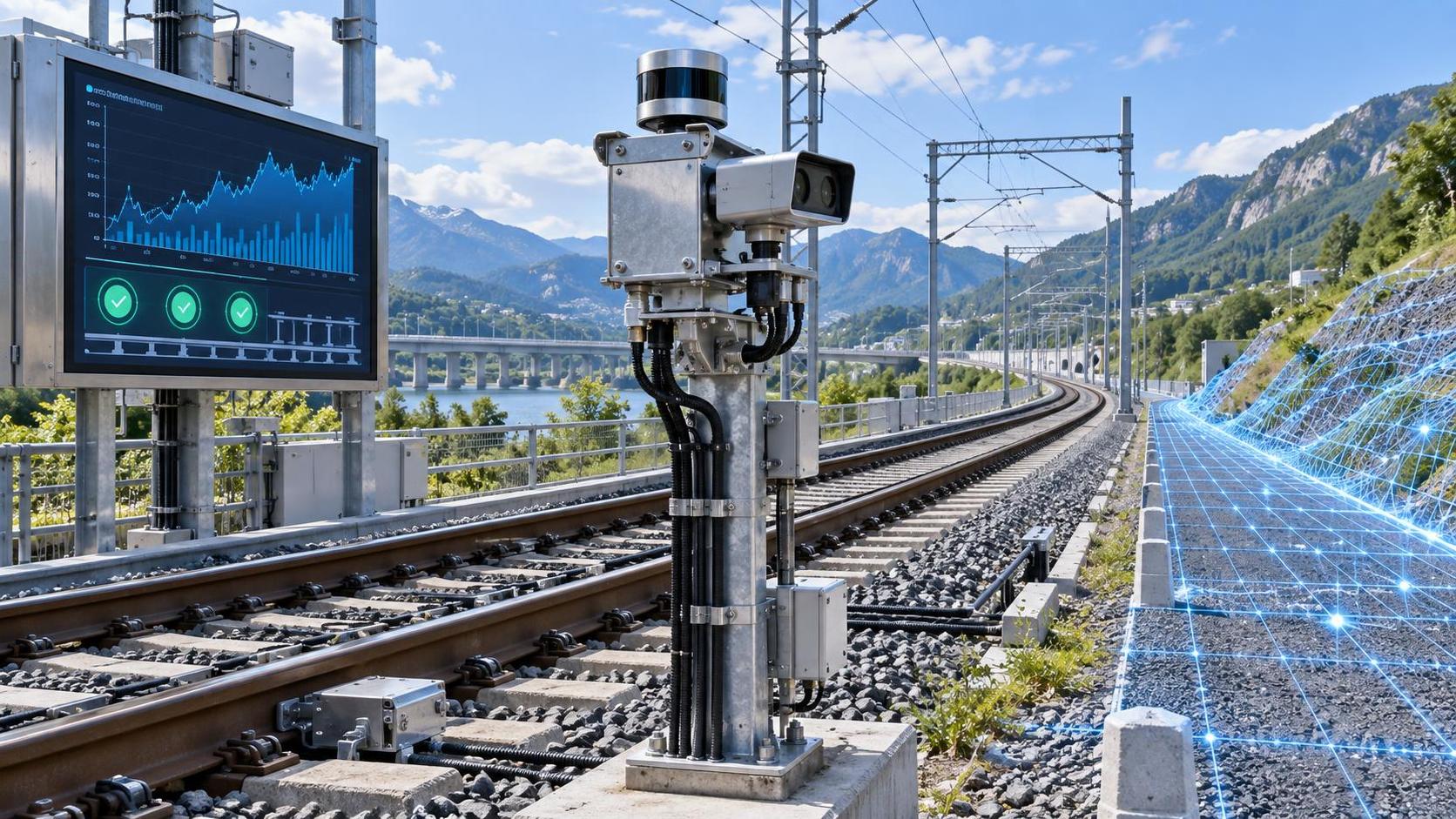
In railway and logistics infrastructure, digital twins support track possessions, signaling interfaces, and maintenance planning. Instead of relying only on periodic surveys, operators can compare track geometry, drainage performance, and equipment conditions against the design baseline and maintenance thresholds. This is particularly valuable where possession windows may last only 4–6 hours overnight and any error must be corrected before traffic resumes.
For smart grids and urban systems, digital twins reduce rework by improving underground and surface asset visibility. Utility conflicts are a major cause of excavation redesign, cable rerouting, and reinstatement delays. A live city model that combines GIS layers, inspection data, and sensor inputs helps project teams identify high-risk zones in advance, sequence works more accurately, and reduce emergency field modifications.
In special-purpose vehicles and heavy equipment environments, digital twin models help align machine selection with real operating conditions. A crane may meet nominal lifting requirements on paper, but boom radius, wind exposure, ground bearing pressure, and access constraints can still make the plan unworkable. By simulating operational envelopes before deployment, project teams reduce repositioning, aborted lifts, and idle hours that often lead to late-stage rework.
Typical Rework-Reduction Use Cases by Sector
The table below shows how digital twin applications differ by environment, user need, and rework trigger. This helps procurement and project teams prioritize modules based on the most expensive failure points.
The main conclusion is that digital twin value is highest where the project has tight tolerances, complex interfaces, or limited correction windows. Teams that map rework by trade package or asset type usually identify 2–3 high-priority digital twin use cases first, then expand after proving operational savings.
What Buyers and Technical Evaluators Should Check Before Selecting a Digital Twin Solution
For procurement teams and technical reviewers, digital twin selection should start with the rework problem to be solved, not the vendor feature list. A platform built for facility operations may not fit a live rail upgrade. A strong 3D visualization tool may still fail if it cannot handle revision control, field data capture, or equipment telemetry. The best evaluation approach is to define 4 areas first: data sources, update frequency, site workflow fit, and decision outputs.
Data quality is the first filter. If geometry, survey records, machine data, and inspection logs cannot be linked in a consistent model environment, the system may look advanced but still leave project teams working in parallel spreadsheets. Buyers should ask how often the twin refreshes critical data: daily, hourly, or event-based. For high-risk interfaces such as structural embeds, rail possessions, or utility diversions, a 24-hour update cycle may be too slow.
The second filter is operational usability. Site supervisors, safety managers, quality inspectors, and equipment operators need role-specific dashboards, not only executive visualizations. If field users need 10 clicks to report a deviation or compare current conditions with the approved baseline, adoption will be weak. Systems that support mobile capture, QR-linked asset records, and approval workflows typically create faster value on live projects.
The third filter is commercial fit. Decision-makers should consider implementation duration, integration effort, training scope, and support model over at least 12 months. A lower software price can become more expensive if deployment takes 16 weeks, needs heavy custom development, or cannot interoperate with existing BIM, ERP, CMMS, or GIS environments.
A Practical Evaluation Matrix for Procurement and Project Teams
The following matrix can be used during RFI, tender review, or pilot planning. It helps compare digital twin solutions against practical delivery and rework-reduction criteria rather than marketing claims alone.
A well-structured procurement process should not ask only whether the digital twin can model assets. It should ask whether it can reduce RFIs, speed approvals, lower re-inspection frequency, and support safer equipment deployment. Those are the indicators that matter to operators, project managers, and executive sponsors.
Shortlist Criteria That Often Separate Useful Platforms from Impressive Demos
- Clear support for live project workflows such as permit-to-work, inspection approval, and change management.
- Ability to compare design, as-built, and operational data in one view without exporting multiple files.
- Scalability from one pilot asset or corridor section to a wider portfolio of 10, 50, or 100 assets.
- Practical vendor support for onboarding field teams, not only enterprise administrators or IT staff.
Implementation Roadmap: How to Deploy Digital Twin Without Slowing the Project
The most effective digital twin programs do not start with a full enterprise rollout. They start with a controlled pilot focused on a costly rework zone, a critical asset package, or a constrained operational environment. Typical examples include a station upgrade interface, a bridge deck segment sequence, a utility diversion corridor, or a heavy equipment fleet working in a dense urban site. A 6–12 week pilot often provides enough evidence to evaluate adoption, workflow fit, and measurable savings.
Step one is scope definition. Teams should select 1–3 use cases with high rework exposure and measurable outputs. For example, they may target prefabricated MEP installation accuracy, crane lift path validation, or underground utility conflict checks. Each use case should have baseline metrics such as number of RFIs, average approval cycle time, quantity of nonconformance reports, or hours lost to corrective work.
Step two is data alignment. This includes model federation, survey validation, asset naming rules, and sensor or field input strategy. If naming conventions are inconsistent, even strong software will produce weak operational insight. Teams should define refresh frequency, deviation thresholds, and approval authority early. For critical structural, rail, or equipment interfaces, thresholds such as ±2 mm, ±5 mm, or specified clearance envelopes should be documented before live use.
Step three is workflow integration. The digital twin must support daily site routines, not sit outside them. Site engineers need issue tagging. QA teams need inspection linkage. Safety teams need route or access validation. Commercial teams may need change records tied to physical evidence. When those links are in place, the twin becomes a working control tool rather than a reporting layer added after the fact.
A 5-Step Deployment Sequence
- Define the rework problem, affected trades, and baseline cost or time impact over the last 30–90 days.
- Build the pilot twin using verified design, field survey, and selected operational data sources.
- Set thresholds, workflows, and user roles for project, quality, safety, and equipment teams.
- Run the pilot through at least 1 complete work cycle such as install, inspect, correct, and approve.
- Review metrics, expand to adjacent packages, and standardize reporting for portfolio-level visibility.
Common Implementation Mistakes
The first mistake is over-scoping. Trying to model the entire project in month 1 often delays value capture. The second is weak field adoption because the system was designed around office users only. The third is failing to tie the twin to approval and corrective-action workflows. Without those controls, the platform may improve visibility but still not reduce rework in measurable terms.
A disciplined rollout usually expands in 2 or 3 waves. After the pilot, the next phase may cover the top 20% of work packages that generate 60%–80% of corrective effort. This phased approach keeps budgets realistic and gives procurement leaders clearer evidence for long-term investment decisions.
Risk Control, Maintenance, and FAQ for Long-Term Digital Twin Value
Once deployed, the digital twin must be maintained as an operational system, not a one-time model. Data decay is a real issue. If field changes are uploaded late, sensors are not calibrated, or asset registers are not updated after maintenance, the twin loses trust. Most organizations need a governance routine with weekly data checks, monthly dashboard reviews, and a formal revision process for major asset or design changes.
For quality and safety managers, the twin is most valuable when linked to preventive action. If repeated deviations appear in one work zone, the issue may be training, method statement quality, or equipment suitability rather than isolated workmanship. Similarly, if machine telemetry shows repeated overload warnings or access-route congestion, teams can adjust fleet deployment before field corrections and incident risk increase.
Distributors, agents, and solution partners also benefit from this lifecycle view. Buyers increasingly prefer platforms and equipment ecosystems that support post-sale visibility, maintenance planning, and asset performance review. That commercial shift matters across construction, rail, urban systems, mining, and special-purpose vehicle markets, where purchasing decisions are becoming more service- and data-oriented over a 3–10 year asset horizon.
For organizations building a stronger decision framework, the next step is to align digital twin adoption with operational KPIs: fewer rework events, faster inspections, lower downtime, better schedule confidence, and stronger traceability. Those outcomes support both project delivery and executive governance.
FAQ: Practical Questions Buyers and Users Often Ask
How long does a digital twin pilot usually take?
For a focused infrastructure use case, a pilot often takes 4–8 weeks to configure and validate, followed by 2–6 weeks of live use. The exact duration depends on data readiness, integration scope, and whether site teams already use BIM, GIS, telemetry, or digital QA workflows.
Which projects benefit most from digital twin-based rework reduction?
Projects with tight tolerances, many interfaces, short work windows, or heavy equipment constraints usually benefit fastest. Common examples include rail modernization, urban utility corridors, prefabricated buildings, mining infrastructure, and smart city upgrades where errors are costly to reverse once field work begins.
What should procurement teams prioritize first?
Focus first on integration depth, update frequency, field usability, and deployment support. A visually impressive model is less valuable than a platform that can connect 4–6 practical data sources, support daily field actions, and produce reliable deviation alerts within the required response window.
Can digital twin help after construction is finished?
Yes. In operations, the same twin can support maintenance planning, asset condition tracking, route optimization, incident response, and lifecycle budgeting. That is particularly relevant for rail assets, utility systems, smart city infrastructure, and heavy equipment fleets where maintenance errors can create repeated corrective work over time.
Digital twin technology is becoming a practical control layer for the physical world, especially where infrastructure, heavy equipment, and urban systems must perform with tighter accuracy, faster coordination, and lower risk. Its most immediate value is simple: fewer site errors carried forward into expensive rework.
For project managers, technical evaluators, procurement teams, and business leaders, the right approach is to start with a clear rework problem, verify data and workflow fit, and scale from proven use cases. GIUT continues to track how digital twin, smart equipment, and infrastructure intelligence are reshaping construction, rail, mining, urban technology, and special-purpose vehicle operations.
If you are evaluating digital twin applications for infrastructure delivery, equipment operations, or smart city projects, contact us to discuss your scenario, get a tailored solution framework, and explore more practical insights for reducing rework on site.
Get weekly intelligence in your inbox.
No noise. No sponsored content. Pure intelligence.
News Recommendations
 Sep 19, 2026How an electronics application guide helps prevent component mismatchHow an electronics application guide helps prevent component mismatch
 Sep 18, 2026When a resource allocation platform improves project deliveryWhen a resource allocation platform improves project delivery
 Sep 17, 2026What to compare when evaluating mineral processing equipment manufacturersWhat to compare when evaluating mineral processing equipment manufacturers
 Sep 16, 2026How mineral separation optimization can reduce concentrate lossesHow mineral separation optimization can reduce concentrate losses
 Sep 15, 2026How to assess lifecycle costs in urban tech procurementHow to assess lifecycle costs in urban tech procurement
 Sep 14, 2026Heavy industry technology trends reshaping capital investment prioritiesHeavy industry technology trends reshaping capital investment priorities
 Sep 14, 2026Global Industrial Equipment Procurement: How Top OEMs Qualify Suppliers for Mining & Infrastructure ProjectsGlobal Industrial Equipment Procurement: How Top OEMs Qualify Suppliers for Mining & Infrastructure Projects
 Sep 14, 2026Industrial & Mining Equipment Procurement: Balancing Local Sourcing, Lead Time, and Certification RequirementsIndustrial & Mining Equipment Procurement: Balancing Local Sourcing, Lead Time, and Certification Requirements
 Sep 14, 2026Infrastructure & Equipment Upgrades: What Procurement Teams Must Verify Before Signing Off on New ContractsInfrastructure & Equipment Upgrades: What Procurement Teams Must Verify Before Signing Off on New Contracts
 Sep 14, 2026Why Infrastructure Equipment Buyers Are Shifting from Catalog-Based to Capability-Based Supplier SelectionWhy Infrastructure Equipment Buyers Are Shifting from Catalog-Based to Capability-Based Supplier Selection
 Sep 14, 2026Process Automation Project Execution: How to Align Supplier Capabilities with PLC Integration, Cybersecurity & Commissioning MilestonesProcess Automation Project Execution: How to Align Supplier Capabilities with PLC Integration, Cybersecurity & Commissioning Milestones
 Sep 14, 2026Are intelligent traffic systems worth the investment for small cities?Are intelligent traffic systems worth the investment for small cities?
 Sep 14, 2026How do intelligent traffic systems handle sensor failures?How do intelligent traffic systems handle sensor failures?
 Sep 14, 2026What should I check before accepting a smart building system?What should I check before accepting a smart building system?
 Sep 14, 2026Is a smart building system worth the maintenance cost?Is a smart building system worth the maintenance cost?
 Sep 14, 2026What data is needed for reliable resource allocation planning?What data is needed for reliable resource allocation planning?
 Sep 14, 2026How can resource allocation software reduce equipment idle time?How can resource allocation software reduce equipment idle time?
 Sep 14, 2026How should smart devices be maintained in harsh outdoor conditions?How should smart devices be maintained in harsh outdoor conditions?
 Sep 14, 2026Do smart devices improve worker safety on construction sites?Do smart devices improve worker safety on construction sites?
 Sep 14, 2026What environmental risks must be assessed before deep-sea mining?What environmental risks must be assessed before deep-sea mining?
 Sep 14, 2026Is deep-sea mining equipment commercially viable in 2026?Is deep-sea mining equipment commercially viable in 2026?
 Sep 14, 2026What Inspection Checks Should Procurement Teams Perform Before Ordering Dredging Equipment in 2026?What Inspection Checks Should Procurement Teams Perform Before Ordering Dredging Equipment in 2026?
 Sep 13, 2026How to verify an industrial product information source before specifying equipmentHow to verify an industrial product information source before specifying equipment
 Sep 12, 2026Which intelligent traffic systems hardware fits an urban intersection?Which intelligent traffic systems hardware fits an urban intersection?
 Sep 11, 2026How pump capacity affects response coverage for municipal fire fighting vehiclesHow pump capacity affects response coverage for municipal fire fighting vehicles
 Sep 10, 2026What to verify before choosing a heavy industry equipment supplierWhat to verify before choosing a heavy industry equipment supplier
 Sep 09, 2026When do adaptive urban traffic control systems reduce corridor delays?When do adaptive urban traffic control systems reduce corridor delays?